
Ember Tetra Fry: From Tiny Spark to Fiery Shoal – An Advanced Rearing Manual by Aquarium Mastery

Welcome to Aquarium Mastery, where your aquatic dreams come to life!
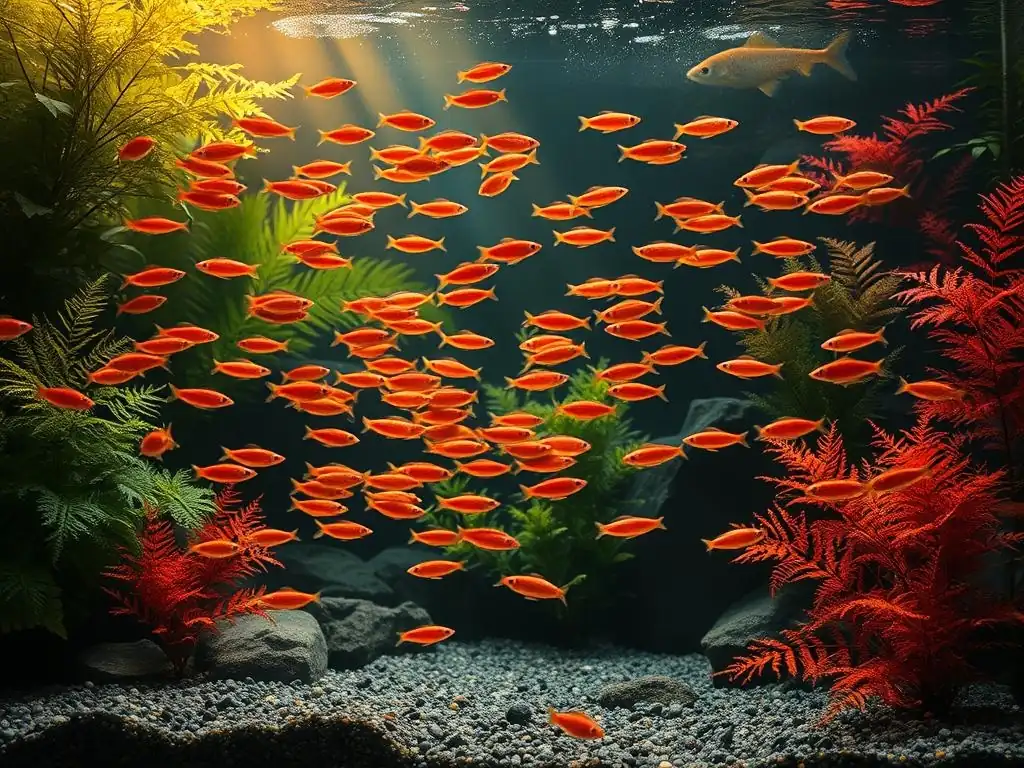
Ever wondered how to transform those tiny Ember tetra sparks into a vibrant, thriving shoal? This comprehensive guide dives deep into the secrets of Ember tetra breeding care, revealing advanced techniques to successfully raise these dazzling jewels. Intrigued? Let's unlock the mysteries together and watch your miniature ecosystem flourish!
- Ember Tetra Fry: From Spark to Shoal – An Advanced Rearing Manual
- Introduction to Ember Tetra Breeding: A Comprehensive Guide
- Understanding Ember Tetra Fry: The First Days
- Advanced Breeding Techniques: Spawning and Egg Collection
- Setting Up the Fry Rearing Tank: Creating the Ideal Environment
- Fry Food: A Nutritional Guide for Growth and Color
- Water Changes and Maintenance
- Preventing and Treating Diseases
- Monitoring Growth and Development: From Fry to Juvenile
- Transitioning Juvenile Fish to the Main Aquarium
- Troubleshooting Common Issues
- Conclusion: Mastering Breeding for Vibrant Shoals
-
Frequently Asked Questions
- How difficult is it to breed Ember Tetras in a home aquarium?
- What are the ideal water parameters for Ember Tetra breeding?
- What do Ember Tetra fry eat, and how often should they be fed?
- How long does it take for Ember Tetra fry to develop their characteristic orange color?
- What are some common challenges in raising Ember Tetra fry and how can they be overcome?
- Final Reflection: Igniting the Future of Ember Tetra Breeding
- Ignite Your Tetra Breeding Journey Now!
Ember Tetra Fry: From Spark to Shoal – An Advanced Rearing Manual
Introduction to Ember Tetra Breeding: A Comprehensive Guide
Ember Tetras ( Hyphessobrycon amandae ) are a jewel of the nano aquarium world, admired for their vibrant orange-red coloration and peaceful schooling behavior. While relatively common in the hobby, successfully breeding and raising their fry requires a meticulous approach, moving beyond basic fish keeping into advanced aquarism.
This comprehensive guide, developed by Aquarium Mastery, provides detailed insights into the intricate process of Ember tetra breeding care, from inducing spawning to nurturing the delicate fry into a thriving shoal. Mastering this process not only offers immense satisfaction but also contributes to the sustainable propagation of these beautiful fish within the hobby.
The journey of raising Ember tetra fry is a rewarding challenge, demanding precision in water parameters, specialized feeding, and vigilant observation. Unlike some livebearers, Ember tetras are egg-layers, and their tiny, vulnerable fry necessitate a dedicated rearing setup. This manual will equip you with the knowledge and techniques to navigate each critical stage, ensuring your efforts in Ember tetra breeding care yield a vibrant new generation of these fiery little fish.
Understanding Ember Tetra Fry: The First Days
The Delicate Nature of Newly Hatched Fry
Newly hatched Ember tetra fry are incredibly delicate, representing the most vulnerable stage of their life cycle. Upon hatching, which typically occurs within 24-36 hours of the eggs being laid at temperatures around 78-82°F (25.5-27.8°C), they are barely visible to the naked eye, often measuring a mere 1.5-2 millimeters in length.
Their fragility stems from their underdeveloped organ systems and the rapid absorption of their yolk sac, which provides initial nourishment for the first 2-3 days. During this critical period, even minor fluctuations in water parameters, the presence of microscopic predators like planaria, or inadequate food sources can lead to devastatingly high mortality rates, often exceeding 80-90% if not managed precisely.
The first few days are paramount for successful Ember tetra breeding care. Fry are highly susceptible to stress from strong currents, sudden changes in light, or any trace of ammonia or nitrite in the water. They often remain motionless or cling to surfaces for the initial 24-48 hours, absorbing their yolk sac before becoming free-swimming. Providing a stable, pristine, and calm environment is non-negotiable to give these tiny sparks the best chance of survival and development into a fiery shoal.
Size and Appearance of Larvae
Upon hatching, Ember tetra larvae are almost transparent, making them exceedingly difficult to spot in a tank with any substrate or decor. Their most prominent features are their relatively large, dark eyes and a small, elongated body with a visible yolk sac attached to their underside. This yolk sac serves as their primary food source for the initial days post-hatch, typically lasting for about 48 to 72 hours. During this period, they are not free-swimming but rather wriggle or "hop" along surfaces.
As the yolk sac is absorbed, usually by day 3-4, the fry become free-swimming and begin actively seeking food. At this stage, they are still incredibly small, often less than 2.5 millimeters, and their bodies remain largely translucent. Over the subsequent week, their bodies will gradually become more opaque, and rudimentary fin rays will begin to develop. The characteristic orange-red coloration of adult Ember tetras is not present at this early stage; it typically starts to develop gradually around 3-4 weeks of age, becoming more pronounced as they mature.
Initial Tank Setup for Fry Rearing
The initial tank setup for Ember tetra fry rearing prioritizes simplicity, hygiene, and control, which are foundational aspects of effective Ember tetra breeding care. A small, dedicated rearing tank is essential, typically ranging from 2 to 5 gallons (approximately 7.5 to 19 liters) in volume. This compact size allows for easy monitoring of the tiny fry and efficient management of water quality and feeding. Substrate should be entirely avoided in the fry tank, as it can trap uneaten food, harbor harmful bacteria, and make cleaning difficult, leading to compromised water conditions.
Filtration must be gentle yet effective. An air-driven sponge filter is the ideal choice, providing biological filtration without creating strong currents that could stress or injure the fragile fry. The air flow should be adjusted to produce a very gentle bubble stream. Maintain a stable temperature between 78-82°F (25.5-27.8°C) using a reliable heater. Minimal decor, such as a small clump of Java moss, can provide a sense of security for the fry and offer a surface for infusoria to colonize, but avoid anything that could trap the fry or hinder cleaning.
Advanced Breeding Techniques: Spawning and Egg Collection
Optimizing Water Parameters for Spawning
Optimizing water parameters is a critical step in encouraging Ember Tetras to spawn, directly impacting the success of Ember tetra breeding care. These fish are soft-water breeders, meaning they require specific conditions that mimic their natural Amazonian habitat to trigger spawning. The ideal water should be very soft, with a general hardness (GH) ranging from 2 to 6 dGH (35.7-107.1 ppm), and slightly acidic, with a pH between 5.5 and 6.5. Carbonate hardness (KH) should be kept very low, ideally 0-2 dKH (0-35.7 ppm), as higher KH levels buffer the pH, making it difficult to achieve the desired acidity.
To achieve these precise parameters, many breeders utilize reverse osmosis (RO) water, often mixed with a small amount of remineralizer to provide essential trace elements without increasing hardness excessively. Peat filtration or adding Indian almond leaves can also help lower pH and release beneficial humic substances, mimicking blackwater conditions. The temperature in the breeding tank should be maintained consistently between 78-82°F (25.5-27.8°C), as this range not only encourages spawning but also supports optimal egg development and hatching. Gradual acclimation to these specific parameters over several days is crucial to prevent stress to the breeding pair.
Identifying Spawning Behavior
Identifying the subtle cues of spawning behavior in Ember Tetras is key for successful egg collection and efficient Ember tetra breeding care. Spawning typically occurs in the early morning, often just as the lights come on or with the first rays of natural light. Prior to spawning, the female will appear noticeably plumper due to being gravid with eggs, while the male may display more vibrant coloration and engage in increased chasing behavior. He will often "dance" around the female, attempting to entice her into the spawning medium.
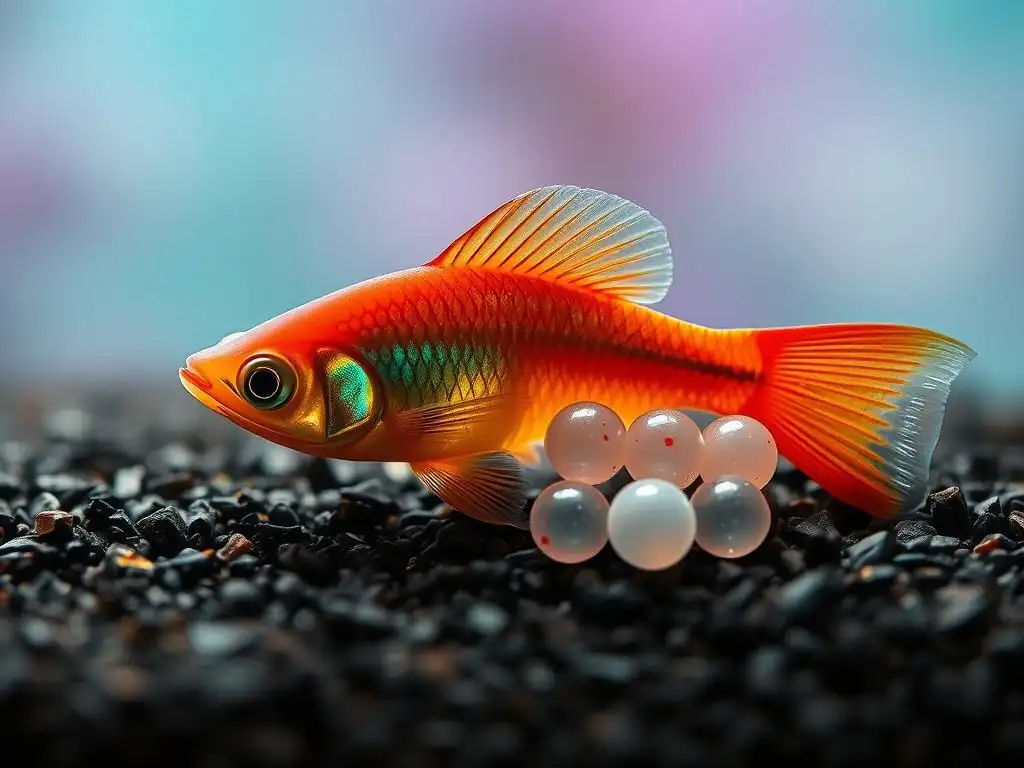
During the actual spawning act, the male will typically nudge the female into or near the chosen spawning site, which can be fine-leaved plants like Java moss or a spawning mop. The female will then release a small number of clear, adhesive eggs, usually 5-10 at a time, which the male will immediately fertilize.
This process is repeated multiple times over an hour or two, with a single female capable of laying anywhere from 50 to 200 eggs, though typically around 100-150 is a good yield. Observing this delicate dance and the scattering of eggs is the signal to prepare for the removal of the adult fish.
Safely Collecting Eggs
Safely collecting Ember tetra eggs is a delicate task due to their small size (approximately 0.5 mm in diameter) and translucent nature, requiring careful attention for effective Ember tetra breeding care. Since Ember Tetras are egg scatterers and prone to eating their own eggs, the breeding pair should be removed from the spawning tank promptly after spawning is observed, typically within an hour or two of the first eggs being laid.
If using a spawning mop (made of yarn or fine synthetic fibers), gently lift the mop out of the water and carefully transfer it to the dedicated fry rearing tank.
If eggs were laid directly on fine-leaved plants like Java moss or hornwort, the entire plant clump should be carefully moved. Alternatively, if no specific spawning medium was used and eggs are scattered on the bare bottom, a small, soft airline tubing can be used to gently siphon the eggs into the fry tank, taking extreme care not to damage them.
Some breeders add a very dilute solution of methylene blue to the fry tank water at this stage to help prevent fungal growth on unfertilized or damaged eggs, though this should be used sparingly as it can stain silicone and reduce light penetration.
Setting Up the Fry Rearing Tank: Creating the Ideal Environment
Choosing the Right Tank Size and Filtration
For successful Ember tetra breeding care, selecting the appropriate tank size and filtration for the fry rearing stage is crucial. A small, dedicated tank is highly recommended, ideally between 2 to 5 gallons (approximately 7.5 to 19 liters). This compact size offers several distinct advantages: it allows for easy monitoring of the minute fry, makes it simpler to ensure that food particles are readily available to them, and facilitates precise control over water parameters. In a larger tank, the small fry can disperse too widely, making feeding inefficient and observation challenging.
Regarding filtration, an air-driven sponge filter is the gold standard for fry tanks. Its gentle current prevents the delicate fry from being sucked in or stressed, while still providing essential biological filtration. The sponge acts as a surface for beneficial bacteria to colonize, breaking down ammonia and nitrite, and also serves as a grazing surface for infusoria, providing a supplemental food source for the very young fry. Power filters or hang-on-back filters with strong intakes are entirely unsuitable, as their suction can easily injure or kill the tiny fry.
Maintaining Optimal Water Quality
Maintaining optimal water quality is paramount for the survival and healthy development of Ember tetra fry, making it a cornerstone of successful Ember tetra breeding care. Fry are exceptionally sensitive to pollutants, and even trace amounts of ammonia or nitrite can be lethal. Therefore, daily, small water changes are often necessary, typically 10-20% of the tank volume. The replacement water must be carefully pre-conditioned to match the temperature and parameters of the fry tank precisely. Using aged water or water from a well-established, healthy aquarium (provided it's free of disease) is highly recommended.
The water parameters should be stable: a pH of 6.0-7.0, a general hardness (GH) between 4-8 dGH, and zero ammonia and nitrite. Nitrate levels should be kept below 10-20 ppm. Regular testing with a reliable liquid test kit is non-negotiable to monitor these critical parameters. Overfeeding, a common mistake, rapidly degrades water quality, so feeding small amounts frequently is preferred over large, infrequent meals. A clean tank environment, free from uneaten food and detritus, is the best defense against water quality issues and subsequent disease.
Plants and Decorations: Providing Shelter and Infusoria
While a bare-bottom tank is often recommended for ease of cleaning in fry rearing, incorporating certain plants and minimal decorations can significantly benefit Ember tetra breeding care. Fine-leaved, floating plants like Java moss ( Taxiphyllum barbieri), Najas grass ( Najas guadalupensis), or guppy grass ( Najas indica) are excellent choices. These plants offer crucial hiding spots for the vulnerable fry, providing a sense of security and reducing stress, which can otherwise lead to stunted growth or increased mortality.
Beyond providing shelter, these plants also serve a vital biological function: they act as a natural substrate for the growth of infusoria. Infusoria are microscopic organisms that naturally colonize plant surfaces and are an essential first food source for newly hatched Ember tetra fry, too small to consume anything else. The plants also help to absorb excess nitrates and can contribute to overall water stability by consuming dissolved waste products. Avoid any sharp or rough decorations that could potentially injure the delicate fry.
Fry Food: A Nutritional Guide for Growth and Color
Infusoria Culture: The First Food
For the first 3 to 7 days post-hatch, Ember tetra fry are too small to consume anything larger than microscopic organisms. This makes infusoria absolutely critical as their initial food source, a foundational element of effective Ember tetra breeding care. Infusoria are a diverse group of microscopic protozoa and rotifers that thrive in nutrient-rich water. While some infusoria will naturally populate a well-established fry tank, culturing them separately ensures a consistent and abundant supply.
To culture infusoria, you can use a simple method: fill a clear jar with aged aquarium water, add a small amount of organic matter such as a few dried banana peels, a piece of lettuce leaf, or even a few grains of rice. Place the jar in a well-lit area but out of direct sunlight. Within a few days, the water will become cloudy, indicating a bloom of infusoria.
Using a syringe or eyedropper, add a small amount of this culture to the fry tank multiple times a day, ensuring the fry always have access to food. Overdosing can quickly foul the water, so observe the fry's bellies and the water clarity.
Culturing and Feeding Live Foods
As Ember tetra fry grow, typically after 5-7 days when they are free-swimming and slightly larger, their nutritional needs increase, and they require larger, more substantial live foods. This transition is a crucial phase in Ember tetra breeding care for promoting rapid growth and vibrant coloration. The most essential live food for this stage is freshly hatched brine shrimp nauplii ( Artemia salina). Brine shrimp are highly nutritious and their jerky movements stimulate the fry's feeding response. It is vital to hatch brine shrimp daily to ensure a constant supply of the smallest, most digestible nauplii.
Other excellent live food options include microworms ( Panagrellus redivivus) and vinegar eels ( Turbatrix aceti). Microworms are easy to culture and are a good intermediate food for slightly older fry, providing a consistent energy source. Vinegar eels are even smaller than microworms and can be used for the very smallest fry, though they are less nutritionally complete than brine shrimp. Always rinse live foods thoroughly with clean, aged water before feeding to remove any culture medium or contaminants that could degrade water quality in the fry tank.
Introducing Commercially Prepared Fry Food: A Gradual Transition
Around 2-3 weeks of age, when Ember tetra fry have grown noticeably and are consistently consuming live foods, it's beneficial to begin a gradual transition to high-quality commercially prepared fry foods. This step is important for diversifying their diet and preparing them for a wider range of foods as they mature, an essential part of comprehensive Ember tetra breeding care. Look for powdered fry foods specifically designed for egg-laying fish, such as Sera Micron, Hikari First Bites, or finely crushed high-quality flake food.
To introduce these foods, mix a tiny pinch with a small amount of tank water to create a slurry. This helps the food disperse evenly throughout the water column and makes it more accessible to the fry as it slowly sinks. Offer these prepared foods alongside live foods initially, gradually increasing the proportion of commercial food as the fry accept it. This gradual approach ensures they continue to receive sufficient nutrition while adapting to new textures and tastes. Monitoring their feeding response and ensuring the food is consumed quickly helps prevent water quality issues.
Frequency and Quantity of Feeding: Avoiding Overfeeding
The feeding regimen for Ember tetra fry is one of the most critical aspects of successful Ember tetra breeding care, requiring both high frequency and careful quantity control. Due to their rapid metabolism and continuous growth, fry need to be fed small amounts multiple times a day, typically 4-6 times daily, or even more frequently for the first week or two. The goal is to ensure a constant supply of food without allowing it to accumulate and foul the water.
The quantity fed at each session should be minimal – only what the fry can consume within 5-10 minutes. Overfeeding is a common cause of high mortality rates in fry tanks, as uneaten food rapidly decomposes, leading to dangerous spikes in ammonia and nitrite, and promoting harmful bacterial blooms. After each feeding, visually inspect the tank for any leftover food. If visible food remains, reduce the quantity for the next feeding. A clean, well-maintained fry tank with consistent water quality is a direct result of a disciplined feeding schedule.
Water Changes and Maintenance
The Importance of Regular Water Changes
Regular water changes are arguably the single most critical maintenance practice in Ember tetra breeding care, especially during the delicate fry stage. Due to the high frequency of feeding required for rapid growth and the small volume of fry tanks, waste products (uneaten food, fish waste) accumulate rapidly. This leads to a swift deterioration of water quality, characterized by rising levels of ammonia, nitrite, and nitrates, all of which are highly toxic to sensitive fry.
Consistent water changes remove these harmful compounds, replenish essential minerals, and maintain a stable, pristine environment crucial for fry development. Without diligent water changes, even the most robust filtration system can be overwhelmed, leading to stunted growth, increased susceptibility to disease, and ultimately, high mortality rates. Many breeders recommend daily water changes of 10-20% for the first few weeks, gradually reducing frequency as the fry grow larger and less sensitive.
Safe Water Change Techniques
Performing water changes in a fry tank requires extreme caution to avoid accidentally siphoning up the tiny Ember tetra fry, making safe techniques essential for effective Ember tetra breeding care. The key is to use a very small diameter siphon or tubing. An airline tubing (approx. 4-6 mm diameter) is ideal, or even a large syringe with a small tube attached. This allows for precise control over the suction and minimizes the risk to the fry.
When siphoning, aim the tubing close to the bottom of the tank, where uneaten food and waste typically accumulate. Move slowly and deliberately. As water is removed, ensure the replacement water is precisely matched in temperature and has been pre-conditioned to the same parameters as the tank water. Drip acclimation for the new water is often beneficial, especially for very young fry, by slowly adding it back to the tank using an airline tubing and a control valve. This prevents sudden shifts in temperature or chemistry that could shock the delicate fry.
Monitoring Water Parameters: Ammonia, Nitrite, and Nitrate Levels
Rigorous monitoring of water parameters is non-negotiable for successful Ember tetra breeding care and the survival of delicate fry. Ammonia (NH3/NH4+) and nitrite (NO2-) are highly toxic, even in trace amounts, and must be kept at 0 ppm at all times. Any detectable level of these compounds indicates insufficient filtration, overfeeding, or inadequate water changes, and immediate corrective action is required. Nitrate (NO3-), while less toxic than ammonia and nitrite, can still be detrimental at high concentrations, especially to developing fry. Levels should ideally be kept below 10-20 ppm.
Regular testing, preferably daily or every other day for the first few weeks, using a reliable liquid test kit is crucial. While a mature sponge filter provides biological filtration to process ammonia and nitrite, the sheer volume of waste produced by frequently fed fry necessitates constant vigilance. If ammonia or nitrite levels rise, increase the frequency and volume of water changes immediately. Maintaining stable and pristine water chemistry through diligent monitoring and proactive maintenance is the cornerstone of preventing disease and promoting robust growth in Ember tetra fry.
Preventing and Treating Diseases
Identifying Common Diseases
Ember tetra fry, like all young fish, are highly susceptible to diseases, and early identification is critical for effective Ember tetra breeding care. The most common ailments affecting fry are often linked to poor water quality or stress. These include:
- Ich (White Spot Disease): Characterized by small, white, salt-grain-like spots on the body and fins. Fry are particularly vulnerable and can succumb quickly.
- Fungal Infections: Appear as cotton-like growths on the body or fins, often targeting injured areas or unfertilized eggs.
- Bacterial Infections: Can manifest as clamped fins, lethargy, rapid breathing, reddening of gills, or sudden, unexplained deaths.
- Velvet Disease: Less common but highly contagious, appearing as a fine, dusty, yellowish coating on the fish.
Observing fry daily for any changes in behavior, appearance, or swimming patterns is essential. Any signs of lethargy, refusal to eat, abnormal swimming, or visible lesions should be addressed immediately. Stress from suboptimal water parameters is the primary precursor to most diseases in fry.
Quarantine and Treatment Options
Treating diseases in Ember tetra fry presents unique challenges due to their small size and extreme sensitivity to medications, making careful consideration vital for Ember tetra breeding care. Standard adult fish medications are often too harsh for fry and can be lethal. If possible, isolate affected fry in a small quarantine container with identical water parameters to the main tank. However, given their minute size, this is often impractical.
The first line of defense against any disease outbreak should always be a large, immediate water change (50% or more, with temperature-matched, dechlorinated water) to improve water quality, as poor conditions are often the root cause. For external parasites like Ich, a very dilute salt bath using non-iodized aquarium salt (e.g., 1 teaspoon per 5 gallons, gradually increased over hours) can sometimes be effective, but extreme caution is advised.
For fungal or bacterial infections, specific "fry-safe" medications or half-doses of very mild medications may be considered, but always research thoroughly and proceed with extreme caution. Often, improving the environment is the best "treatment."
Maintaining a Healthy Environment to Prevent Disease
Prevention is far more effective than treatment when it comes to diseases in Ember tetra fry, forming a cornerstone of responsible Ember tetra breeding care. The vast majority of fry diseases are stress-induced, stemming directly from suboptimal environmental conditions. Therefore, the most crucial preventative measures revolve around maintaining an impeccably clean and stable rearing environment.
Key preventative strategies include:
- Pristine Water Quality: Conduct frequent, small water changes (daily 10-20%) to keep ammonia, nitrite, and nitrate at undetectable levels.
- Stable Temperature: Maintain a consistent temperature within the optimal range (78-82°F / 25.5-27.8°C) to avoid temperature shock.
- Appropriate Feeding: Feed small amounts frequently, ensuring all food is consumed to prevent decay and water fouling.
- Avoid Overcrowding: Ensure the fry tank is not overstocked, allowing ample space for each fry to thrive.
- Quarantine New Additions: While less common for fry, any new equipment or plants should be thoroughly cleaned or disinfected before introduction.
A healthy environment strengthens the fry's immune systems, making them far more resilient to potential pathogens.
Monitoring Growth and Development: From Fry to Juvenile
Observing Physical Changes
Monitoring the physical changes in Ember tetra fry is a rewarding part of Ember tetra breeding care and provides clear indicators of their health and developmental progress. In the first few days, they are transparent and nearly invisible, relying on their yolk sac. By day 3-4, they become free-swimming, albeit still minute (around 2-2.5 mm). Over the first week, their bodies will gradually become more opaque, and rudimentary fins will start to develop.
By 2-3 weeks, with consistent feeding of live foods like brine shrimp nauplii, the fry will visibly increase in size, often reaching 4-5 mm. Their body shape will become more defined, resembling a miniature adult. The characteristic orange-red coloration of Ember tetras usually begins to appear around 3-4 weeks of age, starting as a faint blush and intensifying as they mature. At 4-6 weeks, they can reach 8-10 mm, showing distinct schooling behavior and more vibrant hues. Consistent growth and the development of adult coloration are strong signs of success.
Gradual Acclimation to Larger Tanks
As Ember tetra fry grow into juveniles, typically around 4-6 weeks of age when they reach 8-10 mm in length and are robustly feeding on larger foods, they will benefit from being moved to a larger grow-out tank. This transition is a key step in their long-term Ember tetra breeding care, providing more space for development and reducing the risk of overcrowding. A 10-gallon (38-liter) or even 20-gallon (76-liter) tank can serve as an excellent grow-out environment, depending on the number of juveniles.
The acclimation process must be gradual to prevent shock. Set up the grow-out tank well in advance, ensuring it is fully cycled and its water parameters (temperature, pH, hardness) closely match those of the fry rearing tank. The drip acclimation method is highly recommended: slowly drip water from the new tank into a container holding the juveniles over a period of 1-2 hours, gradually adjusting them to the new water chemistry. Introduce them to the new tank in dim light or darkness to minimize stress.
Transitioning Juvenile Fish to the Main Aquarium
Selecting Suitable Tank Mates
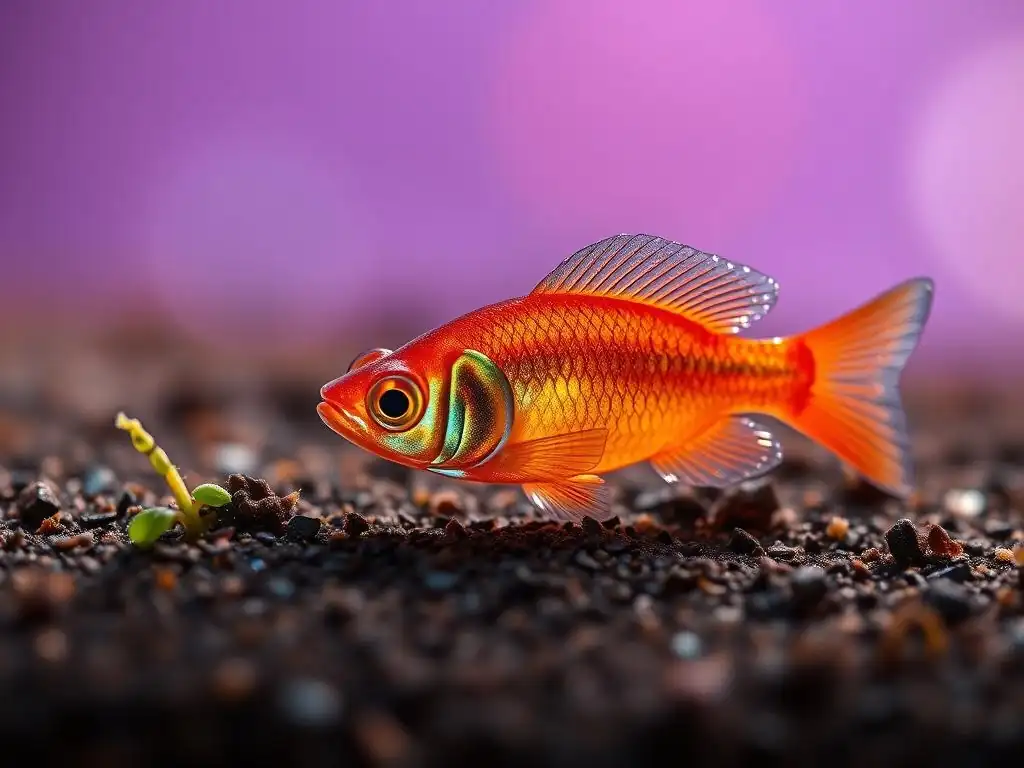
When transitioning Ember tetra juveniles to the main community aquarium, selecting suitable tank mates is paramount to their continued well-being and a crucial aspect of responsible Ember tetra breeding care. Ember Tetras are peaceful, schooling fish, and their small size makes them vulnerable to larger, aggressive, or even fin-nipping species. Therefore, choose tank mates that are equally peaceful, of a similar size, and share similar water parameter requirements.
Ideal tank mates include other small, peaceful tetras (e.g., Neon Tetras, Green Neon Tetras), Corydoras catfish, Otocinclus catfish, and dwarf gouramis. Avoid any cichlids (even dwarf ones, unless specifically known to be extremely docile), larger barbs, or other fish known for aggression or a tendency to nip fins. Ensure the main tank is mature, well-planted, and offers ample schooling space, as Ember Tetras thrive in groups of at least 8-10 individuals, providing safety in numbers.
Gradual Introduction to the Community Tank
A gradual introduction process is essential when moving Ember tetra juveniles into the main community tank to minimize stress and ensure successful integration, a final step in comprehensive Ember tetra breeding care. Even if the water parameters are similar, the change in environment, current, and the presence of new fish can be overwhelming for the young tetras.
Before introducing, ensure the main tank lights are off or dimmed. Use the drip acclimation method: place the juveniles in a container with some of their original water, and slowly drip water from the main tank into the container over a period of 1-2 hours. This allows them to slowly adjust to the new water chemistry.
Once acclimated, gently net the fish and release them into the main tank. Provide plenty of dense plant cover or hiding spots where they can retreat and feel secure during their initial adjustment period. Monitor them closely over the next few days to ensure they are schooling, feeding, and showing no signs of stress or harassment from existing inhabitants.
Continued Monitoring and Care
Even after successfully transitioning Ember tetra juveniles to the main aquarium, continued monitoring and care remain vital for their long-term health and a complete Ember tetra breeding care cycle. The first few days in the new environment can still be stressful, and it's important to ensure they are adapting well. Observe their feeding habits: are they actively competing for food, or are they hesitant? Ensure they are consuming a varied diet suitable for their adult stage, including high-quality flake foods, small pellets, and occasional live or frozen foods like daphnia or bloodworms.
Regularly check for signs of stress or illness, such as clamped fins, lethargy, or faded coloration. Pay close attention to their schooling behavior; a tight school indicates comfort and security, while scattered or hidden individuals might suggest stress or bullying. Maintaining excellent water quality in the community tank through regular water changes and proper filtration is continuously important. As they mature, their vibrant coloration will fully develop, a testament to the dedicated Ember tetra breeding care they received from tiny spark to fiery shoal.
Troubleshooting Common Issues
High Mortality Rates
High mortality rates in Ember tetra fry are a disheartening but common challenge in Ember tetra breeding care, often signaling underlying issues that require immediate attention. The primary causes of significant fry loss typically stem from:
- Poor Water Quality: Ammonia or nitrite spikes are highly lethal. Even trace amounts can cause rapid death. This often results from insufficient water changes, overfeeding, or an uncycled fry tank.
- Inadequate or Incorrect Food: Newly hatched fry will starve if infusoria or other microscopic foods are not provided immediately. Later, a lack of sufficiently nutritious foods like brine shrimp nauplii can lead to stunted growth and death.
- Temperature Fluctuations: Sudden or extreme changes in water temperature can shock and kill delicate fry.
- Disease Outbreaks: Fry are highly susceptible to common fish diseases, often triggered by stress from poor water conditions.
To troubleshoot, rigorously test water parameters daily. Increase the frequency of small water changes. Review your feeding regimen: are you feeding enough, but not too much? Is the food type appropriate for their size? Ensure temperature stability with a reliable heater. Addressing these foundational elements will significantly improve survival rates.
Slow Growth and Development
Slow growth and development in Ember tetra fry are clear indicators that their environmental or nutritional needs are not being fully met, an issue requiring adjustment in Ember tetra breeding care. Unlike high mortality, slow growth is often a chronic problem rather than an acute one. Common causes include:
- Insufficient Feeding: Not enough food, or feeding too infrequently, deprives the fry of the energy needed for rapid growth.
- Poor Food Quality: Relying solely on less nutritious foods (e.g., only infusoria for too long, or low-quality dry foods) will hinder development. Live foods like brine shrimp are crucial for optimal growth.
- Suboptimal Temperature: Temperatures below the ideal range (78-82°F / 25.5-27.8°C) slow down metabolism and growth rates.
- Overcrowding: Too many fry in a small tank leads to competition for food and space, and increased waste, all contributing to stunted growth.
- Chronic Poor Water Quality: Even low, non-lethal levels of ammonia, nitrite, or high nitrates can stress fry and inhibit growth.
To address slow growth, increase feeding frequency and ensure a varied, high-protein diet, prioritizing live foods. Verify the temperature is consistently within the optimal range. If overcrowding is suspected, consider moving a portion of the fry to a second grow-out tank. Regular, diligent water changes are always essential.
Cloudy Water and Poor Water Quality
Cloudy water in a fry tank is a common and concerning issue that signals rapidly deteriorating water quality, demanding immediate action in Ember tetra breeding care. The cloudiness is typically caused by a bacterial bloom, which proliferates due to an excess of organic waste in the water. This waste usually comes from:
- Overfeeding: The most frequent culprit. Uneaten food quickly decomposes, providing a nutrient source for bacteria.
- Insufficient Filtration: An undersized or improperly maintained filter cannot process the waste effectively.
- Infrequent Water Changes: Allowing waste to accumulate without regular removal.
- Disturbed Substrate (if present): Stirring up detritus can release a sudden burst of nutrients.
To troubleshoot, immediately perform a significant water change (e.g., 30-50%) using temperature-matched and dechlorinated water. Reduce feeding frequency and quantity dramatically, feeding only tiny amounts for the next few days. Gently clean the sponge filter by rinsing it in old tank water (never tap water) to preserve beneficial bacteria. Ensure gentle but adequate water circulation. Continuing with frequent, small water changes until the water clears and parameters stabilize is crucial to prevent further stress and potential disease outbreaks in the vulnerable fry.
Conclusion: Mastering Breeding for Vibrant Shoals
Mastering the art of Ember tetra breeding care is a testament to an aquarist's dedication and skill. From the delicate dance of spawning to the meticulous rearing of microscopic fry, each stage demands precision, patience, and a deep understanding of their unique needs. By optimizing water parameters, providing specialized nutrition, and maintaining impeccable water quality, you can transform tiny, translucent sparks into a vibrant, fiery shoal of these captivating fish.
The journey of raising Ember tetra fry is immensely rewarding, offering an unparalleled insight into the life cycle of these aquatic gems. It not only enriches your personal aquarium experience but also contributes to the sustainable future of the hobby. With the advanced techniques and detailed guidance provided by Aquarium Mastery, you are well-equipped to embark on this challenging yet fulfilling endeavor, ultimately achieving the satisfaction of cultivating your own thriving community of Ember Tetras.
Frequently Asked Questions
How difficult is it to breed Ember Tetras in a home aquarium?
Ember tetra breeding can be challenging but rewarding. It requires specific water parameters and a dedicated breeding tank with fine-leaved plants or spawning mops. Consistent water quality is also crucial.
What are the ideal water parameters for Ember Tetra breeding?
The ideal parameters are soft, slightly acidic water with a pH of around 6.0-7.0 and a temperature between 78-82°F (25-28°C). Water hardness should be low, ideally below 5 dGH.
What do Ember Tetra fry eat, and how often should they be fed?
Ember tetra fry are tiny and require very small food. Feed them infusoria, baby brine shrimp, or commercially available fry food several times a day.
How long does it take for Ember Tetra fry to develop their characteristic orange color?
It typically takes several weeks for Ember Tetra fry to develop their vibrant orange coloration. Good water quality and a balanced diet contribute to faster color development.
What are some common challenges in raising Ember Tetra fry and how can they be overcome?
Common challenges include poor water quality and inadequate food size. Regular water changes and feeding with appropriate-sized food, like infusoria, are crucial.
Final Reflection: Igniting the Future of Ember Tetra Breeding
The journey from a barely visible egg to a vibrant, schooling Ember Tetra is a testament to the delicate balance of nature and the dedicated care of aquarists. This intricate process, meticulously detailed throughout this guide, highlights the profound responsibility we undertake when engaging in captive breeding. The success of Ember Tetra breeding programs hinges not only on technical expertise but also on a deep understanding of their needs and a commitment to their well-being, ensuring the continuation of these miniature flames in our aquariums.
The ability to successfully breed Ember Tetras is more than just a hobby; it's a contribution to the preservation of a species, especially considering the pressures faced by their natural habitats. This endeavor fosters a deeper appreciation for the interconnectedness of ecosystems and the importance of responsible aquarium keeping. In the end, we will conserve only what we love; we will love only what we understand; and we will understand only what we are taught.
- Baba Dioum. This quote encapsulates the essence of our work: by understanding and caring for these tiny creatures, we cultivate a love that fuels conservation efforts.
Now, armed with the knowledge and techniques shared in this manual, we invite you to embark on your own Ember Tetra breeding journey. Let the principles of patience, observation, and dedication guide your efforts. May your tanks be filled with the vibrant glow of healthy Ember Tetra fry, a testament to your commitment and a beacon of hope for the future of these captivating fish. Let's continue to learn, share, and refine our practices, ensuring that the fiery shoal thrives for generations to come.
Ignite Your Tetra Breeding Journey Now!
Thanks for diving deep into the world of Ember Tetra fry rearing with us! We hope you've gained valuable insights to help you successfully nurture these tiny sparks into vibrant members of your aquarium. Now, let's put that knowledge into action.
- Commit to Observing: Dedicate 15 minutes each day for the next week to closely observe your fry. Note their activity levels, feeding habits, and any signs of potential issues. Early detection is key!
- Share Your Experience: Have a breakthrough? A funny anecdote? Share your story or ask a question in the comments below. Your experiences can help other aspiring breeders.
- Explore Further: Delve into related articles on AquariumMastery.com to discover advanced techniques for optimizing water parameters and fry development.
What specific challenge are you facing with your Ember Tetra fry right now, and what innovative solution are you considering?