
Longnose Hawkfish: Unique Perching Behavior & Its Place in a Reef Tank

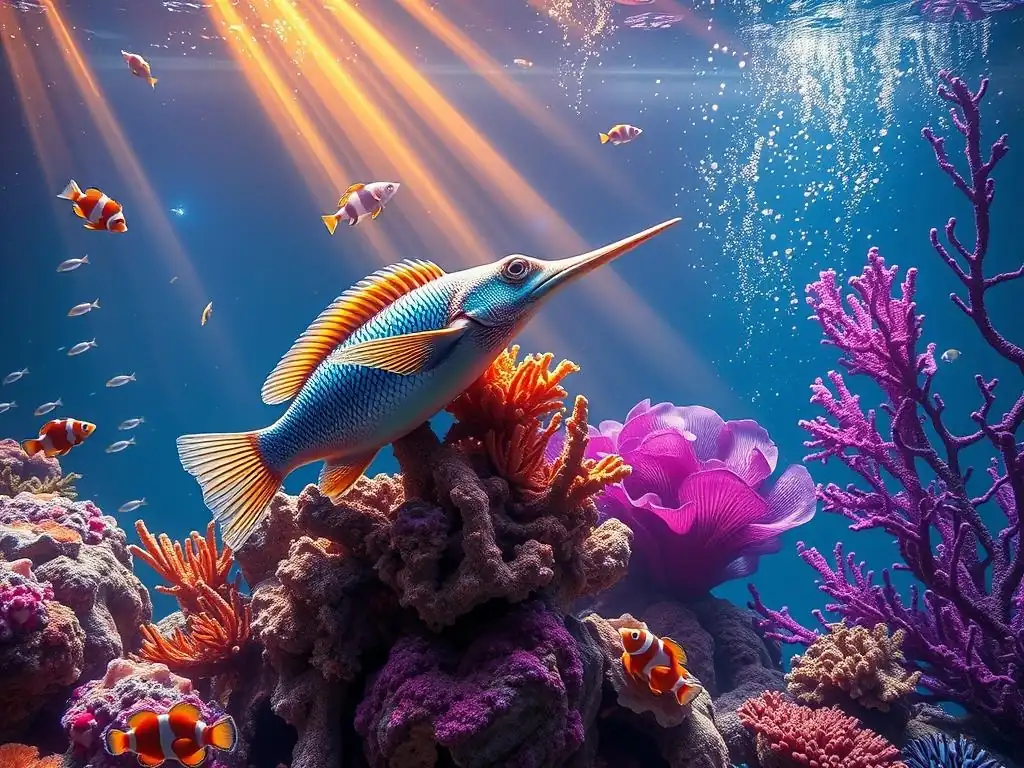
Welcome to Aquarium Mastery!
Dive into the captivating world of reef aquariums, starting with a fascinating look at the Longnose Hawkfish. Ever wondered if this quirky, perching predator can thrive in your reef tank? Discover its unique behaviors, compatibility, and everything you need to know to make an informed decision. Get ready to explore the ins and outs of keeping a Longnose Hawkfish happy and healthy in your saltwater paradise... read on to unlock the secrets!
- Introduction to the Longnose Hawkfish: A Reef Tank Enigma
- Understanding Longnose Hawkfish: Natural Habitat and Behavior
- Longnose Hawkfish Care: Essential Guidelines for a Healthy Reef Tank
- Longnose Hawkfish Reef Compatibility: Choosing the Right Tank Mates
- Identifying and Addressing Potential Problems: Longnose Hawkfish Health
- Acquiring a Longnose Hawkfish: Selecting a Healthy Specimen
- Breeding Longnose Hawkfish: Challenges and Possibilities
- Longnose Hawkfish: The Perfect Reef Tank Addition?
- Conclusion: Appreciating the Unique Charm of the Longnose Hawkfish
-
Frequently Asked Questions
- What is a Longnose Hawkfish and why is its perching behavior unique?
- Can a Longnose Hawkfish be kept in a reef tank?
- What size tank is recommended for a Longnose Hawkfish?
- What are some potential issues when keeping a Longnose Hawkfish in a reef tank?
- What should I feed a Longnose Hawkfish in a reef tank environment?
- Final Reflection: The Enduring Allure of the Longnose Hawkfish
- Ignite Your Reef Tank Passion: Welcome the Hawkfish Charm!
Introduction to the Longnose Hawkfish: A Reef Tank Enigma
What Makes the Longnose Hawkfish Unique? Perching and Personality
The Longnose Hawkfish, Oxycirrhites typus, stands out in the marine aquarium hobby primarily due to its distinctive perching behavior. Unlike most fish that constantly swim, this species spends a significant portion of its time "sitting" atop corals, rocks, or other decor, supported by its stiff pectoral fins. This unique posture, combined with its elongated snout and striking red and white checkerboard pattern, makes it an instantly recognizable and fascinating inhabitant for any Longnose hawkfish reef tank.
Beyond its physical appearance and perching habit, the Longnose Hawkfish possesses a curious and observant personality. They are not shy fish and will often watch their surroundings with keen interest, darting out swiftly only when food or a perceived threat appears. Their relatively calm demeanor and ability to adapt well to captive environments contribute to their popularity, offering aquarists a captivating alternative to more active, free-swimming species.
Longnose Hawkfish in the Reef Aquarium: An Overview
The Longnose Hawkfish is widely regarded as an excellent candidate for a Longnose hawkfish reef tank due to its small adult size, typically reaching about 5 inches (approximately 13 cm), and its general hardiness. They are known for their resilience once acclimated, making them suitable for both seasoned aquarists and those with some experience in marine setups. Their predatory nature is usually limited to very small invertebrates, posing minimal threat to most corals and larger tank mates.
Integrating a Longnose Hawkfish into a reef aquarium requires providing adequate perching opportunities, mimicking their natural habitat. This includes ample live rock structures and a variety of corals, particularly branching or plate corals, which serve as ideal resting spots. With proper care and a well-planned environment, a Longnose Hawkfish can thrive, adding a unique aesthetic and behavioral dimension to a vibrant reef system.
Understanding Longnose Hawkfish: Natural Habitat and Behavior
Longnose Hawkfish Habitat: Coral Reefs and Perches
In their natural environment, Longnose Hawkfish are widely distributed across the Indo-Pacific region, from the Red Sea to the Hawaiian Islands. They are typically found on outer reef slopes, drop-offs, and deep lagoon reefs, inhabiting depths ranging from 10 to 100 meters (approximately 33 to 330 feet). Their preferred locations are often associated with gorgonians, black corals, and large stony corals, which provide the perfect elevated perches from which they can survey their surroundings.
This perching behavior is not merely aesthetic; it serves a crucial ecological purpose. By remaining motionless on a coral branch, the Longnose Hawkfish can effectively camouflage itself, blending into the intricate patterns of the reef. This allows them to conserve energy while patiently waiting to ambush small prey items that drift by. Replicating this kind of structured habitat with plenty of perching opportunities is essential for the well-being of a Longnose Hawkfish in a Longnose hawkfish reef tank.
Predatory Behavior: What Does a Longnose Hawkfish Eat in the Wild?
The elongated snout of the Longnose Hawkfish is not just for show; it is a specialized adaptation for its predatory feeding strategy. In the wild, their diet primarily consists of small benthic invertebrates, including copepods, amphipods, and other tiny crustaceans. They are ambush predators, using their keen eyesight to spot prey from their perch, then darting out with impressive speed to snatch the unsuspecting organism before returning to their vantage point.
Occasionally, they may also consume small fish larvae or other planktonic organisms that drift within their strike range. This natural diet informs their feeding requirements in a captive environment. While they are not active hunters of larger fish, their instinct to prey on small, mobile invertebrates means that very tiny ornamental shrimp or similar organisms might be at risk in a Longnose hawkfish reef tank.
Longnose Hawkfish are generally considered solitary in the wild, though they can sometimes be observed in pairs. Their social dynamics in a captive Longnose hawkfish reef tank are largely peaceful, making them suitable for a community aquarium with most non-aggressive species. They tend to stick to their preferred perching areas, showing little interest in actively swimming throughout the water column or harassing other fish.
However, their territorial nature can manifest towards other bottom-dwelling fish, especially those that might compete for perching spots or resemble them in shape or color. Introducing more than one Longnose Hawkfish to a tank is generally not recommended unless it's a very large aquarium (e.g., over 100 gallons, or 380 liters) with abundant hiding spots, or if a proven mated pair can be acquired. Otherwise, aggression between conspecifics is likely.
Longnose Hawkfish Care: Essential Guidelines for a Healthy Reef Tank
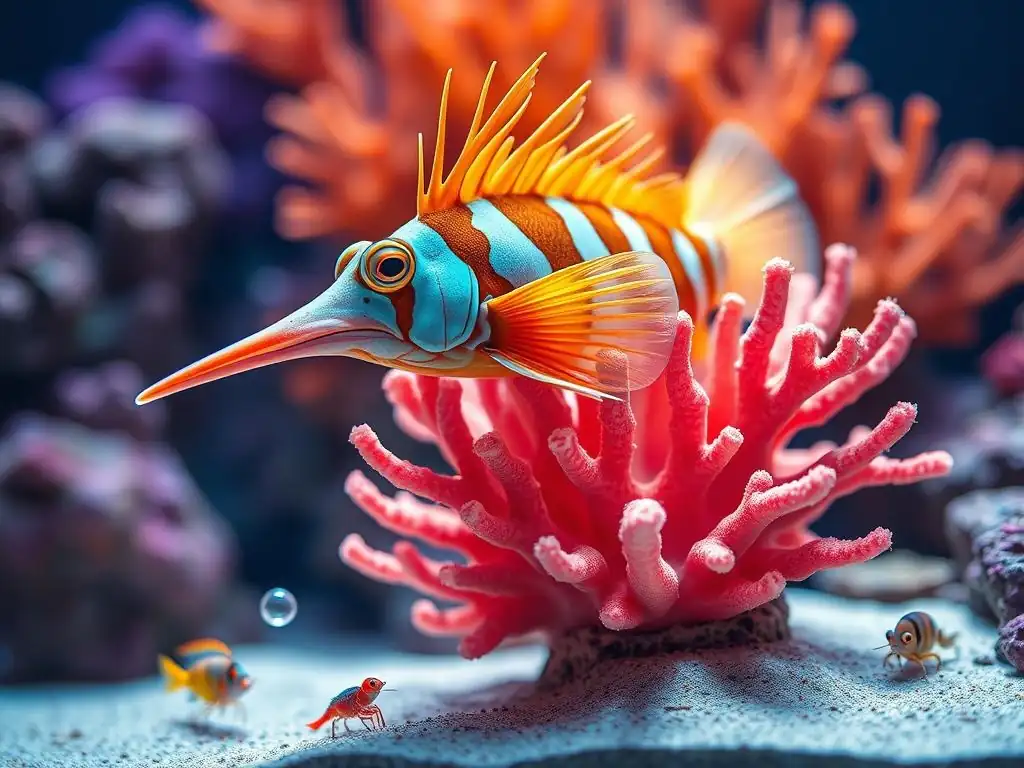
Tank Size and Setup: Creating the Ideal Habitat for Your Longnose Hawkfish
For a single Longnose Hawkfish, a minimum tank size of 30 gallons (approximately 115 liters) is often recommended, though a 50-gallon (approximately 190 liters) or larger Longnose hawkfish reef tank provides more stability and space for diverse aquascaping. The most critical aspect of their setup is providing ample live rock structures and branching corals. These elements are essential for creating the numerous perching and hiding spots that mimic their natural habitat and allow them to exhibit their characteristic behavior.
The aquascape should be designed with plenty of crevices and overhangs where the hawkfish can retreat if feeling threatened. While they appreciate moderate water flow, ensuring there are also calmer areas within the tank is beneficial. Additionally, due to their ability to jump, a tightly fitting lid or screen cover is an absolute necessity to prevent escapes, as they can be surprisingly agile when startled.
Water Parameters: Maintaining Optimal Conditions for Longnose Hawkfish
Maintaining stable and pristine water parameters is paramount for the health and longevity of a Longnose Hawkfish in a Longnose hawkfish reef tank. The ideal salinity range is between 1.023 and 1.026 specific gravity, with a stable temperature maintained between 72-78°F (approximately 22-25.5°C). The pH should consistently be within the marine range of 8.1 to 8.4.
Crucially, ammonia and nitrite levels must remain at zero, and nitrates should be kept as low as possible, ideally below 10-20 ppm, through regular water changes and efficient filtration. A typical regimen involves performing 10-20% water changes bi-weekly. Consistent monitoring of these parameters using reliable test kits is vital to prevent stress and disease, ensuring the hawkfish thrives in its environment.
Feeding Your Longnose Hawkfish: Diet and Nutrition
Longnose Hawkfish are carnivorous and require a varied diet of meaty foods to maintain optimal health in a Longnose hawkfish reef tank. In captivity, they readily accept a range of frozen foods such as mysis shrimp, enriched brine shrimp, finely chopped krill, and various other seafood preparations. High-quality marine pellets and flakes designed for carnivores can also be offered, though frozen foods should form the bulk of their diet.
It is recommended to feed a Longnose Hawkfish two to three times a day in small portions, ensuring that all food is consumed and not left to foul the water. Their natural predatory instinct means they are quick to spot and consume food. Providing a diverse diet not only meets their nutritional needs but also encourages their natural hunting behaviors, keeping them active and engaged within the aquarium.
Longnose Hawkfish Reef Compatibility: Choosing the Right Tank Mates
Safe Tank Mates for Longnose Hawkfish: Peaceful Fish and Invertebrates
The Longnose Hawkfish is generally considered a peaceful addition to a Longnose hawkfish reef tank, making it compatible with a wide array of marine fish and invertebrates. Suitable tank mates include many species of tangs, clownfish, blennies, larger gobies, and most wrasses that are not overly aggressive. They tend to ignore fish that occupy different niches in the water column or are significantly larger.
When it comes to invertebrates, they are typically safe with most ornamental shrimp (though very tiny, newly molted, or juvenile shrimp might be at minimal risk), snails, hermit crabs, and other cleanup crew members. Their primary focus on perching and ambushing small, wild invertebrates means they usually do not bother larger, established invertebrates, making them an excellent choice for a vibrant reef community.
Fish to Avoid: Aggressive or Predatory Species
While generally peaceful, there are certain fish species that should be avoided as tank mates for a Longnose Hawkfish in a Longnose hawkfish reef tank. Very large, aggressive predators such as lionfish, large groupers, or certain triggerfish could view the hawkfish as a potential meal. Similarly, highly aggressive or territorial fish might harass the more sedentary hawkfish, leading to stress and health issues.
It is also wise to exercise caution with other bottom-dwelling fish that share similar body shapes or dietary needs, as potential territorial disputes over prime perching spots could arise. Introducing multiple Longnose Hawkfish to the same tank is generally ill-advised unless the aquarium is exceptionally large and can provide numerous distinct territories, or if the individuals are a proven pair.
Coral Compatibility: Can Longnose Hawkfish Live with Reef Corals?
One of the most appealing attributes of the Longnose Hawkfish for marine aquarists is its exceptional coral compatibility, making it a truly reef-safe choice for a Longnose hawkfish reef tank. Unlike many other fish species that may nip at corals or disturb their polyps, Longnose Hawkfish typically do not consume or damage corals. Their perching behavior involves resting on coral branches or rockwork, but they do not actively browse on coral tissue.
This makes them an ideal candidate for mixed reef aquariums, where both soft and stony corals are present. While constant perching on very delicate SPS (Small Polyp Stony) corals might theoretically cause minor tissue irritation over an extended period, such instances are rare and usually negligible. Aquarists can confidently add a Longnose Hawkfish to their reef system without significant concerns about coral damage.
Identifying and Addressing Potential Problems: Longnose Hawkfish Health
Common Diseases Affecting Longnose Hawkfish
Like many marine fish, Longnose Hawkfish can be susceptible to common parasitic diseases if not properly quarantined or if water quality is poor. The most prevalent concerns include Marine Ich ( Cryptocaryon irritans) and Marine Velvet ( Amyloodinium ocellatum). These external parasites manifest as white spots or a dusty film on the fish's body and fins, often accompanied by rapid breathing or scratching against tank decor.
Less common but still possible are bacterial infections, which can result in fin rot, cloudy eyes, or open sores, typically exacerbated by stress or suboptimal water conditions. Internal parasites might also occur, though they are harder to diagnose without specific symptoms like severe weight loss despite eating, or unusual fecal matter. Maintaining excellent water quality and a balanced diet are key preventative measures in a Longnose hawkfish reef tank.
Recognizing Signs of Stress or Illness
Early detection of stress or illness is crucial for successful treatment in a Longnose hawkfish reef tank. Aquarists should regularly observe their fish for any deviations from normal behavior or appearance. Key indicators of potential problems include clamped fins, rapid or labored breathing, loss of appetite, and changes in coloration (e.g., becoming unusually pale or developing dark blotches).
Behavioral signs such as excessive hiding, lethargy, or unusual swimming patterns (like darting erratically or rubbing against rocks, known as "flashing") are also strong warnings. Visible signs like white spots, fuzzy growths, or open sores on the body are clear indications of disease. Any of these symptoms warrant immediate investigation and, if necessary, isolation in a quarantine tank for treatment.
Quarantine and Treatment Protocols
Implementing a strict quarantine protocol is the single most effective way to prevent the introduction of diseases to a Longnose hawkfish reef tank. All new fish, including Longnose Hawkfish, should be housed in a separate quarantine tank (QT) for a minimum of 3-4 weeks. During this period, the fish can be observed for signs of illness and proactively treated if necessary, without risking the main display tank's inhabitants or coral health.
Should a Longnose Hawkfish in the main tank develop a disease, it should ideally be moved to a hospital tank for treatment. Common treatments for external parasites like Ich often involve copper-based medications or hyposalinity, while bacterial infections may require antibiotics. Always follow medication instructions carefully and ensure the treatment is appropriate for the specific ailment. Never treat with copper in a display Longnose hawkfish reef tank with invertebrates or corals present.
Acquiring a Longnose Hawkfish: Selecting a Healthy Specimen
Where to Buy a Longnose Hawkfish
When deciding to add a Longnose Hawkfish to your Longnose hawkfish reef tank, selecting a reputable source is paramount. Local Fish Stores (LFS) can be a good option, as they allow you to visually inspect the fish and its holding tank before purchase. Look for stores with clean tanks, knowledgeable staff, and a clear policy on fish health guarantees.
Online marine livestock vendors are also a viable option, offering a wider selection and often competitive pricing. However, it's crucial to research their reputation thoroughly, read customer reviews, and understand their shipping and live arrival guarantee policies. A reputable online vendor will prioritize proper packing and quick delivery to minimize stress on the fish.
What to Look for When Purchasing a Longnose Hawkfish
When selecting a Longnose Hawkfish, whether in person or by reviewing images/videos, pay close attention to several key indicators of health. A healthy specimen will be active and alert, exhibiting its characteristic perching behavior. Its eyes should be clear and bright, and its fins should be intact without any signs of tears, fraying, or clamping.
The fish's body should be free of any visible white spots, fuzzy growths, lesions, or excessive sliminess. Observe its breathing – it should be calm and regular, not rapid or labored. If possible, ask to see the fish eat; a healthy Longnose Hawkfish should readily accept food. Avoid any fish that appears lethargic, emaciated, or is showing signs of stress in its holding tank.
Acclimation Process: Introducing Your Hawkfish to Its New Home
Proper acclimation is critical to minimize stress and ensure a smooth transition for your new Longnose Hawkfish into its Longnose hawkfish reef tank or quarantine system. The drip acclimation method is highly recommended, as it slowly equalizes the temperature, pH, and salinity of the water from the shipping bag to your tank. This process can take 30 to 60 minutes or even longer, depending on the difference in water parameters.
Before introducing the fish, dim the lights in the display tank to reduce initial stress. Once acclimated, gently transfer the fish into the tank, avoiding adding the shipping water to your system. Provide plenty of immediate hiding and perching spots. Monitor the new arrival closely for the first few hours and days to ensure it settles in well, begins exploring, and eventually accepts food.
Breeding Longnose Hawkfish: Challenges and Possibilities
Is Breeding Longnose Hawkfish in Captivity Possible?
Breeding Longnose Hawkfish in captivity is an exceptionally challenging endeavor and has only been achieved by a very limited number of public aquariums and highly advanced hobbyists. Unlike some other marine species that readily spawn in home aquariums, the Longnose Hawkfish presents significant hurdles, primarily related to conditioning broodstock and, more critically, rearing their tiny, delicate larval stages.
The successful captive breeding of Oxycirrhites typus requires an intricate understanding of their natural reproductive behaviors, precise environmental control, and specialized equipment for larval rearing. The fry are planktonic and microscopic, necessitating live feed cultures that are extremely difficult to produce and sustain in sufficient quantities for their survival.
Understanding the Reproductive Behavior of Longnose Hawkfish
In their natural habitat, Longnose Hawkfish are thought to be protogynous hermaphrodites, meaning individuals typically begin as females and can transition to males later in life. They often form small harems consisting of one male and several females, or simply live in pairs. Spawning usually occurs at dusk, with the pair engaging in a "spawning rush" towards the surface, releasing pelagic (free-floating) eggs into the water column.
Replicating these specific environmental cues and social structures in a Longnose hawkfish reef tank to induce spawning is difficult. Even if spawning occurs, the eggs hatch into larvae that are incredibly small and vulnerable, requiring very specific types of micro-foods, such as rotifers and copepod nauplii, at precise densities. The complexity of their larval development is the primary reason why captive breeding remains largely out of reach for the average aquarist.
Longnose Hawkfish: The Perfect Reef Tank Addition?
Weighing the Pros and Cons of Keeping a Longnose Hawkfish in a Reef Tank
When considering a Longnose Hawkfish for a Longnose hawkfish reef tank, there are several distinct advantages. They are highly reef-safe, meaning they typically do not harm corals or sessile invertebrates, a major plus for reef enthusiasts. Their unique perching behavior and striking appearance add significant visual interest and personality to an aquarium. Furthermore, they are relatively small, generally hardy, and not overly aggressive towards most other fish species.
However, there are also a few potential drawbacks. While largely peaceful, they can be territorial towards very small, bottom-dwelling fish or similar-looking species. They may also pose a slight risk to very tiny ornamental shrimp, though many hawkfish ignore larger, established shrimp. Additionally, their propensity to jump means a secure, tight-fitting lid is essential, which can sometimes be a challenge with certain aquarium setups.
Is a Longnose Hawkfish Right for Your Aquarium?
Deciding if a Longnose Hawkfish is the right fit for your aquarium involves assessing your current tank setup, existing inhabitants, and personal preferences. If you have a well-established Longnose hawkfish reef tank with ample live rock and coral perching opportunities, stable water parameters, and tank mates that are not overly aggressive or extremely tiny, a Longnose Hawkfish is likely an excellent choice.
This species offers a captivating blend of unique behavior, vibrant coloration, and general compatibility, making it a rewarding addition for aquarists seeking a distinctive yet relatively low-maintenance fish. If you appreciate observing a fish with a strong personality and less active swimming habits, the Longnose Hawkfish could very well be the perfect, charming inhabitant to complete your marine ecosystem.
Conclusion: Appreciating the Unique Charm of the Longnose Hawkfish
Continued Learning About Longnose Hawkfish and Reef Tank Management
The Longnose Hawkfish stands out as a truly unique and appealing inhabitant for the Longnose hawkfish reef tank. Its distinctive perching behavior, vibrant coloration, and generally peaceful nature make it a fascinating focal point, offering aquarists a glimpse into the specialized adaptations of coral reef life. With its reputation for being reef-safe and relatively hardy, it presents an accessible option for many marine enthusiasts looking to add character without compromising their coral collection.
To ensure the long-term health and vitality of your Longnose Hawkfish and the success of your entire Longnose hawkfish reef tank, continued learning and diligent husbandry are essential. Engaging with the wider aquarist community, consulting reliable marine biology resources, and staying updated on best practices for saltwater aquarium management will empower you to provide the optimal environment for this charming and captivating species.
Frequently Asked Questions
What is a Longnose Hawkfish and why is its perching behavior unique?
The Longnose Hawkfish (Oxycirrhites typus) is a small, colorful fish known for its elongated snout and distinctive perching behavior. Unlike most fish, it prefers to perch on rocks and corals, observing its surroundings.
Can a Longnose Hawkfish be kept in a reef tank?
Yes, a Longnose Hawkfish can be kept in a reef tank, but with careful consideration. While generally peaceful towards corals, they may prey on small crustaceans and invertebrates, so assess your existing reef inhabitants.
What size tank is recommended for a Longnose Hawkfish?
A tank size of at least 30 gallons is recommended for a single Longnose Hawkfish. This provides adequate swimming space and allows for sufficient rockwork and perching locations.
What are some potential issues when keeping a Longnose Hawkfish in a reef tank?
Potential issues include the Hawkfish preying on small ornamental shrimp and other tiny invertebrates. They can also sometimes be territorial towards other peaceful fish, so consider tank mates carefully.
What should I feed a Longnose Hawkfish in a reef tank environment?
Longnose Hawkfish are carnivores and should be fed a diet of meaty foods, such as frozen mysis shrimp, brine shrimp, and small pieces of fish. Supplement with high-quality flake or pellet food designed for marine carnivores.
Final Reflection: The Enduring Allure of the Longnose Hawkfish
The preceding exploration of the Longnose Hawkfish, its unique perching behavior, and its suitability for a reef tank, highlights a crucial aspect of responsible aquarism: understanding the intricate needs of the creatures we bring into our care. This understanding is more vital than ever, as the pressures on wild reef ecosystems continue to mount, making ethical sourcing and informed husbandry paramount.
The Longnose Hawkfish, with its captivating personality and striking appearance, serves as a microcosm of the larger reef environment. Observing its behavior, understanding its needs, and providing a suitable habitat allows us to connect with the beauty and fragility of coral reefs in a deeply personal way. In the end, we will conserve only what we love; we will love only what we understand; and we will understand only what we are taught.
- Baba Dioum. This quote underscores the importance of education and awareness in fostering a genuine appreciation for the natural world, inspiring us to protect it.
Now, consider the lessons learned about the Longnose Hawkfish and its place in a reef tank. How can you apply this knowledge to your own interactions with the natural world? Whether you're an experienced aquarist or simply an admirer of marine life, let this article serve as a reminder to approach every encounter with curiosity, respect, and a commitment to responsible stewardship. Let's all strive to be informed and conscientious inhabitants of this planet, ensuring the vibrant beauty of our reefs endures for generations to come.
Ignite Your Reef Tank Passion: Welcome the Hawkfish Charm!
Thank you for diving into the fascinating world of the Longnose Hawkfish! We hope you’ve enjoyed learning about this unique and captivating reef inhabitant. Now, let's turn that knowledge into action!
- Boldly consider: Introducing a Longnose Hawkfish to your established reef environment (remembering the compatibility considerations, of course! ).
- Delve deeper: Explore other compatible perching fish to create a dynamic and visually stunning reef ecosystem.
- Share the wonder: Spread the word about these incredible creatures! Share this article with fellow reef enthusiasts who appreciate the unusual.
What fascinating fish behavior have you witnessed in your own aquarium? Share your stories in the comments below!