
Top 5 Most Popular Saltwater Aquarium Shrimp for Beginners

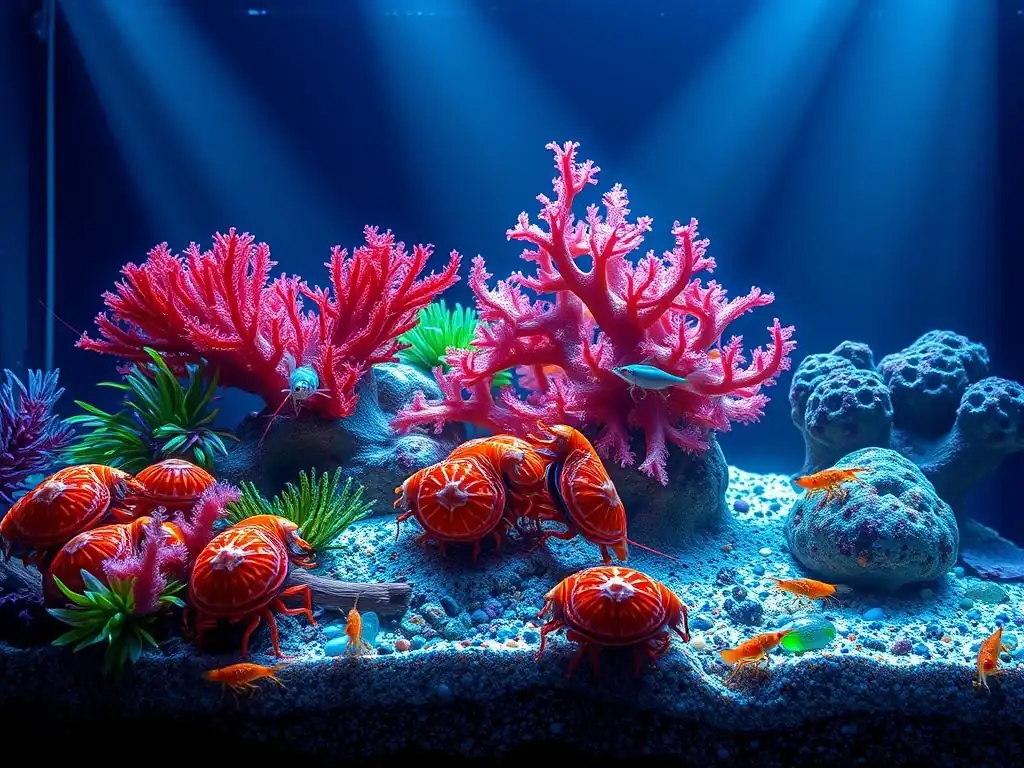
Welcome to Aquarium Mastery, where your underwater dreams become reality! Ever been mesmerized by the vibrant life teeming within a saltwater aquarium? Curious about adding a splash of color and personality to your reef? Then dive into our guide on Saltwater Shrimp Beginner Care and discover the top 5 most popular shrimp species perfect for new aquarists. Get ready to explore the fascinating world of invertebrates and unlock the secrets to a thriving, shrimptastic ecosystem!
- Introduction to Saltwater Shrimp Keeping for New Aquarists
- #1: The Peppermint Shrimp: Aiptasia Control and Easy Care
- #2: The Cleaner Shrimp: A Beneficial Symbiosis
- #3: The Fire Shrimp: A Vibrant Addition to Your Reef Tank
- #4: The Skunk Cleaner Shrimp: Stripes and a Helpful Nature
- #5: The Harlequin Shrimp: Starfish Predator and Reef Safe
- Choosing the Right Saltwater Shrimp for Your Beginner Aquarium
- Essential Saltwater Shrimp Beginner Care Tips
- Conclusion: Enjoying Your Saltwater Shrimp Aquarium
- Frequently Asked Questions
- Final Reflection: Embracing the Miniature Reef
- Ignite Your Saltwater Aquarium Journey!
Introduction to Saltwater Shrimp Keeping for New Aquarists
Why Choose Saltwater Shrimp for Your First Aquarium?
Saltwater shrimp are an excellent choice for new aquarists looking to add vibrant life and functional utility to their marine tanks. Many species serve as invaluable members of a clean-up crew, diligently consuming uneaten food, detritus, and even nuisance pests like Aiptasia anemones. Beyond their practical benefits, their captivating behaviors—from intricate molting processes to symbiotic relationships with fish—add a dynamic and engaging element to any aquarium, making them a rewarding part of saltwater shrimp beginner care.
These invertebrates typically have a low bioload compared to fish, meaning they produce less waste and have a lesser impact on water quality. Their relatively small size, often ranging from 1 to 3 inches, makes them suitable for a variety of tank sizes, including smaller nano reefs. For those just starting out, certain saltwater shrimp species offer a forgiving entry point into the fascinating world of marine invertebrates, proving that successful saltwater shrimp beginner care is achievable with careful planning.
Understanding Basic Saltwater Shrimp Beginner Care
Successful saltwater shrimp beginner care hinges on maintaining stable and pristine water parameters. All marine invertebrates are highly sensitive to fluctuations in salinity, temperature, and pH, as well as the presence of harmful substances like ammonia, nitrite, and copper. An ideal temperature range for most beginner shrimp species is between 72°F and 78°F (22°C-26°C), with specific gravity maintained consistently between 1.023 and 1.026. The pH should typically remain stable between 8.1 and 8.4.
Beyond stable water, proper acclimatization is paramount when introducing new shrimp to your tank. Drip acclimation over a period of 45-60 minutes is highly recommended to slowly equalize water parameters and minimize stress, greatly improving their chances of survival. Furthermore, ensuring your tank has plenty of live rock or other hiding spots provides essential security, especially during their vulnerable molting periods. Adequate iodine and calcium levels are also crucial for their exoskeleton health and successful molts, aspects often overlooked in basic saltwater shrimp beginner care.
#1: The Peppermint Shrimp: Aiptasia Control and Easy Care
Peppermint Shrimp Care Guide for Beginners
The Peppermint Shrimp ( Lysmata wurdemanni) is an ideal candidate for saltwater shrimp beginner care due to its hardiness and beneficial habits. These active scavengers thrive in tanks of 10 gallons or larger, provided there are ample hiding spots within the rockwork. They prefer stable water conditions, with temperatures between 72-78°F (22-26°C) and a specific gravity of 1.023-1.026. While generally nocturnal, they often become bolder over time, venturing out during daylight hours.
Their diet is quite versatile, making them easy to feed. Peppermint Shrimp are omnivores, readily consuming uneaten fish food, detritus, and algae. They will also accept a variety of frozen foods such as mysis shrimp, brine shrimp, and even small pieces of chopped seafood offered 2-3 times a week. During molting, which occurs every few weeks as they grow, they will shed their old exoskeleton; ensure calcium and alkalinity levels are stable for a successful molt.
Benefits of Peppermint Shrimp in Saltwater Tanks
The most celebrated benefit of the Peppermint Shrimp is its appetite for Aiptasia anemones, a common and often invasive pest in reef aquariums. While not every individual shrimp will aggressively consume Aiptasia, many aquarists report significant reductions in Aiptasia populations after introducing these shrimp. A general guideline suggests adding one Peppermint Shrimp per 10-15 gallons of tank volume for effective control.
Beyond Aiptasia, Peppermint Shrimp are excellent members of the clean-up crew. They tirelessly scavenge the tank, consuming leftover food, decaying organic matter, and detritus, which helps maintain water quality and reduces the workload on your filtration system. Their peaceful nature ensures they are compatible with most reef inhabitants, including corals and other invertebrates, making them a valuable and safe addition for saltwater shrimp beginner care.
Identifying True Peppermint Shrimp ( Lysmata wurdemanni )
Accurate identification of Lysmata wurdemanni is crucial, as similar-looking species are often mistaken for them, yet lack their Aiptasia-eating capabilities. True Peppermint Shrimp possess a translucent to reddish-brown body adorned with distinct, thin, broken red or orange stripes that run horizontally across their carapace and abdomen. These stripes are typically somewhat irregular and segmented.
A common look-alike is the Camel Shrimp ( Rhynchocinetes durbanensis), which has a more pronounced hump on its back and often features more solid, unbroken red and white stripes. Unlike Peppermint Shrimp, Camel Shrimp are known to nip at corals and are not effective Aiptasia predators, making them unsuitable for the same role. When purchasing, it's best to observe the shrimp's markings closely and inquire about the specific species to ensure you are getting the true Lysmata wurdemanni for effective saltwater shrimp beginner care.
#2: The Cleaner Shrimp: A Beneficial Symbiosis
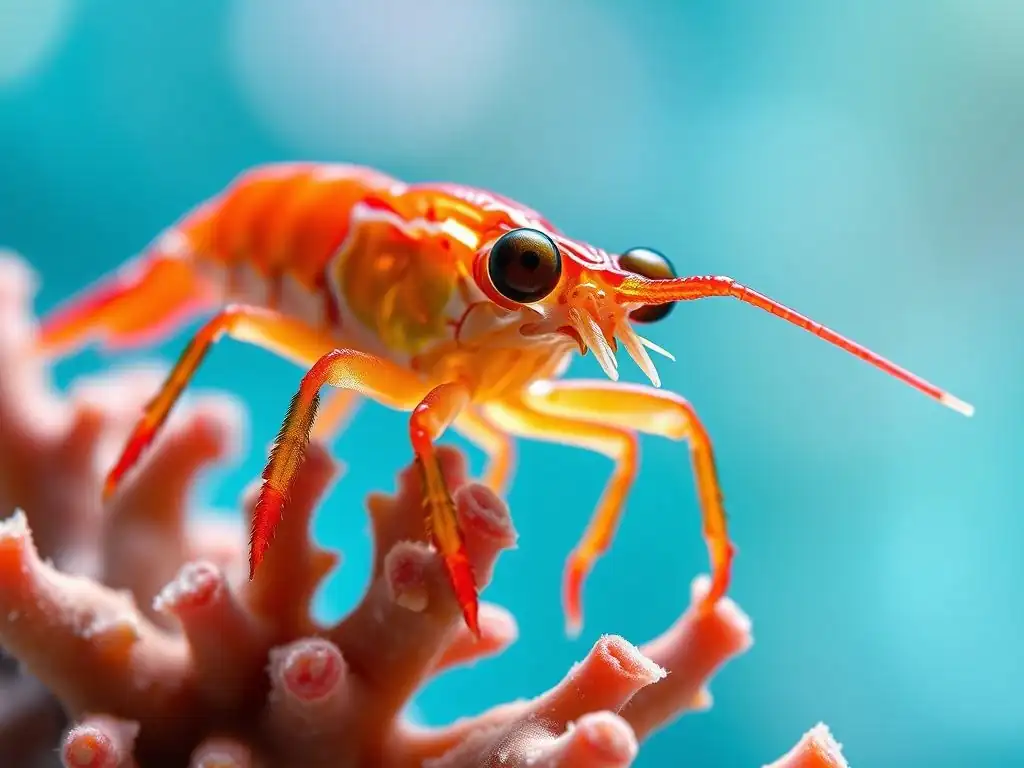
Cleaner Shrimp Care: Essential Tips for Beginners
The Cleaner Shrimp, most commonly referring to the Pacific Cleaner Shrimp ( Lysmata amboinensis) or Skunk Cleaner Shrimp ( Lysmata debelius), is a fantastic choice for saltwater shrimp beginner care due to its hardiness and fascinating symbiotic behaviors. These shrimp require a tank of at least 20 gallons to thrive, offering ample space for foraging and hiding. Consistent water parameters are key, with temperatures between 74-78°F (23-26°C) and a specific gravity of 1.024-1.026.
Cleaner Shrimp are opportunistic omnivores and will readily accept a varied diet. In addition to scavenging for uneaten food and detritus, they should be offered supplemental foods 2-3 times a week. High-quality frozen foods like mysis shrimp, brine shrimp, and small pieces of chopped seafood are readily consumed. They are quite active during the day, often seen perched on rocks or waiting for fish to approach their "cleaning stations."
The Role of Cleaner Shrimp in Saltwater Tank Health
Cleaner Shrimp are renowned for their unique symbiotic relationship with fish. They establish "cleaning stations" on live rock or prominent corals, where they wave their long antennae to attract fish. When a fish approaches, the shrimp will meticulously pick off parasites, dead skin, and mucus from the fish's body, gills, and even inside its mouth. This behavior is not only captivating to observe but also provides a vital service, helping to keep fish healthy and free from external parasites.
Beyond their cleaning services, these shrimp contribute significantly to the tank's overall cleanliness as part of the clean-up crew. They actively scavenge for leftover food and organic debris, preventing the buildup of waste that can degrade water quality. Their presence can reduce the parasitic load in the aquarium, making them a valuable biological asset for maintaining a balanced and healthy marine environment, an important aspect of saltwater shrimp beginner care.
Understanding Cleaner Shrimp Behavior and Compatibility
Cleaner Shrimp are generally peaceful and compatible with most reef-safe fish and invertebrates. They are often kept singly or in pairs, though pairs are more likely to form if introduced simultaneously or if they are a mated pair. Their bold and curious nature means they are often out in the open, adding visual interest to the aquarium. They are not known to bother corals or other sessile invertebrates.
However, caution is advised with certain predatory fish species. Large, aggressive fish such as Lionfish, Triggerfish, Groupers, and some larger Wrasses may view Cleaner Shrimp as a food source, despite their cleaning services. It's crucial to research the compatibility of your tank's inhabitants before introducing a Cleaner Shrimp. For a typical community reef tank, Cleaner Shrimp are an excellent and safe choice, embodying the ideal characteristics for saltwater shrimp beginner care.
#3: The Fire Shrimp: A Vibrant Addition to Your Reef Tank
Fire Shrimp Care: A Beginner's Guide to Lysmata debelius
The Fire Shrimp ( Lysmata debelius), also known as Blood Shrimp, is highly sought after for its striking crimson red coloration and pristine white antennae and legs. While beautiful, they require slightly more attention to water quality than Peppermint Shrimp, making stable parameters paramount for saltwater shrimp beginner care. A tank size of at least 20-30 gallons is recommended to provide ample space and stability. Temperatures should be maintained between 74-78°F (23-26°C) and specific gravity at 1.024-1.026.
Fire Shrimp are primarily scavengers and will consume uneaten food, detritus, and small invertebrates. They also appreciate supplemental feedings of high-quality frozen foods like mysis shrimp, brine shrimp, and chopped seafood, offered 2-3 times per week. They tend to be more nocturnal and reclusive initially, preferring to hide among live rock, but with time and comfort, they can become bolder and more visible, especially during feeding times.
Maintaining Water Quality for Fire Shrimp
Pristine and stable water quality is non-negotiable for the health and longevity of Fire Shrimp. They are more sensitive to fluctuating parameters than some other beginner shrimp species. Regular water changes, typically 10-15% bi-weekly, are crucial for replenishing essential trace elements like iodine and calcium, which are vital for their molting process, and for keeping nitrate levels low (preferably below 10-20 ppm).
Calcium levels should be maintained between 400-450 ppm and alkalinity between 8-12 dKH to support healthy exoskeleton growth and successful molts. A stable pH of 8.1-8.4 is also important. Investing in a good quality salt mix and using RODI (Reverse Osmosis Deionized) water for both water changes and top-offs will greatly contribute to the overall well-being of your Fire Shrimp and exemplify excellent saltwater shrimp beginner care.
Fire Shrimp: Recognizing and Addressing Potential Issues
Despite being relatively hardy for their beauty, Fire Shrimp can encounter issues, particularly failed molts, which are often indicative of poor water quality or insufficient iodine. Signs of a failed molt include the shrimp struggling to shed its old exoskeleton, or appearing lethargic and discolored after an attempted molt. Maintaining stable calcium, alkalinity, and iodine levels is critical to prevent these issues.
Like all invertebrates, Fire Shrimp are extremely sensitive to copper-based medications, even in trace amounts. Always ensure any medications or additives used in your tank are invertebrate-safe. Predation from larger, aggressive fish is another potential issue. If a Fire Shrimp is constantly hiding, it may be stressed or feeling threatened by tank mates. Providing ample hiding spots and ensuring compatible tank mates are crucial for their long-term health and a successful experience with saltwater shrimp beginner care.
#4: The Skunk Cleaner Shrimp: Stripes and a Helpful Nature
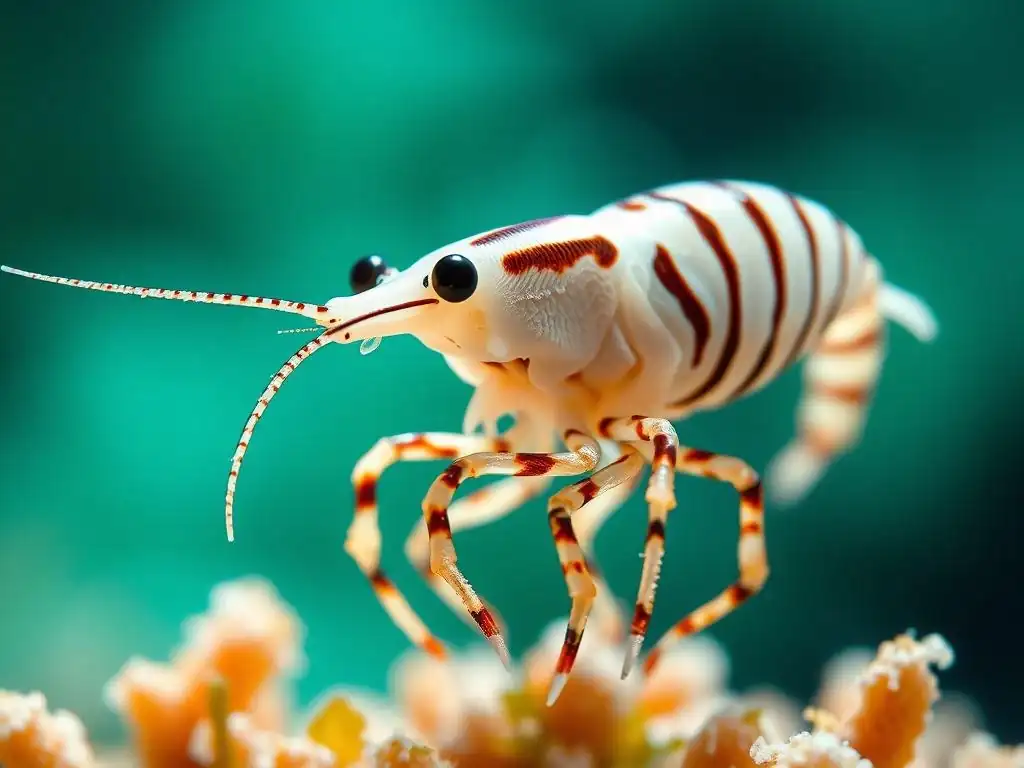
Skunk Cleaner Shrimp Care for New Saltwater Aquarists
The Skunk Cleaner Shrimp ( Lysmata amboinensis) is a staple in the marine aquarium hobby, recognized by its distinctive white stripe running down its back, flanked by two thinner red stripes. These active and charismatic shrimp are excellent for saltwater shrimp beginner care, thriving in tanks of at least 20 gallons. They require stable water parameters, with temperatures between 74-78°F (23-26°C) and a specific gravity of 1.024-1.026.
Skunk Cleaner Shrimp are highly visible during the day, often perched on prominent rocks, waving their antennae to attract fish. They are robust scavengers, readily consuming leftover food, detritus, and algae. Supplemental feedings of frozen mysis shrimp, brine shrimp, or high-quality marine pellets 2-3 times per week will ensure they receive adequate nutrition. Their overall hardiness makes them a reliable choice for new aquarists.
The Importance of Iodine for Skunk Cleaner Shrimp
Iodine is a critical trace element for all crustaceans, including Skunk Cleaner Shrimp, playing a vital role in their molting process. Without sufficient iodine, shrimp can experience difficulty shedding their old exoskeleton, leading to stress, injury, or even death during molts. While some iodine is introduced through regular water changes with a high-quality salt mix, it can be depleted quickly, especially in tanks with multiple crustaceans.
Many aquarists choose to supplement iodine, either through liquid additives specifically designed for marine invertebrates or by ensuring their salt mix is rich in trace elements. If supplementing, it is crucial to follow dosage instructions precisely, as overdosing can be harmful. Regular testing for iodine is not commonly done by beginners, so maintaining consistent water changes and using a good quality salt mix are the most practical approaches for saltwater shrimp beginner care.
Skunk Cleaner Shrimp: Diet and Feeding Habits
In their natural habitat, Skunk Cleaner Shrimp primarily feed on parasites, dead skin, and mucus from fish, along with various detritus and small organic particles. They establish "cleaning stations" where fish willingly present themselves to be cleaned, showcasing a fascinating symbiotic relationship. This behavior helps reduce parasitic loads in the wild and in the home aquarium.
In a captive environment, while they will continue their cleaning duties, it's essential to provide supplemental nutrition. They are not solely reliant on cleaning fish for food. Offer small amounts of high-quality frozen foods such as mysis shrimp, enriched brine shrimp, or chopped seafood every other day. They are enthusiastic feeders and will often come to the front of the tank when food is introduced, making feeding time an engaging part of saltwater shrimp beginner care.
#5: The Harlequin Shrimp: Starfish Predator and Reef Safe
Harlequin Shrimp Care: A Beginner's Guide to Hymenocera picta
The Harlequin Shrimp ( Hymenocera picta) is perhaps the most unique and visually stunning of the beginner-friendly shrimp, known for its intricate patterns and specialized diet. While beautiful, their care is distinct: they are obligate starfish eaters. This means they must be fed starfish to survive, a commitment crucial for saltwater shrimp beginner care. A minimum tank size of 10-20 gallons is suitable for a single or pair, provided their dietary needs are met. Water parameters should be stable, similar to a reef tank: temperature 74-78°F (23-26°C) and specific gravity 1.024-1.026.
Their unique diet requires a dedicated approach. Harlequin Shrimp typically consume one small starfish, such as an Asterina starfish or a small Chocolate Chip starfish, every one to two weeks, depending on the shrimp's size and metabolic rate. They will often flip the starfish onto its back and consume it arm by arm, a fascinating but sometimes unsettling process to observe. Due to their specialized feeding, they are best kept in a dedicated tank or a tank where their food source can be reliably provided.
Supplying Starfish for Harlequin Shrimp
The most challenging aspect of Harlequin Shrimp care is ensuring a consistent supply of their primary food source: starfish. Common food sources include Asterina starfish, which often appear as hitchhikers in live rock, or small ornamental starfish like Chocolate Chip starfish. Larger starfish can be purchased and kept in a separate holding tank, then offered in pieces to the shrimp as needed, though this requires more effort.
Estimating approximately one small starfish (e.g., 2-3 inches in diameter) per shrimp every 7-14 days is a good starting point. The frequency depends on the shrimp's size and activity level. Sourcing can be through local fish stores, online vendors, or by cultivating Asterina starfish in a separate refugium. This consistent demand for live food makes Harlequin Shrimp a commitment, but their unique behavior is highly rewarding for those willing to undertake this aspect of saltwater shrimp beginner care.
Harlequin Shrimp: Tank Mates and Compatibility Considerations
Harlequin Shrimp are generally considered reef-safe, as they do not bother corals, anemones (other than starfish), or most other invertebrates. Their primary focus is on hunting and consuming starfish. They are peaceful with most fish that are not large enough to consider them prey. Their small size, typically reaching about 2 inches, means they can be vulnerable to predatory fish such as Triggerfish, Lionfish, or larger Wrasses.
It is crucial to avoid keeping Harlequin Shrimp with any starfish intended as pets or as part of the clean-up crew, as they will inevitably become a meal. They are best kept in tanks where their specialized diet is the main consideration, or in a community tank with very peaceful, non-predatory fish. While their diet is demanding, their striking appearance and unique feeding behavior make them a captivating addition for dedicated aquarists engaging in advanced saltwater shrimp beginner care.
Choosing the Right Saltwater Shrimp for Your Beginner Aquarium
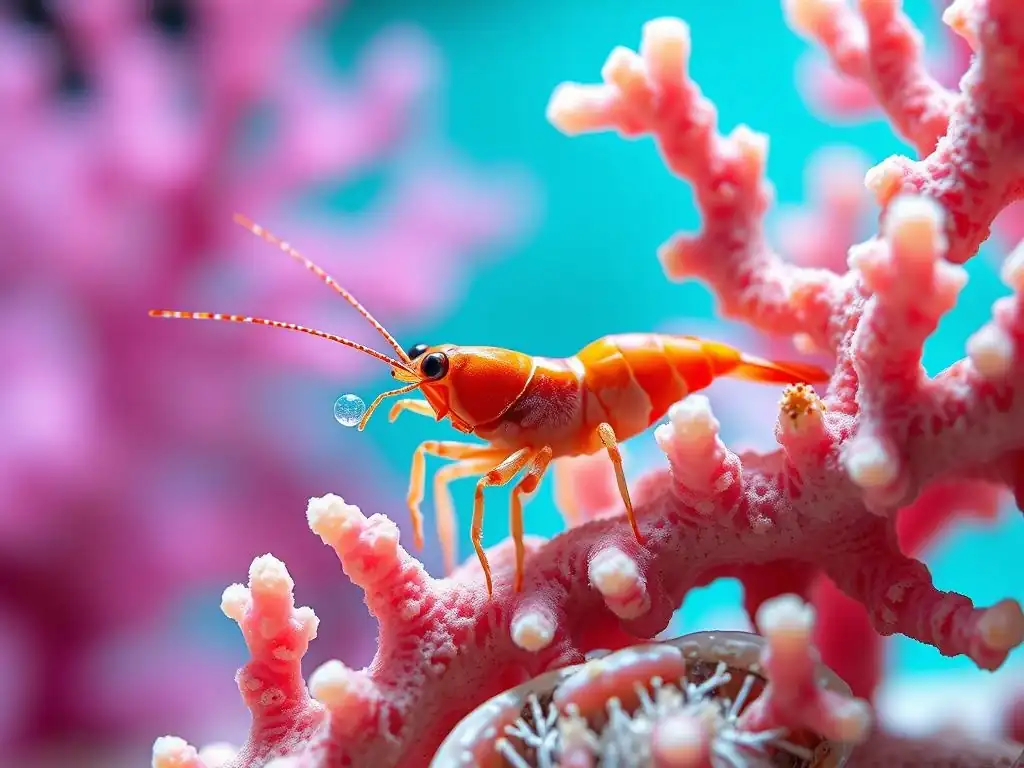
Assessing Your Tank's Compatibility with Different Shrimp Species
Selecting the right saltwater shrimp for your beginner aquarium involves careful consideration of your existing tank setup and inhabitants. First, evaluate your tank size: a 10-gallon nano tank might comfortably house a single Peppermint Shrimp, but a larger Cleaner Shrimp would require at least 20 gallons. Second, assess your fish population. While most shrimp are peaceful, large predatory fish like Triggerfish or Lionfish will view shrimp as food, regardless of their cleaning services.
Consider the primary purpose you want the shrimp to serve. If Aiptasia control is a priority, Peppermint Shrimp are your go-to. If you desire a highly active, symbiotic cleaner, a Skunk Cleaner or Pacific Cleaner Shrimp is ideal. For those willing to commit to a specialized diet for a truly unique display, the Harlequin Shrimp stands out. Matching the shrimp's needs and benefits to your tank's specific environment is crucial for successful saltwater shrimp beginner care.
Considering Water Parameters and Stability for Saltwater Shrimp
The cornerstone of successful saltwater shrimp beginner care is maintaining stable and appropriate water parameters. All marine shrimp are highly sensitive to fluctuations in salinity, temperature, and pH, as well as the presence of ammonia, nitrites, and nitrates. A specific gravity of 1.024-1.026 is generally ideal, with temperatures consistently between 74-78°F (23-26°C). Ammonia and nitrites must be undetectable (0 ppm), and nitrates kept as low as possible, ideally below 10-20 ppm.
Beyond the basics, maintaining stable calcium (400-450 ppm) and alkalinity (8-12 dKH) is vital for the shrimp's exoskeleton health and successful molting. Rapid changes in any of these parameters can cause significant stress, leading to failed molts or even death. Regular water testing (at least weekly for ammonia, nitrite, nitrate, and salinity) and consistent maintenance routines are essential for providing a healthy environment for your saltwater shrimp.
Selecting Healthy Saltwater Shrimp from Your Local Fish Store
When purchasing saltwater shrimp, careful observation at your local fish store (LFS) is key to ensuring you bring home a healthy specimen. Look for shrimp that are active and alert, moving around their display tank. Their antennae should be intact and constantly twitching. The exoskeleton should appear clear and free of cloudy patches or unusual discoloration. Avoid shrimp that are lethargic, sitting motionless for extended periods, or have missing limbs (unless clearly in the process of regenerating).
Observe the water quality in the shrimp's holding tank; it should be clean and free of excessive detritus or algae. Inquire about the shrimp's feeding habits and whether it has recently molted. Once purchased, proper drip acclimation is crucial. This slow, gradual process, typically over 45-60 minutes, allows the shrimp to adjust to your tank's specific water chemistry, significantly reducing stress and improving its chances of thriving in your home aquarium, a critical step in saltwater shrimp beginner care.
Essential Saltwater Shrimp Beginner Care Tips
Water Changes and Maintenance for a Healthy Shrimp Population
Regular water changes are perhaps the single most important aspect of maintaining a healthy saltwater shrimp population in a beginner aquarium. A typical schedule involves replacing 10-20% of the tank's water every one to two weeks. This practice replenishes essential trace elements like iodine and calcium, which are crucial for the shrimp's molting process, and helps to export accumulated nitrates and other undesirable compounds that can degrade water quality.
Always use high-quality RODI (Reverse Osmosis Deionized) water mixed with a reputable marine salt brand to create your saltwater. Ensure the new saltwater is heated to the same temperature and has the same specific gravity as your display tank before adding it. Consistent water quality is far more beneficial than infrequent, large water changes, as it minimizes stress on sensitive invertebrates. Regular top-offs with RODI water are also necessary to compensate for evaporation and maintain stable salinity.
Feeding Your Saltwater Shrimp: What to Offer and How Often
While many saltwater shrimp are excellent scavengers and will consume leftover food and detritus, supplemental feeding is essential for their long-term health and vibrant coloration. A varied diet is best. Offer high-quality frozen foods such as mysis shrimp, enriched brine shrimp, small pieces of chopped seafood (like shrimp or squid), or specialized marine invertebrate pellets.
Feeding should occur 2-3 times per week, in small amounts that can be consumed within a few minutes to avoid polluting the tank. For Harlequin Shrimp, the feeding regimen is unique and critical, requiring a consistent supply of starfish (e.g., one small starfish every 7-14 days). Observe your shrimp's behavior during feeding to adjust quantities; uneaten food should be removed promptly to maintain water quality, a key aspect of successful saltwater shrimp beginner care.
Avoiding Common Mistakes in Saltwater Shrimp Care
Several common mistakes can jeopardize the health of saltwater shrimp in a beginner's aquarium. The most critical error is the use of copper-based medications. Copper, even in trace amounts, is highly toxic and lethal to all invertebrates, including shrimp. Always confirm that any medication or additive is "reef-safe" or "invertebrate-safe" before introducing it to your tank.
Another frequent mistake is failing to provide stable water parameters. Sudden swings in temperature, salinity, or pH are extremely stressful and can lead to failed molts or death. Lack of adequate hiding spots can also stress shrimp, making them feel vulnerable, especially after molting. Finally, insufficient feeding, assuming they can survive solely on tank detritus, can lead to malnourishment. By avoiding these pitfalls, new aquarists can ensure a thriving environment for their saltwater shrimp.
Conclusion: Enjoying Your Saltwater Shrimp Aquarium
The Rewards of Keeping Saltwater Shrimp
Keeping saltwater shrimp in your aquarium offers a multitude of rewards for the dedicated aquarist. Their vibrant colors, unique behaviors, and active roles in the tank's ecosystem contribute significantly to the beauty and health of a marine setup. From the Aiptasia-eating prowess of the Peppermint Shrimp to the fascinating symbiotic cleaning rituals of the Skunk Cleaner Shrimp, these invertebrates add dynamic interest and serve valuable functions as part of the clean-up crew.
Beyond their practical benefits, observing their intricate molting processes, their curious scavenging habits, and their interactions with other tank inhabitants can be incredibly captivating. With proper saltwater shrimp beginner care, these resilient creatures can thrive for several years, providing continuous enjoyment and proving that maintaining a successful marine invertebrate display is an achievable and fulfilling endeavor for new aquarists.
Further Resources for Saltwater Aquarium Shrimp Enthusiasts
For those eager to deepen their knowledge and enhance their saltwater shrimp beginner care, a wealth of resources is available. Online marine aquarium forums and communities are invaluable for connecting with experienced aquarists, asking specific questions, and learning from others' successes and challenges. Reputable aquarium websites and blogs often publish detailed care guides for specific shrimp species, offering insights into their unique requirements and behaviors.
Investing in well-regarded books on marine invertebrates or general reef aquarium husbandry can provide a comprehensive understanding of water chemistry, disease prevention, and advanced care techniques. Attending local aquarium club meetings or visiting specialized marine fish stores can also offer hands-on advice and access to diverse shrimp species. Continuous learning and a proactive approach to care will ensure your saltwater aquarium shrimp thrive and continue to be a source of wonder.
Frequently Asked Questions
What are the best saltwater shrimp species for beginners?
The best options for beginners are often hardy and easy to care for. Some popular choices include Peppermint Shrimp, Cleaner Shrimp, Fire Shrimp, and Skunk Cleaner Shrimp. These shrimp are known for their tolerance of less-than-perfect water conditions.
What size aquarium is recommended for keeping saltwater shrimp?
While some smaller shrimp species can be kept in nano tanks, a minimum of 20 gallons is generally recommended. This provides enough space for the shrimp to thrive and maintain stable water parameters.
What do saltwater shrimp eat, and how often should I feed them?
Many saltwater shrimp are detritivores and scavengers, meaning they'll eat leftover food and algae. Supplement their diet with small portions of sinking shrimp pellets or frozen food 2-3 times per week. Avoid overfeeding as this can foul the water.
What are the ideal water parameters for saltwater shrimp?
Maintaining stable water parameters is crucial. Aim for a salinity of 1.023-1.025, a pH of 8.1-8.4, and a temperature of 72-78°F. Regular water changes are essential to keep nitrates at a low level.
Are saltwater shrimp compatible with all types of fish?
No, some fish species can be aggressive towards shrimp. Avoid keeping shrimp with large predatory fish like triggers, puffers, and some wrasses. Research the temperament of your fish before introducing shrimp.
Final Reflection: Embracing the Miniature Reef
The journey into saltwater aquariums, especially with the captivating world of shrimp, is more relevant than ever, as interest in sustainable and aesthetically pleasing home ecosystems surges. These miniature reefs offer a window into the ocean's beauty and complexity, and the popularity of beginner-friendly shrimp underscores a growing desire to connect with nature in a tangible and manageable way.
The allure of these tiny crustaceans extends beyond mere decoration; it fosters a deeper appreciation for marine life and the delicate balance of our planet's ecosystems. My own fascination with saltwater shrimp began with a single Peppermint Shrimp, and it quickly blossomed into a profound respect for the intricate web of life within a reef. In the end, we will conserve only what we love; we will love only what we understand; and we will understand only what we are taught.
- Baba Dioum. This quote reminds us that understanding, even on a small scale like a home aquarium, is the first step towards conservation.
As you embark on your own saltwater shrimp adventure, remember that patience, research, and a genuine commitment to their well-being are key. Let the vibrant colors and fascinating behaviors of these creatures inspire you to learn more about the ocean and its inhabitants. Consider how you can translate this newfound knowledge into positive actions, both within your aquarium and beyond, to protect our planet's precious marine environments.
Ignite Your Saltwater Aquarium Journey!
Thank you for diving into the world of saltwater aquarium shrimp! We hope this guide has equipped you with the knowledge to choose the perfect crustacean companions for your beginner setup. Now, let's get those tanks thriving!
Here are some actions you can take right now:
- Begin by carefully selecting one of the shrimp species discussed and researching their specific care requirements. Success starts with preparation!
- Share this article with other aquarium enthusiasts who are considering adding shrimp to their saltwater tanks. Spread the knowledge!
- Try photographing your aquarium shrimp, post the photos to social media and tag @AquariumMastery on X with your photos!
What fascinating behaviors have you observed in your aquarium shrimp, and what impact did it have on your aquarium's ecosystem?