
From Egg to Adult: Aquarium Mastery's Photographic Journey of Advanced Tetra Development

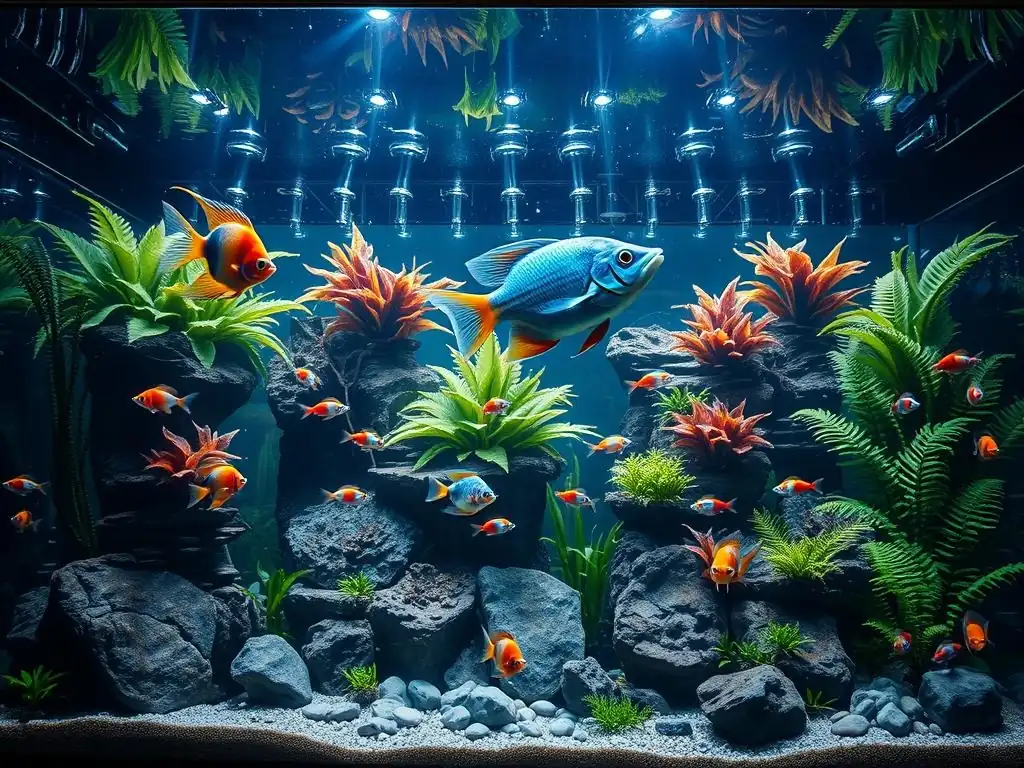
Welcome to Aquarium Mastery!
Ever wondered about the secrets behind successfully breeding those dazzling, colorful Tetras? Dive in and prepare to be amazed! This article unveils advanced tetra breeding techniques through a stunning photographic journey, taking you from the delicate egg to the vibrant adult. Get ready to unlock the mysteries of freshwater fish breeding and elevate your aquarium game! Ready to witness the magic unfold?
- Cardinal Tetra Development: A Photographic Journey to Aquarium Success
- Understanding Cardinal Tetra Breeding Techniques for Aquarium Success
- The Egg Stage: The Genesis of Cardinal Tetra Life
- The Fry Stage: Nurturing Fragile Beginnings
- The Juvenile Stage: Transitioning to Adult Diets
- The Adult Stage: Reaching Maturity and Breeding Potential
- Photographic Documentation of Cardinal Tetra Development: A Visual Timeline
- Cardinal Tetra Breeding Techniques: Tips and Tricks from Experienced Breeders
- Troubleshooting Common Issues in Cardinal Tetra Breeding
- Conclusion: Mastering Cardinal Tetra Development Through Observation and Advanced Techniques
-
Frequently Asked Questions
- How difficult is it to breed tetras using advanced techniques?
- What are some of the key water parameters that are crucial for advanced tetra breeding?
- Why does Aquarium Mastery emphasize photographic documentation of tetra development?
- What role does plant selection play in advanced tetra breeding techniques?
- Where can I find detailed information on advanced tetra breeding techniques on Aquarium Mastery?
- Final Reflection: Witnessing the Miracle of Life
- Embark on Your Tetra Transformation Today!
Cardinal Tetra Development: A Photographic Journey to Aquarium Success
Understanding Cardinal Tetra Breeding Techniques for Aquarium Success
The Growing Popularity of Cardinal Tetra Breeding in Home Aquariums
The allure of breeding ornamental fish, particularly the vibrant Cardinal Tetra (Paracheirodon axelrodi), has seen a significant surge in popularity among home aquarists. Beyond the simple joy of keeping these striking fish, successful breeding offers a profound sense of accomplishment and contributes to the sustainability of the hobby by reducing reliance on wild-caught specimens. This growing interest highlights a shift from basic fish keeping to a more involved pursuit of advanced tetra breeding techniques.
Moreover, tank-bred Cardinal Tetras are often more robust, adaptable, and disease-resistant than their wild counterparts, making them highly sought after in the aquarium market. Hobbyists are increasingly embracing the complexities of their life cycle, moving beyond mere maintenance to master the intricate processes of reproduction and development. This dedication to advanced tetra breeding techniques transforms a casual interest into a deeply engaging and rewarding endeavor.
Why Documenting Cardinal Tetra Development is Crucial for Advanced Breeders
Detailed documentation, including comprehensive photographic records, provides invaluable data for refining advanced tetra breeding techniques. This systematic approach allows breeders to meticulously track growth rates, observe critical behavioral milestones, and correlate environmental factors—such as precise water parameters or feeding regimens—with developmental progress. Such meticulous record-keeping is fundamental to achieving consistent and repeatable breeding success.
Furthermore, a visual timeline helps in the early identification of any deviations from normal development, such as stunted growth, deformities, or unusual coloration patterns. Early detection enables prompt intervention and adjustment of breeding parameters, minimizing losses. For those committed to advanced tetra breeding techniques, compiling a comprehensive visual and written record serves as an indispensable reference for future breeding attempts and can even contribute to the broader scientific understanding of this captivating species.
The Egg Stage: The Genesis of Cardinal Tetra Life
Identifying Viable Cardinal Tetra Eggs: A Visual Guide
Cardinal Tetra eggs are remarkably small, typically measuring around 0.8 to 1.0 mm in diameter, and are slightly adhesive, often sticking to fine-leaved plants or breeding mops. Viable eggs appear translucent, sometimes with a faint amber tint, and are free from any opaque white or milky patches. These clear eggs indicate successful fertilization and proper embryonic development within.
In contrast, non-viable eggs will typically turn an opaque white within 24 hours post-spawning, signaling infertility or fungal infection. Fungal growth manifests as fuzzy white filaments on the egg surface. Breeders employing advanced tetra breeding techniques meticulously inspect the clutch, often using a magnifying glass, and promptly remove any non-viable or infected eggs with a pipette to prevent the spread of fungus to healthy developing embryos.
Optimizing Water Parameters for Successful Cardinal Tetra Egg Hatching [pH: 5.5-6.5, GH: 1-4 dGH, Temperature: 82-86°F]
The precise water parameters are paramount for successful Cardinal Tetra egg development and hatching. Optimal pH for hatching typically ranges between 5.5 and 6.5, closely mimicking their natural blackwater habitats in the Amazon. Concurrently, extremely soft water, with a General Hardness (GH) of 1-4 dGH, is essential; harder water can impede proper embryonic development and significantly reduce hatching rates.
Temperature also plays a critical role. A consistent range of 82-86°F (approximately 28-30°C) is considered ideal for accelerating embryonic development, usually leading to hatching within 24-36 hours. Maintaining these specific conditions requires advanced water chemistry techniques, often involving reverse osmosis (RO) water and careful mineral supplementation, a hallmark of successful advanced tetra breeding techniques.
Protecting Cardinal Tetra Eggs from Predation: Breeding Tank Setup
Cardinal Tetras are known egg eaters, making a dedicated breeding tank setup crucial for egg protection. This tank, often a 5-10 gallon aquarium, should feature a false bottom—either a mesh screen or a thick layer of marbles, or even specialized breeding grass. This design allows the adhesive eggs to fall through, safely out of reach of the adult fish immediately after spawning.
Swift removal of the adult fish is equally important, typically within a few hours of observed spawning, to prevent them from consuming the deposited eggs. This proactive measure is a fundamental aspect of advanced tetra breeding techniques, ensuring the highest possible yield from a successful spawn. Additionally, maintaining dim lighting or even complete darkness in the breeding tank is beneficial, as Cardinal Tetra eggs are sensitive to light.
The Fry Stage: Nurturing Fragile Beginnings
First Week: Microscopic Marvels and Infusoria Feeding
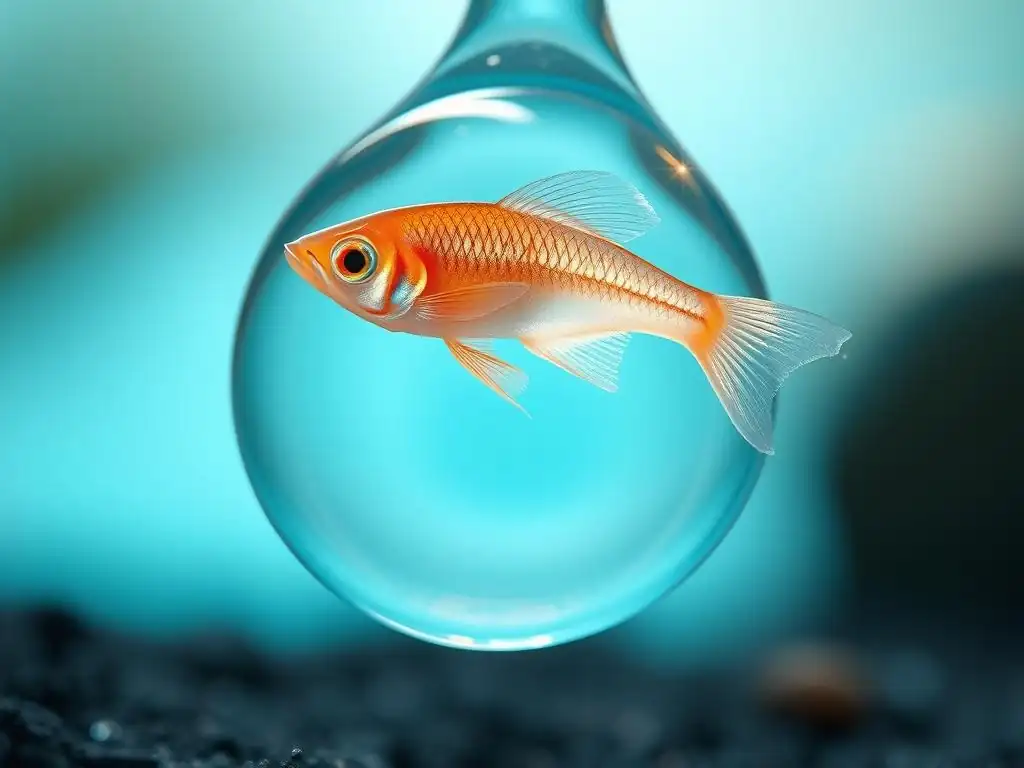
Newly hatched Cardinal Tetra fry are minuscule, almost transparent, and incredibly delicate. For the first 2-3 days post-hatch, they remain largely motionless, relying on their yolk sacs for nourishment. Once the yolk sac is fully absorbed, typically by day 3 or 4, they become free-swimming and require an immediate and continuous supply of incredibly small food sources.
Infusoria, which are microscopic protozoa, are the primary and most critical food source for Cardinal Tetra fry during their first week of life. These can be cultured from decaying plant matter, such as banana peels or lettuce leaves, or purchased as specialized starter cultures. Providing a dense and consistent supply of infusoria is paramount for the survival and initial growth of these fragile fry, posing a significant challenge that distinguishes successful advanced tetra breeding techniques.
Weeks 2-4: Introducing Baby Brine Shrimp and Gradual Growth
By the second week, Cardinal Tetra fry typically grow large enough to begin consuming newly hatched baby brine shrimp (Artemia nauplii). These provide a rich source of protein and essential lipids, vital for rapid growth and development. Feeding should be frequent, ideally 3-5 small feedings per day, to ensure the fry have constant access to food, given their high metabolic rate.
During weeks 2-4, the fry will exhibit significant growth, becoming more robust and starting to develop the faint outlines of their characteristic red and blue stripes. Consistent, high-quality feeding combined with pristine water conditions are critical during this rapid developmental phase. Mastering the timing and quantity of feeding is a key component of advanced tetra breeding techniques, directly impacting the survival rate and health of the growing fish.
Maintaining Water Quality for Optimal Fry Development [25% Water Changes Every Other Day]
Cardinal Tetra fry are exceptionally sensitive to water quality, and accumulated waste products from feeding can quickly become toxic, leading to high mortality rates. Therefore, rigorous and frequent water changes are absolutely vital. A common and effective regimen for advanced tetra breeding techniques involves performing 25% water changes every other day.
These water changes must be conducted using aged or reverse osmosis (RO) water that precisely matches the parameters (temperature, pH, GH) of the breeding tank to prevent shock to the delicate fry. Water should be siphoned gently from the bottom of the tank, where waste accumulates, taking extreme care to avoid disturbing or accidentally siphoning out the tiny fry. This consistent maintenance ensures a stable and healthy environment crucial for optimal development.
Avoiding Common Fry Mortality Issues in Cardinal Tetra Breeding
Common causes of high fry mortality in Cardinal Tetra breeding include starvation, sudden fluctuations in water parameters, and poor water quality leading to bacterial infections. Starvation often occurs due to an insufficient supply of appropriately sized food, such as not enough infusoria in the first week or introducing larger foods too early before the fry can consume them.
To mitigate these issues, consistent and appropriate feeding schedules are paramount. Meticulous monitoring of water parameters and performing regular, small water changes are essential to prevent the buildup of toxic nitrogenous compounds. Additionally, ensuring the breeding tank is free from planaria or other tiny predators, and slowly acclimating fry to any environmental changes, are critical aspects of successful advanced tetra breeding techniques that significantly improve survival rates.
The Juvenile Stage: Transitioning to Adult Diets
Introducing Crushed Flake Food and Micro Pellets for Growing Cardinal Tetras
As Cardinal Tetras reach the juvenile stage, typically around 4-6 weeks of age and approximately 1 cm in length, they can begin to transition to a more varied diet, including finely crushed high-quality flake foods and micro pellets. This transition should be gradual, initially supplementing their diet of baby brine shrimp before these dry foods become their primary sustenance.
It is crucial to emphasize dietary variety to promote optimal growth, vibrant coloration, and overall health. Supplementing dry foods with live or frozen options like daphnia, cyclops, or finely chopped bloodworms will provide essential nutrients often lacking in processed foods. This diverse feeding strategy is a hallmark of advanced tetra breeding techniques aimed at producing robust and healthy adult fish.
Monitoring Growth Rates and Identifying Potential Issues
Regular observation of juvenile Cardinal Tetras is essential for monitoring their growth rates and identifying any potential issues early on. Healthy juveniles should exhibit consistent growth, be active, have clear eyes, and display increasingly vibrant and well-defined coloration. Any individuals showing stunted growth, lethargy, or faded colors warrant immediate attention.
Stunted growth can often be an indicator of underlying problems such as overcrowding, insufficient or inappropriate feeding, or persistent poor water quality. Early detection allows breeders to implement corrective measures, which might include increasing tank size, adjusting feeding regimens to ensure adequate nutrition, or enhancing filtration. These proactive adjustments are vital for successful advanced tetra breeding techniques.
As juvenile Cardinal Tetras mature, they naturally begin to establish their social hierarchy within the shoal. While generally peaceful, minor skirmishes or chasing behaviors can occur as individuals assert their position. Providing ample swimming space, along with plenty of hiding spots created by dense planting or aquarium decor, can significantly help to mitigate stress and reduce potential aggression.
Keeping Cardinal Tetras in larger groups, ideally 10 individuals or more, helps to distribute any minor aggression and allows them to exhibit more natural schooling behaviors. This promotes their overall well-being and reduces individual stress, which is crucial for continued healthy development and their future breeding potential. Understanding and managing these social dynamics is an important aspect of advanced tetra breeding techniques.
The Adult Stage: Reaching Maturity and Breeding Potential
Identifying Sexually Mature Cardinal Tetras: Visual Cues
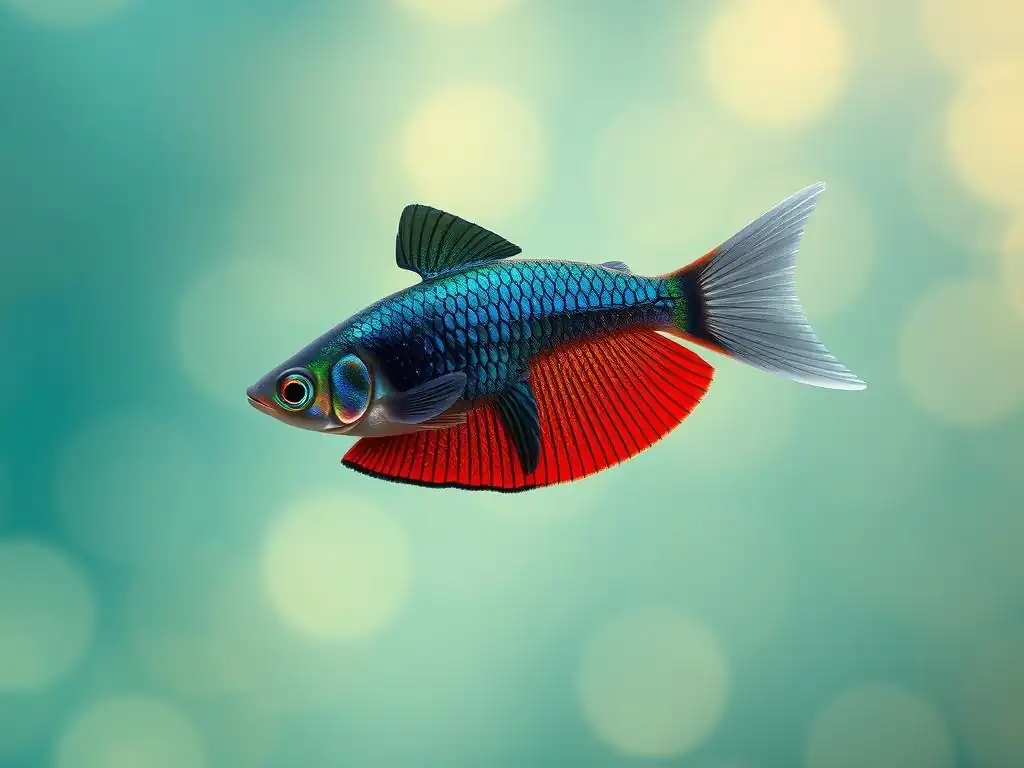
Identifying sexually mature Cardinal Tetras is a crucial step in preparing for breeding. Females typically develop a fuller, rounder belly, which becomes particularly noticeable when they are gravid (carrying eggs). They are often slightly larger and broader in body shape compared to males. Males, in contrast, tend to be more slender and torpedo-shaped. These subtle visual differences become more apparent as the fish approach sexual maturity, usually around 6-8 months of age.
Beyond physical morphology, behavioral cues also provide strong indicators of maturity and breeding readiness. During conditioning periods, males may display more intense coloration and engage in active chasing behaviors, attempting to entice females into spawning areas. Observing these visual and behavioral signals is fundamental for selecting the best breeding pairs or groups, a key component of successful advanced tetra breeding techniques.
Simulating Natural Breeding Conditions for Cardinal Tetra Breeding
To effectively induce spawning in Cardinal Tetras, breeders often meticulously simulate the environmental conditions of their natural Amazonian rainy season. This involves gradually lowering the water hardness to an ultra-soft level (typically 1-2 dGH) and reducing the pH to a slightly acidic range of 5.0-5.5. Concurrently, the temperature is often slightly increased and maintained consistently at 82-84°F (28-29°C).
Further environmental triggers can include maintaining dim lighting, often achieved by partially covering the breeding tank, and the introduction of a small amount of peat moss extract or specialized blackwater tonic. These additions release tannins and humic acids, further mimicking the specific chemical composition of their native blackwater habitats, which is believed to directly encourage spawning. These precise environmental manipulations are central to advanced tetra breeding techniques.
Documenting Breeding Behaviors and Success Rates
Meticulous documentation of breeding behaviors provides invaluable insights into the success of the conditioning process and the overall effectiveness of advanced tetra breeding techniques. Breeders carefully observe the spawning ritual, noting the male chasing the female into fine-leaved plants or breeding mops, the characteristic "t-pose" embrace, and the release of tiny eggs. Recording the exact time of day, the duration of spawning, and an estimated number of eggs laid is highly beneficial.
Tracking success rates is equally important for refining breeding protocols. This includes logging the total number of eggs laid, the percentage that successfully hatch, and the number of fry that ultimately reach the juvenile or adult stage. This data-driven approach allows breeders to identify successful strategies, troubleshoot recurring issues, and continuously optimize their advanced tetra breeding techniques for higher yields and healthier offspring.
Photographic Documentation of Cardinal Tetra Development: A Visual Timeline
Egg Stage Photography: Capturing Microscopic Details
Photographing Cardinal Tetra eggs presents a unique challenge due to their minuscule size (approximately 1 mm) and their semi-transparent nature. Capturing viable egg details requires specialized macro photography equipment, such as a macro lens and extension tubes, coupled with stable conditions. A sturdy tripod and carefully diffused lighting are essential to reveal the delicate developing embryo within the egg.
High-resolution photographs of the egg stage are invaluable for documenting the subtle, yet rapid, changes from initial fertilization to the distinct emergence of the eyes and yolk sac. This visual record provides a precise timeline of embryonic development, offering critical insights for advanced tetra breeding techniques and even contributing to scientific understanding of the species' early life stages.
Fry Stage Photography: Documenting Growth and Coloration
Photographing Cardinal Tetra fry demands considerable patience and a fast shutter speed, as they are still very small and incredibly active. Utilizing a shallow depth of field can help to isolate and highlight individual fry, while a contrasting background, such as white or black, can make their translucent forms stand out more clearly.
These photographs provide compelling visual evidence of the fry's astonishing growth and the gradual development of their distinctive adult coloration. A series of images taken over several weeks can create a powerful visual timeline, illustrating the absorption of the yolk sac, the development of fins, and the first appearance of the iconic red and blue stripes. This detailed visual record is a key component of understanding and refining advanced tetra breeding techniques.
Juvenile Stage Photography: Observing Behavioral Changes
At the juvenile stage, Cardinal Tetras are more substantial in size and exhibit increasingly complex schooling behaviors. Photography at this phase can focus on capturing groups of fish, showcasing their developing social structure, their synchronized swimming patterns, and the increasing intensity of their vibrant coloration.
Images from the juvenile stage are highly useful for tracking the progression towards adult size and full coloration, and can also help in identifying any developmental anomalies that might have been less apparent in the earlier stages. This visual record complements quantitative data on growth rates, further enhancing the comprehensive understanding required for advanced tetra breeding techniques.
Adult Stage Photography: Showcasing Breeding Success
Capturing the full beauty and healthy condition of adult, tank-bred Cardinal Tetras serves as the ultimate demonstration of successful advanced tetra breeding techniques. These photographs should aim for sharp focus, vibrant colors, and dynamic compositions that highlight the fish's natural allure. Well-lit images that showcase their brilliant red and iridescent blue stripes are particularly impactful.
These photographs not only celebrate the significant achievement of breeding these challenging fish but also serve as a powerful testament to the effectiveness of the specific breeding protocols employed. They can be used for personal reference, for sharing knowledge with other dedicated hobbyists, and for showcasing the superior quality and robustness of tank-bred stock, inspiring others to delve into advanced tetra breeding techniques.
Cardinal Tetra Breeding Techniques: Tips and Tricks from Experienced Breeders
Selective Breeding for Intense Coloration
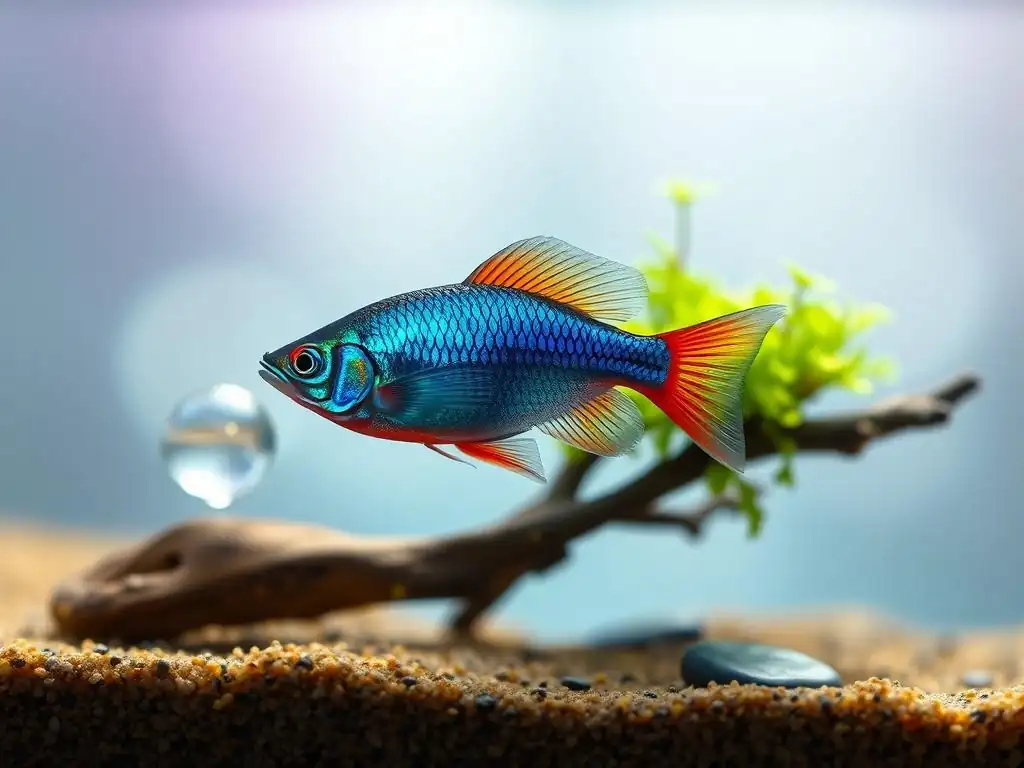
Experienced breeders often employ selective breeding as a powerful tool to enhance the aesthetic qualities of their Cardinal Tetra lines, particularly focusing on more intense and well-defined red and blue coloration. This process involves carefully selecting individuals that exhibit the most vibrant and desirable color patterns from each generation to be the parents for the next.
This meticulous practice, carried out over several generations, can lead to a noticeable improvement in the offspring's coloration. While it requires keen observation and often the culling of less desirable individuals from the breeding pool, selective breeding is a cornerstone of advanced tetra breeding techniques for developing visually superior and highly sought-after strains of fish.
Understanding Genetic Factors in Cardinal Tetra Development
Genetic factors play a significant, though often underestimated, role in determining not only the coloration and pattern of Cardinal Tetras but also their overall size, robustness, and resistance to disease. While specific genetic markers for hobbyist-level Cardinal Tetra breeding are not widely published, a basic understanding of inheritance patterns can greatly inform breeding decisions.
To maintain genetic diversity and prevent the negative effects of inbreeding depression, which can lead to weaker, less fertile, or more disease-prone offspring, experienced breeders often introduce new bloodlines periodically. This careful management of genetics is a critical, long-term aspect of sustainable advanced tetra breeding techniques, ensuring the vitality of the breeding stock.
Advanced Water Chemistry Techniques for Optimal Breeding
Beyond merely setting basic parameters, some advanced tetra breeding techniques involve highly specific water chemistry manipulations to induce spawning and optimize egg and fry survival. This can include employing specialized filtration methods like peat filtration, which naturally lowers pH and releases humic substances, or using reverse osmosis (RO) water precisely re-mineralized with specific salts (e.g., Seachem Replenish) to achieve ultra-soft, acidic conditions.
Other sophisticated approaches might include the use of ion-exchange resins or specialized buffering agents designed to maintain an incredibly stable and precise pH and GH. These techniques aim to meticulously replicate the ionic composition of their native blackwater habitats, which is widely believed to be a crucial environmental trigger for spawning and a key factor in improving overall breeding success rates for Cardinal Tetras.
Troubleshooting Common Issues in Cardinal Tetra Breeding
Addressing Fungal Infections in Cardinal Tetra Eggs
Fungal infections, typically appearing as fuzzy white growths on the surface of eggs, are a common and frustrating cause of significant egg loss in Cardinal Tetra breeding. These infections often originate on infertile or damaged eggs but can rapidly spread to healthy, developing embryos if not addressed promptly.
Effective solutions include the meticulous and immediate removal of any infected eggs using a fine pipette, which prevents the spread of fungal spores. Some breeders also utilize very mild antifungal agents, such as extremely dilute methylene blue, or introduce Indian almond leaves, which release natural tannins with mild antifungal and antibacterial properties. Maintaining pristine water quality with low bacterial counts is the most crucial preventative measure in advanced tetra breeding techniques.
Preventing Swim Bladder Disease in Cardinal Tetra Fry
Swim bladder issues in Cardinal Tetra fry can be devastating, manifesting as difficulty swimming properly, with affected fry often floating uncontrollably at the surface or sinking to the bottom. This condition can be caused by rapid fluctuations in water parameters, overfeeding leading to digestive issues, or opportunistic bacterial infections.
Preventative measures are key. Ensuring incredibly stable water parameters, feeding very small amounts of appropriately sized food frequently to avoid overfeeding, and maintaining exceptional water quality are paramount. Some breeders also advocate for maintaining a very shallow water level in the fry tank for the first few days post-hatch, theorizing that it reduces the effort required for fry to reach the surface to gulp air for swim bladder inflation, though this specific practice is debated among advanced tetra breeding techniques.
Managing Aggression and Predation in Cardinal Tetra Tanks
While generally considered peaceful, adult Cardinal Tetras can occasionally exhibit minor aggression, particularly during spawning periods or if kept in insufficient numbers, leading to stress for weaker individuals. This aggression is typically mild but can still impact breeding success and overall fish health.
To mitigate aggression, providing ample swimming space and numerous hiding spots through dense planting or strategically placed decor is crucial. Maintaining a large shoal size, ideally 15 or more individuals, helps to dilute any potential aggression and encourages natural schooling behaviors. For preventing egg predation, the most effective strategy, and a core tenet of successful advanced tetra breeding techniques, is the immediate removal of adult fish from the breeding tank immediately after spawning.
Conclusion: Mastering Cardinal Tetra Development Through Observation and Advanced Techniques
Frequently Asked Questions
How difficult is it to breed tetras using advanced techniques?
It can be quite challenging, requiring precise control over water parameters and often necessitating specific environmental conditions. Success largely depends on understanding the specific needs of the tetra species being bred.
What are some of the key water parameters that are crucial for advanced tetra breeding?
Water temperature, pH level, and water hardness are critical. Maintaining ideal conditions for each species is essential to trigger spawning and ensure egg survival.
Why does Aquarium Mastery emphasize photographic documentation of tetra development?
Detailed photographic documentation allows aquarists to visually track the development stages. This helps in identifying potential problems early and understanding the impact of different breeding techniques.
What role does plant selection play in advanced tetra breeding techniques?
Certain plants provide ideal spawning surfaces for tetras and offer shelter for newly hatched fry. Choosing the right plants can significantly increase breeding success rates.
Where can I find detailed information on advanced tetra breeding techniques on Aquarium Mastery?
Look for articles organized by species profiles and breeding guides on the Aquarium Mastery website. These resources offer in-depth information and step-by-step instructions.
Final Reflection: Witnessing the Miracle of Life
This photographic journey through the advanced development of tetra, from fragile egg to vibrant adult, underscores the profound beauty and complexity hidden within our aquariums. The dedication and precision required for successful advanced tetra breeding techniques highlight not only scientific understanding but also a deep respect for the delicate balance of life itself. In a world increasingly disconnected from the natural world, these efforts serve as a powerful reminder of the interconnectedness of all living things.
The meticulous observation and documentation of each developmental stage, as presented in this article, has undoubtedly influenced and will continue to influence the aquarium hobby. It's a testament to the power of patience and the rewards of understanding the intricate needs of these fascinating creatures. The greatest service we can do for our planet is to cultivate a deep understanding and appreciation for its inhabitants.
This sentiment resonates deeply with the spirit of advanced tetra breeding, where success hinges on empathy and a commitment to providing the optimal environment for life to flourish.
Now, as you reflect on the journey from egg to adult, consider how you can apply this same level of dedication and care to other aspects of your life. Let the patience and attention to detail required for advanced tetra breeding inspire you to cultivate a deeper understanding of the world around you, and to nurture the delicate ecosystems, both within and beyond your aquarium, that make life so extraordinary.
Embark on Your Tetra Transformation Today!
Thank you for exploring the captivating journey of Tetra development with Aquarium Mastery. We hope you've found new appreciation for the wonders hidden within your aquarium. Ready to take your understanding to the next level?
Here are a few actions you can take right now:
- Dedicate time this week to closely observe your Tetra. Document any changes, no matter how small, and start your own photographic journal of their development.
- Share your favorite Tetra photo on social media using #AquariumMasteryTetra – let's create a community showcase!
- Research a new plant species that provides optimal cover for Tetra fry. You might just discover the next perfect addition to your aquarium!
What surprising behavior have you observed in your Tetra that you'd be willing to share?