
The Genetics of Dwarf Cichlid Color: Breeding for Brilliance

Welcome to Aquarium Mastery!
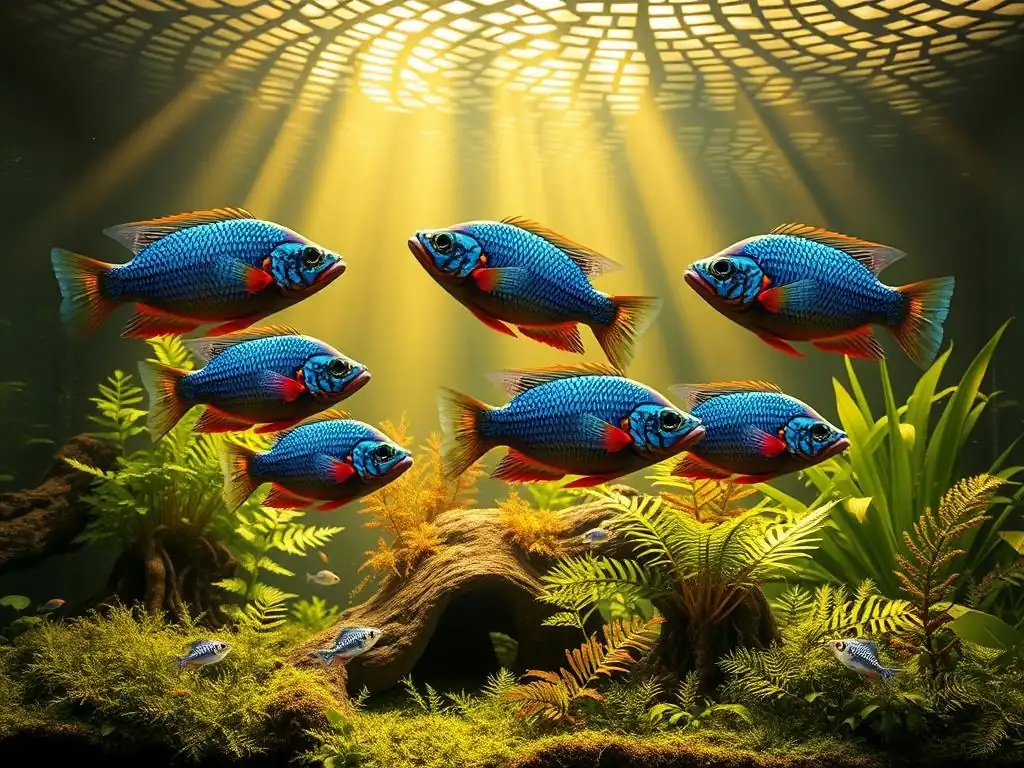
Ever wondered how breeders achieve those stunning colors in dwarf cichlids? Dive into the fascinating world of dwarf cichlid color genetics and unlock the secrets to breeding these miniature marvels for brilliance. Prepare to explore the science behind the shimmer and discover how you can influence the vibrant hues of your own underwater jewels. Let's get started!
- Understanding Dwarf Cichlid Coloration: An Introduction to Color Genetics
- Key Genes Influencing Dwarf Cichlid Color Patterns
- Breeding for Color: A Practical Guide to Dwarf Cichlid Genetics
- Environmental Factors and Their Impact on Dwarf Cichlid Color
- Specific Examples: Color Genetics in Popular Dwarf Cichlid Species
- Avoiding Common Pitfalls in Dwarf Cichlid Color Breeding
- The Future of Dwarf Cichlid Color Genetics: Research and Innovation
- Conclusion: Mastering Dwarf Cichlid Color Through Genetics
-
Frequently Asked Questions
- What are the basic principles of dwarf cichlid color genetics?
- How can I use this knowledge to breed for specific colors in dwarf cichlids?
- What are some common color mutations or variations seen in dwarf cichlids?
- How does water chemistry or tank environment affect dwarf cichlid coloration?
- Are there resources available to help me learn more about dwarf cichlid color genetics?
- Final Reflection: Unlocking the Rainbow Within
- Ignite Your Cichlid Breeding Passion!
Understanding Dwarf Cichlid Coloration: An Introduction to Color Genetics
What Makes Dwarf Cichlids So Colorful? The Role of Pigments
Dwarf cichlids exhibit an astonishing array of colors, from vibrant blues and reds to shimmering golds and intricate patterns. This brilliance is primarily due to specialized cells called chromatophores, which contain various pigments. The most common types include melanophores (containing melanin, responsible for blacks, browns, and grays), xanthophores (containing pteridines and carotenoids, for yellows and oranges), erythrophores (containing carotenoids, for reds), and iridophores (containing guanine crystals, creating structural colors like blues, greens, and iridescence). The interaction and distribution of these chromatophores, often layered within the skin, determine the final perceived hue and intensity of a dwarf cichlid's coloration.
The expression of these pigments is a complex interplay of genetic programming and environmental factors. For instance, the striking red and orange hues seen in species like Ram cichlids ( Mikrogeophagus ramirezi) or Apistogramma are often dependent on the fish's ability to synthesize or absorb carotenoids from their diet. Without adequate dietary intake of these precursors, even genetically predisposed individuals may display duller coloration. Meanwhile, structural colors, such as the electric blue of some Ram cichlids, result from the way light reflects off microscopic guanine crystals within iridophores, creating an iridescent shimmer that shifts with viewing angle.
Exploring the Genetic Basis of Color Variation in Dwarf Cichlids
The remarkable diversity in dwarf cichlid coloration is fundamentally rooted in their genetics. Specific genes control every aspect of pigment production, from the synthesis of pigments within cells to the development and distribution of chromatophores across the fish's body. Different alleles, or variations of these genes, lead to the vast spectrum of colors and patterns observed both in wild populations and selectively bred strains. For example, a single gene mutation might alter the pathway for melanin production, resulting in an albino or "gold" variant where dark pigments are absent or significantly reduced, allowing other colors to become more prominent.
Furthermore, many color traits in dwarf cichlids follow Mendelian inheritance patterns, meaning they can be predicted to some extent through careful breeding. While some traits, like albinism, might be controlled by a single recessive gene, others, such as overall color intensity or the intricate patterns on the operculum of an Apistogramma, are often polygenic, influenced by multiple genes acting in concert. Understanding this genetic basis, including the dominance or recessiveness of specific color alleles and how they combine, is crucial for aquarists aiming to selectively breed for enhanced or novel dwarf cichlid color genetics.
Key Genes Influencing Dwarf Cichlid Color Patterns
Identifying Major Genes Responsible for Color Expression
While the complete genetic maps for most dwarf cichlid species are still under extensive research, general principles of color genetics apply, allowing breeders to infer the action of certain "major" genes. These genes typically govern fundamental aspects of pigment cell development, pigment synthesis pathways, or the overall regulation of color expression.
For instance, genes controlling the presence or absence of melanin are critical; a non-functional allele in such a gene can lead to albinism, where the fish lacks dark pigmentation entirely, often revealing underlying yellow or red pigments more intensely. Similarly, genes influencing the uptake or metabolism of dietary carotenoids directly impact the vibrancy of red and orange hues.
Beyond single-gene effects, many of the most striking dwarf cichlid color patterns, such as the intricate barring of Apistogramma species or the distinct patches on Ram cichlids, are likely governed by a combination of genes that dictate the spatial arrangement and density of different chromatophore types. For example, a gene might regulate the migration of melanophores during development, leading to specific stripe or spot patterns.
While not yet assigned definitive names like "gene X for blue," breeders observe consistent inheritance patterns for these traits, indicating a strong genetic component that can be targeted in selective breeding programs focused on dwarf cichlid color genetics.
How Mutations Affect Dwarf Cichlid Color Phenotypes
Mutations, which are spontaneous changes in the DNA sequence, are the ultimate source of all new color variations in dwarf cichlids. These genetic alterations can profoundly affect a fish's phenotype, leading to novel color patterns or intensities. For example, a point mutation in a gene responsible for a specific enzyme in the melanin synthesis pathway could result in a "gold" or "xanthic" variant, where melanin production is disrupted, causing an overabundance of yellow or orange pigments. The popular Gold Ram is a prime example, likely originating from such a spontaneous mutation that breeders then isolated and propagated.
Other mutations can affect the structure of pigment cells or the way light interacts with them. The stunning Electric Blue Ram, for instance, is believed to be the result of a mutation that enhances the density or arrangement of iridophores, leading to a much more intense and widespread iridescent blue coloration than typically seen in German Blue Rams.
These mutations, while initially rare, can be stabilized through careful selective breeding. Breeders identify individuals exhibiting these unique color traits, isolate them, and meticulously breed them over generations to fix the mutation within a strain, thereby expanding the diversity of dwarf cichlid color genetics available to hobbyists.
Breeding for Color: A Practical Guide to Dwarf Cichlid Genetics
Selective Breeding Techniques for Enhanced Coloration
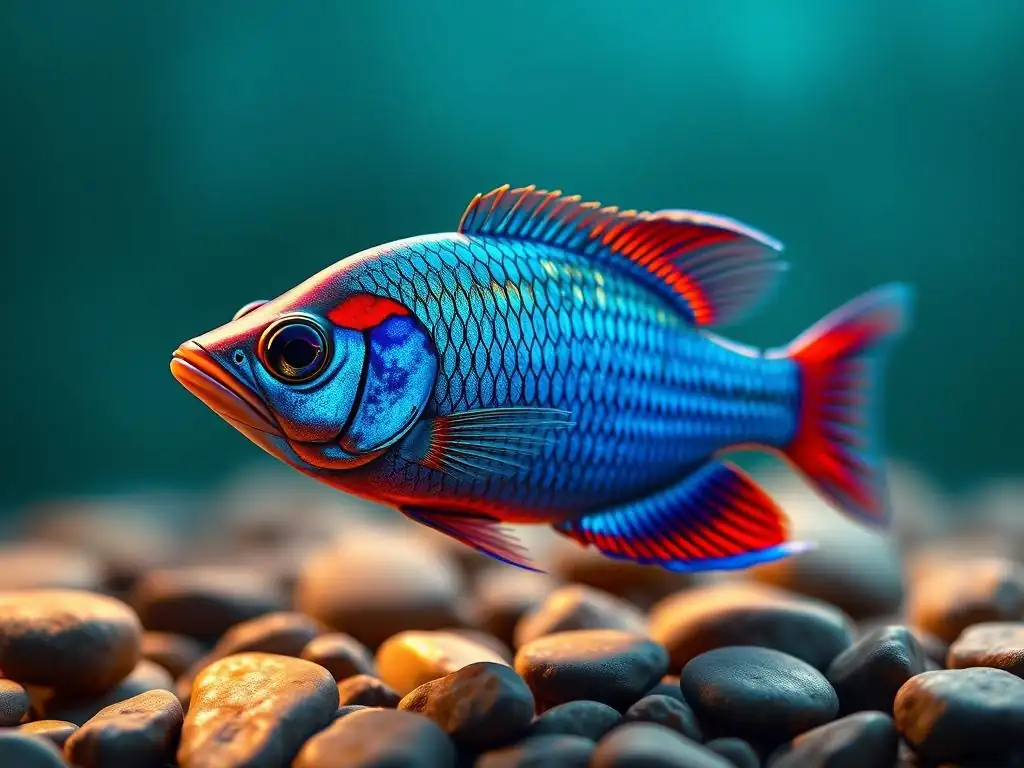
Selective breeding is the cornerstone of enhancing and fixing desirable color traits in dwarf cichlids. This technique involves carefully choosing individuals that display the most vibrant colors, distinct patterns, or desired hue intensity, and then mating them to produce offspring. The goal is to concentrate the favorable alleles responsible for these traits within the gene pool over successive generations.
For example, to intensify the red on the belly of a female Kribensis ( Pelvicachromis pulcher), a breeder would consistently select the reddest females and males from each spawn, potentially achieving a 10-15% increase in red saturation within just three to four generations. This methodical approach ensures that the genetic predisposition for superior dwarf cichlid coloration is passed on and amplified.
A critical aspect of successful selective breeding for color is maintaining detailed records of each breeding pair and their offspring. This allows breeders to track the inheritance patterns of specific color traits, identify consistent producers of high-quality fry, and make informed decisions about future pairings.
It's also vital to select for overall vigor and health alongside color, as intensely colored but weak fish are not sustainable. By consistently removing individuals that do not meet the desired color standards, and only breeding the top percentage (e.g., the top 20-30% of the most colorful fry), a breeder can gradually refine a strain, achieving increasingly brilliant and stable dwarf cichlid color genetics.
Understanding Heritability of Color Traits in Cichlids
Heritability refers to the proportion of phenotypic variation in a population that is attributable to genetic variation, rather than environmental factors. In dwarf cichlids, some color traits are highly heritable, meaning they are largely determined by genetics and will be reliably passed down from parent to offspring. For instance, the albino trait in many fish species, including some dwarf cichlids, is a classic example of a highly heritable, single-gene recessive trait; if two carriers are bred, approximately 25% of their offspring will be albino, regardless of environmental conditions. This high heritability makes such traits relatively straightforward to breed for.
However, many aspects of dwarf cichlid coloration, especially intensity and specific patterns, are influenced by multiple genes (polygenic traits) and can also be significantly affected by environmental factors. For these traits, heritability might be moderate. This means that while genetics plays a major role, factors like diet, water quality, and stress can also influence the expression of the genetic potential.
For example, a fish may have the genes for vibrant red, but if its diet lacks carotenoids, the red won't fully develop. Understanding the heritability of specific color traits helps breeders set realistic expectations and combine genetic selection with optimal environmental management to achieve the best dwarf cichlid color genetics.
Line Breeding and Inbreeding: Risks and Rewards for Color Enhancement
Line breeding and inbreeding are advanced genetic strategies employed by aquarists to intensify specific color traits and fix them within a strain. Line breeding involves mating related individuals, typically cousins or half-siblings, to concentrate desired genes from a common ancestor. This can rapidly enhance a particular color or pattern, such as the "Triple Red" phenotype in Apistogramma cacatuoides, by increasing the chances of offspring inheriting two copies of the desired alleles. It allows for the creation of distinct, recognizable strains with stable dwarf cichlid color genetics.
However, these techniques come with significant risks. Inbreeding, which involves mating very closely related individuals like siblings or parent-offspring, rapidly reduces genetic diversity within a line. While this can quickly fix desired color traits, it also increases the likelihood of expressing deleterious recessive genes that can lead to reduced vigor, smaller size, decreased fertility, higher susceptibility to disease, and various deformities.
For example, prolonged inbreeding without periodic outcrossing (introducing unrelated bloodlines) can lead to a noticeable decline in clutch size, fry survival rates, and overall robustness, potentially affecting 20-30% of a breeding population over several generations. Responsible breeders must carefully balance the rewards of color enhancement with the risks to the long-term health and vitality of their fish.
Environmental Factors and Their Impact on Dwarf Cichlid Color
The Role of Diet in Color Development
Diet plays a crucial and often underestimated role in the development and intensity of dwarf cichlid coloration. Many of the vibrant red, orange, and yellow hues seen in species like Ram cichlids and Apistogramma are derived from carotenoid pigments. Fish cannot synthesize these carotenoids themselves; they must obtain them directly from their food.
A diet rich in natural sources of carotenoids, such as spirulina, astaxanthin, krill, and various color-enhancing commercial foods, can significantly boost the vibrancy of these colors. For instance, a Mikrogeophagus ramirezi fed a high-quality diet with supplementary astaxanthin might display a 25% increase in the intensity of its red and orange markings compared to one fed only basic flake food.
Conversely, a diet lacking essential nutrients, especially carotenoids, will inevitably lead to duller coloration, even in genetically predisposed individuals. Beyond specific pigments, a well-balanced diet provides the necessary proteins, fats, vitamins, and minerals for overall fish health, which directly contributes to a fish's ability to display its full genetic potential for color. Healthy, unstressed fish naturally exhibit more vibrant hues. Therefore, for optimal dwarf cichlid color genetics expression, a diverse and nutritious diet is as important as genetic selection.
Water Parameters and Their Influence on Color Intensity
Optimal and stable water parameters are paramount for encouraging dwarf cichlids to display their most vibrant colors. Stress, often induced by poor water quality, incorrect pH, or unstable temperatures, can cause fish to "wash out" or become pale as a survival mechanism, diverting energy from color maintenance. For instance, most popular dwarf cichlids, such as Apistogramma species and Rams, originate from soft, acidic waters. Maintaining a stable pH between 5.5 and 7.0 and a low general hardness (GH) of 2-8 dGH closely mimics their natural habitat, reducing stress and allowing their true colors to shine.
High levels of nitrates, ammonia, or nitrites, even if not immediately lethal, are chronic stressors that can significantly dull coloration over time. Regular water changes (e.g., 25-30% weekly) are essential to keep these waste products at bay. A healthy, clean, and appropriately conditioned environment allows the fish's metabolic processes to function optimally, including pigment production and chromatophore regulation. Without proper water chemistry, even fish with superior dwarf cichlid color genetics will fail to express their full potential, appearing lackluster and faded.
Lighting and its Effect on Cichlid Color Expression
While genetics and diet provide the raw materials for color, and water quality ensures the fish is healthy enough to display it, lighting plays a critical role in how those colors are perceived by the human eye. Different light spectrums can significantly enhance or suppress the visual appearance of specific pigments. Full-spectrum lighting that closely mimics natural sunlight (around 6500 Kelvin) is generally recommended for overall fish health and accurate color rendition, ensuring that all colors are visible.
However, aquarists often use specialized LED lighting with adjustable spectrums to make certain colors "pop." For example, lights with higher Kelvin ratings (cooler, bluer light) can intensify the appearance of blue and green iridescence in species like the Electric Blue Ram, making them appear almost neon.
Conversely, lights with a warmer spectrum (lower Kelvin, more red/yellow light) can enhance the red and orange hues of a Kribensis or a German Blue Ram. While lighting doesn't change the fish's genetic color, it optimizes its visual expression, allowing breeders and hobbyists to fully appreciate the results of successful dwarf cichlid color genetics.
Specific Examples: Color Genetics in Popular Dwarf Cichlid Species
Ram Cichlids ( Mikrogeophagus ramirezi): Breeding for Intense Blues and Golds
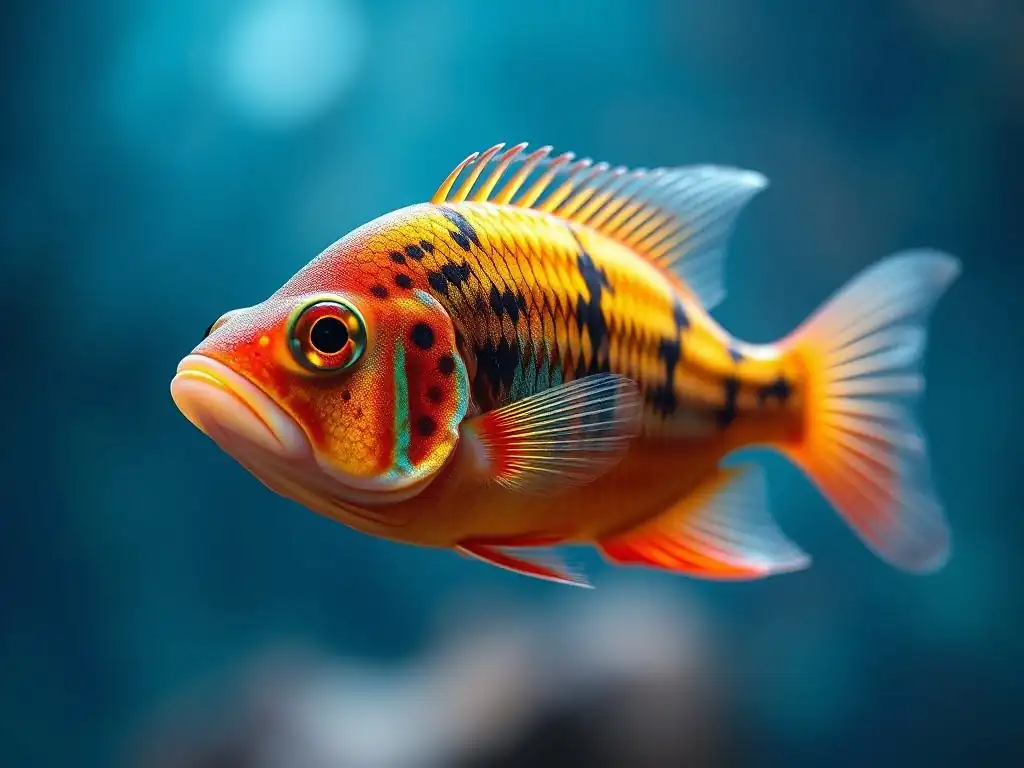
Ram Cichlids, particularly the German Blue Ram ( Mikrogeophagus ramirezi), are renowned for their striking blues, reds, and golds, making them a prime example of successful dwarf cichlid color genetics. The "German Blue" variant, common in the hobby, features a metallic blue body, often with a prominent red belly and black vertical bars.
This coloration is a result of selective breeding over decades, focusing on enhancing the natural iridescence (structural blue color from guanine crystals) and the red/orange pigmentation (carotenoids). Breeders meticulously select individuals with the most intense blue sheens and deepest reds, ensuring these polygenic traits are passed on.
The "Gold Ram" is another popular variant, believed to have originated from a spontaneous mutation that inhibits melanin production, allowing xanthophores and erythrophores to dominate, resulting in a predominantly golden-yellow body with hints of orange and red. The "Electric Blue Ram" represents a further genetic refinement, likely a mutation that dramatically increases the density or efficiency of iridophores, leading to an almost entirely iridescent blue body. This variant showcases how a single genetic alteration, once identified, can be leveraged through selective breeding to create a dramatically different and highly sought-after phenotype in dwarf cichlid color genetics.
Apistogramma Color Genetics: The Diversity of Apistogramma Species and Their Colors
The genus Apistogramma boasts an incredible array of species, each with unique and often sexually dimorphic coloration, making them a fascinating subject for studying dwarf cichlid color genetics. Species like Apistogramma cacatuoides (Cockatoo Dwarf Cichlid) are particularly popular due to their vibrant finnage, which has been selectively bred into strains like "Triple Red" or "Orange Flash."
These strains are the result of intense selection for alleles that enhance the expression of red and orange pigments (carotenoids) in the fins and body. For instance, the "Triple Red" A. cacatuoides has had the red coloration amplified to cover not just the dorsal and caudal fins but also the anal fin, a trait that was less pronounced in their wild counterparts.
Other species, such as Apistogramma agassizii, exhibit a wide range of body colors and patterns depending on their geographic origin, from blues and yellows to reds and oranges. Breeders leverage this natural genetic diversity by selecting for specific combinations. The complex patterns of stripes and spots seen on many Apistogramma are controlled by genes governing the arrangement and density of melanophores, often in combination with iridescent cells. This intricate genetic control allows for a vast array of naturally occurring and selectively enhanced color morphs, highlighting the rich potential of Apistogramma dwarf cichlid color genetics.
Kribensis Cichlids ( Pelvicachromis pulcher): Unlocking the Secrets of Red and Purple Hues
Kribensis cichlids ( Pelvicachromis pulcher) are celebrated for their charming personalities and the striking red-purple belly that becomes particularly intense in females during breeding. This prominent coloration is a classic example of a sexually dimorphic trait with a strong genetic basis, acting as a visual cue for reproductive readiness.
The intensity of this red/purple hue is primarily due to erythrophores and xanthophores, whose pigment expression is genetically programmed and significantly influenced by hormonal changes during the spawning cycle. Selective breeding has further enhanced this trait, leading to "super red" Kribensis strains where the red coloration is even more widespread and vibrant than in wild forms.
Beyond the classic wild type, variations like the "Albino Kribensis" have emerged, which lack melanin due to a recessive genetic mutation. This absence of dark pigment allows the red and yellow hues to appear even more vivid, demonstrating how a single gene mutation can dramatically alter the overall appearance by removing a masking pigment. The ease of breeding Kribensis has allowed hobbyists to experiment with these genetic variations, leading to a deeper understanding of the dwarf cichlid color genetics that govern their distinctive and appealing coloration.
Avoiding Common Pitfalls in Dwarf Cichlid Color Breeding
Recognizing and Managing Genetic Defects
While breeding for enhanced coloration, aquarists must be vigilant about the potential for genetic defects, especially when employing line breeding or inbreeding techniques. Reduced genetic diversity can lead to the increased expression of deleterious recessive genes that manifest as physical deformities (e.g., curved spines, shortened gill plates, missing fins), reduced fertility, or a weakened immune system. For example, a line of highly inbred Gold Rams might show an incidence of spinal deformities in 5-10% of offspring, significantly higher than a diverse population. Recognizing these issues early is crucial.
Management involves careful record-keeping and, most importantly, strategic outcrossing. Introducing unrelated, healthy individuals with desirable color traits from a different bloodline can reintroduce genetic diversity, "diluting" the concentration of harmful recessive genes and restoring vigor. While this may temporarily reduce the consistency of the desired color trait, it is essential for the long-term health and sustainability of the strain. Prioritizing robust health alongside dazzling dwarf cichlid color genetics is a hallmark of responsible breeding.
Preventing Color Loss in Subsequent Generations
A common frustration for breeders is the "color washout" phenomenon, where the vibrant colors achieved in one generation seem to fade or become less intense in subsequent ones. This can occur for several reasons, often related to a lack of rigorous selection or environmental factors. If breeders only select for overall brightness without paying attention to the specific hue, pattern definition, or pigment density, the intricate beauty of dwarf cichlid color genetics can gradually diminish. The continuous selection pressure is vital; only the absolute best individuals, representing the pinnacle of the desired color trait, should be chosen for breeding.
Furthermore, environmental factors play a significant role in the expression of genetic potential. Inadequate diet lacking carotenoids, stressful water parameters, or insufficient lighting can all cause genetically superior fish to display dull colors. Preventing color loss requires a holistic approach: meticulous selection of breeding stock, consistent provision of a high-quality, color-enhancing diet, and maintaining pristine, stable water conditions that allow the fish to fully express their inherited dwarf cichlid color genetics.
Maintaining Genetic Diversity for Long-Term Health and Color Vibrancy
Maintaining genetic diversity is paramount for the long-term health, resilience, and continued vibrancy of any dwarf cichlid breeding line. A diverse gene pool provides a buffer against environmental changes, confers resistance to diseases, and prevents the accumulation of harmful recessive alleles. Over-reliance on inbreeding, while effective for rapidly fixing specific color traits, can lead to inbreeding depression, characterized by reduced fertility, smaller clutch sizes, lower fry survival rates (sometimes dropping by 30-50% in severely inbred lines), and increased susceptibility to pathogens.
To combat this, responsible breeders employ strategies such as maintaining multiple, distinct breeding lines that are occasionally outcrossed to each other. Periodically introducing unrelated, high-quality individuals from a different source (outcrossing) can inject fresh genetic material into a line, revitalizing its vigor and preventing genetic stagnation. This careful balancing act between concentrating desired dwarf cichlid color genetics and preserving overall genetic health ensures that future generations remain robust and continue to display their brilliant coloration for years to come.
The Future of Dwarf Cichlid Color Genetics: Research and Innovation
Exploring New Genetic Markers for Color Traits
The field of dwarf cichlid color genetics is continually evolving, with ongoing research promising even greater insights into the mechanisms behind their stunning coloration. Advances in genomics and molecular biology are enabling scientists to identify specific genetic markers—DNA sequences that are consistently associated with particular color traits. For instance, researchers might pinpoint a specific single nucleotide polymorphism (SNP) that correlates directly with the "Electric Blue" phenotype in Ram Cichlids or the "Triple Red" intensity in Apistogramma cacatuoides.
The identification of such markers could revolutionize selective breeding. Instead of relying solely on visual assessment of mature fish, breeders might one day be able to genetically screen fry or even eggs for the presence of desired color genes, allowing for earlier and more precise selection. This would significantly accelerate the breeding process, reduce the number of fish needed for breeding trials, and lead to even more predictable and intense dwarf cichlid color genetics, pushing the boundaries of what's possible in aquarium fish.
Advances in Understanding Gene Interactions and Color Expression
Current research is moving beyond identifying single genes to understanding the complex interactions between multiple genes that contribute to the overall color phenotype. Many vibrant colors and intricate patterns in dwarf cichlids are polygenic, meaning they are influenced by several genes acting in concert, often with epistatic effects where one gene masks or modifies the expression of another. For example, a gene controlling the distribution of melanophores might interact with another gene that determines the intensity of red pigment, creating unique patterns.
Advances in computational biology and high-throughput sequencing are allowing researchers to map these complex gene networks. A deeper understanding of these interactions could unlock the secrets to creating entirely new color combinations or intensifying existing ones in ways previously thought impossible. This holistic view of dwarf cichlid color genetics, considering the entire genetic landscape rather than isolated genes, promises to lead to more sophisticated breeding strategies and an even more diverse array of brilliant cichlids for the aquarium hobby.
Conclusion: Mastering Dwarf Cichlid Color Through Genetics
The Importance of Understanding Genetics for Responsible Breeding
Mastering the art of breeding dwarf cichlids for their brilliant colors is deeply intertwined with a thorough understanding of genetics. It's not merely about pairing two colorful fish; it's about comprehending the underlying genetic principles that govern pigment production, pattern formation, and the inheritance of traits.
This knowledge empowers aquarists to move beyond chance, allowing them to systematically select for desired hues, patterns, and intensities, and to predict outcomes with greater accuracy. Responsible breeding, however, extends beyond aesthetics; it emphasizes the ethical imperative to maintain genetic diversity and overall fish health, ensuring that the pursuit of dazzling dwarf cichlid color genetics does not compromise the vigor and resilience of future generations.
By prioritizing healthy breeding stock, meticulously tracking lineage, and understanding the risks of over-inbreeding, breeders contribute to the long-term sustainability and vitality of popular dwarf cichlid strains. This informed approach elevates the hobby, transforming it from simple fish keeping into a captivating blend of art and science, where the aquarist becomes a custodian of genetic heritage.
Resources for Further Learning About Fish Genetics and Coloration
For aquarists keen to delve deeper into the fascinating world of dwarf cichlid color genetics and fish coloration, numerous avenues for further learning exist. Exploring foundational texts on Mendelian genetics and population genetics can provide a strong theoretical framework. Specialized literature on aquaculture genetics often discusses breeding strategies for ornamental fish, offering insights into heritability and selection.
Engaging with scientific publications on fish physiology and pigment biology can shed light on the cellular mechanisms behind color expression. Furthermore, active participation in online forums, cichlid-specific societies, and local aquarium clubs provides invaluable opportunities to learn from experienced breeders, share knowledge, and observe real-world applications of genetic principles in the pursuit of vibrant and healthy dwarf cichlids.
Frequently Asked Questions
What are the basic principles of dwarf cichlid color genetics?
Dwarf cichlid color genetics involves understanding how genes are inherited from parents to offspring. These genes control the production and distribution of pigments, leading to diverse color patterns.
How can I use this knowledge to breed for specific colors in dwarf cichlids?
By understanding the inheritance patterns of specific color traits, you can selectively breed individuals. This involves choosing parent fish with desirable color characteristics and predicting the offspring's appearance.
What are some common color mutations or variations seen in dwarf cichlids?
Common variations include xanthic (yellow) mutations, albino (lack of pigment), and variations in the intensity and pattern of existing colors. These can be influenced by both dominant and recessive genes.
How does water chemistry or tank environment affect dwarf cichlid coloration?
While genetics are primary, water parameters like pH and temperature can influence color expression. A stressful environment can dull coloration, while optimal conditions enhance it.
Are there resources available to help me learn more about dwarf cichlid color genetics?
AquariumMastery.com provides detailed articles on fish selection, including information on dwarf cichlid species profiles. Further research into genetic principles and specific species is recommended.
Okay, here's a final reflection designed to close your article "The Genetics of Dwarf Cichlid Color: Breeding for Brilliance," optimized for the keyword "Dwarf cichlid color genetics" and following the structure you provided:
Final Reflection: Unlocking the Rainbow Within
The journey into dwarf cichlid color genetics reveals more than just the science of breeding; it unveils the artistry hidden within nature's blueprint. Understanding the underlying mechanisms that dictate these vibrant hues allows aquarists to not only appreciate the beauty of these fish but also to actively participate in shaping their future, pushing the boundaries of what's possible in the aquarium hobby.
This exploration into the genetics of dwarf cichlid coloration has profoundly impacted the way we perceive and interact with these aquatic gems. It's a reminder that beneath the surface of every shimmering scale lies a complex and fascinating story, a testament to the power of selective breeding and the enduring allure of beauty. The beauty of the natural world lies in the details, and the details of dwarf cichlid color genetics are nothing short of breathtaking.
This understanding fosters a deeper connection, transforming a simple hobby into a passionate pursuit of unlocking the full potential of these remarkable creatures.
Now, armed with this knowledge of dwarf cichlid color genetics, I invite you to look beyond the surface. Consider the implications of responsible breeding, the ethical considerations of manipulating genetic traits, and the profound responsibility we bear as stewards of these living works of art. Let the brilliance of these fish inspire you to delve deeper, to experiment responsibly, and to contribute to the ongoing evolution of this captivating field. The future of dwarf cichlid color is in our hands, and it promises to be as vibrant and diverse as the fish themselves.
Ignite Your Cichlid Breeding Passion!
Thank you for diving into the fascinating world of dwarf cichlid genetics and color! We hope you’ve gained valuable insights into breeding for brilliance. Now, let’s translate that knowledge into action.
Here are a few things you can do next:
- Start a small-scale breeding project: Select a pair of your most vibrant dwarf cichlids and document their offspring's color development over time.
- Share your newfound knowledge: Discuss your learning and breeding plans with fellow hobbyists on forums or local aquarium clubs.
- Research lesser-known cichlid species: Explore the possibilities of introducing unique genetics into your breeding lines to discover new color morphs.
What specific color trait are you most excited to explore in your cichlid breeding journey?