
Root Tabs for Rosette Plants: Are They a MustHave for Lush Growth?

Welcome to Aquarium Mastery!
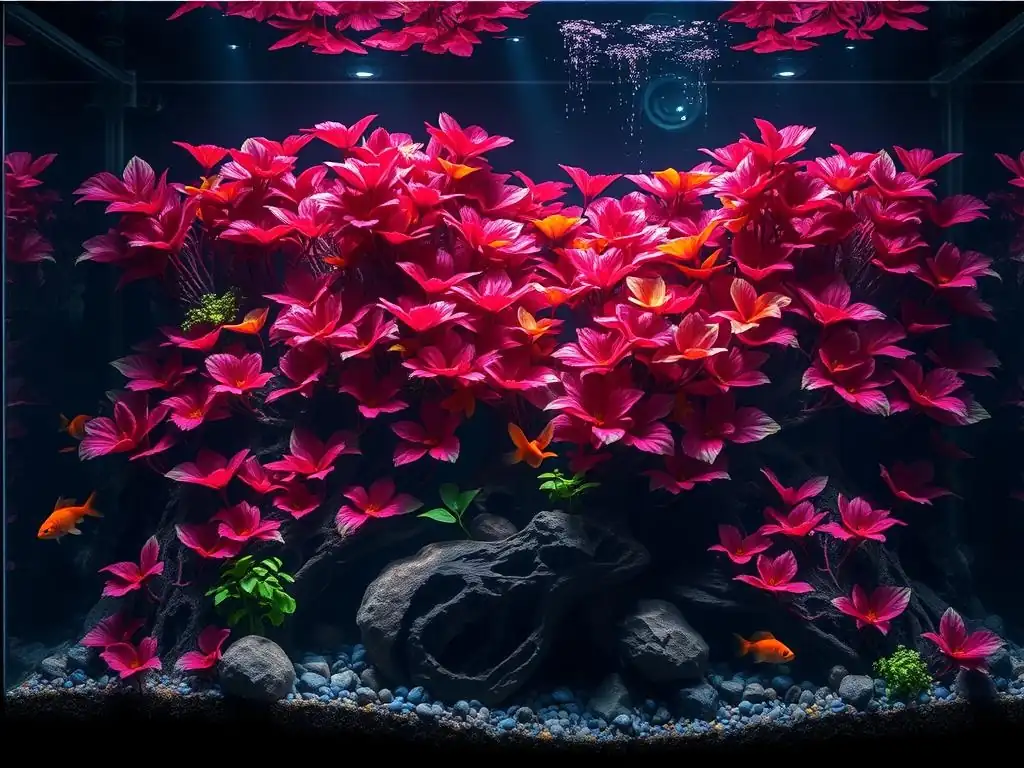
Ever wondered if your rosette plants are missing out on vital nutrients hidden deep within the substrate? Unlock the secret to vibrant, lush growth with our in-depth Rosette Plant Root Tab Guide. Are these nutrient boosters a must-have for your aquatic garden? Dive in to discover everything you need to know and cultivate a thriving underwater paradise!
- Understanding Rosette Plants and Their Nutritional Needs in Aquariums
- Root Tabs Explained: Delivering Essential Nutrients Directly to Rosette Plant Roots
- The Case for Root Tabs: Benefits for Rosette Plants
- When Root Tabs Aren't Necessary: Alternative Fertilization Methods
- Choosing the Right Root Tabs for Your Rosette Plants
- How to Use Root Tabs Effectively for Rosette Plants
- Potential Drawbacks of Using Root Tabs in Aquariums
- Rosette Plant Root Tab Guide: A Comprehensive Overview
-
Frequently Asked Questions
- How essential are root tabs for rosette plants in an aquarium?
- What type of nutrients do root tabs typically provide for rosette plants?
- How often should I replace root tabs in my aquarium with rosette plants?
- Can I use liquid fertilizers instead of root tabs for rosette plants?
- Are there any risks associated with using too many root tabs in my aquarium?
- Final Reflection: Nurturing Roots, Cultivating Beauty
- Transform Your Rosettes: Unlock Their Full Potential!
Understanding Rosette Plants and Their Nutritional Needs in Aquariums
What are Rosette Plants and Why are They Popular in Freshwater Aquariums?
Rosette plants are a distinctive group of aquatic flora characterized by their leaves growing in a circular pattern from a central point, often with a robust root system. Popular examples include the various species of Amazon Swords ( Echinodorus spp. ), Cryptocorynes ( Cryptocoryne spp.
), and Dwarf Aquarium Lilies ( Nymphaea zenkeri). Their popularity in freshwater aquariums stems from their aesthetic appeal, often serving as striking focal points or lush midground plantings, and their relatively straightforward care requirements once established. Many rosette species, like the Echinodorus bleheri, can grow quite large, providing significant visual impact and natural shelter for fish.
These plants are highly favored for their diverse leaf shapes, sizes, and colors, ranging from the broad, vibrant green leaves of an Amazon Sword to the more subtle, often variegated foliage of Cryptocorynes. Their strong root systems not only provide excellent anchorage, preventing them from floating away, but also indicate their primary method of nutrient absorption. Unlike stem plants that primarily absorb nutrients from the water column, rosette plants are predominantly root feeders, making the composition of the substrate critically important for their health and vigorous growth.
Key Nutrients Required for Healthy Rosette Plant Growth
For lush and vibrant growth, rosette plants require a balanced array of both macronutrients and micronutrients. The primary macronutrients are Nitrogen (N), Phosphorus (P), and Potassium (K), often referred to as NPK. Nitrogen is crucial for leafy growth and chlorophyll production; a deficiency often manifests as yellowing leaves. Phosphorus is vital for root development, energy transfer, and overall plant metabolism, while Potassium supports general plant health, disease resistance, and prevents common issues like pinholes or melting leaves.
Beyond NPK, several micronutrients are indispensable, even if required in smaller quantities. Iron (Fe) is perhaps the most critical micronutrient for rosette plants, essential for chlorophyll synthesis; a lack of iron typically leads to chlorosis (yellowing between leaf veins) on new growth. Other important micronutrients include Manganese (Mn), Boron (B), Zinc (Zn), Copper (Cu), and Molybdenum (Mo), each playing specific roles in enzyme function, photosynthesis, and cellular processes. Calcium (Ca) and Magnesium (Mg), though sometimes considered secondary macronutrients, are also vital for cell wall structure and chlorophyll formation, respectively.
How Rosette Plants Absorb Nutrients: Roots vs. Leaves
Rosette plants, by their very nature, are primarily adapted to absorb nutrients through their extensive root systems. Their roots delve deep into the substrate, forming a network that efficiently extracts essential minerals and compounds directly from the sediment. This root-feeding characteristic is a defining feature, distinguishing them from many other aquatic plant types. The root cap protects the growing tip, while delicate root hairs increase the surface area for absorption, enabling the plant to take up nutrients like iron, potassium, and phosphorus directly from the substrate pore water.
While roots are their main pathway for nutrient uptake, rosette plants can also absorb some nutrients from the water column through their leaves. However, this foliar absorption is generally secondary and less efficient for their overall nutritional needs compared to their root uptake.
For instance, a large Amazon Sword might absorb some dissolved nitrates or potassium from the water, but it will quickly show signs of deficiency if its primary root-zone nutrient supply is inadequate. This fundamental difference in nutrient absorption mechanisms is why a specific Rosette plant root tab guide emphasizes substrate enrichment over sole reliance on liquid fertilizers.
Root Tabs Explained: Delivering Essential Nutrients Directly to Rosette Plant Roots
What are Root Tabs and What Do They Contain?
Root tabs are small, compressed capsules or tablets specifically designed to deliver concentrated plant nutrients directly into the aquarium substrate, targeting the root systems of aquatic plants. They are a popular method among aquarists to provide localized fertilization, especially for heavy root-feeding species like rosette plants. The typical composition of root tabs includes a balanced blend of macronutrients—Nitrogen (N), Phosphorus (P), and Potassium (K)—along with essential micronutrients such as chelated Iron (Fe), Manganese (Mn), Magnesium (Mg), and sometimes Boron (B) and Zinc (Zn).
The precise formulation varies by brand, with some tabs offering a higher concentration of a specific nutrient, like iron for red-leafed plants, while others provide a more general, comprehensive mix. For example, a common root tab might contain a low NPK ratio, such as 1-0-3, indicating a focus on potassium and trace elements, or a more balanced blend.
The nutrients are often in a slow-release form, encapsulated or bound within a clay or inert binder, ensuring a gradual and sustained supply to the plant roots over several weeks or months. This slow-release mechanism is crucial for preventing sudden nutrient spikes in the water column that could otherwise lead to algae issues.
How Root Tabs Work in the Aquarium Substrate
The efficacy of root tabs lies in their targeted delivery system. Once buried deep within the aquarium substrate, typically 1 to 2 inches below the surface and directly beneath or very close to the plant's root crown, the tabs slowly begin to dissolve. This dissolution process releases their encapsulated nutrients directly into the substrate pore water, making them readily available for absorption by the plant's roots. Because the nutrients are released locally within the substrate, their diffusion into the main water column is significantly minimized.
This localized nutrient release offers several advantages. Firstly, it ensures that heavy root feeders like Amazon Swords or Cryptocorynes receive a concentrated and consistent supply of the nutrients they primarily depend on, optimizing their growth. Secondly, by keeping the majority of the fertilizer out of the water column, root tabs help mitigate the risk of widespread algae blooms, which are often fueled by excess dissolved nutrients. The slow and controlled release also means that a single application can provide fertilization for an extended period, typically ranging from one to four months, depending on the tab type and plant demand.
Different Types of Root Tabs Available for Aquarium Plants
The market offers a variety of root tabs, each with slightly different formulations and release rates, catering to diverse aquarium needs. Prominent brands include Seachem Flourish Tabs, API Root Tabs, and Dennerle NutriBasis. Seachem Flourish Tabs, for instance, are known for their comprehensive blend of essential trace elements, vitamins, and amino acids, with a focus on iron and potassium, making them suitable for a wide range of root-feeding plants. API Root Tabs often provide a balanced NPK ratio along with iron and other micronutrients, designed for general use in planted tanks.
Beyond commercial brands, some aquarists opt for DIY root tabs, typically using Osmocote Plus granules encased in gelatin capsules or small clay balls infused with fertilizers. While these can be cost-effective, they require careful handling and precise dosage to avoid nutrient dumps and potential harm to aquatic life.
Commercial root tabs generally offer more consistent nutrient release and are formulated to be safe for aquarium inhabitants when used as directed. The choice often depends on the specific nutrient deficiencies observed in the plants, the type of substrate used (inert gravel versus nutrient-rich soil), and the aquarist's preference for convenience and reliability.
The Case for Root Tabs: Benefits for Rosette Plants
Promoting Vigorous Root Growth in Rosette Species
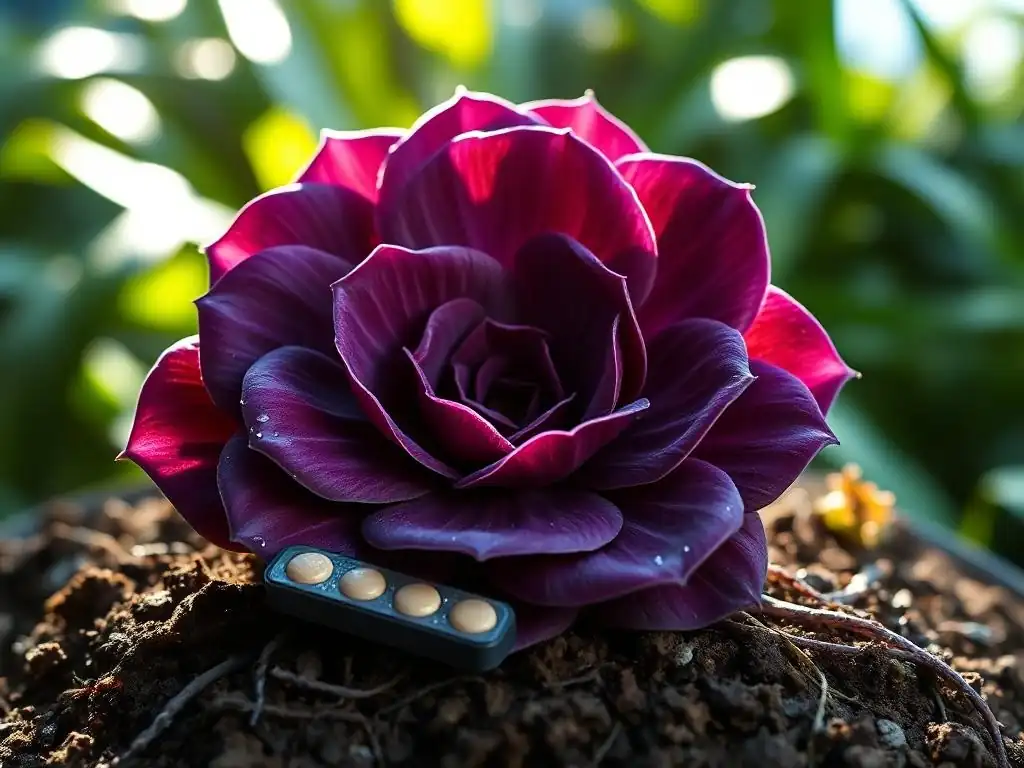
For rosette plants, which are predominantly root feeders, root tabs provide a direct and highly effective source of essential nutrients that significantly stimulate vigorous root growth. When nutrients like phosphorus and potassium are readily available in the substrate pore water, the plant invests more energy into developing a strong, extensive root system. This robust root network, in turn, allows the plant to anchor itself more firmly in the substrate and efficiently absorb water and additional nutrients over a wider area.
For example, a large Amazon Sword ( Echinodorus bleheri) can develop roots spanning 6-8 inches or more within a few months when consistently supplied with root tabs. This improved root mass translates into a more stable and resilient plant, less susceptible to uprooting during tank maintenance or by curious fish. Furthermore, a healthy root system enhances the plant's overall metabolic processes, contributing to better nutrient cycling within the substrate and fostering a more balanced ecosystem in the aquarium.
Enhancing Leaf Color and Overall Health with Root Fertilization
One of the most noticeable benefits of using root tabs for rosette plants is the dramatic improvement in leaf color and overall plant health. Nutrient deficiencies, particularly of iron, often manifest as pale, yellowing leaves (chlorosis) or stunted new growth. Root tabs, especially those rich in chelated iron, directly address this issue by providing the necessary micronutrient where it's most absorbed. For instance, a Cryptocoryne wendtii that might appear dull green or brownish in an unfertilized substrate can develop vibrant green or even reddish hues with consistent root fertilization.
Similarly, deficiencies in potassium can lead to symptoms like pinholes in leaves, yellowing edges, or melting of plant tissue. Root tabs supply a steady stream of potassium directly to the roots, preventing these common problems and promoting thicker, healthier leaves. Beyond aesthetics, well-nourished plants are generally more robust and resistant to algae growth on their leaves, as they outcompete algae for available nutrients. A comprehensive Rosette plant root tab guide often highlights these visual improvements as a primary indicator of successful fertilization.
Preventing Nutrient Deficiencies in Rosette Plants
Over time, even initially nutrient-rich substrates can become depleted of essential elements as plants absorb them. Inert substrates like gravel or sand, by their nature, offer very little in terms of nutrients. Root tabs serve as a crucial replenishment strategy, preventing the onset of common nutrient deficiencies that can plague rosette plants. Without regular substrate fertilization, plants may exhibit stunted growth, yellowing, browning, or even complete melting, particularly in species like Cryptocorynes which are sensitive to nutrient fluctuations.
By burying root tabs near the plant's roots every 2-4 months (depending on the product and plant demand), aquarists ensure a continuous supply of vital nutrients. This proactive approach is particularly beneficial for heavy feeders such as Echinodorus species or Nymphaea (Dwarf Lily), which can rapidly deplete substrate nutrients. For instance, a 50-gallon tank with several large Amazon Swords might require 5-6 root tabs every three months to maintain optimal growth and prevent signs of iron or potassium deficiency. This consistent nutrient delivery is key to long-term success with a thriving planted aquarium.
When Root Tabs Aren't Necessary: Alternative Fertilization Methods
Liquid Fertilizers: Providing Nutrients Through the Water Column
While root tabs are highly effective for root-feeding rosette plants, they are not the only method of fertilization, and in some cases, other approaches might be more suitable or serve as complementary solutions. Liquid fertilizers are designed to deliver nutrients directly into the water column, where they are absorbed by plants through their leaves and stems. These are particularly beneficial for epiphytic plants like Anubias and Java Fern, which primarily absorb nutrients from the water, and for stem plants such as Rotala or Ludwigia.
Liquid fertilizers offer the advantage of broad distribution, making all dissolved nutrients available to every plant in the tank. They are typically dosed weekly or bi-weekly. However, for heavy root feeders like large Amazon Swords, relying solely on liquid fertilizers may not provide sufficient localized nutrient concentrations for optimal growth, especially in inert substrates. In such setups, liquid fertilizers might serve as a supplement for micronutrients or for plants that absorb from both the water column and substrate.
Nutrient-Rich Substrates: A Long-Term Solution for Planted Tanks
For those setting up a new planted aquarium, using a nutrient-rich substrate from the outset can significantly reduce or eliminate the immediate need for root tabs. Products like ADA Aqua Soil, Fluval Stratum, or CaribSea Eco-Complete are specially formulated to provide a rich initial supply of essential macro and micronutrients. These substrates possess a high Cation Exchange Capacity (CEC), allowing them to absorb and release nutrients over an extended period, often sustaining plants for 1-2 years without additional fertilization.
These specialized soils create an ideal environment for root development and nutrient uptake. For example, an ADA Aqua Soil substrate can support a dense carpet of Echinodorus tenellus (dwarf sword) for over a year before signs of nutrient depletion appear. While nutrient-rich substrates offer a robust initial solution, their nutrient content will eventually diminish. At this point, integrating root tabs becomes a highly effective strategy to replenish specific elements directly in the root zone, extending the substrate's lifespan and maintaining plant health without a complete tank overhaul.
Balancing Lighting and CO2 for Optimal Plant Growth
Beyond nutrient availability, the triumvirate of lighting, CO2, and nutrient balance dictates the overall success of aquatic plant growth. Even with perfect root fertilization, if lighting is insufficient or CO2 levels are too low, plants will struggle to photosynthesize efficiently and utilize the available nutrients. In a low-tech setup (low light, no CO2 injection), the plants' metabolic rate is slower, and their nutrient demand is significantly reduced, potentially making root tabs less of a "must-have" and more of an optional boost.
Conversely, in high-tech planted tanks with intense lighting and CO2 injection (aiming for 20-30 ppm CO2), plant growth is significantly accelerated, leading to a much higher demand for all nutrients. In such setups, a comprehensive fertilization strategy that includes both root tabs for root feeders and liquid fertilizers for water column feeders, alongside consistent CO2 and appropriate lighting duration (e.g., 8-10 hours), is essential. Without this balance, plants may still exhibit deficiencies or stunted growth, illustrating that no single factor, including root tabs, can compensate for imbalances in the others.
Choosing the Right Root Tabs for Your Rosette Plants
Identifying Specific Nutrient Needs of Your Rosette Plant Species
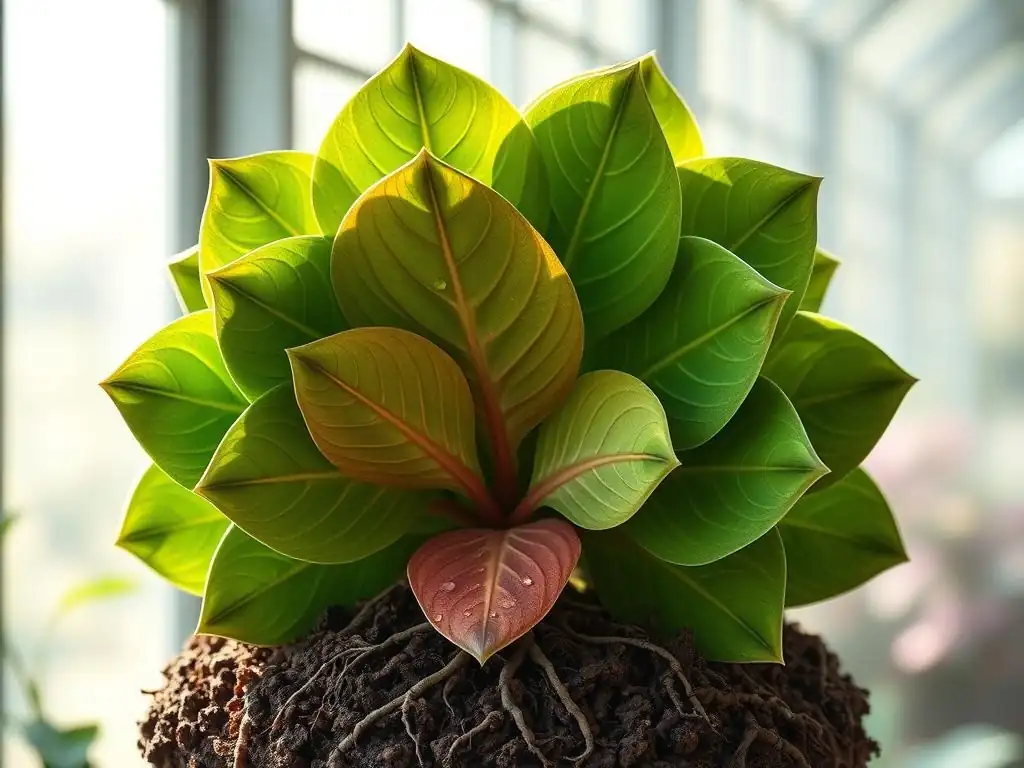
Choosing the right root tabs for your rosette plants begins with understanding their individual nutrient requirements, which can vary significantly between species. While most rosette plants benefit from a balanced supply of NPK and micronutrients, some species have particular demands. For instance, Echinodorus species (Amazon Swords) are notoriously heavy feeders, especially for iron and potassium. If you notice new sword leaves appearing pale or yellow, a root tab with a higher iron content would be highly beneficial.
Cryptocoryne species, while also root feeders, are generally less demanding than Swords but are highly sensitive to sudden changes in their environment, including nutrient fluctuations. Consistent, slow-release fertilization from root tabs helps stabilize their nutrient supply. Red-pigmented rosette plants, such as Nymphaea zenkeri 'Red' (Red Tiger Lotus) or certain Echinodorus cultivars, often require higher levels of iron and sometimes phosphorus to express their vibrant coloration fully. A targeted Rosette plant root tab guide recommends researching specific plant needs to optimize their growth and vibrancy.
Analyzing Your Aquarium Substrate: Gravel vs. Soil
The type of substrate in your aquarium plays a critical role in determining the necessity and type of root tabs required. In inert substrates like plain gravel or sand, which contain virtually no inherent nutrients, root tabs are almost essential for the sustained growth of rosette plants. These substrates offer anchorage but rely entirely on external fertilization for plant nutrition. For example, a 10-gallon tank with 2 inches of inert gravel and a small Cryptocoryne undulata would require regular root tab application to thrive.
In contrast, nutrient-rich substrates such as aquasoils (e.g., ADA Aqua Soil, Fluval Stratum) provide a substantial initial nutrient base. When first set up, tanks with these substrates may not require root tabs for several months, or even a year or more, depending on the plant load. However, over time, these substrates deplete. Root tabs then become an excellent method to replenish specific nutrients locally without disturbing the entire substrate or relying solely on water column dosing. For instance, after 12-18 months, an aquasoil tank with dense Echinodorus growth will likely benefit from targeted root tab placement.
Reading Root Tab Labels: Understanding NPK Ratios and Micronutrients
To make an informed choice, it's crucial to understand how to read root tab labels, particularly the NPK (Nitrogen, Phosphorus, Potassium) ratio and the list of micronutrients. The NPK ratio, typically displayed as three numbers (e.g., 1-0-3), indicates the percentage by weight of Nitrogen, Phosphorus (as P2O5), and Potassium (as K2O), respectively. A tab with a higher first number (N) will promote more leafy growth, while a higher second number (P) supports root development, and a higher third number (K) enhances overall plant health and disease resistance.
Beyond NPK, pay close attention to the micronutrient content. Chelated Iron (Fe) is especially important for green and red leaf coloration and preventing chlorosis. Manganese (Mn), Boron (B), and Magnesium (Mg) are also vital.
Some labels will specify the form of iron (e.g., iron gluconate, which is readily available to plants). Understanding these components allows you to select a tab that addresses specific deficiencies or provides a balanced boost. For example, if your Echinodorus leaves are yellowing, a tab with a higher chelated iron content, such as Seachem Flourish Tabs, would be a good choice to include in your Rosette plant root tab guide strategy.
How to Use Root Tabs Effectively for Rosette Plants
Placement Techniques: Optimizing Nutrient Delivery to Root Systems
Effective use of root tabs hinges on proper placement to ensure optimal nutrient delivery directly to the plant's root systems. For most rosette plants, the ideal placement is directly beneath or very close to the plant's root crown, buried deep enough to prevent rapid nutrient leaching into the water column. Aim for a depth of 1-2 inches (2.5-5 cm) into the substrate. Using long aquascaping tweezers or tongs is highly recommended to precisely place the tab without excessively disturbing the substrate or uprooting the plant.
For larger rosette plants, such as mature Amazon Swords ( Echinodorus bleheri), which develop extensive root systems, it's beneficial to place multiple tabs around the plant in a circular pattern, approximately 2-4 inches (5-10 cm) from the central root crown. For example, a large sword in a 75-gallon tank might benefit from 3-4 tabs placed evenly around its base. Ensuring the tab is fully covered by substrate is critical; exposed tabs can dissolve too quickly, releasing nutrients into the water column and potentially fueling algae growth rather than plant growth.
Dosage Recommendations: Avoiding Over-Fertilization
Adhering to the manufacturer's dosage recommendations is paramount to avoid over-fertilization, which can lead to undesirable consequences like algae blooms. Most root tab products will specify a general guideline, such as "1 tab per 6-inch radius" or "1 tab per plant" for small to medium plants. It's often wise to start with the lower end of the recommended dosage, especially if you are also using liquid fertilizers or have a substrate that still contains some nutrients.
Monitoring your plants and the aquarium for signs of nutrient excess or deficiency will help you fine-tune the dosage. If you observe a sudden increase in algae growth after tab application, it might indicate that too many nutrients are leaching into the water column, suggesting a need to reduce the quantity or bury the tabs deeper. Conversely, if plants still show signs of deficiency despite tab application, ensure proper placement and consider a slightly higher dose or more frequent application within the recommended range. A common reapplication interval for many root tabs is every 2-4 months.
Monitoring Plant Health and Adjusting Root Tab Application
Consistent monitoring of your rosette plants' health is the best way to determine the effectiveness of your root tab application and when reapplication is necessary. Look for specific indicators of nutrient deficiency: yellowing leaves (especially new growth, often indicating iron deficiency), stunted growth, pinholes in leaves (potassium deficiency), or melting plant tissue. Conversely, signs of robust growth, vibrant coloration, and consistent new leaf production indicate that your fertilization strategy is working well.
If plants show signs of deficiency, first check that the tabs were placed correctly and haven't dissolved completely. If symptoms persist, it might be time for reapplication, even if the recommended interval hasn't fully passed, especially for very hungry plants. If, however, you notice an increase in green water algae or hair algae, it could signal excess nutrients in the water column, potentially from too many tabs, improper burial, or a combination with other fertilizers. Adjust your Rosette plant root tab guide strategy by reducing the dosage, increasing water changes, or re-evaluating other nutrient inputs.
Potential Drawbacks of Using Root Tabs in Aquariums
Algae Blooms: The Risk of Excess Nutrients
While root tabs are designed for targeted nutrient delivery, improper use can lead to an excess of nutrients in the water column, significantly increasing the risk of algae blooms. If root tabs are not buried deeply enough, or if too many are used for the plant load, nutrients can leach out of the substrate and dissolve into the main water body. Excess nitrates and phosphates, in particular, are primary culprits behind unsightly green water, hair algae, and Black Brush Algae (BBA).
For instance, applying 10 root tabs in a 20-gallon tank with only a few small Cryptocorynes is likely to introduce an overwhelming amount of nutrients that the plants cannot fully utilize, leaving the excess available for algae. Maintaining a balanced nutrient load is crucial. If your aquarium already has a high fish load producing significant nitrates, adding high-nitrate root tabs might exacerbate the problem. Regular water changes (e.g., 25-30% weekly) can help dilute any leached nutrients and keep algae at bay, but prevention through proper dosage and placement is always the best approach.
Water Parameter Fluctuations: Maintaining a Stable Environment
Although generally minor, some root tabs can subtly influence water parameters, potentially causing slight fluctuations in pH, GH (General Hardness), or KH (Carbonate Hardness). This is more of a concern in very soft water setups or highly sensitive aquariums where even small changes can stress delicate fish or invertebrates. For example, certain root tabs that contain significant amounts of calcium or magnesium, or those that release acidic compounds during decomposition, might slightly alter the water's hardness or pH over time.
While most commercial root tabs are formulated to be inert and stable, it's always prudent to monitor key water parameters (pH, GH, KH, nitrates, phosphates) after introducing new fertilization methods, especially in the first few weeks. For a typical community tank with common freshwater fish, these fluctuations are rarely significant enough to cause issues. However, for aquarists keeping sensitive species or aiming for very specific water parameters, being aware of this potential, albeit small, impact is part of a comprehensive Rosette plant root tab guide.
Root Tab Decomposition and Substrate Management
Over time, root tabs decompose as their nutrients are released and their binders break down. This process can sometimes leave behind residual inert materials or create localized disturbances within the substrate. While most commercial tabs are designed to decompose cleanly, in some cases, particularly with coarser substrates, small fragments might become visible or cause minor cloudiness if disturbed during maintenance.
Furthermore, the act of burying and re-burying root tabs can lead to minor substrate disruption. Care must be taken during gravel vacuuming around planted areas to avoid accidentally disturbing buried tabs, which could release a concentrated burst of nutrients into the water column. For tanks with very fine sand or heavily planted areas, careful planning of root tab placement and gentle maintenance techniques are essential to minimize disturbance and maintain a clean substrate appearance.
Rosette Plant Root Tab Guide: A Comprehensive Overview
Best Practices for Using Root Tabs with Different Rosette Plant Varieties
Implementing a tailored approach to root tab application can significantly enhance the growth of specific rosette plant varieties.
- Amazon Swords (Echinodorus spp.): These are notoriously heavy root feeders and show dramatic improvement with consistent root fertilization. For medium to large swords, place 2-3 tabs deeply around the base of the plant every 2-3 months. Focus on tabs rich in iron and potassium for vibrant green leaves and robust growth.
- Cryptocorynes (Cryptocoryne spp.): While less demanding than swords, Crypts benefit immensely from a stable, nutrient-rich substrate. Place 1 tab near the root ball every 3-4 months. Be gentle during placement to avoid disturbing their sensitive roots, which can trigger "Crypt melt."
- Dwarf Lilies/Tiger Lotus (Nymphaea spp.): These plants are very heavy root feeders and will respond quickly to root tabs with larger, more colorful leaves. Place 2-3 tabs around the tuber every 2 months, especially if you desire vibrant red coloration, as they benefit from higher iron and phosphorus.
- Anubias and Bucephalandra (Rhizome plants often grouped with root feeders): While traditionally epiphytes, they can benefit from tabs if their rhizome is not buried. Place a tab nearby, but not directly under the rhizome, to allow roots to grow towards it, providing a steady nutrient source.
Even with careful planning, issues can arise when using root tabs.
- Algae Bloom After Application: This is often due to excess nutrients leaching into the water column. Ensure tabs are buried deeply (1-2 inches), reduce the dosage, or increase the frequency and volume of water changes (e.g., 30-50% water change every 2-3 days for a week).
- Plants Not Responding/Still Showing Deficiencies: First, confirm tabs are placed correctly and haven't expired. Check other limiting factors like lighting intensity, CO2 levels (if applicable), and water column nutrient availability. If basic conditions are met, consider a slightly higher dose or more frequent application within the product's recommended range.
- Fish Digging Up Tabs: This can be a problem with bottom-dwelling fish like Corydoras or larger Cichlids. Bury tabs deeper, or if using a fine substrate, cap it with a layer of coarser gravel to deter digging. Using tweezers for precise, deep placement helps.
- Cloudy Water: Usually temporary due to substrate disturbance during tab insertion. Allow filters to clear it. If persistent, it might indicate too much organic matter released or a significant nutrient dump, requiring water changes.
Alternative Strategies for Achieving Lush Growth in Rosette Plants without Root Tabs
While this Rosette plant root tab guide highlights their benefits, lush growth can still be achieved through alternative strategies:
- Nutrient-Rich Substrate: Starting with a high-quality, pre-enriched substrate like ADA Aqua Soil or Fluval Stratum provides a long-term nutrient base, often sustaining plants for a year or more before external fertilization is needed. This is ideal for new setups aiming for a low-maintenance approach initially.
- DIY Root Fertilizers (with caution): Some aquarists create their own root tabs using Osmocote Plus granules (a slow-release terrestrial fertilizer) encased in gelatin capsules. This can be cost-effective but requires meticulous research and precise dosing to avoid nutrient poisoning, as these products are not formulated for aquatic environments.
- Heavily Stocked Aquariums: In tanks with a high bioload (many fish), fish waste naturally provides a source of nitrogen and phosphorus. While this can contribute to plant growth, it's often insufficient for demanding rosette plants and usually lacks essential micronutrients like iron.
- Minimalist Approach (Low-Tech Tanks): For very low-light, low-CO2 setups with undemanding rosette species (e.g., smaller Cryptocorynes), ambient nutrients from fish waste and infrequent, comprehensive liquid fertilizer dosing might suffice. However, growth will be slower, and plants may not reach their full potential vibrancy.
Frequently Asked Questions
How essential are root tabs for rosette plants in an aquarium?
Root tabs are highly recommended but not always strictly essential. They deliver nutrients directly to the roots, which is crucial for robust growth in many rosette species, especially those with high nutrient demands.
What type of nutrients do root tabs typically provide for rosette plants?
Root tabs usually contain essential macronutrients like nitrogen, phosphorus, and potassium (NPK), as well as micronutrients such as iron, manganese, and trace elements, all vital for plant health.
How often should I replace root tabs in my aquarium with rosette plants?
Replacement frequency varies depending on the brand and the plant's needs, but generally, you should replace them every 1-3 months. Observe your plants for signs of nutrient deficiency to adjust accordingly.
Can I use liquid fertilizers instead of root tabs for rosette plants?
While liquid fertilizers can benefit the water column, they are less effective for rosette plants that primarily absorb nutrients through their roots. Root tabs provide a sustained release of nutrients directly to the roots.
Are there any risks associated with using too many root tabs in my aquarium?
Overuse can lead to nutrient imbalances in the water column, potentially causing algae blooms or harming sensitive fish or invertebrates. Always follow the manufacturer's instructions and monitor your water parameters.
Final Reflection: Nurturing Roots, Cultivating Beauty
The journey of understanding the symbiotic relationship between rosette plants and root tabs culminates in a deeper appreciation for the delicate balance of aquatic ecosystems. What began as a technical exploration of nutrient delivery transforms into a recognition of the profound impact small interventions can have on fostering vibrant, thriving life beneath the water's surface.
This exploration has underscored how deeply intertwined our actions are with the health of our planted aquariums. The subtle art of providing targeted nutrition, understanding the specific needs of each rosette species, and witnessing the resulting explosion of growth is a deeply rewarding experience. It reminds us that even in controlled environments, nature responds to care and attention. The best time to plant a tree was 20 years ago. The second best time is now.
– Chinese Proverb. This sentiment resonates perfectly with the proactive approach to plant care that root tabs embody.
Now, as you embark on your own aquatic gardening adventures, consider the lessons learned here. Embrace the power of informed decisions, experiment with different approaches, and observe the unique responses of your rosette plants. Let this guide be a stepping stone towards creating not just a beautiful aquascape, but a thriving ecosystem that reflects your dedication and passion. Nurture the roots, and watch the beauty flourish.
Transform Your Rosettes: Unlock Their Full Potential!
Thanks for diving into the world of rosette plants with us! We hope you've gained valuable insights into their care and the potential benefits of root tabs. Now, let's take that knowledge and turn it into action!
Here are some actionable steps you can take to cultivate thriving rosette plants:
- Experiment with root tabs to see the difference they make in your rosette's growth and coloration. Document your findings! This is the best way to truly understand their impact.
- Explore different brands of root tabs and compare their ingredients and effectiveness. Share your reviews with fellow aquarium enthusiasts.
- Research alternative fertilization methods, such as liquid fertilizers, and compare their advantages and disadvantages to root tabs.
What specific aspects of your rosette plants' growth are you hoping to improve with root tabs, and what experiments are you planning to try?