
Substrate & Hardscape Secrets: Laying the Foundation for a Realistic Biotope Aquarium

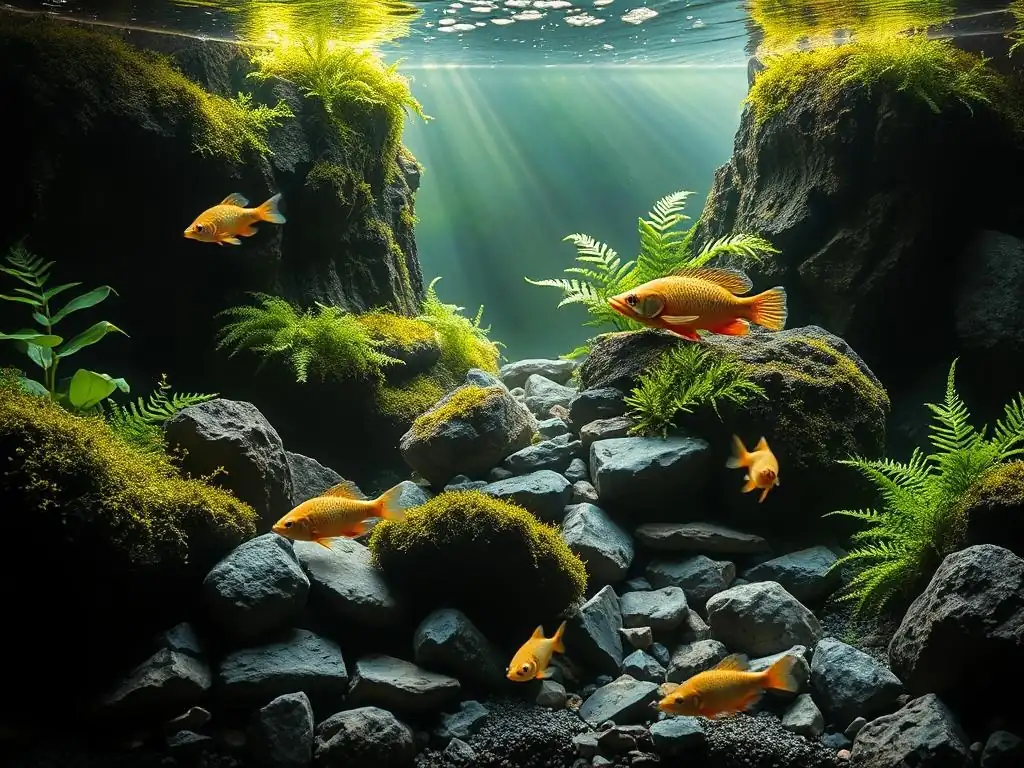
Welcome to Aquarium Mastery!
Ever wondered how to recreate the exact underwater landscapes you see in nature documentaries, right in your own living room? Our article, " Substrate & Hardscape Secrets: Laying the Foundation for a Realistic Biotope Aquarium," dives deep into the world of realistic biotope aquarium substrate. Discover the crucial elements that go beyond just gravel and sand, and unlock the secrets to creating a thriving, authentic ecosystem. Ready to build the foundation for your underwater masterpiece? Let's get started!
- Understanding Biotope Aquariums and Their Importance
- Choosing the Right Substrate for Your Biotope Aquarium
- Selecting Hardscape Materials for a Natural Look
- Preparing Your Substrate and Hardscape
- Laying the Foundation: Substrate and Hardscape Placement Techniques
- Biotope-Specific Substrate and Hardscape Examples
- Maintaining Your Biotope Substrate and Hardscape
- Troubleshooting Common Biotope Substrate and Hardscape Issues
- Conclusion: Mastering the Art of Biotope Substrate and Hardscape
-
Frequently Asked Questions
- What is the primary purpose of substrate in a biotope aquarium?
- How do I choose the correct substrate for my specific biotope aquarium?
- Can I mix different types of substrate layers in my biotope aquarium?
- How often should I clean or replace the substrate in my biotope aquarium?
- What are some common mistakes to avoid when selecting substrate for a biotope aquarium?
- Final Reflection: Cultivating Aquatic Authenticity
- Unleash Your Biotope Brilliance!
Understanding Biotope Aquariums and Their Importance
What is a Biotope Aquarium? Replicating Natural Ecosystems
A biotope aquarium is a specialized aquatic setup designed to replicate a specific natural habitat from a particular geographic location. This goes beyond simply housing fish; it involves meticulously recreating the water parameters, flora, and hardscape elements found in that exact ecosystem. The goal is to provide an environment that is not only aesthetically pleasing but also functionally accurate, allowing the resident fish and plants to thrive in conditions mirroring their wild counterparts.
Achieving a truly realistic biotope aquarium hinges on detailed research into the chosen habitat. For instance, replicating a specific stretch of the Rio Negro in the Amazon requires inert sand, abundant driftwood, and leaf litter to mimic the characteristic blackwater conditions, complete with soft, acidic water (pH typically 4.5-6.5, GH 0-3 dGH). Conversely, a Lake Tanganyika biotope necessitates high pH (7.8-9.0), hard water, and extensive rock formations, often with a deep aragonite sand bed, for its unique cichlid species.
Why Substrate and Hardscape are Crucial for Authentic Biotopes
Substrate and hardscape are the foundational elements that define a biotope aquarium's authenticity and functionality. The choice of a realistic biotope aquarium substrate directly influences water chemistry, provides essential living space for beneficial bacteria, and dictates the behavior of bottom-dwelling fish. For example, burrowing cichlids like Geophagus species require a fine sand substrate, typically 0.1-1mm grain size, to sift through for food, while coarse gravel would inhibit their natural feeding patterns and cause fin damage.
Beyond aesthetics, hardscape elements such as rocks, wood, and root systems serve critical ecological roles. They offer hiding places, establish territories, provide spawning sites, and contribute to the overall water flow dynamics.
A well-designed hardscape mimics the natural environment, reducing stress on fish and encouraging natural behaviors. For instance, the intricate root structures of a flooded Amazonian forest biotope provide shelter for schooling tetras and angelfish, while the stacked rock formations of an African rift lake biotope are vital for the territorial behaviors of cichlids like Tropheus species, often requiring stable structures that can support up to 50-70% of the tank's volume in rock.
Choosing the Right Substrate for Your Biotope Aquarium
Matching Substrate to Your Target Biotope: A Detailed Guide
Selecting the appropriate realistic biotope aquarium substrate is paramount for ecological accuracy and maintaining desired water parameters. This selection begins with thorough research into the specific biotope you intend to replicate.
For instance, an Amazonian blackwater stream typically features very fine, inert silica sand, often light in color, with a depth ranging from 1 to 2 inches (2.5-5 cm). In contrast, a Lake Malawi rocky shore biotope demands a calciferous substrate like crushed coral or aragonite sand, which buffers the water to maintain a high pH (around 8.0-8.6) and high hardness (KH 10-15 dKH), essential for the health of its endemic cichlids.
Consider the native environment's geological composition. Riverbeds in Southeast Asia might feature a mix of fine sand and smooth pebbles, while certain African marshlands could have a silty, muddy bottom. Your substrate choice must align with these natural conditions, not only in appearance but also in its chemical inertness or buffering capacity. Using an incorrect substrate, such as inert sand in a hardwater biotope or aragonite in a softwater biotope, can lead to constant struggles with water chemistry and ultimately compromise the health of your aquatic inhabitants.
Grain Size Matters: Selecting the Ideal Substrate Texture
The grain size of your substrate significantly impacts the functionality and suitability for specific biotope inhabitants. For fish species that sift through the substrate, such as Geophagus cichlids or Corydoras catfish, a fine sand (0.1mm to 1mm) is essential to prevent injury to their sensitive barbels and allow for natural feeding behaviors. These fish actively sift through the sand, extracting food particles, and coarser substrates can lead to stress, damaged barbels, and even infections.
Conversely, some biotopes, particularly those mimicking fast-flowing rivers or mountain streams, may feature a mix of fine to medium gravel (2mm to 5mm) and rounded pebbles. While not ideal for sifting species, this provides a stable base for certain plants and offers a more natural appearance for such environments.
It is crucial to avoid sharp or angular gravel, as it can harm fish that occasionally rest on or interact with the substrate. The choice of grain size also influences detritus accumulation; finer sands tend to trap detritus on the surface, making it easier to vacuum, while coarser gravel allows detritus to settle deep within, potentially leading to anaerobic zones if not properly maintained.
Substrate Composition: Sand, Gravel, Soil, and Their Uses
The chemical composition of your chosen substrate is as critical as its grain size for a realistic biotope aquarium substrate. Inert sand, such as silica sand or play sand, is a popular choice for many biotopes, particularly blackwater or clearwater setups, because it does not alter water parameters. It provides a natural look and is ideal for bottom-dwelling fish that sift or burrow. However, if not properly maintained, fine sand can compact, leading to anaerobic spots.
Gravel, typically inert quartz gravel, is less common for strict biotope setups but can be used in some riverine or stream biotopes where a coarser bottom is natural. It offers excellent water flow through the substrate, reducing the risk of anaerobic zones. Aqua soil or specialized planted aquarium substrates are rich in nutrients and designed to support dense plant growth.
While not always found in every biotope, they are essential for heavily planted biotopes like those replicating Amazonian floodplains or certain Asian riverbanks. These soils typically lower pH and soften water, which can be beneficial for specific biotope requirements, but their initial release of ammonia and nitrates requires careful monitoring during the cycling phase.
In-Depth Look: Specialized Biotope Substrates for Specific Habitats
Replicating Riverbed Substrates: Achieving the Right Look and Function
Replicating a riverbed substrate for a realistic biotope aquarium substrate often involves a mix of grain sizes and materials to mimic the natural flow and erosion patterns. For fast-flowing river biotopes, such as those housing Danio rerio or certain Gyrinocheilus aymonieri (Siamese Algae Eaters), a substrate of smooth, rounded pebbles ranging from 5mm to 20mm, interspersed with areas of coarser sand (1-2mm), is ideal. This combination allows for strong water flow over and through the substrate, preventing detritus buildup and simulating the natural environment where fine sediments are washed away.
In slower-moving river sections or oxbow lakes, a finer, more uniform sand substrate (0.5-1mm) might be appropriate, often with a thin layer of fine detritus and leaf litter accumulating on top. For instance, a biotope for Rasbora heteromorpha (Harlequin Rasbora) from Southeast Asian peat swamps might utilize a very fine, dark inert sand topped with a significant layer of botanical materials to replicate the natural, soft, acidic water conditions (pH 4.5-6.0).
The key is to observe the specific river's characteristics – whether it's predominantly rocky, sandy, or silty – and choose the substrate accordingly to ensure both visual accuracy and functional suitability for the inhabitants.
Creating Muddy Bottoms for Swamps and Marsh Biotopes
Creating a muddy bottom for swamp or marsh biotopes presents a unique challenge due to the risk of anaerobic zones and foul odors. True mud is generally not recommended for home aquariums. Instead, a realistic biotope aquarium substrate for these environments can be achieved by using a layer of nutrient-rich aquarium soil (such as ADA Aqua Soil Amazonia or similar) capped with a fine, dark, inert sand (0.1-0.5mm). This cap, typically 1-2 inches thick, prevents the nutrient-rich layer from clouding the water and helps to prevent direct oxygen exposure to the anoxic layer below.
To further enhance the "muddy" appearance and provide natural filtration, a generous amount of leaf litter (e.g., Indian almond leaves, oak leaves, guava leaves) and botanical pods (e.g., alder cones, catappa pods) should be added. As these botanicals decompose, they release tannins and humic substances, staining the water a natural tea color and mimicking the low-oxygen, acidic conditions (pH 5.0-6.5) found in true swamp environments. This setup is ideal for fish like Betta splendens wild types or various Apistogramma species that thrive in such specialized habitats.
Using Laterite and Clay Substrates for Planted Biotope Aquariums
For biotope aquariums that require dense plant growth, such as those replicating sections of the Amazon or certain Southeast Asian riverbanks, laterite and clay-based substrates are invaluable. Laterite, a reddish-brown soil rich in iron and other trace elements, provides essential nutrients directly to plant roots. It is typically used as a bottom layer, often mixed with gravel or capped with an inert sand or gravel layer to prevent it from clouding the water. A common ratio might be a 1-inch layer of laterite capped with 2-3 inches of inert sand.
Clay-based substrates, often found in commercial planted aquarium soils, offer high cation exchange capacity (CEC), meaning they can absorb and release nutrients as needed by plants, acting as a nutrient reservoir. These substrates are designed to slowly release essential micronutrients like iron, manganese, and boron, which are crucial for vibrant plant growth. For a realistic biotope aquarium substrate setup focused on aquatic plants, these nutrient-rich layers are vital for establishing a thriving ecosystem that mirrors the lush, vegetated areas of natural biotopes, supporting plant species like Echinodorus (sword plants) or various Cryptocoryne species.
Selecting Hardscape Materials for a Natural Look
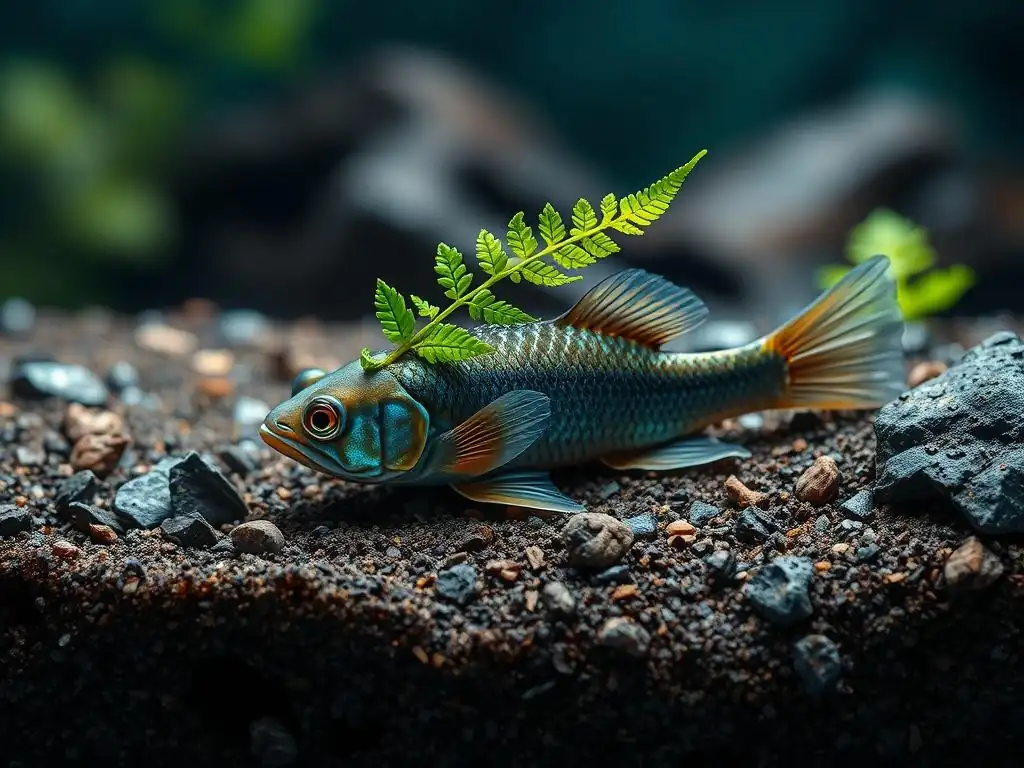
The Role of Hardscape in Biotope Aquariums
Hardscape, comprising rocks, wood, and sometimes even specialized materials like coconut shells, plays a multifaceted role in a realistic biotope aquarium substrate setup. Aesthetically, it provides the primary structural elements, defining the layout, creating depth, and mimicking the natural topography of the chosen biotope. Beyond visual appeal, hardscape is functionally crucial: it offers essential hiding spots and territories for fish, reducing stress and aggression, particularly among cichlids or territorial species.
Hardscape also provides surfaces for beneficial bacteria to colonize, contributing significantly to biological filtration. Wood, in particular, can release tannins, which are vital for replicating blackwater conditions, lowering pH, and offering mild antibacterial properties. Rocks can either be inert, having no impact on water chemistry, or calciferous, buffering the water and raising pH and hardness, a critical consideration for biotopes like the African Rift Lakes. The strategic placement of hardscape elements can also influence water flow, creating areas of calm or increased current, further contributing to the biotope's authenticity.
Rock Selection: Matching Rock Types to Your Biotope
Identifying Biotope-Appropriate Rocks: Texture, Color, and Composition
When selecting rocks for your realistic biotope aquarium substrate and hardscape, it's crucial to consider their texture, color, and, most importantly, their chemical composition. Rocks that are appropriate for a specific biotope should visually match the natural environment.
For instance, a fast-flowing mountain stream biotope might feature smooth, rounded granite or basalt stones, which are typically inert and do not alter water parameters. Conversely, an African Rift Lake biotope, such as Lake Malawi, requires calciferous rocks like limestone or Texas Holey Rock, which naturally buffer the water to maintain the high pH (7.8-8.6) and hardness (KH 10-18 dKH) essential for its cichlid inhabitants.
To test if a rock is calciferous, simply place a few drops of white vinegar or muriatic acid on a small, inconspicuous area. If it fizzes or bubbles, it contains calcium carbonate and will raise pH and hardness. For soft, acidic water biotopes (e.g., Amazonian blackwater), only inert rocks should be used to avoid unwanted chemical changes. Color is also important; dark, weathered rocks might be suitable for a forested stream, while lighter, eroded rocks could fit a desert oasis biotope.
Common Rock Types for Aquascaping Biotopes: Seiryu Stone, Dragon Stone, Lava Rock
Several rock types are popular in aquascaping and can be adapted for realistic biotope aquarium substrate and hardscape designs, provided their chemical impact is understood. Seiryu Stone, a type of limestone, is prized for its jagged texture and blue-gray color. While visually striking, it is calciferous and will slowly raise pH and hardness. It can be used in biotopes where a slightly elevated pH is acceptable or where regular water changes with soft water can counteract its buffering effect.
Dragon Stone (Ohko Stone) is a clay-based rock known for its unique porous, earthy texture and crevices. It is generally inert, making it an excellent choice for a wide range of biotopes, including Amazonian or Southeast Asian setups, where it can mimic weathered rock formations or riverbank erosion. Its crevices also provide excellent surfaces for beneficial bacteria and can be used to anchor plants.
Lava Rock is highly porous, lightweight, and typically inert. Its rough surface provides abundant area for bacterial colonization, making it excellent for biological filtration. It is often used in African cichlid tanks due to its inertness and ability to form large, stable structures, or in planted tanks where its porosity can aid root attachment.
Wood for Biotope Aquariums: Choosing the Right Type
Driftwood Selection: Shapes, Sizes, and Tannin Levels
Driftwood is an indispensable element for many realistic biotope aquarium substrate setups, particularly those replicating blackwater or clearwater forest environments. Types like Malaysian driftwood, Manzanita, Mopani, and Spiderwood are popular. Malaysian driftwood is dense and sinks readily, often releasing significant tannins. Manzanita offers intricate branching structures, while Mopani is known for its two-tone appearance and heavy tannin release. Spiderwood (or Redmoor wood) has delicate, intertwining branches, perfect for mimicking root systems.
The choice depends on the desired aesthetic and water chemistry. For a blackwater biotope, heavy tannin-releasing woods are desirable as they contribute to the authentic tea-stained water color and lower pH. In a clearwater biotope, extensively pre-soaked or older, leached driftwood is preferred to minimize discoloration. Sizes and shapes should vary to create a natural, asymmetrical look, providing diverse hiding spots and visual interest. A general rule is to use pieces that are roughly 1/3 to 2/3 the height or length of your tank to ensure visual impact without overwhelming the space.
Root Systems and Branches: Adding Complexity to Your Biotope
Beyond solid driftwood pieces, incorporating intricate root systems and smaller branches significantly enhances the complexity and authenticity of a realistic biotope aquarium substrate design. These elements are crucial for mimicking the dense, submerged root networks found in flooded forests (e.g., Amazonian igapó or Southeast Asian peat swamps). Root-like woods such as Spiderwood or carefully selected Manzanita branches can be arranged to create a tangled, naturalistic appearance, providing numerous hiding places and visual barriers for fish.
For instance, recreating a Betta splendens habitat might involve a dense network of fine branches and roots, simulating the shallow, vegetated waters where they naturally reside. These intricate structures also offer increased surface area for the growth of beneficial biofilm, which serves as a food source for many small fish and invertebrates. The layering of branches and roots over the substrate creates microhabitats, encouraging natural behaviors like foraging and exploration, truly bringing the biotope to life.
Leaf Litter and Botanical Additives: Enhancing the Natural Look and Water Chemistry
Choosing Safe Leaf Litter for Your Aquarium
Leaf litter is an often-overlooked yet vital component for achieving a truly realistic biotope aquarium substrate and mimicking natural aquatic ecosystems, especially blackwater and certain clearwater biotopes. The most commonly used and safest leaves include Indian almond leaves (Ketapang leaves), oak leaves, beech leaves, and guava leaves. It is crucial to source leaves that are free from pesticides, herbicides, and other chemical contaminants. Collecting leaves from your own garden is only safe if you are absolutely certain no chemicals have been used.
Before adding to the aquarium, leaves should be thoroughly rinsed and ideally blanched or boiled briefly to sterilize them and help them sink faster. Indian almond leaves are particularly popular due to their potent release of tannins and humic acids, which lower pH, soften water, and provide anti-fungal and anti-bacterial properties. A typical dosage might be 1-2 medium-sized Indian almond leaves per 10 gallons of water, replenished every 2-4 weeks as they decompose. Other botanicals like alder cones and catappa bark also release beneficial tannins and can be used to further enhance the biotope.
Benefits of Botanical Extracts: Tannins and Water Parameters
The decomposition of leaf litter and other botanicals releases a complex cocktail of organic compounds, primarily tannins, humic acids, and fulvic acids. These compounds are responsible for the characteristic tea-stained appearance of blackwater biotopes, a key visual element for authenticity. Beyond aesthetics, these botanical extracts have significant benefits for water chemistry and fish health. Tannins naturally lower the pH and soften the water, creating conditions ideal for many Amazonian, Southeast Asian, and West African fish species that originate from soft, acidic waters (e.g., pH 4.5-6.5, GH 0-5 dGH).
Furthermore, these compounds possess mild antiseptic and anti-fungal properties, which can help prevent common fish diseases and reduce stress. They also provide a natural food source for microfauna and invertebrates, which in turn become food for smaller fish. The leaf litter itself offers additional hiding places and foraging opportunities for bottom-dwelling species like Corydoras catfish and dwarf cichlids, completing the cycle of a realistic biotope aquarium substrate and hardscape.
Preparing Your Substrate and Hardscape
Cleaning and Sterilizing Substrate: Removing Impurities
Proper preparation of your realistic biotope aquarium substrate is a critical first step to ensure water clarity and the health of your aquatic environment. All new sand or gravel must be thoroughly rinsed before being added to the aquarium. This process removes fine dust, debris, and potential impurities that can cloud the water for days or even weeks if not addressed. The best method is to place small batches of substrate into a clean bucket and run tap water over it while stirring vigorously.
Continue rinsing and pouring out the cloudy water until the water runs completely clear. For fine sands, this might require 10-15 rinses per batch. While not strictly sterilization, this rinsing process significantly reduces the particulate load. If you are using a specialized planted substrate (e.g., aqua soil), follow the manufacturer's specific instructions, as some soils are designed not to be rinsed to preserve their nutrient content.
Preparing Hardscape: Eliminating Contaminants and Tannin Control
Preparing hardscape elements like rocks and wood is essential to prevent the introduction of contaminants and to manage tannin release. All rocks, whether collected from nature or purchased, should be thoroughly scrubbed with a stiff brush under running water to remove any dirt, loose debris, or organic matter.
Avoid using soaps or detergents, as residues can be harmful to fish. For rocks that might contain undesirable minerals or algae, a brief soak in a dilute bleach solution (e.g., 1 part bleach to 10 parts water) followed by extensive rinsing and a soak in dechlorinator is recommended, but only for inert rocks.
Wood, especially newly acquired driftwood, often needs significant preparation. It should be thoroughly scrubbed to remove any loose bark or debris. The primary concern with new driftwood is its tendency to release tannins, which can stain the water heavily, and its buoyancy. While some tannin release is desired for blackwater biotopes, excessive amounts can make the water too dark or drastically lower pH. Boiling driftwood for several hours (or days, with water changes) is highly recommended. This process helps to sterilize the wood, accelerate the leaching of tannins, and often helps the wood to sink faster.
Soaking Driftwood: Reducing Tannin Release
Even after boiling, most new driftwood will continue to leach tannins for an extended period. To further reduce this effect and ensure the wood remains submerged, long-term soaking is crucial. Place the driftwood in a large bucket or tub, completely submerged in water, and change the water daily or every other day. This process can take anywhere from a few weeks to several months, depending on the type and size of the wood. The water will initially turn a dark tea color, gradually becoming lighter with each water change.
For realistic biotope aquarium substrate setups that are not blackwater-specific, patience during this soaking phase is key to maintaining clear water. If you intend to create a blackwater biotope, a moderate amount of tannin release is desirable, so the soaking period can be shorter. However, even in blackwater tanks, pre-soaking helps to prevent an overwhelming initial tannin spike that could drastically alter water parameters too quickly for your aquatic inhabitants.
Laying the Foundation: Substrate and Hardscape Placement Techniques
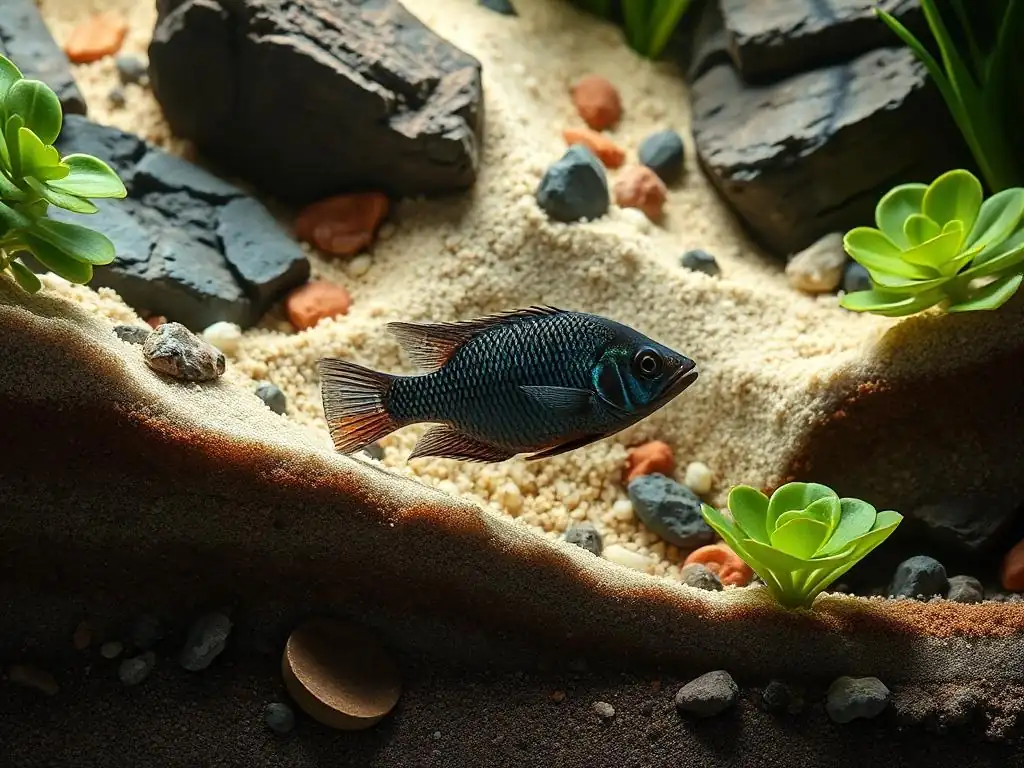
Creating Depth and Perspective in Your Biotope Aquarium
Creating depth and perspective is fundamental to a visually appealing and realistic biotope aquarium substrate layout. Instead of a flat, uniform substrate layer, gradually slope the substrate from the front to the back of the tank, with the highest point at the rear. This simple technique immediately adds a sense of depth, making the aquarium appear larger than it is. For a 4-foot (120 cm) tank, you might aim for a substrate depth of 2 inches (5 cm) at the front, rising to 4-6 inches (10-15 cm) at the back.
Strategic placement of hardscape elements further enhances this illusion. Place larger, more prominent rocks or pieces of driftwood towards the back and sides, partially burying them in the substrate to make them appear as if they are naturally emerging from the ground. Smaller elements can then be placed closer to the front. Avoid placing hardscape directly in the center; instead, offset key pieces according to principles like the "rule of thirds" to create a more dynamic and natural composition, guiding the viewer's eye through the scene.
Layering Substrate for Optimal Plant Growth and Aesthetics
For planted biotopes or those requiring specialized substrate properties, layering is a sophisticated technique for a realistic biotope aquarium substrate setup. The bottom layer, typically 1-2 inches (2.5-5 cm) thick, consists of nutrient-rich planted aquarium soil or a mix of laterite and gravel. This layer provides essential nutrients for plant roots and can buffer pH. For example, ADA Aqua Soil Amazonia is often used as a base for Amazonian biotope plants, as it helps to lower pH and GH.
This nutrient layer is then capped with 1-3 inches (2.5-7.5 cm) of inert sand or fine gravel, which serves several purposes: it prevents the nutrient-rich layer from leaching directly into the water column and causing algae blooms, keeps the top layer clean and visually appealing, and provides a suitable surface for bottom-dwelling fish. The specific depth of each layer depends on the plant species chosen and the desired aesthetic, but the general principle is to ensure adequate nutrients for plants while maintaining a clean and stable surface for the overall biotope.
Arranging Hardscape for Natural Flow and Fish Habitat
Arranging hardscape elements in a realistic biotope aquarium substrate setup goes beyond aesthetics; it's about creating functional habitats that mimic nature. When placing rocks and wood, consider how they would naturally be found in the wild. Avoid perfect symmetry or evenly spaced elements. Instead, aim for a chaotic yet balanced arrangement. For example, in a riverine biotope, driftwood might appear to have been deposited by currents, forming natural dams or shelters.
Create caves, overhangs, and swim-throughs using rocks and wood, providing essential hiding spots and territories for fish. For cichlids from African Rift Lakes, large, stable rock piles with numerous crevices are crucial for their territorial behavior and breeding. For shy, schooling fish like tetras in an Amazonian biotope, dense tangles of driftwood and roots offer security and complex swim paths. Ensure that hardscape pieces are stable and cannot topple, especially if you have large or active fish. Use aquarium-safe silicone or epoxy if necessary to secure unstable rock formations.
The Importance of Strategic Placement for a Realistic Look
Strategic placement of every element contributes to a truly realistic biotope aquarium substrate and hardscape. The goal is to create a scene that feels as if a slice of nature has been transplanted directly into your home. This involves not just the arrangement of major pieces but also the scattering of smaller elements like pebbles or small branches in a seemingly random yet deliberate manner. For instance, in a streambed biotope, smaller stones might be placed as if naturally eroded and deposited by water flow around larger rocks.
Consider the "negative space" – the areas not occupied by hardscape – and how fish will utilize these areas for swimming. Ensure there are clear swimming lanes for schooling fish, while still providing ample cover. Think about how light will interact with the hardscape, creating shadows and highlights that add to the natural ambiance. By meticulously planning and executing the placement, you transform a collection of materials into a dynamic and believable underwater landscape that supports the natural behaviors of its inhabitants.
Biotope-Specific Substrate and Hardscape Examples
Amazon River Biotope: Substrate and Hardscape Breakdown
For a realistic biotope aquarium substrate representing an Amazon River environment, particularly a blackwater tributary or flooded forest, the substrate is typically fine, inert silica sand. This sand, often light in color, should be laid in a relatively thin layer, about 1-2 inches (2.5-5 cm) deep, to mimic the soft, often silty bottoms of these slow-moving waters. Play sand, thoroughly washed, is a cost-effective and suitable option.
The hardscape is dominated by abundant driftwood, forming intricate, tangled root systems that replicate submerged trees and branches. Malaysian driftwood, Manzanita, and Spiderwood are excellent choices, often arranged to create numerous hiding places and visual barriers. A significant amount of leaf litter (e.g., Indian almond leaves, oak leaves, guava leaves) is crucial. These botanicals release tannins, staining the water a characteristic tea color and contributing to the soft, acidic water parameters (pH 5.0-6.5, GH 0-3 dGH) that are vital for fish like Angelfish ( Pterophyllum scalare), Cardinal Tetras ( Paracheirodon axelrodi), and Discus ( Symphysodon spp. ).
Southeast Asian Blackwater Biotope: Achieving the Right Environment
A Southeast Asian blackwater biotope, often replicating peat swamps or slow-moving streams, demands a very specific realistic biotope aquarium substrate and hardscape to achieve its unique environment. The substrate should be extremely fine, dark inert sand, such as black diamond blasting sand or a fine dark silica sand, laid in a minimal depth of 0.5-1 inch (1.2-2.5 cm). This thin layer allows for easy detritus removal while maintaining the dark aesthetic.
The hardscape is characterized by extensive, often intricate, root-like driftwood (e.g., Spiderwood, small Manzanita branches) that mimics submerged vegetation. The most defining feature is a very heavy layer of leaf litter and botanical pods, including Indian almond leaves, guava leaves, dried banana leaves, and alder cones. These botanicals release a high concentration of tannins and humic acids, creating extremely soft, acidic water (pH 4.0-5.5, GH 0-2 dGH) and a deep, dark tea-colored stain. This environment is perfect for species like Betta wild types, Boraras species (e.g., Boraras brigittae), and certain Rasbora species that thrive in such specialized, low-nutrient conditions.
African Rift Lake Biotope: Replicating the Rocky Shorelines
For an African Rift Lake biotope, such as Lake Malawi or Lake Tanganyika, the realistic biotope aquarium substrate and hardscape are entirely different from blackwater setups. The substrate must be calciferous to buffer the water to the high pH and hardness required by these cichlids. Crushed coral, aragonite sand, or specialized African cichlid sands (e.g., CaribSea African Cichlid Mix) are ideal, typically with a grain size of 0.5-2mm and a depth of 1-3 inches (2.5-7.5 cm). This substrate helps maintain a pH of 7.8-8.6 and a high GH/KH.
The hardscape is dominated by large, stable rock formations that mimic the rocky shorelines and underwater caves. Porous limestone, Texas Holey Rock, or inert lava rock are excellent choices. These rocks should be stacked securely to create numerous caves, crevices, and territories, which are crucial for the aggressive and territorial nature of many African cichlids.
Wood is generally absent or used very sparingly, as it does not naturally occur in the rocky, alkaline environments of these lakes. Species like Metriaclima estherae (Red Zebra Cichlid) from Lake Malawi or Neolamprologus brichardi (Fairy Cichlid) from Lake Tanganyika thrive in these rock-dense, high-pH environments.
Lake Tanganyika Biotope: Substrate and Hardscape Considerations
A Lake Tanganyika biotope, while falling under the African Rift Lake category, often has specific realistic biotope aquarium substrate and hardscape considerations depending on the target species. For shell-dwelling cichlids like Neolamprologus multifasciatus, a deep sand bed is crucial. This typically involves 3-6 inches (7.5-15 cm) of very fine aragonite or silica sand, providing ample space for them to dig, burrow, and move their preferred empty snail shells (e.g., Neothauma shells). These shells are an essential hardscape element, providing homes and spawning sites for these unique cichlids.
For rock-dwelling Tanganyikan cichlids, such as Tropheus moorii or Julidochromis regani, the emphasis shifts to extensive rockwork. Large, stable piles of inert or calciferous rocks (limestone, lava rock) should create a complex labyrinth of caves, ledges, and open spaces. These rock formations can occupy 50-70% of the tank's volume, mimicking the vast rocky stretches of Lake Tanganyika. The substrate in these areas can be thinner, primarily serving as a base for the rocks. Regardless of the specific species, the water parameters remain consistently hard and alkaline (pH 8.0-9.0, GH 10-16 dGH).
Maintaining Your Biotope Substrate and Hardscape
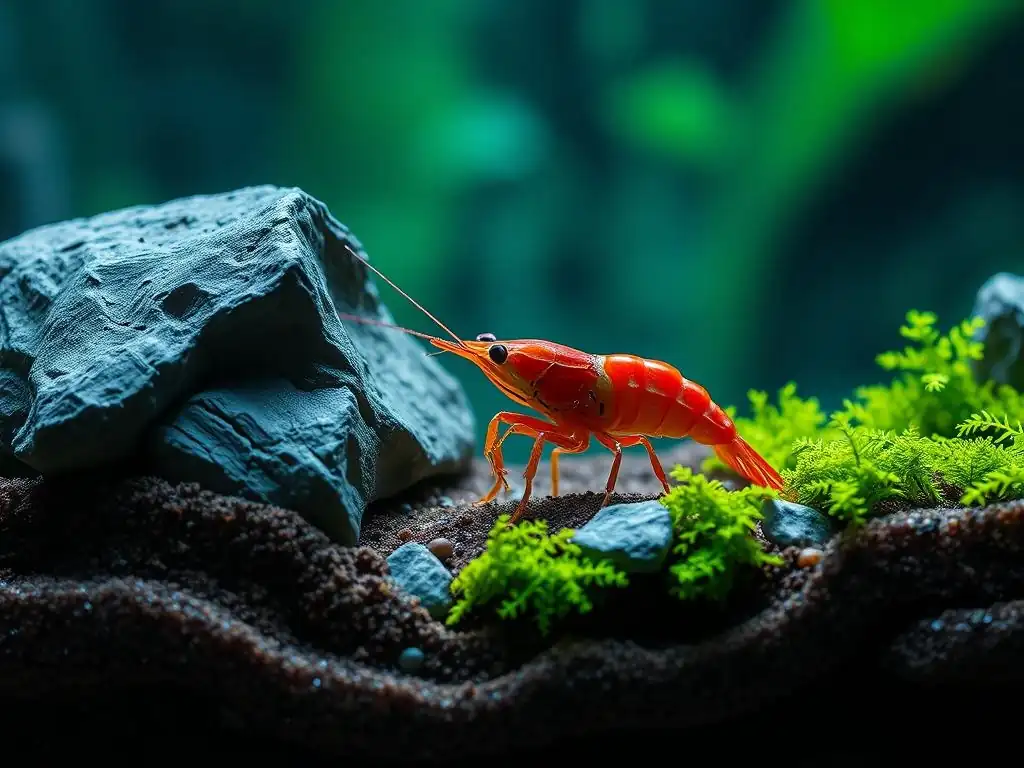
Gravel Vacuuming Techniques for Biotope Aquariums
Maintaining a realistic biotope aquarium substrate requires careful gravel vacuuming techniques to avoid disturbing the intricate layers or beneficial bacterial colonies. For fine sand substrates, particularly in blackwater or planted biotopes, a light, surface-level vacuuming is recommended. Instead of pushing the vacuum deep into the sand, hover it just above the surface to siphon off accumulated detritus, uneaten food, and fish waste. This prevents disturbing the anaerobic zones below, which can release harmful gases.
For coarser substrates or areas around hardscape, more thorough vacuuming might be necessary, but always with care. In planted areas, avoid vigorous vacuuming near plant roots to prevent uprooting or damaging the nutrient layer. A good practice is to vacuum only a portion of the substrate during each water change (e.g., one-third of the tank's bottom area), allowing the undisturbed areas to maintain their bacterial populations. This approach minimizes disruption while ensuring cleanliness.
Replenishing Leaf Litter and Botanical Additives
For biotopes that rely heavily on leaf litter and botanical additives, regular replenishment is crucial to maintain water parameters and the natural aesthetic. Indian almond leaves, oak leaves, and other botanicals naturally decompose over time, typically within 2-4 weeks, depending on water parameters and the presence of detritivores like snails or shrimp. As they break down, their tannin and humic acid contributions diminish.
To ensure consistent water chemistry (e.g., stable pH and KH in blackwater tanks) and a continuous supply of beneficial compounds, monitor the decomposition rate and add new leaves as needed. A common practice is to add a few new leaves every 1-2 weeks, rather than replacing the entire batch at once. This staggered approach helps to maintain stability and ensures a continuous supply of beneficial tannins, which are integral to a realistic biotope aquarium substrate that accurately reflects its natural counterpart.
Monitoring Substrate Health and Water Parameters
Consistent monitoring of both substrate health and overall water parameters is vital for the long-term success of any biotope aquarium. Regularly inspect your realistic biotope aquarium substrate for signs of anaerobic zones, which appear as black patches, often accompanied by a foul, sulfuric smell when disturbed. These zones indicate a lack of oxygen and can produce toxic gases like hydrogen sulfide. If found, gently stir the affected area to release trapped gases, or consider introducing sand-sifting fish or Malaysian Trumpet Snails.
Beyond the substrate, routine water testing is indispensable. Test pH, general hardness (GH), carbonate hardness (KH), ammonia, nitrite, and nitrate levels on a weekly or bi-weekly basis. Ensure that the water parameters remain within the specific range required for your chosen biotope and its inhabitants. For example, a South American blackwater biotope should consistently show a low pH (5.0-6.5) and very low GH/KH, while an African Rift Lake biotope requires high pH (7.8-8.6) and high GH/KH. Deviations can indicate issues with the substrate, hardscape, or overall maintenance.
Troubleshooting Common Biotope Substrate and Hardscape Issues
Algae Growth on Hardscape: Prevention and Control
Algae growth on hardscape is a common issue in aquariums, including realistic biotope aquarium substrate setups, often indicating an imbalance in light, nutrients, or CO2. Prevention is key: maintain a stable photoperiod (e.g., 6-8 hours daily), avoid overfeeding, and perform regular water changes to keep nutrient levels (nitrates and phosphates) low. Ensure your filtration is adequate and flow is sufficient to prevent stagnant areas where algae can flourish.
If algae appears, manual removal is the first step. Gently scrub rocks and wood with an aquarium-safe brush or old toothbrush. For persistent issues, consider introducing algae-eating inhabitants appropriate for your biotope, such as Otocinclus catfish for blackwater tanks or certain Ancistrus species, provided they are compatible with your existing fish and water parameters. Reducing the intensity or duration of lighting can also help curb stubborn algae blooms.
Substrate Compaction: Addressing Anaerobic Zones
Substrate compaction, particularly in fine sand beds, can lead to the formation of anaerobic zones, which are areas lacking oxygen where harmful bacteria thrive and produce toxic hydrogen sulfide gas. This is a significant concern for a realistic biotope aquarium substrate, especially in deep sand beds. Signs include black patches within the sand and a foul, rotten egg smell when the substrate is disturbed.
To address compaction, gently stir the top 1-2 inches of the substrate with an aquarium-safe tool, being careful not to release too much gas at once. A more natural and effective solution is to introduce substrate-sifting fish or invertebrates that are compatible with your biotope. For example, Corydoras catfish or Geophagus cichlids will constantly sift through sand, preventing compaction. Malaysian Trumpet Snails (MTS) are excellent for this purpose, burrowing deep into the substrate and aerating it, but ensure they are appropriate for your biotope and won't overpopulate.
Water parameter issues directly linked to substrate and hardscape choices are common, particularly if materials are not chosen carefully for a realistic biotope aquarium substrate. The most frequent problem is pH creep, where pH levels slowly rise or fall outside the desired range. For instance, using calciferous rocks (like limestone or Seiryu stone) in a soft, acidic biotope will cause pH and hardness to slowly increase, making it difficult to maintain stable blackwater conditions. Conversely, using very large amounts of un-prepped driftwood in a hardwater biotope can cause pH to drop too low due to excessive tannin release.
Troubleshooting involves identifying the problematic material. If calciferous rocks are raising pH in a soft water tank, they should be removed or replaced with inert alternatives (e.g., lava rock, inert granite). If excessive tannins are dropping pH too much, increase water change frequency and continue pre-soaking new wood outside the tank. Regular monitoring of pH, GH, and KH is crucial to catch these issues early. In some cases, targeted water treatments, such as using RO water for soft water biotopes or buffering salts for hard water biotopes, may be necessary to counteract the effects of the substrate and hardscape.
Conclusion: Mastering the Art of Biotope Substrate and Hardscape
Mastering the art of biotope substrate and hardscape is the cornerstone of creating a truly authentic and thriving aquatic ecosystem. It transcends mere aesthetics, delving into the intricate science of replicating natural environments. Every choice, from the grain size of your realistic biotope aquarium substrate to the specific type of driftwood, directly influences water chemistry, fish behavior, and the overall health of your aquatic inhabitants.
By meticulously researching your chosen biotope and selecting materials that faithfully mimic its natural composition, you lay a foundation that not only looks stunning but also functions as a self-sustaining miniature world. This detailed approach ensures that your aquarium is not just a tank of water, but a living, breathing slice of a specific natural habitat, offering an unparalleled experience for both the aquarist and the aquatic life within.
Frequently Asked Questions
What is the primary purpose of substrate in a biotope aquarium?
The substrate serves multiple purposes, including providing a biological filter for beneficial bacteria, anchoring plants, and creating a natural-looking environment reflective of the biotope you're trying to replicate. It's the base upon which your entire ecosystem thrives.
How do I choose the correct substrate for my specific biotope aquarium?
Research the specific biotope you're replicating! Consider factors like the natural water parameters (pH, hardness) and the native substrate composition (sand, gravel, mud) of the region. Match your substrate as closely as possible.
Can I mix different types of substrate layers in my biotope aquarium?
Absolutely! In fact, layering substrates is often recommended. You might use a nutrient-rich base layer for plant growth covered by a biotope-accurate top layer for aesthetics and water chemistry.
How often should I clean or replace the substrate in my biotope aquarium?
Regular maintenance is key. Use a gravel vacuum to remove debris during water changes. Complete substrate replacement is generally unnecessary unless heavily contaminated or significantly altering the water chemistry.
What are some common mistakes to avoid when selecting substrate for a biotope aquarium?
Avoid using substrates that will drastically alter your water parameters, such as those containing crushed coral in a soft water biotope. Also, ensure the substrate is inert and doesn't leach harmful chemicals into the water.
Final Reflection: Cultivating Aquatic Authenticity
The journey into creating a realistic biotope aquarium extends far beyond simply filling a tank with water and fish. It's about meticulously crafting an ecosystem, a miniature world reflecting the beauty and complexity of nature. Today, as environmental awareness grows, the desire to connect with and understand natural habitats through immersive experiences like biotope aquariums is more relevant than ever.
The art of selecting the right substrate and hardscape is not merely aesthetic; it's fundamental to the health and well-being of the aquarium's inhabitants. This pursuit of authenticity, of recreating a slice of nature within our homes, speaks to a deeper human longing for connection with the natural world. In nature, nothing is perfect and everything is perfect. Trees can be contorted, bent in weird ways, and they're still beautiful.
- Alice Walker. This quote perfectly encapsulates the beauty of imperfection and the unique character we strive to emulate in our biotope aquariums.
As you consider the principles outlined in this article, I encourage you to look beyond the technical aspects and embrace the spirit of exploration and discovery. Let your biotope aquarium be more than just a display; let it be a window into the wonders of the natural world, a constant reminder of the delicate balance of ecosystems, and an inspiration to protect the real-life habitats that these miniature worlds represent.
Unleash Your Biotope Brilliance!
Thank you for diving deep into the art of biotope aquariums! We hope you've gained valuable insights to create your own slice of underwater paradise. Ready to put your knowledge into action?
Here are a few ways to continue your biotope journey:
- Start planning your dream biotope aquarium! Consider the specific region and ecosystem you want to emulate and begin researching appropriate substrate, hardscape materials, and plant species.
- Share your biotope inspiration! Post your favorite biotope photos or concepts on social media using #AquariumMastery and tag us—we'd love to see your ideas!
- Brainstorm with fellow aquarists! Join our Aquarium Mastery community forum to discuss challenges, share tips, and inspire others with your vision.
What unique hardscape element will be the centerpiece of your next biotope aquarium?