
Top 5 Anthias Species for the Dedicated Reef Aquarist: Stunning & Engaging

Welcome to Aquarium Mastery!
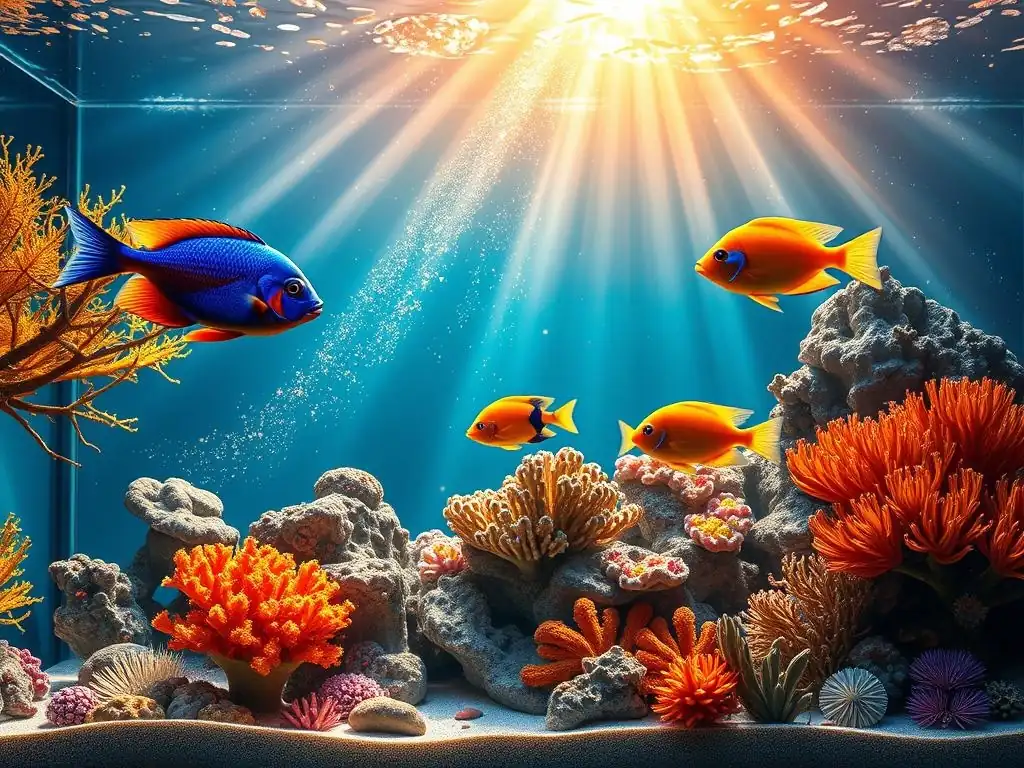
Ever dreamed of a reef tank shimmering with vibrant color and captivating movement? Dive in and discover our guide to the Top 5 Anthias Species for the Dedicated Reef Aquarist. These stunning fish can transform your reef into a living masterpiece, but choosing the right one – and providing the right care – is crucial. Are you ready to unlock the secrets to keeping these dazzling beauties thriving in your saltwater haven? Let's explore!
- Introduction: The Allure of Reef Anthias for Experienced Aquarists
-
Ranking the Best Anthias for Reef Tanks: Our Top 5 Picks
- #1: The Sunburst Anthias (Serranocirrhitus latus): A Rare Jewel
- #2: The Dispar Anthias (Pseudanthias dispar): Peaceful Schooling
- #3: The Lyretail Anthias (Pseudanthias squamipinnis): A Reef Staple
- #4: The Borbonius Anthias (Odontanthias borbonius): The Ruby Anthias
- #5: The Ignitus Anthias (Odontanthias ignitus): Flashing Beauty
- Essential Considerations for Keeping Reef Anthias Successfully
- Troubleshooting Common Anthias Problems
- Conclusion: Mastering Anthias Keeping for a Stunning Reef Display
-
Frequently Asked Questions
- What makes anthias species desirable for reef aquariums?
- What are some key considerations when choosing an anthias species for my reef tank?
- What is the typical diet of anthias in a reef aquarium setting?
- What are some common challenges faced when keeping anthias in a reef aquarium?
- Where can I find more detailed information on caring for specific anthias species?
- Final Reflection: Embracing the Anthias Rainbow
- Unleash the Vibrant Reef Keeper Within!
Introduction: The Allure of Reef Anthias for Experienced Aquarists
Why Choose Anthias for Your Reef Tank? Beauty and Activity
Anthias species are renowned for their breathtaking beauty and constant activity, making them a highly sought-after addition for the dedicated reef aquarist. Their vibrant, iridescent colors, ranging from fiery oranges and reds to delicate pinks and purples, create a mesmerizing spectacle as they dart gracefully through the water column. Unlike many bottom-dwelling or sedentary reef fish, anthias are pelagic swimmers, adding an unparalleled dynamic energy to the aquarium, often schooling and exhibiting intricate social behaviors that captivate observers for hours.
Beyond their aesthetic appeal, these stunning reef anthias species contribute significantly to the ecosystem of a mature reef tank. They actively feed on plankton in the water, mimicking their natural behavior on coral reefs where they form large, often multi-species aggregations. For aquarists aiming to create a truly vibrant and active display, a well-maintained school of anthias can transform a good reef tank into an extraordinary one, showcasing the pinnacle of marine aquarium mastery.
Understanding the Commitment: Anthias Care Requirements
While undeniably beautiful, keeping anthias successfully requires a significant commitment from the aquarist, making them best suited for experienced individuals. Their primary requirement is frequent feedings, ideally 3-5 times per day, to support their high metabolism and active lifestyle. Neglecting this can lead to rapid decline, as they are not adapted to long periods without food. This necessitates a consistent feeding schedule and, often, automated feeders for when the aquarist is away.
Furthermore, anthias demand pristine and stable water parameters. They are highly sensitive to fluctuations in salinity, temperature, and water quality. Optimal conditions typically include a specific gravity of 1.024-1.026, a stable temperature range of 75-78°F (24-26°C), and a pH of 8.1-8.4. Maintaining these parameters consistently requires robust filtration, regular water changes—often 10-20% weekly or bi-weekly depending on tank bioload—and diligent monitoring, ensuring the overall health and longevity of these delicate fish in a stunning reef anthias species guide setup.
Ranking the Best Anthias for Reef Tanks: Our Top 5 Picks
#1: The Sunburst Anthias (Serranocirrhitus latus): A Rare Jewel
Sunburst Anthias: Care Level and Tank Considerations
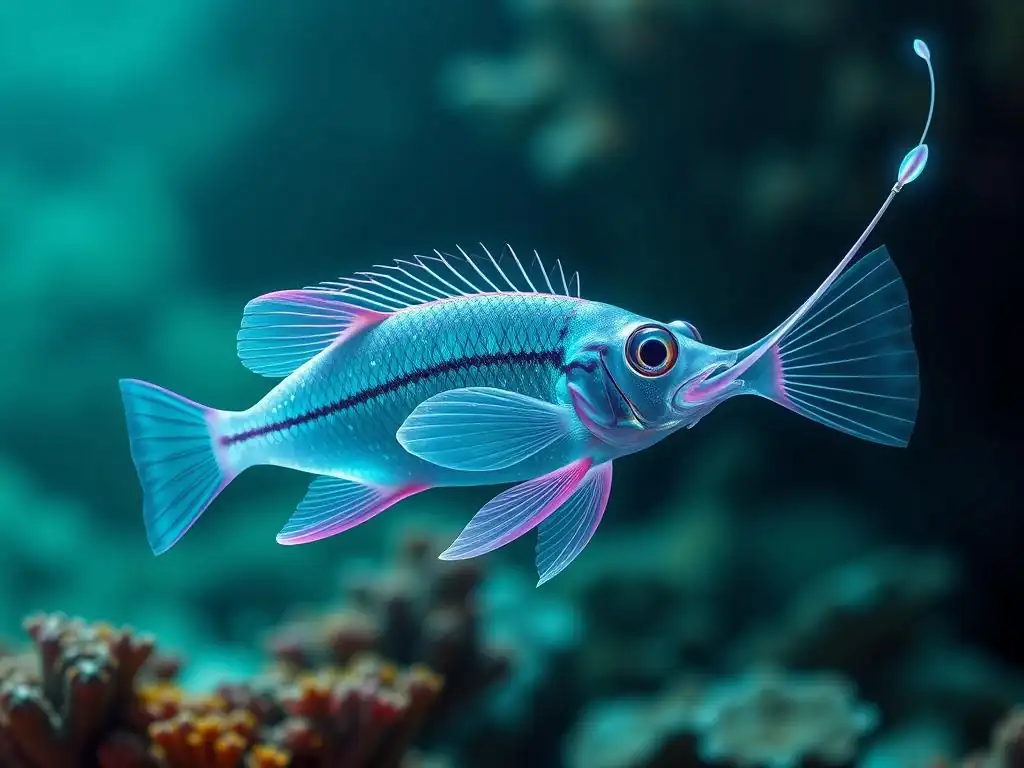
The Sunburst Anthias, Serranocirrhitus latus, is a truly exquisite and highly prized species, known for its vibrant orange and yellow coloration with striking red stripes. Its care level is considered moderate to difficult, primarily due to its shy nature and specific environmental needs.
A minimum tank size of 75 gallons (approximately 280 liters) is recommended for a single specimen, with larger tanks (120+ gallons / 450+ liters) preferred for a small, established group to reduce stress and allow for ample territory. These anthias require an aquascape rich in live rock, providing numerous caves, overhangs, and crevices for hiding and security, as they are not as openly active as some other Pseudanthias species.
Unlike their more boisterous cousins, Sunburst Anthias prefer areas of lower water flow within the tank, where they can leisurely pick at plankton. They are also easily intimidated by aggressive tank mates, necessitating a community of peaceful to semi-aggressive fish. For instance, pairing them with docile tangs like the Kole Tang ( Ctenochaetus strigosus) or small wrasses such as the Melanurus Wrasse ( Halichoeres melanurus) often proves successful. Their serene disposition and stunning appearance make them a centerpiece for any dedicated aquarist willing to meet their nuanced requirements.
Sunburst Anthias: Diet and Feeding Habits
Meeting the nutritional needs of the Sunburst Anthias is crucial for their long-term health and vibrant coloration. As micro-carnivores, their diet in the wild consists primarily of zooplankton. In the home aquarium, they require frequent, small feedings, ideally 3-4 times per day, to mimic their continuous grazing habits. A varied diet is paramount, including high-quality frozen foods such as enriched Mysis shrimp, copepods, finely chopped clam, and enriched brine shrimp.
Initial feeding can be challenging, especially with newly introduced wild-caught specimens, as they may be reluctant to eat prepared foods. Offering live copepods or enriched brine shrimp can often entice them to start feeding. Once acclimated, they typically feed readily from the water column. It is important to ensure that food items are small enough for their relatively delicate mouths. Regular supplementation with vitamin-enriched foods, such as those soaked in Selcon or similar products, will further enhance their nutritional intake and boost their immune system, contributing to a truly stunning reef anthias species display.
#2: The Dispar Anthias (Pseudanthias dispar): Peaceful Schooling
Dispar Anthias: Compatibility and Social Dynamics
The Dispar Anthias, Pseudanthias dispar, is celebrated for its relatively peaceful temperament and vibrant orange to red coloration, making it an excellent choice for a community reef tank. These anthias exhibit strong schooling behavior and thrive when kept in groups, ideally a harem of one male and 5-7 females.
In larger tanks, multiple males can sometimes be kept if ample space and visual breaks are provided, though a single male dominant structure is generally more stable. Their peaceful nature means they rarely bother other reef inhabitants, making them compatible with a wide array of fish, including peaceful tangs, wrasses, and gobies.
In their natural habitat, Dispar Anthias are often observed in massive schools numbering in the hundreds, feeding on zooplankton in the water column. To replicate this natural behavior and minimize stress in the aquarium, a minimum group of 5-7 individuals is recommended for tanks 120 gallons (approximately 450 liters) or larger. This allows them to establish a natural pecking order and display their mesmerizing schooling patterns, contributing to the dynamic beauty of a stunning reef anthias species guide.
Dispar Anthias: Maintaining Optimal Water Parameters
Maintaining pristine and highly stable water parameters is absolutely critical for the long-term health and vibrancy of Dispar Anthias. These fish are highly sensitive to fluctuations, making consistent water quality a top priority. Ideal conditions include a specific gravity (salinity) of 1.023-1.026, a stable temperature range of 74-78°F (23-26°C), and a pH between 8.1 and 8.4. Alkalinity should be maintained between 8-12 dKH, and nitrates should be kept as low as possible, ideally below 10 ppm.
To achieve and maintain these conditions, a robust filtration system, including a high-quality protein skimmer, is essential. Regular small water changes, such as 10% weekly, are often more beneficial than larger, less frequent changes, as they help to minimize parameter swings. Furthermore, consistent monitoring with reliable test kits is crucial to catch any deviations early. Providing stable and optimal water quality significantly reduces stress, enhances their immune response, and allows these beautiful fish to thrive, showcasing their full potential within a stunning reef anthias species display.
#3: The Lyretail Anthias (Pseudanthias squamipinnis): A Reef Staple
Lyretail Anthias: Male vs. Female Coloration and Behavior
The Lyretail Anthias, Pseudanthias squamipinnis, is one of the most popular and readily available anthias species, known for its striking sexual dimorphism and active behavior. Females typically display a vibrant orange to reddish-orange body with a distinct purple streak running below the eye, while males are larger and more dramatically colored. Male Lyretails develop an elongated, lyre-shaped caudal fin, a prominent red or purple dorsal fin, and often a distinctive red blotch on their flank, intensifying in color during breeding displays.
Lyretail Anthias are protogynous hermaphrodites, meaning all individuals are born female and the largest or most dominant female in a group will transition into a male if the existing male is removed or dies. This fascinating social structure allows for easy establishment of a male-to-female harem, typically one male to 4-6 females, which is ideal for a 100-gallon (380-liter) or larger tank. Males can be territorial towards other males, so careful planning is required if attempting to keep multiple males, usually only viable in very large systems (200+ gallons / 750+ liters) with ample visual breaks.
Lyretail Anthias: Creating a Suitable Habitat
Creating an appropriate habitat is key to the long-term success of Lyretail Anthias. These active swimmers require plenty of open swimming space in the middle and upper regions of the water column. For a small group, a minimum tank size of 75 gallons (280 liters) is recommended, though 100 gallons (380 liters) or more is preferable to allow for more natural schooling behavior and reduce potential aggression. While they enjoy open water, they also need ample live rock aquascaping that provides numerous caves, overhangs, and crevices where they can retreat for security, especially during nighttime or when startled.
Moderate to strong water flow is appreciated by Lyretail Anthias, as it mimics their natural environment on current-swept reefs where they feed on passing zooplankton. Ensuring areas of both higher and lower flow allows them to choose their preferred swimming zones. A mature tank with stable parameters is crucial, as they are sensitive to new tank syndrome and fluctuating water quality. A well-designed environment will allow these stunning reef anthias species to flourish, displaying their full range of colors and natural behaviors.
#4: The Borbonius Anthias (Odontanthias borbonius): The Ruby Anthias
Borbonius Anthias: Acclimation and Disease Prevention
The Borbonius Anthias, also known as the Ruby Anthias, Odontanthias borbonius, is a deep-water species prized for its stunning ruby-red coloration and distinctive yellow markings. Due to their deep-water origins and sensitivity, proper acclimation is paramount for their survival and long-term health. Drip acclimation over an extended period, typically 1-2 hours, is highly recommended to slowly equalize water parameters such as temperature, salinity, and pH. Rushing this process can induce severe stress and shock, leading to rapid decline.
Furthermore, disease prevention is crucial for Borbonius Anthias, as they can be particularly susceptible to common marine ailments like Ich ( Cryptocaryon irritans) and Velvet ( Amyloodinium ocellatum). A strict quarantine protocol of 4-6 weeks in a dedicated hospital tank, before introduction to the display tank, is highly advised.
During quarantine, observation for signs of disease, prophylactic treatments if necessary, and careful feeding can significantly improve their chances of thriving. Maintaining pristine water quality in the display tank, with stable parameters and robust filtration, further bolsters their immune system, ensuring they remain a vibrant part of a stunning reef anthias species guide.
Borbonius Anthias: Ensuring a Varied Diet
Ensuring a varied and consistent diet is a cornerstone of successfully keeping the Borbonius Anthias. These fish are carnivorous planktivores and possess a high metabolism, necessitating frequent feedings throughout the day—ideally 4-5 small meals. Their diet should comprise a wide array of small, meaty frozen foods, such as enriched Mysis shrimp, copepods, finely chopped silversides, krill, and high-quality marine pellets or flakes specifically formulated for carnivores.
Due to their deep-water origins, some newly acquired Borbonius Anthias may be initially shy or reluctant to feed in the brightly lit home aquarium. Offering live foods like enriched copepods or newly hatched brine shrimp can often stimulate a feeding response. It is also beneficial to soak frozen foods in vitamin supplements, such as Selcon or Vita-Chem, to boost their nutritional content and provide essential fatty acids. A consistent and diverse feeding regimen will support their vibrant coloration, overall health, and longevity, allowing them to truly shine as a stunning reef anthias species.
#5: The Ignitus Anthias (Odontanthias ignitus): Flashing Beauty
Ignitus Anthias: Managing Aggression in a School
The Ignitus Anthias, Odontanthias ignitus, is a captivating species known for its iridescent purples and yellows, particularly noticeable under reef lighting, giving it a "flashing" appearance. While generally peaceful, like many anthias, aggression can sometimes manifest within a school, particularly between males or if the group size is too small. To minimize such issues, it is best to keep them in a harem consisting of one dominant male and multiple females, typically 4-6 females, in a sufficiently large aquarium.
For a group of Ignitus Anthias, a tank size of at least 150 gallons (approximately 570 liters) is recommended to provide ample swimming space and territory, which helps to diffuse potential aggression. Aquascaping with plenty of live rock can create visual breaks and hiding spots, allowing less dominant individuals to retreat and feel secure. Introducing all individuals at the same time, if possible, can also help establish a more stable pecking order from the outset. Monitoring their interactions and providing adequate space are key to maintaining a harmonious and stunning reef anthias species school.
Ignitus Anthias: Lighting and Flow Requirements
Given their natural habitat in deeper reef slopes, Ignitus Anthias appreciate moderate lighting conditions in the home aquarium. While they can adapt to brighter reef lighting, avoiding overly intense, direct light can help reduce stress and encourage them to swim more openly. Providing shaded areas created by rockwork or overhangs gives them options to retreat from brighter zones, mimicking their natural environment where light penetration is less intense.
In terms of water flow, Ignitus Anthias thrive in moderate to strong currents. In the wild, they are accustomed to feeding on zooplankton carried by currents, so replicating this in the aquarium is beneficial. Powerheads and wavemakers can be strategically placed to create dynamic flow patterns throughout the tank. However, it is also important to ensure there are calmer areas where the fish can rest and escape the direct flow when desired. A balanced approach to lighting and flow will contribute significantly to their comfort, health, and the overall success of keeping these stunning reef anthias species.
Essential Considerations for Keeping Reef Anthias Successfully
Tank Size and Aquascaping: Creating a Thriving Anthias Environment
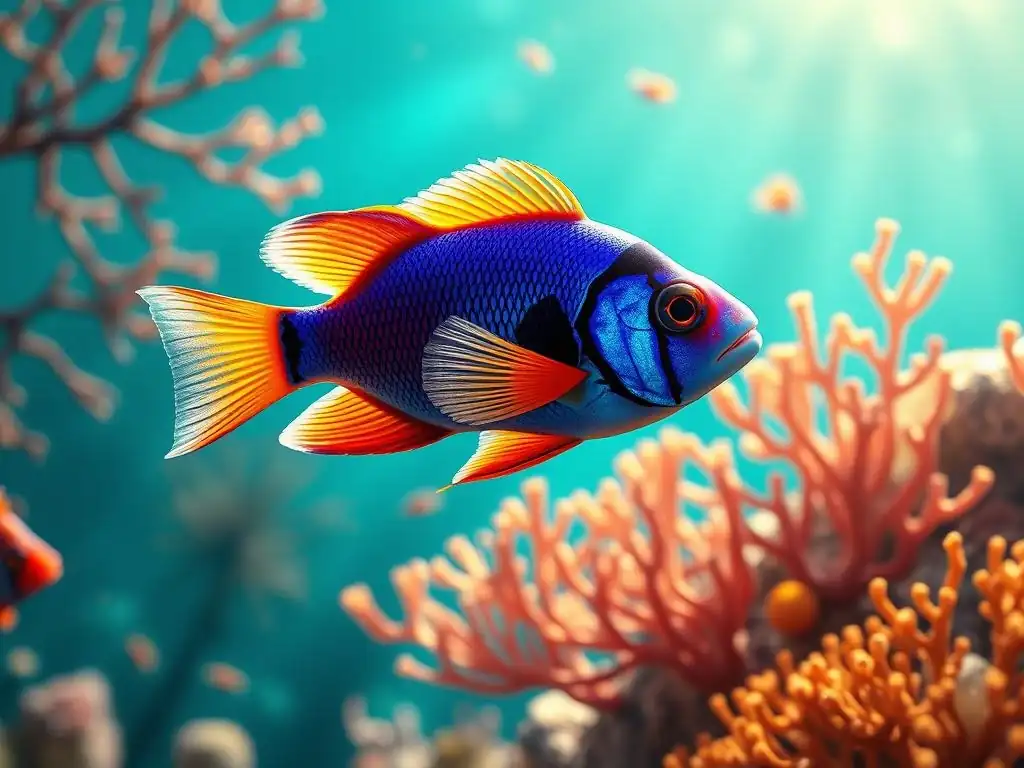
The success of keeping reef anthias is heavily reliant on providing an appropriately sized and meticulously aquascaped environment. Due to their active swimming nature and schooling tendencies, a minimum tank size of 75-100 gallons (280-380 liters) is typically recommended for a small group of smaller species like Dispar or Lyretail Anthias. Larger species or more extensive schools, such as 6-8 Borbonius or Ignitus Anthias, will require tanks upwards of 150-200 gallons (570-750 liters) to ensure adequate space for territory and schooling behavior without excessive aggression.
Aquascaping should prioritize both open swimming areas in the mid-water column and abundant live rock structures. These structures should include numerous caves, overhangs, and crevices, providing essential hiding spots and security for the anthias, especially during acclimation or when startled. Creating visual barriers with rockwork also helps to break lines of sight, reducing potential aggression between individuals within a school. A well-designed aquascape enhances the aesthetic appeal of a stunning reef anthias species display while contributing to the fish's overall well-being.
Water Quality and Maintenance: The Key to Anthias Health
Maintaining pristine and highly stable water quality is arguably the most critical factor for the long-term health and vibrancy of reef anthias. These fish are exceptionally sensitive to even minor fluctuations in water parameters, making consistent conditions paramount. Ideal parameters include a specific gravity (salinity) of 1.024-1.026, a stable temperature between 75-78°F (24-26°C), a pH range of 8.1-8.4, and an alkalinity of 8-12 dKH. Nitrates should be kept below 10 ppm, and ammonia and nitrites at undetectable levels.
To achieve this, a robust filtration system, including a high-efficiency protein skimmer, live rock, and potentially a refugium, is essential. Regular water changes are non-negotiable; performing 10-20% water changes weekly or bi-weekly helps replenish trace elements and remove accumulated nitrates and other pollutants. Consistent monitoring with reliable test kits allows the aquarist to promptly address any deviations. Diligent water quality management prevents stress, strengthens the anthias' immune systems, and ensures they thrive in a stunning reef anthias species environment.
Feeding Anthias: Meeting Their Nutritional Needs
The Importance of Frequent Feedings for Anthias
Anthias species possess an exceptionally high metabolism, a characteristic derived from their natural planktivorous diet in the wild, where they continuously graze on zooplankton carried by currents. This means they require frequent, small feedings throughout the day in the home aquarium, typically 3-5 times daily. Unlike many other reef fish that can thrive on one or two daily meals, anthias will quickly waste away if underfed, leading to visible signs of emaciation, faded colors, and increased susceptibility to disease.
Consistent and ample feeding is crucial not only for their survival but also for maintaining their vibrant coloration and active behavior. Well-fed anthias exhibit more intense hues and display their natural schooling and foraging behaviors more readily. For aquarists with busy schedules, an automated feeder dispensing small amounts of food multiple times a day can be an invaluable tool to ensure these stunning reef anthias species receive the consistent nutrition they need, even when not directly observed.
Recommended Foods for Reef Anthias: A Balanced Diet
A balanced and varied diet is essential for the long-term health and vitality of reef anthias. Their primary diet should consist of a mix of high-quality, small, meaty frozen foods. Excellent choices include enriched Mysis shrimp, copepods (both live and frozen), finely chopped clam, krill, and other marine-based preparations. Enriched brine shrimp can also be offered, though it should not form the sole basis of their diet due to its lower nutritional value compared to Mysis or copepods.
For added nutritional benefits, it is highly recommended to soak frozen foods in liquid vitamin supplements such as Selcon or Vita-Chem prior to feeding. This enhances the nutritional profile of the food, providing essential fatty acids and vitamins that may be lacking in prepared diets. Occasionally offering high-quality, small-pellet or flake foods formulated for marine carnivores can also add variety, but frozen foods should form the bulk of their intake. A diverse diet ensures these stunning reef anthias species receive all necessary nutrients for optimal health and dazzling coloration.
Choosing Tank Mates: Compatibility with Other Reef Inhabitants
Selecting compatible tank mates is crucial for the peaceful coexistence and long-term well-being of reef anthias. Given their generally peaceful to semi-aggressive nature and sensitivity to stress, it is vital to avoid highly aggressive or overly boisterous fish that might outcompete them for food, harass them, or cause undue stress. Large angelfish (e.g., Emperor or Queen Angelfish), large triggers, and certain territorial damselfish can be problematic.
Ideal tank mates for anthias include peaceful tangs (such as Yellow, Kole, or Powder Blue Tangs), most wrasses (especially fairy and flasher wrasses), gobies, blennies, and other non-aggressive, mid-water or bottom-dwelling reef fish. It is important to ensure that tank mates are not known fin-nippers or possessive of food. Observing the behavior of potential tank mates, both in the fish store and after introduction, is key to fostering a harmonious environment where your stunning reef anthias species can thrive without constant intimidation or competition.
Troubleshooting Common Anthias Problems
Anthias and Stress: Recognizing and Addressing the Signs
Stress is a common factor that can negatively impact the health of reef anthias, often leading to a rapid decline if not addressed promptly. Recognizing the signs of stress is crucial for intervention. Common indicators include faded coloration (losing their vibrant hues), clamped fins, rapid or labored breathing (gilling), excessive hiding or lethargy, and a refusal to eat. These symptoms can appear individually or in combination.
The root causes of stress in anthias are varied but often relate to poor water quality (e.g., elevated nitrates, ammonia spikes), aggressive tank mates, insufficient hiding spots, or inadequate feeding frequency. To address stress, immediately test water parameters and rectify any issues through water changes or filtration adjustments. If aggression is suspected, consider adding more visual barriers to the aquascape or, in severe cases, removing the aggressor. Ensuring frequent, nutritious feedings and providing ample secure hiding places can significantly alleviate stress, helping your stunning reef anthias species recover and thrive.
Dealing with Aggression within Anthias Schools
While many anthias species are known for their schooling behavior, aggression can sometimes arise within a group, particularly among males or if the school size is too small. Dominant males may relentlessly harass less dominant males or even females, leading to stress, injury, and ultimately, the loss of individuals. This often occurs when there are too few individuals, preventing the natural diffusion of aggression across a larger group.
To mitigate aggression, ensure the tank is sufficiently large for the chosen species and school size. For instance, for Pseudanthias dispar, a minimum of 5-7 individuals in a 120-gallon tank is generally recommended. Providing ample rockwork with numerous caves and visual breaks helps create distinct territories and escape routes. If aggression persists and leads to bullying, consider adding more females to dilute the aggression or, as a last resort, removing the overly aggressive male. Maintaining a proper male-to-female ratio, typically 1 male to 4-6 females, is crucial for a stable and harmonious stunning reef anthias species school.
Identifying and Treating Common Anthias Diseases
Reef anthias, while generally hardy once established, can be susceptible to common marine fish diseases, particularly if stressed or newly introduced. The most frequently encountered diseases include Ich ( Cryptocaryon irritans), characterized by small white spots resembling salt grains on the body and fins, and Marine Velvet ( Amyloodinium ocellatum), which presents as a fine, dusty coating, often with rapid breathing. Bacterial infections, manifesting as fin rot, cloudy eyes, or body sores, can also occur.
Due to their delicate nature, anthias are often sensitive to copper-based medications, which can be harsh. For Ich and Velvet, alternative treatments like hyposalinity (gradually reducing salinity to 1.008-1.009 in a hospital tank) or Chloroquine Phosphate are often preferred in a dedicated quarantine or hospital tank. For bacterial infections, broad-spectrum antibiotics may be required, again, ideally administered in a separate treatment tank to avoid harming corals or invertebrates in the main display. Prevention through strict quarantine protocols for all new arrivals and maintaining pristine water quality are the best defenses for your stunning reef anthias species.
Conclusion: Mastering Anthias Keeping for a Stunning Reef Display
The Rewards of Dedication: A Vibrant and Active Reef Aquarium
The journey of keeping reef anthias is one that demands dedication, attention to detail, and a deep understanding of their specific needs. However, the rewards for such commitment are immeasurable. A thriving school of anthias transforms a reef aquarium into a vibrant, dynamic spectacle, with their dazzling colors and constant, graceful movements captivating the eye. They fill the water column with life, adding an unparalleled sense of activity and natural beauty that few other marine fish can replicate.
Successfully maintaining these stunning reef anthias species is a testament to an aquarist's skill and patience. Witnessing their natural schooling behaviors, their feeding frenzies, and their subtle social interactions provides immense satisfaction. The effort invested in providing pristine water, frequent feedings, and a suitable environment culminates in a truly breathtaking display, showcasing the pinnacle of marine aquarium mastery.
Further Resources for Anthias Care
For those looking to delve deeper into the intricate world of anthias care and maintenance, AquariumMastery.com offers a wealth of additional resources. Our comprehensive guides cover every aspect of setting up and maintaining freshwater and saltwater aquariums, including detailed species profiles, advanced water chemistry, and troubleshooting common tank issues.
We provide a complete resource for aquarists, from beginner to expert, ensuring you have all the information needed to create and sustain a vibrant and healthy aquatic ecosystem. Continued research and engagement with the broader aquarist community will further enhance your understanding and allow you to refine your techniques, ensuring the long-term success and dazzling beauty of your stunning reef anthias species.
Frequently Asked Questions
What makes anthias species desirable for reef aquariums?
Anthias are highly sought after for their vibrant colors and active swimming behavior, adding a dynamic element to a reef tank. However, they are also considered more demanding fish, requiring specific care.
What are some key considerations when choosing an anthias species for my reef tank?
Tank size is crucial, as anthias need ample swimming space. Consider their social behavior; some species thrive in groups, while others may be more aggressive. Also, research their specific dietary needs!
What is the typical diet of anthias in a reef aquarium setting?
Anthias are primarily planktivores and require frequent feedings of small, meaty foods like mysis shrimp and copepods. A varied diet is essential to maintain their health and coloration.
What are some common challenges faced when keeping anthias in a reef aquarium?
Anthias can be sensitive to water quality, so maintaining stable parameters is vital. They can also be prone to stress during acclimation, making a careful introduction process important.
Where can I find more detailed information on caring for specific anthias species?
AquariumMastery.com offers comprehensive guides on individual anthias species, including their care requirements, feeding habits, and compatibility with other reef inhabitants. Check the species profiles section.
Final Reflection: Embracing the Anthias Rainbow
The vibrant world of reef aquariums, often a microcosm of the ocean's splendor, finds its zenith in the captivating beauty of Anthias. This guide, exploring the top five Anthias species, underscores the dedication and artistry required to successfully maintain these stunning fish, highlighting the delicate balance between aesthetic appeal and responsible reef keeping in a time where conservation efforts are paramount.
The allure of Anthias extends beyond their visual appeal; they represent a commitment to creating a thriving ecosystem within our homes. My own fascination with these fish stems from their intricate social dynamics and the challenge of replicating their natural habitat. In the end, we will conserve only what we love; we will love only what we understand; and we will understand only what we are taught.
- Baba Dioum. This quote resonates deeply, reminding us that understanding and appreciating these creatures is the first step towards their long-term preservation, both in our tanks and in the wild.
As you consider adding these jewels to your reef, remember that their well-being is intrinsically linked to your commitment. Let this guide serve not just as a list of beautiful fish, but as an invitation to deepen your understanding of their needs and contribute to the responsible enjoyment of the reef aquarium hobby. Embrace the challenge, cultivate a thriving environment, and witness the Anthias rainbow flourish in your own slice of the ocean.
Unleash the Vibrant Reef Keeper Within!
Thank you for diving into the world of Anthias with us! We hope this article has sparked your passion for these stunning reef inhabitants and equipped you with the knowledge to care for them successfully. Now, let's turn that knowledge into action!
- Dive deeper and research the specific needs of your chosen Anthias species before making a purchase. This is the most crucial step to ensure their well-being and the long-term success of your reef.
- Join the Aquarium Mastery community forums to share your Anthias experiences, ask questions, and connect with fellow reef enthusiasts. Let's learn and grow together!
- Experiment with different feeding schedules and techniques to optimize your Anthias' coloration and activity levels. Don't be afraid to try something new!
Ready to create a thriving reef ecosystem brimming with the dazzling colors of Anthias?