
The Best Frozen and Live Foods for a Thriving, Colorful Anthias Population

Welcome to Aquarium Mastery!
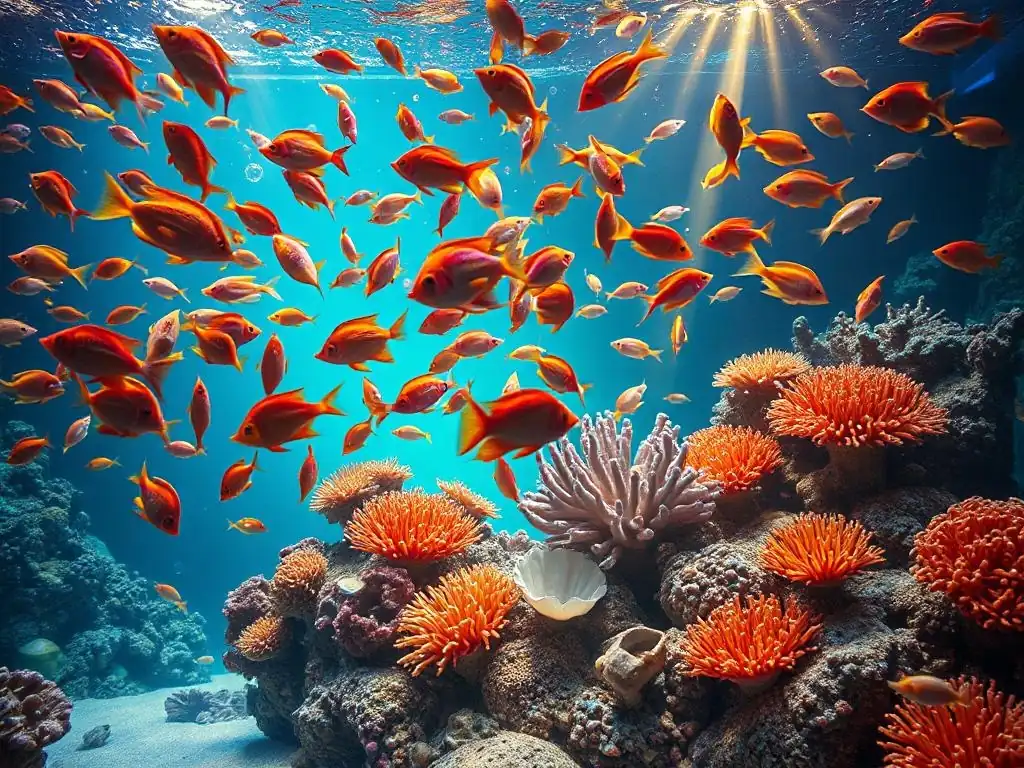
Curious about unlocking the vibrant colors and ensuring the health of your Anthias? Discover the secrets to a thriving Anthias population with our guide to the best Anthias frozen live food diet. Dive in and learn how to provide the perfect nutritional balance for these stunning saltwater beauties, ensuring a dazzling display in your aquarium!
- Anthias Nutrition: Frozen and Live Food for a Thriving Population
- Understanding Anthias Nutrition: The Key to Vibrant Health
-
Frozen Food Options for Anthias: A Nutritional Powerhouse
- High-Quality Frozen Mysis Shrimp for Anthias: A Staple Food
- Frozen Brine Shrimp: Gut-Loading for Enhanced Anthias Nutrition
- Frozen Cyclops: Ideal for Smaller Anthias Species and Fry
- Frozen Rotifers and Copepods: Micro-Foods for Anthias Larvae and Juveniles
- Frozen Plankton: A Diverse Source of Essential Nutrients for Anthias
- Preparing Frozen Food for Anthias: Thawing and Rinsing Techniques
- Live Food Options for Anthias: Stimulating Natural Feeding Behavior
- Creating a Balanced Anthias Frozen and Live Food Diet Plan
- Choosing the Right Food Size for Different Anthias Species
- The Impact of Water Quality on Anthias Feeding Success
- Troubleshooting Feeding Problems in Anthias
- Optimizing Anthias Coloration Through Diet: Enhanced Pigmentation
- Long-Term Anthias Health and Longevity Through Proper Nutrition
-
Frequently Asked Questions
- What are the best frozen foods to feed Anthias?
- Why is a live food diet important for Anthias?
- How often should I feed my Anthias a combination of frozen and live foods?
- What should I do if my Anthias are refusing to eat frozen or live food?
- Can I supplement my Anthias' frozen and live food diet with anything else?
- Final Reflection: Nourishing the Reef's Jewels
- Ignite Your Anthias' Radiance!
Anthias Nutrition: Frozen and Live Food for a Thriving Population
Understanding Anthias Nutrition: The Key to Vibrant Health
Why a Varied Diet is Crucial for Anthias Species
Anthias, particularly species like the Lyretail Anthias ( Pseudanthias squamipinnis) or Dispar Anthias ( Pseudanthias dispar), are zooplanktivores in their natural reef habitats. Their natural Anthias frozen live food diet consists of a diverse array of small crustaceans, copepods, and other planktonic organisms. Replicating this diversity in captivity is paramount because a singular food source, no matter how nutritious, will inevitably lead to nutritional deficiencies over time. For instance, relying solely on brine shrimp, which are often nutritionally incomplete unless gut-loaded, can result in stunted growth and dull coloration in Anthias, hindering their potential vibrancy.
A varied Anthias frozen live food diet ensures a complete spectrum of essential amino acids, fatty acids (like DHA and EPA), vitamins, and minerals. Different food items offer unique nutritional profiles; for example, mysis shrimp are rich in protein and fatty acids, while copepods provide crucial carotenoids.
Without this dietary breadth, Anthias may exhibit signs of malnourishment, such as fin erosion, weakened immune systems making them susceptible to diseases like marine Ich ( Cryptocaryon irritans), or a general lack of vigor. Studies on captive marine fish often show improved health outcomes when a diverse feeding regimen is implemented, mimicking the complex trophic levels of their natural environment.
Addressing Common Anthias Feeding Challenges in Reef Aquariums
One primary challenge in maintaining Anthias in a home reef aquarium is their inherent shyness and often timid feeding behavior, especially when first introduced or housed with more aggressive tank mates. Unlike many robust reef fish, Anthias can easily be outcompeted for food, leading to undernourishment. They are accustomed to constant, small feedings throughout the day in the wild, often consuming hundreds of tiny organisms. Replicating this constant grazing in a home aquarium, where only one or two feedings a day are common, poses a significant hurdle for their Anthias frozen live food diet.
Another common issue is the refusal of prepared foods. Wild-caught Anthias, which comprise a significant portion of the trade, are highly accustomed to live plankton and may initially reject frozen or pellet foods. This can lead to rapid weight loss and even starvation if not addressed promptly. Furthermore, maintaining optimal water quality is critical; poor water parameters can stress Anthias, suppressing their appetite. For example, high nitrates (above 20 ppm) or fluctuating salinity can make them lethargic and unwilling to feed, directly impacting the success of any Anthias frozen live food diet.
Frozen Food Options for Anthias: A Nutritional Powerhouse
High-Quality Frozen Mysis Shrimp for Anthias: A Staple Food
Frozen mysis shrimp are widely considered a cornerstone of an excellent Anthias frozen live food diet due to their high protein content (often exceeding 60% crude protein by dry weight) and rich profile of essential fatty acids, particularly Omega-3s. Species like Mysis relicta or Mysidacea are favored for their appropriate size, typically ranging from 10-20mm, making them readily consumable by most medium to large Anthias species. Their natural buoyancy in the water column also mimics live prey, encouraging a strong feeding response from even finicky Anthias.
Beyond their nutritional density, mysis shrimp are highly palatable to Anthias, making them an fantastic choice for enticing new or reluctant feeders. Many aquarists report that even wild-caught Anthias, initially hesitant to accept prepared foods, will often readily take mysis shrimp within a few days of introduction. They also contain chitin, which aids in digestion and provides structural components. Regular inclusion of high-quality frozen mysis shrimp, perhaps 3-4 times a week, can significantly contribute to the vibrant coloration and robust health observed in well-fed Anthias populations.
Frozen Brine Shrimp: Gut-Loading for Enhanced Anthias Nutrition
While frozen adult brine shrimp ( Artemia salina) are often criticized for their relatively low nutritional value post-hatch, they can still play a role in an Anthias frozen live food diet, particularly when gut-loaded. Their small size (typically 8-10mm for adults) makes them suitable for smaller Anthias species or as a supplemental food.
The key to their utility lies in their ability to absorb nutrients from their environment. By soaking frozen brine shrimp in a liquid vitamin or fatty acid supplement for 15-30 minutes before feeding, their nutritional profile can be significantly boosted, transforming an otherwise "empty" food into a more beneficial offering.
Gut-loading ensures that Anthias receive a broader spectrum of vitamins (e.g., Vitamin C, B vitamins) and essential fatty acids (e.g., DHA, EPA) that might be lacking in the brine shrimp themselves. This practice is particularly useful for encouraging feeding in new fish or as a treat. Although not a primary food source for long-term health, incorporating gut-loaded frozen brine shrimp 1-2 times a week can add variety and deliver targeted nutritional boosts, supporting overall vitality and contributing to a comprehensive Anthias frozen live food diet.
Frozen Cyclops: Ideal for Smaller Anthias Species and Fry
Frozen cyclops, tiny copepods typically ranging from 0.5-1.5mm, are an excellent choice for smaller Anthias species, juveniles, or even as a starter food for larger Anthias. Their diminutive size makes them perfect for species with smaller mouths, such as the Sunburst Anthias ( Serranocirrhitus latus) or even newly acquired Lyretail Anthias that are still acclimating. Cyclops offer a good balance of protein and fatty acids and are a natural component of the zooplankton many Anthias consume in the wild, making them highly palatable.
For Anthias fry, frozen cyclops are often among the first prepared foods they can consume after exhausting their yolk sac. Their small size and high nutritional density support rapid growth and development. Even for adult Anthias, providing frozen cyclops 2-3 times a week adds crucial dietary diversity, helping to replicate the varied micro-invertebrate consumption of their natural Anthias frozen live food diet and ensuring they receive a wide array of micronutrients.
Frozen Rotifers and Copepods: Micro-Foods for Anthias Larvae and Juveniles
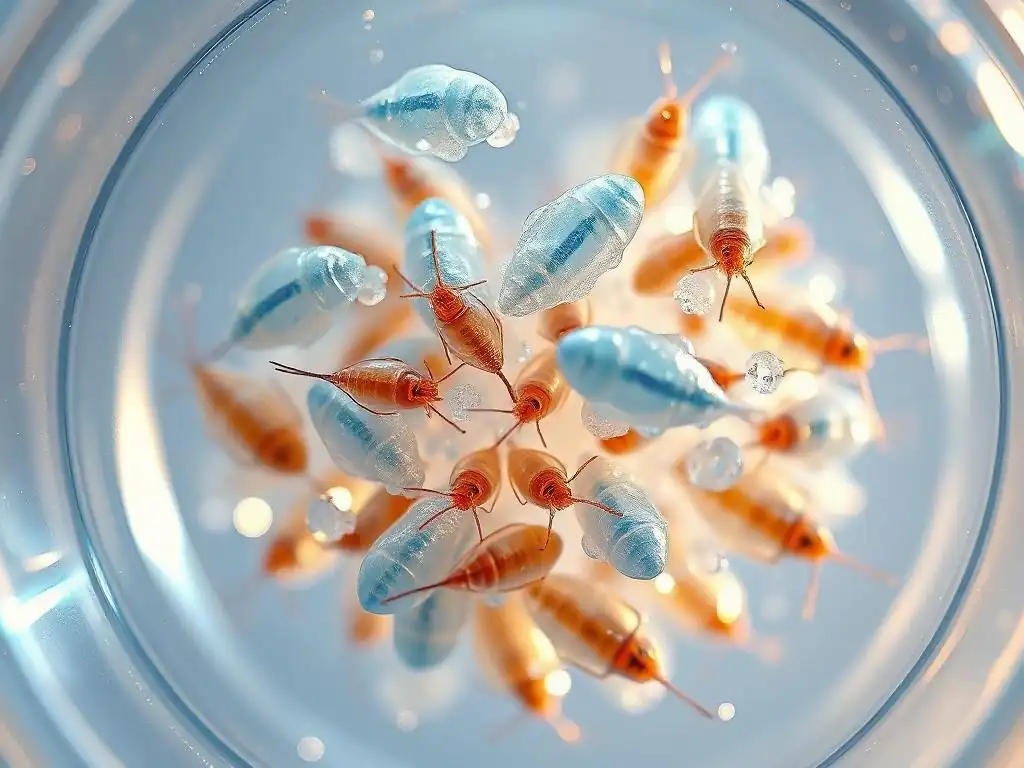
Frozen rotifers ( Brachionus plicatilis) and various species of frozen copepods (e.g., Tisbe, Tigriopus) are indispensable for successful Anthias breeding projects and for conditioning very small or newly settled Anthias juveniles. Rotifers are incredibly small, typically 50-200 microns, making them an ideal first food for marine fish larvae, including Anthias, which often have extremely small mouths at hatching. These micro-foods are rich in essential fatty acids, particularly when enriched, and are crucial for the high survival rates of delicate fry.
While live rotifers and copepods are superior for continuous grazing, frozen versions provide a convenient and nutritionally viable alternative. For Anthias larvae, a constant supply of these micro-foods is critical during their first few weeks of life. For juvenile Anthias transitioning to larger foods, a blend of frozen rotifers and copepods helps bridge the gap, ensuring they continue to receive the necessary high-density nutrition for rapid growth. Incorporating these into an Anthias frozen live food diet, especially for younger specimens, is fundamental for their early development.
Frozen Plankton: A Diverse Source of Essential Nutrients for Anthias
Frozen plankton, often a mix of various marine zooplankton and phytoplankton, offers a highly diverse nutritional profile that closely mimics the natural Anthias frozen live food diet. These mixes can include a range of organisms like copepods, amphipods, and larval stages of other invertebrates, providing a broad spectrum of proteins, lipids, and carotenoids. The varied particle sizes within a plankton mix also cater to Anthias of different sizes within a schooling population, ensuring that all individuals can find appropriately sized food items.
Incorporating frozen plankton 2-3 times a week can significantly enhance the overall nutritional completeness of an Anthias diet. The natural pigments present in many planktonic organisms, such as astaxanthin, are crucial for intensifying the vibrant reds, oranges, and yellows characteristic of healthy Anthias species. This diversity not only promotes better health and coloration but also encourages natural feeding behaviors, as Anthias will actively sift through the water column for various food particles.
Preparing Frozen Food for Anthias: Thawing and Rinsing Techniques
Proper preparation of frozen foods is paramount to prevent water quality issues and ensure maximum nutritional benefit for Anthias. Never feed frozen food directly from the freezer, as the sudden temperature drop can shock fish and the food itself can cause internal damage. Instead, thaw the desired amount of food in a small cup of tank water or RO/DI water for 5-10 minutes. This allows the food to reach ambient temperature and prevents the introduction of unwanted phosphates or nitrates that can leach from the frozen food's "juice."
After thawing, it is crucial to rinse the food thoroughly. Place the thawed food in a fine-mesh net (e.g., an Artemia sieve) and rinse under a gentle stream of RO/DI water for 30-60 seconds. This step removes excess phosphates, nitrates, and other undesirable dissolved organic compounds that can foul aquarium water and contribute to nuisance algae growth. For example, some frozen food brands may contain binders or preservatives that are best rinsed away. Presenting clean, thawed food ensures that your Anthias receive only the beneficial nutrients without compromising their delicate reef environment.
Live Food Options for Anthias: Stimulating Natural Feeding Behavior
Live Brine Shrimp: An Enriching Treat for Anthias
Live brine shrimp ( Artemia salina) are an excellent choice for stimulating Anthias' natural predatory instincts and encouraging feeding in reluctant individuals. While their nutritional value is limited unless gut-loaded, their erratic swimming motion is irresistible to most Anthias, prompting a vigorous feeding response. They are particularly useful for newly introduced Anthias or those recovering from stress or illness, as their movement can entice even the most timid fish to eat. Hatching brine shrimp at home provides a constant supply of highly active prey.
To maximize their nutritional contribution to an Anthias frozen live food diet, live brine shrimp should be gut-loaded with a high-quality phytoplankton or liquid enrichment product for at least 12-24 hours prior to feeding. This process significantly boosts their content of essential fatty acids (DHA, EPA) and vitamins, transforming them from a mere "stimulant" into a truly beneficial food source. Feeding gut-loaded live brine shrimp 1-2 times per week can greatly enhance the vitality and feeding enthusiasm of your Anthias population.
Live Copepods: Sustained Nutrition and Natural Grazing for Anthias
Live copepods (e.g., Tisbe, Tigriopus, Apocyclops) are arguably the most natural and beneficial live food for Anthias in a reef aquarium setting. These microscopic crustaceans are a primary food source for Anthias in the wild, providing continuous grazing opportunities as they reproduce and populate the live rock and sand bed. Unlike single feedings, a thriving copepod population allows Anthias to exhibit their natural behavior of constantly picking at surfaces and sifting through the water column, receiving small, frequent meals throughout the day.
Beyond supporting natural feeding behaviors, live copepods are nutritionally superior to many other live foods. They are rich in essential fatty acids, particularly DHA and EPA, and carotenoids, which are vital for vibrant coloration and overall health. Introducing live copepods regularly, especially species that reproduce well in a reef tank, can significantly improve the long-term health, stress levels, and coloration of Anthias. Many aquarists report a noticeable improvement in the vibrancy and activity of their Anthias within weeks of establishing a robust copepod population as part of their Anthias frozen live food diet.
Live Rotifers: Essential First Food for Anthias Fry
Live rotifers ( Brachionus plicatilis) are absolutely critical as a first food for Anthias fry, particularly for species with very small mouths at hatching. Their minute size (typically 50-200 microns) makes them the only suitable live prey for the initial stages of larval development. Without a consistent supply of appropriately sized live rotifers, Anthias breeding projects often fail due to starvation of the delicate fry within the first few days post-hatch.
Like brine shrimp, rotifers can be gut-loaded with phytoplankton to enhance their nutritional profile, ensuring the fry receive a high concentration of essential fatty acids and other vital nutrients for rapid growth and development. For serious Anthias breeders, maintaining a continuous culture of live rotifers is non-negotiable. Even for hobbyists not breeding, a small culture can be beneficial for conditioning new, very small Anthias or those that are struggling to accept other foods, providing a highly digestible and palatable option in their Anthias frozen live food diet.
Live Blackworms: High-Protein Supplement for Adult Anthias
Live blackworms ( Lumbriculus variegatus) can serve as an excellent high-protein supplement for adult Anthias, especially larger species like the Lyretail Anthias or when trying to bulk up thin or recovering fish. These freshwater worms, typically 2-4cm long, are rich in protein (around 50-60% dry weight) and palatable to many marine fish. They sink slowly, allowing Anthias to pick at them from the substrate or as they drift, offering a different feeding dynamic than typical water column foods.
While blackworms are a good source of protein, they are deficient in certain marine-specific fatty acids and vitamins, so they should only be offered as an occasional supplement (e.g., 1-2 times a week) and not as a primary food source. They should ideally be rinsed thoroughly before feeding to remove any residual detritus. For a truly complete Anthias frozen live food diet, ensure blackworms are part of a broader menu that includes marine-based foods rich in DHA and EPA.
Culturing Live Food for Anthias: A Sustainable Approach
Culturing live foods such as copepods, rotifers, and brine shrimp at home offers a sustainable and highly beneficial approach to providing optimal nutrition for Anthias. Home cultures ensure a fresh, continuous supply of highly nutritious, active prey items, which is superior to relying solely on commercially available live or frozen options. For instance, a simple copepod culture can be maintained in a 5-10 gallon tank with minimal equipment, providing thousands of organisms weekly. This consistent availability supports the Anthias' natural grazing behavior and ensures they receive frequent, small meals.
Beyond the convenience and nutritional benefits, culturing live food allows for precise control over their nutritional content through gut-loading with specific phytoplankton strains or enrichment products. This direct control helps in tailoring the Anthias frozen live food diet to specific needs, such as boosting carotenoids for enhanced coloration or increasing essential fatty acids for breeding success. While requiring an initial investment of time and effort, the long-term health and vitality of a thriving Anthias population often justify the commitment to a sustainable live food culturing program.
Creating a Balanced Anthias Frozen and Live Food Diet Plan
Sample Feeding Schedule for Anthias in Reef Tanks
A well-structured Anthias frozen live food diet schedule is crucial for their health, given their natural tendency to feed frequently. Instead of one or two large feedings, aim for 3-5 smaller feedings throughout the day. For example:
- Morning (7:00 AM): Small pinch of thawed frozen mysis shrimp.
- Mid-morning (10:00 AM): Small amount of live copepods (if cultured or dosed).
- Lunch (1:00 PM): Thawed frozen cyclops or enriched brine shrimp.
- Late afternoon (4:00 PM): Another small pinch of mysis shrimp or frozen plankton.
- Evening (7:00 PM): Very small amount of frozen rotifers or a marine pellet specifically designed for small planktivores.
This schedule provides a consistent supply of nutrients, mimicking their wild feeding patterns.
Vary the specific food items daily to ensure a broad nutritional spectrum. On some days, substitute frozen mysis with frozen plankton, or live brine shrimp with live blackworms (sparingly). For instance, dedicate one day a week to highly enriched live foods like gut-loaded brine shrimp, and another to a mix of frozen foods. This varied approach, integrating the best Anthias frozen live food diet options, not only prevents nutritional deficiencies but also keeps the fish engaged and reduces the likelihood of picky eating habits.
Supplementing with Vitamins and Minerals for Optimal Anthias Health
Even with a diverse Anthias frozen live food diet, supplementing with high-quality marine fish vitamins and minerals can provide an extra layer of nutritional security. Many commercially available frozen foods, despite being excellent, may lose some water-soluble vitamins during thawing and rinsing. Liquid vitamin supplements, such as Selcon or Brightwell Aquatics Vitamarin-M, can be used to soak frozen foods for 15-30 minutes prior to feeding. This process, often referred to as "enrichment," ensures that vitamins like C, E, and various B vitamins are delivered directly to the fish, supporting immune function and metabolic processes.
Mineral supplements, particularly those containing trace elements like iodine, selenium, and zinc, are also beneficial, as these can be depleted in a closed system. While most trace elements are added via salt mixes and water changes, targeted supplementation can be advantageous, especially in heavily stocked tanks. However, caution is advised; over-supplementation can be detrimental. Always follow product instructions carefully. Regularly enriching a portion of the Anthias frozen live food diet with these supplements, perhaps 2-3 times a week, can significantly contribute to their long-term vitality, disease resistance, and vibrant coloration.
Avoiding Overfeeding: Monitoring Anthias Body Condition
While frequent feedings are recommended for Anthias, overfeeding can quickly lead to degraded water quality, which is detrimental to these sensitive fish. Excess uneaten food decomposes, leading to spikes in ammonia, nitrite, and nitrate (potentially exceeding 20-40 ppm), as well as an increase in phosphates, fueling nuisance algae. A general rule of thumb is to feed only what the Anthias can consume within 2-3 minutes. If food remains after this time, reduce the quantity for subsequent feedings. This precise feeding strategy is crucial for maintaining pristine water parameters essential for Anthias health.
Monitoring the body condition of your Anthias is a key indicator of proper feeding. Healthy Anthias should appear plump with full bellies, especially after feeding, but not bloated. Their coloration should be vibrant, and their fins should be extended and without erosion. If you observe sunken bellies, lethargy, or dull coloration, it may indicate underfeeding or a lack of nutritional diversity in their Anthias frozen live food diet. Conversely, constant bloating could signal overfeeding or digestive issues. Regular observation helps fine-tune the feeding regimen, ensuring optimal health without compromising water quality.
Choosing the Right Food Size for Different Anthias Species
Matching Food Particle Size to Anthias Mouth Size
Anthias species vary significantly in size, from the relatively small Sunburst Anthias (growing to about 3 inches) to larger Lyretail Anthias (up to 5-6 inches). Consequently, the size of the food particles offered in their Anthias frozen live food diet must be carefully matched to their mouth size. Offering food that is too large can lead to refusal, wasted food, and potential choking hazards. For instance, a juvenile Lyretail Anthias might struggle with a full-sized adult mysis shrimp but readily accept smaller copepods (e.g., Tisbe species, which are typically 1-2mm) or finely chopped mysis.
For smaller species or juveniles, micro-foods like frozen cyclops, rotifers, or newly hatched brine shrimp are essential. As Anthias grow, they can gradually transition to larger items. A good test is to observe how easily they consume the food. If they struggle to swallow or spit out food repeatedly, it's likely too large. Conversely, if they ignore very small food, it might not be substantial enough to warrant the effort. Providing a mix of appropriate sizes within the Anthias frozen live food diet, especially in a schooling tank with varied ages, ensures all individuals can feed effectively.
Observing Anthias Feeding Behavior to Adjust Food Size
Observing the feeding behavior of your Anthias is the most reliable way to gauge if the food size is appropriate. Healthy Anthias are typically active feeders, darting out to snatch food particles from the water column. If they are hesitant, approach the food, but then turn away, or repeatedly take and spit out food, the size might be incorrect. For example, if you offer a mix of frozen mysis and cyclops, and the Anthias consistently only pick out the cyclops, it suggests the mysis might be too large for them at that particular stage.
Pay close attention to individual fish within a school. Sometimes, smaller or more timid individuals may not be getting enough to eat if the food particles are too large for them to consume efficiently before more aggressive tank mates snatch them. Adjusting the Anthias frozen live food diet to include a wider range of particle sizes or even offering separate feedings with smaller food for specific individuals can ensure everyone in the school receives adequate nutrition and thrives.
The Impact of Water Quality on Anthias Feeding Success
Maintaining Optimal Water Parameters for Anthias Appetite
Anthias are highly sensitive to water quality. Poor water parameters directly suppress their appetite and can lead to stress, making them reluctant to eat even their favorite Anthias frozen live food diet. Optimal parameters include stable salinity (1.023-1.026 specific gravity), temperature (74-78°F or 23-26°C), and very low levels of ammonia (0 ppm), nitrite (0 ppm), and nitrate (ideally below 10-20 ppm). Fluctuations in these parameters, especially rapid swings (e.g., a 0.002 SG drop in a day), can cause acute stress, leading to lethargy and anorexia. Regular testing with reliable kits is essential to maintain these stable conditions.
Beyond the primary parameters, maintaining stable pH (8.1-8.4) and adequate alkalinity (8-12 dKH) and calcium (400-450 ppm) is also crucial for overall system health, which indirectly impacts Anthias well-being and appetite. High levels of dissolved organic compounds (DOCs) can also contribute to poor water quality, leading to bacterial blooms and reduced oxygen levels, further stressing fish. Implementing effective protein skimming, regular water changes (e.g., 10-20% bi-weekly), and using high-quality carbon filtration are vital steps to ensure the pristine water conditions necessary for a robust Anthias appetite and successful Anthias frozen live food diet.
Reducing Stress to Encourage Anthias to Eat
Stress is a major inhibitor of appetite in Anthias. Factors such as aggressive tank mates, inadequate hiding spots, poor water quality, frequent changes in tank conditions, or even inappropriate lighting can significantly stress Anthias, causing them to hide and refuse food. For example, if a dominant tang constantly harasses Anthias, they may remain hidden and miss feeding opportunities, leading to emaciation despite a good Anthias frozen live food diet being offered. Providing plenty of live rock with caves and crevices offers essential refuges, allowing them to feel secure.
Introducing Anthias into a mature, stable aquarium with established biological filtration and minimal aggression from existing inhabitants is critical. Acclimation should be slow and gentle, using drip acclimation over several hours to minimize osmotic shock. Maintaining a stable environment post-introduction, with consistent lighting cycles and minimal disturbances, helps Anthias settle in and begin feeding confidently. A calm, secure environment directly translates to a more active and eager feeding response, ensuring they readily consume their Anthias frozen live food diet and thrive.
Troubleshooting Feeding Problems in Anthias
Addressing Picky Eating Habits in Anthias
Picky eating is a common challenge with Anthias, especially wild-caught specimens initially accustomed only to live plankton. If an Anthias refuses prepared foods, start by offering highly palatable options like frozen mysis shrimp or live copepods. Gradually introduce other foods by mixing small amounts of new items with favored ones. For example, try soaking new frozen foods in garlic extract (e.g., Garlic Guard), which can act as an appetite stimulant for many marine fish. Consistency is key; offer the desired food multiple times a day in small quantities.
For extremely stubborn feeders, a "food sabbatical" can sometimes work, where you offer only the desired food for a short period (e.g., 24-48 hours, carefully monitoring the fish). However, this should be done with extreme caution, as Anthias can starve quickly. Another effective method is using an automatic feeder to dispense small amounts of dry, high-quality pellets or flakes throughout the day, which can encourage continuous grazing and acceptance of prepared foods as part of their Anthias frozen live food diet. Observe if the fish is merely picky or if there's an underlying health issue.
Dealing with Competition from Other Fish in the Tank
Anthias, being relatively timid planktivores, are often outcompeted for food by more aggressive or faster-feeding tank mates like tangs, wrasses, or even some damselfish. This competition can lead to chronic underfeeding and emaciation, even if a generous Anthias frozen live food diet is provided. To mitigate this, consider feeding the more aggressive fish first, perhaps on one side of the tank, to distract them while simultaneously feeding the Anthias on the opposite side or from multiple points.
Another strategy is to use a feeding ring or target feeder, or even a turkey baster, to direct food specifically to the Anthias' preferred areas or hiding spots. Ensuring multiple feeding stations can also help. Introducing smaller, more frequent feedings throughout the day can also reduce competition, as food is always available in small quantities, allowing the Anthias more opportunities to snatch a meal without intense competition. Careful selection of peaceful tank mates from the outset is the best preventative measure against this common feeding challenge.
Recognizing and Treating Diseases Affecting Anthias Appetite
A sudden loss of appetite in Anthias, especially when accompanied by other symptoms, is often an early indicator of disease. Common ailments affecting appetite include marine Ich ( Cryptocaryon irritans), velvet ( Amyloodinium ocellatum), bacterial infections, or internal parasites. Symptoms might include white spots (e.g., 0.5-1mm across for Ich), rapid breathing (over 60 breaths per minute), clamped fins, lethargy, or visible lesions. If an Anthias refuses its Anthias frozen live food diet for more than 24 hours and shows other signs of distress, immediate action is required.
Quarantine new fish before introduction to the main display tank to prevent disease spread. If disease is suspected, isolate the affected Anthias in a hospital tank for diagnosis and treatment. For external parasites, freshwater dips (5-10 minutes) or copper-based medications (e.g., Cupramine at 0.5 ppm) might be necessary.
For bacterial infections, broad-spectrum antibiotics (e.g., Maracyn 2) in food or water may be used. Consulting with an experienced marine aquarist or aquatic veterinarian is recommended for accurate diagnosis and treatment. Addressing the underlying health issue is paramount to restoring the Anthias' appetite and ensuring they resume consuming their Anthias frozen live food diet.
Optimizing Anthias Coloration Through Diet: Enhanced Pigmentation
The Role of Astaxanthin in Anthias Color Development
Astaxanthin, a powerful red-orange carotenoid pigment, plays a pivotal role in the vibrant coloration of many marine fish, including Anthias. In their natural habitat, Anthias acquire astaxanthin by consuming zooplankton that have themselves fed on microalgae rich in this pigment. This pigment is then deposited in their skin and scales, giving them their characteristic reds, oranges, and yellows. Without sufficient dietary astaxanthin, Anthias will gradually lose their brilliant hues, becoming dull or pale, regardless of other nutritional inputs.
Therefore, an effective Anthias frozen live food diet must prioritize sources rich in astaxanthin. Foods like high-quality frozen mysis shrimp, krill (which can contain up to 500 ppm astaxanthin), and various copepods are excellent natural sources. Many commercial frozen foods and fish foods also contain added astaxanthin or other carotenoids. Supplementing with specific astaxanthin-rich products can further enhance coloration, ensuring your Anthias display their full spectrum of natural beauty. Regular inclusion of these pigment-enhancing foods is essential for maintaining their visual appeal and is a hallmark of a well-rounded Anthias frozen live food diet.
Selecting Foods Rich in Pigment-Enhancing Compounds
To ensure optimal Anthias coloration, actively select foods known to be rich in pigment-enhancing compounds. Beyond astaxanthin, other carotenoids like canthaxanthin and lutein also contribute to the overall vibrancy. Examples of excellent food choices include:
- Frozen Krill: Highly concentrated in astaxanthin, often used as a color-enhancing food.
- Frozen Mysis Shrimp: A staple, and naturally contains good levels of carotenoids.
- Live Copepods: Especially species like Tigriopus californicus, which are naturally red/orange due to their astaxanthin content.
- Specialized Color-Enhancing Pellets/Flakes: Many premium brands formulate foods with elevated levels of spirulina, astaxanthin, and other natural pigments.
Incorporating these foods regularly into the Anthias frozen live food diet, perhaps 3-4 times a week for krill or specific color-enhancing foods, will visibly improve the intensity and richness of their colors. For example, anecdotal evidence from aquarists often suggests a significant deepening of red and orange hues in Lyretail Anthias within 4-6 weeks of consistent feeding with high-carotenoid foods. This strategic dietary planning is not just about aesthetics; vibrant coloration is also often a sign of excellent overall health and proper nutrition.
Long-Term Anthias Health and Longevity Through Proper Nutrition
Preventing Nutritional Deficiencies in Anthias
Preventing nutritional deficiencies is paramount for the long-term health and longevity of Anthias. A monotonous or incomplete Anthias frozen live food diet leads to a range of issues, from stunted growth and dull coloration to more serious problems like Lateral Line Erosion (LLE), fin erosion, weakened immune systems, and increased susceptibility to parasitic and bacterial infections. For instance, a deficiency in Vitamin C can impair collagen synthesis, leading to skeletal deformities and poor wound healing. Similarly, a lack of essential fatty acids can compromise cell membrane integrity and neurological function.
The best preventative measure is a consistently varied and high-quality Anthias frozen live food diet that includes a wide array of frozen and live foods, supplemented with vitamins and minerals as discussed. Rotating food types daily, ensuring a mix of protein sources, lipids, and micro-nutrients, mitigates the risk of specific deficiencies. Regular observation of feeding habits, body condition, and overall activity levels allows aquarists to identify and address any potential nutritional gaps early, ensuring that Anthias receive all the necessary building blocks for robust health throughout their lifespan.
Ensuring a Sustainable and Varied Anthias Feeding Regimen
Establishing a sustainable and varied Anthias frozen live food diet regimen involves more than just selecting good foods; it requires consistent effort and planning. This means having a reliable supply of diverse frozen foods, potentially culturing live foods, and adhering to a regular, frequent feeding schedule. For instance, purchasing frozen foods in bulk and storing them properly can ensure availability, while maintaining a copepod culture ensures a continuous supply of natural grazers. This proactive approach prevents gaps in feeding or reliance on a single, less complete food source.
Furthermore, adapting the feeding regimen as the Anthias grow or as tank conditions change is crucial. For example, as juveniles mature, their food particle size requirements will increase. If a new, more aggressive tank mate is introduced, feeding strategies might need to be adjusted to ensure the Anthias still get enough food. A sustainable Anthias frozen live food diet is dynamic, evolving with the needs of the fish and the aquarium environment, ultimately contributing to a thriving, long-lived, and brilliantly colored Anthias population for years to come.
Frequently Asked Questions
What are the best frozen foods to feed Anthias?
Anthias thrive on a varied diet. Excellent frozen food options include mysis shrimp, copepods, and brine shrimp, which provide essential nutrients and mimic their natural prey.
Why is a live food diet important for Anthias?
Anthias are active hunters and often require live food to stimulate their feeding response. Live copepods, rotifers, and baby brine shrimp are great choices to encourage them to eat and maintain a healthy appetite.
How often should I feed my Anthias a combination of frozen and live foods?
Anthias should be fed multiple small meals throughout the day, ideally 3-4 times. A combination of frozen and live foods at each feeding ensures they receive a balanced diet and remain active.
What should I do if my Anthias are refusing to eat frozen or live food?
Ensure the food is appropriately sized and appealing. Try soaking the food in a garlic supplement or offering different types of live food to entice them to eat. Check your water parameters as stress can inhibit their appetite.
Can I supplement my Anthias' frozen and live food diet with anything else?
Yes, you can supplement their diet with high-quality flake food and pellets designed for marine fish. However, frozen and live foods should remain the primary component of their diet for optimal health and coloration.
Final Reflection: Nourishing the Reef's Jewels
The vibrant colors and dynamic social structures of Anthias make them a captivating addition to any reef aquarium, but their demanding dietary needs often present a challenge. Understanding and providing a varied diet of high-quality frozen and live foods is not just about survival; it's about unlocking their full potential for health, color, and natural behavior. The information presented here, we hope, empowers aquarists to meet those needs effectively and ethically.
The impact of responsible Anthias husbandry extends beyond the individual tank. By prioritizing a diverse and nutritious diet, we contribute to the overall health and sustainability of the reef aquarium hobby, reducing reliance on less sustainable practices and promoting the well-being of these delicate creatures. The sea, once it casts its spell, holds one in its net of wonder forever.
- Jacques Cousteau. This quote reminds us of the responsibility we bear when bringing a piece of the ocean into our homes.
Now, armed with this knowledge, we encourage you to reflect on your own practices. Are you providing your Anthias with the diverse and nutritious diet they deserve? Consider the long-term impact of your choices and strive to create a thriving environment where these reef jewels can truly flourish. Let's work together to ensure the beauty and wonder of Anthias grace our aquariums for generations to come.
Ignite Your Anthias' Radiance!
Thanks for diving into the world of Anthias! We hope you now feel empowered to provide the best possible diet for your dazzling fish. Now it's time to take action and truly enhance their vibrant life!
Here's how:
- Commit to a varied feeding schedule: Dedicate time this week to crafting a balanced menu incorporating both high-quality frozen and live foods.
- Share your Anthias feeding success story! Post a picture or video of your Anthias enjoying their favorite meal on your social media and tag @AquariumMastery.
- Research one novel live food option, such as copepods or rotifers, and consider introducing it to your Anthias' diet for enhanced nutritional benefits.
What's one small tweak you can make to your Anthias feeding routine today that will have the biggest impact on their health and color?