
Choosing the Right Substrate Depth for Thriving Rosette Plants

Welcome to Aquarium Mastery!
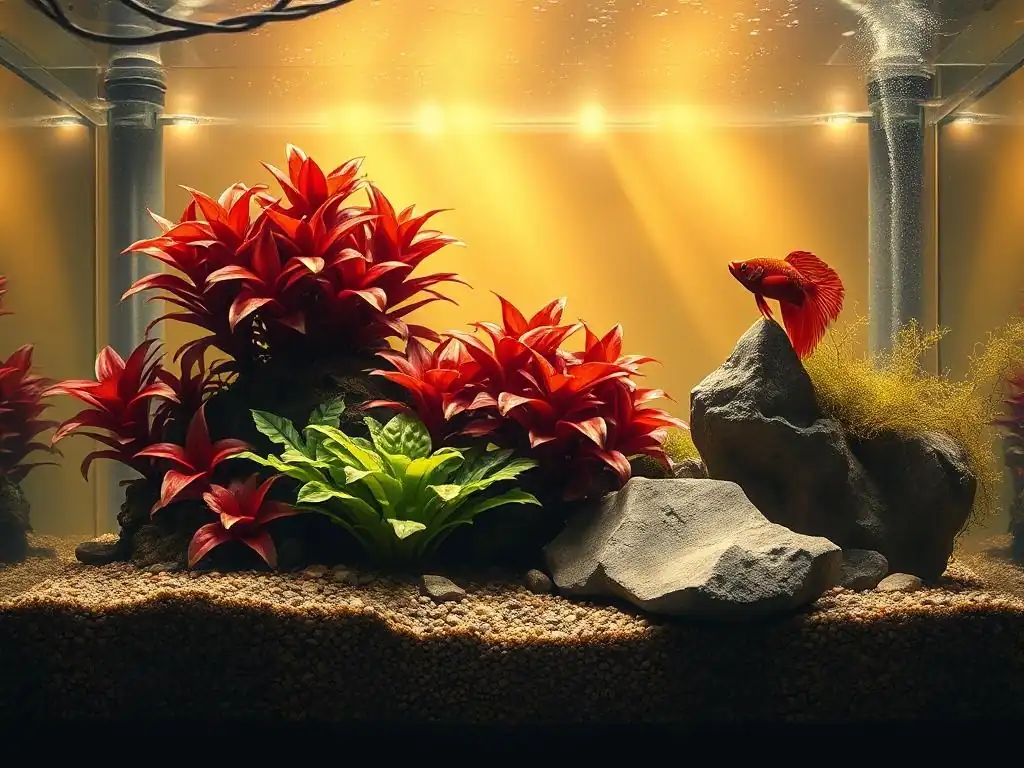
Ever wondered if the secret to a lush, thriving rosette plant aquarium lies beneath the surface? We're diving deep into the crucial role of substrate depth for these aquatic beauties. Discover how to create the perfect foundation for your Rosette plant substrate depth, unlocking vibrant growth and a stunning underwater landscape. Ready to cultivate a flourishing planted tank? Let's get started!
- Understanding the Importance of Substrate Depth for Aquatic Plants
- Factors Influencing Optimal Plant Substrate Depth
- Determining the Ideal Substrate Depth for Your Aquatic Plants
- Recommended Substrate Depths for Popular Aquatic Plants
- Maintaining Optimal Substrate Depth for Long-Term Plant Health
- Troubleshooting Common Substrate Depth Issues with Aquatic Plants
- Conclusion: Achieving Thriving Aquatic Plants Through Proper Substrate Depth
-
Frequently Asked Questions
- How deep should the substrate be for rosette plants in my aquarium?
- What type of substrate is best for rosette plants and their root systems?
- Can I use gravel as a substrate for rosette plants?
- How does substrate depth affect water chemistry and overall aquarium health?
- What are the signs that my rosette plants' substrate depth or type is incorrect?
- Final Reflection: Cultivating Roots and Growth
- Unleash Your Rosette's Full Potential!
Understanding the Importance of Substrate Depth for Aquatic Plants
Why Substrate Depth Matters for Aquatic Plant Growth
Substrate depth is a critical, yet often underestimated, factor in the success and long-term health of aquatic plants, particularly for rosette species. Adequate depth provides essential physical anchorage, preventing plants from floating or being dislodged by water flow or tank inhabitants. For plants like Amazon Swords (Echinodorus species) or Cryptocorynes, which develop extensive and robust root systems, sufficient rosette plant substrate depth allows these roots to spread out naturally, access a broader range of nutrients, and firmly establish the plant.
Insufficient depth can lead to stunted growth, nutrient deficiencies, and constant uprooting, causing significant stress to the plant. For instance, a mature Amazon Sword can develop roots extending 4-6 inches (10-15 cm) deep, necessitating a substrate of comparable depth for optimal development.
Beyond mere physical support, the substrate serves as a vital ecosystem for beneficial bacteria that process waste and make nutrients available to plants. A properly maintained depth ensures a stable environment for these microbial communities, contributing to overall tank health. For rosette plants that are heavy root feeders, such as many Cryptocoryne varieties, the substrate is their primary source of nutrition. Without adequate depth, the roots cannot explore sufficiently, leading to a limited nutrient intake even if the water column is well-fertilized. This foundational element directly impacts the plant's ability to thrive, photosynthesize efficiently, and resist disease.
The Role of Substrate in Plant Nutrient Uptake
The substrate acts as a crucial reservoir for essential macro and micronutrients, serving as the primary feeding ground for many aquatic plants, especially rosette species. Nutrients like iron, potassium, and phosphorus are adsorbed onto substrate particles and become available to plant roots through ion exchange. Unlike water column feeders that absorb nutrients directly from the water, root-feeding rosette plants, such as Echinodorus and Cryptocoryne, rely heavily on the substrate for their nutritional needs.
A sufficiently deep substrate offers a larger surface area for nutrient accumulation and exchange, ensuring a steady supply of these vital elements directly to the root zone. This localized nutrient availability is far more efficient for root feeders than relying solely on diffused nutrients from the water column.
A deep and healthy substrate also fosters anaerobic and anoxic zones, particularly below the top inch or two, which are essential for the nitrogen cycle and the availability of certain nutrients. For example, iron, a critical micronutrient often deficient in planted tanks, is more readily available to plant roots in its ferrous (Fe2+) form, which is prevalent in anoxic conditions found deeper in the substrate.
This is particularly beneficial for red or dark-leaved rosette plants, which require ample iron for vibrant coloration. Without adequate rosette plant substrate depth, these crucial chemical reactions and nutrient reservoirs cannot properly form, leading to deficiencies that manifest as yellowing leaves, stunted growth, or poor coloration in otherwise healthy plants.
How Substrate Depth Affects Root Development
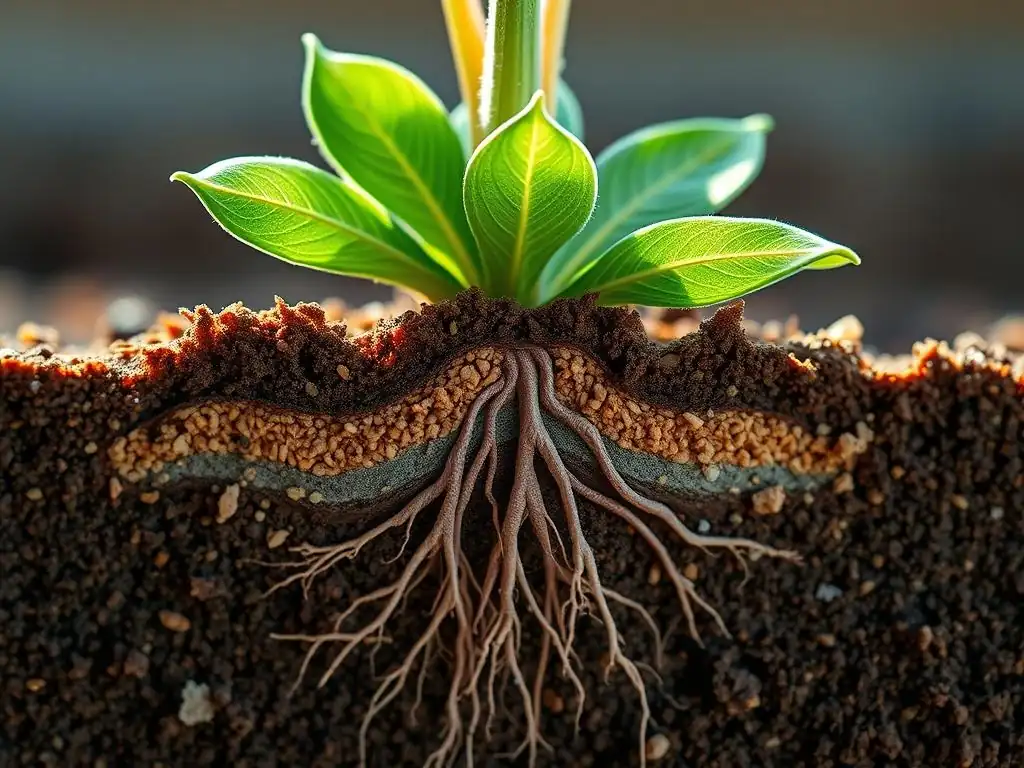
Substrate depth fundamentally dictates the extent and health of a plant's root system. Proper depth encourages robust, extensive root development, allowing roots to spread widely and deeply, firmly anchoring the plant and maximizing its surface area for nutrient absorption. For rosette plants, which often feature strong central root systems or extensive fibrous networks, this is paramount.
For instance, a well-established Amazon Sword will develop a powerful taproot and numerous lateral roots that can penetrate several inches into the substrate, providing stability and efficient nutrient uptake. If the substrate is too shallow, these roots become stunted, coiled, or may even protrude above the substrate, making the plant susceptible to uprooting and preventing it from accessing a full spectrum of nutrients.
Conversely, while deeper is often better for root development, excessively deep or compacted substrate can sometimes lead to issues like anaerobic pockets, particularly if not properly maintained. These oxygen-depleted zones can produce harmful gases like hydrogen sulfide, which can damage delicate root systems and lead to root rot.
However, for most rosette plants, the benefits of greater depth, such as enhanced stability and nutrient access, far outweigh these risks, provided the substrate is aerated occasionally or contains suitable materials to prevent severe compaction. The ideal rosette plant substrate depth provides a balance, allowing for vigorous root growth without creating detrimental conditions, ensuring the plant can thrive and contribute to a balanced aquatic ecosystem.
Factors Influencing Optimal Plant Substrate Depth
Plant Species and Their Substrate Depth Requirements
The diverse world of aquatic plants includes species with vastly different root structures and nutrient acquisition strategies, directly influencing their optimal substrate depth requirements. Understanding these species-specific needs is crucial for successful aquascaping and the long-term health of your plants. Rosette plants, in particular, exhibit a wide range of root sizes and growth habits, making a tailored approach to rosette plant substrate depth essential.
Considering Root Size and Growth Habits
Plants with extensive and deep root systems, such as large Echinodorus species (e.g., Amazon Swords), inherently require a greater substrate depth to accommodate their robust root balls and allow for proper anchorage. These plants are often heavy root feeders and benefit immensely from the increased surface area for nutrient absorption that a deeper substrate provides.
In contrast, smaller rosette plants, like Cryptocoryne parva or Dwarf Sagittaria, have comparatively shallower or more fibrous root systems and do not necessitate the same extreme depth, though sufficient depth for secure rooting and runner propagation is still important. Plants that propagate extensively via runners, like Vallisneria or Dwarf Sagittaria, also benefit from adequate depth to allow their runners to spread horizontally and establish new plantlets securely beneath the substrate surface.
Examples of Plants with Varying Substrate Needs
To illustrate, consider these popular rosette plants and their typical substrate depth requirements:
- Amazon Swords (Echinodorus species): Known for their large size and extensive root systems, these plants thrive in a rosette plant substrate depth of 3-4 inches (7.5-10 cm). This depth allows their strong taproots and spreading fibrous roots to fully develop and access the rich nutrients they require.
- Cryptocoryne Species: These plants vary significantly in size, but most varieties generally prefer a substrate depth of 2-3 inches (5-7.5 cm). Smaller varieties like Cryptocoryne parva might be content with 1.5-2 inches (4-5 cm), while larger ones like Cryptocoryne undulata benefit from the deeper end of this range. Their fibrous roots need consistent, nutrient-rich substrate.
- Vallisneria: While technically a grass-like plant, its growth habit from a central rosette and runner propagation makes it similar to many rosette types. Vallisneria species prefer a rosette plant substrate depth of 2-3 inches (5-7.5 cm) to allow their runners to spread effectively and anchor new plantlets.
- Dwarf Sagittaria (Sagittaria subulata): A popular foreground rosette plant that spreads via runners, Dwarf Sagittaria requires a minimum of 1.5-2 inches (4-5 cm) of substrate. This depth is sufficient for its relatively shallow roots and allows its runners to establish a dense, carpeting effect.
Understanding these specific requirements is key to selecting the appropriate rosette plant substrate depth for your aquascape, ensuring each species has the optimal environment to flourish.
Substrate Type and Its Impact on Depth Considerations
The type of substrate chosen significantly influences how depth recommendations translate into practical application. Different substrate materials possess varying grain sizes, densities, and nutrient-holding capacities, all of which affect the ideal rosette plant substrate depth and overall plant health.
Fine vs. Coarse Substrates
Fine substrates, such as specialized aquatic plant soils (e.g., aqua soil) or fine sands, are generally denser and offer superior nutrient retention due to their larger surface area. Their fine texture provides excellent anchorage for the delicate, fibrous roots of many rosette plants, allowing them to spread and absorb nutrients efficiently. However, fine substrates can be prone to compaction over time, potentially leading to anaerobic zones if not managed properly.
This compaction can impede water flow and nutrient diffusion, stressing root systems. For this reason, while a rosette plant substrate depth of 3 inches (7.5 cm) in fine sand might provide great initial anchorage, it requires more vigilance against compaction than the same depth in a coarser material.
Coarse substrates, such as gravel, offer better water circulation and are less prone to compaction. However, they typically have lower cation exchange capacities (CEC), meaning they retain fewer nutrients compared to fine-grained or specialized substrates. For root-feeding rosette plants, gravel alone often necessitates higher dosing of liquid fertilizers or the frequent addition of root tabs to compensate for the lack of inherent substrate nutrients. When using gravel, a slightly greater rosette plant substrate depth might be considered to provide more volume for nutrient accumulation (via root tabs) and better physical anchorage, perhaps 3.5-4 inches (9-10 cm) for large Swords.
Nutrient-Rich Substrates and Depth Adjustments
Nutrient-rich substrates, often referred to as aqua soils or planted tank specific soils, are designed to provide a comprehensive nutrient base for aquatic plants. These substrates typically come in granular forms that are less prone to compaction than fine sand and are packed with essential plant nutrients.
When using these specialized substrates, the recommended rosette plant substrate depth can often be at the lower end of the ideal range for a given plant, as the nutrient availability per volume is higher. For example, a 2.5-inch (6.5 cm) depth of a high-quality aqua soil might provide more nutrient support than 4 inches (10 cm) of inert gravel.
It is common practice to cap nutrient-rich substrates with a layer of inert sand or fine gravel, typically 0.5-1 inch (1.25-2.5 cm) thick. This cap helps prevent nutrient leaching into the water column, which can cause algae blooms, and keeps the nutrient-rich layer from being disturbed by fish or maintenance.
When considering the total rosette plant substrate depth for a layered system, the combined depth of the nutrient layer and the cap should meet the plant's requirements. For instance, a 1.5-inch (4 cm) layer of aqua soil topped with a 1-inch (2.5 cm) sand cap provides a total depth of 2.5 inches (6.5 cm), which is suitable for many medium-sized rosette plants like Cryptocorynes.
Tank Size and Overall Aquascape Design
The dimensions of your aquarium and your chosen aquascape design significantly influence the practical implementation of optimal substrate depth. While individual plant needs dictate minimum depths, the overall tank environment dictates how these depths are distributed and maintained.
Larger aquariums generally allow for greater flexibility in substrate depth. In a 75-gallon tank, for example, you can easily create areas with 4 inches (10 cm) of substrate for large Amazon Swords while maintaining 2 inches (5 cm) elsewhere for foreground plants. This allows for a diverse planting scheme where each rosette plant type receives its ideal rosette plant substrate depth.
In contrast, smaller tanks, such as a 10-gallon nano cube, have limited vertical space. In such tanks, achieving a 4-inch depth might leave insufficient water volume above the substrate for fish, necessitating a compromise where the average rosette plant substrate depth might be closer to 2-2.5 inches (5-6.5 cm), with careful selection of smaller rosette varieties.
Aquascape design also plays a crucial role. Many aquascapers create sloped substrates, with deeper areas at the back of the tank tapering down to shallower areas at the front. This design not only creates a sense of depth and perspective but also allows for varying rosette plant substrate depths to accommodate different plant types.
For instance, a deep slope at the back can house large Echinodorus plants requiring 3-4 inches (7.5-10 cm) of substrate, while the shallower front can support Dwarf Sagittaria at 1.5-2 inches (4-5 cm). Terracing or creating distinct planting zones within the tank also enables precise control over substrate depth, ensuring that each rosette plant is situated in its optimal environment for growth and nutrient uptake, enhancing both plant health and the aesthetic appeal of the aquarium.
Determining the Ideal Substrate Depth for Your Aquatic Plants
Measuring Substrate Depth: A Step-by-Step Guide
Accurately determining and maintaining the correct rosette plant substrate depth is fundamental to a thriving planted aquarium. While the initial setup allows for precise measurement, regular monitoring is also important as substrate can shift over time. Here’s a simple, step-by-step guide to measuring your substrate depth:
- Prepare the Tank: If measuring in an established tank, it's often easiest to perform this during a water change. Lower the water level until it is just above the substrate surface. This provides clear visibility of the substrate line. If setting up a new tank, ensure the tank is empty and level.
- Select Your Tool: A standard ruler, a measuring tape, or even a clean wooden skewer marked with measurements can be used. For accuracy, choose a tool that is long enough to reach the bottom of your tank without bending.
- Insert the Tool: Gently insert your chosen measuring tool vertically into the substrate until it touches the bottom glass of the aquarium. Be careful not to damage any plant roots, especially when measuring near established rosette plants.
- Read the Measurement: Note the measurement where the substrate surface meets your tool. This indicates the depth at that specific point.
- Take Multiple Readings: Substrate depth is rarely uniform across the entire tank, especially in aquascapes designed with slopes or terraces. Take several measurements across different areas of your aquarium – front, back, sides, and specifically where your rosette plants are or will be placed – to get an accurate average and identify any significant variations. For example, you might aim for an average of 2.5 inches (6.5 cm) but have areas ranging from 1.5 inches (4 cm) at the front to 3.5 inches (9 cm) at the back.
By following these steps, you can ensure your rosette plant substrate depth is appropriate for the species you intend to keep, setting the stage for healthy growth and a vibrant aquascape.
Visual Cues: Recognizing Signs of Insufficient or Excessive Substrate Depth
Observing your plants and the substrate itself can provide valuable insights into whether your rosette plant substrate depth is optimal. Plants often exhibit clear symptoms when conditions are not ideal, serving as crucial visual cues for intervention.
Identifying Nutrient Deficiencies Related to Substrate Depth
When the substrate depth is insufficient for root-feeding rosette plants, nutrient deficiencies often become apparent, even if water column fertilization is adequate. Symptoms can include:
- Stunted Growth: Overall lack of new growth or significantly smaller leaves than expected for the species. For example, a young Amazon Sword that remains small and fails to put out new leaves, despite good lighting and CO2, may be struggling with inadequate rosette plant substrate depth preventing its roots from fully developing and accessing nutrients.
- Pale or Yellowing Leaves (Chlorosis): This can manifest as generalized yellowing, particularly in older leaves (indicating mobile nutrient deficiencies like nitrogen, phosphorus, or potassium), or in new leaves (suggesting immobile nutrient deficiencies like iron). If an Echinodorus plant develops yellowing older leaves and new leaves are small, it might indicate insufficient root access to essential macronutrients in a shallow substrate.
- Melting or Transparent Leaves: While "Crypt melt" can occur for various reasons, a substrate that is too shallow or nutrient-poor for Cryptocoryne species can contribute to this phenomenon, as the plants struggle to establish and absorb necessary nutrients from their primary source.
- Weak or Thin Stems/Petiole: The stalks supporting the leaves of rosette plants may appear unusually thin or brittle, indicating a lack of robust nutrient uptake from the substrate.
Recognizing Root Rot and Other Problems
Conversely, an excessively deep or improperly maintained substrate can lead to anaerobic conditions, which are detrimental to most plant roots and can be identified by:
- Foul Odor: A distinct smell of rotten eggs (hydrogen sulfide) when the substrate is disturbed indicates severe anaerobic conditions. This gas is toxic to plants and fish.
- Blackened or Slimy Roots: Healthy roots are typically white or light-colored. Roots that appear black, mushy, or slimy are a strong indicator of root rot caused by a lack of oxygen in the substrate. This is particularly harmful to the thick, fleshy roots of many large rosette plants.
- Plant Melting at the Base: The base of the plant, where the leaves emerge from the root crown, may appear to be dissolving or turning to mush. This is a common symptom of severe root rot affecting rosette plants.
- Overall Plant Decline Without Visible Pests: If a rosette plant slowly withers, despite no signs of pests or overt water column issues, it's worth investigating the substrate, as overly deep or compacted conditions may be the culprit. For example, a large Cryptocoryne that slowly declines and develops a foul odor when gently prodded points strongly to anaerobic issues related to rosette plant substrate depth.
By carefully observing these visual cues, aquarists can diagnose and address substrate depth issues proactively, ensuring the long-term health and vibrancy of their aquatic plants.
Recommended Substrate Depths for Popular Aquatic Plants
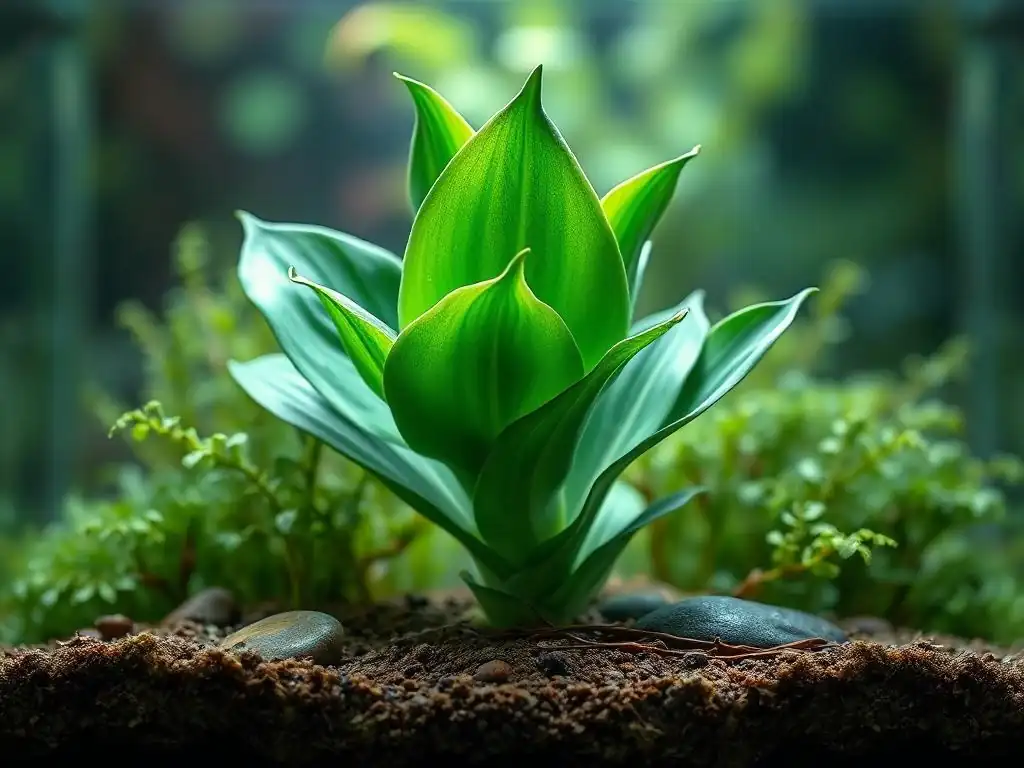
Achieving the optimal rosette plant substrate depth is crucial for the health and vitality of these popular aquarium species. While general guidelines exist, specific recommendations for common rosette plants can help aquarists tailor their substrate setup for maximum success.
Amazon Swords (Echinodorus): Optimal Depth and Considerations
Amazon Swords are quintessential rosette plants, prized for their large, striking leaves and ability to become magnificent centerpieces in freshwater aquariums. These plants are heavy root feeders and develop extensive, robust root systems that can penetrate deep into the substrate. For thriving Amazon Swords, an optimal rosette plant substrate depth of 3-4 inches (7.5-10 cm) is highly recommended. This depth allows their strong taproots and spreading fibrous roots to fully develop, providing secure anchorage and maximizing their access to essential nutrients within the substrate.
Insufficient substrate depth for Amazon Swords often leads to stunted growth, yellowing older leaves (indicating nutrient deficiencies, particularly iron and potassium), and a tendency for the plant to uproot easily. To ensure a steady supply of nutrients, it is beneficial to place root tabs deep into the substrate, directly beneath the plant's root ball, every 3-6 months. This supplemental feeding, combined with adequate rosette plant substrate depth, ensures these majestic plants receive the nourishment they need to flourish and maintain their vibrant green coloration.
Cryptocoryne Species: Tailoring Depth to Specific Varieties
Cryptocoryne species are a diverse group of rosette plants, ranging from small foreground varieties to larger midground and background plants. While generally known for their resilience, they are sensitive to root disturbance and thrive in stable, nutrient-rich substrate conditions. The ideal rosette plant substrate depth for Cryptocorynes varies slightly depending on the specific variety, but a range of 1.5-3.5 inches (4-9 cm) is generally suitable.
- Smaller varieties like Cryptocoryne parva or Cryptocoryne wendtii will typically do well with a rosette plant substrate depth of 1.5-2.5 inches (4-6.5 cm). This depth provides enough space for their fibrous root systems to establish without being excessively deep, which could lead to compaction issues in very fine substrates.
- Larger varieties such as Cryptocoryne undulata or Cryptocoryne beckettii benefit from a slightly deeper substrate, typically 2.5-3.5 inches (6.5-9 cm). This allows their more extensive root networks to spread and access a greater volume of nutrients.
Cryptocorynes are prone to "Crypt melt" if conditions change drastically or if their roots are disturbed. Therefore, establishing a stable rosette plant substrate depth from the outset and minimizing future disturbances are key to their long-term health. These plants are primarily root feeders, making a nutrient-rich substrate or the strategic placement of root tabs crucial for their success.
Vallisneria: Substrate Depth for Runner Propagation
Vallisneria, often referred to as "Vals," are popular background plants known for their long, ribbon-like leaves and rapid propagation via runners. While not a typical "rosette" in the same compact sense as an Amazon Sword, they grow from a central base and spread extensively, making rosette plant substrate depth considerations equally vital for their success. For Vallisneria species, a rosette plant substrate depth of 2-3 inches (5-7.5 cm) is optimal.
This depth is crucial because Vallisneria propagates by sending out horizontal runners that travel just beneath the substrate surface, establishing new plantlets along their path. Adequate depth allows these runners to spread effectively and securely root the new plants. If the substrate is too shallow, runners may emerge above the substrate, making them vulnerable to damage, or new plantlets may struggle to root firmly, leading to floating plants. A sufficient rosette plant substrate depth provides the necessary medium for robust runner development and ensures a dense, thriving background or midground planting.
Dwarf Sagittaria (Sagittaria subulata): Substrate Depth Guidelines
Dwarf Sagittaria is a charming, grass-like rosette plant often used to create a foreground carpet or a dense midground in freshwater aquariums. Like Vallisneria, it propagates readily via runners. Despite its smaller size, the correct rosette plant substrate depth is important for its successful establishment and spread. For Dwarf Sagittaria, a rosette plant substrate depth of 1.5-2 inches (4-5 cm) is generally sufficient.
While its root system is not as deep as that of an Amazon Sword, this depth provides enough anchorage for the parent plant and, more importantly, allows its runners to effectively burrow and establish new plantlets. Too shallow a substrate might result in runners that struggle to root, or plantlets that float to the surface.
A slightly deeper substrate, within this recommended range, can also provide a larger volume for nutrient accumulation, which is beneficial as Dwarf Sagittaria, while not as heavy a root feeder as some larger rosette plants, still benefits from substrate-bound nutrients for vigorous growth and dense carpeting.
Maintaining Optimal Substrate Depth for Long-Term Plant Health
Achieving the correct rosette plant substrate depth during setup is only the first step. Long-term success hinges on consistent monitoring and proactive adjustments to ensure the substrate remains an ideal environment for your aquatic plants.
Regular Substrate Monitoring and Adjustments
Over time, substrate can shift due to water flow, fish activity (especially burrowing species), or even during routine maintenance like gravel vacuuming. This can lead to uneven depths, exposing roots or creating overly deep, potentially anaerobic pockets. It is crucial to regularly monitor your rosette plant substrate depth. During weekly or bi-weekly water changes, take a moment to visually assess the substrate. Look for areas where it has become noticeably shallower, potentially exposing the root crown of your rosette plants, or where it has piled up excessively.
If you observe significant shifts, gentle adjustments can be made. Use a long-handled aquascaping tool or a clean, small spatula to carefully redistribute the substrate. For areas that have become too shallow, you can gently push substrate from deeper areas towards the base of the affected plants, being careful not to bury the plant's crown.
Conversely, if an area is too deep, you might carefully siphon out a small amount of excess substrate during a water change. For established rosette plants, ensure the root crown (the point where the leaves emerge from the roots) remains at or just above the substrate surface to prevent rot.
Avoiding Substrate Compaction: Tips and Techniques
Substrate compaction is a common issue that can severely impede plant growth by reducing water flow within the substrate and creating oxygen-depleted (anaerobic) zones. These anaerobic conditions can lead to the production of harmful gases like hydrogen sulfide, which is toxic to plant roots and can inhibit nutrient uptake. For rosette plants, whose roots are often extensive and can densify the substrate, avoiding compaction is particularly important for maintaining healthy rosette plant substrate depth.
Several techniques can help prevent compaction:
- Substrate Choice: Opt for substrates that are less prone to compaction. While fine sands can compact, specialized planted tank substrates (aqua soils) are designed to maintain their granular structure and porosity over time.
- Gentle Aeration: Periodically, gently "fluff" the top inch or two of the substrate with a long-handled tool, such as a skewer or a substrate rake. This helps to release trapped gases and improve water circulation within the upper layers. Be extremely careful around established rosette plants to avoid disturbing their root systems. For instance, gently poke the substrate around the periphery of a large Amazon Sword.
- Controlled Gravel Vacuuming: When performing water changes, use a gravel vacuum, but avoid plunging it deep into the substrate, especially in areas with dense plant roots. Focus on vacuuming only the very top layer to remove detritus without compacting the deeper substrate.
- Beneficial Invertebrates (with caution): Certain invertebrates, like Malaysian Trumpet Snails (MTS), burrow through the substrate, naturally aerating it and preventing compaction. However, they reproduce rapidly and can quickly overpopulate a tank, so their introduction should be carefully considered. A small colony can be highly beneficial for maintaining optimal rosette plant substrate depth conditions.
Fertilization Strategies and Their Relation to Substrate Depth
Many rosette plants, including Amazon Swords and Cryptocorynes, are heavy root feeders, meaning they primarily absorb nutrients directly from the substrate rather than the water column. Therefore, effective fertilization strategies are intrinsically linked to the rosette plant substrate depth.
- Root Tabs: These are solid fertilizer capsules designed to be inserted directly into the substrate, typically 1-2 inches (2.5-5 cm) beneath the surface, near the plant's root system. A sufficient substrate depth is essential for the proper placement of root tabs, ensuring the nutrients are released directly into the root zone where they are most needed and preventing them from leaching too quickly into the water column, which could fuel algae growth. For example, placing a root tab 2 inches (5 cm) deep near the roots of an Amazon Sword provides a slow, steady release of iron and other micronutrients over several months.
- Nutrient-Rich Substrates: If using a specialized nutrient-rich substrate (e.g., aqua soil), the initial rosette plant substrate depth itself provides a strong nutritional foundation for several months to a year, depending on the product and plant density. Even with these substrates, however, supplementing with root tabs for very heavy root feeders or after the initial nutrient charge has depleted is often beneficial.
- Liquid Fertilizers: While primarily for water column feeders, liquid fertilizers can still contribute to the substrate's nutrient content over time through diffusion and sedimentation. However, for true root feeders, relying solely on liquid fertilizers without adequate substrate depth and nutrient content will likely lead to deficiencies.
By combining appropriate rosette plant substrate depth with targeted fertilization strategies, aquarists can ensure their plants receive a consistent and abundant supply of nutrients, leading to robust growth and vibrant health.
Troubleshooting Common Substrate Depth Issues with Aquatic Plants
Despite best efforts, issues related to rosette plant substrate depth can arise. Recognizing the symptoms and knowing how to troubleshoot them is crucial for maintaining a healthy planted aquarium.
Addressing Under-Substrate Depth: Solutions for Nutrient Deprivation
Insufficient substrate depth is a common problem, especially in tanks not initially set up for heavy root-feeding rosette plants. This can lead to nutrient deprivation and poor plant health.
Symptoms: Stunted growth, pale or yellowing leaves (chlorosis), fragile or easily uprooted plants, and a general failure to thrive despite adequate lighting and water column fertilization. For instance, a mature Amazon Sword planted in only 1.5 inches (4 cm) of substrate might exhibit significantly smaller leaves and slower growth compared to one in 3 inches (7.5 cm) of substrate.
Solutions:
- Add More Substrate: The most direct solution is to increase the rosette plant substrate depth. This can be done by carefully adding more substrate around the base of existing plants. To minimize cloudiness, siphon out some tank water first, then gently pour in the new substrate, allowing it to settle. For a 20-gallon tank with an average depth of 1.5 inches (4 cm) struggling with plant growth, adding an additional inch (2.5 cm) of specialized plant substrate can make a significant difference. Ensure not to bury the plant's crown (the point where leaves emerge from the roots) to prevent rot.
- Supplement with Root Tabs: For established tanks where adding significant substrate isn't feasible or desired, strategically placing root tabs deep into the existing shallow substrate near the roots of your rosette plants can provide a concentrated dose of nutrients. This is particularly effective for plants like Cryptocorynes and Echinodorus. Place tabs 1-2 inches (2.5-5 cm) deep, directly beneath the root zone.
- Consider a Layered Approach: If re-scaping, consider a layered approach with a nutrient-rich base layer (e.g., laterite or aqua soil) covered by an inert cap. This ensures a nutrient-dense foundation even if the total depth isn't extreme.
Managing Over-Substrate Depth: Preventing Root Rot and Anaerobic Conditions
While generally less common for rosette plants than insufficient depth, excessively deep or compacted substrate can lead to oxygen-depleted (anaerobic) zones, which are detrimental to most plant roots.
Symptoms: Foul, rotten-egg smell (hydrogen sulfide) when the substrate is disturbed, black or slimy roots, plant melting at the base, and overall plant decline. Large Cryptocorynes in overly deep, undisturbed substrate might suddenly "melt" due to root damage from anaerobic conditions.
Solutions:
- Reduce Substrate Depth: If the depth is excessive (e.g., consistently over 4-5 inches / 10-12.5 cm in areas not designed for specific deep-rooting plants), carefully siphon out some of the excess substrate during a water change.
- Introduce Substrate Aerators: Malaysian Trumpet Snails (MTS) are excellent natural aerators, burrowing through the substrate and preventing compaction. However, they reproduce rapidly, so monitor their population. Corydoras catfish also gently sift through the top layers of substrate, providing some aeration.
- Gentle Substrate Poking: Periodically, use a long, clean skewer or a chopstick to gently poke into the deeper parts of the substrate, especially around the base of large rosette plants. This helps release trapped gases and allows for better water circulation within the substrate. Do this carefully to avoid damaging established root systems. Focus on areas away from the main root ball.
- Improve Water Flow: Ensure adequate water circulation in the tank, as good flow can indirectly help prevent stagnant areas in the substrate.
Dealing with Plant Uprooting Due to Insufficient Root Anchorage
Rosette plants, especially those with large leaves like Amazon Swords, can be prone to uprooting if their roots cannot establish a firm grip in the substrate.
Symptoms: Plants floating to the surface, roots visibly not holding onto the substrate, or plants easily dislodged by fish or water flow. A newly planted Amazon Sword that repeatedly floats up within days of planting is a clear sign of insufficient anchorage.
Solutions:
- Increase Substrate Depth: The primary solution is to ensure adequate rosette plant substrate depth that matches the plant's root system. For large Swords, aim for at least 3 inches (7.5 cm). If a 6-inch (15 cm) Sword is repeatedly uprooting in 1.5 inches (4 cm) of substrate, increasing the depth to 3 inches (7.5 cm) will provide much better anchorage.
- Proper Planting Technique: When planting, ensure the roots are spread out, not bunched up. Use planting tweezers to gently push the roots deep into the substrate, making sure the root crown is at or just above the substrate surface.
- Use Plant Weights (Temporarily): For stubborn plants, small lead weights or ceramic plant anchors can be used to hold the plant down temporarily until its roots establish. Remove them once the plant is firmly rooted.
- Allow Establishment Time: Newly planted rosette plants need time to establish their root systems. Minimize disturbances in the tank during the initial few weeks after planting.
By being vigilant and applying these troubleshooting strategies, aquarists can effectively manage substrate depth issues and ensure their rosette plants remain firmly rooted and healthy.
Conclusion: Achieving Thriving Aquatic Plants Through Proper Substrate Depth
The journey to a flourishing planted aquarium, particularly one graced by the beauty of rosette plants, is intricately linked to the often-underestimated element of substrate depth. As we've explored, the rosette plant substrate depth is not merely a matter of aesthetics; it is a critical determinant of plant anchorage, nutrient accessibility, and overall root health. From the expansive root systems of Amazon Swords demanding 3-4 inches (7.5-10 cm) of substrate to the more modest needs of Dwarf Sagittaria at 1.5-2 inches (4-5 cm), each rosette species has a specific requirement that, when met, unlocks its full growth potential.
Understanding the interplay between plant species, substrate type, and tank design allows aquarists to create an optimal foundation. Fine-grained substrates offer superior nutrient retention and anchorage for delicate roots, while nutrient-rich soils provide a potent feeding ground.
Crucially, ongoing monitoring and proactive maintenance, such as gentle aeration and strategic fertilization with root tabs, are essential to prevent compaction and ensure a continuous supply of vital nutrients deep within the substrate. By paying meticulous attention to the rosette plant substrate depth and skillfully addressing common issues like nutrient deprivation or root rot, aquarists can cultivate a vibrant, stable, and truly thriving aquatic ecosystem where their rosette plants can flourish for years to come.
Frequently Asked Questions
How deep should the substrate be for rosette plants in my aquarium?
The ideal substrate depth for rosette plants is typically 2-3 inches. This allows for proper root development and anchorage, preventing them from floating away.
What type of substrate is best for rosette plants and their root systems?
A nutrient-rich substrate like aquarium soil or a substrate enriched with root tabs is highly recommended. This provides the essential nutrients rosette plants need to thrive.
Can I use gravel as a substrate for rosette plants?
While gravel can be used, it's generally not the best option. It lacks nutrients. If using gravel, supplement with root tabs to provide the necessary fertilization.
How does substrate depth affect water chemistry and overall aquarium health?
Inadequate depth can lead to poor root establishment and nutrient leaching into the water column, potentially causing algae blooms. A proper depth helps maintain a balanced ecosystem.
What are the signs that my rosette plants' substrate depth or type is incorrect?
Signs include stunted growth, yellowing leaves, and the plant frequently uprooting. These indicate a need to adjust the substrate depth or nutrient content.
Final Reflection: Cultivating Roots and Growth
The exploration of optimal substrate depth for rosette plants isn't merely about horticultural technique; it's about fostering the very foundation of life and growth. Understanding the delicate balance between root development and environmental support allows us to unlock the full potential of these beautiful plants, ensuring they not only survive but truly thrive. This knowledge, applied thoughtfully, can transform a simple garden into a vibrant ecosystem.
This journey into the depths of rosette plant care has profoundly impacted how we perceive the interconnectedness of living things. It reminds us that even the smallest details, like substrate depth, can have a monumental effect on overall well-being. The best time to plant a tree was 20 years ago. The second best time is now.
This ancient proverb resonates deeply, urging us to act decisively and thoughtfully in nurturing the growth around us, both literally and figuratively.
Now, consider the lessons learned about rosette plant substrate depth and apply them to your own life. Just as these plants require a stable foundation to flourish, so too do we need to cultivate the right conditions for our own growth. What "substrate" – be it knowledge, relationships, or self-care – are you providing to nurture your own potential? Take a moment to reflect on the depths you are cultivating and commit to nurturing the roots that will allow you to blossom.
Unleash Your Rosette's Full Potential!
Thanks for diving into the world of rosette plant substrate depths! We hope you've gained a clearer understanding of how to create the perfect foundation for these aquatic beauties. Now, let's put that knowledge into action!
- Experiment with substrate depth! Carefully adjust the substrate depth in one section of your aquarium and observe the growth response of your rosette plants.
- Share your success! Post a photo of your flourishing rosette plants on social media using #AquariumMasteryRosettes and inspire other aquascapers.
- Research the specific nutrient requirements of your chosen rosette species to further tailor your substrate composition.
Ready to roll up your sleeves and cultivate a stunning rosette garden?