
Maximizing Your Tang's AlgaeEating Power: Tank Setup & Diet Tips

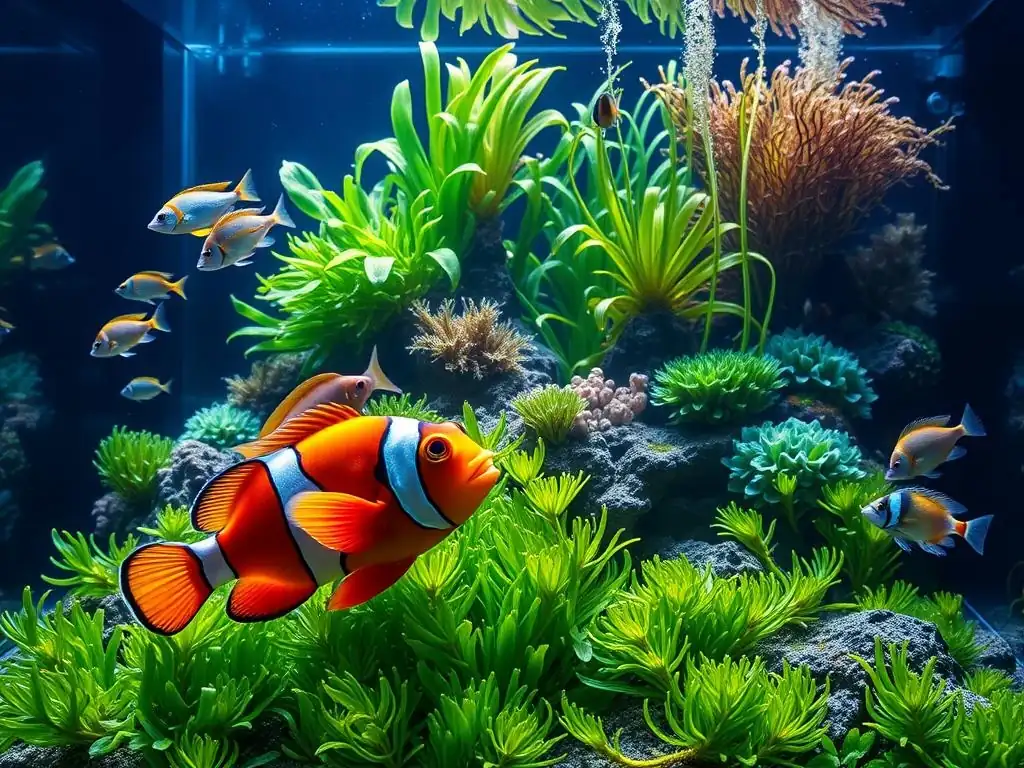
Welcome to Aquarium Mastery!
Ever wondered how to unlock the full potential of your Tang's natural algae-eating abilities? It's more than just dropping algae wafers into the tank! Dive into our expert guide, "Maximizing Your Tang's Algae-Eating Power: Tank Setup & Diet Tips," and discover the secrets to a thriving reef and a happy, healthy Tang. Let's explore the nuances of their ideal diet and tank environment, and get ready to see your Tang truly shine! Ready to create the perfect algae-busting paradise?
- Understanding the Tang's Role in Algae Control
- Essential Tank Setup for Optimal Algae Grazing
- Optimizing Your Tang's Diet
- Preventing Overfeeding and Nutritional Deficiencies
- Identifying and Addressing Algae Blooms in Your Aquarium
- Maintaining a Healthy Tang for Effective Algae Control
- Troubleshooting Common Problems with Tangs and Algae Control
- Frequently Asked Questions
- Final Reflection: Harnessing Nature's Algae Eaters
- Unleash Your Tang's Algae-Busting Potential!
Understanding the Tang's Role in Algae Control
Why Tangs are Effective Algae Eaters in Saltwater Aquariums
Tangs, also known as surgeonfish, are renowned in the saltwater aquarium hobby for their voracious appetites for algae. Their effectiveness stems from their natural grazing behavior, which is a continuous activity in their native reef environments. Equipped with specialized mouths and teeth adapted for scraping algae off rocks and surfaces, these fish can spend the majority of their active hours meticulously cleaning the aquarium. This constant grazing not only keeps nuisance algae in check but also mimics their natural feeding patterns, contributing to their overall health and vitality.
For instance, a single adult Yellow Tang (Zebrasoma flavescens) can actively graze for 8 to 10 hours a day, effectively reducing the growth of many common green and brown algae types. Their digestive systems are long and designed to process large quantities of fibrous plant matter, making them highly efficient at converting algae into usable nutrients. This continuous processing of plant material is crucial for their well-being, and a robust Tang algae eating diet is fundamental to their survival and contribution to the tank's ecosystem.
Different Tang Species and Their Algae-Eating Preferences
While many tangs are excellent algae eaters, their preferences and effectiveness can vary significantly between species. For example, the Yellow Tang (Zebrasoma flavescens) and Scopas Tang (Zebrasoma scopas) are generalist grazers, adept at consuming a wide range of filamentous green algae and diatoms. They are often the go-to choice for general algae control in home aquariums due to their consistent grazing habits.
In contrast, species like the Kole Tang (Ctenochaetus strigosus), a type of Bristletooth Tang, specialize in consuming microalgae, detritus, and diatoms, using their unique bristly teeth to sift through sand and scrape fine films from rockwork. Naso Tangs (Naso lituratus), on the other hand, often show a preference for larger macroalgae, such as various types of Caulerpa or Gracilaria. Understanding these specific dietary preferences is vital when selecting a tang for your tank, ensuring that its natural Tang algae eating diet aligns with the types of algae you aim to control.
The Importance of a Varied and Nutritious Tang Diet
While tangs are primarily herbivorous, relying solely on natural algae growth in the tank is rarely sufficient for their long-term health. A varied and nutritious diet is paramount to prevent nutritional deficiencies, strengthen their immune system, and ensure their continued effectiveness as algae consumers. A deficiency in essential vitamins, particularly Vitamin A and C, and certain amino acids, can lead to serious health issues such as Head and Lateral Line Erosion (HLLE).
Therefore, supplementing their natural grazing with high-quality prepared foods is crucial. A well-rounded Tang algae eating diet should include a mix of dried seaweeds (like Nori), spirulina-based flakes or pellets, and occasionally some protein-rich foods. This comprehensive approach ensures that your tang receives all the necessary nutrients, allowing them to remain vibrant, healthy, and an active participant in maintaining your aquarium's cleanliness.
Essential Tank Setup for Optimal Algae Grazing
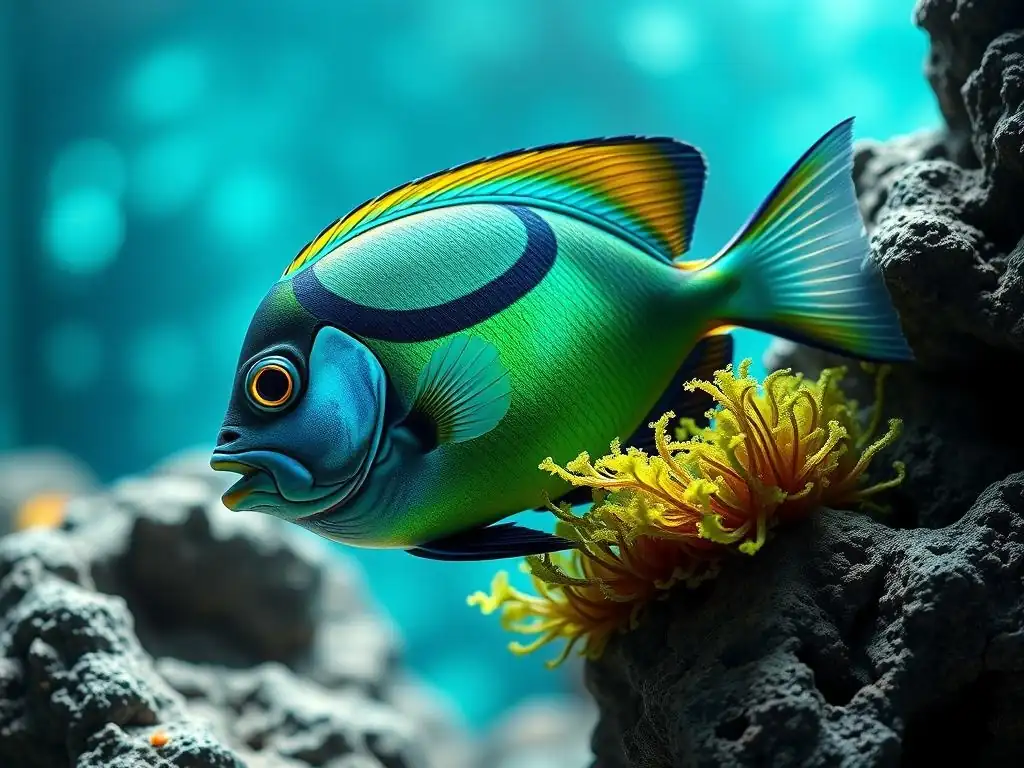
Tank Size Requirements for Tangs: Providing Ample Swimming and Grazing Space
Providing adequate tank size is arguably the most critical factor for the health and grazing effectiveness of tangs. These active fish require significant swimming room, not just for exercise but also to reduce stress and allow them to establish territories without constant conflict.
For common species like a Yellow Tang, a minimum tank size of 75-100 gallons (approximately 280-380 liters) is generally recommended, with a length of at least 4 feet (1.2 meters) to provide ample linear swimming space. Larger species, such as a Blue Tang (Paracanthurus hepatus), require even more substantial tanks, typically 125 gallons (470 liters) or more, to thrive.
Insufficient space can lead to heightened aggression, stunted growth, and chronic stress, which directly impacts a tang's appetite and grazing habits. A stressed tang is less likely to graze effectively on algae, diminishing its role as a natural cleaner. Furthermore, a larger tank offers more surface area on live rock and substrate for algae to grow, providing a continuous supply for the tang's natural Tang algae eating diet.
Rockwork and Substrate: Mimicking Natural Reef Environments for Algae Growth
The strategic placement of live rock and the choice of substrate are vital for creating an environment conducive to a tang's natural grazing. Live rock provides the primary surface for desirable algae to colonize and grow, offering a continuous food source. Aim for at least 1-1.5 pounds of live rock per gallon of tank water (0.45-0.68 kg per 3.8 liters), arranged to create numerous crevices, ledges, and open surfaces for grazing. Complex rock structures also offer hiding spots and reduce aggression by breaking up lines of sight.
A sand bed, particularly aragonite sand, can also contribute to the tang's diet, especially for species like the Kole Tang which sifts through substrate for diatoms and microalgae. A depth of 2-4 inches (5-10 cm) for the sand bed is often ideal. By mimicking the varied topography of a natural reef, you encourage diverse algae growth and provide ample opportunities for your tang to maintain its essential Tang algae eating diet through natural foraging.
Water Parameters: Maintaining Stable and Optimal Conditions for Tang Health and Algae Growth
Maintaining stable and optimal water parameters is fundamental for both the health of your tang and the balanced growth of desirable algae. Fluctuations in water quality can stress fish, making them more susceptible to disease and less inclined to graze. Ideal parameters include a stable salinity of 1.023-1.026 specific gravity, a temperature range of 74-78°F (23-26°C), and a pH level between 8.1 and 8.4. Additionally, keeping nitrates below 10 ppm and phosphates below 0.03 ppm is crucial to prevent nuisance algae blooms while still allowing beneficial microalgae to grow for grazing.
Regular testing and consistent water changes (e.g., 10-20% bi-weekly) are key to parameter stability. When water quality is consistently excellent, tangs are more active, their immune systems are robust, and they are more likely to exhibit their natural grazing behaviors. This stable environment directly supports the effectiveness of their Tang algae eating diet, ensuring they remain healthy and effective algae consumers.
Optimizing Your Tang's Diet
Primary Food Source: Encouraging Natural Algae Consumption on Live Rock
The cornerstone of a healthy Tang algae eating diet is the natural consumption of algae growing on live rock and tank surfaces. This grazing behavior is not only their primary food source in the wild but also provides essential fiber and nutrients that prepared foods may lack. To encourage this, ensure your tank has ample live rock with established beneficial algae growth, often promoted by moderate lighting and controlled nutrient levels. Avoid overfeeding prepared foods, as this can reduce a tang's motivation to graze naturally.
A well-established reef tank with healthy microalgae and diatom growth can provide a significant portion of a tang's daily caloric intake. Observing your tang actively picking at rocks and glass is a good indicator that it is receiving sufficient natural forage. This natural foraging also provides mental stimulation and exercise, contributing to the fish's overall well-being.
Supplementing Algae with Prepared Foods: Nori Seaweed, Spirulina Flakes, and Algae Pellets
While natural grazing is vital, supplementing a tang's diet with high-quality prepared foods is essential to ensure complete nutrition. Nori seaweed, specifically unseasoned and unprocessed sheets of dried marine algae, is a popular and excellent supplement. It can be offered daily, typically attached to an algae clip, allowing the tang to graze on it throughout the day. A piece roughly the size of a credit card for a medium-sized tang is a good starting point, to be consumed within an hour or two.
In addition to Nori, high-quality spirulina flakes and algae pellets should be offered regularly, perhaps 2-3 times per week. These products are formulated to provide a broader spectrum of vitamins, minerals, and proteins that might be scarce in tank-grown algae. When selecting these foods, look for those with spirulina as a primary ingredient and avoid fillers. A diverse Tang algae eating diet incorporating these supplements helps prevent nutritional deficiencies like HLLE.
The Role of Macroalgae in a Tang's Diet: Gracilaria, Ulva, and Caulerpa
Incorporating macroalgae directly into the display tank or a refugium can significantly enhance a tang's diet. Macroalgae like Gracilaria (red grape algae), Ulva (sea lettuce), and certain non-invasive species of Caulerpa are not only excellent food sources but also contribute to nutrient export, helping to maintain water quality. Gracilaria, in particular, is highly palatable to many tang species and can be grown in a refugium and periodically offered to the main tank.
Introducing these macroalgae provides a more natural and varied Tang algae eating diet, replicating the diverse plant life found on natural reefs. When adding macroalgae to the display tank, ensure it is free of pests and thoroughly rinsed. For species like Caulerpa, vigilance is required as some can become invasive if not managed. Offering a small handful of macroalgae a few times a week can provide essential fiber and a range of trace elements vital for tang health.
Preventing Overfeeding and Nutritional Deficiencies
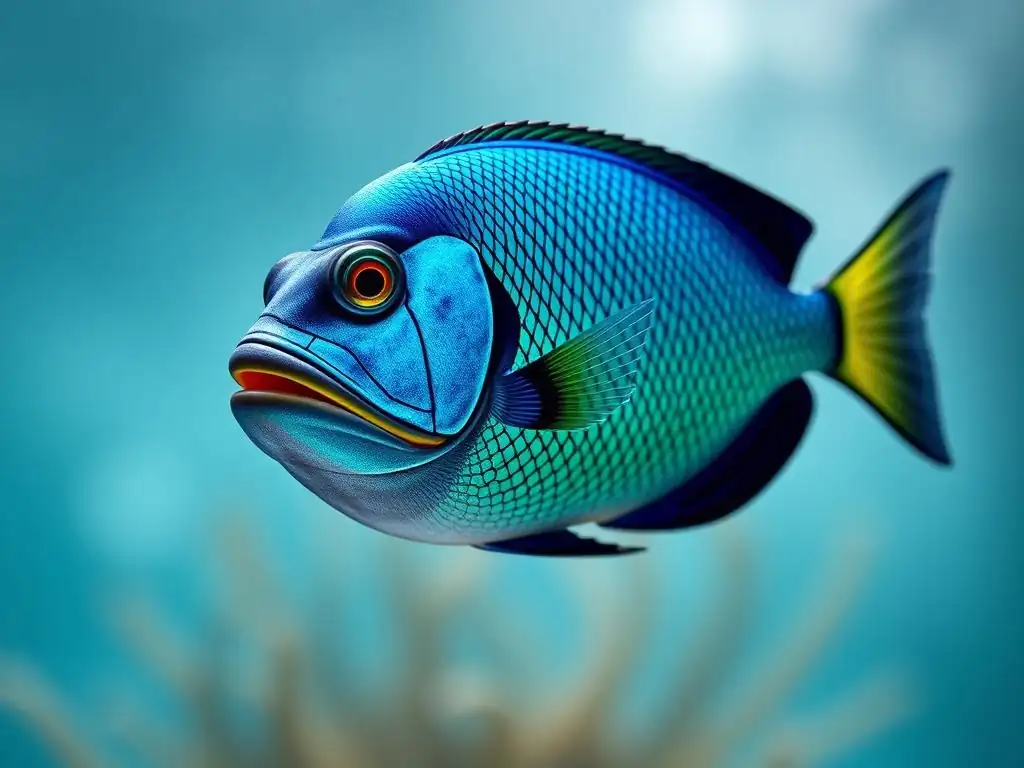
Recognizing Signs of Malnutrition in Tangs: Head and Lateral Line Erosion (HLLE) and Weight Loss
Recognizing the signs of malnutrition early is crucial for the health of your tang and its effectiveness as an algae eater. One of the most common and visible signs is Head and Lateral Line Erosion (HLLE). This condition manifests as pitting, lesions, or erosion along the lateral line and around the head, often appearing as white or grayish marks. While various factors contribute to HLLE, including poor water quality and stress, a diet lacking in essential vitamins (especially Vitamin A, C, and D), minerals, and proper amino acids is a significant cause.
Another clear indicator of malnutrition is noticeable weight loss. This can be observed as a sunken belly or a visibly prominent spine, indicating that the fish is not receiving adequate calories or nutrients. If these symptoms appear, it is imperative to reassess the tang's diet, water parameters, and overall tank environment to ensure a comprehensive and balanced Tang algae eating diet is being provided. Prompt action can often reverse the early stages of HLLE and prevent further deterioration of health.
Proper Feeding Schedules and Amounts for Algae Eaters
Establishing a proper feeding schedule and managing the amount of food offered is critical for preventing both overfeeding and underfeeding in tangs. While tangs are continuous grazers, supplemental feeding should be carefully controlled. A general guideline is to offer prepared foods, such as Nori or spirulina flakes, 2-3 times per day in small quantities. The goal is for the food to be consumed within a few minutes, preventing excess from decaying and contributing to water pollution.
For Nori, a piece roughly the size of a credit card for a medium tang should be sufficient for a single feeding, allowing them to graze on it for an hour or two. Overfeeding prepared foods not only degrades water quality by increasing nitrates and phosphates but also reduces the tang's motivation to graze on natural algae, thereby undermining its role as an algae controller. A balanced approach ensures the tang receives necessary nutrients while still encouraging its natural Tang algae eating diet.
Avoiding Competition for Algae: Choosing Compatible Tank Mates
Competition for food, specifically algae, can significantly impact a tang's ability to maintain its nutritional needs and control algae growth. When selecting tank mates, it's important to consider their dietary habits. Other highly herbivorous fish, such as certain blennies (e.g., Lawnmower Blennies) or multiple tangs in an undersized tank, can compete directly for the limited algae resources. This competition can lead to stress, aggression, and ultimately, malnutrition for the less dominant fish.
To minimize competition, ensure your tank is adequately sized for all its inhabitants, providing ample grazing surfaces. Research the dietary needs and territorial behaviors of potential tank mates carefully. If competition becomes an issue, increasing the frequency of supplemental feedings of Nori and other algae-based foods can help ensure all herbivorous fish receive adequate nutrition, preserving the effectiveness of each fish's contribution to the tank's Tang algae eating diet.
Identifying and Addressing Algae Blooms in Your Aquarium
Types of Algae Tangs Consume: Green Hair Algae, Diatoms, and Cyanobacteria
Tangs are highly effective at consuming certain types of nuisance algae, making them valuable members of a clean-up crew. Their primary targets include various forms of green hair algae (filamentous green algae), which they graze upon enthusiastically, especially when it is young and tender. Many species, particularly Bristletooth Tangs like the Kole Tang, are also excellent at consuming diatoms, which appear as brown, dusty films on sand, rocks, and glass during the cycling phase or due to silicate issues.
While tangs are less effective against tougher algae like Bryopsis or more advanced stages of Cyanobacteria (red slime algae), some tangs may pick at the edges of cyanobacteria mats, disturbing them and making them easier to remove manually or for other clean-up crew members to access. However, it's important to note that a tang is a part of the solution, not the sole solution, for severe algae outbreaks. Their Tang algae eating diet is best utilized for daily maintenance rather than as a cure for rampant blooms.
Controlling Algae Growth: Balancing Nutrients, Lighting, and Water Flow
Effective algae control in a saltwater aquarium relies on a balanced approach involving nutrients, lighting, and water flow, with a tang's grazing being a key component. High levels of nitrates (above 10 ppm) and phosphates (above 0.03 ppm) are primary fuel for nuisance algae. Implementing robust nutrient export methods, such as regular water changes with RO/DI water, a well-functioning protein skimmer, and potentially a refugium or GFO reactor, is crucial to keep these levels in check.
Lighting plays another significant role; excessive photoperiods (more than 8-10 hours) or incorrect spectrums can fuel unwanted algae. Ensuring proper water flow prevents dead spots where detritus accumulates and algae can thrive. By meticulously managing these three factors, you create an environment where desirable microalgae can grow for your tang's consumption, while nuisance algae are starved, allowing your Tang algae eating diet strategy to be most effective.
When Algae Control Goes Wrong: Recognizing and Addressing Imbalances
Despite having a tang, algae overgrowth can still occur, signaling underlying imbalances in the aquarium ecosystem. If your tang is actively grazing but algae persists or worsens, it often points to an overwhelming nutrient input or an imbalance in lighting. Common culprits include overfeeding, using tap water with high silicates or phosphates, insufficient water changes, or old light bulbs that shift spectrum and encourage undesirable algae.
To address this, systematically review your maintenance routine:
- Test water parameters meticulously: Check nitrates, phosphates, and silicates.
- Evaluate feeding habits: Are you overfeeding?
- Assess lighting: Is the photoperiod too long? Are bulbs old and due for replacement?
- Ensure adequate flow: Are there any stagnant areas?
- Consider additional nutrient export: Does your protein skimmer need cleaning? Is a refugium or GFO reactor necessary?
By identifying and correcting these imbalances, you can optimize the environment for your tang to effectively manage algae as part of its natural Tang algae eating diet.
Maintaining a Healthy Tang for Effective Algae Control
Quarantine Procedures for New Tangs
Quarantining new tangs is an absolutely critical step for their long-term health and the well-being of your entire aquarium. Tangs are notoriously susceptible to common marine parasites like Ich (Cryptocaryon irritans) and Marine Velvet (Amyloodinium ocellatum), and introducing an infected fish directly into your display tank can devastate your existing fish population. A dedicated quarantine tank (QT) should be set up with stable water parameters, a heater, an air stone, and minimal decor for easy observation.
The recommended quarantine period is typically 4-6 weeks, during which the fish can be observed for signs of disease and undergo prophylactic treatments if necessary (e.g., copper-based medications for parasites). A healthy, stress-free tang that has successfully completed quarantine will be more resilient, more active, and consequently, a much more effective algae eater, readily engaging in its natural Tang algae eating diet without the burden of illness.
Common Diseases Affecting Tangs and Their Impact on Algae Consumption: Ich and Marine Velvet
Tangs are particularly prone to external parasites such as marine Ich (Cryptocaryon irritans) and Marine Velvet (Amyloodinium ocellatum). Ich manifests as small, white spots resembling salt grains on the fish's body and fins, often accompanied by scratching against tank decor and rapid breathing. Marine Velvet is far more aggressive, appearing as a fine, dusty, yellowish-brown coating, leading to severe gill damage and rapid death if untreated.
Both diseases cause immense stress, weaken the fish's immune system, and severely impact their appetite and activity levels. An infected tang will lose interest in grazing on algae, becoming lethargic and often refusing all food. This not only jeopardizes the fish's life but also eliminates its contribution to algae control. Prompt diagnosis and treatment, often involving copper-based medications or hyposalinity in a quarantine tank, are essential to restore the tang's health and its capacity for an effective Tang algae eating diet.
Regular Tank Maintenance for a Thriving Tang and Algae Ecosystem
Consistent and thorough tank maintenance is paramount for fostering a healthy environment where your tang can thrive and effectively manage algae. Regular water changes, typically 10-20% bi-weekly or monthly depending on bioload, replenish essential trace elements and remove accumulated nitrates and phosphates. This helps prevent nuisance algae blooms while ensuring water quality remains optimal for tang health. Siphoning the substrate to remove detritus and uneaten food also contributes significantly to nutrient export.
Beyond water changes, routine tasks include cleaning the protein skimmer collection cup, checking filter media, and cleaning the aquarium glass to prevent excessive buildup. A clean and stable environment reduces stress on your tang, strengthens its immune system, and encourages its natural grazing behavior. This diligent maintenance directly supports the tang's ability to maintain its Tang algae eating diet and contribute to the overall cleanliness and balance of your reef aquarium.
Troubleshooting Common Problems with Tangs and Algae Control
Tangs Not Eating Algae: Potential Causes and Solutions
If your tang, typically a voracious algae eater, suddenly loses interest in grazing, several factors could be at play. Stress is a primary cause, stemming from new tank mates, insufficient space, or unstable water parameters. Illness, even in its early stages, can also suppress appetite; observe for signs like lethargy, clamped fins, or unusual spots. Overfeeding prepared foods is another common culprit, as a tang that is constantly full from Nori or pellets may have less motivation to graze on natural algae.
To address this, first check all water parameters for stability and optimal levels. Observe tank dynamics for aggression. If the tang appears healthy, reduce the amount of supplemental food offered to encourage natural grazing. If illness is suspected, move the tang to a quarantine tank for observation and potential treatment. Sometimes, introducing a different type of macroalgae or allowing a small patch of green hair algae to grow can re-stimulate a tang's natural Tang algae eating diet instinct.
Aggressive Behavior Towards Other Fish: Managing Tank Dynamics
Tangs, especially as they mature, can exhibit aggressive behavior, particularly towards other tangs or fish with similar body shapes. This aggression often stems from territorial disputes and insufficient swimming space. When a tang is stressed by its tank mates, its focus shifts from grazing to defense, leading to reduced algae consumption and increased stress for all inhabitants.
To mitigate aggression, ensure your tank meets or exceeds the minimum size requirements for your specific tang species. Introducing fish in order from least to most aggressive can help establish territories more peacefully. Providing ample rockwork with caves and crevices can offer hiding spots and break up lines of sight, reducing confrontations. In severe cases, rearranging the aquascape can sometimes reset territories. A less stressed tang is a more effective grazier, contributing more consistently to the tank's Tang algae eating diet and overall health.
Algae Overgrowth Despite Having a Tang: Identifying Underlying Issues
Even with an active tang, persistent algae overgrowth indicates underlying issues that the tang alone cannot resolve. The most common cause is an imbalance in nutrients, particularly nitrates exceeding 10 ppm and phosphates above 0.03 ppm. These elevated levels provide a continuous food source for nuisance algae, overwhelming the tang's grazing capacity. Poor quality source water (e.g., tap water with high dissolved solids), overfeeding, or insufficient water changes are frequent contributors to high nutrient levels.
Another factor is lighting: an excessively long photoperiod (over 10 hours) or an old light bulb with a shifted spectrum can also fuel algae blooms. Inadequate water flow can create dead spots where detritus settles and algae thrives. To effectively combat this, systematically review your nutrient export methods, test your RO/DI water, adjust your lighting schedule, and ensure comprehensive water circulation. Addressing these root causes, in conjunction with your tang's natural Tang algae eating diet, will lead to a healthier, more balanced aquarium.
Frequently Asked Questions
How important is algae in a Tang's diet?
Algae is absolutely essential for Tangs. It provides crucial vitamins and minerals that support their immune system and overall health. Without sufficient algae, they can become susceptible to disease.
What types of algae are best for Tangs?
Tangs thrive on a variety of algae, including green hair algae, brown algae, and red algae. Offering a diverse selection helps ensure they receive a well-rounded nutrient profile. Nori (dried seaweed) is also a good supplement.
How can I encourage algae growth in my aquarium?
Providing adequate lighting and maintaining proper water parameters (especially nitrates and phosphates) can encourage healthy algae growth. However, excessive nutrients can lead to unwanted algae blooms, so monitoring is key.
Besides algae, what else should I feed my Tang?
While algae should be the primary food source, supplement their diet with high-quality marine flake food or pellets formulated for herbivores. Offer occasional treats like blanched vegetables (e.g., zucchini, spinach).
What size tank do I need to keep a Tang healthy and happy given their algae-eating habits?
Tangs require a large tank to provide ample swimming space and sufficient algae grazing area. Most Tang species need a tank of at least 75 gallons, and many require even larger tanks (125 gallons or more) to thrive.
Final Reflection: Harnessing Nature's Algae Eaters
The insights shared throughout this article, focusing on optimizing a Tang's algae-eating capabilities, are more relevant than ever in today's reef-keeping landscape. With increasing awareness of sustainable practices and the delicate balance of our aquatic ecosystems, understanding how to naturally control algae growth in our tanks becomes paramount. This isn't just about aesthetics; it's about fostering a healthy and thriving environment for all our marine inhabitants.
This journey into the world of Tangs and their dietary needs has underscored the profound impact we have on the lives of these magnificent creatures. It's a constant reminder that responsible reef-keeping extends beyond simply providing food and water; it requires a deep understanding of their natural behaviors and a commitment to replicating their ideal environment. In the end, we will conserve only what we love; we will love only what we understand; and we will understand only what we are taught.
- Baba Dioum. This quote perfectly encapsulates the essence of our responsibility as aquarists.
Now, armed with this knowledge of the "Tang algae eating diet" and optimal tank setup, I invite you to reflect on your own practices. Consider how you can further refine your approach to create a more natural and balanced ecosystem within your aquarium. Let's strive to be not just keepers of reefs, but stewards of the ocean, one tank at a time.
Unleash Your Tang's Algae-Busting Potential!
Thank you for exploring the world of Tangs and their incredible algae-eating abilities! Now that you're equipped with the knowledge to optimize your tank, it's time to put those insights into action.
Here are a few next steps you can take:
- Prioritize your Tang's environment: Ensure your tank provides ample swimming space and hiding spots to reduce stress, thus encouraging natural foraging behavior.
- Share this article with fellow aquarists interested in natural algae control or passionate about the welfare of Tang fish.
- Experiment with offering a variety of seaweed types beyond just nori, such as Gracilaria or Ulva, to diversify your Tang's diet and observe which they prefer.
What surprising observation have you made about your Tang's algae-eating habits, and how did you adjust your tank setup or diet to maximize their potential?