
Bicolor Blenny: A Characterful Addition – Friend or Foe to Corals?

Welcome to Aquarium Mastery!
Ever wondered if that vibrant Bicolor Blenny is the perfect reef tank companion, or a potential coral menace? You're in the right place! Dive in as we unravel the mysteries of Bicolor Blenny coral compatibility, exploring their unique personalities and providing expert insights to help you create a harmonious and thriving saltwater aquarium. Ready to discover if this colorful character is a friend or foe? Let's explore!
- Introduction to the Bicolor Blenny: Is it Reef Safe?
- Bicolor Blenny Behavior: Exploring Grazing Habits and Temperament
- Bicolor Blenny and Coral: A Detailed Look at Compatibility
- Creating a Reef-Safe Environment for Bicolor Blennies
- Managing Problem Bicolor Blennies: Strategies for Coral Protection
- Bicolor Blenny Care Guide: Ensuring Health and Longevity
- Bicolor Blenny vs. Other Algae-Eating Fish: A Comparison
- Conclusion: The Bicolor Blenny in a Reef Aquarium – A Balanced Perspective
-
Frequently Asked Questions
- How does a Bicolor Blenny typically interact with corals in a reef aquarium?
- What factors might influence a Bicolor Blenny's behavior towards corals?
- What are the benefits of having a Bicolor Blenny in a reef tank?
- What type of corals are most likely to be targeted by a Bicolor Blenny?
- What can I do if my Bicolor Blenny is nipping at my corals?
- Final Reflection: Navigating the Reef's Complex Harmony
- Unleash the Bicolor Blenny's Charm in Your Reef Tank!
Introduction to the Bicolor Blenny: Is it Reef Safe?
Understanding the Allure of the Bicolor Blenny for Reef Aquariums
The Bicolor Blenny (Escenius bicolor) stands out as a highly sought-after inhabitant for many marine aquarists, primarily due to its striking appearance and engaging personality. Its small size, typically reaching only about 4 inches (10 cm), makes it an ideal candidate for a variety of tank sizes, including smaller reef systems where larger fish might not thrive. Beyond its aesthetic appeal, the Bicolor Blenny is also valued for its natural grazing habits, which can contribute to controlling nuisance algae within the aquarium environment.
Aquarists are often captivated by the Bicolor Blenny's curious and active nature. These fish are known for perching on rocks and observing their surroundings, often darting between crevices with surprising agility. Their distinct coloration, combined with their charming antics, adds significant character to a reef tank, making them a focal point for observation and enjoyment. This combination of practical benefits and charismatic behavior makes the Bicolor Blenny a perennial favorite among saltwater enthusiasts.
Bicolor Blenny Profile: Size, Appearance, and Natural Habitat
The Bicolor Blenny is instantly recognizable by its unique coloration, which gives it its name. The front half of its body, including the head and pectoral fins, is typically a dark brown or black, while the rear half transitions sharply to a contrasting light orange or tan. Some individuals may exhibit slight variations in hue, but the distinct two-tone pattern remains consistent. They possess large, expressive eyes and a characteristic blenny mouth, adapted for grazing.
In its natural habitat, the Bicolor Blenny is found across the Indo-Pacific region, ranging from the Red Sea and East Africa to the central Pacific Ocean. These blennies typically inhabit shallow reef environments, particularly areas rich in live rock and rubble, where they can find abundant algae to graze upon and numerous crevices for shelter. They are often observed perching on rocks or coral branches, poised to retreat into a safe hiding spot at a moment's notice.
Bicolor Blenny: Coral Compatibility - The Central Question
The primary concern for aquarists considering a Bicolor Blenny for a reef tank revolves around its Bicolor blenny coral compatibility. While often marketed as "reef-safe," their dietary habits, which primarily involve grazing on filamentous algae, can sometimes lead to opportunistic nipping at coral polyps. This behavior is not universal; some individuals may never bother corals, while others develop a taste for certain soft or fleshy polyps.
This variability in behavior makes it challenging to definitively label the Bicolor Blenny as 100% reef-safe. The central question for any reef keeper is whether the potential benefits of its algae-grazing habits and captivating personality outweigh the risk of coral damage. Understanding the nuances of their diet, temperament, and the specific needs of a reef environment is crucial for making an informed decision about introducing this species.
Bicolor Blenny Behavior: Exploring Grazing Habits and Temperament
The Bicolor Blenny's Diet: Algae Grazing and Potential Coral Nipping
Bicolor Blennies are primarily herbivorous, with their natural diet consisting largely of filamentous algae and detritus found on live rock and substrate. In a well-established reef aquarium, they will actively graze on green, brown, and even some types of red algae, contributing to the tank's natural cleanup crew. This makes them attractive for aquarists battling nuisance algae.
However, despite their preference for algae, some Bicolor Blennies may develop a tendency to nip at coral polyps. This behavior is often attributed to a lack of sufficient algae or supplemental food in the aquarium, leading the blenny to explore other potential food sources. It can also be a case of mistaken identity, where the blenny perceives soft coral polyps as a form of algae, or simply an individual's unique behavioral quirk. While not typically a dedicated corallivore, even occasional nipping can stress corals and lead to tissue recession or infection, impacting overall Bicolor blenny coral compatibility.
Bicolor Blenny Temperament: Peaceful or Aggressive Towards Tank Mates?
Generally, the Bicolor Blenny is considered a peaceful fish, making it a suitable tank mate for a wide range of non-aggressive marine species. They typically ignore other fish that are not similar in shape or niche. Their interactions with other fish are usually limited to avoiding them or briefly defending a chosen perch or hiding spot.
However, they can exhibit territorial behavior towards conspecifics (other Bicolor Blennies) or fish that look very similar, such as other blenny species or small gobies that occupy the same bottom-dwelling niche. In smaller tanks, this territoriality can escalate, so it's generally recommended to keep only one Bicolor Blenny per aquarium unless the tank is exceptionally large (e.g., over 75 gallons) and offers ample hiding spots and distinct territories. This consideration is vital for maintaining a harmonious tank environment and indirectly affects Bicolor blenny coral compatibility by reducing stress.
Observing Bicolor Blenny Behavior in a Reef Tank Environment
Close observation of a Bicolor Blenny's behavior is paramount, especially when assessing its Bicolor blenny coral compatibility. Upon introduction, provide ample live rock with plenty of crevices and perching spots to help the blenny establish its territory and feel secure. Monitor its grazing habits, noting if it consistently targets filamentous algae or if it frequently approaches and mouths corals.
Pay particular attention during feeding times, as a well-fed blenny is less likely to seek alternative food sources like coral polyps. If any signs of coral nipping are observed, such as polyps retracting more frequently or small nips appearing on coral tissue, immediate action may be required. Early detection allows for intervention strategies like increased feeding or coral relocation, potentially mitigating the long-term impact on your reef.
Bicolor Blenny and Coral: A Detailed Look at Compatibility
Bicolor Blenny Coral Compatibility: Identifying Potential Risks
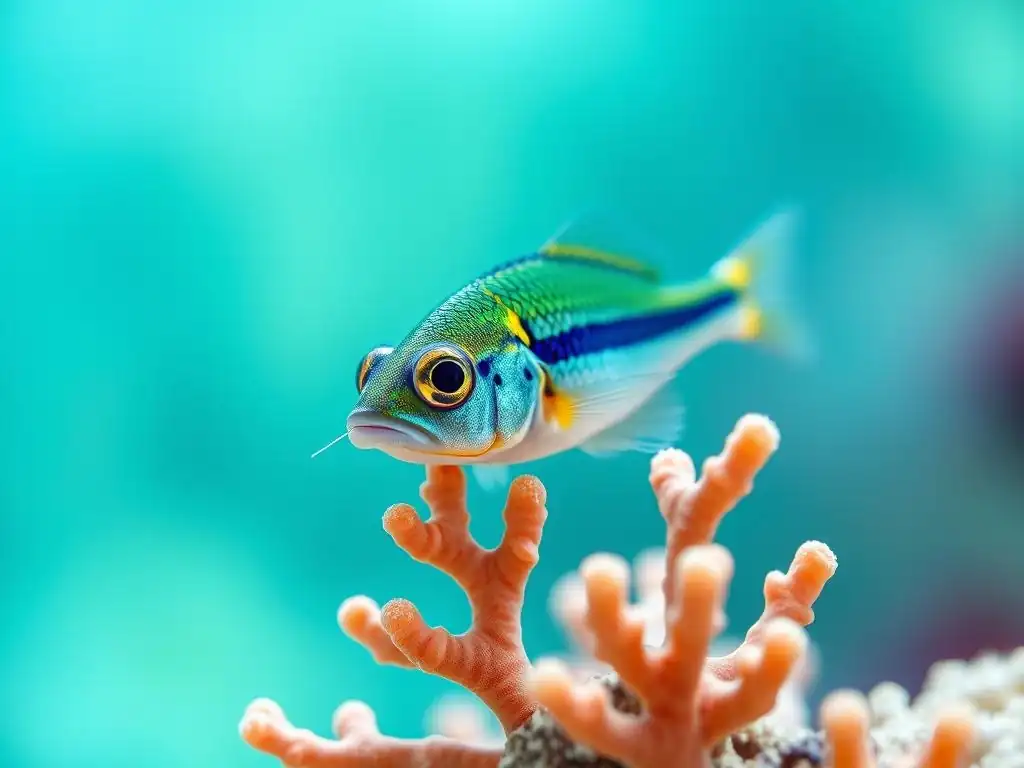
The core concern regarding Bicolor blenny coral compatibility lies in their unpredictable tendency to nip at corals. While many Bicolor Blennies co-exist peacefully in reef tanks, a significant percentage, perhaps around 20-30% based on anecdotal reports from experienced aquarists, may develop a habit of nipping or even consuming coral polyps. This behavior is not necessarily driven by hunger for coral tissue but rather an opportunistic exploration of potential food sources, or in some cases, a taste for the specific nutrients found within the polyps.
The primary risk associated with this behavior is not necessarily the immediate death of a coral, but rather chronic stress and tissue damage. Repeated nipping can lead to tissue recession, increased susceptibility to bacterial infections, and a general decline in the coral's health and growth. For valuable or sensitive coral colonies, even minor nipping can result in significant losses over time, making careful consideration of Bicolor blenny coral compatibility essential.
Coral Species at Risk: Which Corals Are Most Vulnerable to Bicolor Blennies?
Certain coral species are more vulnerable to nipping from Bicolor Blennies than others. Soft corals, particularly those with fleshy polyps or a slimy texture, are often the primary targets. Examples include Zoanthids (Palythoa and Zoanthus species), Pulsing Xenia (Xenia spp. ), and various types of mushrooms (Rhodactis, Discosoma spp.). These corals may be perceived as palatable or easy to consume due to their soft structure.
Large Polyp Stony (LPS) corals, such as Euphyllia (e.g., Frogspawn, Hammer, Torch corals), Acanthophyllia, and Cynarina, can also be at risk, especially their extended, fleshy polyps. While Small Polyp Stony (SPS) corals like Acropora and Montipora are generally less susceptible due to their hard, compact polyps, a persistent blenny might still nip at the very tips of polyps, potentially stressing the coral. Therefore, assessing Bicolor blenny coral compatibility involves understanding which corals in your tank are most at risk.
Identifying Bicolor Blenny Coral Nipping Behavior: What to Watch For
Observing specific behaviors can help identify if your Bicolor Blenny is nipping corals. The most direct sign is seeing the blenny actively mouth or peck at coral polyps. This is distinct from simply perching on or near the coral. Look for instances where the blenny's mouth makes direct contact with the coral tissue, particularly at the polyp tips or edges.
Indirect signs of coral nipping include corals that are persistently retracted, fail to extend their polyps fully, or show signs of tissue recession despite otherwise stable water parameters. For instance, a colony of Zoanthids that previously opened widely but now remains closed or has visible nips on the polyps could indicate blenny activity. Comparing the affected coral's appearance over a few days can help confirm if the damage is ongoing and directly related to the blenny's presence, providing critical information for managing Bicolor blenny coral compatibility.
Creating a Reef-Safe Environment for Bicolor Blennies
Optimizing Tank Conditions to Minimize Coral Nipping
Establishing an optimal tank environment is crucial for minimizing the likelihood of a Bicolor Blenny developing coral-nipping habits. A mature aquarium, typically one that has been running for at least 6-12 months, provides a stable ecosystem with established microfauna and a healthy biofilm layer for grazing. This ensures a consistent natural food source for the blenny, reducing its reliance on supplemental feeding and potentially alleviating the urge to nip at corals.
Furthermore, maintaining pristine water parameters is vital. Stable temperature (72-78°F or 22-26°C), salinity (1.023-1.026 specific gravity), pH (8.1-8.4), and alkalinity (8-12 dKH) contribute to the overall health of both the blenny and the corals. A healthy, unstressed blenny is generally less prone to developing problematic behaviors, thereby enhancing Bicolor blenny coral compatibility.
Providing Adequate Algae and Food Sources for Bicolor Blennies
A well-fed Bicolor Blenny is significantly less likely to resort to coral nipping. Their diet should be supplemented with high-quality, plant-based foods daily. Offer spirulina flakes, marine pellets formulated for herbivores, and dried algae sheets (nori), which can be affixed to a clip within the tank. Nori is particularly effective as it allows the blenny to graze naturally, mimicking its wild feeding behavior.
Varying the diet and feeding multiple small meals throughout the day, rather than one large meal, can keep the blenny satiated and occupied. Consider rotating different types of algae sheets or introducing algae-covered rocks from a dedicated frag tank or algae reactor if available. This consistent and varied food supply is a key strategy in promoting positive Bicolor blenny coral compatibility.
Selecting Compatible Tank Mates for a Bicolor Blenny in a Reef Tank
Choosing appropriate tank mates is another essential step in creating a harmonious reef environment that supports positive Bicolor blenny coral compatibility. Opt for peaceful, non-aggressive fish that will not outcompete the blenny for food or territory. Good choices often include small wrasses (e.g., Possum Wrasse, Six-Line Wrasse), certain gobies (e.g., Watchman Goby, Diamond Watchman Goby), and small, docile damselfish (e.g., Blue Green Chromis).
Avoid housing Bicolor Blennies with other blenny species, especially those with similar body shapes or dietary needs, as this can lead to territorial disputes and stress. Similarly, highly aggressive or predatory fish should be avoided, as they can intimidate the blenny and cause it to hide excessively, impacting its overall well-being and potentially leading to stress-induced behavioral issues.
Managing Problem Bicolor Blennies: Strategies for Coral Protection
Redirecting Bicolor Blenny Grazing: Alternative Food Sources
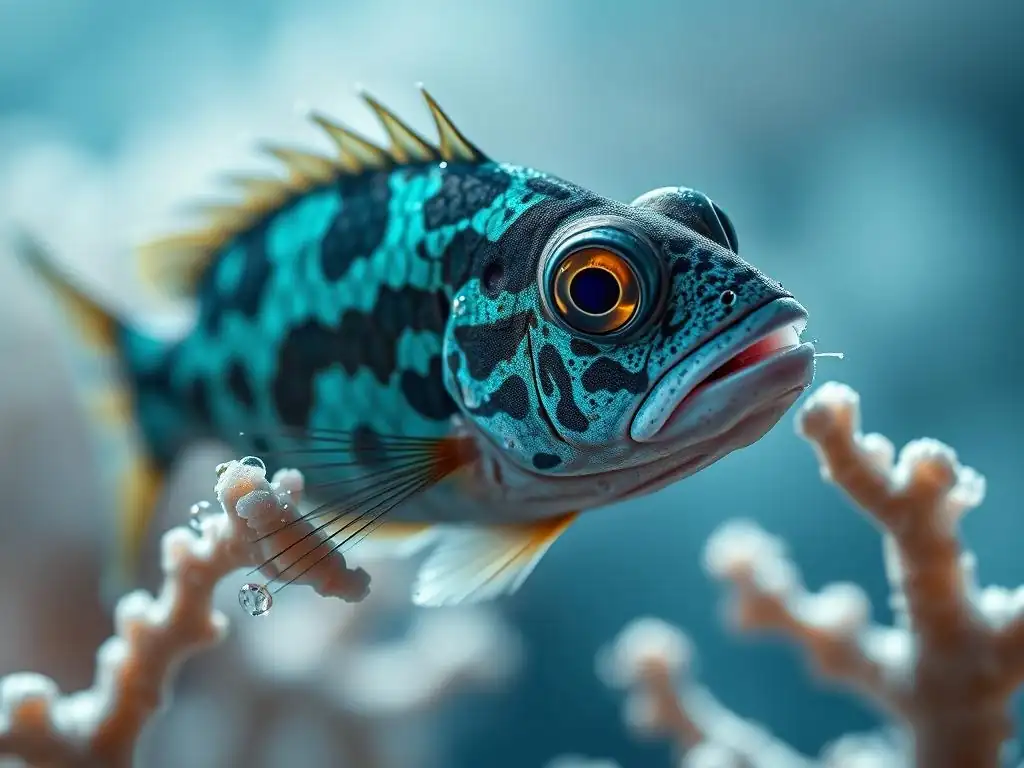
If a Bicolor Blenny begins to nip at corals, the first line of defense is to intensify and diversify its food sources. Increase the frequency of feedings, aiming for 2-3 small feedings throughout the day instead of one large one. This ensures a constant supply of food, reducing the motivation for the blenny to seek out coral polyps. Offer various types of dried algae, such as green, red, or brown nori, attached to a feeding clip.
Consider enriching their diet with frozen herbivore preparations that contain spirulina, marine algae, and other plant matter. Some aquarists have also found success by introducing a small, dedicated "algae rock" from another tank or a refugium, which is heavily covered in desirable filamentous algae. Placing this rock near the blenny's favorite perching spot can redirect its grazing efforts away from valuable corals, significantly improving Bicolor blenny coral compatibility.
Coral Placement: Strategic Arrangement to Minimize Nipping
Strategic placement of corals can help protect them from a nipping Bicolor Blenny. If you have particularly vulnerable or valuable soft corals (e.g., Zoanthids, Xenia) or fleshy LPS corals, consider placing them in areas of the tank that are less accessible to the blenny. This might include higher up on the rockwork, in areas with stronger flow that the blenny avoids, or in crevices where the blenny cannot easily perch.
Conversely, if the blenny consistently targets a specific area, you might place less desirable or more resilient corals in that zone, or even a piece of artificial coral that the blenny can nip without causing damage. While this is not a guaranteed solution, it can buy time and potentially reduce the incidence of damage while you implement other feeding strategies to improve Bicolor blenny coral compatibility.
The Last Resort: Removing a Coral-Nipping Bicolor Blenny
Despite best efforts, some Bicolor Blennies will persistently nip at corals, causing unacceptable damage. In such cases, removing the blenny from the reef tank may become the only viable option to protect your coral investment. This decision should not be taken lightly, as catching a blenny in a well-aquascaped tank can be challenging.
Methods for removal include using a fish trap, which can be baited with a favorite food like nori or frozen Mysis shrimp. Another approach, though more disruptive, involves carefully dismantling portions of the rockwork where the blenny habitually hides to net it. Once removed, the blenny can be rehomed to a fish-only tank, a tank without sensitive corals, or to another aquarist. This step, while unfortunate, ensures the long-term health and vibrancy of your coral collection, ultimately defining the limits of Bicolor blenny coral compatibility for that individual.
Bicolor Blenny Care Guide: Ensuring Health and Longevity
Essential Water Parameters for Bicolor Blenny Health
Maintaining stable and appropriate water parameters is fundamental to the health and longevity of a Bicolor Blenny. These hardy fish thrive in conditions typical of a healthy marine reef aquarium. The ideal temperature range is between 72-78°F (22-26°C), with a specific gravity of 1.023-1.026. pH levels should be maintained between 8.1 and 8.4, and alkalinity (dKH) should be stable, typically between 8-12 dKH.
Crucially, ammonia and nitrite levels must be undetectable (0 ppm), and nitrates should be kept as low as possible, ideally below 10-20 ppm. Regular water changes, typically 10-20% weekly or bi-weekly, are essential for nutrient export and replenishing trace elements. Consistent monitoring with reliable test kits ensures these parameters remain within the optimal range, reducing stress and contributing to positive Bicolor blenny coral compatibility through overall fish health.
Common Bicolor Blenny Diseases and Prevention
Bicolor Blennies are generally robust fish, but like all marine inhabitants, they are susceptible to common saltwater diseases if stressed or introduced into an unstable environment. The most common ailments include Marine Ich (Cryptocaryon irritans) and Marine Velvet (Amyloodinium ocellatum). Symptoms often include white spots on the body or fins, rapid breathing, and flashing against rocks.
Prevention is key and primarily involves a thorough quarantine process for all new fish, typically lasting 4-6 weeks, before introduction to the main display tank. During quarantine, observe for signs of disease and treat if necessary. Maintaining stable water parameters, providing a varied and nutritious diet, and ensuring a stress-free environment with ample hiding spots significantly boost the blenny's immune system, making it more resilient to pathogens.
Bicolor Blenny Tank Size and Setup Recommendations
A single Bicolor Blenny can be comfortably housed in a well-established marine aquarium of at least 20-30 gallons (approximately 75-115 liters). While they are small, they are active and appreciate space to explore and establish territory. For multiple blennies or a mixed reef with other fish, a larger tank (e.g., 50 gallons or more) is highly recommended to provide adequate space and reduce potential territorial disputes.
The tank setup should include ample live rock with numerous crevices, caves, and overhangs, which serve as essential hiding spots and perching locations. Bicolor Blennies spend much of their time perched, observing their surroundings, so varied rockwork is crucial for their well-being. Moderate water flow and lighting suitable for a typical reef environment are also appropriate. A mature tank with established algae growth is beneficial for their grazing habits, further supporting Bicolor blenny coral compatibility.
Bicolor Blenny vs. Other Algae-Eating Fish: A Comparison
Bicolor Blenny vs. Lawnmower Blenny: Which is Better for Algae Control?
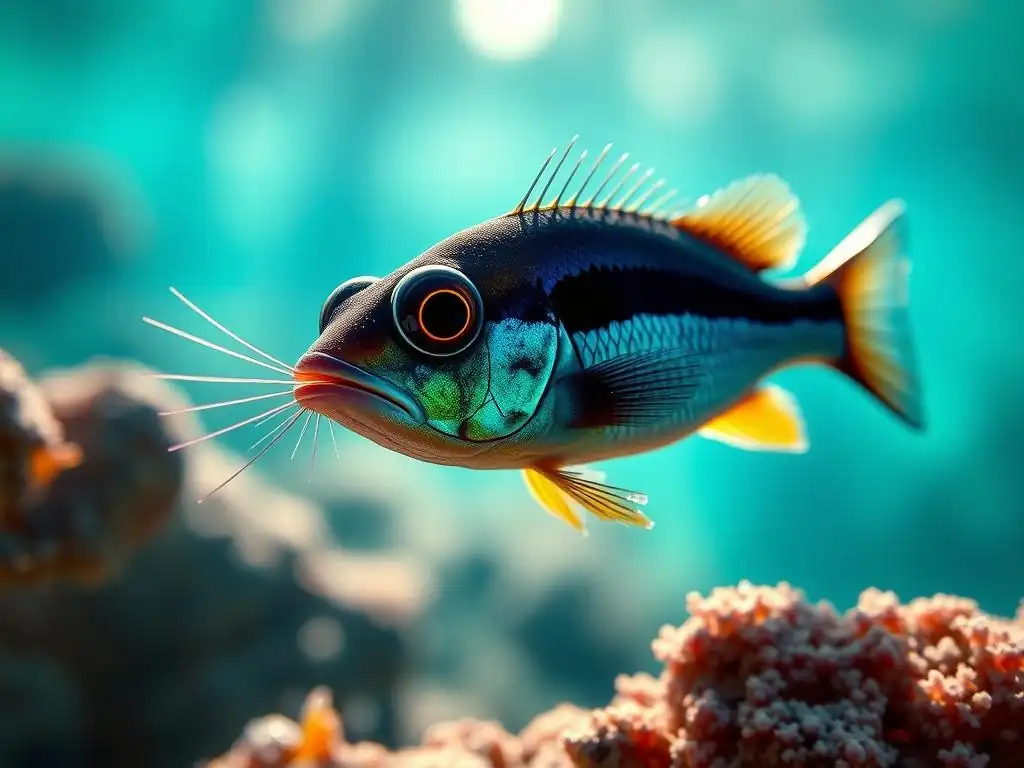
When considering algae control, the Bicolor Blenny (Escenius bicolor) and the Lawnmower Blenny (Salarias fasciatus) are often compared. The Lawnmower Blenny, also known as the Algae Blenny, is generally regarded as a more dedicated and efficient algae grazer due to its larger size (often reaching 5-6 inches) and specialized comb-like teeth, which are highly effective at scraping various types of filamentous algae from rockwork and glass. They are often seen constantly grazing, living up to their name.
The Bicolor Blenny, while also an herbivore and a grazer, is smaller and tends to be less effective at clearing large patches of nuisance algae. Its contribution to algae control is more subtle, focusing on picking at smaller strands and diatoms.
If primary algae control is the goal for a medium to large tank, the Lawnmower Blenny is typically the superior choice. However, the Bicolor Blenny often offers more striking coloration and a more outgoing personality, and its Bicolor blenny coral compatibility is generally considered slightly better than the Lawnmower Blenny, which can also occasionally nip at corals if underfed or bored.
Bicolor Blenny vs. Tangs: Reef Tank Compatibility and Algae Grazing Efficiency
Comparing Bicolor Blennies to Tangs (e.g., Yellow Tang, Kole Tang, Sailfin Tang) for algae control highlights a significant difference in scale and tank requirements. Tangs are large, active herbivores that can grow anywhere from 6 inches to over a foot in length, requiring much larger aquariums, typically 75 gallons or more for smaller species like the Yellow Tang, and several hundred gallons for larger ones.
Their grazing efficiency is far superior to a Bicolor Blenny, capable of consuming vast amounts of algae, including hair algae and even some bubble algae, making them excellent primary algae controllers for large reef systems.
The Bicolor Blenny, on the other hand, is suitable for much smaller reef tanks (20-30 gallons minimum) and offers localized grazing. Tangs are not suitable for smaller tanks where a Bicolor Blenny thrives due to their size and swimming needs. Therefore, the choice between them depends entirely on the size of the aquarium and the extent of the algae problem. Bicolor blenny coral compatibility is a nuanced topic for smaller tanks, whereas tangs are generally considered very reef-safe, but their massive size often precludes them from most home reef setups where blennies are considered.
Comparing Algae Eating Habits: Bicolor Blenny and Other Invertebrates
Beyond fish, several invertebrate species are highly effective algae eaters and complement the Bicolor Blenny's grazing habits. Snails, such as Trochus, Turbo, Nassarius, and Nerite snails, are excellent at continuously consuming biofilm and various types of algae from surfaces. Hermit crabs (e.g., Blue Leg, Red Leg) also contribute by scavenging detritus and some algae. Sea urchins, particularly pincushion urchins, are renowned for their voracious appetite for hair algae and even some tougher macroalgae.
The Bicolor Blenny's grazing is more targeted, often focusing on filamentous algae on rockwork and glass, and it adds a dynamic, visible element to the cleanup crew. Invertebrates, by contrast, work tirelessly and often reach areas that fish cannot. A combination of a Bicolor Blenny and a diverse cleanup crew of snails and hermit crabs provides a comprehensive approach to algae management in a reef tank, enhancing overall tank health and indirectly supporting Bicolor blenny coral compatibility by ensuring ample food sources.
Conclusion: The Bicolor Blenny in a Reef Aquarium – A Balanced Perspective
Weighing the Pros and Cons of Keeping a Bicolor Blenny with Corals
The decision to introduce a Bicolor Blenny into a reef aquarium requires a careful weighing of its benefits against potential risks. On the positive side, these blennies are highly characterful, adding personality and visual interest with their distinct coloration and active perching behavior. They also contribute to algae control by grazing on filamentous algae and detritus, acting as a natural cleanup crew. Their small size makes them suitable for a wide range of tank dimensions, including smaller nano reefs.
However, the primary concern revolves around their Bicolor blenny coral compatibility. While many individuals are perfectly reef-safe, a significant portion may develop a habit of nipping at soft or fleshy coral polyps, causing stress, tissue damage, and potential loss of valuable corals. This unpredictable behavior is the main drawback, requiring vigilant observation and potential intervention strategies if problems arise. The risk, though not universal, is real and must be acknowledged by any prospective owner.
Making an Informed Decision: Is a Bicolor Blenny Right for Your Reef Tank?
Ultimately, whether a Bicolor Blenny is the right choice for your reef tank depends on your individual risk tolerance and willingness to manage potential issues. If you have a tank filled with very sensitive or expensive soft corals and LPS corals, or if you prefer a "set it and forget it" approach to fish compatibility, a Bicolor Blenny might not be the ideal choice. The potential for coral nipping, while not guaranteed, is a factor that some aquarists may find too risky.
Conversely, if you appreciate the blenny's unique personality, are prepared to provide a rich, varied diet, and are committed to diligent observation and proactive management should nipping occur, a Bicolor Blenny can be a delightful addition. It's crucial to understand that no fish is 100% "reef-safe" in all circumstances, and Bicolor blenny coral compatibility is a prime example of this nuanced reality in marine aquariums.
Bicolor Blenny: A Rewarding Addition with Careful Planning and Observation.
The Bicolor Blenny can indeed be a very rewarding addition to a reef aquarium, bringing both aesthetic appeal and some level of algae control. Their engaging antics and vibrant coloration make them a captivating inhabitant that many aquarists cherish. However, their successful integration hinges entirely on careful planning and continuous observation.
By providing a mature tank with ample live rock, offering a consistent and varied diet rich in plant matter, and closely monitoring their behavior, particularly around corals, aquarists can significantly mitigate the risks associated with their Bicolor blenny coral compatibility. With thoughtful management and a proactive approach to any potential nipping, the Bicolor Blenny can thrive and become a cherished, long-term resident of your vibrant reef ecosystem.
Frequently Asked Questions
How does a Bicolor Blenny typically interact with corals in a reef aquarium?
Bicolor Blennies are generally considered reef safe with caution. While they often graze on algae, some individuals may nip at coral polyps, especially if algae is scarce.
What factors might influence a Bicolor Blenny's behavior towards corals?
Several factors can influence behavior, including individual temperament and the availability of food. A well-fed blenny with ample algae is less likely to bother corals.
What are the benefits of having a Bicolor Blenny in a reef tank?
Bicolor Blennies are excellent algae eaters, helping to control nuisance algae growth in the aquarium. They also add personality and activity to the tank.
What type of corals are most likely to be targeted by a Bicolor Blenny?
Some blennies may develop a taste for certain corals like LPS corals with fleshy polyps. Observation is key to determining if a particular blenny is targeting specific coral types.
What can I do if my Bicolor Blenny is nipping at my corals?
Ensure the blenny has plenty of algae to graze on and supplement their diet with algae wafers. If the nipping persists, consider rehoming the blenny.
The question of Bicolor Blenny coral compatibility isn't just a matter of aquarium keeping; it's a microcosm of the larger ecological challenges we face in understanding and preserving delicate ecosystems. The nuances of their behavior, as explored in this article, highlight the importance of informed decisions and responsible practices when introducing any species into a controlled environment, mirroring the broader responsibility we have towards the natural world. The potential for both benefit and harm underscores the need for continuous learning and adaptation.
This exploration into the Bicolor Blenny's role in a reef tank has profoundly impacted my perspective on the interconnectedness of life, even within the confines of a glass box. It's a constant reminder that every action, however small, has ripple effects throughout the entire system. In nature, nothing exists alone.
- Rachel Carson. This quote perfectly encapsulates the delicate balance we strive to maintain, and the potential consequences of disrupting it, whether in our own aquariums or the vast ocean.
Now, consider your own role in this intricate dance. How can you, armed with this knowledge, contribute to a more sustainable and harmonious approach to reef keeping, and perhaps even extend that understanding to the larger world around you? Let us all strive to be mindful stewards, carefully considering the impact of our choices and embracing the responsibility that comes with appreciating the beauty and complexity of life.
Unleash the Bicolor Blenny's Charm in Your Reef Tank!
Thank you for diving into the fascinating world of the Bicolor Blenny! We hope you've gained valuable insights into whether this characterful fish is the right fit for your aquarium. Now, let's put that knowledge into action and bring some reef-safe vibrancy to your underwater world.
- Take the plunge and carefully research reputable breeders or local fish stores to ensure you acquire a healthy and ethically sourced Bicolor Blenny for your reef.
- Share your Bicolor Blenny experiences! Comment on aquarium forums or social media groups, detailing your setup and observations. Help other aquarists navigate the joys and challenges of keeping these captivating creatures.
- Consider adding a diverse selection of algae-grazing invertebrates to your tank to complement the blenny's diet and maintain a balanced ecosystem.
Ready to create the ultimate reef paradise for your new Bicolor Blenny, or are you re-evaluating your stocking list after learning more about their potential impact on corals?