
The Nuances of pH & Hardness for Specific Tetra Breeding: An Aquarium Mastery Deep Dive

Welcome to Aquarium Mastery!
Ever wondered if you're really getting the pH and hardness right for successful Tetra breeding? This isn't just about keeping your fish alive; it's about creating the perfect environment for them to thrive and reproduce. Dive into our deep dive on Tetra breeding pH hardness and unlock the secrets to achieving consistent breeding success. Ready to discover the crucial nuances that make all the difference? Let's get started!
- Understanding the Critical Role of pH and Water Hardness in Tetra Breeding Success
- Defining pH and Hardness: A Refresher for Tetra Breeders
- Specific pH and Hardness Requirements for Popular Tetra Species
- Adjusting pH and Hardness for Tetra Breeding: Practical Strategies
- Maintaining Stable Water Parameters During Tetra Breeding: Avoiding Common Pitfalls
- Beyond pH and Hardness: Other Water Chemistry Considerations for Tetra Breeding
- Case Studies: Successful Tetra Breeding with Precise pH and Hardness Control
- Troubleshooting Tetra Breeding Issues Related to pH and Hardness
- Advanced Techniques for Optimizing Water Chemistry in Tetra Breeding
- Conclusion: Mastering pH and Hardness for Tetra Breeding Success
-
Frequently Asked Questions
- How crucial is pH for successfully breeding Tetras?
- What role does water hardness play in Tetra breeding?
- Where can I find the ideal pH and hardness levels for specific Tetra species?
- How can I safely adjust the pH and hardness in my aquarium?
- What are the consequences of ignoring pH and hardness requirements when breeding Tetras?
- Final Reflection: The Delicate Dance of Life
- Unlock Tetra Breeding Secrets Now!
Understanding the Critical Role of pH and Water Hardness in Tetra Breeding Success
Why Precise Water Parameters Matter for Tetra Reproduction
For successful tetra breeding, understanding and precisely controlling water parameters like pH and hardness is paramount. These seemingly minor chemical properties profoundly influence the physiological processes within the fish, directly impacting their reproductive capabilities. pH, which measures the acidity or alkalinity of water, affects enzyme activity, hormone production, and even the viability of sperm and eggs.
For instance, many wild tetras originate from soft, acidic blackwater environments, such as those found in the Amazon basin. In these natural habitats, even a slight pH shift, for example, from an optimal 6.0 to a more alkaline 7.5, can induce severe stress, disrupt internal osmoregulation, and suppress the intricate hormonal cascades necessary for spawning.
Similarly, water hardness, encompassing both general hardness (GH) and carbonate hardness (KH), plays a critical role. GH, representing the concentration of dissolved calcium and magnesium ions, is essential for the proper development of egg membranes and the health of the developing fry. KH, or alkalinity, acts as a buffer, stabilizing the pH and preventing drastic fluctuations.
If these parameters are not within the specific ideal range for a given tetra species, the fish may fail to condition for breeding, produce infertile eggs, or even absorb their eggs rather than release them. The delicate balance of these parameters ensures that the fish's internal environment is conducive to reproduction, optimizing the chances of successful fertilization and fry survival.
Tetra Breeding Challenges: pH and Hardness as Limiting Factors
Improper pH and hardness are frequently cited as primary limiting factors when aquarists struggle with tetra breeding. When water conditions deviate significantly from a species' natural requirements, tetras often exhibit a stress response that prioritizes survival over reproduction. This can manifest as a complete cessation of spawning activity, even if the fish appear otherwise healthy and well-fed.
For example, Neon Tetras (Paracheirodon innesi), renowned for their beauty but also their sensitivity, have shown significantly reduced spawning rates and higher egg mortality when water pH exceeds 7.0, compared to optimal ranges of 5.5-6.5. This directly impacts the number of viable eggs and subsequently, the number of fry.
Furthermore, water that is too hard, particularly with a high GH (above 8 dGH), can physically impede the fertilization process in species adapted to soft water. The egg membrane may become too tough for sperm to penetrate effectively, leading to a high percentage of unfertilized eggs that quickly succumb to fungal infections.
Conversely, insufficient buffering capacity (very low KH) can lead to rapid and dangerous pH crashes, especially in tanks with decomposing organic matter or CO2 injection, which can be fatal to delicate eggs and newly hatched fry. Addressing and meticulously managing the tetra breeding pH hardness is often the breakthrough point for aquarists aiming to propagate these captivating fish.
Defining pH and Hardness: A Refresher for Tetra Breeders
What is pH and How Does it Affect Tetra Spawning?
pH is a fundamental measure of the acidity or alkalinity of water, expressed on a scale from 0 to 14, where 7 is neutral, below 7 is acidic, and above 7 is alkaline. In the context of tetra breeding, pH is not merely a number; it dictates the very biochemistry within the fish and their environment.
It influences critical biological processes such as enzyme function, which are vital for digestion and metabolism, and the oxygen-carrying capacity of the fish's blood, a phenomenon known as the Bohr effect. Crucially, pH also determines the toxicity of ammonia; at higher pH levels, relatively harmless ammonium (NH4+) converts into highly toxic un-ionized ammonia (NH3), which can severely stress or kill breeding fish and their vulnerable fry.
For spawning, an optimal pH range acts as a biological trigger, encouraging the release of reproductive hormones and ensuring the viability of both sperm and eggs. Many tetra species, particularly those from the Amazon basin, require acidic conditions, often between pH 5.5 and 6.5, to successfully reproduce. Within this specific pH range, sperm motility is maximized, and egg development proceeds without osmotic stress.
Deviation from this range can lead to reduced fertilization rates, malformed fry, or eggs that fail to hatch. For instance, maintaining a pH of 6.0-6.5 is often considered ideal for many Amazonian tetras, as it aligns with their natural environment and supports their delicate reproductive cycle.
Understanding Water Hardness (GH and KH) in the Context of Tetra Breeding
Water hardness is typically measured in two primary forms: General Hardness (GH) and Carbonate Hardness (KH). GH quantifies the concentration of dissolved divalent metal ions, primarily calcium and magnesium, which are crucial for a fish's osmotic regulation—the process of balancing water and salt inside their bodies.
For tetra breeding, adequate GH is essential for the proper development of the egg membrane, ensuring it is permeable enough for fertilization but robust enough to protect the developing embryo. Many tetra species, especially those native to blackwater rivers, require very soft water, typically ranging from 0-5 dGH (degrees of General Hardness), for successful egg hatching and fry development.
KH, also known as alkalinity or temporary hardness, measures the concentration of carbonate and bicarbonate ions. Its primary role in an aquarium is to act as a buffer, preventing rapid and drastic fluctuations in pH. These carbonate ions neutralize acids that are naturally produced in an aquarium (e.g., from fish respiration, nitrification, or decaying organic matter), thereby stabilizing the pH.
For tetra breeding, particularly for species that require acidic conditions, a low but stable KH (often 1-3 dKH) is desirable. This provides just enough buffering capacity to prevent wild pH swings without making it difficult to achieve and maintain the desired acidic pH range. A KH below 1 dKH, however, can lead to dangerous pH crashes, jeopardizing the entire breeding attempt.
Measuring pH and Hardness Accurately: Essential Tools and Techniques
Accurate measurement of pH and hardness is non-negotiable for successful tetra breeding. The primary tools for this are liquid test kits and digital meters. Liquid test kits, such as the widely available API Freshwater Master Test Kit, provide reliable color-comparison readings for pH, GH, and KH.
While generally less precise than digital meters, they are affordable and offer sufficient accuracy for most aquarists. For more sensitive species or advanced breeders, digital pH meters offer superior precision, often to 0.01 pH units. However, digital meters require regular calibration with pH 4.0 and 7.0 buffer solutions—ideally weekly or before each critical breeding attempt—to ensure their accuracy.
Beyond the tools, the technique of testing is equally important. Always follow the manufacturer's instructions meticulously, ensuring correct reagent quantities and reaction times. Collect water samples from the breeding tank itself, not from a bucket or holding container, to get a true representation of the environment the fish are in.
Consistency in testing time (e.g., always at the same time of day) can also help identify subtle trends in water parameters. Keeping a logbook of your readings allows you to track changes over time, anticipate potential issues, and make informed, gradual adjustments to your tetra breeding pH hardness, ultimately leading to higher success rates.
Specific pH and Hardness Requirements for Popular Tetra Species
Neon Tetra Breeding pH and Hardness: A Species-Specific Guide
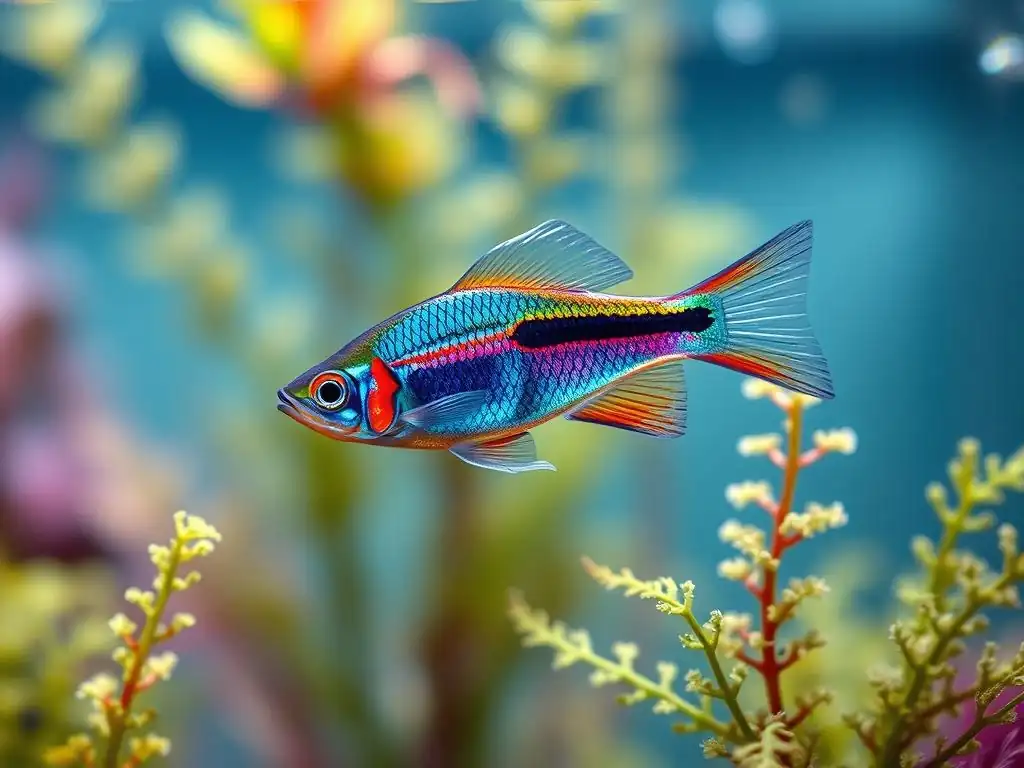
Neon Tetras (Paracheirodon innesi) are perhaps one of the most iconic aquarium fish, originating from the extremely soft and acidic blackwater tributaries of the Amazon River in South America. Replicating these conditions is crucial for successful Neon Tetra breeding. Their optimal breeding parameters typically fall within a pH range of 5.0 to 6.5, with an ideal around 5.5-6.0. The general hardness (GH) should be very low, ideally between 1-4 dGH, and carbonate hardness (KH) maintained at 0-2 dKH to allow for the desired acidic pH without excessive buffering.
Achieving these precise tetra breeding pH hardness levels often necessitates the use of reverse osmosis (RO) or deionized (DI) water, which is then carefully remineralized. Tap water, even if seemingly soft, rarely meets the stringent requirements for Neon Tetras, often leading to infertile eggs or a complete lack of spawning activity.
For instance, attempts to breed Neon Tetras in water with a pH above 7.0 or a GH exceeding 5 dGH frequently result in less than 10% of eggs being viable, if any are laid at all. Dedicated breeders meticulously prepare their water to these specifications, often using peat filtration to naturally lower pH and add beneficial humic substances, significantly increasing their chances of success.
Cardinal Tetra Breeding pH and Hardness: Optimal Ranges for Success
Cardinal Tetras (Paracheirodon axelrodi) share a similar natural habitat to Neon Tetras but are often found in even softer and more acidic waters within the Rio Negro basin. Consequently, their breeding requirements are even more stringent. For optimal Cardinal Tetra breeding, aquarists should aim for a pH range of 4.5 to 6.0, with an ideal target around 5.0-5.5. The water must be exceptionally soft, with a general hardness (GH) of 0-3 dGH, and carbonate hardness (KH) should be virtually undetectable, often 0-1 dKH.
Achieving such extreme softness and acidity almost always requires 100% reverse osmosis (RO) or RO/DI water, carefully remineralized only to the bare minimum required for fish health, without increasing hardness. Many successful Cardinal Tetra breeders use commercial blackwater extracts or significant amounts of peat moss to help achieve and maintain these ultra-soft, acidic conditions, which mimic their natural dark, tannin-stained waters.
Without these precise tetra breeding pH hardness parameters, Cardinal Tetras are highly unlikely to spawn, and any eggs laid will typically be infertile or quickly succumb to fungus, making them one of the more challenging tetra species to breed consistently.
Black Skirt Tetra Breeding pH and Hardness: Adapting to Their Needs
Black Skirt Tetras (Gymnocorymbus ternetzi), native to the Guaporé River basin in Brazil and Bolivia, are considerably more adaptable than their Neon or Cardinal cousins, making them a popular choice for beginner breeders. While they can tolerate a broader range of water parameters in a community tank, optimizing their tetra breeding pH hardness significantly increases spawning success and fry viability. For breeding purposes, a pH range of 6.0 to 7.5 is generally suitable, with many breeders finding peak activity around 6.5-7.0.
Their preferred general hardness (GH) is also more forgiving, typically between 4-8 dGH, and carbonate hardness (KH) between 2-5 dKH. While they can spawn in harder, more alkaline water, maintaining parameters within the softer, slightly acidic range often results in larger egg clutches and higher fertilization rates.
For instance, successful breeding attempts often report optimal results at pH 6.5-7.0 and GH 5-6 dGH, leading to higher clutch sizes of several hundred eggs and improved fry survival rates compared to breeding in harder, more alkaline conditions. This adaptability makes them an excellent species for aquarists looking to gain experience in tetra breeding without the extreme water chemistry demands of some other species.
Ember Tetra Breeding pH and Hardness: Replicating Their Natural Habitat
Ember Tetras (Hyphessobrycon amandae), small and vibrant, hail from the Araguaia River basin in Brazil, where they inhabit soft, acidic blackwater environments. To successfully breed these charming tetras, replicating their natural water chemistry is key. The optimal pH range for Ember Tetra breeding is generally between 5.5 and 7.0, with many breeders finding peak activity around 6.0-6.5. Their water should be soft to moderately soft, with a general hardness (GH) of 2-6 dGH and a carbonate hardness (KH) of 1-4 dKH.
While Ember Tetras are somewhat more tolerant of slightly harder water than Neon or Cardinal Tetras, maintaining softer, more acidic conditions significantly encourages spawning behavior and improves egg viability. For example, breeding success is often maximized at pH 6.0-6.5 and GH 3-4 dGH, closely mirroring the soft, slightly acidic waters of their native Brazil.
Achieving these parameters often involves diluting tap water with reverse osmosis (RO) water or using peat filtration to gently lower pH and soften the water. Consistent monitoring and adjustment of the tetra breeding pH hardness within these ranges will provide the ideal environment for Ember Tetras to reproduce successfully.
Adjusting pH and Hardness for Tetra Breeding: Practical Strategies
Safely Lowering pH for Tetra Breeding Tanks
Lowering pH safely and stably for tetra breeding tanks, especially for species requiring acidic conditions, is a common necessity. One of the most natural and effective methods involves using peat moss. Aquarium-grade peat can be placed in a filter bag within the filter or directly in the tank (though this can make the water very dark).
As water passes through the peat, it releases humic and tannic acids, which naturally lower the pH and soften the water. For instance, a small amount of peat can typically lower pH by 0.5-1.0 unit over a few days, while also imparting a beneficial tea-stained color and providing mild anti-fungal properties.
Another highly effective and precise method is the use of Reverse Osmosis (RO) or RO/DI (deionization) water. These units remove nearly all dissolved solids from tap water, producing water with a pH close to 7.0 and virtually no GH or KH. This "blank slate" water can then be mixed with a small percentage of tap water or remineralized with specific salts to achieve the exact desired pH and hardness levels.
For example, diluting tap water with 50-75% RO water can significantly reduce both pH and GH/KH, making it perfectly suitable for sensitive species like Neon Tetras. While specialized pH-lowering products are available, they should be used with extreme caution and only as a last resort, as they can cause rapid and dangerous pH swings if not precisely dosed and monitored.
Increasing pH for Tetra Breeding (When Necessary)
While most popular tetra species thrive in soft, acidic to neutral water, there might be rare instances where increasing pH is necessary, perhaps if your source water is unusually soft and acidic, or for specific tetra species that prefer slightly alkaline conditions (though these are less common in the hobby). The most common methods for safely increasing pH involve adding calcium carbonate-based materials to the aquarium.
Crushed coral or aragonite gravel, placed in a media bag in the filter or directly in the substrate, will slowly dissolve over time, releasing calcium carbonate and bicarbonate ions that raise both GH and KH, thereby increasing and buffering the pH.
However, caution is paramount, as adding too much can lead to excessively high pH and hardness, which is detrimental to most tetras. For example, a small mesh bag (e.g., 1 tablespoon per 10 gallons) of crushed coral can slowly raise pH by 0.1-0.2 units and increase KH by approximately 0.5-1 dKH over several days.
Baking soda (sodium bicarbonate) can also temporarily increase pH and KH, but it should be used with extreme care and in very small amounts (e.g., a quarter teaspoon per 10 gallons might raise KH by 1 dKH and pH by 0.2-0.3 units). Its effects are often short-lived and can lead to instability if not precisely managed, making it generally less recommended for long-term pH adjustment in sensitive tetra breeding setups.
Softening Water for Tetra Breeding: RO/DI Units and Other Methods
Softening water is often the most crucial step for successfully breeding many popular tetra species that originate from soft-water environments. The most effective and reliable method for achieving very soft water is through the use of Reverse Osmosis (RO) or Reverse Osmosis/Deionization (RO/DI) units.
These systems filter tap water through a semi-permeable membrane, removing nearly all dissolved minerals and contaminants, resulting in water with virtually 0 dGH and 0 dKH. This "blank slate" water can then be precisely remineralized to the exact desired hardness levels for specific tetra species using commercial remineralizers, ensuring optimal calcium and magnesium levels for egg development and healthy fry.
Other natural methods can also contribute to water softening, though typically less dramatically than RO/DI. Peat moss, as mentioned for pH reduction, also contributes to softening by absorbing some mineral ions and releasing humic acids. Rainwater, if collected in a clean manner and free of pollutants, is naturally soft and can be used, but it carries the risk of environmental contaminants and is not recommended unless its purity can be verified.
For instance, relying solely on peat might reduce GH by 1-2 dGH, which is often insufficient for species requiring ultra-soft water like Cardinal Tetras. For precise control over tetra breeding pH hardness, RO/DI remains the gold standard.
Buffering Water for Stable pH and Hardness in Tetra Breeding
Buffering refers to the water's ability to resist changes in pH. In the context of tetra breeding, particularly for species requiring acidic conditions, achieving a stable pH is as important as achieving the correct pH. Carbonate hardness (KH) is the primary buffer in aquarium water; the bicarbonate and carbonate ions in KH neutralize acids, preventing rapid pH drops.
For soft water tetras, a low but consistent KH is essential. If KH drops too low, typically below 1 dKH, the water loses its buffering capacity, making it susceptible to dangerous pH crashes that can be fatal to delicate eggs and fry.
To maintain stable pH and hardness, aquarists often aim for a KH of 1-3 dKH for most soft-water tetra breeding setups. This range provides sufficient buffering without making it difficult to maintain the desired acidic pH. Commercial carbonate buffer solutions (e.g., Seachem Alkaline Buffer) can be used to incrementally increase KH if needed, but they must be added carefully and monitored closely.
For example, adding small, regular amounts of a carbonate buffer might maintain KH at 2 dKH, preventing sudden pH drops. Conversely, for species requiring extremely soft water (like Cardinal Tetras), where KH is intentionally kept near zero, continuous monitoring is crucial, as even slight organic load can cause pH to plummet.
Maintaining Stable Water Parameters During Tetra Breeding: Avoiding Common Pitfalls
The Importance of Gradual Changes in pH and Hardness
Maintaining stable water parameters is arguably more critical than achieving precise target values when it comes to tetra breeding. Rapid fluctuations in pH or hardness can induce severe stress in fish, leading to osmotic shock, weakened immune systems, and a complete cessation of spawning activity.
For example, a sudden pH swing of more than 0.2 units within a 24-hour period can cause significant physiological distress, often resulting in fish "sliming up" as a protective response, or even death. Similarly, abrupt changes in water hardness can disrupt the internal electrolyte balance of the fish, leading to health issues and reproductive failure.
When adjusting tetra breeding pH hardness, whether lowering pH with peat or softening water with RO, all changes must be implemented gradually over several days, or even weeks for very sensitive species. This allows the fish ample time to physiologically adapt to the new conditions. For instance, when transferring conditioned breeding pairs to a dedicated breeding tank, a slow drip acclimation process, extending over 1-2 hours, is essential to minimize stress from parameter differences. Introducing new water with significantly different parameters during water changes without proper matching can also cause instability, undermining weeks of careful conditioning.
Monitoring Water Quality Regularly: Testing Schedules and Best Practices
Consistent and regular monitoring of water quality is a cornerstone of successful tetra breeding, providing crucial insights into the stability of pH and hardness. During active breeding attempts, daily testing of pH, GH, and KH is highly recommended. This frequent testing allows aquarists to detect subtle shifts in parameters before they become problematic, enabling proactive adjustments. For instance, a slight daily drop in pH might indicate a depletion of buffering capacity (KH) or an accumulation of organic acids.
Maintaining a detailed logbook of all water parameter readings, along with notes on feeding, water changes, and fish behavior, is a best practice. This record allows breeders to identify trends, correlate parameters with spawning success or failure, and refine their techniques over time.
For example, if a breeder notices that their pH consistently drops by 0.1 units every 24 hours in a particular breeding setup, they can then implement a strategy, such as a small, daily addition of a buffer or more frequent small water changes, to counteract this trend and maintain optimal stability. Such meticulous monitoring of tetra breeding pH hardness is vital for consistent success.
Water Changes and Their Impact on Tetra Breeding Parameters
Water changes are an indispensable part of maintaining pristine water quality for tetra breeding, but they must be performed thoughtfully to avoid disrupting critical pH and hardness parameters. The golden rule is to use water that is as close as possible in parameters (pH, GH, KH, and temperature) to the water already in the breeding tank. Pre-conditioning new water in a separate container for 24-48 hours, with aeration and heating, helps to degas chlorine/chloramines and stabilize its pH before it's introduced.
For sensitive tetra species and their delicate fry, small, frequent water changes are often preferred over large, infrequent ones. For example, performing 10-15% daily water changes with precisely matched water parameters minimizes fluctuations and continuously removes accumulating nitrates and organic compounds. In contrast, a single 50% weekly change, while effective for general maintenance, can induce significant parameter swings that stress breeding fish and harm eggs or fry. Consistent, controlled water changes are fundamental to preserving the carefully established tetra breeding pH hardness and overall water quality.
Addressing Common Problems: pH and Hardness Fluctuations During Spawning
Fluctuations in pH and hardness during spawning attempts are common pitfalls that can derail breeding success. One frequent cause of pH drops is the accumulation of organic waste from uneaten food or decaying plant matter, which produces acids. Insufficient buffering capacity (low KH) exacerbates this, allowing pH to crash. For instance, a sudden drop in pH from 6.0 to 5.0 overnight might indicate a lack of buffering combined with an overloaded biological filter or excessive organic debris.
To address these issues, first, identify the root cause: Are you overfeeding? Is the filter media clean? Is the KH too low?
Solutions typically involve increasing the frequency of small water changes to remove nitrates and organic acids, ensuring the biological filter is mature and efficient, and if necessary, slowly adding a small amount of a carbonate buffer to raise and stabilize KH. Similarly, if hardness is fluctuating, ensure the source water is consistent and that no buffering substrates (like crushed coral) are inadvertently dissolving too quickly. Meticulous attention to these details helps maintain the stable tetra breeding pH hardness crucial for successful spawning and fry development.
Beyond pH and Hardness: Other Water Chemistry Considerations for Tetra Breeding
The Role of Ammonia, Nitrite, and Nitrate in Tetra Breeding
While pH and hardness are critical for tetra breeding, they are part of a larger water chemistry picture that includes the nitrogen cycle. Ammonia (NH3/NH4+) and nitrite (NO2-) are highly toxic byproducts of fish waste and decaying organic matter. For breeding tanks, both ammonia and nitrite must be undetectable (0 ppm).
Even low levels can cause severe stress, damage gills, suppress spawning, and be lethal to eggs and newly hatched fry. For example, at a pH of 7.5, even 0.1 ppm of un-ionized ammonia can be toxic to sensitive tetras, while at pH 6.0, the same total ammonia level would be largely harmless due to being in the less toxic ammonium form.
Nitrate (NO3-), the end product of the nitrogen cycle, is less toxic than ammonia or nitrite but can still inhibit spawning and reduce fry viability if levels are too high. For most sensitive tetra breeders, nitrate levels should be kept below 10-20 ppm. Higher concentrations can suppress the fish's immune system, making them more susceptible to disease, and can prevent them from entering breeding condition. Regular testing for all three nitrogen compounds is essential to ensure a pristine and healthy environment conducive to reproduction.
Maintaining Pristine Water Quality: Filtration and Water Changes
Maintaining pristine water quality is paramount for successful tetra breeding, extending beyond just pH and hardness to encompass overall cleanliness and stability. Effective filtration is key, but the type of filter matters for breeding tanks. Sponge filters are often preferred for breeding setups because they provide excellent biological filtration without creating strong currents that can disturb delicate eggs or tiny fry. Their porous structure also provides ample surface area for beneficial bacteria to colonize, efficiently processing ammonia and nitrite.
Complementing robust filtration, regular and appropriately sized water changes are indispensable. As discussed, small, frequent water changes (e.g., 5-10% daily or every other day) with pre-conditioned water are often more effective for breeding tanks than larger, less frequent changes. This regimen continuously removes accumulating nitrates and other dissolved organic compounds, which can otherwise inhibit spawning or harm fry. For instance, in a 10-gallon breeding tank, a 1-gallon daily water change helps maintain consistently low nitrate levels (below 5 ppm) and ensures the water remains free of pollutants, promoting a healthier environment for delicate tetra fry.
The Impact of Temperature on Tetra Breeding Success
Temperature is another vital water parameter that significantly influences tetra breeding success. Each tetra species has an optimal temperature range for general health and a specific range that acts as a spawning trigger. Most common tetra species prefer temperatures between 75-82°F (24-28°C) for breeding. Maintaining a stable temperature within this range is crucial, as fluctuations can stress fish and prevent them from spawning.
Often, a slight increase in temperature, combined with a significant water change (which mimics rainfall in their natural habitat), can act as a powerful spawning trigger. For example, if a breeding pair is conditioned at 76°F, a gradual increase to 78-80°F over 24 hours, coupled with a 25% water change using slightly cooler, pre-conditioned water, can often induce spawning in species like Rummy Nose Tetras. Conversely, temperatures outside the optimal range can lead to reproductive failure, poor egg development, or even infertility. Therefore, a reliable heater and thermometer are essential tools in any tetra breeding pH hardness setup.
Case Studies: Successful Tetra Breeding with Precise pH and Hardness Control
Case Study 1: Breeding Neon Tetras with pH 6.5 and GH 4 dGH
An aquarist, Sarah, had struggled for months to breed Neon Tetras in her community tank, where the tap water parameters were pH 7.5 and a general hardness (GH) of 10 dGH. Despite healthy fish and a varied diet, no spawning occurred. Recognizing the critical role of tetra breeding pH hardness, she set up a dedicated 5-gallon breeding tank.
Sarah opted for a water mix comprising 75% reverse osmosis (RO) water and 25% remineralized tap water, aiming for a pH of 6.5, GH of 4 dGH, and KH of 2 dKH. She used a simple air-driven sponge filter and added a small bag of aquarium-grade peat moss to the filter to help maintain the desired acidity and provide humic substances.
Within two weeks of transferring a conditioned pair to this precisely prepared environment, Sarah observed successful spawning. The female laid hundreds of tiny, clear eggs on Java moss. Initial attempts in her community tank had yielded less than 10% egg fertilization, with most eggs quickly fungusing.
After the parameter adjustment, fertilization rates exceeded 80%, and the lower GH ensured proper egg development. Fry survival significantly increased, with approximately 60% of the hatched fry surviving past 30 days, a stark contrast to previous failures where no fry survived. This case clearly demonstrated that even minor deviations from optimal tetra breeding pH hardness can be the difference between failure and prolific success.
Case Study 2: Overcoming Breeding Challenges by Adjusting Water Parameters for Cardinal Tetras
Mark, an experienced fish breeder, faced persistent challenges with Cardinal Tetras (Paracheirodon axelrodi). Despite providing an ideal temperature of 80°F and a high-quality diet, his breeding pairs consistently produced infertile eggs or eggs that rapidly succumbed to fungus. His tap water, though seemingly soft to him, was pH 7.0 and GH 6 dGH. After extensive research into the natural habitat of Cardinal Tetras, Mark realized his tetra breeding pH hardness was still too high, particularly the GH.
He implemented a strict regimen of using 100% reverse osmosis/deionized (RO/DI) water for his breeding tank. This water was then minimally remineralized to achieve an ultra-soft GH of less than 1 dGH (approximately 0.5 dGH) and a KH of virtually 0 dKH. He then used a commercial blackwater extract to lower the pH to a precise 5.5 and added beneficial humic acids, mimicking the dark, tannin-stained waters of the Rio Negro. He also ensured the breeding tank was dimly lit.
Within days of stabilizing these extreme parameters, his Cardinal Tetra pairs began spawning consistently. Before this adjustment, egg fungal rates were over 90%; with the parameters at pH 5.5 and GH 0.5 dGH, fungal rates dropped to under 10%, and he achieved a consistent yield of healthy fry in multiple breeding attempts. This meticulous control over tetra breeding pH hardness was the ultimate breakthrough.
My Tetras Aren't Spawning: Is pH or Hardness the Problem?
One of the most common and frustrating issues for aspiring tetra breeders is a complete lack of spawning activity, even when fish appear healthy and well-conditioned. In a significant number of cases, unsuitable pH or hardness is the underlying problem. If your tetras are not spawning, the first and most critical step is to thoroughly test your breeding tank's pH, GH, and KH levels.
Compare these readings directly against the species-specific requirements. For instance, if you are attempting to breed Neon Tetras but your pH is consistently above 7.0 or your GH is above 5 dGH, these parameters are highly likely inhibiting their natural spawning instincts.
To troubleshoot, if your parameters are outside the optimal range, make gradual, controlled adjustments as previously discussed, using methods like RO water dilution, peat filtration, or appropriate remineralization. Remember that stability is key; rapid changes can further stress the fish. While addressing water chemistry, also ensure other factors are met, such as adequate conditioning with live foods, appropriate temperature, and a suitable breeding environment (e.g., presence of spawning mops or fine-leaved plants). Often, once the tetra breeding pH hardness is dialed in, spawning will commence within days or weeks.
Egg Loss or Fungus: Investigating Water Chemistry Issues
Another common problem in tetra breeding is the loss of eggs, either due to infertility or rapid fungal growth. While various factors can contribute to these issues, water chemistry, particularly pH and hardness, often plays a significant role. If your eggs are consistently infertile, it could be that the pH or hardness is not conducive to sperm viability or egg membrane permeability. For instance, water that is too hard can prevent sperm from penetrating the egg, leading to unfertilized eggs that quickly turn opaque and white, indicating fungal infection.
To troubleshoot, re-test your pH, GH, and KH immediately after spawning. Ensure your ammonia and nitrite levels are at 0 ppm, as any presence of these toxins can also contribute to egg mortality and fungal growth. If parameters are off, consider carefully adjusting them for subsequent breeding attempts.
Increasing the frequency of small water changes can also help maintain pristine conditions, reducing the organic load that fuels fungal growth. While anti-fungal treatments like methylene blue can be used on eggs, they are a band-aid solution; addressing the root cause of the problematic tetra breeding pH hardness and overall water quality is essential for long-term success.
Advanced Techniques for Optimizing Water Chemistry in Tetra Breeding
Using Peat Moss to Naturally Lower pH and Soften Water
Peat moss is a time-honored and highly effective natural method for optimizing water chemistry for many soft-water tetra species. When aquarium-grade peat moss is used, it slowly releases humic and tannic acids into the water. These organic acids naturally lower the pH and contribute to water softening by chelating some of the mineral ions responsible for hardness. Beyond its chemical effects, peat also imparts a natural, tea-stained "blackwater" appearance, which mimics the native habitats of many tetras and can reduce stress, encouraging breeding.
To use peat, it can be placed in a mesh bag within the aquarium filter, allowing water to flow through it, or directly in the breeding tank's substrate. The amount used will depend on the desired effect and the initial water parameters; for instance, a small amount (e.g., 1 cup per 20 gallons) can lower pH by 0.5-1.0 unit and reduce GH by 1-2 dGH over 24-48 hours. It's crucial to monitor pH and hardness closely when using peat, as its effect can be gradual but significant.
Regular replacement of the peat (every 2-4 weeks) is necessary as its active compounds are depleted. This method provides a gentle and consistent way to achieve the desired tetra breeding pH hardness naturally.
Employing CO2 Injection for Planted Tetra Breeding Tanks
For aquarists aiming to breed tetras in a heavily planted setup, CO2 injection can be an advanced technique for optimizing water chemistry, particularly for maintaining a stable, slightly acidic pH. When carbon dioxide gas is injected into the water, it dissolves to form carbonic acid (H2CO3), which naturally lowers the pH. This method is primarily beneficial in tanks where plants thrive on CO2, as the plants also benefit from the acidic conditions.
However, using CO2 injection for pH control requires careful monitoring, especially in tanks with low carbonate hardness (KH), as rapid pH drops can occur. A CO2 system typically includes a regulator, solenoid valve, and diffuser, allowing for precise control over the injection rate.
For example, in a 20-gallon planted breeding tank with a KH of 2-4 dKH, a CO2 injection rate of 1-2 bubbles per second can effectively lower pH by 0.5-1.0 unit, creating stable acidic conditions ideal for both plants and many tetra species. Regular monitoring with a drop checker or pH controller is essential to prevent dangerous pH fluctuations, ensuring the safety of the breeding fish and fry while maintaining the target tetra breeding pH hardness.
The Benefits of Blackwater Extracts for Tetra Breeding
Blackwater extracts are commercially available solutions derived from peat, bark, and other organic materials, designed to mimic the chemical composition of natural blackwater rivers. These extracts are rich in humic and tannic acids, which offer several benefits for tetra breeding beyond just adjusting pH and hardness. They naturally lower pH, add beneficial organic compounds, and create a soft, slightly acidic environment that closely replicates the native habitats of many tetra species, reducing stress and encouraging natural behaviors, including spawning.
Furthermore, blackwater extracts possess mild anti-bacterial and anti-fungal properties, which can be particularly beneficial for protecting delicate tetra eggs from common fungal infections. When dosed according to manufacturer instructions (e.g., 5ml per 10 gallons), they can impart a subtle tea color to the water, reduce pH by 0.1-0.3 units, and significantly reduce bacterial counts, promoting a healthier environment for delicate eggs and fry. While they may not dramatically alter hardness, they contribute significantly to the overall water chemistry, making the environment more conducive to successful tetra breeding pH hardness and overall reproductive success.
Conclusion: Mastering pH and Hardness for Tetra Breeding Success
Key Takeaways for Achieving Optimal Tetra Reproduction
Mastering the nuances of pH and hardness is undeniably critical for achieving consistent success in tetra breeding. The journey from aspiring breeder to successful propagator hinges on a deep understanding of these vital water parameters and the dedication to maintaining them within precise, species-specific ranges. Precision is paramount; slight deviations can halt breeding activity, lead to infertile eggs, or cause fry mortality. Therefore, meticulous preparation of breeding water, often involving reverse osmosis or deionization, followed by careful remineralization and pH adjustment, is essential.
Beyond achieving the correct initial parameters, stability is equally, if not more, important. Gradual changes, consistent monitoring, and regular small water changes with pre-conditioned water are vital to prevent stress-inducing fluctuations. Aquarists must recognize that tetra breeding pH hardness is not an isolated factor but part of a larger, interconnected water chemistry ecosystem.
Ammonia, nitrite, nitrate, and temperature all play significant roles and must be managed in conjunction with pH and hardness for a truly pristine and conducive breeding environment. By focusing on these principles, breeders can significantly increase their chances of observing healthy spawning and successfully raising viable tetra fry.
Further Resources for Advanced Tetra Care and Breeding.
For aquarists keen to further refine their tetra breeding techniques and deepen their understanding of advanced water chemistry, a wealth of resources is available. Consider joining dedicated online aquatic forums or local aquarium clubs; these communities offer invaluable opportunities to connect with experienced breeders, share insights, and troubleshoot specific challenges. Many members actively share their own tetra breeding pH hardness protocols and success stories, providing real-world examples and practical advice.
Additionally, consulting specialized books on fish breeding or peer-reviewed scientific articles on fish physiology can provide a more in-depth understanding of the biological mechanisms behind water chemistry's impact on reproduction. Documenting your own breeding attempts, including detailed records of water parameters, feeding regimens, and observations, will also prove to be an invaluable resource. This personal data collection will allow you to identify patterns, optimize your specific setup, and continuously refine your techniques for achieving optimal tetra reproduction.
Frequently Asked Questions
How crucial is pH for successfully breeding Tetras?
pH is extremely important. Different Tetra species require specific pH ranges for successful spawning. Maintaining the correct pH is often the key to triggering breeding behavior.
What role does water hardness play in Tetra breeding?
Water hardness, measured as GH and KH, significantly impacts Tetra breeding. Many Tetras require soft water for their eggs to hatch and fry to survive. Incorrect hardness levels can prevent spawning or lead to egg failure.
Where can I find the ideal pH and hardness levels for specific Tetra species?
AquariumMastery.com offers detailed species profiles. These profiles outline the optimal water parameters, including pH and hardness, for various Tetra species' breeding needs. Consult these profiles before attempting to breed any Tetra.
How can I safely adjust the pH and hardness in my aquarium?
Gradual adjustments are crucial. Use aquarium-safe buffers and water softening products available at reputable pet stores. Avoid rapid changes as they can stress or kill your fish.
What are the consequences of ignoring pH and hardness requirements when breeding Tetras?
Ignoring these parameters can lead to breeding failure, egg infertility, or fry mortality. Stressed fish may also become more susceptible to disease. Prioritize water chemistry for successful Tetra breeding.
Final Reflection: The Delicate Dance of Life
The intricate dance between pH and hardness, as explored in the context of tetra breeding, isn't just a scientific exercise; it's a testament to the profound interconnectedness of life and environment. Understanding these nuances is more crucial than ever, as hobbyists and professionals alike strive for sustainable and ethical aquarium practices, ensuring the vitality of these delicate ecosystems.
This journey into the specific requirements of tetra breeding highlights how deeply environmental factors influence life cycles. My own fascination with the subtle shifts that trigger spawning underscores the importance of meticulous observation and a deep respect for the natural world. In nature, nothing exists alone.
- Rachel Carson. This quote resonates deeply, reminding us that successful breeding isn't just about controlling parameters, but about recreating a harmonious environment that mimics the tetra's natural habitat.
As you close this article, consider the power you hold to shape these miniature worlds. Reflect on how your understanding of pH and hardness can extend beyond the aquarium, informing your approach to conservation and environmental stewardship. Embrace the challenge of mastering these nuances, not just for successful tetra breeding, but for a deeper appreciation of the delicate balance that sustains all life.
Unlock Tetra Breeding Secrets Now!
Thank you for diving deep into the world of pH and hardness and their impact on Tetra breeding. We hope you've gained valuable insights to elevate your aquarium mastery. Now, let's put that knowledge into action.
Here are some practical next steps you can take:
- Start testing your water parameters today! Accurately measure the pH and hardness of your aquarium water to understand your baseline and identify areas for adjustment.
- Share your newfound knowledge! Discuss your insights and challenges on our forums or with fellow aquarists to learn from each other.
- Consider a 'Tetra Type' water change this week: A 10% water change with adjusted pH and KH levels simulating the tetra type water you want to achieve, document the results.
What fascinating Tetras will you now be encouraged to breed with your newfound knowledge?