
Common Dwarf Cichlid Diseases: Identification & Treatment

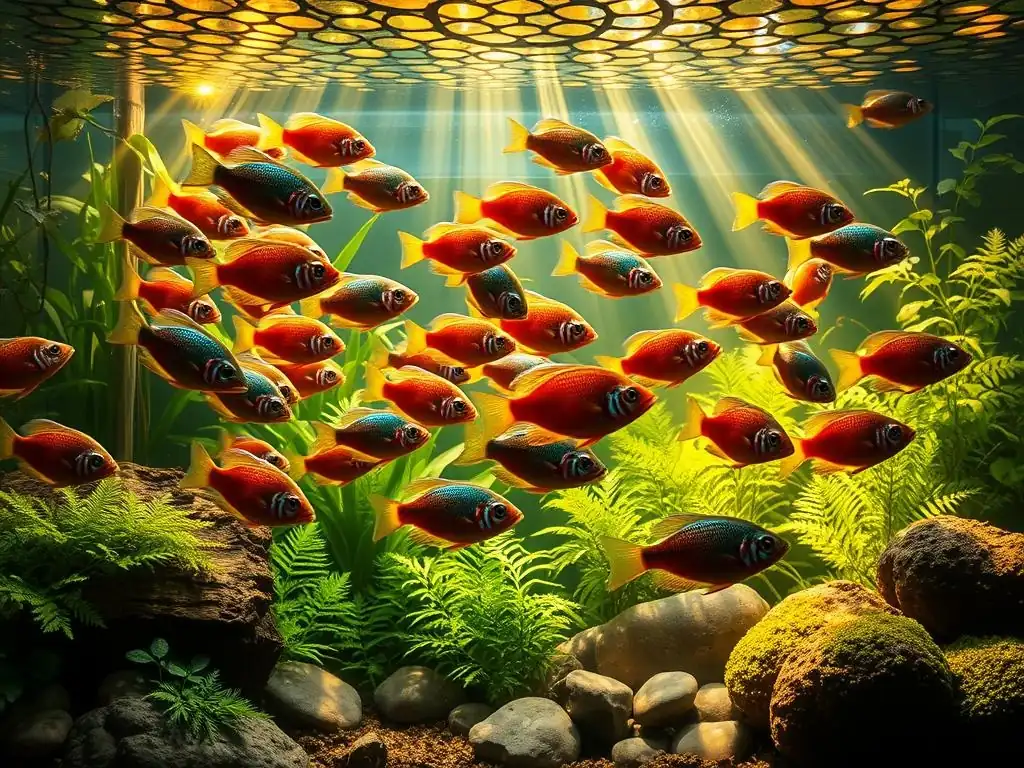
Welcome to Aquarium Mastery!
Ever wondered why your vibrant dwarf cichlids suddenly seem… off? Dive into our comprehensive guide to Dwarf Cichlid Disease Treatment and unlock the secrets to identifying and conquering common ailments. Discover the vital steps to restore your colorful companions to their former glory and keep your freshwater haven thriving. Ready to learn more and ensure a healthy, happy aquarium?
- Introduction to Dwarf Cichlid Health and Disease Prevention
- Identifying Common Dwarf Cichlid Diseases: A Visual Guide
-
Specific Dwarf Cichlid Diseases: Symptoms, Causes, and Treatments
- Ich (White Spot Disease) in Dwarf Cichlids: Causes and Treatment
- Fin Rot in Dwarf Cichlids: Prevention and Cure
- Fungal Infections in Dwarf Cichlids: Diagnosis and Remedies
- Dwarf Cichlid Bloat: Understanding and Addressing the Issue
- Hexamita (Hole-in-the-Head Disease) in Dwarf Cichlids: Causes and Solutions
- Parasitic Infections in Dwarf Cichlids: Identification and Control
- Dwarf Cichlid Disease Treatment: A Step-by-Step Guide
- Preventing Dwarf Cichlid Diseases: Best Practices for Aquarium Management
- Conclusion: Ensuring Long-Term Health for Your Dwarf Cichlids
- Frequently Asked Questions
- Final Reflection: Navigating the Delicate World of Dwarf Cichlid Health
- Dive Deeper: Unlock Your Dwarf Cichlid Expertise!
Introduction to Dwarf Cichlid Health and Disease Prevention
Understanding the Unique Vulnerabilities of Dwarf Cichlids
Dwarf cichlids, a diverse group including popular species like Apistogramma, German Blue Rams ( Mikrogeophagus ramirezi), and Kribensis cichlids ( Pelvicachromis pulcher), are highly prized for their vibrant colors and engaging behaviors. However, their delicate nature and specific environmental requirements make them particularly susceptible to a range of health issues.
Originating from soft, acidic waters in South America and West Africa, these fish thrive in stable conditions, typically with a pH range of 5.0-7.0 and very low hardness (GH 2-8 dGH). Deviations from these optimal parameters, even slight fluctuations, can induce significant stress, compromising their immune systems and paving the way for various dwarf cichlid diseases.
Their small size, generally ranging from 2 to 4 inches (5 to 10 cm), also means they have less physiological reserve to combat illness compared to larger fish. Factors such as improper diet, aggressive tank mates, inadequate hiding spots, and, most critically, poor water quality are primary contributors to stress. For instance, a persistent ammonia level of just 0.25 ppm or nitrite levels above 0 ppm can cause severe gill damage and systemic failure in these sensitive species within days, necessitating immediate dwarf cichlid disease treatment. Understanding these inherent vulnerabilities is the first step in proactive health management.
The Importance of Quarantine and Preventative Measures
Preventing dwarf cichlid diseases is significantly more effective and less stressful than attempting to cure them once established. The cornerstone of disease prevention in any aquarium, especially one housing delicate dwarf cichlids, is a rigorous quarantine protocol for all new arrivals. A dedicated quarantine tank, typically 10-20 gallons (38-76 liters) for a small group of dwarf cichlids, should be set up with a heater, sponge filter, and minimal decor to facilitate observation and cleaning. New fish should be observed in this tank for a minimum of four to six weeks before being introduced to the main display aquarium.
During this quarantine period, monitoring for any signs of illness, such as clamped fins, lethargy, or visible spots, is crucial. Prophylactic treatments for common parasites like Ich or internal worms can also be considered, though some aquarists prefer to only treat if symptoms appear. This isolation strategy effectively prevents the introduction of pathogens that could devastate an established healthy community, significantly reducing the likelihood of needing widespread dwarf cichlid disease treatment in your main tank. Furthermore, maintaining pristine water conditions, providing a balanced diet, and minimizing stress are ongoing preventative measures that build robust immunity in your dwarf cichlids.
Identifying Common Dwarf Cichlid Diseases: A Visual Guide
Recognizing Early Symptoms of Illness in Your Dwarf Cichlids
Early detection is paramount in effectively treating dwarf cichlid diseases and ensuring a positive outcome. Vigilant daily observation of your fish is the most powerful diagnostic tool. Healthy dwarf cichlids typically exhibit bright, vibrant coloration, active swimming patterns, and a keen interest in food.
When illness begins to manifest, subtle changes often precede overt symptoms. One of the first indicators might be a noticeable dulling or fading of their natural color, often appearing pale or washed out. Clamped fins, where the dorsal, anal, or caudal fins are held tightly against the body instead of being fanned out, are another common early sign.
Furthermore, look for changes in respiration; healthy dwarf cichlids breathe steadily, but rapid or labored gill movements can indicate gill irritation or oxygen deprivation. Physical abnormalities such as small white spots resembling salt grains (Ich), fuzzy white or grayish patches (fungus), or red streaks on fins (fin rot) are clear visual cues that demand immediate attention. Any unusual lesions, sores, or growths on the body should also prompt concern. These early visual cues serve as critical warnings that your fish may require dwarf cichlid disease treatment.
Using Behavior to Detect Disease
Beyond visual symptoms, changes in behavior provide invaluable clues to the health status of your dwarf cichlids. A healthy Apistogramma or Ram cichlid is typically active, curious, and explores its environment. Conversely, a fish that is frequently hiding, spending excessive time motionless at the bottom or top of the tank, or exhibiting unusual swimming patterns (e.g., darting erratically, swimming upside down, or struggling to maintain buoyancy) is likely experiencing distress or illness. Flashing, which involves rubbing their bodies against substrate, plants, or tank decorations, is a common sign of external irritation, often caused by parasites like Ich or flukes.
Loss of appetite, where a fish refuses to eat or spits out food, is another strong indicator of internal issues or advanced disease. While a healthy cichlid will eagerly respond to feeding, a sick one may show no interest. Social behavior can also change; a previously outgoing dwarf cichlid might become reclusive, or dominant individuals may become unusually submissive. Observing these behavioral deviations in conjunction with any visual cues allows for a more accurate and timely diagnosis, enabling you to initiate appropriate dwarf cichlid disease treatment before the condition worsens.
Specific Dwarf Cichlid Diseases: Symptoms, Causes, and Treatments
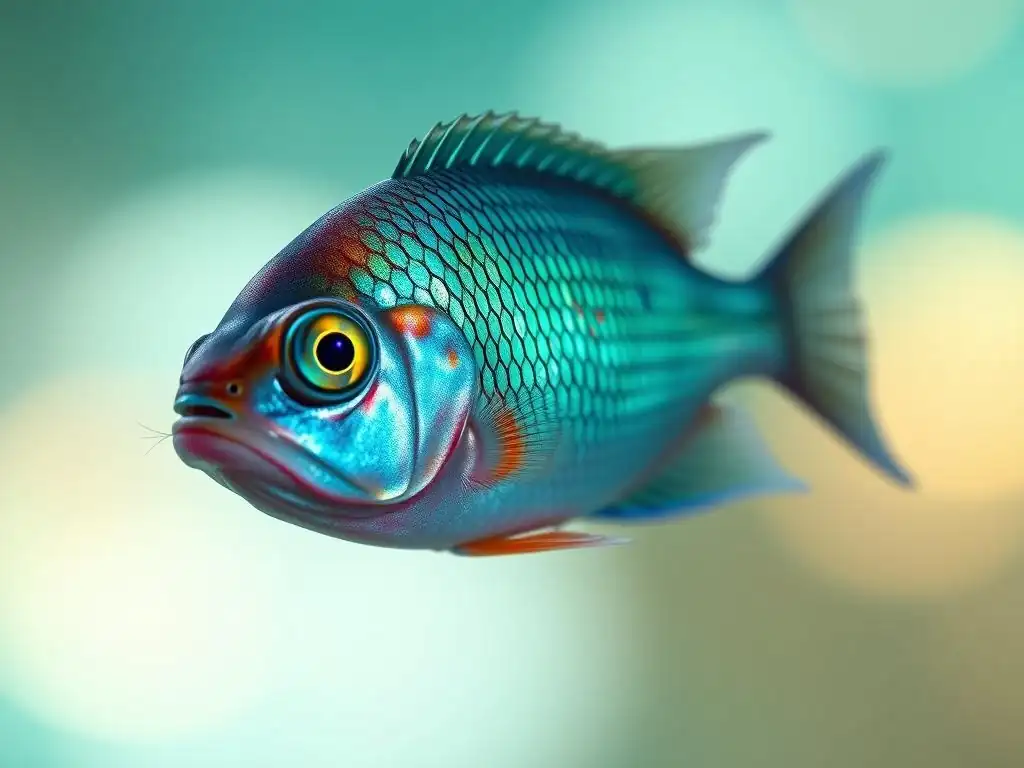
Ich (White Spot Disease) in Dwarf Cichlids: Causes and Treatment
Identifying Ich on Dwarf Cichlids: Key Symptoms
Ich, caused by the protozoan parasite Ichthyophthirius multifiliis, is one of the most common and recognizable dwarf cichlid diseases. Its hallmark symptom is the appearance of small, white spots, typically 0.5 to 1.0 mm in diameter, resembling grains of salt sprinkled over the fish's body, fins, and gills. These spots are actually cysts containing the mature parasite, known as trophonts, embedded within the fish's skin or gill tissue. Infected dwarf cichlids may also exhibit behavioral changes such as flashing (rubbing against tank decor or substrate) in an attempt to dislodge the irritating parasites.
As the infection progresses, affected fish may show signs of lethargy, clamped fins, and rapid gill movements, indicating difficulty breathing due to gill infestation. In severe cases, the spots can coalesce, covering large areas of the fish's body. Due to their delicate nature, dwarf cichlids can succumb to Ich more quickly than hardier species if dwarf cichlid disease treatment is not initiated promptly.
Effective Ich Treatments for Delicate Dwarf Cichlids
Treating Ich in dwarf cichlids requires careful consideration due to their sensitivity to certain medications. One common and often effective method is the heat treatment, gradually raising the aquarium temperature to 82-86°F (28-30°C) over 24 hours. This accelerates the parasite's life cycle, forcing them off the fish and into the free-swimming stage where they are vulnerable to the increased temperature, which prevents their reproduction. This method typically requires maintaining the elevated temperature for at least 10-14 days to ensure all parasites are eradicated. Concurrently, increasing aeration is vital as warmer water holds less dissolved oxygen.
Alternatively, or in conjunction with heat, aquarium salt can be used at a concentration of 1 teaspoon per gallon (approximately 3.8 liters), added gradually over 24-48 hours. Salt helps to destroy the free-swimming stage of Ich and aids in the fish's osmoregulation, reducing stress. For more severe infections, commercial Ich medications containing malachite green and/or formalin (e.g., Ich-X, Super Ick Cure) are effective.
However, for dwarf cichlids, it is often recommended to start with a half dose and monitor the fish closely, as they can be sensitive to these chemicals. Always remove activated carbon from the filter before any medication is added, as it will absorb the treatment.
Fin Rot in Dwarf Cichlids: Prevention and Cure
Causes of Fin Rot in Dwarf Cichlids
Fin rot is a common bacterial infection that primarily affects the fins, causing them to fray, disintegrate, or develop a ragged appearance. While the direct cause is bacterial (often Aeromonas or Pseudomonas species), the underlying factors almost always relate to compromised water quality and high stress levels. Poor water conditions, specifically elevated ammonia and nitrite levels (even as low as 0.25 ppm for ammonia), or chronically high nitrates (above 40 ppm), create an environment where pathogenic bacteria can proliferate and overwhelm a fish's immune system.
Other significant contributors include physical injuries from aggressive tank mates, sharp decor, or rough handling, which provide entry points for bacteria. Overcrowding, insufficient filtration, and infrequent water changes also lead to a build-up of organic waste, further deteriorating water quality and increasing stress. When dwarf cichlids are continuously exposed to these suboptimal conditions, their natural defenses weaken, making them highly susceptible to this debilitating dwarf cichlid disease.
Treating Fin Rot: Antibiotics and Water Quality
The primary and most crucial step in treating fin rot in dwarf cichlids is to immediately address the underlying water quality issues. Perform a large water change, typically 30-50% of the tank volume, and ensure your filtration system is clean and functioning optimally. Test water parameters (ammonia, nitrite, nitrate, pH) daily and perform additional smaller water changes (e.g., 20% daily) if ammonia or nitrite levels remain elevated. In mild cases, improving water quality alone is often sufficient for the fins to regenerate, as the fish's immune system recovers.
For more advanced cases where the fin rot is severe or progressing rapidly, broad-spectrum antibiotics may be necessary. Medications containing erythromycin, minocycline, or Furan-2 (nitrofurazone) are commonly used. These are typically administered directly to the aquarium water following the manufacturer's instructions, ensuring activated carbon is removed from the filter. During dwarf cichlid disease treatment, maintaining excellent water quality remains paramount to support the fish's recovery and prevent secondary infections. Continue to monitor fin regrowth over several weeks; complete regeneration can take time.
Fungal Infections in Dwarf Cichlids: Diagnosis and Remedies
Recognizing Fungal Growth on Your Fish
Fungal infections, often caused by species of Saprolegnia or Achlya, typically manifest as white, grayish, or brownish cotton-like growths on the fish's skin, fins, or mouth. These growths can appear fuzzy or slimy and often develop on areas where the fish has experienced a previous injury, a bacterial infection, or prolonged exposure to poor water quality. Unlike Ich spots, which are small and distinct, fungal patches tend to be larger, more amorphous, and have a more textured, "moldy" appearance.
In dwarf cichlids, fungal infections are almost always secondary, meaning they capitalize on a weakened immune system or existing tissue damage. You might observe a fish with a wound that subsequently develops a fungal patch, or one suffering from severe fin rot that then shows fungal growth on the damaged fin edges. Affected fish may also become lethargic, lose their appetite, and show signs of discomfort, rubbing against objects due to irritation. Early recognition of these characteristic cotton-like growths is key to successful dwarf cichlid disease treatment.
Antifungal Medications and Natural Treatments
Effective dwarf cichlid disease treatment for fungal infections involves both addressing the underlying cause and applying appropriate antifungal agents. Begin by meticulously improving water quality through significant water changes (e.g., 30-50%) and ensuring optimal filtration. Fungi thrive in tanks with high organic loads and fluctuating parameters. For mild cases, increasing the water temperature slightly (e.g., to 80-82°F or 27-28°C) and adding aquarium salt (1 teaspoon per 5 gallons or 19 liters) can sometimes help, as salt acts as a mild antiseptic and aids in the fish's slime coat production.
For more persistent or severe fungal infections, commercial antifungal medications are available. Products containing phenoxyethanol, malachite green, or methylene blue are commonly used (e.g., API Fungus Cure, Fungus Clear). These medications are added directly to the aquarium water, and it is crucial to remove activated carbon during treatment. In some cases, a short-term salt bath (e.g., 1 tablespoon of aquarium salt per gallon for 10-15 minutes in a separate container, with constant observation) can be effective for localized fungal patches, but this is a more stressful option and should be used with caution for delicate dwarf cichlids.
Dwarf Cichlid Bloat: Understanding and Addressing the Issue
Symptoms of Bloat in Dwarf Cichlids
Bloat, also known as Malawi Bloat in some cichlid circles, is a serious and often fatal internal condition characterized by a noticeable swelling of the fish's abdomen. While it's more commonly associated with African cichlids, dwarf cichlids can also suffer from this condition, which is typically caused by internal bacterial infections, parasitic infestations, or, most commonly, an inappropriate diet. Beyond the obvious abdominal distension, affected dwarf cichlids will often exhibit a range of other distressing symptoms.
These include a significant loss of appetite, lethargy, and a general disinterest in their surroundings. Their feces may become white and stringy, indicating an internal issue. In advanced stages, the scales may begin to protrude from the body, giving the fish a "pinecone" appearance – a condition known as dropsy, which signifies severe internal organ damage and fluid accumulation. This "pineconing" often indicates a very poor prognosis, highlighting the importance of early detection for successful dwarf cichlid disease treatment.
Treating Bloat: Diet and Medication Options
Effective dwarf cichlid disease treatment for bloat often begins with dietary adjustments and, if necessary, medication. The first step is to fast the affected fish for 1 to 3 days to allow their digestive system to clear. After fasting, offer easily digestible foods such as blanched, shelled peas (a natural laxative) or live/frozen daphnia. If the bloat is suspected to be diet-related (e.g., from overfeeding or too much dry, high-protein food), a permanent shift to a more varied diet with less processed food is critical.
If dietary changes alone do not resolve the issue, or if the symptoms suggest a bacterial or parasitic cause, medications may be required. Metronidazole (e.g., Seachem MetroPlex, API General Cure) is effective against flagellate parasites like Hexamita, which can cause bloat. This can be administered via medicated food (preferred for internal issues) or directly to the water.
For suspected bacterial infections, broad-spectrum antibiotics such as Kanamycin (e.g., Seachem KanaPlex) or Erythromycin can be considered. Always treat in a quarantine tank if possible to avoid medicating the entire display tank, and ensure excellent water quality is maintained throughout the dwarf cichlid disease treatment period.
Hexamita (Hole-in-the-Head Disease) in Dwarf Cichlids: Causes and Solutions
Identifying Hexamita Infections in Dwarf Cichlids
Hexamita, also commonly referred to as "Hole-in-the-Head" disease, is a parasitic infection caused by the flagellate Hexamita salmonis (though Spironucleus vortens is often the actual causative agent in aquarium fish). While the most characteristic symptom is the development of small, pitted lesions or erosions on the head and along the lateral line of the fish, these are often signs of an advanced infection. Early symptoms in dwarf cichlids can be more subtle, including darkening of coloration, lethargy, and a general dullness.
Affected fish often exhibit a significant loss of appetite and may produce white, stringy feces, indicating an internal digestive disturbance caused by the parasites in the intestinal tract. As the disease progresses, the visible lesions on the head may become larger and more pronounced, sometimes appearing as open sores. This condition is strongly linked to prolonged stress, poor water quality, and nutritional deficiencies, particularly a lack of essential vitamins and minerals in the diet. Dwarf cichlids suffering from this dwarf cichlid disease will become increasingly emaciated over time, even if they continue to eat.
Medications for Treating Hexamita in Cichlids
The most effective dwarf cichlid disease treatment for Hexamita is Metronidazole. This medication can be administered in several ways, with medicated food being the most effective for internal parasites. You can soak high-quality pellets or flakes in a solution of Metronidazole (e.g., Seachem MetroPlex) according to the product instructions, ensuring the fish ingests the medication directly. This method minimizes the impact on beneficial bacteria in the main tank filter. If the fish is refusing to eat, direct water column treatment may be necessary, but this is generally less efficient for internal parasites.
In addition to medication, addressing the underlying causes is critical for long-term recovery and preventing recurrence. This includes performing significant water changes (e.g., 30-50%) to improve water quality, ensuring stable parameters, and enriching the fish's diet. Supplementing the diet with high-quality vitamins (e.g., vitamin C, B vitamins) and offering a varied diet including live or frozen foods can significantly boost the fish's immune system and aid in recovery. Maintaining a stress-free environment with appropriate tank mates and plenty of hiding spots also plays a vital role in preventing future outbreaks of this dwarf cichlid disease.
Parasitic Infections in Dwarf Cichlids: Identification and Control
Common Parasites Affecting Dwarf Cichlids
Beyond Ich and Hexamita, dwarf cichlids can be afflicted by a variety of other external and internal parasites, each presenting unique challenges for dwarf cichlid disease treatment. Common external parasites include Gill Flukes and Body Flukes (monogeneans), which are microscopic flatworms that attach to the gills or skin. Infested fish may flash, show rapid gill movements, gasp at the surface, or develop a cloudy slime coat.
Anchor worms ( Lernaea species) and Fish lice ( Argulus species) are larger, visible crustaceans that attach to the fish's body, causing irritation, wounds, and potential secondary infections. Anchor worms appear as thin, thread-like worms protruding from the fish, while fish lice are flat, disc-shaped parasites.
Internal parasites, though harder to diagnose without a microscope, can be equally devastating. Nematodes (roundworms) are common and can cause emaciation despite the fish eating normally, or a swollen abdomen. Tapeworms are less frequent but can also lead to weight loss. These internal parasites often enter the tank via live foods or new, infected fish, making a robust quarantine protocol essential.
Effective Parasite Treatments for Aquariums
The approach to dwarf cichlid disease treatment for parasitic infections depends on the specific type of parasite identified. For external flukes, medications containing praziquantel (e.g., PraziPro) are highly effective and generally safe for dwarf cichlids.
These treatments typically involve multiple doses over a period of days or weeks to target all life stages of the parasite. For anchor worms and fish lice, treatments containing dimilin or potassium permanganate can be used, though manual removal of visible parasites with tweezers (if the fish is large enough and calm enough) can also be attempted, followed by an antiseptic dip to prevent secondary infection.
For internal parasites like nematodes, medications containing fenbendazole (e.g., Panacur) or levamisole are often effective. These are best administered via medicated food to ensure the parasite ingests the treatment. As with all dwarf cichlid disease treatment, remove activated carbon from the filter before adding medication. After completing the treatment course, it is crucial to perform large water changes to remove residual medication and replenish beneficial bacteria. Consistent quarantine of new fish and careful sourcing of live foods are the most effective preventative measures against parasitic infestations.
Dwarf Cichlid Disease Treatment: A Step-by-Step Guide
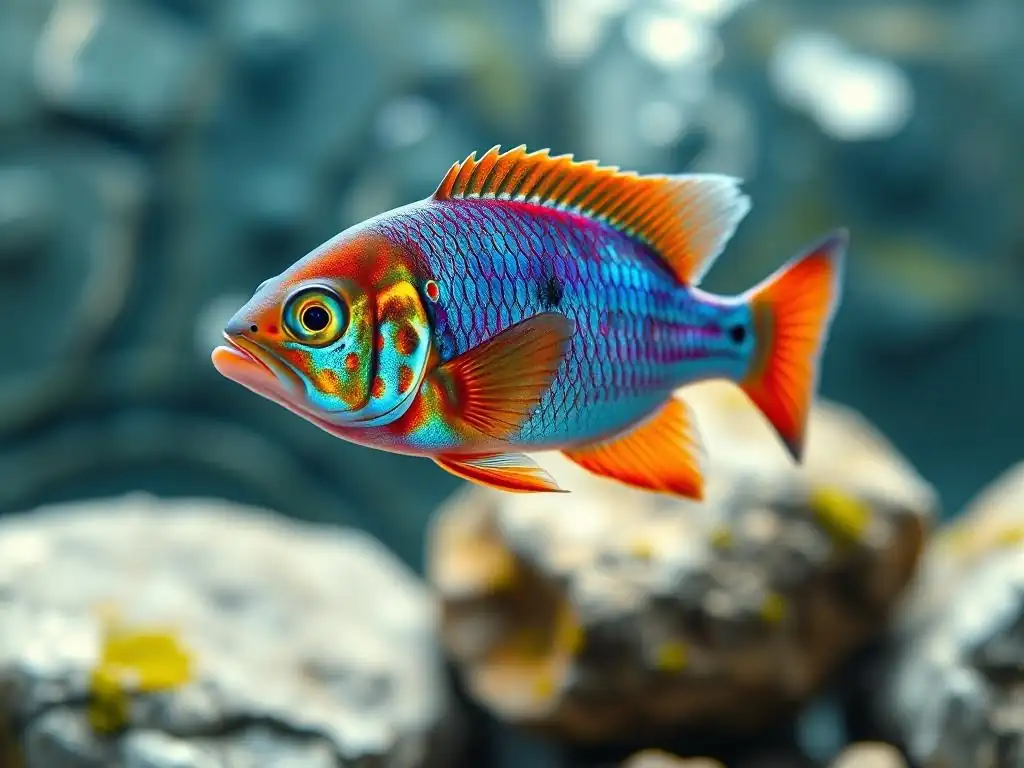
Step 1: Diagnosing the Specific Disease
Accurate diagnosis is the cornerstone of effective dwarf cichlid disease treatment. Begin by observing your fish closely for both visual and behavioral symptoms. Note any changes in coloration, fin condition, body shape, presence of spots or growths, and breathing patterns. Simultaneously, pay attention to behavioral shifts such as lethargy, flashing, hiding, loss of appetite, or unusual swimming. Immediately test your aquarium water parameters, including ammonia, nitrite, nitrate, pH, and temperature, as poor water quality often underlies many diseases.
Cross-reference your observations with reliable resources, such as this article or comprehensive fish health guides, to identify the most probable disease. For instance, white spots indicate Ich, while cotton-like growths suggest fungus. If multiple symptoms are present, try to pinpoint the primary issue. A precise diagnosis will guide you toward the most appropriate dwarf cichlid disease treatment, preventing unnecessary or ineffective medication.
Step 2: Isolating the Affected Fish (Quarantine Tank Setup)
Once a disease is suspected, the next critical step is to isolate the affected dwarf cichlid in a dedicated quarantine tank. This serves multiple vital purposes: it prevents the spread of the disease to healthy tank mates, allows for focused treatment without medicating the entire display aquarium (which can harm beneficial bacteria or invertebrates), and reduces stress on the sick fish by removing it from the main tank's social dynamics.
A suitable quarantine tank can be a simple 5-10 gallon (19-38 liter) aquarium equipped with a heater to maintain stable temperature, a small sponge filter for biological filtration (already cycled if possible), and an air stone for aeration.
Avoid adding substrate or elaborate decorations, as these can absorb medication and make cleaning difficult. Ensure the water parameters in the quarantine tank match those of the main tank to minimize transfer stress. Carefully net the affected fish and transfer it to the quarantine tank. This isolation is a crucial component of a successful dwarf cichlid disease treatment strategy, providing a controlled environment for recovery.
Step 3: Administering Appropriate Medication
With the affected dwarf cichlid isolated and the disease diagnosed, it's time to administer the chosen medication. Always read the product instructions thoroughly before dosing, as dosages and treatment durations vary significantly between medications. Crucially, remove any activated carbon from the filter in the quarantine tank, as carbon will absorb medications, rendering them ineffective. Dose the medication accurately based on the tank's actual water volume; using a measuring syringe or dropper ensures precision.
Monitor the fish closely for adverse reactions during treatment, especially with delicate dwarf cichlids, as some may be sensitive to certain chemicals. For instance, some Apistogramma species can react poorly to copper-based medications. Follow the recommended treatment duration, which can range from a few days to several weeks, and complete the full course even if symptoms disappear early to ensure the pathogen is fully eradicated. This systematic approach to dwarf cichlid disease treatment maximizes its efficacy.
Step 4: Monitoring Water Parameters During Treatment
While administering medication, continuous and diligent monitoring of water parameters in the quarantine tank is absolutely essential. Many medications, particularly antibiotics, can negatively impact the beneficial bacteria responsible for the nitrogen cycle (converting ammonia to nitrite, and nitrite to nitrate). This can lead to dangerous spikes in ammonia and nitrite, which are highly toxic to fish and can exacerbate their illness, negating the dwarf cichlid disease treatment.
Test ammonia and nitrite levels daily using a reliable liquid test kit. If you detect any ammonia or nitrite, perform small, frequent water changes (e.g., 10-20% daily) using dechlorinated water that matches the tank's temperature and pH. This helps dilute the toxins without significantly reducing the medication concentration. Maintaining stable temperature and adequate aeration throughout the treatment period also supports the fish's recovery. Consistent water quality during treatment significantly improves the chances of successful recovery.
Step 5: Post-Treatment Care and Prevention
Once the dwarf cichlid disease treatment course is complete and the fish shows full recovery, post-treatment care is vital to ensure long-term health and prevent relapse. Perform a large water change (e.g., 50-75%) in the quarantine tank to remove residual medication, and then reintroduce activated carbon to further purify the water. Gradually acclimate the recovered fish back to the main display tank over several hours, matching water parameters between the quarantine and main tanks to minimize stress.
To prevent future outbreaks, critically evaluate and adjust your aquarium husbandry practices. This includes establishing a consistent routine for partial water changes (e.g., 25-30% weekly), ensuring adequate filtration, and avoiding overfeeding. Consider adding a bacterial supplement (e.g., Seachem Stability) to help re-establish beneficial bacteria. Proactive care, continuous monitoring, and maintaining optimal water quality are the most effective strategies to keep your dwarf cichlids healthy and minimize the need for future dwarf cichlid disease treatment.
Preventing Dwarf Cichlid Diseases: Best Practices for Aquarium Management
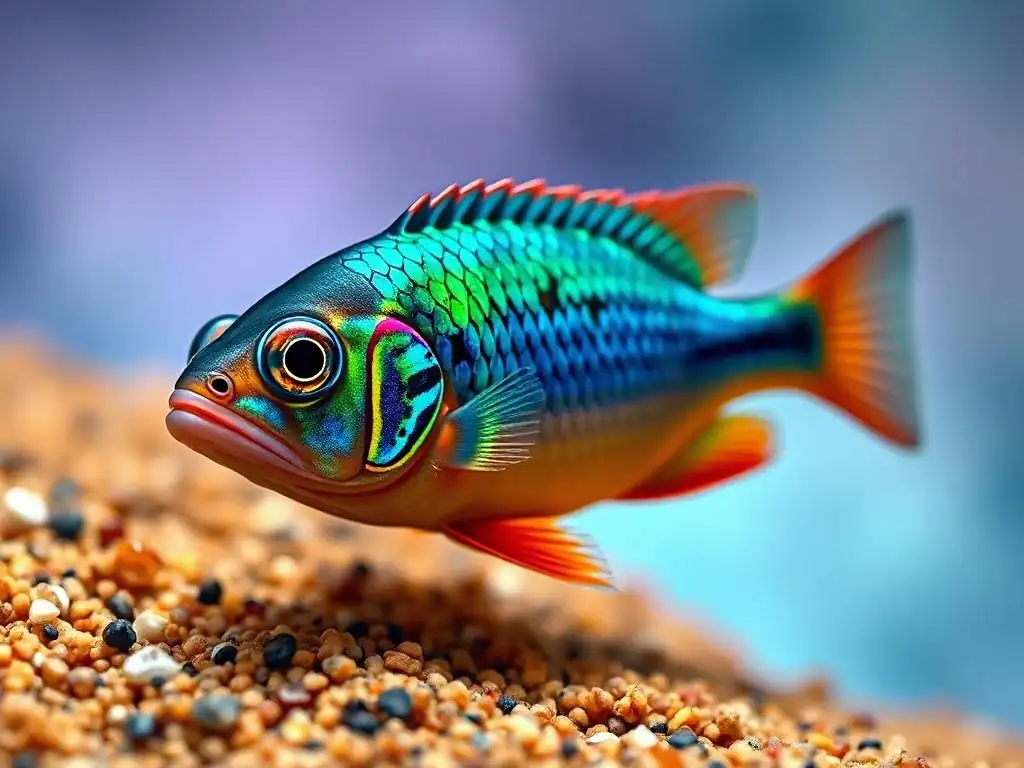
Maintaining Optimal Water Quality for Dwarf Cichlids
The Role of Water Changes and Filtration
Maintaining pristine water quality is arguably the most critical factor in preventing dwarf cichlid diseases. Regular partial water changes are essential for diluting accumulated nitrates and replenishing vital trace elements and minerals that are depleted over time. For dwarf cichlid tanks, a weekly water change of 25-30% of the tank volume is a good standard practice. This routine ensures that toxins are kept at safe levels and the water remains stable and clean, directly contributing to the fish's immune health.
Beyond water changes, an efficient filtration system is indispensable. This includes mechanical filtration to remove particulate matter (e.g., uneaten food, waste), chemical filtration (like activated carbon) to remove dissolved organic compounds and odors, and most importantly, biological filtration. Biological filtration, provided by beneficial bacteria colonizing filter media, converts toxic ammonia and nitrite into less harmful nitrates. An adequately sized filter with sufficient biological media is crucial for processing the waste produced by your dwarf cichlids, creating a stable and healthy environment that actively prevents dwarf cichlid disease.
Understanding Ammonia, Nitrite, and Nitrate Levels
A fundamental understanding of the nitrogen cycle and its key components – ammonia, nitrite, and nitrate – is vital for preventing dwarf cichlid diseases. Ammonia (NH3/NH4+) is highly toxic to fish and is produced from fish waste and decaying organic matter. Even levels as low as 0.25 ppm can cause severe stress and gill damage in delicate dwarf cichlids.
Nitrite (NO2-), the intermediate product in the nitrogen cycle, is also extremely toxic and interferes with oxygen uptake, leading to suffocation at levels above 0 ppm. Both ammonia and nitrite must always be at zero (0 ppm) in a healthy, cycled aquarium.
Nitrate (NO3-), the final product, is less toxic but accumulates over time. While hardy fish can tolerate higher levels, dwarf cichlids thrive best when nitrate levels are kept below 20 ppm, and ideally even lower, around 5-10 ppm. Regular testing with a reliable liquid test kit (e.g., weekly or bi-weekly) allows you to monitor these parameters and take corrective action (such as performing a water change) before they reach dangerous levels. Consistent control over these water parameters is the backbone of preventing most dwarf cichlid diseases.
Providing a Balanced Diet for Dwarf Cichlid Health
Choosing the Right Food for Dwarf Cichlids
A varied and nutritionally balanced diet is paramount for boosting the immune system of dwarf cichlids and preventing dwarf cichlid diseases. While high-quality flakes and small pellets specifically formulated for cichlids can form the staple of their diet, relying solely on one type of food is not ideal. Dwarf cichlids benefit immensely from a diverse diet that mimics their natural feeding habits, which often include small invertebrates.
Incorporate a variety of live or frozen foods such as bloodworms, brine shrimp, daphnia, and cyclops. These provide essential proteins, fats, and micronutrients that are often lacking in dry foods. Some species, like Kribensis, also appreciate some vegetable matter, so spirulina flakes or blanched zucchini might be offered occasionally. Feeding small amounts multiple times a day (e.g., 2-3 times) is generally better than one large feeding, as it mimics their natural foraging behavior and reduces the amount of uneaten food decaying in the tank.
Avoiding Overfeeding to Prevent Disease
While providing a balanced diet is crucial, overfeeding is a common mistake that directly contributes to dwarf cichlid diseases. When fish are overfed, excess food either goes uneaten and decays, or it is consumed but leads to excessive waste production. Both scenarios result in a rapid decline in water quality, increasing ammonia and nitrite levels and providing a breeding ground for pathogenic bacteria and fungi. This creates an environment ripe for outbreaks of fin rot, fungal infections, and other stress-induced ailments.
Furthermore, chronic overfeeding can lead to internal health issues such as bloat, especially if the diet is too rich or difficult for the fish to digest. The general rule of thumb is to feed only what your dwarf cichlids can consume entirely within 2-3 minutes. If there's food left over after this time, you're feeding too much. Adhering to this practice not only maintains superior water quality but also ensures your fish receive appropriate nutrition without the detrimental effects of overconsumption, significantly reducing the need for dwarf cichlid disease treatment.
Minimizing Stress in Your Dwarf Cichlid Tank
Tank Mates and Environmental Enrichment
Stress is a significant immunosuppressant in fish, making them highly vulnerable to dwarf cichlid diseases. Therefore, minimizing stressors in the aquarium environment is a key preventative measure. Selecting appropriate tank mates is crucial for dwarf cichlids, as they can be territorial, especially during breeding. Avoid housing them with overly aggressive or fin-nipping species, or fish that are significantly larger and might intimidate them. Peaceful, schooling fish like small tetras (e.g., Neon Tetras, Cardinal Tetras), rasboras, and corydoras catfish often make excellent companions.
Environmental enrichment is equally important. Dwarf cichlids thrive when provided with plenty of hiding spots and visual barriers. Incorporate a variety of decor such as driftwood, rock caves, ceramic pots, and dense live plants (e.g., Java Fern, Anubias, Cryptocoryne species). These elements create territories, provide security, and allow subordinate fish to escape aggression, reducing overall stress levels in the tank. A well-designed habitat reduces competition and provides a sense of security, fostering a robust immune system that resists dwarf cichlid disease.
Reducing Stressors: Noise and Lighting
Beyond tank mates and physical decor, external environmental factors like noise and lighting can also significantly stress dwarf cichlids, weakening their defenses against disease. Aquariums should ideally be placed in quiet areas of the home, away from high-traffic zones, vibrating appliances, or sudden loud noises. Constant vibrations or sudden bangs can startle fish, leading to chronic stress which manifests as clamped fins, faded colors, and increased susceptibility to dwarf cichlid diseases.
Lighting also plays a vital role in their well-being. Fish require a consistent day-night cycle, typically 8-10 hours of light followed by 14-16 hours of darkness. Using an aquarium timer ensures this consistency, preventing sudden light changes that can be startling. Avoid placing the tank in direct sunlight, which can lead to algae blooms and rapid temperature fluctuations, both of which are major stressors. A stable, calm environment, free from unnecessary disturbances, creates a sanctuary for your dwarf cichlids, allowing them to thrive and naturally resist dwarf cichlid disease.
Conclusion: Ensuring Long-Term Health for Your Dwarf Cichlids
Proactive Care: The Key to a Healthy Aquarium
Ensuring the long-term health of your dwarf cichlids hinges on a philosophy of proactive care rather than reactive dwarf cichlid disease treatment. While understanding how to identify and treat common ailments is crucial, the true mastery of aquarism lies in preventing diseases from taking hold in the first place. This involves a consistent commitment to maintaining optimal water quality through regular testing and diligent water changes, providing a meticulously balanced and varied diet, and creating a stress-free environment tailored to their specific needs.
Daily observation of your fish's behavior and appearance allows for the earliest possible detection of any issues, enabling swift intervention before a minor problem escalates into a full-blown crisis. A well-maintained aquarium, where water parameters are stable, nutrition is adequate, and stress is minimized, fosters a robust immune system in your dwarf cichlids, making them resilient against pathogens. This holistic approach to husbandry is the most effective and rewarding path to a thriving, vibrant dwarf cichlid community.
Resources for Further Learning about Dwarf Cichlid Health
The journey of an aquarist is one of continuous learning, especially when it comes to the nuanced care of delicate species like dwarf cichlids. While this article provides a comprehensive guide to common dwarf cichlid diseases and their treatment, the world of fish health is vast and constantly evolving. We encourage you to seek out additional resources to deepen your knowledge and refine your husbandry practices. Engaging with experienced aquarists in online forums or local fish clubs can provide invaluable real-world insights and troubleshooting advice.
Specialized books focusing on dwarf cichlid care and fish pathology offer in-depth scientific information on specific diseases, water chemistry, and breeding behaviors. Websites like AquariumMastery.com provide a wealth of detailed articles covering various aspects of freshwater fish care, species profiles, and troubleshooting guides, serving as a complete resource for both novice and experienced aquarists. By continuously educating yourself and applying best practices, you empower yourself to provide the best possible care, ensuring the sustained health and beauty of your dwarf cichlids for years to come.
Frequently Asked Questions
What are some common diseases that affect Dwarf Cichlids?
Dwarf Cichlids are susceptible to diseases like Ich, Fin Rot, and Bacterial Infections. Early identification is crucial for successful treatment.
How can I identify a sick Dwarf Cichlid?
Look for signs such as loss of appetite, lethargy, erratic swimming, and visible spots or lesions. These are indicators that something is wrong.
What is the best way to prevent diseases in my Dwarf Cichlid aquarium?
Maintain excellent water quality through regular water changes and proper filtration. A stable environment reduces stress and disease susceptibility.
What are some common treatments for Dwarf Cichlid diseases?
Treatment options include medicated aquarium treatments, salt baths, and adjusting water parameters. Consult with a vet or experienced aquarist for specific advice.
How important is quarantine when introducing new Dwarf Cichlids?
Quarantine is extremely important to prevent the spread of disease. Observe new fish for at least two weeks before introducing them to your main tank.
The intricacies of maintaining a thriving aquarium ecosystem are undeniable, and as we've explored the common diseases affecting dwarf cichlids, the importance of proactive care and informed intervention becomes strikingly clear. The health of these captivating fish is directly linked to our understanding of their needs and our commitment to providing a stable and nurturing environment. The information presented here serves not just as a guide, but as a testament to the responsibility we undertake when welcoming these creatures into our lives.
This journey into dwarf cichlid disease treatment has highlighted the delicate balance within the aquarium and the profound impact our actions have on its inhabitants. The dedication required to diagnose and treat these ailments underscores the deeper connection we forge with our aquatic companions, transforming us from mere keepers into guardians of their well-being. The greatness of a nation and its moral progress can be judged by the way its animals are treated.
- Mahatma Gandhi. This quote, while often applied to larger animals, resonates deeply within the microcosm of our aquariums, reminding us that compassion extends to all living beings under our care.
As you close this article, remember that the knowledge gained here is a powerful tool. It empowers you to observe, understand, and act decisively when your dwarf cichlids need you most. Let this be a call to continuous learning and a commitment to providing the best possible care for these fascinating fish. Embrace the challenge, celebrate the successes, and always strive to deepen your understanding of the delicate world you've chosen to cultivate.
Dive Deeper: Unlock Your Dwarf Cichlid Expertise!
Thank you for investing your time in understanding dwarf cichlid health! You've gained valuable knowledge on identifying and treating common diseases, empowering you to create a thriving aquarium environment. Now, let's put that knowledge into action.
- Immediately assess your cichlid tank using the diagnostic skills you've learned and address any early warning signs.
- Share this vital information with fellow aquarium hobbyists to help prevent widespread disease and promote responsible fishkeeping.
- Try researching uncommon plants that can naturally improve water quality in your tank, complementing your cichlids' environment.
What's the first practical step you'll take to ensure your dwarf cichlids remain healthy and vibrant?