
Cherry Barb vs. Denison Barb: Choosing Between Gentle Grace and Dashing Speed

Welcome to Aquarium Mastery!
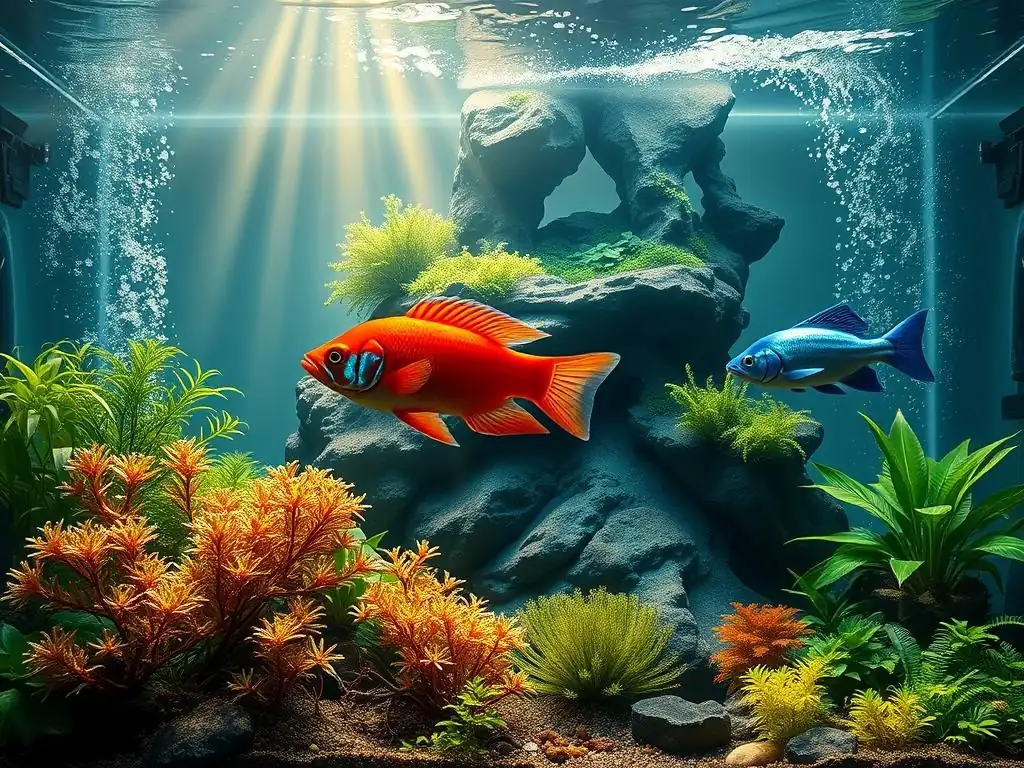
Ever wondered which vibrant barb is the perfect addition to your freshwater aquarium? Dive in and explore the fascinating world of barbs as we unpack the differences between the gentle grace of the Cherry Barb and the dashing speed of the Denison Barb. Choosing the right fish is crucial, and we're here to help you make an informed decision. Ready to discover which of these beauties is the ideal fit for your tank? Let's get started!
- Introduction: Comparing Cherry Barbs and Denison Barbs for Your Aquarium
-
Cherry Barb (Puntius titteya): A Profile of Gentle Grace
- Appearance and Size of Cherry Barbs
- Cherry Barb Temperament and Behavior
- Ideal Tank Conditions for Cherry Barbs: Water Parameters and Tank Size
- Cherry Barb Diet and Feeding Habits
- Cherry Barb Tank Mates: Compatible Species for a Peaceful Community Tank
- Breeding Cherry Barbs: A Guide to Spawning and Raising Fry
-
Denison Barb (Sahyadria denisonii): A Profile of Dashing Speed
- Appearance and Size of Denison Barbs (Roseline Sharks)
- Denison Barb Temperament and Behavior: An Active Schooling Fish
- Ideal Tank Conditions for Denison Barbs: Water Parameters and Tank Size Requirements
- Denison Barb Diet and Feeding Habits: Omnivorous Needs
- Denison Barb Tank Mates: Suitable Companions for Denison Barbs
- Considerations for Keeping Denison Barbs: High Oxygen Demand and Jumping Tendencies
-
Cherry Barb vs. Denison Barb: A Detailed Comparison
- Size and Appearance: Contrasting Visual Characteristics
- Temperament and Activity Level: Which Barb Suits Your Tank Dynamics?
- Tank Size Requirements: Space Considerations for Each Species
- Water Parameter Needs: Matching Water Chemistry to Barb Preferences
- Dietary Requirements: Simplifying Feeding Schedules
- Cost and Availability: Price Comparison and Sourcing Information
-
Which Barb is Right for Your Aquarium? Factors to Consider
- Aquarium Size and Setup: Matching Barbs to Your Tank's Dimensions
- Community Tank Compatibility: Choosing Peaceful Tank Mates
- Experience Level: Selecting a Barb Based on Your Aquarist Skills
- Aesthetic Preferences: Matching Fish to Your Desired Aquarium Style
- Long-Term Commitment: Considering the Lifespan and Care Needs
- Maintaining a Healthy Barb Aquarium: General Care Tips
- Conclusion: Making the Right Choice Between Cherry Barbs and Denison Barbs
-
Frequently Asked Questions
- What are the key differences between Cherry Barbs and Denison Barbs?
- Which barb is better suited for a smaller aquarium?
- What are the dietary needs of Cherry Barbs and Denison Barbs?
- Are Cherry Barbs or Denison Barbs easier to care for as beginner fish?
- Can Cherry Barbs and Denison Barbs be housed together in the same aquarium?
- Final Reflection: Appreciating Aquatic Diversity
- Ignite Your Aquarium: Choose Your Barb Adventure!
Introduction: Comparing Cherry Barbs and Denison Barbs for Your Aquarium
When selecting freshwater fish for a vibrant community aquarium, the choice often comes down to species that offer both beauty and engaging behavior. Among the diverse family of barbs, the Cherry Barb ( Puntius titteya) and the Denison Barb ( Sahyadria denisonii) stand out as popular, albeit distinct, options. While both are known for their schooling tendencies and lively presence, they differ significantly in size, temperament, and specific care requirements, making the decision between them crucial for the success and harmony of your aquatic ecosystem.
This article delves into a comprehensive comparison of the Cherry Barb and Denison Barb, exploring their unique characteristics, ideal tank conditions, and compatibility with other species. By understanding the nuances of each fish, aquarists can make an informed decision that aligns with their aquarium's capacity, their experience level, and their vision for a thriving aquatic community. The goal is to help you determine whether the gentle grace of the Cherry Barb or the dashing speed of the Denison Barb is the perfect fit for your aquatic masterpiece.
Cherry Barb (Puntius titteya): A Profile of Gentle Grace
Appearance and Size of Cherry Barbs
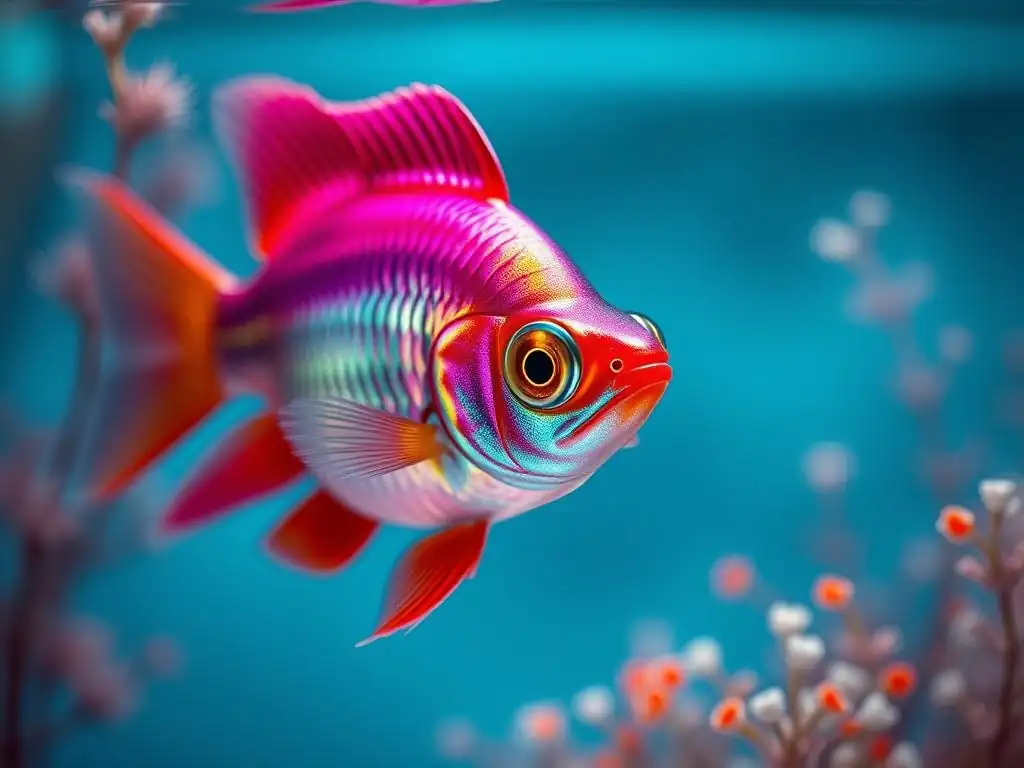
The Cherry Barb, Puntius titteya, is celebrated for its understated yet captivating beauty. Males typically display a striking, deep cherry-red coloration, especially during breeding periods or when in optimal health, which intensifies along their flanks. A subtle, dark horizontal stripe often runs from the snout to the caudal fin, providing a delicate contrast to their vibrant bodies. Females, while still attractive, tend to be a more subdued reddish-brown or orange, with a fuller body shape.
These peaceful freshwater fish are relatively small, reaching an adult size of approximately 1.5 to 2 inches (3.8 to 5 cm) in length. Their compact size and slender, elongated bodies make them an excellent choice for smaller community tanks, where their subtle movements and schooling behavior can be observed without overwhelming the space. The visual impact of a school of Cherry Barbs lies in their collective, synchronized movements and the flash of their distinctive red hues.
Cherry Barb Temperament and Behavior
Cherry Barbs are renowned for their exceptionally peaceful and shy temperament, making them one of the most docile barb species available to aquarists. They are schooling fish by nature, and thrive when kept in groups of at least six individuals, though a larger school of 8-10 or more will enhance their confidence and display more natural behaviors. When kept in insufficient numbers, they may become timid and hide frequently, or even nip at the fins of slower-moving tank mates out of stress.
Their activity level is moderate; they are not as frenetic as some other barb species but are constantly exploring their environment. They spend most of their time in the middle to lower levels of the water column, gracefully navigating through plants and decorations. This gentle demeanor makes them ideal inhabitants for a diverse community aquarium, as they rarely bother other fish and are generally tolerant of various peaceful species, contributing to a harmonious tank environment.
Ideal Tank Conditions for Cherry Barbs: Water Parameters and Tank Size
To ensure the optimal health and vibrant coloration of Cherry Barbs, specific water parameters and tank conditions are crucial. These fish thrive in soft to moderately hard water with a general hardness (GH) ranging from 5 to 19 dGH. The ideal pH level for Cherry Barbs falls between 6.0 and 7.0, leaning towards slightly acidic to neutral conditions, which mimics their natural habitat in Sri Lankan streams. Temperature should be consistently maintained between 72-79°F (22-26°C), as fluctuations can cause stress and vulnerability to disease.
Regarding tank size, a minimum of a 10-gallon aquarium is often suggested for a small school of 6-8 Cherry Barbs. However, a 20-gallon tank or larger is highly recommended to provide ample swimming space, reduce territorial disputes, and promote more natural schooling behavior. The aquarium should be well-planted with live or artificial vegetation, offering plenty of hiding spots and shaded areas where these shy fish can feel secure. Driftwood and smooth rocks can also be incorporated to create a naturalistic environment that enhances their sense of security.
Cherry Barb Diet and Feeding Habits
Cherry Barbs are omnivorous, readily accepting a wide variety of foods, which simplifies their dietary management in a community aquarium. Their primary diet should consist of high-quality flake food or small pellets specifically formulated for tropical fish, providing essential vitamins and minerals. It is important to choose a flake food that sinks slowly, allowing these mid-water dwellers to easily access their meals before they reach the substrate.
To ensure optimal health, vibrant coloration, and to encourage breeding, their staple diet should be supplemented with live or frozen foods. Excellent choices include brine shrimp, daphnia, and bloodworms, which provide valuable protein and stimulate their natural foraging instincts. Feeding small amounts two to three times a day is generally recommended, ensuring that all food is consumed within a few minutes to prevent overfeeding and maintain water quality. A varied diet contributes significantly to the overall well-being of Cherry Barbs.
Cherry Barb Tank Mates: Compatible Species for a Peaceful Community Tank
Due to their exceptionally peaceful and non-aggressive nature, Cherry Barbs are excellent candidates for a wide range of community aquariums. When selecting tank mates, the primary consideration should be to choose species that are similarly peaceful and do not exhibit fin-nipping tendencies, as the Cherry Barb's delicate fins can be susceptible. Avoid very large or aggressive fish that could perceive the small Cherry Barb as prey or harass them.
Ideal companions for Cherry Barbs include other small, peaceful schooling fish such as Neon Tetras, Cardinal Tetras, Harlequin Rasboras, and various species of Danios. Bottom-dwelling fish like Corydoras catfish and Otocinclus catfish are also excellent choices, as they occupy a different water column and do not compete for space or food. Peaceful livebearers like Guppies and Platies can also coexist, provided their finnage is not excessively long. A well-chosen group of Cherry Barbs and compatible species creates a serene and active display.
Breeding Cherry Barbs: A Guide to Spawning and Raising Fry
Breeding Cherry Barbs is relatively straightforward and can be a rewarding experience for aquarists, even those new to fish breeding. They are egg-scattering fish, meaning they simply release their eggs amongst fine-leaved plants or a spawning mop, with no parental care afterwards. To encourage spawning, condition the breeding pair or a small group with high-protein live or frozen foods for a week or two. A separate breeding tank, around 5-10 gallons, is ideal, furnished with fine-leaved plants like Java moss or a spawning mop, and a small sponge filter to prevent the fry from being sucked in.
The water in the breeding tank should be soft (GH 3-8 dGH) and slightly acidic (pH 6.0-6.5), with a temperature of around 77°F (25°C). Spawning typically occurs in the morning, with the female scattering up to 200 eggs over several hours. Once spawning is complete, the adult Cherry Barbs should be removed immediately, as they will readily consume their own eggs.
The eggs usually hatch within 24-48 hours, and the fry become free-swimming after another 2-3 days. Initially, feed the fry infusoria or liquid fry food, transitioning to newly hatched brine shrimp nauplii after a few days as they grow.
Denison Barb (Sahyadria denisonii): A Profile of Dashing Speed
Appearance and Size of Denison Barbs (Roseline Sharks)
The Denison Barb, scientifically known as Sahyadria denisonii and commonly referred to as the Roseline Shark or Red-Lined Torpedo Barb, is an undeniably striking and elegant fish. Its body is sleek, torpedo-shaped, and elongated, perfectly adapted for rapid swimming.
The most distinctive feature is a vibrant red stripe that runs along its lateral line, starting from the snout and extending towards the middle of the body, often accompanied by a prominent black stripe directly below it. The rest of its body is typically a silvery-gold or greenish hue, with a subtle yellow or green tint on the fins, particularly the caudal fin.
Unlike the diminutive Cherry Barb, the Denison Barb is a considerably larger species, reaching an impressive adult size of 4 to 6 inches (10 to 15 cm) in length, and occasionally even larger in very spacious aquariums. Their substantial size and active nature mean they command a significant presence in any tank. The combination of their graceful shape, bold coloration, and active schooling behavior makes them a highly sought-after species among experienced aquarists looking for a dynamic centerpiece fish.
Denison Barb Temperament and Behavior: An Active Schooling Fish
Denison Barbs are characterized by their energetic and highly active temperament, making them a constant source of movement and excitement in the aquarium. They are strong schooling fish and absolutely thrive when kept in groups of at least six to eight individuals; keeping fewer can lead to shyness, stress, and even aggression towards other tank inhabitants. A larger school allows them to exhibit their natural schooling behavior, darting around the tank in synchronized movements, which is a truly captivating sight.
Despite their high energy levels, Denison Barbs are generally peaceful towards other fish that are of a similar size and activity level. They are not typically aggressive or prone to fin-nipping, but their sheer speed and boisterous nature can sometimes overwhelm very small, slow-moving, or timid species. They require ample open swimming space, as they are constantly on the move, primarily inhabiting the mid-to-upper levels of the water column. Their active behavior makes them unsuitable for cramped or heavily decorated tanks that restrict their movement.
Ideal Tank Conditions for Denison Barbs: Water Parameters and Tank Size Requirements
Due to their active nature and significant adult size, Denison Barbs require specific and generous tank conditions to thrive. They prefer well-oxygenated water with a strong current, mimicking their natural fast-flowing river habitats in India. The ideal temperature range for Denison Barbs is between 65-77°F (18-25°C), making them suited for slightly cooler tropical setups. They are relatively adaptable to water chemistry, tolerating a pH range of 6.5-7.8 and a general hardness (GH) of 5-25 dGH, though stable parameters are always preferred.
Considering their size and schooling behavior, a minimum tank size of 55 gallons is essential for a small group of 6-8 Denison Barbs. However, a 75-gallon or even 125-gallon aquarium is highly recommended to provide adequate swimming space and minimize stress, allowing them to fully display their natural dashing speed. The tank setup should include large open areas for swimming, alongside robust filtration to maintain high water quality and strong aeration to ensure ample dissolved oxygen. While they appreciate some plant cover and driftwood for security, these should not impede their extensive swimming lanes.
Denison Barb Diet and Feeding Habits: Omnivorous Needs
Denison Barbs are omnivorous and have a healthy appetite, readily accepting a diverse range of foods in the aquarium. Their diet should be varied to ensure they receive all necessary nutrients for their active lifestyle and vibrant coloration. A high-quality flake food or sinking pellet designed for tropical fish should form the staple of their diet, providing a balanced nutritional foundation.
To supplement their primary diet and cater to their omnivorous needs, offer a variety of live and frozen foods regularly. Excellent choices include bloodworms, brine shrimp, daphnia, and mosquito larvae, which provide essential proteins and fats. Additionally, incorporating some vegetable matter, such as blanched spirulina flakes or small pieces of zucchini, can be beneficial, as they will occasionally graze on plant matter. Feeding small portions two to three times a day is advisable, ensuring that the food is consumed quickly and does not foul the water.
Denison Barb Tank Mates: Suitable Companions for Denison Barbs
Choosing appropriate tank mates for Denison Barbs involves selecting fish that can not only tolerate their energetic nature but also thrive in similar water conditions and tank sizes. Given their active schooling behavior and potential for boisterousness, very small, slow-moving, or long-finned fish should generally be avoided, as they might get stressed or outcompeted for food.
Ideal tank mates for Denison Barbs include other large, active, and peaceful species that inhabit different parts of the water column. Good examples are various species of Rainbowfish (e.g., Boeseman's Rainbowfish, Praecox Rainbowfish), larger Tetras (e.g., Congo Tetras, Silver Tip Tetras), and some species of Gouramis that are not overly shy. Other suitable companions include robust bottom dwellers such as larger Corydoras species, Bristlenose Plecos, and peaceful loaches. Ensure that any chosen tank mates are not prone to aggression or territoriality, as this could lead to conflicts within the community.
Considerations for Keeping Denison Barbs: High Oxygen Demand and Jumping Tendencies
Keeping Denison Barbs successfully requires attention to a few specific needs beyond general aquarium maintenance. Foremost among these is their high demand for dissolved oxygen in the water. Originating from fast-flowing streams, they are accustomed to highly oxygenated environments. Therefore, robust filtration with strong water movement, along with additional aeration from air stones or powerheads, is crucial to maintain optimal oxygen levels in their tank. Insufficient oxygen can lead to stress, lethargy, and increased susceptibility to disease.
Another critical consideration is their tendency to jump. Denison Barbs are powerful and agile swimmers, and when startled or stressed, they are known to leap out of the water. For this reason, a tightly fitting aquarium lid is an absolute necessity. Any gaps or openings, no matter how small, should be covered to prevent these energetic fish from escaping the tank. Regular monitoring of their behavior can also help identify potential stressors that might trigger jumping, allowing aquarists to address issues proactively.
Cherry Barb vs. Denison Barb: A Detailed Comparison
Size and Appearance: Contrasting Visual Characteristics
When comparing the Cherry Barb and Denison Barb, their most immediate and striking differences lie in their size and overall appearance. The Cherry Barb is a relatively diminutive species, typically growing to a modest 1.5 to 2 inches (3.8 to 5 cm) in length. Its charm comes from its subtle, rounded form and the male's intense cherry-red coloration, often accented by a faint horizontal stripe. They possess a more delicate and compact appearance, blending gracefully into a planted aquarium.
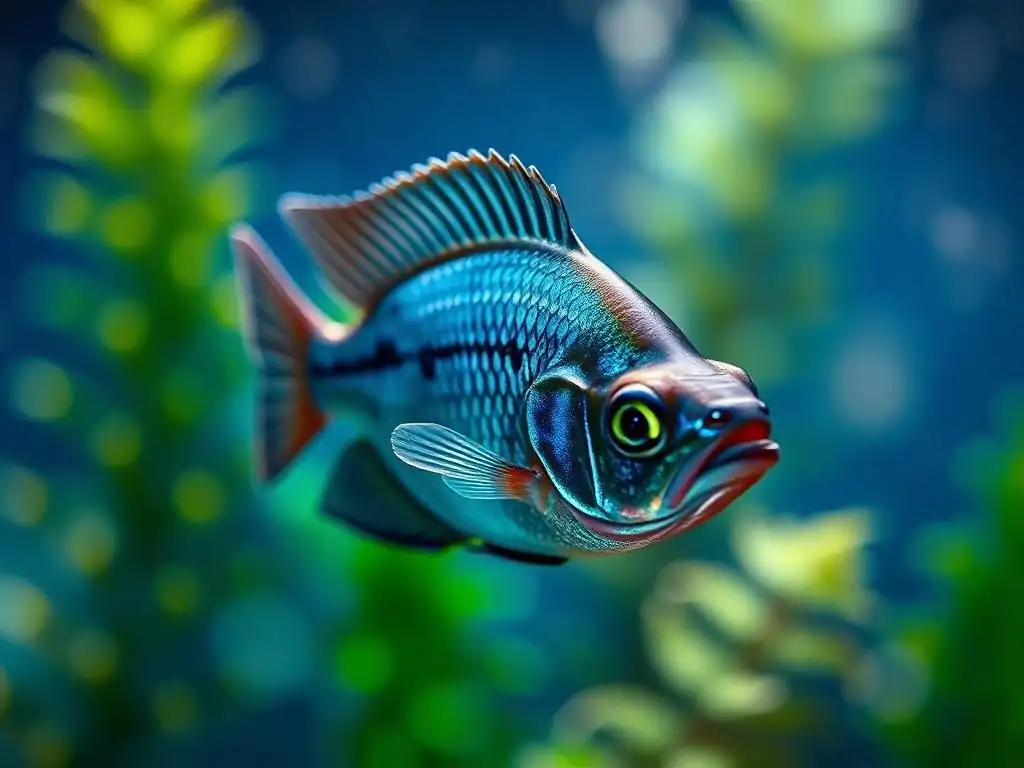
In stark contrast, the Denison Barb is a much larger and more imposing fish, commonly reaching 4 to 6 inches (10 to 15 cm) in length, with some individuals growing even larger. Its body is sleek, torpedo-shaped, and elongated, designed for speed and agility. Visually, it stands out with its bold red and black lateral stripes against a silvery-gold body, presenting a more dramatic and dynamic aesthetic. While the Cherry Barb offers gentle grace, the Denison Barb provides a dashing, powerful presence.
Temperament and Activity Level: Which Barb Suits Your Tank Dynamics?
The temperament and activity levels of the Cherry Barb and Denison Barb present a clear dichotomy, influencing their suitability for different aquarium setups. Cherry Barbs are known for their exceptionally peaceful and somewhat shy nature. They are moderate swimmers, often seen gently exploring the middle and lower sections of the tank, and their schooling behavior is more subdued. They are ideal for serene community tanks with other calm species, contributing to a tranquil environment without causing disruptions.
Conversely, Denison Barbs are highly energetic, fast-swimming, and boisterous. They require vast open spaces to dart around and exhibit their strong schooling instincts, which can be quite vigorous. While generally peaceful towards similarly sized fish, their constant motion can be overwhelming for very timid, slow-moving, or small tank mates. Their dynamic activity makes them a focal point in the aquarium, perfect for aquarists who desire a lively and constantly moving display, but less suitable for those prioritizing extreme calm.
Tank Size Requirements: Space Considerations for Each Species
The disparity in adult size and activity levels between the Cherry Barb and Denison Barb translates directly into significantly different tank size requirements. For a healthy school of 6-8 Cherry Barbs, a minimum tank size of 10-20 gallons is generally considered adequate. This allows them sufficient space to school and explore, while their smaller bioload is manageable for standard filtration systems. A 20-gallon long tank is often preferred to provide more horizontal swimming space for these active, though small, fish.
In stark contrast, Denison Barbs demand a much larger habitat. Due to their adult size of up to 6 inches and their need for extensive swimming lanes for their high-speed schooling, a minimum of a 55-gallon aquarium is essential for a group of 6-8 individuals. Many experienced aquarists recommend a 75-gallon or even 125-gallon tank to truly accommodate their natural behavior and ensure long-term health, especially if keeping a larger school. The significant difference in tank size is a primary factor in deciding which of these "Cherry barb denison barb" options is feasible for your setup.
Water Parameter Needs: Matching Water Chemistry to Barb Preferences
While both the Cherry Barb and Denison Barb are freshwater fish, their preferred water parameters exhibit some subtle yet important differences that can influence your choice based on your local water supply. Cherry Barbs generally prefer softer, slightly acidic to neutral water with a pH range of 6.0-7.0 and a general hardness (GH) between 5-19 dGH. They thrive in temperatures from 72-79°F (22-26°C), mimicking their native Sri Lankan streams.
Denison Barbs, on the other hand, are somewhat more adaptable to water chemistry, tolerating a pH range of 6.5-7.8 and a broader GH range of 5-25 dGH. Their preferred temperature range is slightly cooler, typically 65-77°F (18-25°C). Crucially, Denison Barbs have a high demand for well-oxygenated water with strong flow, reflecting their origins in fast-flowing rivers of India. While both require stable parameters, the Denison Barb's need for high oxygenation and cooler temperatures might necessitate more robust filtration and aeration than a typical Cherry Barb setup.
Dietary Requirements: Simplifying Feeding Schedules
Both the Cherry Barb and the Denison Barb are omnivorous, simplifying their general dietary needs in a community aquarium, yet there are subtle differences in their caloric and protein requirements due to their size and activity levels. Cherry Barbs thrive on a staple diet of high-quality flake foods and small pellets, supplemented with occasional live or frozen foods like brine shrimp and daphnia to enhance their color and health. Their smaller size means they require smaller food particles.
Denison Barbs, being larger and significantly more active, have higher caloric and protein demands. While they also readily accept high-quality flakes and pellets, their diet should be more regularly supplemented with a greater variety of protein-rich live or frozen foods such as bloodworms, Mysis shrimp, and larger brine shrimp. They also benefit from some vegetable matter, like spirulina flakes or blanched greens. Both species benefit from multiple small feedings throughout the day rather than one large meal, ensuring optimal digestion and minimizing waste.
Cost and Availability: Price Comparison and Sourcing Information
The cost and availability of Cherry Barbs versus Denison Barbs present a significant difference that often plays a role in an aquarist's decision. Cherry Barbs are among the most common and widely available freshwater fish in the aquarium hobby. They are typically very inexpensive, often retailing for just a few dollars per fish, usually ranging from $3 to $6 USD depending on size and local market. Their widespread availability means they can be found in almost any local fish store, making them easily accessible for beginners and established aquarists alike.
Denison Barbs, in contrast, are considerably more expensive and generally less common in standard retail stores. Their price can range significantly, from $20 to $50 USD or even higher per fish, especially for larger or particularly vibrant specimens. Their higher cost is partly due to their wild-caught origins (though captive breeding is increasing) and their more specialized care requirements.
While their availability has improved over the years, you might need to seek them out at specialized aquatic stores or order them online from reputable breeders or suppliers. This "Cherry barb denison barb" cost differential can be a deciding factor for many.
Which Barb is Right for Your Aquarium? Factors to Consider
Aquarium Size and Setup: Matching Barbs to Your Tank's Dimensions
The most critical factor in choosing between a Cherry Barb and a Denison Barb is the size and setup of your existing or planned aquarium. If you have a smaller tank, specifically anything under 30 gallons, the Cherry Barb is the clear choice. A 10 to 20-gallon tank can comfortably house a healthy school of Cherry Barbs, allowing them ample space to thrive without becoming stressed. Their smaller size and moderate activity level make them suitable for tanks with dense planting and intricate aquascaping, as they enjoy exploring shaded areas.
However, if your aquarium is 55 gallons or larger, and particularly if it offers significant open swimming space, then the Denison Barb becomes a viable and exciting option. Their substantial size and high-speed schooling require extensive horizontal swimming lanes. Attempting to keep Denison Barbs in a tank too small will lead to stunted growth, stress, aggression, and a diminished display of their natural behaviors. Consider your tank's dimensions and the amount of unobstructed swimming room available before deciding which "Cherry barb denison barb" option to pursue.
Community Tank Compatibility: Choosing Peaceful Tank Mates
When adding new fish to an existing community aquarium, or building a new one, the compatibility of the chosen barb with other species is paramount. The Cherry Barb, with its exceptionally peaceful and shy disposition, is an ideal candidate for almost any peaceful community setup. They pose no threat to other fish and thrive alongside similarly calm species like various tetras, rasboras, and corydoras. Their non-aggressive nature ensures harmony and reduces stress for all inhabitants, making them a safe bet for diverse community tanks.
Conversely, while Denison Barbs are generally peaceful, their large size and highly active nature mean they are best suited for community tanks with other robust, active, and similarly sized fish. They can inadvertently stress or outcompete very small, slow-moving, or long-finned species for food and space due to their sheer energy. Consider existing tank mates like larger rainbowfish, hardy tetras, or some peaceful gouramis. The dynamic presence of Denison Barbs can overwhelm a very quiet tank, so ensure your current inhabitants can handle their lively demeanor.
Experience Level: Selecting a Barb Based on Your Aquarist Skills
Your experience level as an aquarist is a significant factor in determining whether a Cherry Barb or a Denison Barb is the more suitable choice. The Cherry Barb is widely regarded as an excellent beginner fish. Their small size, peaceful temperament, adaptability to a range of water parameters, and relatively low bioload make them forgiving and easy to care for, even for those new to the hobby. They are resilient and generally less prone to stress from minor fluctuations in water quality, making them a great starting point for learning aquarium maintenance.
The Denison Barb, on the other hand, is typically recommended for intermediate to advanced aquarists. Their larger size necessitates a substantial tank, and their high oxygen demand requires robust filtration and excellent water circulation. Managing their specific needs, including preventing jumping and ensuring proper schooling in a large, active setup, demands a more thorough understanding of aquarium husbandry. While incredibly rewarding, keeping Denison Barbs successfully requires a greater commitment to consistent maintenance and monitoring, distinguishing the "Cherry barb denison barb" choice by skill level.
Aesthetic Preferences: Matching Fish to Your Desired Aquarium Style
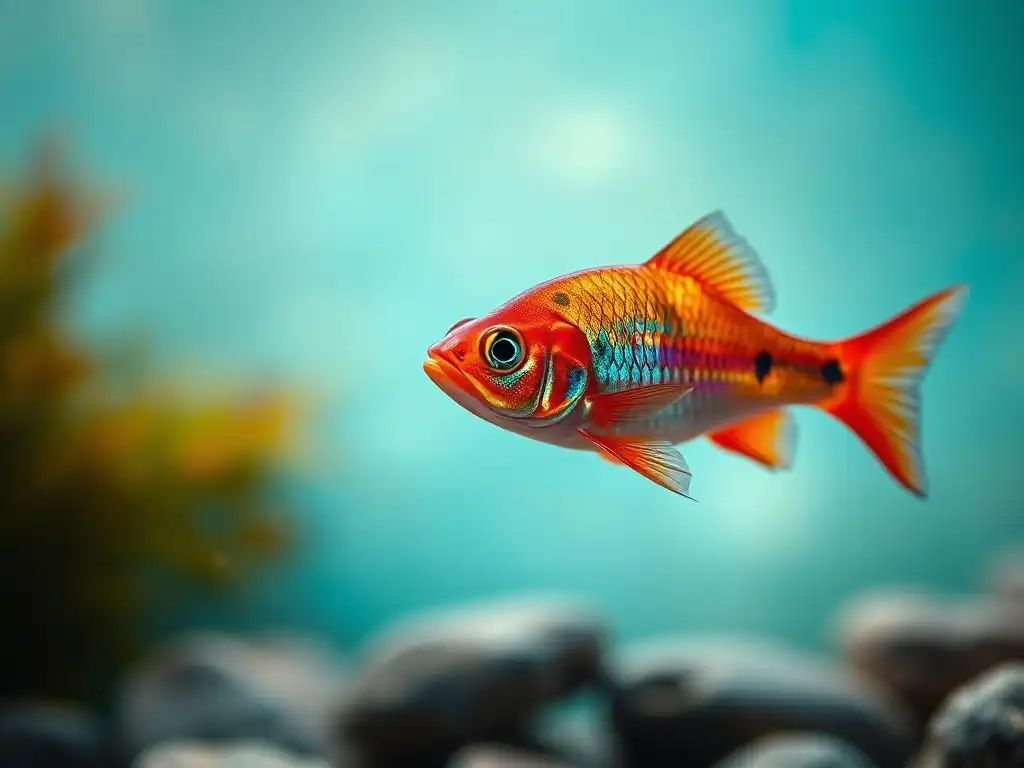
The visual appeal and overall "feel" that each barb contributes to an aquarium can significantly influence an aquarist's aesthetic preferences. The Cherry Barb offers a sense of gentle tranquility and understated beauty. Their small size and subtle red hues are perfect for densely planted, naturalistic aquascapes, where they add pops of color and graceful movement without dominating the scene. They enhance the feeling of a peaceful, thriving ecosystem, often seen weaving through foliage or schooling calmly in open patches.
The Denison Barb, conversely, provides a striking, dynamic, and powerful aesthetic. Their larger size, bold red and black stripes, and relentless energy make them a captivating focal point. They are best suited for aquariums with ample open swimming space, where their high-speed schooling can be fully appreciated. If you desire a tank that exudes energy, motion, and a strong visual presence, the Denison Barb is an excellent choice. The "Cherry barb denison barb" decision often comes down to whether you prefer subtle elegance or dashing dynamism in your aquatic display.
Long-Term Commitment: Considering the Lifespan and Care Needs
Before introducing any new fish to your aquarium, it's crucial to consider the long-term commitment involved, including their potential lifespan and ongoing care requirements. Cherry Barbs are known for their relatively good longevity, with a typical lifespan ranging from 5 to 7 years in a well-maintained aquarium. Their care needs remain consistent throughout their lives, primarily focusing on stable water parameters, a balanced diet, and suitable tank mates, making them a manageable long-term pet.
Denison Barbs also boast a respectable lifespan, often living for 5 to 8 years, and sometimes even longer under optimal conditions. However, their long-term care requires a more significant commitment due to their larger size and specific needs. Maintaining a large, highly oxygenated tank with robust filtration, consistently performing large water changes, and ensuring their continuous access to ample swimming space are ongoing responsibilities. The "Cherry barb denison barb" choice also reflects a commitment to either a relatively easy-going, long-term companion or a more demanding, yet equally rewarding, aquatic resident.
Maintaining a Healthy Barb Aquarium: General Care Tips
Water Changes and Filtration for Barbs
Maintaining pristine water quality is paramount for the health and longevity of both Cherry Barbs and Denison Barbs. Regular partial water changes are a non-negotiable aspect of barb care. For most barb aquariums, a weekly or bi-weekly water change of 25-30% of the tank volume is recommended. This routine helps to dilute nitrates, replenish essential minerals, and remove accumulated organic waste, directly contributing to a stable and healthy environment.
Equally important is a robust and efficient filtration system. For Cherry Barbs, a standard hang-on-back (HOB) filter or an internal filter with adequate biological and mechanical filtration is usually sufficient. However, for Denison Barbs, due to their higher bioload and need for well-oxygenated water with strong flow, a powerful canister filter or multiple HOB filters are often necessary. Ensuring proper mechanical filtration removes particulate matter, while ample biological filtration converts harmful ammonia and nitrite into less toxic nitrates, providing a stable aquatic ecosystem for your barbs.
Preventing and Treating Common Barb Diseases: Ich and Fin Rot
Preventing diseases in barb aquariums primarily revolves around maintaining stable and optimal water parameters, providing a balanced diet, and minimizing stress. Common diseases that can affect barbs include Ich (Ichthyophthirius multifiliis), characterized by white spots resembling salt grains on the fish's body and fins, and Fin Rot, which manifests as frayed or disintegrating fins. Stress, often caused by poor water quality, overcrowding, or incompatible tank mates, significantly weakens a fish's immune system, making them susceptible.
To prevent outbreaks, always quarantine new fish for at least two weeks before introducing them to the main tank. This allows time to observe for signs of illness and treat them in isolation, preventing the spread of pathogens. If a disease does occur, early detection is key. For Ich, increasing the water temperature slightly (if compatible with other tank mates) and using an appropriate medication can be effective. Fin Rot often responds to improved water quality and broad-spectrum antibacterial treatments. Prompt action, whether for "Cherry barb denison barb" health issues, is crucial for recovery.
Ensuring Optimal Water Quality for Thriving Barbs
Optimal water quality is the cornerstone of a thriving barb aquarium, directly influencing their health, coloration, and behavior. This involves more than just clear water; it means maintaining stable and appropriate levels of key water parameters. Regular testing for ammonia, nitrite, and nitrate is essential, particularly during the initial cycling phase and whenever new fish are added. Ammonia and nitrite should always be at zero, while nitrates should be kept below 20 ppm through consistent water changes.
Beyond nitrogenous compounds, monitoring pH and temperature is also critical. While both Cherry Barbs and Denison Barbs have a degree of adaptability, sudden or significant fluctuations in these parameters can cause severe stress. Using a reliable thermometer and pH test kit regularly allows aquarists to detect deviations quickly and take corrective action. A fully cycled aquarium, combined with diligent monitoring and routine maintenance, provides the stable foundation necessary for both Cherry Barbs and Denison Barbs to flourish, ensuring their long-term well-being and vibrant display.
Conclusion: Making the Right Choice Between Cherry Barbs and Denison Barbs
Choosing between the Cherry Barb and the Denison Barb ultimately depends on a careful assessment of your aquarium's capacity, your experience level, and your aesthetic preferences. The Cherry Barb, with its small size, peaceful disposition, and ease of care, is an excellent choice for smaller community tanks (10-20 gallons) and for aquarists who are just beginning their journey or prefer a tranquil, subtly colored aquatic display. They offer gentle grace and integrate seamlessly into a wide range of peaceful setups, making them a very forgiving and rewarding species.
In contrast, the Denison Barb, with its larger size, dashing speed, and striking appearance, demands a more substantial commitment. Requiring a minimum of 55-75 gallons for a healthy school, robust filtration, and a focus on high oxygenation, they are best suited for intermediate to advanced aquarists seeking a dynamic and impressive centerpiece fish.
Their energetic schooling behavior provides a captivating spectacle for those with the space and dedication to meet their specific needs. By carefully weighing the unique characteristics of each "Cherry barb denison barb" option against your specific aquarium environment, you can make an informed decision that leads to a thriving and harmonious aquatic masterpiece.
Frequently Asked Questions
What are the key differences between Cherry Barbs and Denison Barbs?
Cherry Barbs are smaller, gentle community fish known for their bright red males. Denison Barbs are larger, more active, and possess a striking black and red stripe. This difference in size and temperament is crucial.
Which barb is better suited for a smaller aquarium?
The Cherry Barb is the better choice. They thrive in tanks as small as 20 gallons, whereas Denison Barbs require much larger tanks, ideally 75 gallons or more, due to their active nature and potential size.
What are the dietary needs of Cherry Barbs and Denison Barbs?
Both are omnivores, readily accepting flake food, frozen food, and live food. However, Denison Barbs, being more active, may require slightly larger portions to meet their energy needs.
Are Cherry Barbs or Denison Barbs easier to care for as beginner fish?
Cherry Barbs are generally considered easier to care for. They are more tolerant of slight fluctuations in water parameters compared to Denison Barbs, which require pristine water conditions.
Can Cherry Barbs and Denison Barbs be housed together in the same aquarium?
While technically possible in a very large, well-established aquarium, it's generally not recommended. The Denison Barbs' size and activity level could stress the smaller Cherry Barbs, and the tank size requirements for both may be too demanding.
Final Reflection: Appreciating Aquatic Diversity
The vibrant world of aquariums, as we've explored through the contrasting personalities of the Cherry Barb and Denison Barb, reminds us that biodiversity is not just a scientific concept, but a source of endless fascination and beauty. Understanding the nuances of each species, from their temperament to their environmental needs, allows us to create thriving ecosystems within our own homes, reflecting a broader appreciation for the delicate balance of nature.
This journey into the lives of these captivating fish has underscored the importance of responsible aquarium keeping. It's a reminder that our choices, from selecting the right species to providing appropriate care, have a direct impact on the well-being of these creatures and the health of the aquatic environment. In the end, we will conserve only what we love; we will love only what we understand; and we will understand only what we are taught.
- Baba Dioum. This quote perfectly encapsulates the responsibility we bear as stewards of these miniature aquatic worlds.
As you consider adding either the gentle Cherry Barb or the dashing Denison Barb to your aquarium, I encourage you to reflect on the lessons we've learned. Choose wisely, considering not only your aesthetic preferences but also the long-term commitment you're making to these living beings. Embrace the opportunity to create a harmonious environment where these fish can thrive, and in doing so, contribute to a greater understanding and appreciation for the wonders of the aquatic realm.
Ignite Your Aquarium: Choose Your Barb Adventure!
Thanks for diving into the world of Cherry and Denison Barbs! We hope this article has shed light on which of these stunning fish might be the perfect fit for your aquarium. Now, it's time to take the next step and bring your vision to life.
Here are some actions you can take right now:
- Plan Your Ultimate Barb Paradise: Carefully consider your tank size and current inhabitants to determine whether the serene Cherry Barb or the dynamic Denison Barb would thrive best.
- Delve deeper! Research compatible tank mates to guarantee a harmonious environment within your aquatic space.
- Share your newfound knowledge! Spread the word about the unique needs and temperaments of these captivating barbs with fellow aquarium enthusiasts.
Ready to start aquascaping a vibrant haven for your chosen barb?