
Setting Up a Dedicated Breeding Tank for Rift Lake Cichlids

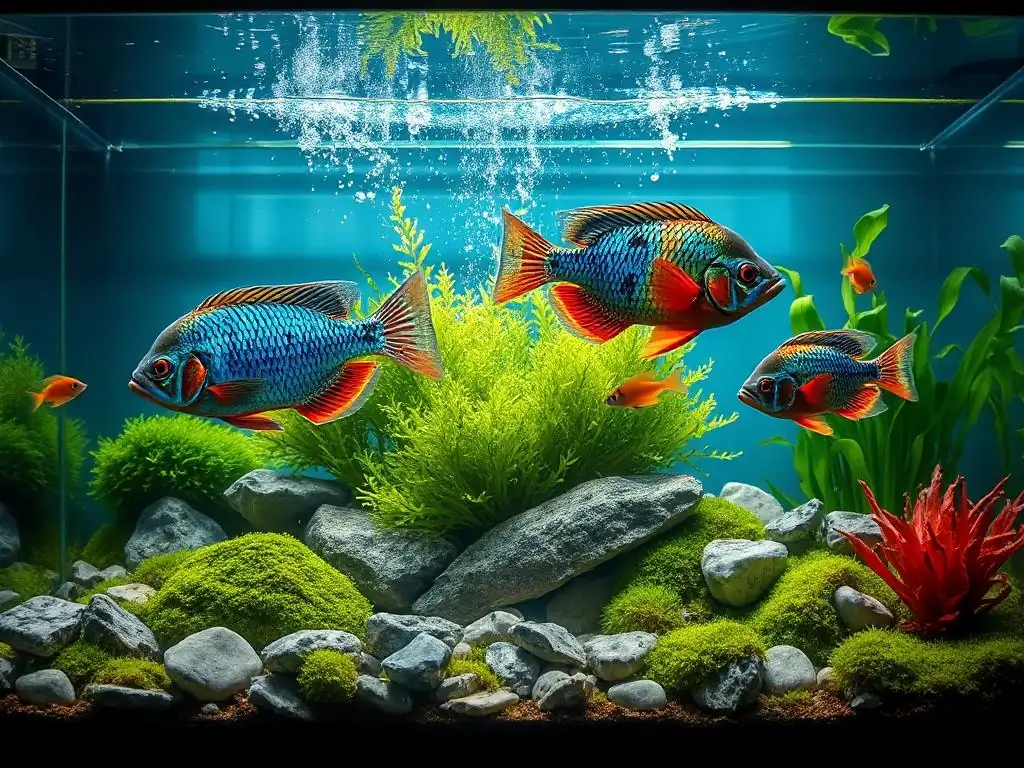
Welcome to Aquarium Mastery!
Ever wondered how to unlock the secrets to successfully breeding those vibrant and fascinating Rift Lake Cichlids? You've come to the right place! Dive into our guide on Setting Up a Dedicated Breeding Tank for Rift Lake Cichlids and discover the key factors to consider. Are you ready to witness the miracle of life in your own aquarium? Let's get started!
- Setting Up a Dedicated Breeding Tank for Mbuna Cichlids
- Understanding Mbuna Cichlid Breeding Needs
- Choosing the Ideal Breeding Tank Setup for Mbuna Cichlids
- Setting Up Your Mbuna Breeding Tank: A Step-by-Step Guide
- Caring for Cichlid Fry: From Eggs to Juveniles
- Promoting Successful Spawning in Mbuna Cichlids
- Common Challenges in Mbuna Cichlid Breeding and How to Overcome Them
- Maintaining a Healthy and Productive Mbuna Breeding Program
- Advanced Techniques for Mbuna Propagation
- Conclusion: Mastering Mbuna Cichlid Breeding
-
Frequently Asked Questions
- How large should my dedicated breeding tank be for Rift Lake Cichlids?
- What are the key water parameters for successful Rift Lake Cichlid breeding?
- What type of substrate and decorations should I include in the breeding tank?
- What should I feed my Rift Lake Cichlids to encourage breeding?
- How do I know when my Rift Lake Cichlids are ready to breed?
- Final Reflection: Nurturing the Future of Rift Lake Cichlids
- Unveil the Secrets to Thriving Cichlid Fry!
Setting Up a Dedicated Breeding Tank for Mbuna Cichlids
Understanding Mbuna Cichlid Breeding Needs
The Importance of a Dedicated Breeding Tank for Mbuna
Setting up a dedicated breeding tank is paramount for successful Rift Lake Cichlid breeding, especially for Mbuna species. In a community tank, the highly aggressive and territorial nature of many Mbuna cichlids often leads to stress, injury, or even death for breeding females or their fry. Males can relentlessly pursue females, preventing them from holding eggs to term or causing them to drop eggs prematurely due to constant harassment. A separate breeding setup mitigates these aggressive interactions, providing a safe, controlled environment where the breeding pair can focus on reproduction without external threats or competition for resources.
Furthermore, a dedicated tank allows for precise control over water parameters, which is crucial for optimizing spawning conditions and ensuring the health of the developing fry. It also prevents hybridization, a common issue in mixed Mbuna tanks where different species may interbreed, leading to undesirable offspring that dilute pure genetic lines. By isolating specific breeding pairs, aquarists can maintain species purity, a vital aspect for those involved in serious Rift Lake Cichlid breeding or conservation efforts. This controlled environment significantly increases the chances of successful spawns and the survival rate of the fry.
Key Water Parameters for Successful Mbuna Spawning
Optimal water parameters are fundamental to encouraging successful Mbuna cichlid breeding. Mbuna cichlids originate from the alkaline, hard waters of Lake Malawi, and replicating these conditions is essential. The ideal pH range for Mbuna spawning is typically between 7.8 and 8.6, with a general hardness (GH) of 10-20 dGH (degrees of general hardness) and a carbonate hardness (KH) of 10-18 dKH. Maintaining stable parameters is more important than hitting exact numbers, as fluctuations can stress fish and inhibit spawning. Regular testing with reliable kits is necessary to monitor pH, GH, and KH levels.
Temperature also plays a significant role in Rift Lake Cichlid breeding. A stable temperature between 76°F and 80°F (24.4°C - 26.7°C) is generally recommended to stimulate spawning activity. Slightly increasing the temperature within this range, perhaps by 1-2 degrees, can sometimes act as a trigger. Ammonia, nitrite, and nitrate levels must be kept at zero for ammonia and nitrite, and below 20 ppm for nitrates, to prevent stress and disease, which are detrimental to breeding success. A well-cycled tank with robust filtration is non-negotiable for achieving and maintaining these pristine water conditions.
Selecting Mbuna Species for Breeding: Pseudotropheus saulosi Example
Choosing the right Mbuna species is a critical first step in successful Rift Lake Cichlid breeding. It's advisable for beginners to start with less aggressive or smaller species to gain experience. The Pseudotropheus saulosi is an excellent example of a suitable species for a dedicated breeding tank due to its relatively smaller size (males reaching about 4 inches, females 3 inches) and moderate aggression compared to some other Mbuna. Males are vibrant blue with black bars, while females and juveniles are bright yellow, making sexing straightforward and their breeding behavior fascinating to observe.
When selecting Pseudotropheus saulosi for breeding, aim for a ratio of one male to two or three females. This ratio helps distribute the male's attention, reducing stress on individual females and increasing the likelihood of successful spawns. Ensure the fish are healthy, active, and free from any signs of disease or stress.
Observing their behavior for a few weeks in a non-breeding setting can help identify strong, compatible individuals. Young adults, typically around 6-8 months old, are often prime candidates for starting a successful Pseudotropheus saulosi breeding program, as they are sexually mature and still have many breeding cycles ahead of them.
Choosing the Ideal Breeding Tank Setup for Mbuna Cichlids
Tank Size Considerations for Mbuna Breeding
The size of the breeding tank is a crucial factor for successful Mbuna cichlid breeding, directly impacting the fish's comfort, health, and spawning frequency. For a single breeding trio (one male, two females) of smaller Mbuna species like Pseudotropheus saulosi or Labidochromis caeruleus, a 20-gallon long tank (30" L x 12" W x 12" H) can suffice, offering adequate swimming space and territories.
However, a 40-gallon breeder tank (36" L x 18" W x 16" H) is often preferred, even for smaller species, as its wider footprint provides more floor space for territorial males and allows females more room to escape aggression after spawning.
For larger Mbuna species or if you plan to keep a small group for breeding, a 55-gallon (48" L x 13" W x 21" H) or even a 75-gallon tank (48" L x 18" W x 21" H) would be more appropriate. The increased volume helps dilute waste products, making water parameter stability easier to maintain, which is vital for Rift Lake Cichlid breeding.
A larger tank also provides more real estate for rock structures and hiding spots, which are essential for reducing stress and offering refuge for females post-spawn, improving the overall success rate of your Mbuna breeding efforts.
Substrate Selection for Optimal Breeding Conditions: Aragonite Sand
The choice of substrate is paramount for creating optimal breeding conditions for Mbuna cichlids. Aragonite sand is highly recommended for Mbuna breeding tanks, primarily because it naturally buffers the water, helping to maintain the high pH and hardness levels characteristic of Lake Malawi. This natural buffering capacity reduces the need for frequent chemical adjustments, contributing to a more stable and healthy environment for your breeding pair and subsequent fry. A layer of 1-2 inches of aragonite sand is generally sufficient.
Beyond its chemical benefits, aragonite sand provides a natural and comfortable environment for Mbuna. Many Mbuna species are known for sifting through the substrate, and the fine grains of aragonite sand are ideal for this behavior. It also provides a suitable surface for the male to display and for the female to lay her eggs during the spawning ritual. Avoid gravel or coarse substrates, as these can trap detritus and are not conducive to the natural behaviors of these fish, potentially hindering successful Rift Lake Cichlid breeding.
Essential Filtration for a Mbuna Breeding Tank
Robust and effective filtration is absolutely essential for a Mbuna breeding tank, directly impacting water quality and the health of the breeding pair and their fry. Given the high bioload of Mbuna cichlids, even in a breeding setup, a combination of mechanical, biological, and chemical filtration is ideal.
A powerful external canister filter is often the best choice, providing excellent mechanical filtration to remove particulate matter, a large surface area for beneficial bacteria (biological filtration) to convert ammonia and nitrite, and compartments for chemical media like activated carbon to remove impurities. For instance, a Fluval 307 or Eheim Classic 350 for a 40-gallon tank would be suitable.
In addition to a canister filter, supplementing with a sponge filter or a hang-on-back (HOB) filter can provide extra biological filtration and gentle water movement, which is beneficial for fry. When selecting filtration, prioritize systems that offer good flow rates, typically turning over the tank volume at least 5-10 times per hour, while also ensuring the flow isn't so strong that it stresses the fish or disrupts the fry. Proper filtration is a cornerstone of maintaining stable, pristine water conditions, which are non-negotiable for successful Rift Lake Cichlid breeding.
Lighting Requirements for Mbuna Spawning and Fry Development
While Mbuna cichlids do not have extremely specific lighting requirements for spawning, providing a consistent and natural light cycle is beneficial. A standard LED aquarium light that mimics a natural day-night cycle of 10-12 hours of light followed by 12-14 hours of darkness is generally sufficient. This consistent photoperiod helps regulate the fish's natural circadian rhythms, contributing to their overall health and encouraging spawning behavior. Avoid excessively bright or prolonged lighting, as this can stress the fish and promote algae growth, which might detract from the tank's aesthetic and water quality.
For fry development, the lighting should be gentle. While not directly influencing their growth rate, appropriate lighting allows for easy observation of the fry and helps them locate food sources. Very dim light or even ambient room light can be adequate for the fry tank, especially in the initial stages. The primary focus for lighting in a Mbuna breeding tank should be on creating a stable, comfortable environment that minimizes stress, rather than on specific light spectrums or intensities for breeding triggers.
Setting Up Your Mbuna Breeding Tank: A Step-by-Step Guide
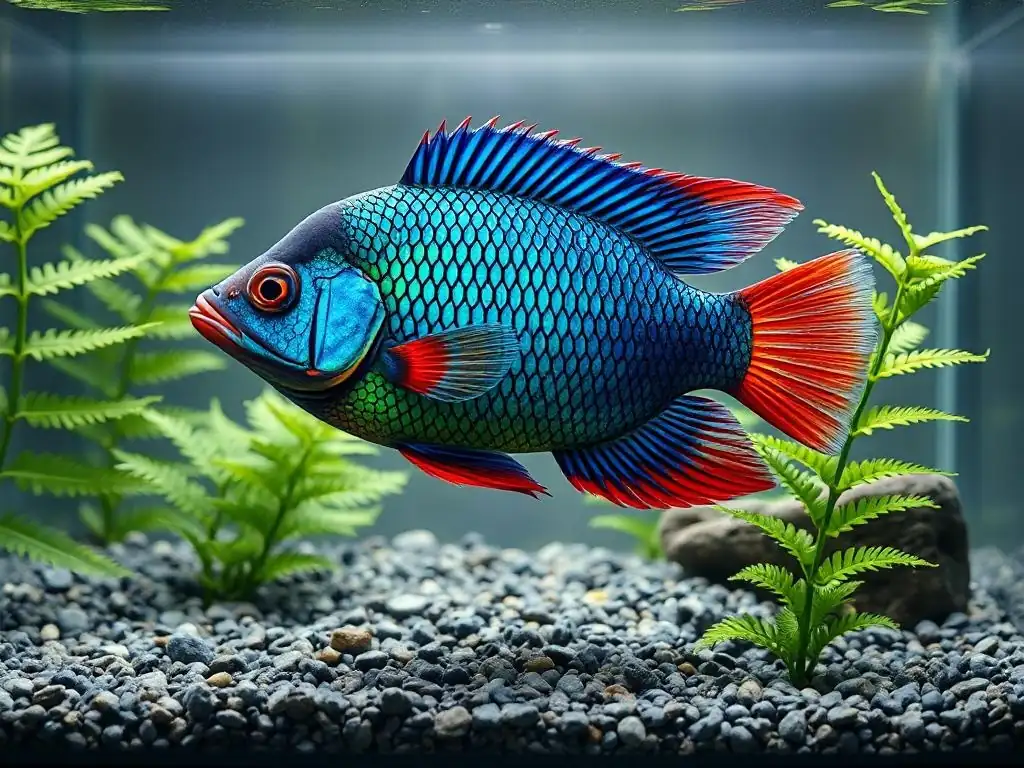
Step 1: Preparing the Breeding Tank
The first crucial step in setting up your dedicated Mbuna breeding tank is thorough preparation. Begin by cleaning the tank meticulously with only water or a mild vinegar solution, ensuring no soap or chemical residues remain, as these can be highly toxic to fish. Place the tank on a sturdy, level stand capable of supporting its full weight when filled. Install a background if desired, as this can reduce reflections and make the fish feel more secure.
Next, add your chosen substrate, typically aragonite sand, to a depth of 1-2 inches across the bottom. Rinse the sand thoroughly before adding it to prevent cloudiness. Position rock structures to create caves, crevices, and visual barriers. These are essential for providing hiding spots for the female after spawning and establishing territories for the male. Ensure rocks are stable and cannot topple, potentially injuring fish or breaking the tank. Finally, install your heater and thermometer, ensuring the heater is appropriately sized for the tank volume to maintain a stable temperature for Rift Lake Cichlid breeding.
Step 2: Establishing Proper Water Chemistry for Breeding
Establishing and stabilizing the correct water chemistry is paramount for successful Mbuna cichlid breeding. After setting up the tank with substrate and decor, fill it with dechlorinated water. Begin the nitrogen cycle immediately by adding a bacterial starter culture or a small amount of established filter media from a healthy, cycled tank. This process typically takes 4-6 weeks to complete, during which beneficial bacteria colonize the filter media and substrate, converting toxic ammonia and nitrite into less harmful nitrate.
Regularly test your water parameters throughout the cycling process, monitoring ammonia, nitrite, and nitrate levels. Once ammonia and nitrite consistently read zero, and nitrates are present but below 20 ppm, the tank is cycled. At this point, adjust the pH to the desired range of 7.8-8.6 and the GH/KH to 10-20 dGH and 10-18 dKH, respectively, using buffers if necessary. Maintain these parameters consistently through regular water changes and monitoring, as stability is key to encouraging Mbuna cichlid breeding.
Step 3: Introducing Breeding Pairs to the Tank
Once your Mbuna breeding tank is fully cycled and water parameters are stable and optimal, it's time to introduce your selected breeding pair or trio. Acclimate the fish slowly to the new tank's water conditions to minimize stress. Float the bag containing the fish in the tank for 15-20 minutes to equalize temperature. Then, gradually add small amounts of tank water to the bag over a period of 30-60 minutes, allowing the fish to slowly adjust to the new pH, hardness, and other parameters.
After acclimation, gently net the fish and release them into the breeding tank, discarding the bag water. Introduce the females first, allowing them to settle and establish territories for a day or two before introducing the male. This can sometimes reduce initial aggression from the male. Observe their behavior closely over the next few days. Providing plenty of hiding spots and visual barriers will help reduce stress and create a more conducive environment for Rift Lake Cichlid breeding.
Step 4: Monitoring Spawning Behavior in Your Mbuna
Monitoring spawning behavior is a fascinating and crucial step in Mbuna cichlid breeding. Once introduced, observe your fish for signs of courtship and spawning. Males will typically intensify their coloration and begin to "shimmy" or vibrate their bodies to attract females. They will often dig small pits in the sand or claim specific rock crevices as spawning sites. The female, if receptive, will follow the male to the chosen site.
During spawning, the female will lay a small number of eggs, which she immediately picks up into her mouth. The male will then display his anal fin, which often has "egg spots" resembling eggs. When the female attempts to pick up these spots, the male releases sperm, fertilizing the eggs in her mouth.
This process repeats until all eggs are laid and collected by the female. A female holding eggs will have a noticeably distended buccal cavity (her throat area will be visibly swollen) and will generally be reclusive, often hiding or refusing food. This is a clear indicator of successful Rift Lake Cichlid breeding.
Caring for Cichlid Fry: From Eggs to Juveniles
Protecting Mbuna Eggs and Newly Hatched Fry
Protecting Mbuna eggs and newly hatched fry is critical for their survival and successful Rift Lake Cichlid breeding. After a female Mbuna has spawned and is holding eggs in her mouth (buccal cavity), she will typically carry them for 21-28 days, depending on temperature and species. During this period, she will not eat and will be more reclusive. To maximize fry survival, it is highly recommended to "strip" the eggs from the female's mouth or move the holding female to a separate, dedicated fry tank (a 5-10 gallon tank works well) before she releases the fry.
If left in the breeding tank, the newly released fry are highly vulnerable to predation from the male Mbuna or other tank inhabitants. Moving the holding female ensures the fry are released into a safe environment. If stripping, the eggs can be placed in an egg tumbler, which mimics the female's mouth movements and provides aeration, preventing fungus. Once hatched, the fry will absorb their yolk sacs over several days before becoming free-swimming. During this initial period, maintain pristine water quality and gentle aeration in the fry tank to ensure their delicate development.
Feeding Mbuna Fry: Optimal Diets for Growth
Providing an optimal diet is paramount for the rapid growth and health of Mbuna fry. Once the fry are free-swimming and have absorbed their yolk sacs, they require very small, highly nutritious food sources. Newly hatched Artemia nauplii (brine shrimp) are an excellent first food. They are highly digestible, packed with protein (around 60% dry weight), and their swimming motion attracts the fry, encouraging them to feed. Feed small amounts multiple times a day, typically 3-5 times, to ensure a constant supply of food without overfeeding, which can foul the water.
As the Mbuna fry grow, usually within 1-2 weeks, you can begin to introduce finely crushed high-quality flake food specifically designed for cichlid fry or small pellets. Continue to supplement with brine shrimp or other live foods like micro-worms or daphnia to provide a varied diet. By 3-4 weeks old, the fry should be able to consume slightly larger foods. A consistent feeding schedule with appropriate, high-quality foods is essential for robust growth and the overall success of your Rift Lake Cichlid breeding program.
Maintaining Water Quality in the Fry Tank
Maintaining impeccable water quality is arguably the most critical aspect of caring for Mbuna fry. Fry are extremely sensitive to poor water conditions, particularly elevated levels of ammonia, nitrite, and nitrate. Daily or every-other-day partial water changes, typically 10-20% of the tank volume, are essential to remove waste products and replenish essential minerals. Always use dechlorinated water that is temperature-matched to the fry tank to prevent shock.
A small, mature sponge filter is ideal for a fry tank. It provides gentle filtration without creating strong currents that could stress or harm the delicate fry, and it offers a large surface area for beneficial bacteria. Avoid powerful filters that could suck in the fry. Monitor water parameters (ammonia, nitrite, nitrate, pH, GH, KH) daily, especially during the first few weeks. Any detectable ammonia or nitrite should prompt an immediate water change. Consistent water quality is the cornerstone of healthy Rift Lake Cichlid breeding and fry survival.
Preventing Disease in Mbuna Fry
Preventing disease in Mbuna fry is crucial, as their immune systems are underdeveloped, making them highly susceptible to various ailments. The primary defense against disease is maintaining pristine water quality. As mentioned, frequent small water changes and a well-cycled sponge filter are non-negotiable. Overfeeding should be avoided, as uneaten food quickly decays and contributes to poor water conditions, a leading cause of disease.
Quarantining new adult fish before introducing them to the breeding tank can prevent the introduction of pathogens. Similarly, any equipment used in the fry tank should be dedicated solely to that tank or thoroughly disinfected. If disease does appear, such as ich (white spots) or bacterial infections, treatment can be challenging for fry. Often, increasing temperature slightly (for ich) and performing extra water changes can help. Chemical treatments should be used with extreme caution and at reduced dosages, as fry are very sensitive. Proactive prevention through excellent husbandry is the most effective strategy for successful Rift Lake Cichlid breeding.
Promoting Successful Spawning in Mbuna Cichlids
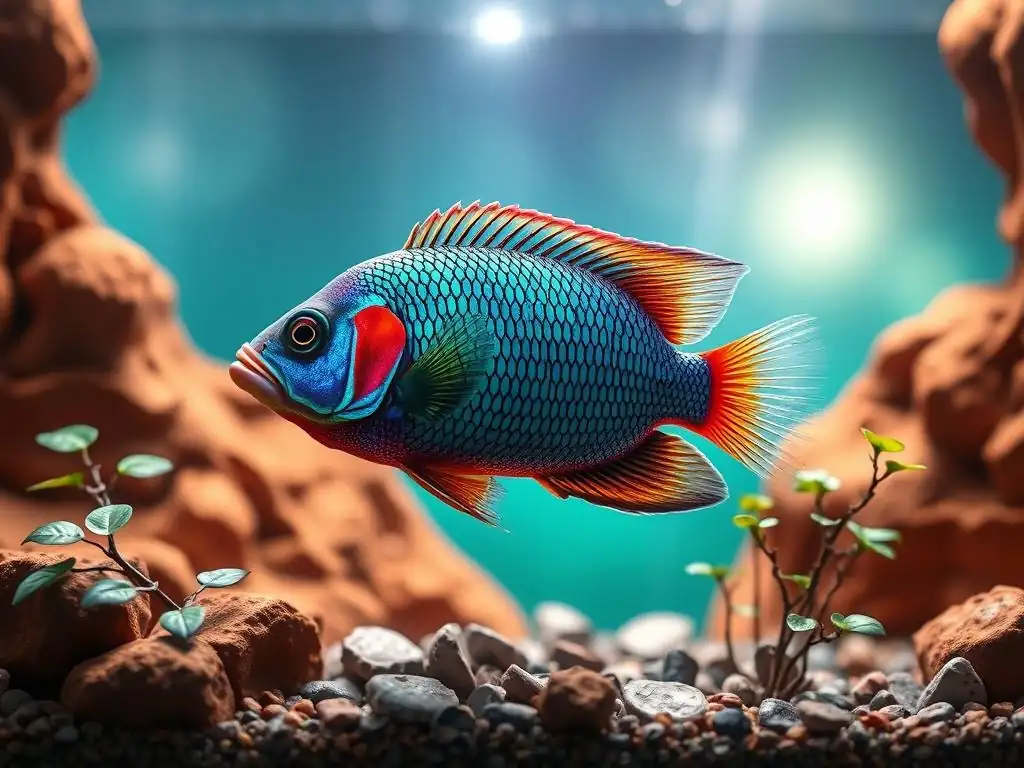
Creating a Stress-Free Environment for Breeding Mbuna
Creating a stress-free environment is fundamental to promoting successful Mbuna cichlid breeding. Stress is a significant inhibitor of spawning, as it can suppress reproductive hormones and lead to aggression or illness. In a dedicated breeding tank, minimize external disturbances. Place the tank in a quiet area of the house, away from high-traffic zones or sudden loud noises. Avoid sudden changes in lighting or temperature, as consistency helps keep the fish calm.
The tank itself should offer ample hiding spots and visual barriers using rock structures. This allows the female to retreat from the male's advances when she is not ready to spawn, and provides safe havens post-spawn. Maintaining stable and optimal water parameters, as previously discussed, is also crucial for reducing physiological stress. A well-fed, healthy, and calm breeding pair is far more likely to engage in successful Rift Lake Cichlid breeding than stressed individuals.
Providing Suitable Spawning Sites and Substrates: Rock Structures
Providing suitable spawning sites and substrates is essential for encouraging Mbuna cichlid breeding. Mbuna are primarily rock-dwelling cichlids, and in their natural habitat, they spawn on flat surfaces of rocks or within caves. Therefore, replicating this environment in the breeding tank is critical. Use inert rocks such as Texas Holey Rock, lava rock, or slate to construct intricate rock formations that include numerous caves, tunnels, and flat surfaces.
These structures serve multiple purposes: they provide the male with a territory to defend and a designated area for courtship and spawning, and they offer crucial hiding spots for the female to escape the male's relentless attention before and after spawning. For species that prefer to dig pits, a fine sand substrate like aragonite sand is necessary, allowing the male to excavate a spawning site. The availability of appropriate spawning sites directly correlates with the frequency and success of Rift Lake Cichlid breeding.
Managing Aggression During Breeding
Even in a dedicated breeding tank, managing aggression during Mbuna cichlid breeding is often necessary. Male Mbuna can be intensely aggressive towards females, particularly when they are not receptive to spawning or after they have spawned. To mitigate this, ensure the tank has ample hiding spots and visual barriers created by rockwork. This allows the female to retreat and break line of sight, reducing the male's ability to harass her constantly.
Maintaining a proper male-to-female ratio, typically one male to two or three females, also helps distribute the male's aggression, preventing any single female from being overly stressed. If aggression becomes extreme, resulting in injury or severe stress, temporary separation of the male and female might be necessary. This could involve using a tank divider for a few days or moving the female to a separate holding tank until she recovers or is ready to breed again. Careful observation and timely intervention are key to successful Rift Lake Cichlid breeding.
Optimizing Water Parameters for Successful Spawning
Optimizing water parameters is a continuous process that significantly impacts successful Mbuna cichlid breeding. While maintaining stable parameters within the optimal ranges (pH 7.8-8.6, GH 10-20 dGH, KH 10-18 dKH, temperature 76-80°F) is crucial, subtle adjustments can sometimes trigger spawning. For instance, a slight increase in temperature by 1-2 degrees Fahrenheit within the optimal range, maintained for a few days, can often stimulate breeding activity.
Regular, consistent water changes (25-30% weekly) are essential not only for removing nitrates and other waste but also for introducing fresh, oxygenated water. This fresh water, mimicking rainfall in their natural habitat, can often act as a spawning trigger. Ensuring the water is highly oxygenated, perhaps through additional aeration or surface agitation, is also beneficial. Consistently clean, well-conditioned, and stable water parameters are the foundation for encouraging robust Rift Lake Cichlid breeding.
Common Challenges in Mbuna Cichlid Breeding and How to Overcome Them
Addressing Infertile Eggs and Poor Hatch Rates
One common challenge in Mbuna cichlid breeding is encountering infertile eggs or experiencing poor hatch rates. This issue can stem from several factors. Firstly, ensuring the male is sexually mature and virile is crucial; very young or very old males may have reduced fertility. Nutritional deficiencies can also impact fertility, so provide a high-quality, varied diet rich in spirulina and quality protein for your breeding stock.
Water parameters also play a significant role. Extreme fluctuations in pH or temperature, or elevated levels of ammonia/nitrite, can stress the fish and lead to infertile spawns. Consistent, optimal water quality is paramount. If a female is consistently holding infertile eggs, consider replacing the male or re-evaluating the breeding pair's health and diet. Sometimes, simply giving the fish more time or altering their diet slightly can resolve issues with Rift Lake Cichlid breeding success.
Preventing Hybridization Between Mbuna Species
Preventing hybridization is a critical concern for serious Mbuna cichlid breeding enthusiasts. Hybridization occurs when different Mbuna species interbreed, leading to offspring with mixed genetic traits that are often less desirable and can dilute pure bloodlines. The most effective way to prevent hybridization is to house only one species of Mbuna in a dedicated breeding tank. This eliminates any possibility of interspecies spawning.
If you must keep multiple species in a very large tank (not recommended for dedicated breeding setups), ensure they are visually distinct and belong to different genera or very different color patterns to reduce mistaken identity during spawning. However, for pure Rift Lake Cichlid breeding, species isolation is the golden rule. Always be certain of the species identity of your breeding stock to maintain genetic purity and avoid unintended hybrid spawns.
Combating Diseases in the Breeding Tank
Combating diseases in a Mbuna breeding tank requires vigilance and prompt action, as disease can quickly devastate a breeding program. Stress from poor water quality, overcrowding, or aggression is a primary trigger for illness. Therefore, maintaining optimal water parameters through regular water changes and robust filtration is the first line of defense. Quarantine all new fish for at least 3-4 weeks in a separate tank before introducing them to the breeding setup to prevent bringing in pathogens.
If disease symptoms appear (e.g., clamped fins, loss of appetite, white spots, labored breathing), identify the specific ailment as quickly as possible. Many common cichlid diseases, like Ich or Malawi Bloat, can be fatal if untreated. For mild cases, increasing temperature (for Ich) and performing extra water changes might help. For more severe bacterial or parasitic infections, specific medications may be necessary, but always use them cautiously and according to instructions, as some can impact beneficial bacteria or even fry. Proactive husbandry is the most effective approach for successful Rift Lake Cichlid breeding.
Dealing with Aggressive Breeding Behavior
Dealing with aggressive breeding behavior is an ongoing challenge in Mbuna cichlid breeding programs. While some aggression is natural and even necessary for spawning, excessive male aggression can stress or injure females, leading to failed spawns or even fatalities. Providing ample rockwork with numerous caves and visual barriers is crucial. This allows the female to escape the male's relentless pursuit when she is not receptive or after she has spawned and is holding eggs.
Maintaining a proper male-to-female ratio (1 male to 2-3 females) helps disperse the male's attention, reducing the pressure on any single female. If a male is excessively aggressive to the point of injuring females, consider removing him temporarily to a separate tank or using a tank divider for a few days to give the female a break. Sometimes, swapping out the male for another one, or introducing a small group of females at once, can help reset dynamics. Persistent management of aggression is key to successful Rift Lake Cichlid breeding.
Maintaining a Healthy and Productive Mbuna Breeding Program
Regular Water Changes and Tank Maintenance
Regular water changes and consistent tank maintenance are the cornerstones of a healthy and productive Mbuna cichlid breeding program. Mbuna are sensitive to nitrates and other pollutants, especially during breeding. Performing 25-30% water changes weekly is a minimum, and for heavily stocked breeding tanks or those with numerous fry, twice-weekly changes might be necessary. Always use dechlorinated, temperature-matched water.
Beyond water changes, regular maintenance includes vacuuming the substrate to remove uneaten food and detritus, cleaning filter media (rinsing in old tank water to preserve beneficial bacteria), and wiping down the tank glass. Consistent maintenance prevents the buildup of harmful substances, maintains stable water parameters, and reduces the risk of disease, all of which are essential for continuous and successful Rift Lake Cichlid breeding.
Monitoring Water Parameters and Adjusting as Needed
Continuous monitoring of water parameters is absolutely vital for maintaining a healthy and productive Mbuna cichlid breeding program. Use reliable liquid test kits to regularly check pH, ammonia, nitrite, nitrate, GH, and KH levels. Daily checks are recommended for fry tanks, and at least weekly for adult breeding tanks. Consistent readings within the optimal ranges (pH 7.8-8.6, GH 10-20 dGH, KH 10-18 dKH, 0 ppm ammonia/nitrite, <20 ppm nitrate) indicate a stable and healthy environment.
If parameters drift, prompt adjustment is necessary. For instance, if pH drops, it may indicate insufficient buffering capacity, requiring the addition of a buffer or more aragonite sand. Rising nitrates signal the need for more frequent or larger water changes. Proactive monitoring and adjustment prevent stress and disease, ensuring optimal conditions for spawning and the development of healthy fry, thus maximizing your Rift Lake Cichlid breeding success.
Selecting Healthy Breeding Stock for Future Generations
Selecting healthy breeding stock is paramount for the long-term success and genetic integrity of your Mbuna cichlid breeding program. Always choose fish that exhibit vibrant coloration, active swimming, clear eyes, and no signs of physical deformities or disease. Observe their behavior; a healthy fish will be alert and responsive. Avoid fish that are listless, have clamped fins, or show any signs of bloating or lesions.
Ideally, source your breeding stock from reputable breeders or suppliers who can guarantee the species' purity and health. Inbreeding can lead to genetic weaknesses over time, so occasionally introducing new, unrelated bloodlines from a different source can help maintain genetic diversity and vigor. Careful selection ensures you are propagating strong, robust individuals, which is crucial for sustainable Rift Lake Cichlid breeding.
Record Keeping and Tracking Breeding Success
Diligent record keeping and tracking breeding success are invaluable practices for any serious Mbuna cichlid breeding program. Maintain a logbook or digital spreadsheet to record key information for each breeding pair. This should include:
- Spawning Dates: When a female is observed holding eggs.
- Fry Count: The number of fry successfully hatched or stripped.
- Growth Rates: Observations on how quickly fry are developing.
- Water Parameters: Regular readings of pH, GH, KH, temperature, and nitrogen cycle components.
- Diet: What food is being offered and how often.
- Behavioral Notes: Any observations on aggression, health, or unusual behavior.
- Mortality: Any fry or adult losses, with suspected causes.
These records allow you to identify successful breeding pairs, track trends in productivity, pinpoint potential issues (e.g., a drop in hatch rates might correlate with a parameter swing), and refine your husbandry techniques over time. Detailed record keeping is a powerful tool for optimizing your Rift Lake Cichlid breeding efforts and improving future outcomes.
Advanced Techniques for Mbuna Propagation
Artificial Incubation of Mbuna Eggs
Artificial incubation of Mbuna eggs is an advanced technique used to maximize fry yield and relieve the female from the stress of holding eggs for an extended period. This method involves carefully "stripping" the eggs from the female's mouth. This is typically done around 10-14 days into the holding period, when the eggs are more developed and less prone to damage. The female is gently netted and held, and her mouth is carefully opened to release the eggs.
Once stripped, the eggs are immediately transferred to an "egg tumbler." An egg tumbler is a specialized device that provides gentle, constant water flow and aeration, mimicking the fanning action of the female's mouth. This movement prevents fungus from growing on the eggs and ensures adequate oxygenation for development.
The water in the tumbler should be from the breeding tank and maintained at the same optimal parameters. As the fry hatch and absorb their yolk sacs, they can be gently transferred to a dedicated fry tank. Artificial incubation significantly increases the survival rate of eggs, leading to higher yields in Rift Lake Cichlid breeding programs.
Conclusion: Mastering Mbuna Cichlid Breeding
Frequently Asked Questions
How large should my dedicated breeding tank be for Rift Lake Cichlids?
The tank size depends on the species, but generally, a 20-gallon long tank is a good starting point for smaller species. Larger species may require 40-gallon breeders or larger.
What are the key water parameters for successful Rift Lake Cichlid breeding?
Maintaining stable and specific water parameters is crucial. You'll need a high pH (7.8-8.6), high hardness, and a consistent temperature suitable for the specific species you're breeding.
What type of substrate and decorations should I include in the breeding tank?
Use a calcium-based substrate like aragonite sand or crushed coral to help maintain the high pH. Provide plenty of rock caves and hiding places to mimic their natural environment and offer security.
What should I feed my Rift Lake Cichlids to encourage breeding?
Feed a high-quality cichlid flake food supplemented with live or frozen foods like brine shrimp and bloodworms. This will provide the necessary protein and nutrients for breeding condition.
How do I know when my Rift Lake Cichlids are ready to breed?
Observe for breeding behavior such as digging pits, increased aggression, and color intensification. The female will also become noticeably plump with eggs.
Final Reflection: Nurturing the Future of Rift Lake Cichlids
The intricacies of Rift Lake Cichlid Breeding extend far beyond the confines of a dedicated tank; they represent a commitment to preserving the biodiversity of these unique and threatened ecosystems. Understanding and replicating the specific conditions necessary for successful breeding is not merely a hobby, but a crucial step in safeguarding these vibrant species for generations to come, especially as their natural habitats face increasing pressures.
The dedication required to establish and maintain a breeding tank reflects a deeper appreciation for the delicate balance of nature. Witnessing the lifecycle unfold, from courtship rituals to the emergence of fry, fosters a profound connection to these remarkable fish and underscores the importance of conservation efforts. In the end, we will conserve only what we love; we will love only what we understand; and we will understand only what we are taught.
- Baba Dioum. This quote perfectly encapsulates the power of hands-on experience in cultivating a passion for protecting these incredible creatures.
Now, consider the ripple effect of your own actions. By embracing the principles of responsible Rift Lake Cichlid breeding, you become an active participant in ensuring their survival. Take the knowledge you've gained, share it with others, and continue to refine your techniques. Your dedication, however small it may seem, contributes to a larger movement, a collective effort to preserve the beauty and wonder of the African Rift Lakes for years to come.
Unveil the Secrets to Thriving Cichlid Fry!
Thank you for diving into the world of Rift Lake Cichlid breeding! We hope this article has given you the knowledge and confidence to take the next step. Now, let's put that knowledge into action!
- Immediately assess your current setup. Identify a suitable tank for conversion or start planning your new dedicated breeding tank.
- Share your breeding tank plans or progress with fellow cichlid enthusiasts on Aquarium Mastery's forum.
- Consider experimenting with unconventional breeding triggers based on the specific species, such as slight temperature variations.
What unique modifications are you considering for your Rift Lake Cichlid breeding tank setup?