
The Delicate Art of Handling Freshwater Crabs Safely and StressFree

Welcome to Aquarium Mastery!
Ever wondered about the secret to keeping those captivating freshwater crabs happy and healthy in your aquarium? Dive into The Delicate Art of Handling Freshwater Crabs Safely and Stress-Free, where we unlock essential freshwater crab handling tips and much more. Prepare to discover the nuances of invertebrate care and transform your aquarium skills from novice to expert! Let's explore the fascinating world of freshwater crabs together...
- The Delicate Art of Handling Vampire Crabs Safely and Stress-Free
- Introduction: Understanding the Needs of Your Vampire Crab
- Preparing for Vampire Crab Handling: Minimizing Stress
- Step-by-Step Guide: How to Safely Handle Vampire Crabs
- Specific Handling Techniques for Different Vampire Crab Species
- Minimizing Stress During and After Handling
- Post-Handling Care and Observation: Ensuring a Smooth Recovery
- Vampire Crab Handling Tips: Expert Advice for Success
- The Importance of Respecting Your Crab's Natural Instincts
- Conclusion: Mastering Vampire Crab Handling for a Thriving Paludarium
- Frequently Asked Questions
- Final Reflection: Cultivating Respect in Crab Care
- Dive Deeper: Embrace Crab Care Mastery!
The Delicate Art of Handling Vampire Crabs Safely and Stress-Free
Introduction: Understanding the Needs of Your Vampire Crab
Why Proper Vampire Crab Handling is Crucial for Their Well-being
Vampire crabs, belonging to the genus Geosesarma, are remarkably delicate semi-aquatic invertebrates that thrive in specific paludarium environments. Their small size, often with a carapace width of just 1-3 centimeters, makes them particularly susceptible to physical injury and environmental stress. Improper handling can lead to significant health issues, including limb autotomy, carapace damage, respiratory distress from prolonged exposure to dry air, and severe psychological stress, which can ultimately shorten their typical captive lifespan of 2-3 years.
The physiological impact of stress on vampire crabs is profound. When stressed, their immune systems can become suppressed, making them more vulnerable to bacterial or fungal infections. High stress levels can also interfere with crucial biological processes, most notably molting. A crab experiencing stress might attempt to molt prematurely or struggle to shed its old exoskeleton, a condition known as a "stuck molt," which is often fatal. Furthermore, stressed crabs may exhibit abnormal behaviors like excessive hiding, refusal to eat, or increased aggression towards tank mates, disrupting the entire paludarium ecosystem.
Common Mistakes in Handling and Their Consequences
One of the most frequent errors in handling vampire crabs is using dry hands or neglecting to maintain high humidity during the process. Vampire crabs breathe through gills that must remain moist to function, and even a few minutes in dry air can cause severe respiratory distress, leading to lethargy and potentially death. Another common mistake is grasping the crab too tightly or by its delicate legs or claws.
This often triggers their natural defense mechanism of autotomy, where they intentionally drop a limb to escape perceived danger. While crabs can regenerate lost limbs over several molts, this process is energy-intensive and can significantly delay future molts, weakening the crab.
Other detrimental handling mistakes include sudden movements, dropping the crab, or prolonged exposure to an open, unfamiliar environment. Sudden movements can cause panic, leading to the crab attempting frantic escapes or autotomy. Dropping a crab, especially onto a hard surface, can result in severe carapace cracks or internal injuries that are often fatal due to their fragile exoskeletons. Even if no immediate injury is visible, the stress from such an event can lead to long-term health problems, making proper freshwater crab handling tips essential for their survival and well-being.
Preparing for Vampire Crab Handling: Minimizing Stress
Setting Up a Safe and Escape-Proof Handling Area
Before attempting to handle any vampire crab, it is paramount to prepare a designated safe and escape-proof area. A clean, uncluttered surface away from direct sunlight, drafts, or loud noises is ideal. A shallow plastic container with a secure, ventilated lid, such as a large deli cup or a small critter keeper, serves as an excellent temporary holding space. These crabs are notorious escape artists, capable of squeezing through incredibly small gaps, so ensuring the container is completely sealed is critical to prevent loss or injury.
Within the holding container, it is vital to replicate a humid, semi-aquatic environment. A shallow layer of dechlorinated water, approximately 0.5 to 1 centimeter deep, should be present at one end, along with a piece of damp sphagnum moss or coco fiber at the other. This setup allows the crab to choose between a wet or damp area, maintaining optimal humidity levels (ideally 75-90%) and preventing desiccation during the brief handling period. This meticulous preparation minimizes environmental shock and significantly reduces stress.
Gathering Essential Tools: Nets, Containers, and Gloves (Optional)
Having the right tools readily available ensures a smooth and efficient handling process. A soft, fine-mesh net, typically used for catching small fish or fry in aquariums, is indispensable. A net with a diameter of 3-4 inches is usually sufficient for most Geosesarma species and prevents damage to their delicate legs, antennae, and gills, which can easily be caught or torn by coarser nets. Avoid using bare hands for direct capture from the paludarium, as this can be startling and increase the risk of injury.
In addition to the net and the primary holding container, a spray bottle filled with dechlorinated water is crucial for maintaining humidity. Thin, powder-free nitrile or latex gloves can also be considered. While vampire crabs are not aggressive, gloves can protect the handler from potential nips (though rare) and, more importantly, prevent the transfer of natural skin oils, lotions, or other chemicals from human hands onto the crab's sensitive exoskeleton. However, gloves can reduce dexterity, so practice is recommended before using them for actual handling. These freshwater crab handling tips ensure both safety and efficiency.
Acclimating Your Crab to Your Presence Before Handling
Before any physical interaction, it is beneficial to acclimate your vampire crab to your presence. Spend time near the paludarium without attempting to interact directly. Observe their behavior, and allow them to become accustomed to your movements and proximity. Occasionally offering food items with long tongs can help create a positive association with your presence, reducing their natural skittishness. This gradual habituation is a cornerstone of stress-free freshwater crab handling tips.
Look for signs that your crab is relatively calm and not exhibiting extreme stress responses. A crab that is actively exploring, foraging, or resting openly is generally more relaxed than one that is constantly hiding, freezing, or attempting to burrow frantically. Only proceed with handling when the crab appears to be in a calm state. Attempting to handle a highly stressed or agitated crab significantly increases the risk of autotomy, injury, or a prolonged recovery period after it is returned to its habitat.
Step-by-Step Guide: How to Safely Handle Vampire Crabs
Step 1: Observing Your Crab's Behavior and Assessing Its Mood
Before initiating any contact, take a moment to quietly observe your vampire crab from a distance within its paludarium. Pay close attention to its current behavior and overall disposition. Is the crab actively moving around, foraging for food, or interacting with its environment? Or is it hiding, frozen in place, or attempting to retreat? A crab that appears calm and engaged is generally less likely to be stressed by handling.
Conversely, signs of distress include rapid scurrying, attempts to burrow or escape, or holding its claws defensively. If the crab exhibits these behaviors, it indicates a high level of stress or fear. In such cases, it is advisable to postpone handling if possible, or proceed with extreme caution and efficiency, as a stressed crab is more prone to autotomy (dropping a limb) or other stress-related injuries.
Step 2: Gently Approaching and Netting the Crab (If Necessary)
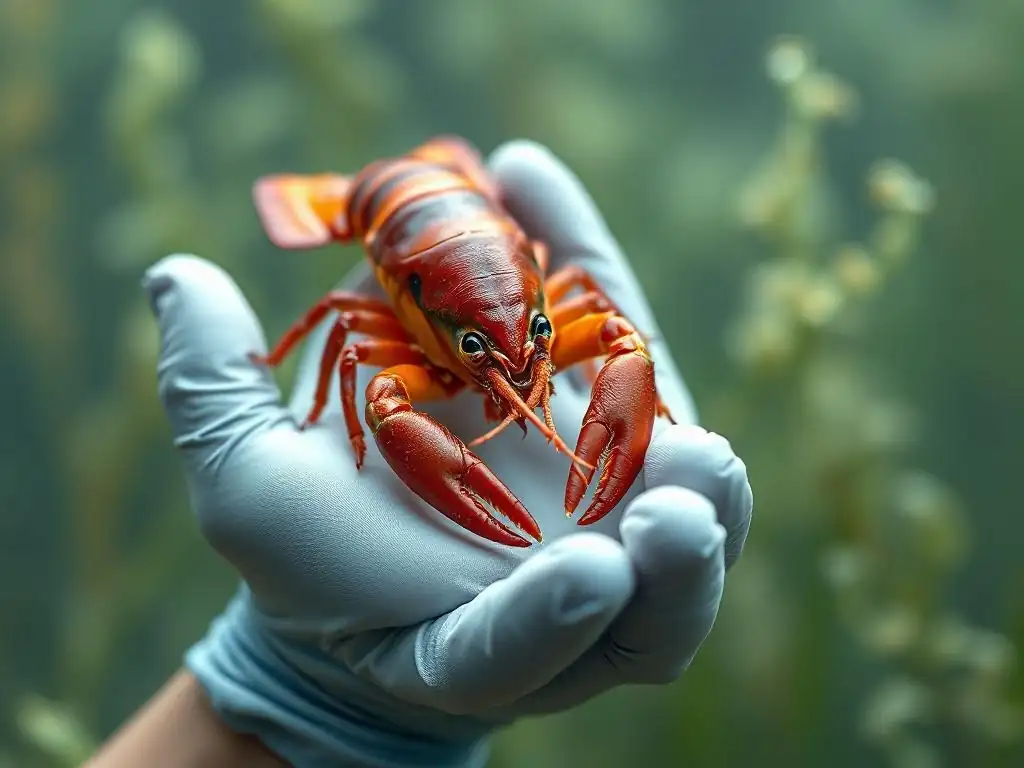
Once you've assessed the crab's mood and determined that handling is necessary, approach the paludarium slowly and deliberately, avoiding any sudden movements or loud noises that could startle the crab. If the crab needs to be removed from the tank for inspection or transfer, use the soft, fine-mesh net. Submerge the net slowly into the water or substrate near the crab.
Gently guide the crab into the net, allowing it to walk in rather than chasing it. Avoid scooping or trapping the crab forcefully against surfaces, as this can cause physical damage. Once the crab is safely within the net, slowly and steadily lift it, allowing any excess water to drain. Ensure the crab is fully contained within the mesh and its delicate limbs or antennae are not caught or bent.
Step 3: Securely Transferring the Crab to a Holding Container
With the crab securely in the net, immediately transfer it to the pre-prepared holding container. Carefully invert the net over the container, allowing the crab to gently slide out onto the damp substrate or shallow water. Avoid shaking the net or forcing the crab out, as this can cause unnecessary stress or injury. The holding container should have a smooth interior to prevent the crab from climbing out easily.
Once the crab is in the holding container, quickly and securely place the lid on top. Ensure the lid is escape-proof, as vampire crabs are adept at finding even the smallest openings. The container provides a temporary, safe, and controlled environment for the crab while it is outside its main paludarium, minimizing its exposure to unfamiliar surroundings and maintaining crucial humidity.
Step 4: Inspecting the Crab for Injuries or Signs of Stress
While the crab is in the holding container, take this opportunity to perform a quick visual inspection. Look for any signs of physical injury, such as missing limbs, damaged antennae, cracks or punctures in the carapace, or unusual discolorations. Also, observe for any signs of an impending molt, such as a dull carapace, a visible gap between the carapace and abdomen, or reduced activity.
Beyond physical assessment, continue to observe the crab's behavior within the container. Excessive frantic movement, prolonged freezing, or repeated attempts to climb out indicate high levels of stress. Minimize the duration of this inspection to reduce the crab's time in an unfamiliar environment. If any issues are noted, this provides crucial information for post-handling care.
Specific Handling Techniques for Different Vampire Crab Species
Handling Geosesarma dennerle (Red Devil Vampire Crab): Special Considerations
Geosesarma dennerle, commonly known as the Red Devil Vampire Crab, is one of the most popular and smallest species in the hobby, typically reaching a carapace width of only 1.5 to 2 centimeters. Their diminutive size makes them exceptionally delicate and prone to injury if handled improperly. When dealing with G. dennerle, the smallest possible soft-mesh net should be used to ensure they are fully contained without excess space that could lead to entanglement of their slender legs.
Due to their striking red and purple coloration, G. dennerle are often kept in intricately planted paludariums where they can be difficult to locate. When handling for health checks or during tank maintenance, prioritize swift and efficient removal and reintroduction to minimize their time out of their established hiding spots. Their delicate limbs are particularly susceptible to autotomy if grabbed, so direct hand contact should be avoided, relying instead on netting or guiding them gently into a container.
Handling Geosesarma hagen (Halloween Vampire Crab): A Gentle Approach
Geosesarma hagen, known as the Halloween Vampire Crab, is slightly larger than G. dennerle, with adults reaching up to 2.5 centimeters in carapace width. They are recognized by their distinct orange and black coloration. While their slightly larger size might suggest a degree of robustness, they are equally delicate and require a gentle approach to handling, similar to their smaller cousins.
These crabs can be quite active and inquisitive, sometimes making them easier to guide into a net or container. However, their agility also means they are quick to escape if the handling area is not secure. When transferring G. hagen, ensure the holding container offers some form of gentle grip, such as a piece of damp bark or moss, to prevent them from slipping and potentially injuring themselves on smooth plastic surfaces. As with all Geosesarma species, minimizing physical contact and maintaining high humidity are paramount freshwater crab handling tips.
Handling Geosesarma sp. (Unknown Species) : Observation and Caution
The genus Geosesarma is incredibly diverse, with many species yet to be formally described or identified, often appearing in the trade as Geosesarma sp. (meaning 'species unknown'). When handling an unidentified Geosesarma species, it is crucial to err on the side of extreme caution, as their specific behavioral traits, sensitivities, and potential defensive mechanisms may not be fully known. Assume they are as delicate, if not more so, than known species.
Begin by observing the crab's natural tendencies within its paludarium. Does it appear particularly skittish or prone to hiding? Does it show any signs of aggression towards tank mates? Tailor your handling strategy based on these observations, always prioritizing minimal direct contact and ensuring the temporary holding environment is maximally secure and humid. Without specific species knowledge, general best practices for Geosesarma care, focusing on stress reduction and physical safety, become even more critical freshwater crab handling tips.
Minimizing Stress During and After Handling
Maintaining Proper Humidity and Temperature in the Holding Container
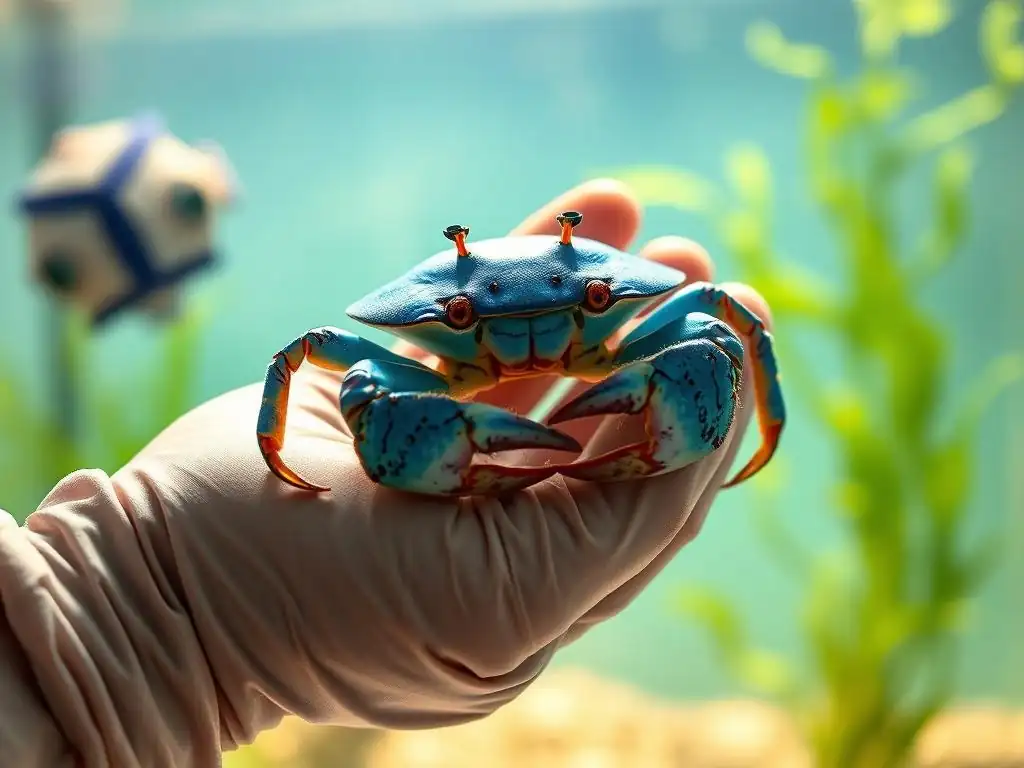
Vampire crabs are semi-terrestrial and require extremely high humidity, typically ranging from 75% to 90%, and stable temperatures between 22-28°C (72-82°F). When a crab is moved to a temporary holding container, it is crucial to maintain these conditions to prevent respiratory distress and desiccation. Regularly mist the air inside the container and the damp substrate with dechlorinated water using a spray bottle. This ensures their gills remain moist, allowing for proper respiration.
Avoid placing the holding container in direct sunlight, near heating vents, or in any area with fluctuating temperatures. Extreme heat or cold can quickly lead to shock and severe stress. The goal is to create a microclimate within the container that closely mimics their natural habitat, even for short durations. This consistent environmental control is a vital aspect of effective freshwater crab handling tips.
Limiting Handling Time to Reduce Stress Levels
The duration of handling is directly correlated with the level of stress a vampire crab experiences. The less time a crab spends outside its established, secure paludarium, the better. For routine health checks or brief transfers, aim to complete the process within 5-10 minutes. Prolonged exposure to an unfamiliar environment, different scents, and vibrations can significantly increase stress, making the crab more susceptible to illness or molting problems.
If a procedure requires more extended time, consider returning the crab to a secure, humid temporary setup for short breaks. This allows the crab to decompress and regain some composure before the process continues. Efficiency and speed, without sacrificing gentleness, are key. By minimizing the time a crab is handled, aquarists contribute significantly to its overall well-being and recovery.
Providing Hiding Places and Enrichment After Handling
Upon returning the vampire crab to its paludarium after handling, it is essential to provide immediate security and comfort. Ensure there are ample hiding spots available, such as coco huts, pieces of driftwood, dense plant cover, or a thick layer of leaf litter. These hiding places allow the crab to retreat, feel secure, and de-stress in a familiar environment.
It is common for a crab to hide for several hours or even a full day after being handled. Resist the urge to disturb it during this recovery period. Offering a favorite food item, such as a small piece of blanched vegetable or a high-quality crab pellet, near its hiding spot can also help re-establish a sense of normalcy and comfort. Providing a rich, stimulating environment with plenty of cover helps mitigate post-handling stress.
Post-Handling Care and Observation: Ensuring a Smooth Recovery
Monitoring Your Crab's Behavior for Signs of Distress
After a handling session, diligent observation of your vampire crab for the next 24 to 48 hours is crucial for ensuring a smooth recovery. Look for any prolonged signs of distress, such as excessive hiding beyond what is typical, refusal to eat its favorite foods, unusual lethargy, or continued frantic attempts to escape from its environment. These behaviors can indicate lingering stress or an underlying issue.
Also, pay close attention to any physical changes. If a limb was autotomized during handling, ensure the wound area appears clean and is not discolored or swollen, which could indicate a potential infection. A healthy crab, even after a brief stressor, should eventually resume its normal activities, including foraging and interacting with its environment.
Providing a Nutritious Diet and a Comfortable Environment
Maintaining optimal environmental conditions and providing a nutritious diet are paramount for a crab's recovery and overall health. Ensure the paludarium's humidity (75-90%) and temperature (22-28°C or 72-82°F) are stable and within the ideal range. Check water parameters (pH 7.0-7.5, GH 8-15 dGH) to ensure they are stable and suitable for freshwater crabs.
Offer a varied diet of high-quality crab pellets, blanched vegetables (like zucchini or spinach), and occasional protein sources such as bloodworms, brine shrimp, or small insect larvae. A well-fed and comfortable crab is more resilient to stress and has the necessary energy reserves to recover from any handling-related trauma, including regenerating lost limbs or preparing for a successful molt.
Addressing Potential Issues: Molting Problems and Aggression
Stress is a significant trigger for molting problems in crabs. A highly stressed crab might attempt to molt prematurely or get stuck in its old exoskeleton, a potentially fatal condition. If you observe signs of a difficult molt, ensure calcium levels in the water are adequate (e.g., through the presence of cuttlebones or calcium supplements) and water parameters are stable.
Increased aggression towards tank mates, excessive territoriality, or prolonged hiding can also be a post-handling stress response. If aggression becomes problematic, consider providing more individual hiding spots or temporarily separating the stressed individual until it calms down. Persistent issues may require a re-evaluation of the paludarium setup or a reduction in population density. These freshwater crab handling tips are vital for long-term health.
Vampire Crab Handling Tips: Expert Advice for Success
Tip 1: Avoid Sudden Movements and Loud Noises
Vampire crabs are highly sensitive to vibrations and sudden changes in their environment. Their primary senses, particularly their ability to detect subtle movements and sounds, are finely tuned for detecting predators. When approaching the paludarium or attempting to handle a crab, move slowly and deliberately. Avoid abrupt hand movements, tapping on the glass, or speaking in a loud voice.
A calm and quiet environment minimizes their startle response, which in turn reduces the likelihood of them attempting to flee frantically or autotomize a limb. Smooth, predictable motions will make the handling process less frightening for the crab, leading to a more cooperative and less stressful experience for both the crab and the handler.
Tip 2: Never Grab a Crab by Its Claws or Legs
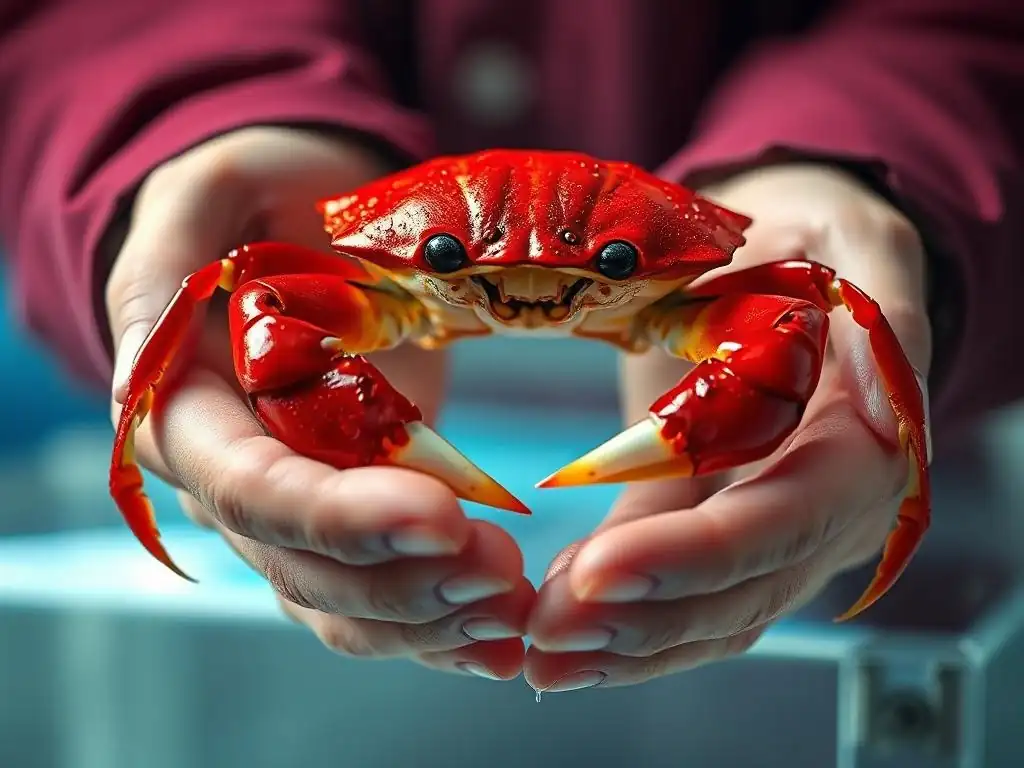
This is perhaps the most critical freshwater crab handling tip. Crabs possess the remarkable ability of autotomy, a defense mechanism where they voluntarily shed a limb when threatened or stressed. Grabbing a vampire crab by one of its delicate legs or claws will almost certainly result in the crab dropping that limb. While they can regenerate limbs over subsequent molts, this process consumes significant energy and can weaken the crab, potentially delaying vital molts.
Instead of grabbing, always aim to scoop the crab gently with a soft-mesh net. If direct physical contact is absolutely necessary (e.g., to guide it into a container), use a soft, non-abrasive tool like a small, damp paintbrush to gently nudge the crab from behind its carapace, encouraging it to move forward.
Tip 3: Use a Soft-Mesh Net to Minimize Injury
Standard aquarium nets often have coarse, stiff mesh that can easily damage a vampire crab's fragile legs, antennae, and gills. The fine filaments of their gills, in particular, are extremely vulnerable to tearing. Therefore, it is essential to use a net specifically designed with a soft, fine mesh, typically marketed for handling fry or very delicate fish.
Before each use, ensure the net is thoroughly rinsed with dechlorinated water to remove any potential chemical residues from detergents or other tank treatments. A clean, soft-mesh net ensures that the crab can be safely contained and transferred without risking physical harm.
Tip 4: Maintain High Humidity During Handling
Vampire crabs are terrestrial but rely on moist gills for respiration. Prolonged exposure to dry air, even for a few minutes, can cause severe respiratory distress and lead to suffocation. This makes maintaining high humidity during any handling process non-negotiable.
Always have a spray bottle filled with dechlorinated water readily available. When the crab is in the holding container, mist the air inside and lightly dampen any substrate or moss. If the crab needs to be out of the water for more than a few seconds, a quick, light misting directly onto its carapace can help keep its gills moist and reduce stress. These freshwater crab handling tips prioritize their physiological needs.
The Importance of Respecting Your Crab's Natural Instincts
Understanding Crab Behavior: Defensive Mechanisms and Communication
Vampire crabs are naturally secretive, primarily nocturnal, and possess innate defensive mechanisms honed over millennia to survive in their complex habitats. Their primary responses to perceived threats include hiding, freezing motionless, or, as a last resort, autotomizing limbs to escape. They communicate through subtle body language, pheromones, and tactile signals, which can be easily disrupted or misinterpreted when humans intervene.
Recognizing that handling, even when executed perfectly, is an inherently stressful experience for these creatures is crucial. It fosters a respectful approach to their care, emphasizing that physical interaction should be minimized and reserved only for essential tasks such as health inspections, tank maintenance, or rehoming. Understanding their natural instincts is the foundation of all effective freshwater crab handling tips.
Creating a Stress-Free Environment to Reduce Handling Needs
The best way to reduce the stress associated with handling is to minimize the need for it in the first place. A thoughtfully designed paludarium that closely mimics their natural habitat significantly contributes to a stress-free environment. This includes providing ample hiding spots (coco huts, driftwood, dense plant cover, leaf litter), stable temperature and humidity levels, and consistent, high-quality water parameters.
A well-maintained and comfortable environment reduces the likelihood of health issues or behavioral problems that would necessitate intervention. Regular, non-invasive observation from outside the tank allows aquarists to detect potential issues early, often without the need for physical interaction. By prioritizing environmental quality and proactive care, aquarists can create a thriving habitat where handling becomes a rare, rather than routine, necessity.
Conclusion: Mastering Vampire Crab Handling for a Thriving Paludarium
Key Takeaways: Safe and Stress-Free Handling Practices
Mastering the art of handling vampire crabs safely and stress-free is fundamental to their long-term health and well-being. The core principles revolve around meticulous preparation, gentle and deliberate techniques, and diligent post-handling care. Always ensure a safe, escape-proof, and humid handling area, equip yourself with soft-mesh nets and appropriate containers, and prioritize minimizing the duration of handling. Crucially, understanding and respecting the vampire crab's delicate physiology and innate defensive behaviors—such as their propensity for autotomy—guides every action. These freshwater crab handling tips are not just guidelines but essential practices for responsible aquarism.
Ultimately, stress is the primary enemy of a thriving vampire crab. By adhering to these detailed practices, aquarists can significantly reduce the physiological and psychological impact of necessary interactions. A calm, well-cared-for vampire crab is more resilient, less prone to illness, and more likely to exhibit its fascinating natural behaviors, enriching the paludarium experience for both the keeper and the crab.
Further Resources for Vampire Crab Care and Information
For those passionate about providing the best possible care for their vampire crabs, continuous learning is key. We highly recommend delving deeper into specific Geosesarma species profiles, as subtle differences in their needs can exist. Joining online forums dedicated to invertebrate keeping or paludarium enthusiasts can provide valuable insights from experienced aquarists. Consulting detailed care sheets and scientific literature on crab biology will further enhance your understanding.
Expanding your knowledge beyond basic handling to topics such as advanced paludarium setup, species-specific breeding behaviors, and detailed disease identification will empower you to become a truly adept vampire crab keeper. The more you understand about these captivating creatures, the better equipped you will be to ensure their health, longevity, and a thriving, vibrant paludarium ecosystem.
Frequently Asked Questions
How do I safely pick up a freshwater crab?
The best way is to gently scoop the crab from underneath using a small net or container. Avoid grabbing directly as it can cause stress or injury to the crab.
What are the signs that a freshwater crab is stressed?
Signs of stress include reduced activity, loss of appetite, and attempts to escape the tank. They might also exhibit unusual coloration.
What precautions should I take before handling a freshwater crab?
Always wash your hands thoroughly before and after handling. Ensure your hands are free of lotions or soaps, as these can be harmful to the crab.
What if a freshwater crab pinches me?
Remain calm; do not jerk away. Gently submerge the crab in water; it will usually release its grip. Avoid handling when molting.
How often should I handle my freshwater crab?
Minimize handling as much as possible. Freshwater crabs are best observed rather than handled frequently. Only handle when absolutely necessary, such as for tank cleaning or relocation.
Final Reflection: Cultivating Respect in Crab Care
The insights shared throughout this article, focusing on safe and stress-free freshwater crab handling, are more crucial now than ever as the popularity of these fascinating creatures as pets continues to rise. Misinformation and improper handling techniques can lead to unnecessary suffering for these delicate animals, highlighting the urgent need for accessible and reliable guidance.
This journey into responsible crab care has underscored the profound impact we have on the lives of these creatures. Understanding their needs and respecting their boundaries is not just about keeping them alive; it's about fostering a genuine connection built on empathy and responsibility. The greatness of a nation and its moral progress can be judged by the way its animals are treated.
- Mahatma Gandhi. This quote resonates deeply when considering the ethical implications of keeping any animal, including freshwater crabs, and emphasizes the importance of informed and compassionate care.
As you navigate the world of freshwater crab ownership, remember that patience and understanding are your greatest tools. Take the knowledge you've gained here and apply it not only to your crab care practices but also to your interactions with all living beings. Let's strive to create a world where every creature, great and small, is treated with the respect and dignity it deserves.
Dive Deeper: Embrace Crab Care Mastery!
Thank you for exploring the delicate world of freshwater crab care. We hope you’ve gained valuable insights into keeping these fascinating creatures happy and healthy. Now, it's time to put that knowledge into action!
Here are a few ways to continue your journey:
- Start with Observation: Dedicate 15 minutes each day to closely observe your crab's behavior. Note any changes in activity, feeding habits, or shell condition. This proactive approach can help you identify potential issues early on.
- Research Crab-Friendly Plants: Explore aquatic plants that provide shelter and enrichment for your crab. Consider adding Java moss or Anubias to create a more stimulating environment.
- Share Your Successes (and Challenges!): Join the Aquarium Mastery community forum and share your experiences caring for freshwater crabs. Offer tips, ask questions, and learn from fellow enthusiasts.
What small, actionable step will you take today to enhance your crab's environment and wellbeing?