
Gracilaria for Nutrient Control: A Colorful Alternative for Your Refugium

Welcome to Aquarium Mastery!
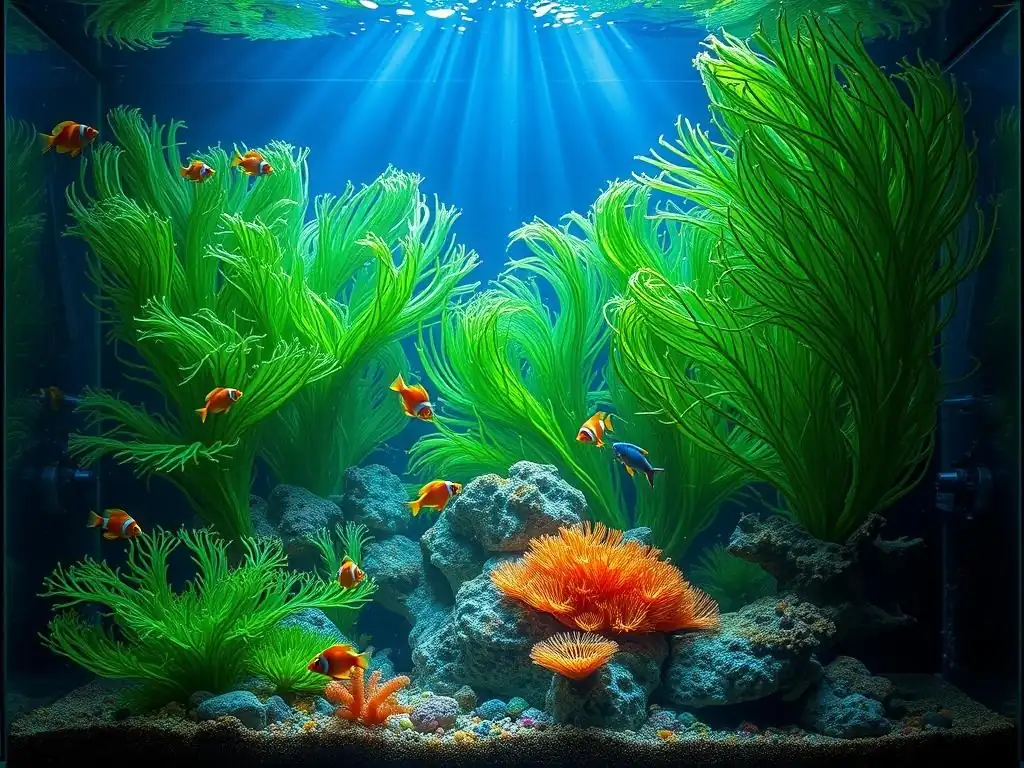
Ever wondered if there's a vibrant, natural solution to keeping your aquarium water pristine? Dive into the world of Gracilaria and discover how this stunning macroalgae can transform your refugium into a powerful nutrient control system. Intrigued? Let's explore the secrets of using Gracilaria to create a healthier, more beautiful aquatic environment for your finned friends!
- Introduction to Gracilaria Macroalgae in Reef Tanks
- What is Gracilaria? Species Overview and Identification
- Gracilaria Nutrient Control Capabilities: A Scientific Look
- Setting Up Your Refugium for Gracilaria Success
- Gracilaria Care and Maintenance: Ensuring a Thriving Refugium
- Combating Common Gracilaria Problems and Pests
- Benefits Beyond Nutrient Control: Additional Advantages of Gracilaria
- Integrating Gracilaria with Other Refugium Components
- Gracilaria vs. Chaetomorpha: Which is Right for Your Refugium?
- Sourcing and Purchasing Healthy Gracilaria
- Conclusion: Mastering Nutrient Control with Gracilaria
-
Frequently Asked Questions
- What is Gracilaria, and why is it a good choice for a refugium?
- How does Gracilaria help with nutrient control in an aquarium?
- What are the ideal conditions for growing Gracilaria in a refugium?
- Is Gracilaria suitable for both freshwater and saltwater aquariums?
- How do I maintain Gracilaria to ensure it continues to effectively control nutrients?
- Final Reflection: Embracing the Potential of Gracilaria
- Transform Your Refugium Today!
Introduction to Gracilaria Macroalgae in Reef Tanks
Understanding the Role of Refugiums in Saltwater Aquariums
A refugium serves as a vital, isolated compartment within a saltwater aquarium system, typically plumbed to the main display tank. Its primary purpose is to provide a safe haven for beneficial organisms to flourish without the predation pressures of the main display. Beyond biodiversity, a well-designed refugium acts as a crucial natural filter, significantly contributing to nutrient export, maintaining stable pH levels, and enhancing oxygenation throughout the entire system. By providing an environment where macroalgae and microfauna can thrive, refugiums offer a sustainable and effective alternative to relying solely on mechanical and chemical filtration.
The impact of a properly managed refugium on water quality can be substantial. For instance, in a moderately stocked 120-gallon reef tank experiencing typical nitrate levels of 20-30 ppm due to fish waste and feeding, the consistent operation of a refugium with robust macroalgae growth can often reduce these levels to below 5 ppm within weeks. This dramatic reduction in nitrates and phosphates helps prevent the proliferation of nuisance algae in the display tank and supports the health of sensitive corals and invertebrates, making the refugium an indispensable component for long-term reef aquarium success.
Why Consider Gracilaria for Nutrient Export?
While various macroalgae are utilized for nutrient export, Gracilaria stands out as an exceptionally effective and aesthetically pleasing option for the refugium. Unlike the more commonly used Chaetomorpha (Chaeto), which typically grows in a utilitarian green tumble, many Gracilaria species exhibit vibrant red, purple, or orange hues, transforming the refugium into a visually appealing mini-garden. Beyond its beauty, Gracilaria boasts a rapid growth rate and a high capacity for nutrient uptake, making it a powerful natural filter.
The efficiency of Gracilaria in Gracilaria nutrient control is impressive. Under optimal conditions, research indicates that certain Gracilaria species can absorb up to 0.5 mg/L of phosphate and 10 mg/L of nitrate per day per 100 grams of biomass. This makes it a formidable tool for reducing dissolved organic compounds, nitrates, and phosphates from the water column. Furthermore, its robust structure and palatability make it an excellent supplementary food source for many herbivorous fish and invertebrates, adding another layer of benefit to its role in the reef ecosystem.
What is Gracilaria? Species Overview and Identification
Different Gracilaria Species Suitable for Refugiums: Gracilaria Hayi, Gracilaria Parvispora, Gracilaria Tikvahiae
The genus Gracilaria encompasses a diverse group of red macroalgae, with several species proving highly beneficial for use in refugiums due to their robust growth and efficient nutrient uptake. Among the most popular and effective are Gracilaria hayi, Gracilaria parvispora, and Gracilaria tikvahiae. Gracilaria hayi, often referred to as Red Ogo, typically presents as a branching, reddish-brown to deep red alga with a somewhat coarse texture, forming dense bushes that are excellent for trapping detritus and providing habitat. Its resilience makes it a favored choice for many aquarists.
Gracilaria parvispora, sometimes known as Hawaiian Ogo, is characterized by its more delicate, feathery, and often vibrant red or purple coloration. It tends to grow in more intricate, bushy formations, offering both high surface area for nutrient absorption and an attractive visual element.
Gracilaria tikvahiae, commonly found along the Atlantic coast, is a robust and bushy species that can vary in color from greenish-brown to deep maroon depending on light intensity and nutrient availability. While their specific growth patterns and preferred light intensities may vary slightly, all three species are highly effective in Gracilaria nutrient control, actively absorbing excess nitrates and phosphates from the water column, thus contributing significantly to the overall water quality in a refugium.
Identifying Gracilaria: Key Characteristics and Color Variations
Identifying Gracilaria species typically involves observing their distinct morphological features and color variations, which can range widely even within the same species depending on environmental factors. Most Gracilaria species exhibit a characteristic branching structure, with cylindrical or slightly flattened thalli (algal bodies) that can be densely packed or more sparsely arranged. The texture is generally firm yet flexible, distinguishing it from the slimy or brittle nature of many nuisance algae. For instance, Gracilaria tikvahiae often forms a dense, bushy clump, while Gracilaria parvispora can appear more wispy and delicate.
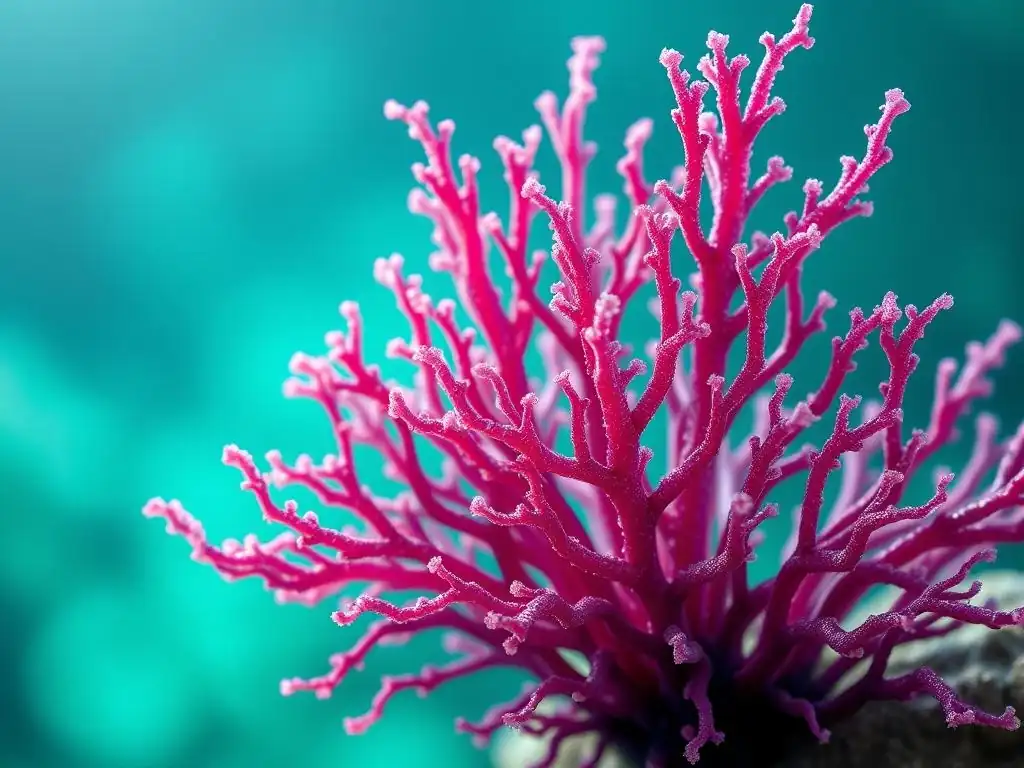
The color palette of Gracilaria is arguably its most striking feature, ranging from brilliant reds and oranges to deep maroons, purples, and even brownish-greens. These color variations are often influenced by light intensity and nutrient levels; higher light and moderate nutrient availability typically bring out more vibrant reds and purples, while lower light or nutrient-deficient conditions might result in paler or brownish hues.
This natural beauty, combined with its structured, organized growth pattern, makes Gracilaria easily distinguishable from filamentous or turf nuisance algae, which typically grow as unkempt, often undesirable mats. Its unique appearance allows for both effective Gracilaria nutrient control and aesthetic enhancement of the refugium.
Gracilaria Nutrient Control Capabilities: A Scientific Look
How Gracilaria Effectively Removes Nitrates and Phosphates
The effectiveness of Gracilaria in Gracilaria nutrient control stems directly from its photosynthetic processes. Like terrestrial plants, macroalgae utilize light energy to convert inorganic nutrients, primarily nitrates (NO₃⁻) and phosphates (PO₄³⁻), into organic compounds necessary for their growth and cellular structure. This process involves the direct absorption of these dissolved nutrients from the surrounding water column through the macroalgae's surface. Once absorbed, the nitrates are converted into amino acids and proteins, while phosphates are incorporated into ATP, DNA, and cell membranes.
Crucially, as Gracilaria grows and increases its biomass, it continuously locks up these absorbed nutrients within its tissues. By regularly harvesting a portion of the growing Gracilaria, aquarists are physically removing these nutrient-laden plant materials from the aquarium system.
This act of harvesting is the ultimate step in nutrient export, preventing the release of these compounds back into the water through decay and effectively lowering the overall nitrate and phosphate concentrations in the reef tank. Studies have shown that healthy Gracilaria can absorb nitrates at rates often exceeding 1.5 mg N/g dry weight/day and phosphates at 0.1 mg P/g dry weight/day under ideal conditions, making it a highly efficient biological filter.
Gracilaria vs. Other Macroalgae: A Comparison of Nutrient Uptake Rates
When comparing Gracilaria to other popular macroalgae used in refugiums, such as Chaetomorpha (Chaeto) and Caulerpa, its unique strengths in Gracilaria nutrient control become evident. Chaetomorpha is widely favored for its robust growth, ease of culture in tumbling setups, and excellent nitrate uptake capabilities.
However, while Chaeto is a nitrate powerhouse, Gracilaria species often demonstrate superior or comparable uptake rates for phosphate, a nutrient that can be notoriously difficult to manage in reef systems. Some studies suggest Gracilaria tikvahiae can absorb up to 1.2 mg/L of nitrate per day in controlled environments, demonstrating its comparable effectiveness to Chaeto in nitrate removal.
Caulerpa species, while also highly effective at nutrient absorption and rapid growth, carry the inherent risk of "going sexual" (releasing spores and decaying rapidly), which can lead to a sudden and dangerous nutrient spike in the system. Gracilaria, by contrast, is generally considered much safer and more stable in a refugium environment, with a significantly lower propensity for sexual reproduction and subsequent die-offs. This stability, combined with its strong phosphate affinity and aesthetic appeal, positions Gracilaria as a versatile and often preferred choice for comprehensive Gracilaria nutrient control without the associated risks of Caulerpa.
Optimizing Gracilaria Growth for Maximum Nutrient Removal
To maximize the Gracilaria nutrient control capabilities of your refugium, optimizing the growth environment for Gracilaria is paramount. Three key factors influence its growth rate: adequate light, sufficient water flow, and the presence of nutrients. Gracilaria requires specific light spectrums and intensities to photosynthesize efficiently; typically, full-spectrum or red/blue spectrum LED lights are ideal, providing the necessary energy for rapid cellular division. Without sufficient light, growth will be stunted, and nutrient uptake will be minimal.
Paradoxically, while the goal is to remove nutrients, Gracilaria needs a consistent supply of nitrates and phosphates to grow. If your tank's nutrient levels become too low (e.g., nitrates consistently near 0 ppm and phosphates below 0.01 ppm), Gracilaria growth can slow down significantly, reducing its overall export capacity. Therefore, a delicate balance is required: enough nutrients to fuel robust growth, but not so much that they accumulate in the main display.
Regular harvesting is also crucial; removing mature biomass encourages new, vigorous growth, ensuring the macroalgae remains in an active growth phase where nutrient uptake is highest. Under optimal conditions, healthy Gracilaria can exhibit growth rates that double its biomass every 7-10 days, demonstrating its potential for significant nutrient export.
Setting Up Your Refugium for Gracilaria Success
Refugium Size and Placement Considerations
The size and placement of your refugium are critical factors for maximizing its Gracilaria nutrient control efficacy. Generally, a larger refugium volume correlates directly with greater nutrient export capacity, as it provides more space for macroalgae to grow and a larger habitat for beneficial microfauna. For optimal performance, aim for a refugium that is at least 10-20% of your main display tank's volume. For instance, a 15-20 gallon refugium dedicated primarily to Gracilaria can effectively manage nutrient levels in a 100-gallon reef tank, often helping to keep nitrates below 5 ppm and phosphates below 0.03 ppm.
Most refugiums are integrated into the sump beneath the main display, offering discrete placement and easy plumbing. This allows for a continuous flow of water from the main tank through the refugium before returning to the display. When planning placement, ensure easy access for routine maintenance, such as harvesting the Gracilaria and cleaning any accumulated detritus. Consider partitioning a section of the sump specifically for the refugium to prevent detritus from settling directly within the Gracilaria bed, which can hinder its growth and create anaerobic zones.
Lighting Requirements for Gracilaria Growth in the Refugium
Adequate and appropriate lighting is paramount for robust Gracilaria growth and, consequently, effective Gracilaria nutrient control. Gracilaria, like other photosynthetic macroalgae, requires specific light spectrums and sufficient intensity to thrive. LED grow lights designed for refugiums, often featuring a combination of red (around 660 nm) and blue (around 450 nm) wavelengths, are ideal as these spectra are highly efficient for macroalgae photosynthesis. While full-spectrum white LEDs can also work, dedicated red/blue lights often yield better growth rates.
In terms of intensity, Gracilaria generally prefers moderate to high light. A Photosynthetically Active Radiation (PAR) reading of 100-200 µmol/m²/s is typically sufficient to stimulate vigorous growth. For a standard 10-gallon refugium, a 20-watt LED grow light positioned directly above the water surface can provide ample illumination.
It is also highly recommended to run the refugium light on a reverse photoperiod to the main display tank (e.g., 12 hours on while the main lights are off, and vice-versa). This strategy helps stabilize the aquarium's pH by ensuring continuous photosynthetic activity, which consumes CO2 and buffers against nighttime pH drops when the main display's inhabitants are respiring.
Water Flow and Circulation for Optimal Nutrient Uptake
Consistent and moderate water flow within the refugium is crucial for optimizing Gracilaria growth and its ability to perform Gracilaria nutrient control. Unlike some macroalgae that thrive in tumbling environments, Gracilaria generally prefers to be stationary or experience gentle, consistent flow.
The primary purpose of this flow is to continuously deliver nutrient-rich water to the surface of the macroalgae, ensuring that it has constant access to nitrates and phosphates. Stagnant areas within the refugium should be avoided, as they can lead to nutrient depletion around the Gracilaria and promote detritus accumulation, which can smother the algae and create anaerobic pockets.
An ideal flow rate for a Gracilaria refugium is typically a turnover of 3-5 times the refugium's volume per hour. This can be achieved by diverting a portion of the main sump return pump's flow into the refugium section or by employing a small, dedicated powerhead within the refugium itself.
The goal is to create a gentle current that washes over the Gracilaria without violently tossing it around. This steady circulation not only facilitates nutrient uptake but also helps prevent the buildup of detritus within the dense Gracilaria bed, maintaining a cleaner and healthier environment for the macroalgae to thrive and effectively perform its filtration duties.
Gracilaria Care and Maintenance: Ensuring a Thriving Refugium
Water Parameter Optimization for Gracilaria Health (Salinity, pH, Temperature)
Maintaining stable water parameters is fundamental for the health and robust growth of Gracilaria, which directly translates to its effectiveness in Gracilaria nutrient control. Like all marine organisms, Gracilaria thrives within a narrow range of salinity, typically mirroring that of a standard reef tank, between 1.024 and 1.026 specific gravity. Fluctuations outside this range can stress the macroalgae, leading to stunted growth or even die-off. Consistent salinity is key, so regular top-offs with RODI water are essential to compensate for evaporation.
pH stability is also vital. Gracilaria performs best in a pH range of 8.0-8.4. Its photosynthetic activity helps to consume carbon dioxide during the day, which in turn helps to buffer pH swings, particularly when the refugium light cycle is opposite to the main display. Maintaining a stable temperature, ideally between 75-78°F (24-26°C), is equally important. Extreme temperature fluctuations can inhibit metabolic processes and reduce the macroalgae's ability to absorb nutrients. A well-managed refugium with healthy Gracilaria can contribute to daily pH swings of no more than 0.1-0.2 units, indicating a stable environment conducive to overall reef health.
Preventing Gracilaria from Going Sexual: Tips and Tricks
While less prone to "going sexual" and crashing compared to certain Caulerpa species, Gracilaria can occasionally exhibit this behavior, releasing spores and leading to a rapid die-off that can cause a sudden nutrient spike in the system. This phenomenon is often triggered by prolonged periods of nutrient starvation or sudden, drastic changes in water parameters. To prevent Gracilaria from going sexual and ensure continuous Gracilaria nutrient control, regular harvesting is the most effective preventative measure.
By pruning approximately 20-30% of the Gracilaria biomass every 1-2 weeks, you prevent the macroalgae from becoming too dense or reaching a state of nutrient depletion where it might stress and reproduce. This consistent harvesting also encourages new, vigorous growth, which is metabolically more active and thus more efficient at nutrient uptake. Furthermore, maintaining stable water parameters as discussed previously—consistent salinity, pH, and temperature—reduces overall stress on the Gracilaria, further minimizing the likelihood of it going sexual. Adhering to this routine ensures a healthy, productive refugium that reliably exports nutrients without unexpected crashes.
Pruning and Harvesting Gracilaria for Continued Nutrient Control
Pruning and harvesting Gracilaria are not merely maintenance tasks; they are the fundamental mechanisms by which Gracilaria nutrient control is achieved. As Gracilaria grows, it actively absorbs and incorporates nitrates and phosphates into its biomass. To export these trapped nutrients from the system, the macroalgae must be physically removed. The frequency of harvesting depends on the growth rate of your Gracilaria and the nutrient load of your aquarium, typically ranging from every 1 to 3 weeks.
When harvesting, simply remove a portion of the Gracilaria, generally one-quarter to one-third of its total mass, using clean scissors or by hand. Avoid removing too much at once, as this can shock the remaining algae and temporarily reduce its nutrient uptake capacity.
Regular, consistent harvesting encourages new, rapid growth, which is metabolically more active and thus more efficient at absorbing nutrients. For instance, in a reef tank with persistent nitrate levels around 10 ppm, consistently harvesting 100-150 grams of Gracilaria weekly can effectively reduce nitrates to under 2 ppm within a month, demonstrating the direct and powerful impact of this maintenance routine on water quality.
Combating Common Gracilaria Problems and Pests
Identifying and Treating Algae Overgrowth on Gracilaria
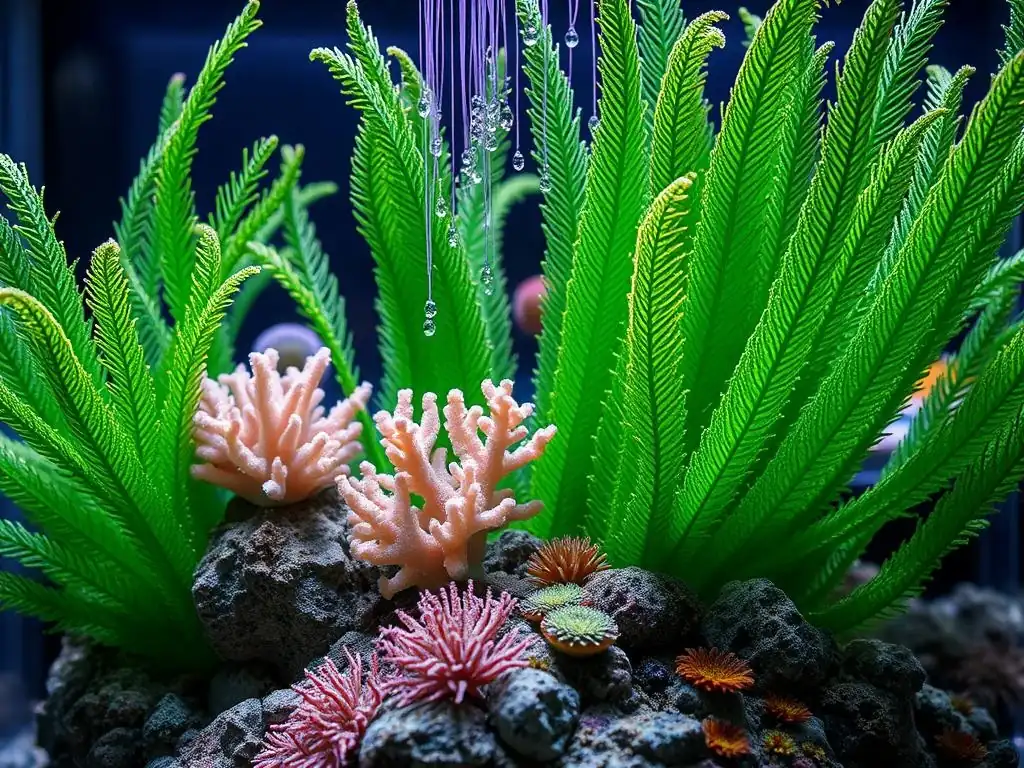
Even with Gracilaria actively performing Gracilaria nutrient control, it's possible for nuisance algae to colonize its surfaces, competing for light and nutrients. Common culprits include diatoms (brown film), cyanobacteria (slimy red or black mats), or various forms of hair algae (fuzzy green patches). Identifying these overgrowths is crucial: look for any undesirable growth directly on the Gracilaria itself, which can reduce its photosynthetic efficiency and overall health. For example, a thick layer of green hair algae on the Gracilaria indicates elevated phosphates, often above 0.1 ppm, in the water column.
Treatment involves a multi-pronged approach. First, physically remove as much of the nuisance algae as possible by gently rinsing the Gracilaria in clean saltwater or carefully picking off the unwanted growth. Second, address the underlying cause of the nuisance algae bloom, which is typically an imbalance in nutrient levels in the main display tank.
This might involve reducing feeding, increasing water changes, or ensuring your protein skimmer is operating optimally. Finally, ensure the Gracilaria itself has adequate light and flow; robust Gracilaria growth can naturally outcompete many nuisance algae for available nutrients, serving as a proactive defense mechanism within the refugium.
Dealing with Herbivores That Target Gracilaria
While Gracilaria is an excellent food source for herbivorous fish in the main display, it becomes a problem if these grazers find their way into the refugium. Fish such as tangs (e.g., Yellow Tangs, Zebrasoma flavescens) and some angelfish, along with certain invertebrates like sea urchins or opportunistic snails, can quickly decimate a Gracilaria bed. Signs of herbivore predation include noticeable bite marks, thinning patches, or a rapid, unexplained disappearance of the macroalgae.
The most effective solution is prevention. Ensure your refugium is completely isolated from the main display inhabitants. This typically means using fine mesh screens or robust baffling in the sump to prevent fish from jumping or swimming into the refugium section.
If a fish does manage to get in, it must be promptly removed. For tanks with highly herbivorous fish, consider supplementing their diet in the main display with dried nori or other commercially available macroalgae. This can satiate their grazing instincts and reduce their desire to seek out the Gracilaria in the refugium, ensuring your Gracilaria nutrient control system remains intact.
Troubleshooting Slow or Stunted Gracilaria Growth
Slow or stunted Gracilaria growth directly impacts its effectiveness in Gracilaria nutrient control. If your Gracilaria isn't thriving, several factors could be at play: insufficient light, a paradoxical lack of nutrients, inadequate water flow, or incorrect water parameters. The first step in troubleshooting is to verify your lighting: check the intensity and spectrum of your refugium light. If the light is old or insufficient, it may not be providing the necessary PAR (Photosynthetically Active Radiation) for robust growth.
Next, test your nitrate and phosphate levels. While Gracilaria removes nutrients, it also needs them to grow. If your tank is exceptionally clean (e.g., nitrates consistently below 0.5 ppm and phosphates below 0.01 ppm), the Gracilaria may be nutrient-starved. In such rare cases, a very small, controlled dose of a balanced reef supplement (like a trace element solution) or a slight increase in feeding can provide the necessary fuel.
Also, confirm that water flow within the refugium is adequate, ensuring nutrients are delivered to the algae and detritus is not accumulating. Finally, double-check and stabilize salinity, pH, and temperature, as fluctuations can stress the Gracilaria. Addressing these issues systematically will typically restore vigorous growth and optimal Gracilaria nutrient control.
Benefits Beyond Nutrient Control: Additional Advantages of Gracilaria
Gracilaria as a Food Source for Herbivorous Fish and Invertebrates
Beyond its primary role in Gracilaria nutrient control, Gracilaria serves as an excellent, natural, and sustainable food source for many herbivorous fish and invertebrates commonly kept in reef aquariums. Species such as tangs (e.g., Yellow Tang, Zebrasoma flavescens; Scopas Tang, Zebrasoma scopas), certain angelfish, and even some snails and sea urchins readily graze on Gracilaria. This provides a rich source of essential vitamins, minerals, and fiber, supplementing their diet and promoting natural grazing behaviors that are crucial for their health and well-being.
Harvested Gracilaria can be offered directly to the main display tank by placing it in a veggie clip or simply allowing it to float. This not only offers a nutritious meal but also provides mental stimulation for the fish. For heavily herbivorous tanks, incorporating Gracilaria into the feeding regimen can significantly reduce the reliance on commercial algae sheets, potentially by 10-20%, making it a cost-effective and environmentally friendly dietary supplement. This dual benefit—nutrient export and a live food source—makes Gracilaria an even more valuable addition to a thriving reef ecosystem.
Improving Water Quality and Stability with Gracilaria
The benefits of Gracilaria extend beyond direct nutrient export, significantly contributing to overall water quality and stability within the reef aquarium. Through its continuous photosynthetic activity, Gracilaria actively consumes carbon dioxide (CO2) during its light cycle. This CO2 consumption helps to maintain stable pH levels in the system, counteracting the natural nighttime drop in pH that occurs as corals and other invertebrates respire and release CO2. By running the refugium light on an opposite photoperiod to the main display, Gracilaria can help buffer pH swings, leading to a more consistent and healthy environment for sensitive reef inhabitants.
Furthermore, Gracilaria's photosynthesis also releases oxygen into the water, contributing to the overall oxygenation of the system. This is particularly beneficial at night when the main display's inhabitants consume oxygen. The presence of a thriving Gracilaria bed creates a more balanced, natural biochemical environment, reducing stress on corals and fish, improving water clarity, and fostering a more resilient ecosystem. A well-established Gracilaria refugium can minimize daily pH fluctuations to less than 0.1 pH unit, a stark contrast to the 0.3-0.5 unit swings often observed in systems without macroalgae-based filtration.
Enhancing the Aesthetic Appeal of Your Refugium with Colorful Gracilaria
While the primary function of a refugium is utilitarian, Gracilaria offers a unique advantage by enhancing the aesthetic appeal of this often-hidden component of the aquarium system. Unlike the typically green and somewhat uninspired appearance of Chaetomorpha in a tumbling setup, many Gracilaria species display vibrant and rich coloration, ranging from bright reds and oranges to deep maroons and purples. This allows the refugium to become more than just a functional filter; it transforms into a mini underwater garden.
The beautiful coloration and intricate branching structures of Gracilaria can make the refugium a fascinating and enjoyable part of the overall setup, especially for aquarists who appreciate observing all aspects of their system. This visual appeal can make routine maintenance, such as checking on the refugium or harvesting, a more pleasant experience. For those who choose to have their refugium visible (e.g., a hang-on-back unit or an exposed sump section), Gracilaria provides an opportunity to add a splash of natural color and texture, making the functional aspect of Gracilaria nutrient control also a visually rewarding one.
Integrating Gracilaria with Other Refugium Components
Combining Gracilaria with Copepods and Amphipods
Integrating Gracilaria with a thriving population of copepods and amphipods creates a synergistic environment within the refugium, significantly enhancing the overall health and stability of the reef ecosystem. Gracilaria provides an excellent three-dimensional habitat, offering ample surface area for these beneficial microcrustaceans to graze upon detritus, microalgae, and biofilm. The dense structure of the macroalgae also offers refuge from potential predators, allowing copepod and amphipod populations to proliferate undisturbed.
These small crustaceans, in turn, contribute to Gracilaria nutrient control by consuming various forms of organic waste and nuisance algae, further polishing the water. More importantly, a booming population of copepods and amphipods serves as a continuous, natural food source for the main display tank.
They are constantly flushed into the display, providing essential nutrition for corals and fish, particularly for finicky eaters like Mandarin Dragonets ( Synchiropus splendidus), which rely heavily on a consistent supply of live prey. A robust Gracilaria bed can support copepod densities exceeding 100 individuals per liter, directly fueling the food web of the entire reef system.
Using Gracilaria Alongside Other Macroalgae Species
While Gracilaria is highly effective on its own, some aquarists opt for a mixed macroalgae refugium, utilizing Gracilaria alongside other species like Chaetomorpha. This approach can be particularly beneficial for comprehensive Gracilaria nutrient control, as different macroalgae species may exhibit varying efficiencies in absorbing specific nutrients or thrive under slightly different conditions. For example, Chaetomorpha is renowned for its rapid nitrate uptake and ease of tumbling, while Gracilaria is often highlighted for its strong phosphate absorption and aesthetic appeal.
In a mixed refugium, you might dedicate separate sections for each type of macroalgae or simply allow them to grow together, provided they receive adequate light and flow. For instance, a refugium could be split with 60% Gracilaria and 40% Chaetomorpha, allowing the Gracilaria to target phosphate and general nutrients while the Chaetomorpha vigorously strips nitrates. This diversified approach can create a more resilient and efficient nutrient export system, capable of handling a broader spectrum of nutrient imbalances and ensuring more stable water parameters for the entire reef system.
Balancing Nutrient Levels in a Mixed Refugium Environment
Managing a mixed refugium with Gracilaria and other macroalgae requires careful monitoring to ensure optimal Gracilaria nutrient control and overall system balance. The key is to regularly test nitrate and phosphate levels in your main display tank. Based on these readings, you can adjust the harvesting frequency and quantity of each macroalgae species. If nitrates are consistently high, you might harvest more Chaetomorpha; if phosphates are the primary concern, focus on removing more Gracilaria. This targeted harvesting ensures that the most problematic nutrients are continuously exported.
The ultimate goal is to maintain consistently low, but not zero, nutrient levels. While macroalgae thrive on nutrients, corals also require trace amounts of nitrates and phosphates to thrive. Aim for nitrates below 5 ppm and phosphates below 0.05 ppm for most thriving reef systems.
If nutrient levels drop too low (e.g., undetectable nitrates and phosphates), the macroalgae's growth will slow, reducing its effectiveness, and corals may suffer from nutrient starvation. Regular observation of both macroalgae growth and coral health, combined with consistent water parameter testing, allows for precise fine-tuning of your mixed refugium to achieve a perfectly balanced and flourishing reef environment.
Gracilaria vs. Chaetomorpha: Which is Right for Your Refugium?
Comparing Growth Rates, Nutrient Uptake, and Maintenance Requirements
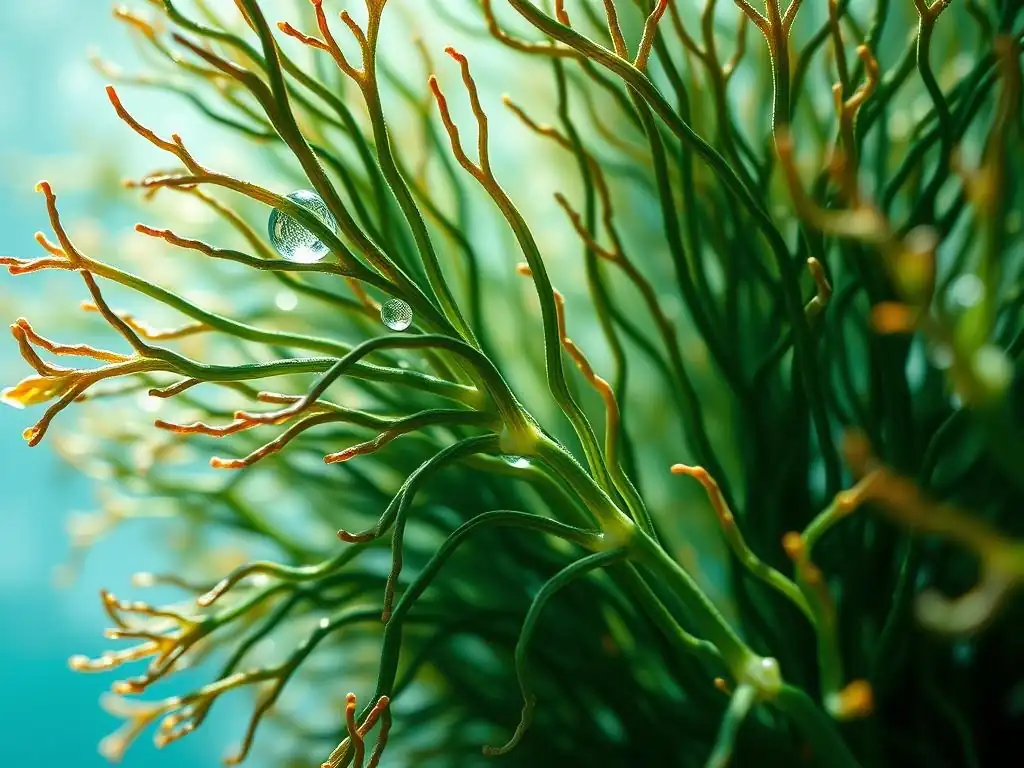
When choosing between Gracilaria and Chaetomorpha for Gracilaria nutrient control in your refugium, it's essential to compare their respective growth rates, nutrient uptake efficiencies, and maintenance requirements. Chaetomorpha, often simply called "Chaeto," is renowned for its rapid, tumble-friendly growth, especially when agitated by a powerhead. It excels at nitrate uptake and is generally considered very easy to maintain, as it can simply be pulled out in clumps during harvesting. Its utilitarian appearance, however, offers little aesthetic appeal.
Gracilaria, while also capable of rapid growth, often prefers a more stationary or gently flowing environment rather than vigorous tumbling. It is particularly noted for its strong phosphate uptake capabilities, although it is also highly effective at nitrate removal.
In terms of maintenance, Gracilaria may require slightly more careful pruning to maintain its structure and prevent detritus accumulation within its dense branches, but its vibrant colors add significant aesthetic value to the refugium. For systems where phosphate control is a primary concern, or where visual appeal in the refugium is desired, Gracilaria often presents a more comprehensive solution for Gracilaria nutrient control.
Choosing the Best Macroalgae for Your Specific Aquarium Needs
The decision between Gracilaria and Chaetomorpha ultimately depends on the specific needs and goals for your reef aquarium and refugium. If your primary objective is straightforward, high-volume nitrate export with minimal fuss, and aesthetics are not a concern for the refugium, then Chaetomorpha might be the easier and more convenient choice due to its rapid, tumble growth and simple harvesting. It's a workhorse that consistently performs.
However, if you are battling persistent phosphate issues, desire a more diverse and aesthetically pleasing refugium, or want the added benefit of a natural food source for your herbivores, then Gracilaria is a strong contender. Its ability to absorb phosphates aggressively, coupled with its vibrant colors and suitability as a fish food, offers a more multifaceted approach to Gracilaria nutrient control.
For larger or heavily stocked systems where both nitrate and phosphate levels tend to climb, a combination of both macroalgae in different sections of the refugium can provide the most comprehensive and effective solution, leveraging the strengths of each species to achieve optimal water quality and a thriving reef environment.
Sourcing and Purchasing Healthy Gracilaria
Identifying Reputable Suppliers of Gracilaria
Sourcing healthy and pest-free Gracilaria is a critical first step to ensuring successful Gracilaria nutrient control in your refugium. It is highly recommended to purchase Gracilaria from reputable suppliers, such as specialized aquaculture facilities or well-established online retailers that focus on marine livestock and macroalgae. These suppliers typically cultivate their macroalgae in controlled environments, minimizing the risk of introducing unwanted pests or diseases into your system.
Before making a purchase, take the time to research potential suppliers. Look for customer reviews, forum discussions, and testimonials that speak to the quality of their products and their commitment to pest-free practices. A reputable supplier will often provide detailed information about the specific Gracilaria species they offer, along with guidance on care and acclimation. This transparency ensures that you acquire healthy, vibrant specimens that are ready to effectively contribute to your Gracilaria nutrient control efforts from day one, rather than introducing potential problems.
Inspecting Gracilaria for Pests and Diseases Before Introduction
Upon receiving your Gracilaria, a thorough inspection for pests and diseases is absolutely essential before introducing it to your refugium. This preventative measure can save you from significant headaches down the line. Carefully examine the entire macroalgae clump for any signs of nuisance algae, such as patches of hair algae ( Bryopsis or Derbesia), slimy cyanobacteria, or diatoms. Also, look for unwanted hitchhikers like Aiptasia anemones, flatworms, or undesirable snails. These can quickly spread throughout your system and become problematic.
A good practice is to gently rinse the Gracilaria in a separate container of clean, new saltwater to dislodge any loose detritus or surface-dwelling organisms. While not always necessary for macroalgae, some aquarists opt for a short quarantine period (a few days) in a separate holding container with moderate light and flow.
This allows for closer observation and ensures that any hidden pests or diseases manifest before the Gracilaria is added to your main system. Approximately 10-15% of newly acquired macroalgae may carry some form of hitchhiker, making this inspection critical for the long-term health of your reef tank and the success of your Gracilaria nutrient control.
Acclimating Gracilaria to Your Refugium Environment
Acclimating Gracilaria to your refugium environment is a straightforward process, far simpler than acclimating fish or corals, but still important for minimizing stress and encouraging rapid growth. Once you have thoroughly inspected and rinsed your newly acquired Gracilaria, the primary step is temperature acclimation. Float the sealed bag containing the Gracilaria in your refugium for 15-20 minutes. This allows the water temperature in the bag to gradually equalize with the water temperature in your refugium, preventing thermal shock.
After temperature acclimation, you can gently remove the Gracilaria from its bag and place it directly into the designated area of your refugium. Unlike fish or sensitive invertebrates, drip acclimation is generally not required for macroalgae. Ensure that the Gracilaria is positioned where it will receive adequate light and consistent water flow immediately upon introduction.
Providing these optimal conditions from the start will minimize any acclimation stress and encourage the Gracilaria to begin photosynthesizing and absorbing nutrients rapidly, kickstarting its vital role in Gracilaria nutrient control within your reef system. Healthy Gracilaria should show signs of new growth within 3-5 days of proper acclimation.
Conclusion: Mastering Nutrient Control with Gracilaria
The Future of Gracilaria in Reef Aquarium Keeping
Gracilaria is steadily gaining recognition as a cornerstone of natural filtration in modern reef aquarium keeping, and its future role appears increasingly significant. As aquarists increasingly seek sustainable, eco-friendly, and effective methods to maintain pristine water quality, Gracilaria offers a compelling alternative to solely relying on chemical filtration media. Its robust nutrient export capabilities, coupled with its vibrant aesthetic appeal, position it as a staple for both novice and advanced reef keepers.
Ongoing research into specific Gracilaria species, their optimal growth parameters, and their precise nutrient uptake mechanisms will further solidify its prominence. The ability of Gracilaria to not only strip nitrates and phosphates but also to provide a continuous food source and contribute to pH stability makes it a multifaceted tool. As the industry evolves towards more holistic and biologically driven solutions, Gracilaria nutrient control in refugiums will undoubtedly become an even more integral part of achieving balanced and resilient reef ecosystems.
Achieving a Balanced and Thriving Reef Ecosystem with Gracilaria Nutrient Control in the refugium.
Mastering nutrient control is fundamental to the success of any reef aquarium, and integrating Gracilaria into your refugium offers a powerful, natural, and visually appealing pathway to achieving this balance. By diligently maintaining your Gracilaria refugium, you harness its ability to effectively export excess nitrates and phosphates, thereby preventing nuisance algae outbreaks and supporting the health of sensitive corals and invertebrates. Beyond direct nutrient removal, Gracilaria contributes significantly to pH stability, enhances oxygenation, and provides a continuous, nutritious food source for your reef's inhabitants.
The vibrant colors of Gracilaria transform the refugium from a mere utility into an observable, beautiful component of your filtration system. While proper setup—including adequate lighting, flow, and suitable refugium size—is crucial, consistent maintenance through regular harvesting is the key to sustained success. A well-implemented Gracilaria refugium can dramatically reduce the reliance on chemical filtration, potentially by up to 50%, leading to a more natural, cost-effective, and sustainable approach to reef tank management. Ultimately, leveraging Gracilaria nutrient control in your refugium is a strategic step towards cultivating a truly balanced, stable, and thriving reef ecosystem.
Frequently Asked Questions
What is Gracilaria, and why is it a good choice for a refugium?
Gracilaria is a type of red macroalgae that is excellent for nutrient control. It's a great choice because it's fast-growing and effectively absorbs nitrates and phosphates, helping to maintain water quality. Plus, it's a visually appealing addition to your refugium.
How does Gracilaria help with nutrient control in an aquarium?
Gracilaria consumes excess nutrients like nitrates and phosphates from the water. By absorbing these compounds, it reduces algae blooms and helps keep your aquarium water healthy and balanced. This natural filtration also improves the overall environment for your fish and invertebrates.
What are the ideal conditions for growing Gracilaria in a refugium?
Gracilaria thrives in moderate to high lighting and good water flow. Maintaining a stable salinity level and providing sufficient nutrients (iron, trace elements) can also boost its growth. Regular trimming encourages continued nutrient uptake.
Is Gracilaria suitable for both freshwater and saltwater aquariums?
While some species of Gracilaria can tolerate brackish conditions, it is primarily used in saltwater aquariums. Its effectiveness in nutrient control is most pronounced in marine environments where nutrient imbalances are a common challenge. Freshwater tanks need different solutions.
How do I maintain Gracilaria to ensure it continues to effectively control nutrients?
Regularly trim the Gracilaria to encourage new growth and nutrient uptake. Ensure adequate lighting and water flow. Monitor your water parameters (nitrates, phosphates) to gauge its effectiveness and adjust conditions as needed. Consistent maintenance is key.
Final Reflection: Embracing the Potential of Gracilaria
The journey through understanding Gracilaria's role in nutrient control reveals a powerful synergy between natural processes and responsible reef keeping. Today, as we grapple with the increasing pressures on our marine ecosystems, the ability to effectively manage nutrient levels within our aquariums, and by extension, inspire similar practices in larger aquaculture settings, becomes paramount. The simple act of cultivating this macroalgae can contribute significantly to a healthier aquatic environment, both within our homes and beyond.
This exploration has highlighted not only the practical benefits of Gracilaria but also its potential to reshape our understanding of sustainable aquarium practices. The vibrant colors and dynamic growth of Gracilaria serve as a constant reminder of the beauty and resilience of marine life, urging us to act as responsible stewards of these delicate ecosystems. In nature, nothing exists alone.
- Rachel Carson. This quote perfectly encapsulates the interconnectedness of our actions and their impact on the environment, reminding us that even small choices, like choosing Gracilaria for nutrient control, can have far-reaching positive consequences.
Now, consider the potential within your own hands. How can you embrace the lessons learned about Gracilaria and nutrient control to create a more balanced and thriving aquatic ecosystem? Let the vibrant hues of this macroalgae inspire you to explore innovative and sustainable solutions, not just within your refugium, but in all aspects of your life. The future of our reefs, and indeed our planet, depends on our collective commitment to responsible practices.
Transform Your Refugium Today!
Thank you for diving into the world of Gracilaria and its potential to revolutionize your aquarium's nutrient control. Now that you've uncovered the secrets of this vibrant algae, let's put that knowledge into action and create a thriving aquatic ecosystem.
Here are a few ways to get started:
- Establish a Gracilaria Bed: Kickstart your nutrient control by introducing Gracilaria to your refugium and observe its growth and impact on water quality.
- Explore culinary possibilities: Experiment with incorporating small, thoroughly cleaned amounts of Gracilaria into dishes as a novel, nutrient-rich ingredient, if responsibly sourced and legally permissible.
- Share your experience: Document your Gracilaria journey and share your insights and photos with fellow aquarists online to inspire others!
What innovative ways are you considering using Gracilaria to enhance your aquarium or even your diet?