
The Ultimate Peacock Cichlid Color Guide: From Blues to Reds and Beyond

Welcome to Aquarium Mastery!
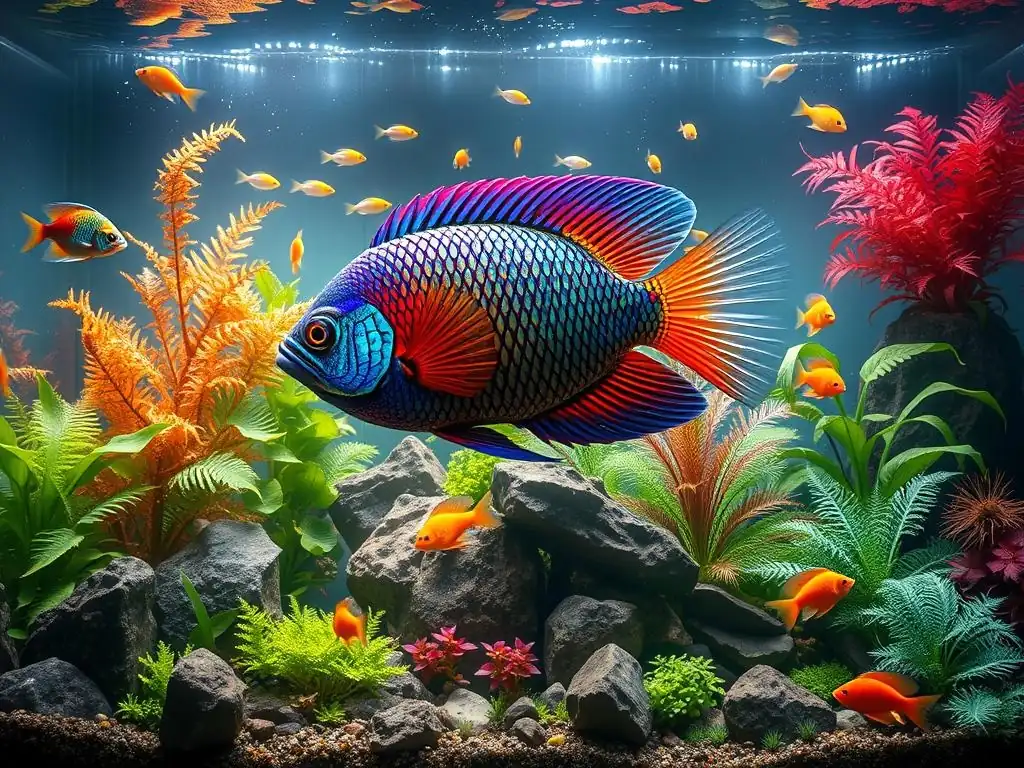
Ever wondered just how vibrant the underwater world can be? Dive in and prepare to be amazed! Today, we're unlocking the secrets behind the breathtaking beauty of Peacock Cichlid Color Variations. Get ready to explore the stunning spectrum of these aquatic gems and discover what makes each hue so unique. Intrigued? Let's unravel the mysteries together and elevate your aquarium game!
- Understanding Peacock Cichlid Color Variations: An Introduction
- Deep Dive into Peacock Cichlid Color Morphs: A Comprehensive Guide
- Exploring Specific Peacock Cichlid Species and Their Color Palette
- Enhancing Peacock Cichlid Colors in Your Aquarium: Practical Tips
- Troubleshooting Common Color Issues in Peacock Cichlids
- Breeding for Color: Enhancing Specific Hues in Future Generations
- Conclusion: Appreciating the Diversity of Peacock Cichlid Coloration
- Frequently Asked Questions
- Final Reflection: Embracing the Spectrum of Beauty
- Unleash the Rainbow: Your Peacock Cichlid Journey Starts Now!
Understanding Peacock Cichlid Color Variations: An Introduction
Why Peacock Cichlids Are Known for Their Vibrant Colors
Peacock cichlids, primarily species from the Aulonocara genus native to Lake Malawi in East Africa, are celebrated by aquarists worldwide for their astonishing array of vibrant colors. Unlike many other freshwater fish, male Peacock cichlids display an iridescent spectrum ranging from deep blues and fiery reds to brilliant yellows and unique multi-hued patterns. This striking Peacock cichlid coloration is a primary reason for their immense popularity within the aquarium hobby, making them central to many display tanks.
Their natural habitat, Lake Malawi, is an ancient, vast, and geologically stable body of water, which has allowed for extensive speciation. Over millennia, various Aulonocara species evolved in isolation in specific rocky outcrops or sandy areas, leading to distinct genetic lines and a diverse range of Peacock cichlid color variations. This natural selection, coupled with human-directed selective breeding efforts, has further amplified their genetic potential for brilliant and diverse hues, truly setting them apart in the aquatic world.
Factors Influencing Peacock Cichlid Coloration
The breathtaking Peacock cichlid color variations observed in aquariums are not merely a matter of genetics; they are influenced by a complex interplay of environmental factors, diet, and even the fish's emotional state. Understanding these contributing elements is crucial for any aquarist aiming to maximize the chromatic potential of their Peacock cichlids. A holistic approach that considers all these aspects will yield the most visually stunning specimens.
Optimizing these factors can transform a dull-looking cichlid into a magnificent display of color. For instance, a Peacock cichlid that might appear muted in one tank setup could radiate brilliant blues or reds when moved to an environment that better suits its needs. This sensitivity to surroundings makes Peacock cichlids both a rewarding challenge and a captivating subject for dedicated aquarists keen on showcasing their full spectrum of cichlid color morphs.
Genetics and Breeding Impact on Peacock Cichlid Colors
Genetics form the fundamental blueprint for a Peacock cichlid's potential color diversity. Each specific color morph, such as the distinct blue of an Electric Blue Aulonocara or the fiery red of a Dragon Blood, is determined by inherited genes. Responsible breeders meticulously select fish with desirable color traits and strong genetic lines to produce offspring that consistently exhibit intense and stable Peacock cichlid color variations. This selective breeding process has been instrumental in developing and refining many of the stunning varieties we see today.
Moreover, the genetic purity of a Peacock cichlid can significantly impact its color vibrancy. Hybridization, while sometimes producing interesting new patterns, can also dilute specific color genes, leading to less intense or muddled hues. For aquarists aiming for specific, pure Peacock cichlid color patterns, sourcing fish from reputable breeders who maintain documented genetic lines is paramount. Understanding the genetic background of your fish provides a foundational advantage in achieving optimal coloration.
Water Parameters and Their Role in Cichlid Color Development
Water quality is a critical, often underestimated, factor in the development and maintenance of vibrant Peacock cichlid colors. Consistent and stable water parameters directly impact the fish's overall health and, consequently, its ability to display its full chromatic potential. Poor water quality, characterized by elevated ammonia, nitrite, or nitrate levels, can cause stress, leading to faded colors, disease susceptibility, and a general dullness in appearance.
Peacock cichlids thrive in specific water conditions that mimic their natural Lake Malawi habitat: a pH range of 7.5 to 8.5, and hard water with a general hardness (GH) between 10-20 dGH and carbonate hardness (KH) between 10-15 dKH. Regular water changes, typically 25-30% weekly, are essential to keep nitrate levels below 20 ppm. Maintaining these optimal parameters minimizes stress and allows the fish's inherent Peacock cichlid color variations to shine through, ensuring their pigments are fully expressed.
Diet and Its Significance in Enhancing Peacock Cichlid Hues
The food a Peacock cichlid consumes plays a direct and significant role in enhancing its Peacock cichlid color variations. Just like humans, fish require specific nutrients, including carotenoids, to produce and maintain vibrant pigmentation. Carotenoids, which are fat-soluble pigments found in various natural sources, are absorbed through the diet and then deposited in the fish's skin cells, contributing to reds, oranges, and yellows.
A high-quality diet rich in color-enhancing ingredients like spirulina, astaxanthin, and krill is crucial. For instance, a diet containing astaxanthin, a powerful antioxidant and red pigment, can dramatically intensify the red and orange hues in varieties like the Eureka Red or Dragon Blood Peacock cichlids. Conversely, a diet lacking these essential color-boosting compounds will result in muted or faded Peacock cichlid color displays, regardless of genetics or water quality.
Deep Dive into Peacock Cichlid Color Morphs: A Comprehensive Guide
The Classic Blues: Cobalt, Electric, and Sky Blue Peacock Cichlids
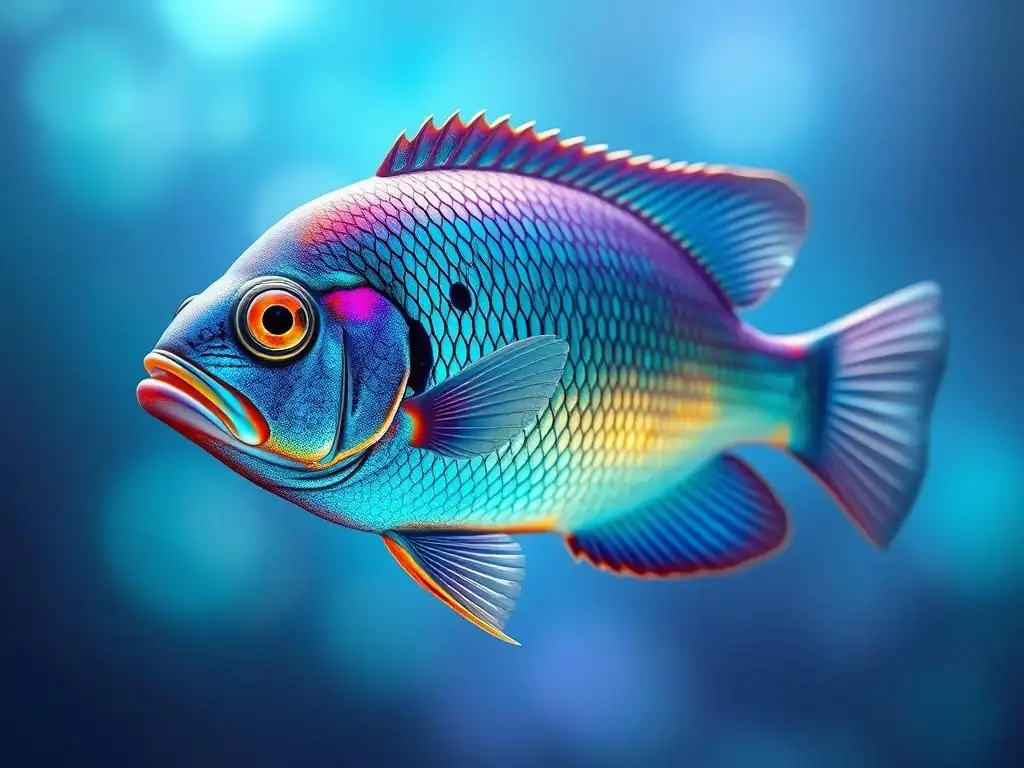
Blue Peacock cichlid color variations are arguably the most iconic and sought-after in the hobby, embodying the classic beauty of these fish. Among the various blue morphs, the Cobalt Blue, Electric Blue, and Sky Blue varieties stand out for their distinct shades and iridescence. The Cobalt Blue Aulonocara often exhibits a deep, almost royal blue, sometimes with subtle barring or orange flashes on the fins. Its intensity can be breathtaking when properly cared for.
The Electric Blue Peacock, often associated with Aulonocara nyassae or specific farmed strains, is renowned for its shocking, brilliant blue that seems to glow under the right lighting. This vivid blue is highly prized and instantly recognizable. Sky Blue Peacock cichlids, on the other hand, tend to display a lighter, more ethereal blue, sometimes with a pearlescent sheen, offering a gentler yet equally captivating Peacock cichlid color palette for any aquarium.
Identifying True Blue Peacock Cichlids: Key Characteristics
Identifying true blue Peacock cichlid color variations involves observing several key characteristics beyond the primary body color. For instance, a genuine Electric Blue Peacock cichlid will typically possess a solid, uniform electric blue across its body and fins, with minimal or no dark vertical barring. Sometimes, a subtle yellow or orange wash might be present on the anal or caudal fins, particularly in mature males.
Furthermore, the intensity and coverage of the blue pigmentation are crucial indicators. A high-quality blue Peacock cichlid will exhibit consistent coloration without patchy or faded areas, provided it is healthy and stress-free. The iridescence, or the metallic shimmer that changes with light angles, is also a hallmark of well-bred blue cichlid color morphs, reflecting their genetic purity and optimal health.
Fiery Reds and Oranges: The Sunshine and Dragon Blood Varieties
The red and orange Peacock cichlid color variations bring a fiery warmth to any aquarium, contrasting beautifully with the blues and yellows. The Sunshine Peacock, scientifically known as Aulonocara baenschi, is a prime example, often displaying a brilliant golden-orange body with blue highlights on the face and fins. This striking combination makes it a highly desirable species, known for its consistent and intense coloration.
Another exceptionally popular red morph is the Dragon Blood Peacock cichlid. This is a hybrid variety, selectively bred for its intense, often marbled, red-orange coloration. Unlike wild-caught species, Dragon Bloods can exhibit a wide range of red Peacock cichlid color patterns, from solid crimson to mottled orange-reds, making each individual unique. Their robust color makes them a standout addition in a diverse cichlid tank.
Achieving Optimal Red Coloration in Your Peacock Cichlid
To achieve and maintain optimal red Peacock cichlid color variations, a specialized diet is paramount. Foods rich in natural carotenoids, such as astaxanthin, canthaxanthin, and beta-carotene, are essential. Ingredients like krill, spirulina, red algae, and specific color-enhancing pellets formulated for cichlids should be a staple in their diet. Feeding such a diet consistently, at least 3-4 times a week, will help deposit these pigments into the fish's skin.
Beyond diet, maintaining pristine water conditions is crucial. Stress caused by poor water quality or aggressive tank mates can lead to faded reds. A stable pH of 7.8-8.2 and low nitrate levels (below 15 ppm) help reduce stress and allow the fish to fully express its red Peacock cichlid color potential. Additionally, providing adequate hiding spots and sufficient swimming space, typically a minimum of 55 gallons for a small group, contributes to a less stressful environment, encouraging brighter hues.
Yellow and Gold Peacock Cichlids: A Touch of Sunshine
Yellow and gold Peacock cichlid color variations offer a vibrant, sun-drenched aesthetic to the aquarium. These hues, often seen in species like the Lemon Jake (a variant of Aulonocara jacobfreibergi) or the Benga Sunshine ( Aulonocara baenschi), provide a striking contrast to the more common blues and reds. The Lemon Jake, for instance, can display a brilliant yellow body with electric blue highlights on its face and fins, creating a truly spectacular appearance.
The intensity of these yellow and gold Peacock cichlid color patterns can vary significantly depending on the specific strain and individual fish. Some may exhibit a soft, buttery yellow, while others radiate an almost metallic gold. These colors are particularly effective when combined with darker substrates, which can make the bright yellow pop, enhancing the overall visual appeal of the aquarium.
Maintaining the Vibrancy of Yellow Peacock Cichlids
Maintaining the vibrancy of yellow Peacock cichlid color variations requires a similar approach to red and orange varieties, with a strong emphasis on diet. Foods rich in carotenoids, particularly those that promote yellow and gold pigments, are vital. High-quality cichlid pellets that list ingredients like marigold extract, spirulina, or other yellow-enhancing compounds should be a regular part of their feeding regimen.
Furthermore, stress management is crucial. Yellow Peacock cichlids, like all cichlids, can dull in color when stressed. Ensuring a stable tank environment with appropriate tank mates that do not bully them, maintaining consistent water parameters (pH 7.8-8.5, GH 10-20 dGH), and providing ample hiding spots will contribute significantly to their well-being and, consequently, their brilliant yellow Peacock cichlid color display.
Multi-Colored Wonders: Blending Hues in Peacock Cichlids
Beyond the single-color dominance, some Peacock cichlid color variations exhibit a mesmerizing blend of multiple hues, creating truly unique and artistic patterns. These multi-colored morphs often feature a mosaic of blues, reds, oranges, and yellows, sometimes with intricate spotting or marbled effects. They offer an unparalleled visual complexity, making each fish a living work of art and adding immense diversity to a cichlid collection.
These blended Peacock cichlid color patterns are frequently the result of selective breeding that aims to combine desirable traits from different single-color strains. The aesthetic appeal of these multi-colored wonders lies in their unpredictability and the dynamic interplay of colors, which can change subtly with the fish's mood or lighting conditions, offering a constantly evolving visual experience for the aquarist.
Calico and Marble Peacock Cichlids: Unique Patterns and Colors
Calico and Marble Peacock cichlid color variations are prime examples of multi-colored morphs, celebrated for their distinctive and often irregular patterns. Calico Peacock cichlids typically display a patchwork of various colors, including white, black, orange, and blue, scattered across their body in an almost abstract design. This random distribution of pigment cells creates a unique pattern for each individual fish, making them highly sought after by collectors.
Marble Peacock cichlids, on the other hand, often feature a swirling or mottled blend of colors, reminiscent of marble stone. This can include dark spots or streaks on a lighter background, or a chaotic mix of vibrant hues. These Peacock cichlid color patterns are often genetically complex and can be influenced by environmental factors, making their full expression a testament to good husbandry. The distinctiveness of each Calico or Marble Peacock adds a special charm to any cichlid aquarium.
Exploring Specific Peacock Cichlid Species and Their Color Palette
Aulonocara baenschi (Benga Sunshine): The Golden Standard
The Aulonocara baenschi, commonly known as the Benga Sunshine Peacock, truly lives up to its name with its brilliant golden-yellow Peacock cichlid color variation. Originating from Benga Island in Lake Malawi, mature males of this species typically display an intense, almost metallic yellow or gold body, often contrasted with striking blue highlights on the face, dorsal fin, and anal fin. This vibrant combination makes it one of the most visually appealing and easily recognizable Peacock cichlids.
The female Benga Sunshine, while not as brilliantly colored as the male, typically exhibits a more subdued brownish-grey with subtle patterns, a common trait among female Aulonocara species. The distinctiveness of the male's coloration, however, is a major draw for aquarists. To maximize their golden Peacock cichlid color potential, a diet rich in yellow-enhancing carotenoids and stable, clean water conditions are essential, ensuring their sunshine hues remain bright and prominent.
Aulonocara stuartgranti (Maleri Island): The Cobalt Dream
The Aulonocara stuartgranti, particularly the Maleri Island variant, is celebrated for its stunning blue Peacock cichlid color variation, often described as a deep cobalt or electric blue. Hailing from the rocky shores around Maleri Island in Lake Malawi, male Maleri Island Peacocks develop an intense blue body, which can be further accented by a reddish-orange or yellow wash on the dorsal, caudal, and anal fins, creating a breathtaking visual contrast.
This particular Aulonocara species is highly prized for the purity and depth of its blue cichlid color morph. The males' vibrant blue intensifies with maturity and optimal health, becoming a true centerpiece in a cichlid tank. Providing a diet rich in color-enhancing foods and maintaining specific water parameters (pH 7.8-8.5, hard water) are key to bringing out the full glory of their cobalt dream coloration.
Aulonocara jacobfreibergi (Eureka Red): A Fiery Display
The Aulonocara jacobfreibergi is a diverse species with several geographical variants, but the Eureka Red is arguably the most famous for its fiery red and orange Peacock cichlid color variation. Originating from various locations in Lake Malawi, including Eureka Reef, male Eureka Reds develop an impressive orange to deep red body, often complemented by iridescent blue stripes or spots on the head and fins. The intensity of the red can vary from a deep crimson to a bright, almost neon orange-red.
This striking red Peacock cichlid color pattern makes the Eureka Red a highly sought-after fish. The females, like most Aulonocara, are less colorful, typically a muted brown or grey. To ensure the males display their most vibrant red hues, a diet heavily supplemented with astaxanthin and other red-enhancing carotenoids is crucial. Additionally, a stress-free environment with stable water parameters will help maintain their brilliant, fiery display.
Aulonocara OB (Orchid Bi-Color): A Spectrum of Possibilities
The Aulonocara OB, or "Orange Blotch," is a unique and highly variable Peacock cichlid color variation that is not a naturally occurring species but rather a hybrid developed through selective breeding. These fish are characterized by their irregular, blotchy patterns of orange, black, and sometimes blue or white across their body, resembling an abstract painting. Each individual OB Peacock is truly unique, with no two having identical blotches.
The "Orchid Bi-Color" is a common descriptive term used for particularly vibrant or striking OB morphs, highlighting their diverse and often contrasting hues. The genetic complexity behind these Peacock cichlid color patterns allows for an almost infinite spectrum of possibilities, from predominantly orange blotches on a dark background to more balanced distributions of all colors. Their unpredictable yet beautiful appearance makes them a fascinating addition for aquarists looking for something truly distinctive.
Enhancing Peacock Cichlid Colors in Your Aquarium: Practical Tips
Optimizing Water Quality for Vibrant Cichlid Coloration
Optimizing water quality is arguably the most critical factor in enhancing and maintaining vibrant Peacock cichlid colors. Pristine water conditions directly reduce stress on the fish, allowing their natural pigments to fully express themselves. Regular maintenance, including consistent water changes and proper filtration, is non-negotiable for achieving the best possible Peacock cichlid color variations.
A well-maintained aquarium environment, free from harmful toxins and with stable parameters, promotes overall fish health, which is intrinsically linked to color vibrancy. Think of it as providing the perfect canvas for your fish's genetic potential to paint its masterpiece. Without clean, stable water, even the most genetically predisposed Peacock cichlid will struggle to display its full chromatic glory.
The Importance of pH, Ammonia, Nitrite, and Nitrate Levels
For optimal Peacock cichlid color display, maintaining specific water parameters is paramount. Peacock cichlids thrive in hard, alkaline water, with a pH range typically between 7.8 and 8.5. A stable pH prevents osmotic stress, which can lead to dull coloration and susceptibility to disease. Fluctuations in pH should be avoided, as they can be more detrimental than a slightly off but stable reading.
Crucially, ammonia (NH3/NH4+), nitrite (NO2-), and nitrate (NO3-) levels must be diligently managed. Ammonia and nitrite should always be at zero parts per million (ppm), as even trace amounts are highly toxic and will severely impact the fish's health and color. While nitrates are less toxic, they should be kept below 20 ppm through regular water changes. Elevated nitrates contribute to chronic stress, which will noticeably diminish the vibrancy of Peacock cichlid color patterns.
Choosing the Right Substrate and Lighting to Showcase Colors
The choice of substrate and lighting in your aquarium can significantly influence how Peacock cichlid colors are perceived and, to some extent, how they are expressed. While these factors don't directly alter the fish's pigments, they play a crucial role in creating an environment that enhances their visual appeal. Strategic selection can make your Peacock cichlids appear more vivid and striking.
For instance, a darker substrate can provide a strong contrast against the bright blues, reds, and yellows of Peacock cichlids, making their colors pop more effectively. Similarly, appropriate lighting can bring out the iridescence and depth of their hues. Considering these aesthetic elements can greatly improve the overall presentation of your Peacock cichlid color variations.
Substrate Color and Its Effect on Perceived Fish Color
The color of your aquarium substrate can have a remarkable effect on the perceived intensity of Peacock cichlid colors. Generally, a darker substrate, such as black or dark blue gravel or sand, is recommended. This provides a strong contrast against the fish's vibrant scales, making their blues, reds, and yellows appear more pronounced and vivid. The dark background helps the bright colors stand out rather than blend in.
Conversely, a very light or white substrate can sometimes cause fish to lighten their own coloration as a form of camouflage or stress response, potentially muting their Peacock cichlid color variations. While this effect is more pronounced in some species than others, a darker substrate is a safe bet for enhancing the chromatic brilliance of Aulonocara.
Lighting Considerations for Enhancing Peacock Cichlid Appearance
Proper aquarium lighting is essential for showcasing the full spectrum of Peacock cichlid colors. Full-spectrum LED lights with adjustable color temperatures are ideal, as they allow aquarists to fine-tune the light to best highlight specific hues. Lights with a higher Kelvin (K) rating (e.g., 6500K to 10000K) often bring out the blues and greens, while those with a balance of red and green LEDs can enhance reds and yellows.
Beyond mere brightness, the quality of light, including its color rendering index (CRI), impacts how accurately the Peacock cichlid color variations are displayed. A high CRI (typically 90+) ensures that colors appear true to life and vibrant. Experimenting with different light settings, including dawn/dusk simulations, can also reduce stress and encourage more consistent color displays.
Selecting the Best Food to Boost Peacock Cichlid Color Intensity
As previously mentioned, diet is a cornerstone for boosting Peacock cichlid color intensity. While genetics provide the potential, the right nutrition unlocks it. A varied diet that includes high-quality pellets, flakes, and occasional frozen or live foods is crucial. However, for maximum color enhancement, specific ingredients should be prioritized.
Focusing on foods designed for cichlid color enhancement, which are readily available from reputable brands, will make a significant difference. These foods are formulated with concentrated levels of the necessary pigments and nutrients. Consistently feeding these specialized diets is key to observing the most vivid Peacock cichlid color variations possible.
Color-Enhancing Foods: What to Look For
When selecting color-enhancing foods for Peacock cichlid color variations, aquarists should look for ingredients rich in carotenoids and other pigment-boosting compounds. Astaxanthin is a powerful red/orange pigment found in krill, shrimp, and certain algae, and is highly effective for intensifying reds and oranges. Spirulina, a blue-green algae, is excellent for enhancing blues and greens, while also providing a broad range of vitamins and minerals.
Other beneficial ingredients include canthaxanthin, beta-carotene, marigold extract, and various types of fish meal (like salmon or sardine) that naturally contain these pigments. Look for food labels that list these ingredients prominently. A general guideline is to choose foods with at least 40% protein content and a substantial percentage of these color-enhancing agents to truly bring out the best in your Peacock cichlid color palette.
Minimizing Stress to Maximize Natural Color Displays
Stress is one of the quickest ways to diminish the vibrant Peacock cichlid colors that aquarists cherish. A stressed fish will often appear dull, faded, or exhibit stress markings (darkening) as a survival mechanism. Minimizing stress in the aquarium environment is therefore paramount for ensuring your Peacock cichlids display their full, natural brilliance.
Creating a harmonious and secure habitat involves several factors, including appropriate tank size, compatible tank mates, and ample hiding spots. By addressing potential stressors proactively, aquarists can significantly contribute to the long-term health and stunning Peacock cichlid color variations of their fish.
Tank Mates and Their Impact on Peacock Cichlid Stress Levels
The choice of tank mates profoundly impacts Peacock cichlid color variations by influencing stress levels. Peacock cichlids are generally semi-aggressive, particularly males, and aggressive tank mates can lead to constant harassment, fin nipping, and suppressed coloration. Housing them with overly dominant or territorial species will invariably result in faded colors as the fish are perpetually on edge.
Conversely, housing Peacock cichlids with compatible, similarly sized, and temperamentally suited fish (e.g., other Aulonocara species, certain Haplochromis cichlids, or peaceful large catfish) can reduce stress. A "harem" setup with one male and multiple females is often recommended to disperse aggression and allow the male to confidently display his Peacock cichlid color patterns without constant threat. Overcrowding should also be avoided, as it leads to increased aggression and stress. A general rule of thumb is a minimum of 55 gallons for a small group, with larger tanks (75+ gallons) preferred for more diverse communities.
Troubleshooting Common Color Issues in Peacock Cichlids
Fading Colors: Identifying and Addressing the Causes
Fading Peacock cichlid colors are a common concern for aquarists and usually indicate an underlying issue. When a previously vibrant fish begins to lose its intensity, it's a clear signal that something in its environment or health needs attention. Identifying the root cause is the first step towards restoring their brilliant hues.
The causes of fading can range from environmental stressors to nutritional deficiencies or even disease. A systematic approach to troubleshooting, checking each potential factor, will help pinpoint the problem and allow for effective intervention to bring back the full spectrum of Peacock cichlid color variations.
Disease and Its Effect on Cichlid Color
Disease is a significant factor that can cause Peacock cichlid colors to fade rapidly. When a fish is battling an illness, its energy is diverted towards fighting the pathogen, and maintaining vibrant coloration becomes a low priority. Symptoms like clamped fins, lethargy, loss of appetite, or visible lesions often accompany color fading due to disease.
Common diseases such as Ich (white spot disease), bacterial infections, or internal parasites can all lead to a dull, washed-out appearance. Prompt diagnosis and treatment are crucial not only for the fish's survival but also for the recovery of its Peacock cichlid color patterns. Quarantining new fish, maintaining clean water, and providing a nutritious diet are preventive measures against disease-induced fading.
Poor Diet and Fading Colors
A consistently poor or inadequate diet is a primary reason for faded Peacock cichlid colors. If the fish are not receiving sufficient amounts of color-enhancing pigments like carotenoids, their bodies simply cannot produce or maintain the vibrant hues they are genetically capable of. A diet solely consisting of generic flake food, for example, will rarely yield truly brilliant coloration.
To reverse fading due to diet, gradually introduce high-quality cichlid pellets specifically formulated for color enhancement. Ensure these foods contain ingredients like astaxanthin, spirulina, and krill. Consistency is key; it may take several weeks of a proper diet to see a noticeable improvement in Peacock cichlid color variations. Varying the diet with occasional treats of frozen brine shrimp or mysis shrimp can also provide a nutritional boost.
Darkening or Blackening: When to Worry
Darkening or blackening of Peacock cichlid colors is another common issue that can signal distress or underlying problems. While some species exhibit natural barring that can intensify, a general darkening or the appearance of distinct dark patches often indicates stress, aggression, or poor water quality. It's an alarm signal that warrants immediate investigation.
Understanding the context of the darkening is crucial. Is it temporary, appearing during territorial disputes, or is it persistent? Persistent darkening, especially accompanied by other symptoms, suggests a more serious issue that could be impacting the fish's health and its ability to display its true Peacock cichlid color patterns.
Stress-Induced Blackening in Peacock Cichlids
Stress is a leading cause of temporary or persistent blackening in Peacock cichlid colors. When a Peacock cichlid feels threatened, bullied by tank mates, or is placed in an unfamiliar environment, it may darken its coloration as a stress response or an attempt to appear more dominant/intimidating. This can manifest as overall darkening of the body or the appearance of prominent vertical stress bars.
Common stressors include incompatible tank mates, overcrowding, insufficient hiding spots, or sudden changes in water parameters. Observing the fish's behavior is key: if the darkening is accompanied by hiding, clamped fins, or rapid breathing, stress is highly likely. Addressing the source of stress, such as rehoming aggressive fish or adding more decor, can often quickly resolve the darkening of Peacock cichlid color variations.
Water Quality Issues and Darkening
Poor water quality is a significant factor contributing to the darkening of Peacock cichlid colors. Elevated levels of ammonia, nitrite, or nitrate will cause chronic stress and can directly impact a fish's ability to maintain its vibrant pigmentation. High nitrate levels, even if not immediately fatal, can lead to a dull, dark, and generally unhealthy appearance over time.
Regular testing of water parameters (pH, ammonia, nitrite, nitrate) is crucial. If any of these levels are out of the optimal range (e.g., ammonia or nitrite > 0 ppm, nitrate > 20 ppm), immediate action is required, typically involving larger and more frequent water changes. Improving water quality will alleviate stress and allow the Peacock cichlid color patterns to return to their natural brilliance.
Breeding for Color: Enhancing Specific Hues in Future Generations
Selective Breeding Techniques for Vibrant Peacock Cichlids
Selective breeding is the cornerstone for developing and enhancing specific Peacock cichlid color variations across generations. This process involves carefully choosing parent fish that exhibit the most desirable and intense color traits, then breeding them in isolation to produce offspring that inherit and amplify those characteristics. For example, to produce a line of intensely red Eureka Reds, breeders would select the reddest males and females from their stock.
This technique also helps in stabilizing Peacock cichlid color patterns, ensuring that the offspring consistently display the desired hues rather than reverting to wild-type or less vibrant forms. Breeders often maintain detailed records of their breeding pairs and their offspring's coloration over several generations to track genetic progress and refine their lines for optimal color vibrancy and purity.
Understanding Genetic Inheritance of Color Traits
Understanding the genetic inheritance of color traits is fundamental to successful selective breeding for Peacock cichlid color variations. Coloration in Peacock cichlids is determined by complex polygenic inheritance, meaning multiple genes interact to produce the final phenotype (observable color). Some traits might be dominant, while others are recessive, and some may even be sex-linked.
For instance, the genes responsible for blue coloration might be distinct from those for red or yellow. A breeder aiming for a specific Peacock cichlid color pattern needs to have a basic understanding of Mendelian genetics and how traits are passed down. This knowledge helps predict the likelihood of offspring inheriting desired colors and aids in avoiding undesirable traits or diluting genetic purity, ultimately leading to more predictable and vibrant results in subsequent generations.
Conclusion: Appreciating the Diversity of Peacock Cichlid Coloration
The Future of Peacock Cichlid Color Breeding and Hybrids
The future of Peacock cichlid color breeding promises even greater diversity and innovation. As genetic understanding advances and breeding techniques become more refined, aquarists can anticipate the emergence of new and exciting Peacock cichlid color variations. This includes not only the intensification of existing hues but also the development of novel combinations and patterns that push the boundaries of what is currently available.
While the debate between pure species preservation and hybrid creation continues, the demand for unique and visually stunning cichlids drives ongoing experimentation. Responsible breeding practices, whether focused on species purity or controlled hybridization, will remain crucial to ensure the health and vitality of these magnificent fish, enriching the hobby with an ever-expanding palette of Peacock cichlid colors.
Maintaining Healthy and Colorful Peacock Cichlids for Years to Come
Maintaining healthy and colorful Peacock cichlids is a rewarding endeavor that requires dedication and attention to detail. It's a holistic process that encompasses providing pristine water quality, a nutrient-rich diet specifically formulated for color enhancement, appropriate tank mates, and a stress-free environment. Each of these elements contributes significantly to the fish's overall well-being and its ability to display its full chromatic potential.
By consistently adhering to best practices in cichlid husbandry, aquarists can ensure their Peacock cichlid color variations remain vibrant and captivating for many years. Regular observation, prompt troubleshooting of any issues, and a genuine appreciation for these beautiful fish will allow them to thrive and continue to be a stunning centerpiece in any freshwater aquarium.
Frequently Asked Questions
How many different color variations of Peacock Cichlids are there?
There isn't an exact number, as new variations can emerge through selective breeding, but there are dozens of recognized color morphs. These range from vibrant blues and reds to yellows, oranges, and even some with pearlescent sheens.
What factors influence the color of a Peacock Cichlid?
Color is primarily influenced by genetics, but environmental factors such as diet, water quality, and lighting also play a significant role. A poor diet or stressful environment can dull a Peacock Cichlid's vibrant colors.
Are male or female Peacock Cichlids more colorful?
Male Peacock Cichlids are significantly more colorful than females. This is a form of sexual dimorphism, where males display brighter colors to attract mates. Females are typically more drab and camouflaged.
How can I enhance the colors of my Peacock Cichlids?
Provide a high-quality diet rich in color-enhancing ingredients like spirulina and astaxanthin. Maintaining pristine water quality and using appropriate lighting can also significantly improve their color.
Is the color of a Peacock Cichlid a reliable indicator of its health?
While faded or dull colors can be a sign of stress or illness, it's not the only indicator. Observe your fish for other symptoms like lethargy, fin clamping, or changes in appetite to properly assess their health.
Final Reflection: Embracing the Spectrum of Beauty
The vibrant tapestry of Peacock Cichlid color variations, as explored in this guide, isn't just a visual spectacle; it's a testament to the unyielding power of nature to create breathtaking diversity. These fish, living jewels of the aquarium world, remind us that beauty exists in an infinite spectrum, challenging us to appreciate the nuances and complexities within even the smallest ecosystems.
The allure of the Peacock Cichlid extends beyond its aesthetic appeal. It's a living embodiment of adaptation and evolution, a constant reminder of the intricate dance between genetics and environment. This understanding fosters a deeper appreciation for the delicate balance of our planet and the importance of conservation. The beauty of the natural world lies in the details, and the Peacock Cichlid is a masterpiece of detail.
This quote encapsulates the profound impact these fish have on our perception of beauty and the responsibility we bear to protect it.
Now, as you gaze upon the vibrant images and absorb the knowledge shared, consider how you can bring a similar appreciation for diversity into your own life. Let the Peacock Cichlid's kaleidoscope of colors inspire you to seek out and celebrate the unique qualities in yourself and others. Embrace the spectrum, and let its beauty illuminate your world.
Unleash the Rainbow: Your Peacock Cichlid Journey Starts Now!
Thank you for diving into the vibrant world of Peacock Cichlids! Now that you're armed with the ultimate color guide, it's time to take action and transform your aquarium into a dazzling display.
Here's how you can continue your journey:
- Dive into selective breeding: Plan your next breeding project focused on enhancing a specific color morph. What colors are you most passionate about bringing to life in your aquarium?
- Share your newfound knowledge: Create a stunning visual post or video showcasing your favorite Peacock Cichlid color variations on social media. Use the hashtag #AquariumMasteryColors to connect with other enthusiasts!
- Unexpected Action: Design a Peacock Cichlid-themed t-shirt and share the design with us!
What's the first color morph you're determined to acquire or enhance in your own tank?