
Golden Ram Cichlid: Unveiling the Radiance and Requirements

Welcome to Aquarium Mastery!
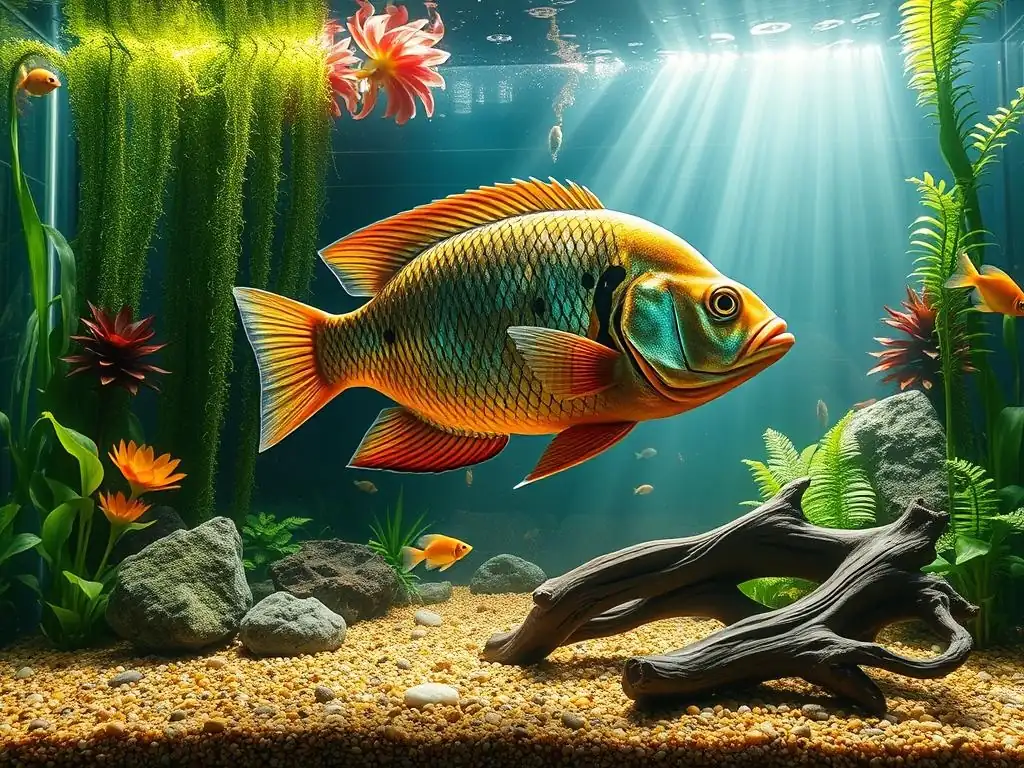
Ever been captivated by the shimmering beauty of the Golden Ram Cichlid? These radiant gems can bring a touch of the Amazon to your home aquarium. But unlocking their full potential requires understanding their specific needs. Dive in and discover the secrets to Golden Ram Cichlid care, ensuring these captivating fish thrive in your freshwater paradise. Ready to unveil their radiance?
- Understanding the Allure of Golden Ram Cichlids
- Golden Ram Cichlid Care: A Comprehensive Guide
- Golden Ram Cichlid Health: Preventing and Treating Common Issues
- Golden Ram Cichlid Breeding: A Rewarding Challenge
- Troubleshooting Common Golden Ram Cichlid Problems
- The Golden Ram Cichlid: A Radiant Addition to Your Aquarium
-
Frequently Asked Questions
- How difficult is it to care for a Golden Ram Cichlid?
- What are the ideal water parameters for Golden Ram Cichlids?
- What should I feed my Golden Ram Cichlid?
- What size tank is recommended for a pair of Golden Ram Cichlids?
- What are common health issues affecting Golden Ram Cichlids and how can I prevent them?
- Final Reflection: Embracing the Golden Ram's Delicate Beauty
- Ignite Your Aquarium: Embrace the Golden Ram's Glow!
Understanding the Allure of Golden Ram Cichlids
What is a Golden Ram Cichlid? Unveiling the Mikrogeophagus ramirezi Gold Variety
The Golden Ram Cichlid, scientifically known as Mikrogeophagus ramirezi 'Gold', is a selectively bred color morph of the popular Ram Cichlid. Originating from the Orinoco River basin in Venezuela and Colombia, the wild Mikrogeophagus ramirezi displays a more subdued coloration, typically with blue, yellow, and black markings. Through generations of careful breeding, aquarists have developed this stunning golden variation, which retains the peaceful demeanor and intriguing behaviors of its wild counterparts while showcasing a more vibrant, uniform yellow-gold hue.
This captivating dwarf cichlid is highly sought after for its brilliant coloration and relatively small size, typically reaching an adult length of 2 to 3 inches (5 to 7.5 cm). Unlike some larger, more aggressive cichlid species, the Golden Ram Cichlid is known for its generally docile nature, making it a suitable candidate for well-planned community aquariums. Its popularity stems not only from its aesthetic appeal but also from the rewarding experience of providing specialized Golden ram cichlid care that allows these fish to truly thrive.
The Captivating Appearance of Golden Rams: Colors and Markings
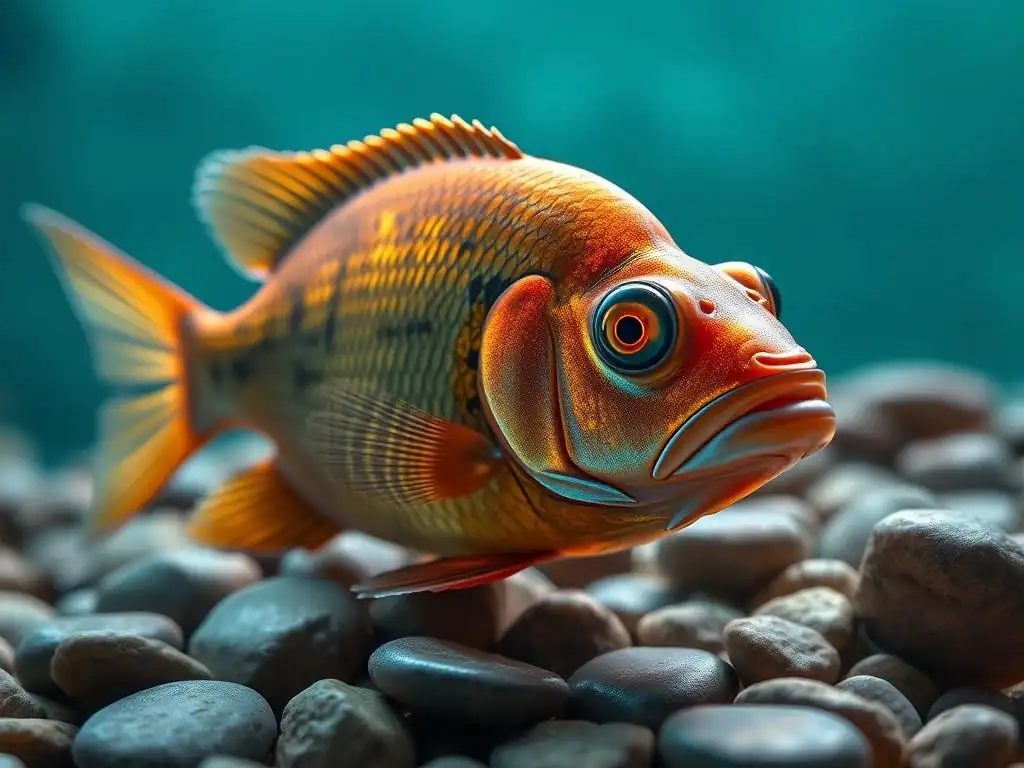
Golden Ram Cichlids are renowned for their striking, uniform golden-yellow to orange coloration that covers their entire body. This vibrant base is often accentuated by iridescent scales that can shimmer with hints of blue or green under proper lighting, particularly on their flanks and fins. Many individuals also display a distinct black spot, sometimes with a blue outline, located centrally on their body, and a black stripe running vertically through their eye.
Their fins, including the dorsal, anal, and caudal fins, are typically edged with red or orange, further enhancing their radiant appearance. The dorsal fin, in particular, can be quite elongated and pointed, especially in mature males, adding to their graceful profile. The intensity of these colors can vary depending on the fish's health, diet, and stress levels, making optimal Golden ram cichlid care paramount for showcasing their full beauty.
Why Choose Golden Rams for Your Freshwater Aquarium? Benefits and Considerations
Choosing Golden Ram Cichlids for a freshwater aquarium offers numerous benefits, primarily their stunning visual appeal and relatively peaceful temperament. Their brilliant gold coloration provides a vibrant focal point in a planted tank, contrasting beautifully with green foliage and dark substrates. Unlike many other cichlids, their small size and generally non-aggressive nature allow them to coexist peacefully with a variety of other small to medium-sized community fish, expanding the possibilities for diverse tank setups.
However, prospective aquarists must consider that while beautiful, Golden Rams require specific water parameters and diligent Golden ram cichlid care to truly flourish. They are more sensitive to fluctuating water conditions and elevated nitrates compared to some hardier species, making them less ideal for absolute beginners. Providing a stable, soft, and acidic environment, coupled with a high-quality diet and appropriate tank mates, is essential for their long-term health and vibrant display.
Golden Ram Cichlid Care: A Comprehensive Guide
Setting Up the Ideal Golden Ram Habitat: Tank Size and Aquascaping
Providing the correct habitat is fundamental to successful Golden ram cichlid care. For a single pair, a minimum tank size of 20 gallons (approximately 75 liters) is recommended, with larger tanks (30 gallons or more) being ideal for a small group or a community setup. The footprint of the tank is more important than height, as these fish prefer to explore the bottom and mid-levels of the aquarium. A longer tank provides more swimming space and helps define territories, reducing potential aggression.
Aquascaping should focus on creating a natural, Amazonian-like environment that offers plenty of hiding spots and visual breaks. Fine sand substrate is preferred, as Golden Rams enjoy sifting through it for food and may dig small depressions for spawning. Incorporate driftwood, smooth rocks, and dense live plants such as Java Fern, Anubias, and various cryptocorynes. Floating plants can help diffuse light, which these fish appreciate, and broad-leafed plants or flat stones can serve as potential spawning sites, enhancing their comfort and encouraging natural behaviors.
Water Parameters for Golden Ram Cichlids: Maintaining a Stable Environment
Maintaining precise and stable water parameters is arguably the most critical aspect of Golden ram cichlid care. These fish are highly sensitive to poor water quality and sudden changes, which can quickly lead to stress and disease. Regular testing with reliable kits for pH, temperature, ammonia, nitrite, and nitrate levels is non-negotiable.
Temperature and pH Levels for Optimal Golden Ram Health
Golden Ram Cichlids thrive in warm, stable water temperatures, ideally between 78°F and 85°F (25.5°C to 29.5°C). Maintaining a consistent temperature within this range is crucial, as fluctuations can severely stress the fish and compromise their immune system. A reliable aquarium heater with a thermostat is essential to achieve this stability.
Their preferred pH range is slightly acidic to neutral, typically between 5.0 and 7.0. While they can tolerate pH values up to 7.5, values closer to 6.0-6.5 are often recommended for optimal health and breeding success, mimicking their natural soft, acidic blackwater habitats. Avoid sudden shifts in pH, as these can be more detrimental than a slightly suboptimal but stable pH.
Water Hardness and Ammonia Control: Key Considerations
Golden Ram Cichlids originate from soft water environments, making water hardness a significant factor in their long-term Golden ram cichlid care. They prefer soft to moderately soft water, with a general hardness (GH) range of 5 to 12 dGH (89-214 ppm) and a carbonate hardness (KH) of 1 to 5 dKH (17-89 ppm). Hard water can lead to stress and reduced lifespan.
Ammonia and nitrite levels must always be at zero parts per million (ppm), as even trace amounts are highly toxic to Golden Rams. Nitrate levels should be kept consistently low, ideally below 20 ppm. This is achieved through a well-cycled filter, appropriate stocking levels, and regular partial water changes. Performing 25-30% water changes weekly is a standard practice for maintaining pristine conditions vital for Golden ram cichlid care.
Golden Ram Cichlid Diet and Feeding: Ensuring Proper Nutrition
A varied and high-quality diet is crucial for the vibrant coloration, robust health, and active behavior of Golden Ram Cichlids. They are omnivores with a preference for meaty foods, but also require some plant matter. Providing a diverse diet helps ensure they receive all necessary nutrients and prevents deficiencies.
What Do Golden Rams Eat? Recommended Food Types
For optimal Golden ram cichlid care, their diet should consist of a mix of high-quality dry foods and live or frozen options.
- High-quality flakes and small sinking pellets: These should form the staple of their diet, ensuring they are specifically formulated for cichlids or tropical fish and contain a good protein percentage.
- Frozen foods: Offer a variety such as bloodworms, brine shrimp, daphnia, and Mysis shrimp. These provide essential proteins and fats and are highly palatable.
- Live foods: Occasional offerings of live brine shrimp, daphnia, or small grindal worms can stimulate natural hunting behaviors and provide excellent nutrition, though care must be taken to avoid introducing parasites.
- Vegetable matter: While less dominant, some spirulina-based flakes or blanched vegetables like zucchini or spinach can be offered sparingly.
Feeding Schedule and Portion Control for Golden Rams
Golden Rams have relatively small stomachs, so it's best to feed them small amounts multiple times a day rather than one large meal. A common feeding schedule involves offering food 2 to 3 times daily. Each feeding should consist of an amount they can consume within 2 to 3 minutes. Overfeeding can lead to poor water quality, digestive issues, and obesity, all of which negatively impact Golden ram cichlid care. Remove any uneaten food promptly to prevent it from decaying and fouling the water.
Golden Ram Cichlid Tank Mates: Compatibility and Community Tank Dynamics
Choosing appropriate tank mates is a critical aspect of Golden ram cichlid care, as their peaceful nature can make them susceptible to bullying from more aggressive or boisterous species. While generally docile, male Golden Rams can become territorial during breeding, so tank mate selection should prioritize peaceful, small to medium-sized fish that occupy different levels of the aquarium.
Ideal Tank Mates for Peaceful Coexistence
- Small Tetras: Species like Neon Tetras, Cardinal Tetras, Rummy Nose Tetras, and Ember Tetras are excellent choices. They are peaceful, occupy the mid to upper water column, and often thrive in similar water parameters. A school of at least six, preferably ten or more, will help them feel secure.
- Corydoras Catfish: Various species of Corydoras are ideal bottom-dwellers that will not interfere with Golden Rams. They are peaceful, social, and help keep the substrate clean. Aim for a group of at least six.
- Otocinclus Catfish: These small, peaceful algae eaters are perfect for keeping the tank clean without bothering your Rams. They also prefer similar water parameters.
- Small Rasboras: Harlequin Rasboras or Chili Rasboras are good options for the upper water column.
- Other Dwarf Cichlids (with caution): While generally not recommended due to potential territorial disputes, some aquarists successfully keep Golden Rams with other Mikrogeophagus species or very peaceful Apistogramma species in very large, heavily planted tanks. This requires careful observation and a deep understanding of Golden ram cichlid care.
Fish to Avoid When Keeping Golden Rams
When planning Golden ram cichlid care, it's equally important to know which fish to avoid.
- Large or Aggressive Cichlids: Avoid species like African Cichlids, Jack Dempseys, or even larger South American Cichlids, as they will bully, stress, or even kill Golden Rams.
- Fin-Nippers: Barbs (e.g., Tiger Barbs), Serpae Tetras, or aggressive Gouramis can nip at the long, flowing fins of Golden Rams, leading to stress, injury, and potential infections.
- Very Large Fish: Even peaceful large fish can accidentally intimidate or outcompete Golden Rams for food.
- Overly Boisterous Fish: Very active or fast-swimming fish can stress Golden Rams, which prefer a calmer environment.
Golden Ram Cichlid Health: Preventing and Treating Common Issues
Maintaining excellent water quality and a balanced diet are the cornerstones of preventing health issues in Golden Ram Cichlids. Despite diligent Golden ram cichlid care, these fish can still fall ill. Early detection and prompt treatment are crucial for recovery.
Recognizing Signs of Illness in Golden Rams: Early Detection is Key
Observing your Golden Rams daily is vital for early detection of health problems. Healthy Golden Rams are active, display vibrant coloration, have clear eyes, and swim with their fins extended.
- Behavioral Changes: Lethargy, listlessness, hiding more than usual, erratic swimming, rubbing against tank decorations, gasping at the surface, or clamped fins are all red flags.
- Physical Changes: Fading colors, white spots on body or fins, fuzzy growths, red streaks, bloated appearance, sunken belly, frayed fins, or visible parasites (e.g., anchor worms, fish lice).
- Appetite Changes: Refusal to eat or spitting out food.
Any deviation from their normal appearance or behavior warrants immediate investigation and, if necessary, isolation in a hospital tank to prevent spread to other inhabitants and facilitate treatment.
Common Golden Ram Cichlid Diseases and Treatments
Golden Rams are susceptible to common freshwater fish diseases, often triggered by stress from poor water quality, fluctuating temperatures, or improper Golden ram cichlid care.
Ich (White Spot Disease) in Golden Rams: Identification and Treatment
Ich, caused by the parasite Ichthyophthirius multifiliis, is one of the most common ailments. It manifests as small, white, salt-like spots on the body and fins. Affected fish may flash or rub against objects due to irritation.
- Identification: Distinctive white spots, often accompanied by clamped fins, rapid breathing, and lethargy.
- Treatment: A common and effective method involves gradually raising the tank temperature to 82-86°F (28-30°C) over 24-48 hours (ensure aeration is increased as higher temperatures reduce oxygen saturation). This speeds up the parasite's life cycle. Concurrently, use an aquarium-safe Ich medication (e.g., malachite green, formaldehyde) according to manufacturer instructions. Continue treatment for at least 7-10 days, even after spots disappear, to eradicate all life stages of the parasite. Ensure to remove carbon from the filter during treatment.
Bacterial Infections: Symptoms and Solutions
Bacterial infections can manifest in various ways, often as secondary infections to stress or injury. Common types include fin rot, columnaris (mouth fungus), and dropsy.
- Symptoms:
- Fin Rot: Frayed, ragged, or disintegrating fins, often with a white or red edge.
- Columnaris: White or grayish patches that look like cotton or fungus, often around the mouth, gills, or body.
- Dropsy: Severely bloated body with scales sticking out (pinecone appearance) due to fluid retention. This is often a symptom of underlying organ failure and is usually fatal.
- Treatment: Broad-spectrum antibacterial medications are typically used. For fin rot and mild external infections, a general antibacterial treatment might suffice. For more severe or internal infections (like dropsy), antibiotics administered via food or a stronger bath treatment may be necessary. Always follow product instructions carefully and address underlying water quality issues.
Parasitic Infestations: Dealing with Internal and External Parasites
Beyond Ich, Golden Rams can suffer from other parasitic infestations, both external and internal.
- External Parasites: Include flukes (gill and body), anchor worms, and fish lice. Symptoms vary but can include flashing, labored breathing, visible parasites, and skin lesions. Treatment typically involves specific antiparasitic medications, often containing praziquantel or dimilin, administered as a bath or in-tank treatment.
- Internal Parasites: Such as intestinal worms (e.g., nematodes, cestodes). Symptoms include weight loss despite eating, stringy white feces, and lethargy. Treatment involves medicated foods containing dewormers like praziquantel or metronidazole. It is advisable to quarantine new fish and deworm them as a preventative measure.
Maintaining Optimal Water Quality to Prevent Disease
The best defense against Golden Ram Cichlid diseases is proactive Golden ram cichlid care, centered on pristine water quality.
- Regular Water Changes: Perform weekly partial water changes (25-30%) to dilute nitrates and replenish essential minerals. Use a good quality water conditioner to neutralize chlorine/chloramines.
- Efficient Filtration: Ensure your tank has adequate biological, mechanical, and chemical filtration. A well-maintained filter keeps ammonia and nitrites at zero and helps control nitrates.
- Avoid Overfeeding: Excess food decomposes and contributes to poor water quality. Feed small amounts frequently.
- Quarantine New Fish: Always quarantine new fish for at least 2-4 weeks in a separate tank before introducing them to your main display. This prevents the spread of diseases.
- Stable Parameters: Avoid sudden fluctuations in temperature, pH, or hardness. Consistency is key for Golden Ram Cichlids' immune systems.
Golden Ram Cichlid Breeding: A Rewarding Challenge
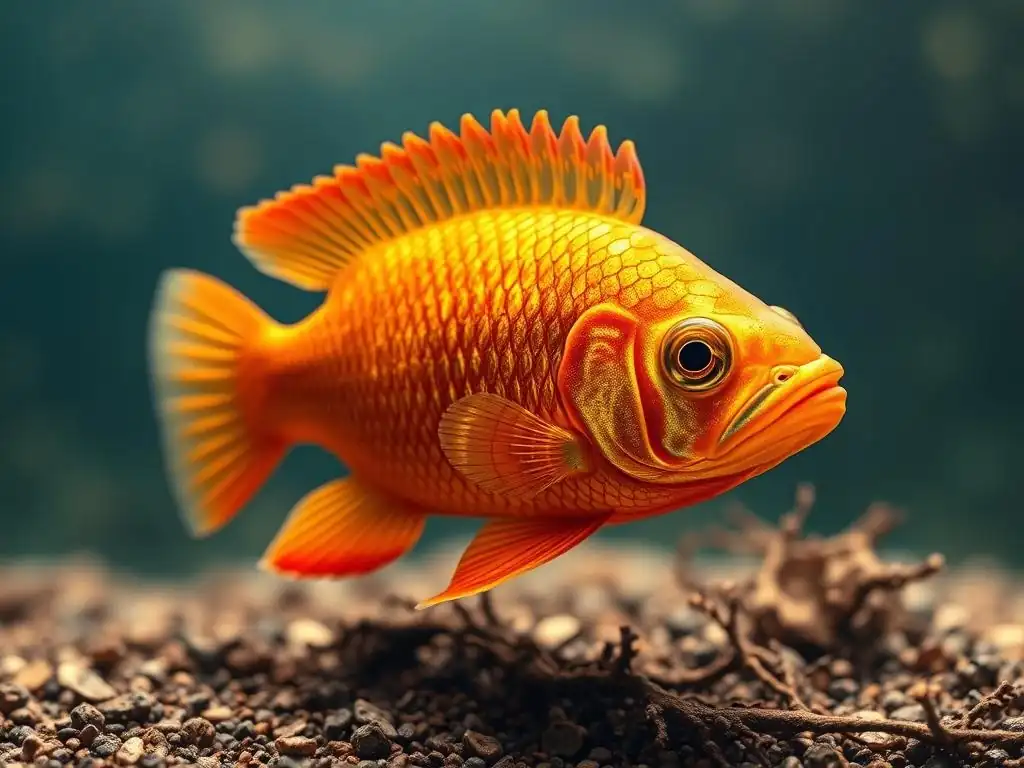
Breeding Golden Ram Cichlids can be a rewarding experience for dedicated aquarists, though it requires specific conditions and attentive Golden ram cichlid care. These fish are substrate spawners and exhibit excellent parental care.
Creating Breeding Conditions for Golden Rams: Triggering Spawning
To encourage Golden Rams to breed, several environmental cues need to be met, mimicking their natural spawning conditions.
- Optimal Water Parameters: Soft, acidic water is paramount, ideally with a pH of 5.5-6.5 and GH below 5 dGH. Temperatures should be on the higher end of their preferred range, around 82-85°F (28-29.5°C). Use reverse osmosis (RO) water mixed with trace minerals if your tap water is hard.
- Spawning Sites: Provide flat, smooth surfaces such as slate, broad plant leaves (e.g., Anubias, Amazon Sword), or ceramic spawning cones. Golden Rams prefer to lay their eggs on horizontal or slightly angled surfaces.
- Diet: Condition the breeding pair with a rich diet of live and frozen foods (bloodworms, brine shrimp, daphnia) for several weeks leading up to spawning. This provides the necessary energy and nutrients for egg production.
- Privacy and Security: A dedicated breeding tank is often recommended to prevent other fish from disturbing the pair or predating on eggs. Ensure plenty of hiding spots for the pair to feel secure.
Golden Ram Breeding Behavior: Courtship and Spawning Process
Once conditions are optimal and a compatible pair forms (often indicated by synchronized swimming and mutual fin flaring), courtship begins.
- Courtship: The male will display vibrant colors, flare his fins, and engage in a "shivering" dance to attract the female. The pair may also engage in mouth-to-mouth "kissing" or mock fighting, which is part of their bonding ritual. They will jointly select and meticulously clean a spawning site, often using their mouths to clear debris.
- Spawning: The female will begin to lay a string of small, adhesive eggs (typically 100-300, though larger females can lay up to 500) on the chosen surface, usually in rows. The male follows closely behind, fertilizing the eggs. This process can last for several hours, with the pair taking turns laying and fertilizing. Both parents will then diligently guard the eggs, fanning them with their fins to ensure oxygenation and remove debris, and fiercely defending them from any perceived threats.
Caring for Golden Ram Eggs and Fry: Raising Healthy Offspring
The period after spawning is critical for successful Golden ram cichlid care in a breeding context. Parental care is strong, but external factors can still impact fry survival.
Protecting Eggs from Predation
In a community tank, even the most dedicated Golden Ram parents may struggle to protect their eggs and fry from hungry tank mates.
- Community Tank Challenges: Other fish, even those typically peaceful, will often consume the eggs or newly hatched fry. Even the parents themselves, especially young or stressed pairs, can sometimes eat their own eggs (a common occurrence known as "egg eating," often due to stress, first-time breeding, or infertile eggs).
- Breeding Tank Advantage: A dedicated breeding tank significantly increases the chances of survival. If eggs are laid in a community tank, some aquarists choose to carefully remove the spawning surface with the eggs to a separate rearing tank, equipped with an air stone for circulation and a small amount of methylene blue to prevent fungal growth.
Feeding Golden Ram Fry: First Foods and Growth
Golden Ram eggs typically hatch within 2-3 days at 82°F (28°C). The fry will remain as "wigglers" attached to the spawning site or nearby surfaces for another 3-5 days, absorbing their yolk sacs. Once they become free-swimming, typically around day 5-8 post-hatching, they need their first foods.
- First Foods: Their mouths are incredibly tiny, so initial foods must be microscopic. Infusoria (microscopic organisms that grow in decaying plant matter or can be cultured) or liquid fry food are essential for the first few days.
- Progression: After a few days on infusoria, they can be transitioned to newly hatched brine shrimp nauplii, which are highly nutritious and appropriately sized. Feed small amounts multiple times a day (4-6 times) to support their rapid growth. As they grow, they can gradually be introduced to finely crushed flake food and micro pellets. Consistent water changes are vital during this period to maintain water quality despite frequent feedings.
Troubleshooting Common Golden Ram Cichlid Problems
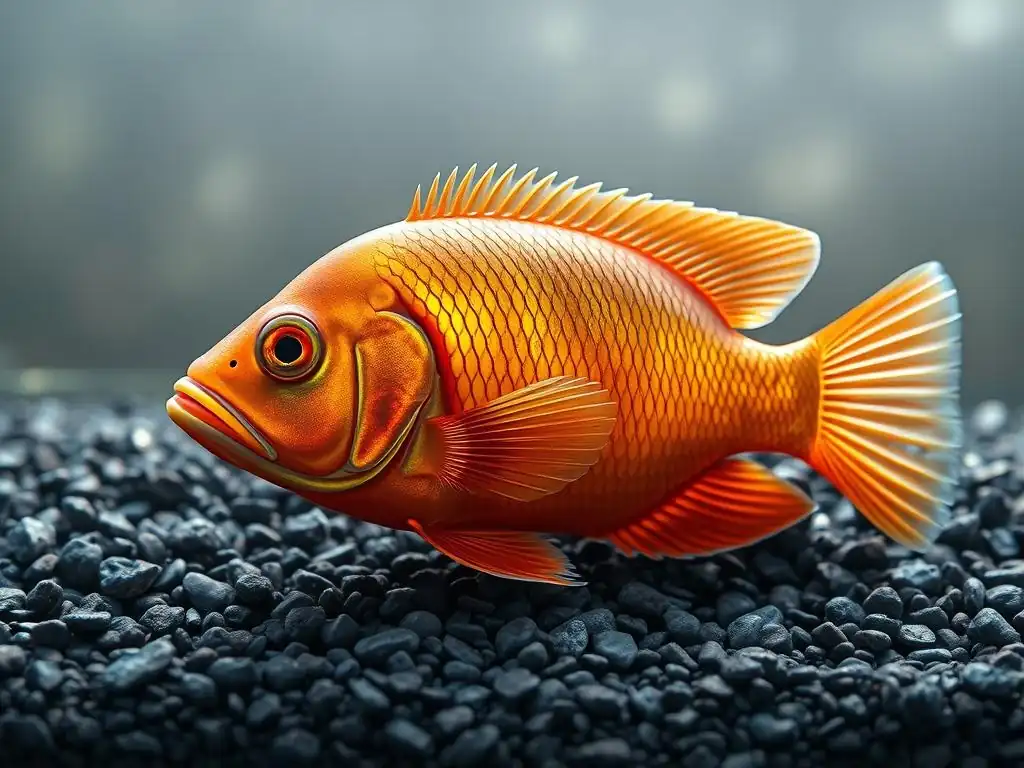
Even with the best Golden ram cichlid care, issues can arise. Understanding common problems and their solutions is key to maintaining healthy and vibrant fish.
Golden Ram Cichlid Color Loss: Causes and Solutions
A noticeable fading of the vibrant golden coloration is a common sign of stress or illness in Golden Ram Cichlids.
- Causes:
- Poor Water Quality: Elevated nitrates, ammonia, or nitrites, or fluctuating pH/temperature.
- Stress: From aggressive tank mates, inadequate hiding spots, overstocking, or being new to the tank.
- Inadequate Diet: Lack of essential nutrients, particularly color-enhancing foods (e.g., spirulina, astaxanthin-rich foods like bloodworms or brine shrimp).
- Illness: Many diseases can cause a fish to lose color as a symptom.
- Solutions:
- Test Water Parameters: Immediately check all water parameters (ammonia, nitrite, nitrate, pH, temperature, GH/KH). Perform a partial water change if any parameters are off.
- Assess Tank Mates: Ensure there are no bullies. Remove aggressive fish or provide more hiding spots.
- Improve Diet: Offer a varied diet of high-quality flakes/pellets, frozen foods (like bloodworms and brine shrimp), and consider color-enhancing foods.
- Observe for Illness: Look for other symptoms of disease (e.g., spots, clamped fins, labored breathing). If present, proceed with appropriate treatment.
Golden Ram Cichlid Hiding: Understanding and Addressing Stress
While Golden Rams appreciate hiding spots, excessive hiding, especially for prolonged periods, indicates stress or illness.
- Causes:
- New Environment: It's normal for new fish to hide for the first few days as they acclimate.
- Bullying: More dominant tank mates may be harassing the Ram, forcing it into hiding.
- Lack of Cover: Insufficient plants, caves, or driftwood can make the fish feel exposed and vulnerable.
- Poor Water Quality: Unsuitable parameters or pollutants can cause discomfort and lead to hiding.
- Illness: A sick fish will often hide to conserve energy and avoid interaction.
- Solutions:
- Provide Ample Hiding Spots: Ensure the tank is heavily planted and includes caves, driftwood, and rocks.
- Check Tank Mates: Observe interactions closely to identify and remove any aggressive fish.
- Verify Water Parameters: Conduct thorough water tests and make necessary corrections via water changes.
- Monitor for Illness: If other symptoms accompany hiding, consider a hospital tank and appropriate treatment. Dimming the lights for a period can also help reduce stress.
Golden Ram Cichlid Not Eating: Identifying and Resolving the Issue
A Golden Ram Cichlid refusing food is a serious concern and almost always a sign of underlying stress or illness.
- Causes:
- Stress: From poor water quality, unsuitable tank mates, or a new environment.
- Water Quality Issues: High ammonia, nitrite, or nitrate levels are common culprits.
- Incorrect Food: The food offered may not be palatable or of sufficient quality.
- Internal Parasites: These can cause digestive upset and lead to appetite loss.
- Bacterial Infections: Internal bacterial infections can also suppress appetite.
- Temperature: Water that is too cold can slow down their metabolism and reduce appetite.
- Solutions:
- Immediate Water Test: This is the first step. Perform a partial water change if any parameters are off.
- Offer Variety: Try offering different types of highly palatable foods, such as frozen bloodworms or brine shrimp. Wiggle the food near the fish to entice it.
- Check Temperature: Ensure the water temperature is within the optimal range (78-85°F).
- Observe for Other Symptoms: Look for signs of illness like bloating, stringy feces, clamped fins, or labored breathing. If present, diagnose and treat accordingly. For suspected internal parasites, a deworming medication mixed with food may be necessary. If the fish is severely stressed, reducing tank activity and dimming lights can help.
The Golden Ram Cichlid: A Radiant Addition to Your Aquarium
Summarizing Key Golden Ram Cichlid Care Tips for Success
Successful Golden ram cichlid care hinges on a few core principles that, when consistently applied, ensure these radiant fish thrive. Firstly, maintaining pristine and stable water parameters is non-negotiable; this includes soft, acidic water (pH 5.0-7.0, GH 5-12 dGH) and warm temperatures (78-85°F), with zero ammonia and nitrite, and low nitrates. Regular partial water changes (25-30% weekly) are essential for this.
Secondly, providing an appropriately sized and aquascaped habitat is crucial. A minimum 20-gallon tank for a pair, featuring fine sand substrate, dense live plants, driftwood, and caves, offers the security and exploration opportunities they need. Lastly, a varied and high-quality diet, consisting of premium flakes, small pellets, and frequent offerings of frozen or live protein-rich foods, supports their vibrant coloration and overall vitality. Diligent observation for signs of stress or illness and prompt intervention complete the framework for exceptional Golden ram cichlid care.
Where to Buy Healthy Golden Ram Cichlids
Sourcing healthy Golden Ram Cichlids is a critical first step in their successful care. Reputable local fish stores are often a good option, as they allow you to visually inspect the fish before purchase. Look for active individuals with bright, clear coloration, extended fins, and no visible signs of disease (e.g., white spots, clamped fins, frayed fins, or sunken bellies). Avoid fish that are lethargic, hiding excessively, or gasping at the surface.
Online retailers specializing in freshwater fish can also be a viable source, often offering a wider selection or specific strains. When purchasing online, choose vendors with strong positive reviews and clear guarantees regarding fish health and arrival. Always inquire about their shipping practices and acclimatization recommendations. Regardless of the source, upon arrival, all new Golden Rams should be quarantined in a separate tank for at least two to four weeks to monitor for any signs of illness before introducing them to your main aquarium, a vital step in responsible Golden ram cichlid care.
Enjoying the Beauty and Personality of Your Golden Rams
With consistent and dedicated Golden ram cichlid care, these stunning fish will reward you with their captivating beauty and intriguing personalities. Their vibrant golden hues can transform an ordinary aquarium into a luminous underwater landscape, especially when contrasted with lush green plants. Beyond their appearance, observing their unique behaviors—from sifting through the sand in search of food to their intricate courtship displays and diligent parental care—provides endless fascination.
Golden Rams, while generally peaceful, exhibit a surprising level of intelligence and individual character. They will often recognize their owner, sometimes even approaching the front of the tank during feeding times. Their relatively small size and manageable care requirements, once understood, make them an accessible and delightful choice for both intermediate and experienced aquarists looking to add a touch of radiant elegance and dynamic life to their freshwater community tanks.
Frequently Asked Questions
How difficult is it to care for a Golden Ram Cichlid?
Golden Ram Cichlids are considered moderately difficult to care for due to their sensitivity to water parameters. Maintaining a stable and clean environment is crucial for their health.
What are the ideal water parameters for Golden Ram Cichlids?
They thrive in soft, acidic water. The ideal parameters are a pH of 6.0-7.0, a temperature of 80-85°F (26-29°C), and low levels of nitrates and ammonia.
What should I feed my Golden Ram Cichlid?
Offer a varied diet including high-quality flake food, frozen foods like bloodworms and daphnia, and small live foods. This ensures they receive essential nutrients.
What size tank is recommended for a pair of Golden Ram Cichlids?
A minimum tank size of 20 gallons is recommended for a pair of Golden Ram Cichlids. This provides enough space for them to establish territories and reduce stress.
What are common health issues affecting Golden Ram Cichlids and how can I prevent them?
They are susceptible to Ich and other parasitic infections, often triggered by poor water quality. Regular water changes, proper filtration, and quarantine of new fish are crucial for preventing diseases.
Final Reflection: Embracing the Golden Ram's Delicate Beauty
The journey into understanding the Golden Ram Cichlid's care has illuminated not just the specific needs of this radiant fish, but also the broader responsibility we hold as stewards of aquatic life. The intricacies of water parameters, diet, and tank mates, while seemingly technical, underscore the delicate balance required to nurture any living creature, reminding us that even the smallest actions can have profound consequences.
The allure of the Golden Ram Cichlid extends beyond its vibrant colors; it represents a commitment to creating a thriving ecosystem within our own homes. This commitment, this dedication to providing optimal conditions, reflects a deeper appreciation for the beauty and fragility of nature. In the end, we will conserve only what we love; we will love only what we understand; and we will understand only what we are taught.
- Baba Dioum. This quote perfectly encapsulates the importance of understanding the needs of these creatures to foster a genuine connection and desire to protect them.
Now, as you embark on your own journey with the Golden Ram Cichlid, or perhaps simply reflect on the principles of responsible pet ownership, consider the ripple effect of your choices. Let the knowledge gained here inspire you to create not just a beautiful aquarium, but a sanctuary where life flourishes. Embrace the challenge, celebrate the beauty, and remember that every act of care, no matter how small, contributes to a more vibrant and compassionate world.
Ignite Your Aquarium: Embrace the Golden Ram's Glow!
Thank you for diving into the captivating world of the Golden Ram Cichlid! We hope you’ve discovered the secrets to keeping these radiant gems thriving. Now, let's translate that knowledge into action.
- Dive in and meticulously plan your Golden Ram habitat. Consider tank size, water parameters, and compatible tank mates for a thriving community.
- Share your newfound knowledge! Spread the radiance by sharing this article with fellow aquarium enthusiasts.
- Unleash your inner artist! Design a unique aquascape inspired by the Golden Ram's natural habitat and share your creation in the comments below.
Ready to embark on your Golden Ram adventure and create a stunning underwater paradise?