
LPS Coral Lighting Deep Dive: Finding the Sweet Spot for Your Favorites

Welcome to Aquarium Mastery!
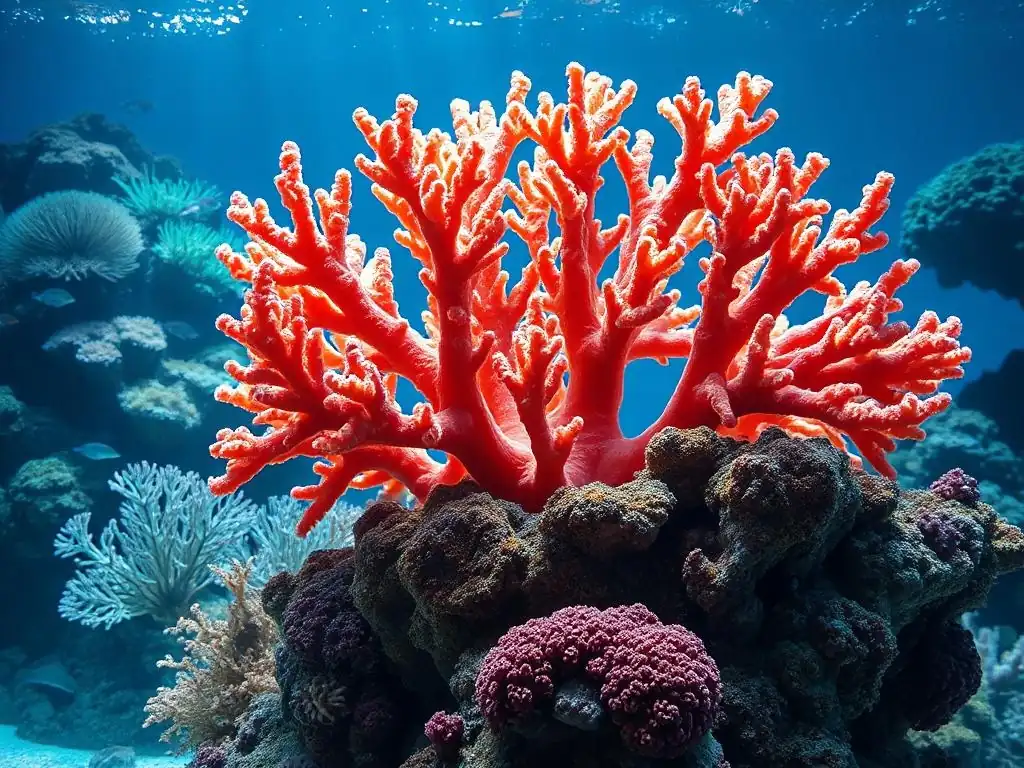
Ever wondered if your LPS corals are truly basking in the perfect light? Or maybe you're struggling to understand their specific LPS coral lighting requirements? Get ready to dive deep! We're unlocking the secrets to optimal lighting for your beloved LPS corals, ensuring vibrant colors and thriving health. Curious to learn more and avoid common pitfalls? Let's illuminate the path to coral success!
- Understanding LPS Coral Lighting Requirements for Optimal Growth
- Deciphering Light Spectrum and Intensity for LPS Corals
- Different Lighting Options for LPS Coral Tanks: A Comparison
- Finding the Sweet Spot: How to Acclimate LPS Corals to New Lighting
- Common LPS Coral Lighting Problems and Solutions
- Specific Lighting Recommendations for Popular LPS Coral Genera
- Advanced Lighting Techniques for LPS Coral Coloration
- Maintaining Optimal Lighting Conditions for Long-Term LPS Health
- Conclusion: Mastering LPS Coral Lighting for a Thriving Reef Aquarium
-
Frequently Asked Questions
- What exactly are LPS corals, and why are lighting requirements so crucial for them?
- How do LPS coral lighting requirements differ from those of SPS (Small Polyp Stony) corals?
- What type of lighting is generally recommended for LPS corals in a home aquarium?
- How can I tell if my LPS coral is receiving too much or too little light?
- Besides light intensity, what other factors affect how LPS corals utilize lighting?
- Final Reflection: Illuminating the Depths of Reef Keeping
- Ignite Your LPS Coral's Vibrant Glow!
Understanding LPS Coral Lighting Requirements for Optimal Growth
Why Proper Lighting is Crucial for LPS Coral Health
Proper lighting is foundational for the health and vitality of LPS (Large Polyp Stony) corals. These corals host symbiotic algae called zooxanthellae within their tissues, which perform photosynthesis using light as an energy source. This process provides the coral with up to 90% of its nutritional needs, making light an indispensable component of their survival and growth. Without adequate light, zooxanthellae cannot photosynthesize effectively, leading to coral starvation, browning (as the algae multiply to compensate), and ultimately, tissue loss.
Conversely, excessive light can be equally detrimental. Too much intensity leads to photoinhibition, where the zooxanthellae become stressed and produce harmful reactive oxygen species. To protect themselves, corals may expel these symbiotic algae, a process known as bleaching. Bleached corals appear pale or white and are highly susceptible to disease and death if not corrected swiftly. Therefore, understanding and meeting the precise LPS coral lighting requirements is paramount for maintaining a thriving reef aquarium.
Key Factors Influencing LPS Lighting Needs
Several key factors determine the optimal LPS coral lighting requirements. The most critical is PAR (Photosynthetically Active Radiation), which measures the amount of light available for photosynthesis. Different LPS genera have distinct PAR preferences; for example, Euphyllia corals might thrive in PAR levels of 70-150, while Acanthastrea typically prefer a lower range of 50-100 PAR. Water clarity and depth significantly influence how much light penetrates to the corals, with deeper or turbid water attenuating light more rapidly.
Beyond PAR, the light spectrum (color temperature), photoperiod (duration of light), and even water movement play crucial roles. A balanced spectrum, often skewed towards the blue end (e.g., 14,000K to 20,000K), supports the specific photosynthetic pigments of zooxanthellae and enhances coral coloration. A typical photoperiod for LPS corals ranges from 8 to 12 hours, with a peak intensity period. All these factors must be considered holistically to provide the ideal LPS coral lighting requirements for robust growth and vibrant colors.
Deciphering Light Spectrum and Intensity for LPS Corals
The Importance of PAR (Photosynthetically Active Radiation) for LPS
PAR, or Photosynthetically Active Radiation, quantifies the light wavelengths between 400 and 700 nanometers, which are crucial for photosynthesis in zooxanthellae. Measuring PAR with a dedicated meter is the most accurate way to assess light intensity for your corals. For instance, low-light LPS corals like Blastomussa often thrive in PAR levels between 40-80, whereas moderate-light LPS such as Euphyllia can comfortably handle 80-150 PAR. Ensuring appropriate PAR levels is a core component of meeting specific LPS coral lighting requirements.
The impact of PAR levels on coral growth and coloration is significant. Insufficient PAR can cause corals to stretch or appear pale as they try to maximize light absorption, potentially leading to slow growth or starvation. Conversely, excessively high PAR can lead to bleaching, tissue necrosis, and oxidative stress, as the zooxanthellae are overwhelmed. It's important to remember that PAR levels vary greatly with depth in the aquarium and the distance from the light source, necessitating careful placement and monitoring to fine-tune LPS coral lighting requirements.
Understanding Kelvin (Color Temperature) and its Effect on LPS Corals
Kelvin (K) is a unit of measurement that describes the color temperature of light. In reef aquariums, lighting typically ranges from 10,000K (a whiter, daylight appearance) to 20,000K (a deeper blue, actinic appearance). Higher Kelvin values indicate a bluer spectrum, which penetrates water more effectively and is often preferred for corals due to its beneficial effects on zooxanthellae and its ability to enhance coral fluorescence. Most aquarists find a blend of white and blue light visually appealing and biologically effective.
From a biological standpoint, the blue and violet wavelengths (around 400-470nm) are highly utilized by zooxanthellae for photosynthesis and also trigger the expression of fluorescent proteins in corals, leading to vibrant "pop." While a predominantly blue spectrum (e.g., 18,000K-20,000K) can enhance coloration, a balanced spectrum (e.g., 14,000K) that includes some white light ensures a broader photosynthetic profile for the zooxanthellae and provides a more natural viewing experience.
Pure white light (e.g., 6500K) is generally not recommended as the sole light source for LPS corals, as it lacks sufficient blue wavelengths critical for their long-term health and vibrant appearance, falling short of optimal LPS coral lighting requirements.
Choosing the Right Light Spectrum for Different LPS Coral Species
The ideal light spectrum for LPS corals often emphasizes blue and violet wavelengths, which are most efficiently absorbed by their symbiotic algae. For instance, many Euphyllia species thrive under a spectrum rich in royal blue (around 450-470nm) and deep violet (around 400-420nm) light, which not only supports robust photosynthesis but also significantly enhances their natural fluorescence and coloration. This specific spectral tuning is a vital aspect of fulfilling their LPS coral lighting requirements.
While blue light is paramount, a small component of other wavelengths, such as green and red, can contribute to the overall health and coloration of various LPS corals. These wavelengths can activate different photosynthetic pigments and bring out unique hues in corals like Favia or Acanthastrea. A modern LED fixture, offering individually controllable channels for royal blue, deep blue, violet, and cool white, provides the flexibility to create a customized spectrum that precisely meets the diverse LPS coral lighting requirements of your mixed reef tank.
Different Lighting Options for LPS Coral Tanks: A Comparison
LED Lighting for LPS Corals: Benefits and Considerations
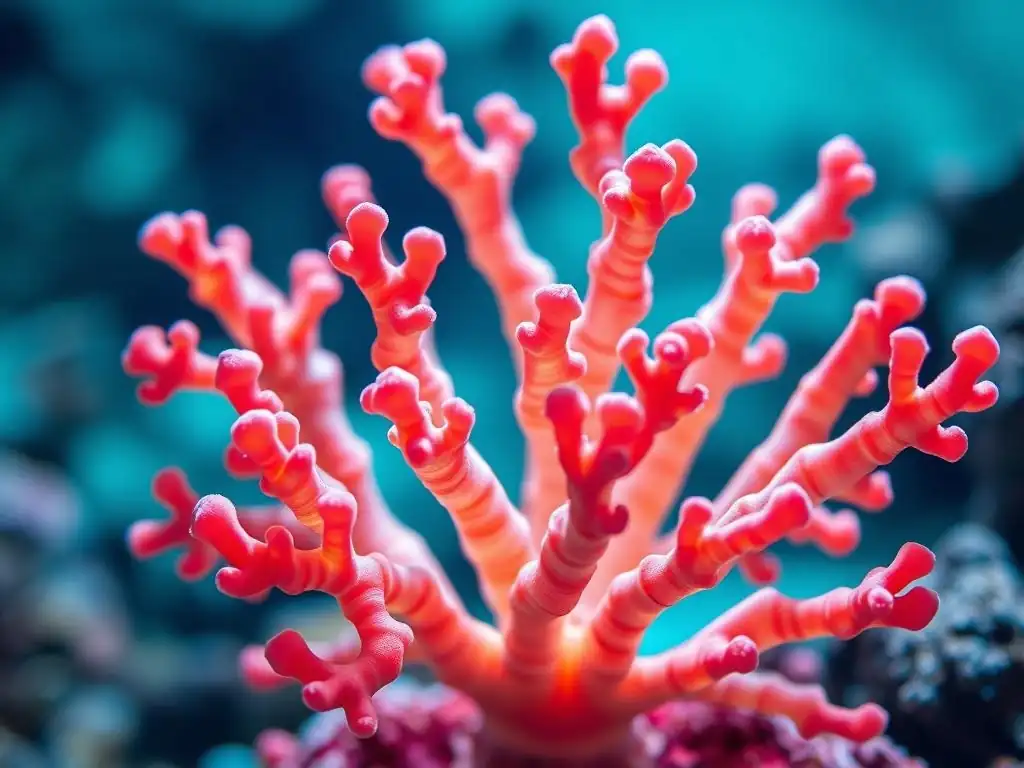
LED (Light Emitting Diode) lighting has become the most popular choice for LPS coral aquariums due to numerous benefits. They are highly energy-efficient, consuming significantly less power than traditional options (e.g., up to 70% less than metal halides), and boast an impressive lifespan, often exceeding 50,000 hours.
Modern LED fixtures offer unparalleled control over spectrum and intensity, allowing aquarists to fine-tune LPS coral lighting requirements with programmable dimming, sunrise/sunset cycles, and even cloud simulation features. High-end units, such as those from EcoTech Marine Radion or Kessil, are specifically designed to meet the nuanced needs of LPS corals, providing targeted wavelengths and excellent PAR distribution.
However, there are considerations. The initial cost of quality LED fixtures can be substantial, with units for a 4-foot tank ranging from $700 to $1,500 or more. While they offer high intensity, some earlier designs could create "hot spots" if not properly diffused, potentially stressing corals. Careful acclimation is crucial when introducing corals to new LED setups, as their intensity can be deceivingly powerful. Despite the upfront investment, their long-term energy savings and precise control make them an excellent choice for optimizing LPS coral lighting requirements.
T5 Lighting for LPS Corals: A Reliable Option?
T5 fluorescent lighting remains a reliable and proven option for LPS coral tanks. Known for providing a very even light spread across the aquarium and excellent color rendition, T5 bulbs ensure consistent PAR levels without the "hot spots" sometimes associated with early LED designs. A typical T5 setup for a 4-foot tank might incorporate 4-8 bulbs, allowing for a blend of actinic (blue) and daylight (white) spectrums to cater to LPS coral lighting requirements effectively. Many aquarists appreciate the soft, natural shimmer effect produced by T5s.
Despite their reliability, T5 lighting has some drawbacks compared to LEDs. They consume more energy, and their bulbs have a shorter optimal lifespan, typically requiring replacement every 6-12 months to maintain peak performance and spectrum. Each bulb replacement can cost between $20-$40, adding to ongoing operational expenses. Furthermore, T5 fixtures offer less granular control over spectrum and intensity compared to advanced LED systems, making it harder to precisely dial in specific LPS coral lighting requirements for individual species or zones within the tank.
Metal Halide Lighting for LPS Corals: A Less Common Option
Metal Halide lighting was once considered the gold standard for reef aquariums due to its intense light output, excellent PAR penetration, and captivating shimmer effect. A single 250W or 400W metal halide fixture can provide more than ample light for most LPS corals, even in deeper tanks. Their broad, powerful spectrum often resulted in robust coral growth and vibrant coloration, fulfilling demanding LPS coral lighting requirements.
However, metal halide lighting has become less common with the advent of more efficient and controllable alternatives. Their primary drawbacks include very high heat output, often necessitating the use of a chiller to maintain stable water temperatures, especially in warmer climates. They also have high energy consumption and a relatively short bulb lifespan of 6-9 months, with replacement bulbs costing $50-$100 or more. The lack of precise spectrum control and the significant heat generated make them generally less practical for modern LPS coral setups compared to the versatility and efficiency offered by contemporary LED systems.
Finding the Sweet Spot: How to Acclimate LPS Corals to New Lighting
Gradual Acclimation: The Key to Preventing Light Shock in LPS
Gradual acclimation is absolutely critical when introducing new LPS corals to your aquarium or upgrading your lighting system. Sudden, drastic changes in light intensity can induce severe stress, leading to bleaching, tissue recession, and even mortality. LPS corals, particularly those from lower light environments, are highly susceptible to light shock. It is recommended to start with a significantly lower light intensity than your target (e.g., 30-50% of the final PAR level) or to shorten the initial photoperiod.
There are several effective methods for achieving this gradual acclimation. You can use layers of mesh screen or diffuser material placed over the tank to reduce light penetration, slowly removing layers over several weeks. Alternatively, you can elevate your light fixture further from the water surface initially and gradually lower it. For modern LED systems, programming a slow ramp-up in intensity (e.g., increasing PAR by 5% per week) over a period of 4-8 weeks is the most precise and stress-free method for meeting new LPS coral lighting requirements.
Monitoring LPS Coral Response to Lighting Changes
Vigilant monitoring of your LPS corals is essential during any lighting transition. Observe their polyp extension, coloration, and overall tissue integrity daily. Healthy LPS corals should exhibit full polyp extension, vibrant colors, and no signs of tissue recession. If polyps remain retracted during the day, it could be an early indicator of overexposure. Conversely, if polyps are constantly stretched out or appear unusually pale, the coral may be "reaching" for more light, suggesting underexposure.
Color changes are also telling. Bleaching, characterized by a pale or white appearance, is a clear sign of too much light, as the coral expels its zooxanthellae. Browning, on the other hand, often indicates too little light, as the zooxanthellae multiply to maximize light capture. Consistent observation allows for timely adjustments to light intensity or placement, ensuring that the LPS coral lighting requirements are continuously met and preventing irreversible damage.
Adjusting Light Intensity and Duration for Optimal Results
Based on your observations, be prepared to make iterative adjustments to your light intensity and duration. If corals show signs of light stress, such as bleaching or prolonged polyp retraction, immediately reduce the PAR level by 10-20% and observe for several days. Conversely, if corals appear dull, brown, or are stretching, gradually increase the intensity by 5-10% weekly until a positive response is observed. This iterative process is key to dialing in the ideal LPS coral lighting requirements.
The photoperiod also plays a role. While most LPS corals thrive with an 8-12 hour light cycle, the duration of peak intensity within that cycle can be adjusted. For example, a 4-6 hour peak intensity period is common. If corals are thriving but growth is slow, you might slightly extend the peak intensity duration. If they show signs of stress late in the day, consider shortening the overall photoperiod or reducing the maximum intensity. These fine-tuning adjustments ensure long-term health and optimal growth for your LPS collection.
Common LPS Coral Lighting Problems and Solutions
Identifying Signs of Overexposure to Light in LPS Corals
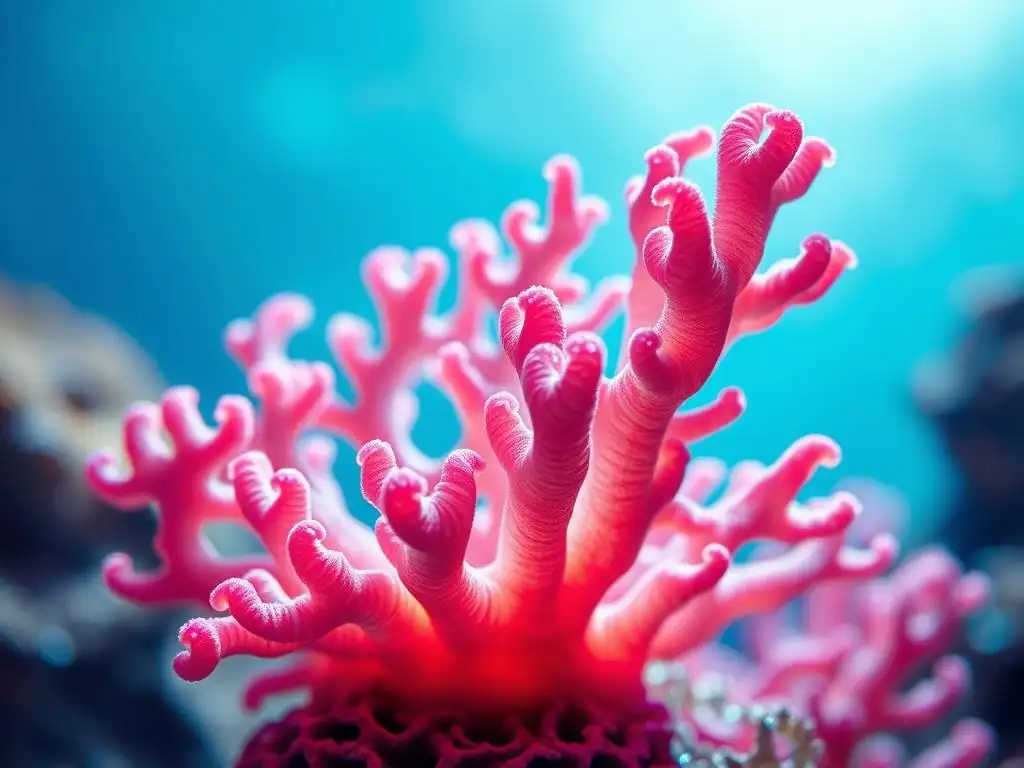
Overexposure to light is a common issue for LPS corals and can manifest quickly. Key signs include tissue recession, where the coral's flesh pulls away from its skeleton, often starting at the base or edges. Bleaching, characterized by a pale or stark white appearance, is another definitive symptom, indicating the coral has expelled its symbiotic zooxanthellae due to excessive light-induced stress. Polyps may remain retracted for extended periods during the day, refusing to fully extend even during optimal water conditions.
In severe cases, corals can develop a "sunburned" look, where parts of their tissue darken or even necrose due to extreme photo-oxidation. This can happen within days of a significant increase in light intensity. If any of these signs are observed, immediate action is required. Recognizing these symptoms early is crucial for maintaining the health of your LPS corals and ensuring their specific LPS coral lighting requirements are not being exceeded.
Recognizing Signs of Underexposure to Light in LPS Corals
Underexposure to light can also be detrimental to LPS corals, though its effects often develop more slowly than overexposure. A common sign is browning or darkening of the coral tissue, which occurs as the zooxanthellae within the coral multiply to try and capture more of the limited light available. Corals may also exhibit stretching of their polyps or overall skeletal structure, appearing elongated as they "reach" for more light.
Poor polyp extension, even during periods when they should be fully open, can also indicate insufficient light. Growth will typically be stunted, and the coral may lack the vibrant coloration it should display. If your LPS corals appear dull, lack their characteristic "pop," or show these signs of reaching, it's a strong indication that their current LPS coral lighting requirements are not being met and that an increase in light intensity or a change in placement is needed.
When troubleshooting lighting-related issues, it's essential to adopt a holistic approach. First, rule out other potential stressors that can mimic light issues, such as unstable water parameters (e.g., alkalinity, calcium, magnesium swings, or high nitrates/phosphates), inadequate water flow, or the presence of pests. Even perfect lighting won't compensate for poor water quality. Regularly test your water parameters to ensure they are within optimal ranges for LPS corals (e.g., alkalinity 8-10 dKH, calcium 400-450 ppm).
Beyond water chemistry, ensure your light fixtures are clean. Salt creep and dust accumulation on lenses or reflectors can significantly diminish light output, sometimes by 20% or more over just a few months. Clean them regularly with RO/DI water. If you have a PAR meter, take readings to confirm actual light levels; older bulbs or LED diodes can degrade in output over time, silently failing to meet your LPS coral lighting requirements. Consistent maintenance and monitoring are key to long-term success.
Specific Lighting Recommendations for Popular LPS Coral Genera
Euphyllia Lighting: Torches, Hammers, and Frogspawn
Euphyllia corals, encompassing popular species like Euphyllia glabrescens (Torch), Euphyllia ancora (Hammer), and Euphyllia divisa (Frogspawn), are generally considered moderate-light LPS corals. They typically thrive in PAR levels ranging from 80-150. While they appreciate good light, too little can lead to polyp stretching and browning, and excessive intensity can cause tissue recession, particularly at the delicate tips of their tentacles, leading to bleaching.
For optimal coloration and health, Euphyllia species benefit from a bluer spectrum (14,000K-20,000K), which significantly enhances their natural fluorescence. In a tank with varying light zones, Euphyllia often do well in the middle to upper-middle sections. Ensuring adequate, but not direct, water flow is also important to prevent detritus from settling on their polyps and to aid in nutrient delivery, complementing their specific LPS coral lighting requirements.
Acan Lighting: Lords and Micromussa
Acanthastrea lordhowensis (Acan Lords) and Micromussa lordhowensis (often referred to as Micromussa or Acans) are beautiful but generally lower-light LPS corals. They prefer PAR levels between 50-100 and are highly susceptible to bleaching and tissue loss if exposed to overly intense illumination. Their vibrant and intricate patterns are best displayed and maintained under a spectrum rich in royal blue and violet wavelengths.
Due to their light sensitivity, it is advisable to place these corals lower in the aquarium, in shaded areas, or under overhangs where they receive diffused light. They will quickly show signs of stress, such as chronic polyp retraction or severe paling, if their LPS coral lighting requirements are not adequately met. Careful observation of their response to light is crucial when finding their ideal spot in the tank.
Favia and Favites Lighting: Brain Corals
Favia and Favites corals, commonly known as brain corals, are relatively robust LPS species that can tolerate a broader range of lighting conditions compared to some of their more delicate counterparts. They generally thrive in PAR levels from 70-120. While somewhat forgiving, consistent and appropriate lighting ensures their best health and coloration. Their often deep reds, greens, and purples are greatly enhanced by a spectrum that includes strong blue and violet components.
These corals are versatile and can be placed in mid-to-lower tank regions, adapting well to various lighting setups. Providing stable LPS coral lighting requirements prevents stress and encourages vibrant color development. It's also important to ensure they receive adequate, indirect water flow to prevent detritus accumulation in their valleys, which can lead to localized tissue necrosis regardless of light conditions.
Blastomussa Lighting: Wellso and Merletti
Blastomussa wellsi and Blastomussa merletti are among the lowest-light LPS corals commonly kept in reef aquariums. They excel in very dim conditions, typically preferring PAR levels ranging from 40-80. These corals are exceptionally prone to bleaching and tissue recession if exposed to higher light intensities, with their soft, fleshy polyps quickly showing signs of stress.
The ideal placement for Blastomussa corals is in the lowest parts of the tank, in heavily shaded areas, or even under rocky overhangs where direct light is minimal. A predominantly blue spectrum (18,000K-20,000K) tends to enhance their deep reds, purples, and greens. They also require very gentle, indirect water flow to prevent tissue damage and ensure their very specific LPS coral lighting requirements are met without overwhelming them.
Advanced Lighting Techniques for LPS Coral Coloration
Using Blue Light to Enhance LPS Coral Colors
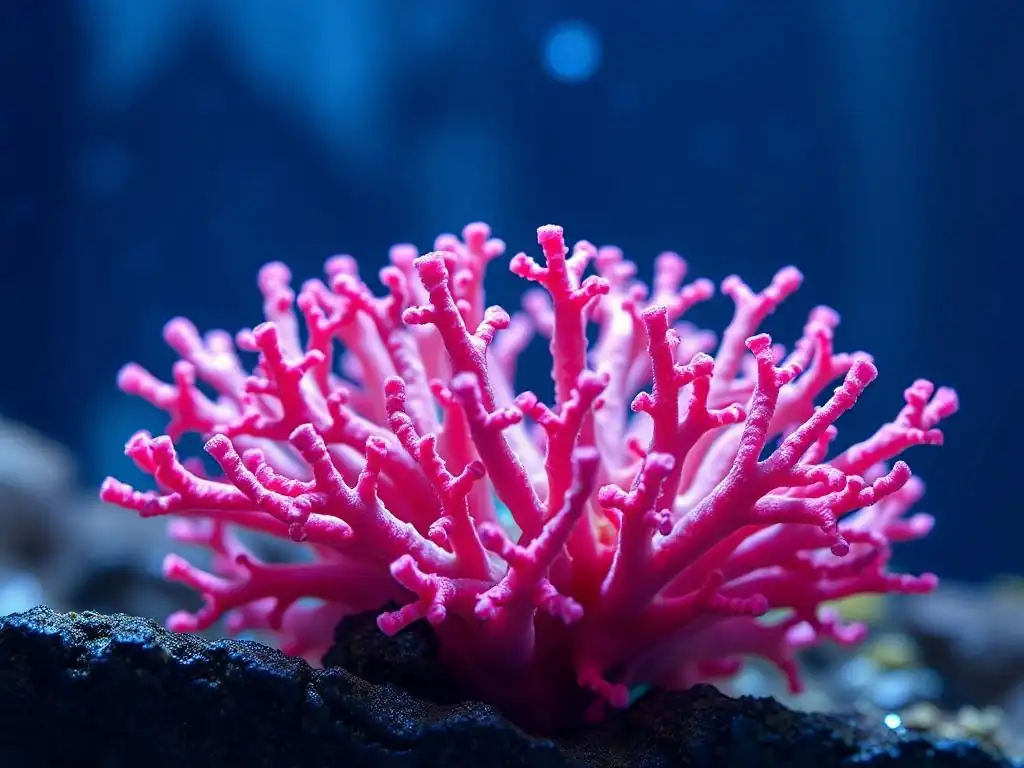
The strategic use of blue light is paramount for enhancing the vibrant colors and fluorescence of LPS corals. Wavelengths in the blue and violet spectrum (specifically 400-470nm) are highly effective at stimulating the fluorescent proteins within coral tissue, causing them to "pop" under actinic viewing. This is why most high-end reef LED lights feature dominant blue channels, with royal blue LEDs (around 450nm) being particularly effective for visual appeal.
While a balanced spectrum is necessary for overall coral growth and health, increasing the percentage of blue light during specific viewing hours, or maintaining a higher overall blue-to-white ratio, can dramatically intensify the visual appeal and fluorescence of your LPS corals. Many aquarists employ a "moonlight" or "actinic only" phase in their lighting cycle, typically for an hour or two before the main lights come on and after they turn off, specifically to enjoy this enhanced coloration. This advanced technique refines LPS coral lighting requirements for aesthetic purposes.
The Role of Light in Zooxanthellae Density and Pigmentation
Light intensity and spectrum directly influence the density and type of zooxanthellae residing within the coral's tissue, which in turn impacts its coloration. Under excessively high light, corals may expel zooxanthellae (bleaching) to mitigate oxidative stress, resulting in paler colors. Conversely, insufficient light can lead to an increase in zooxanthellae density, causing the coral to appear browner as it attempts to maximize light absorption. This delicate balance is crucial for vibrant LPS coloration.
Beyond zooxanthellae density, specific light conditions can also stimulate the coral itself to produce various pigments, including chromoproteins and fluorescent proteins. For example, some Scolymia or Chalice corals may develop more intense reds, greens, or blues when exposed to particular PAR levels combined with a strong blue-violet spectrum. This indicates the coral's own physiological response to optimize light harvesting and photoprotection, demonstrating how precise LPS coral lighting requirements can unlock a coral's full color potential.
Utilizing Light Cycles to Promote Color Morphs
Corals exhibit a remarkable ability to photo-adapt, meaning they can adjust their pigmentation and zooxanthellae content over time in response to consistent light conditions. This adaptation can sometimes lead to the development of unique color morphs within a single species. For instance, some Acanthastrea or Favia corals might display different, more vibrant color patterns when maintained under a predominantly blue-shifted light spectrum for extended periods compared to a more balanced white/blue light.
Aquarists often experiment with slightly higher blue light ratios or specific spectral "spikes" (e.g., strong violet channels) to encourage certain desirable colorations, particularly in high-value LPS such as Scolymia or Blastomussa. This process requires patience, as changes can take weeks or even months to become apparent. It is an advanced technique that highlights how manipulating LPS coral lighting requirements can not only ensure health but also enhance the aesthetic diversity of a reef aquarium.
Maintaining Optimal Lighting Conditions for Long-Term LPS Health
Regular Bulb or LED Fixture Maintenance
Consistent maintenance of your lighting equipment is vital for ensuring long-term optimal LPS coral lighting requirements are met. Salt creep and dust accumulation on light lenses, reflectors, or cooling fins can significantly diminish light output over time, sometimes reducing PAR by 20% or more within a few months. Regular cleaning, ideally weekly or bi-weekly, using a soft cloth and RO/DI water, will ensure maximum light penetration and efficiency.
For T5 fluorescent bulbs, it's crucial to understand that their spectrum and intensity degrade over time, even if they still illuminate. Replacing T5 bulbs every 6-12 months, depending on manufacturer recommendations and usage, ensures consistent PAR and spectral quality. While LEDs boast a much longer lifespan, their diodes can also experience gradual degradation over many years. Monitoring their output or considering replacement after 5-7 years for high-performance fixtures might be prudent to maintain precise LPS coral lighting requirements.
Cleaning Your Lights for Maximum Output
Proper cleaning of your aquarium lights is a simple yet impactful maintenance task. For LED fixtures, ensure the unit is unplugged and carefully wipe the lens cover with a damp microfiber cloth, removing any salt spray or dust. For T5 or Metal Halide reflectors, gently wipe away any accumulated dust and salt residue, taking care not to scratch reflective surfaces. Always ensure the fixture is completely dry before plugging it back in to prevent electrical hazards.
This routine cleaning directly translates to maximum light output reaching your corals. Neglecting light maintenance can lead to a gradual decline in PAR, causing corals to exhibit signs of underexposure, despite having what might otherwise be a powerful lighting system. A clean light fixture ensures that the intended LPS coral lighting requirements are consistently delivered, promoting healthy growth and vibrant coloration.
Monitoring Light Levels Over Time
Regularly monitoring light levels is paramount for long-term LPS coral health. While visual observation is helpful, using a PAR meter (such as an Apogee MQ-510) provides the most accurate and quantifiable data. Taking baseline PAR readings when your lights are new or bulbs are fresh, and then repeating these measurements periodically (e.g., every 3-6 months), allows you to track light degradation and identify when bulb replacement or fixture adjustments are necessary.
Even without a PAR meter, consistent observation of your corals' health remains a key indicator. If corals that were previously thriving suddenly show signs of stress—such as browning, bleaching, or reduced polyp extension—and all other water parameters are stable, declining light output could be the culprit. Such changes signal a shift in the actual LPS coral lighting requirements being provided, prompting investigation into bulb age, fixture cleanliness, or LED degradation.
Conclusion: Mastering LPS Coral Lighting for a Thriving Reef Aquarium
Mastering LPS coral lighting requirements is a cornerstone of success in reef keeping. It involves a nuanced understanding of PAR levels, spectral composition, and the critical process of acclimation. By providing the correct intensity and spectrum, aquarists empower the symbiotic zooxanthellae within their corals to flourish, driving healthy growth and enhancing the breathtaking coloration that makes LPS corals so desirable.
From selecting the right lighting technology, be it versatile LEDs or reliable T5s, to meticulously monitoring coral responses and performing routine maintenance, every step contributes to a thriving reef. Understanding the specific needs of popular LPS genera like Euphyllia, Acanthastrea, and Blastomussa allows for targeted care. Ultimately, a deep dive into LPS coral lighting requirements ensures a vibrant, healthy, and visually stunning reef aquarium for years to come.
Frequently Asked Questions
What exactly are LPS corals, and why are lighting requirements so crucial for them?
LPS stands for Large Polyp Stony corals. Proper lighting is essential because they rely on symbiotic algae called zooxanthellae for food, and these algae need light to photosynthesize.
How do LPS coral lighting requirements differ from those of SPS (Small Polyp Stony) corals?
Generally, LPS corals need lower to moderate lighting compared to SPS corals, which typically require higher intensity. This difference is due to the density of zooxanthellae in their tissues.
What type of lighting is generally recommended for LPS corals in a home aquarium?
Many aquarists find success with LED lighting, T5 fluorescent bulbs, or a combination of both. The specific wattage and spectrum depend on the species and tank depth.
How can I tell if my LPS coral is receiving too much or too little light?
Signs of too much light include bleaching (paleness) and closed polyps. Too little light can lead to browning and a lack of growth. Careful observation is key!
Besides light intensity, what other factors affect how LPS corals utilize lighting?
Water clarity, nutrient levels, and the presence of other corals can all impact how effectively LPS corals use light. Optimizing water parameters is crucial for coral health.
Final Reflection: Illuminating the Depths of Reef Keeping
The intricate dance between light and life within a reef aquarium is a testament to the delicate balance of nature. As we've explored the LPS coral lighting requirements, it becomes strikingly clear that understanding these needs is not just about keeping corals alive, but about fostering thriving, vibrant ecosystems within our homes. The principles discussed extend beyond mere technical specifications; they represent a commitment to responsible reef keeping and a deeper appreciation for the complexities of the marine world.
The ongoing influence of this knowledge is profound. By understanding and meeting the specific lighting needs of LPS corals, we contribute to their health, growth, and ultimately, the long-term sustainability of the reef keeping hobby. This commitment resonates deeply, reminding us that our actions, however small, have a direct impact on the delicate balance of these underwater environments. In the end, we will conserve only what we love; we will love only what we understand; and we will understand only what we are taught.
- Baba Dioum. This quote encapsulates the essence of our journey: understanding LPS coral lighting is the first step towards loving and conserving these magnificent creatures.
Now, I invite you to reflect on your own reef keeping practices. Consider how you can apply the insights gained from this exploration to create a more harmonious and vibrant environment for your LPS corals. Let the knowledge of their lighting needs guide you in nurturing a thriving underwater world, a testament to your dedication and a beacon of responsible reef keeping for generations to come.
Ignite Your LPS Coral's Vibrant Glow!
Thanks for exploring the nuanced world of LPS coral lighting! We hope this deep dive has given you a clearer understanding of how to unlock the full potential of your corals' color and growth. Now, let's translate that knowledge into action.
- Implement a gradual lighting adjustment plan for your LPS corals based on the PAR recommendations discussed. Document the changes and observe your coral’s response.
- Share your most dazzling LPS coral photos on social media using #AquariumMasteryLPS and inspire fellow reef keepers!
- Dive deeper: Research and experiment with a less common spectrum setting on your lights to see how it impacts coloration. Document your results in a reefing journal!
What unexpected color changes have you noticed in your LPS corals after adjusting your lighting, and what adjustments did you make?