
Minimum Betta Tank Size: Debunking Myths for a Healthier Fish

Welcome to Aquarium Mastery!
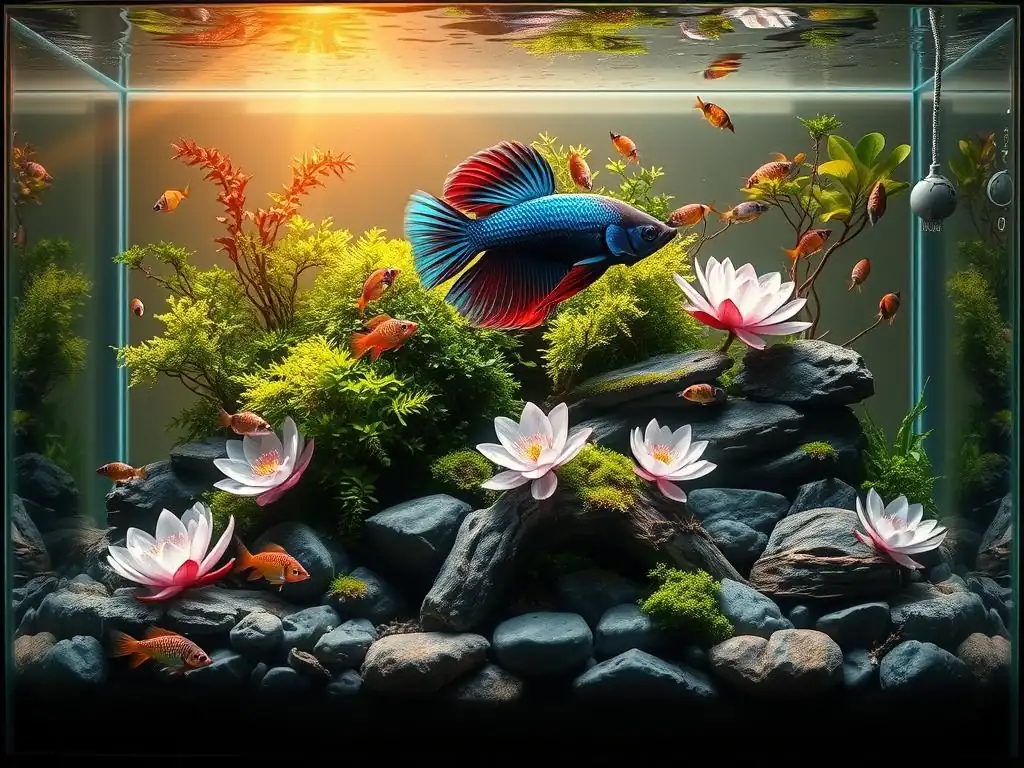
Ever wondered if that tiny bowl really provides a good life for your betta? Dive in as we tackle the myths surrounding healthy betta tank size. Discover the surprising truth about what your finned friend needs to thrive, and unlock the secrets to creating a happy, healthy underwater world. Curious to learn more? Let's get started!
- Understanding the Ideal Betta Fish Habitat
- Debunking Common Betta Tank Size Myths
- The Recommended Healthy Betta Tank Size Explained
- Setting Up a Healthy Betta Fish Tank: Beyond Size
- Maintaining a Healthy Betta Tank Environment
- Recognizing Signs of Stress in Betta Fish Due to Inadequate Tank Size
- Conclusion: Prioritizing a Healthy Betta Tank Size for a Happy Fish
-
Frequently Asked Questions
- What is the absolute minimum tank size recommended for a single betta fish?
- Why is a larger tank size better for a betta than a smaller one?
- What factors besides size should I consider when choosing a betta tank?
- How does tank size affect the frequency of water changes needed for a betta?
- Will a larger tank encourage my betta to be more active and display natural behaviors?
- Final Reflection: Nurturing Life in Confined Spaces
- Transform Your Betta's Life Today!
Understanding the Ideal Betta Fish Habitat
Why Tank Size Matters for Betta Fish Health
The size of a betta fish's habitat is paramount to its overall health and longevity. A sufficiently sized tank directly impacts water quality, which is the cornerstone of aquatic animal well-being. In smaller volumes of water, metabolic waste products like ammonia and nitrite concentrate much faster, becoming highly toxic to the fish. For instance, a 1-gallon tank can see dangerous ammonia levels rise up to five times quicker than a 5-gallon tank, assuming the same waste production from the betta.
Beyond chemical stability, adequate space prevents physical and psychological stress. A cramped environment restricts a betta's natural swimming patterns, leading to lethargy and weakened muscles. Chronic stress, often induced by poor living conditions, suppresses the fish's immune system, making it highly susceptible to common diseases such as fin rot or ich. Providing a healthy betta tank size is not just about survival; it's about enabling a vibrant, active life.
The Misconception of Betta Fish Living in Small Spaces
A pervasive myth suggests that betta fish, often called "Siamese fighting fish," are content living in tiny bowls, vases, or even puddles due to their natural habitats. While it's true that wild bettas, Betta splendens, inhabit shallow, slow-moving waters like rice paddies and flooded fields in Southeast Asia, these environments are vast and interconnected, not stagnant, isolated puddles. They offer immense space for exploration, foraging, and escaping perceived threats.
This misconception has led to widespread keeping of bettas in unsuitable conditions, prioritizing convenience over the animal's welfare. A healthy betta tank size aims to replicate the expansive nature of their native environment, allowing them to exhibit natural behaviors like patrolling territory, darting through plants, and building bubble nests. Confinement in small, unfiltered containers is a significant departure from their biological needs and severely compromises their quality of life.
Debunking Common Betta Tank Size Myths
Myth #1: Bettas Thrive in Bowls or Vases
The idea that bettas "thrive" in small, unfiltered containers like decorative bowls or flower vases is one of the most damaging myths in the aquarium hobby. These containers often hold less than a gallon of water and lack essential filtration and heating, creating an incredibly unstable and unhealthy environment for any fish, let alone a tropical one.
The Negative Impacts of Small Bowls on Betta Well-being
The immediate consequences of keeping a betta in a small bowl are severe. Without proper filtration, ammonia from fish waste and uneaten food rapidly accumulates to toxic levels. A typical 0.5-gallon bowl can see ammonia levels spike from 0 parts per million (ppm) to over 2 ppm within 24-48 hours after a single feeding, a concentration that is highly lethal to fish.
Furthermore, small water volumes are prone to drastic temperature swings, which can shock a betta, a tropical fish requiring stable temperatures between 78-82°F (25.5-27.8°C). The lack of swimming space also leads to severe stress, fin clamping, and a generally listless demeanor, far from the active and vibrant fish they are meant to be.
Myth #2: Bettas Don't Need Much Space to Survive
This myth often stems from observing bettas in pet stores, where they are temporarily housed in small cups. While they can survive for a short period in such conditions, survival does not equate to health or thriving. This minimal space is purely for retail convenience and is not indicative of appropriate long-term housing.
Why Minimal Space Leads to Stress and Disease in Bettas
Keeping a betta in minimal space leads to chronic stress, which is a significant factor in disease susceptibility. Constant confinement, coupled with poor water quality, suppresses the fish's immune system, making it highly vulnerable to common ailments like fin rot, bacterial infections, and parasitic infestations such as Ich.
Studies have shown that chronic stress can reduce a betta's lifespan by up to 50% compared to a betta kept in optimal conditions, potentially cutting a natural 3-5 year lifespan down to 1.5-2.5 years. Additionally, the lack of room for exercise can result in muscle atrophy and overall lethargy, preventing the betta from engaging in natural behaviors that contribute to its well-being.
Myth #3: Small Tanks are Easier to Maintain for Bettas
Many beginner aquarists are drawn to small tanks, believing they are simpler to clean and manage. However, the opposite is true. The smaller the water volume, the more volatile the water parameters become, making consistent maintenance a much more demanding task.
The Truth About Water Quality in Small Betta Tanks
Maintaining stable water quality in a small betta tank is incredibly challenging. A 1-gallon tank, for instance, requires frequent and substantial water changes—often 50% daily or every other day—to keep ammonia and nitrite levels at safe, near-zero concentrations. In contrast, a properly filtered 5-gallon tank might only need a 25-30% water change weekly to maintain excellent water parameters.
This constant need for intervention in small tanks can itself be stressful for the fish, as it introduces frequent environmental fluctuations. The perception of ease is a deceptive one; a larger, healthy betta tank size actually creates a more stable and forgiving environment, requiring less frantic intervention and promoting a consistently healthy betta.
The Recommended Healthy Betta Tank Size Explained
The Absolute Minimum Tank Size for a Single Betta Fish
For a single Betta splendens, the absolute minimum tank size recommended by experienced aquarists and responsible organizations is 5 gallons (approximately 19 liters). This size is considered the bare minimum to provide enough water volume to dilute waste products effectively, allow for the establishment of a stable nitrogen cycle, and offer adequate swimming space.
While some retailers may sell tanks smaller than this, they are generally unsuitable for the long-term health and welfare of a betta. A 5-gallon tank allows for the inclusion of essential equipment like a heater and a low-flow filter, which are crucial for maintaining a healthy betta tank size and environment.
The Benefits of a Larger Tank for Betta Behavior and Health
While 5 gallons is the minimum, providing a larger tank, such as a 10-gallon or even 20-gallon long aquarium, offers significant advantages for a betta's well-being. These larger volumes contribute to greater stability and provide ample room for enrichment, leading to a much happier and healthier fish.
Reduced Stress Levels in Larger Betta Habitats
In a larger tank, a betta has ample space to establish its territory, explore, and retreat when feeling overwhelmed. This expanded environment significantly reduces baseline stress levels compared to a confined space. Bettas in larger tanks (e.g., 10 gallons vs. 5 gallons) often exhibit more natural behaviors, such as patrolling their territory and interacting with decor, rather than glass surfing or listlessly floating, which are common signs of stress in smaller setups. The ability to swim freely and engage in natural exploratory behaviors contributes to psychological well-being.
Improved Water Quality and Stability
Larger water volumes act as a natural buffer against rapid fluctuations in water parameters. Ammonia, nitrite, and nitrate concentrations will rise more slowly, and temperature changes will occur more gradually.
For instance, in a 10-gallon tank, a sudden ammonia spike from a missed feeding or a decaying plant leaf will be diluted by twice the volume of water compared to a 5-gallon tank, significantly reducing its immediate toxicity. This enhanced stability makes it easier for beneficial bacteria to establish and maintain a robust nitrogen cycle, which is essential for processing fish waste and ensuring a consistently healthy betta tank size environment.
More Space for Enrichment and Exploration
A larger tank allows for more diverse and complex aquascaping, including a greater variety of live plants, driftwood, and decorations. This provides numerous hiding spots and visual barriers, which are crucial for a betta's sense of security and mental stimulation. A 10-gallon tank, for example, allows for the inclusion of multiple plant species and varied decor, creating a labyrinth of exploration that keeps a betta mentally stimulated, potentially extending its active lifespan. More space also encourages more natural swimming patterns and allows the betta to exercise its fins and muscles, contributing to overall physical fitness and vitality.
Setting Up a Healthy Betta Fish Tank: Beyond Size
Essential Equipment for a Thriving Betta Environment
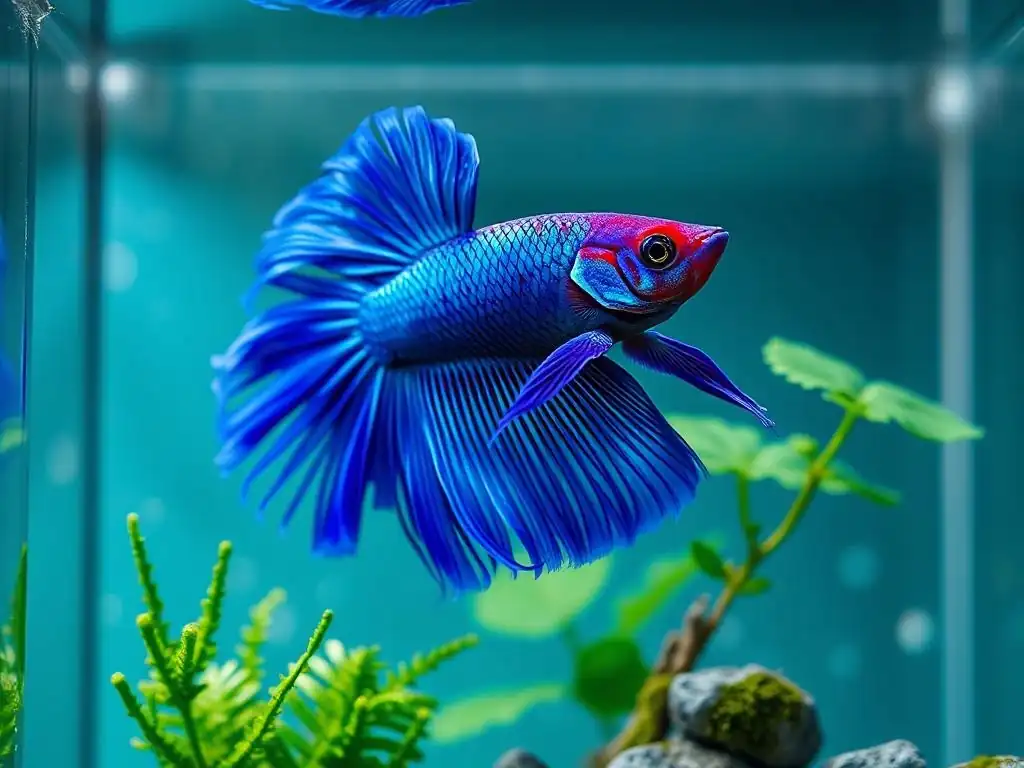
Beyond merely providing a healthy betta tank size, equipping it correctly is fundamental to creating a suitable habitat. The right gear ensures stable water parameters and a comfortable living space.
Filtration Systems for Optimal Water Quality
A proper filtration system is crucial for maintaining pristine water conditions. For a 5-gallon tank, a small sponge filter or a low-flow hang-on-back (HOB) filter is ideal. Sponge filters provide excellent biological filtration and gentle water movement, which bettas prefer due to their long fins. HOB filters offer mechanical, chemical, and biological filtration. Ensure any filter chosen has adjustable flow to prevent strong currents that can stress a betta. Regular maintenance of the filter media is necessary to keep it functioning efficiently and contribute to a consistently healthy betta tank size.
Heating and Temperature Control for Betta Comfort
As tropical fish, bettas require stable water temperatures. An adjustable aquarium heater is indispensable for maintaining the ideal range of 78-82°F (25.5-27.8°C). Fluctuations of even 2-3°F can cause significant stress to a betta, making them susceptible to illness. A reliable heater, appropriately sized for the tank volume (e.g., 25-50 watts for a 5-10 gallon tank), will ensure the water remains consistently warm. It's advisable to also use an aquarium thermometer to monitor the temperature and confirm the heater is functioning correctly, ensuring a constantly healthy betta tank size environment.
Lighting Considerations for Plant Growth and Betta Health
Appropriate lighting is important for both the betta's well-being and the health of any live plants. A low to moderate LED light fixture is usually sufficient. It helps establish a natural day/night cycle for the fish, which aids in regulating their circadian rhythm and reducing stress. If live plants are included, ensure the light spectrum and intensity are suitable for their growth, typically 6-8 hours per day. Avoid overly bright or continuous lighting, as bettas prefer dimmer conditions and require periods of darkness for rest.
Creating a Natural and Enriching Betta Tank
Once the basic equipment is in place, creating an aesthetically pleasing and enriching environment within the healthy betta tank size is the next step. This enhances the betta's quality of life significantly.
Choosing the Right Substrate for Your Betta Tank
The substrate forms the base of the aquarium. Smooth gravel or fine sand are excellent choices for betta tanks. Avoid rough or sharp-edged substrates that could potentially tear a betta's delicate fins. If live plants are planned, a nutrient-rich plant substrate can be beneficial, capped with a layer of sand or fine gravel. The substrate also provides surface area for beneficial bacteria to colonize, contributing to the overall biological filtration of the tank and maintaining a healthy betta tank size.
Adding Live Plants for Oxygenation and Hiding Places
Live plants are highly beneficial for betta tanks. Species like Anubias, Java Fern, Amazon Swords, and Cryptocorynes are low-maintenance and thrive in betta conditions. Plants provide natural oxygenation, help absorb nitrates, and offer numerous hiding spots and resting places for the betta, reducing stress and mimicking their natural habitat. They also contribute to the aesthetic appeal of the tank, making it a more natural and stimulating environment for the fish.
Providing Decorations and Hiding Spots for Betta Security
Decorations play a vital role in enriching the betta's environment and providing security. Smooth-edged caves, driftwood, and silk plants are excellent choices. Always ensure that any decorations are free of sharp edges or rough surfaces that could snag or tear a betta's long fins. Hiding spots are particularly important as bettas are naturally curious but also appreciate places to retreat and feel secure, which is essential for maintaining a healthy betta tank size and a calm, confident fish.
Maintaining a Healthy Betta Tank Environment
Regular Water Changes for Betta Health
Consistent water changes are the most crucial aspect of maintaining a healthy betta tank size. For a 5-10 gallon betta tank, a 25-30% water change weekly is generally sufficient to keep nitrate levels low and replenish essential minerals. Always use a dechlorinator to treat tap water before adding it to the tank, as chlorine and chloramines are toxic to fish. Performing water changes regularly prevents the buildup of harmful nitrates and other dissolved organic compounds, ensuring the water remains pristine and conducive to a betta's well-being.
Monitoring Water Parameters: Ammonia, Nitrite, and Nitrate
Regular testing of water parameters is essential for understanding the tank's health. Ammonia and nitrite should always be at 0 parts per million (ppm), as even small amounts are toxic. Nitrate levels should ideally be below 20 ppm. A liquid-based test kit is more accurate than test strips for this purpose. Consistent monitoring allows for early detection of issues, enabling prompt corrective action before they negatively impact your betta's health, directly supporting the goal of a healthy betta tank size.
Feeding Your Betta a Balanced Diet
A balanced and appropriate diet is vital for your betta's health. High-quality betta-specific pellets should form the staple, supplemented with frozen or freeze-dried foods like bloodworms, brine shrimp, and daphnia a few times a week. Bettas typically need to be fed 2-3 pellets or a few pieces of frozen food twice daily. Avoid overfeeding, as uneaten food quickly decomposes, leading to poor water quality and potential health issues like swim bladder disease. Only feed what your betta can consume within 2-3 minutes to prevent excess waste.
Recognizing Signs of Stress in Betta Fish Due to Inadequate Tank Size
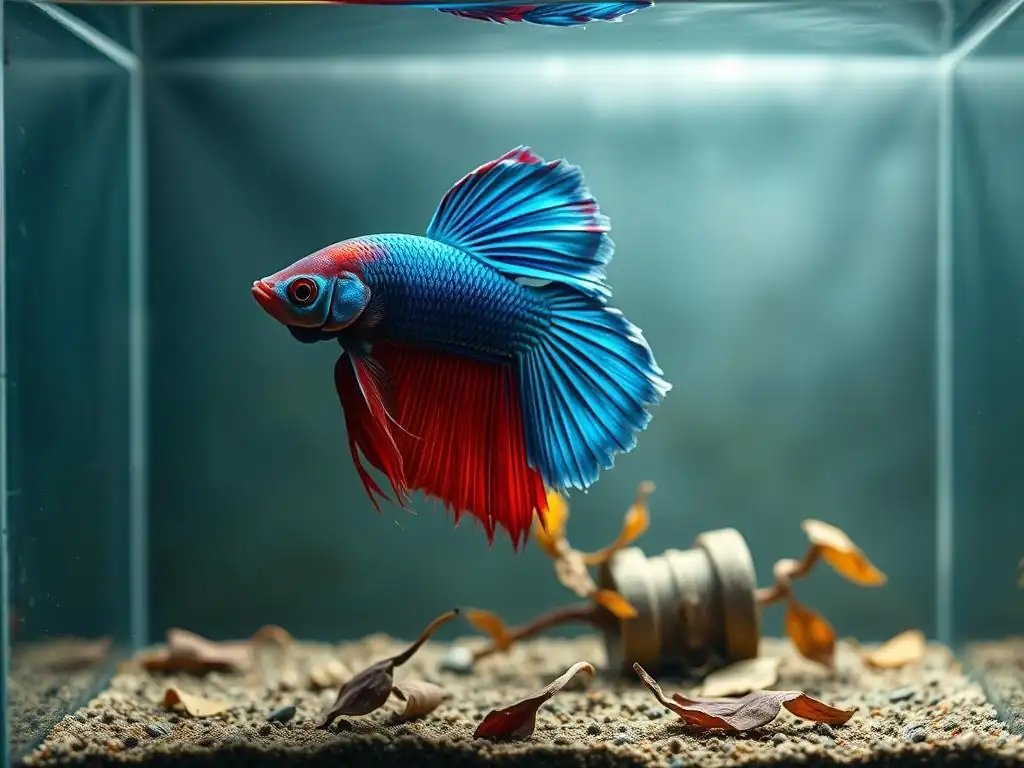
Inadequate tank size inevitably leads to poor water quality, which is the root cause of many common betta diseases. Fin rot, characterized by frayed or deteriorating fins, is often a bacterial infection exacerbated by high ammonia or nitrite. Ich (white spot disease), a parasitic infection, frequently appears in fish stressed by unstable water parameters or temperature fluctuations.
Swim bladder disease, which affects the fish's ability to swim properly, can be caused by a combination of poor diet and compromised water quality. Velvet, a parasitic infection appearing as a dusty coating, also preys on stressed and weakened fish. These ailments are clear indicators that the environment, often due to an unhealthy betta tank size, is not meeting the fish's needs.
Behavioral Changes Indicating Stress in Bettas
Beyond physical ailments, stressed bettas exhibit distinct behavioral changes. Lethargy, where the fish spends most of its time motionless at the bottom or top of the tank, is a common sign. A loss of appetite or refusal to eat indicates significant distress.
Clamped fins, where the fins are held close to the body rather than fanned out, are another clear warning sign. Frantic swimming, glass surfing (repeatedly swimming up and down the tank glass), or constant hiding can also point to an uncomfortable environment. Dull coloration, fading colors, or the appearance of horizontal "stress stripes" on the body are visual cues that your betta is not thriving in its current healthy betta tank size.
Conclusion: Prioritizing a Healthy Betta Tank Size for a Happy Fish
Ultimately, providing a healthy betta tank size is the single most impactful decision an aquarist can make for their betta's well-being. Debunking the pervasive myths surrounding their habitat needs reveals that these vibrant fish require far more than a decorative bowl to merely survive. A minimum of 5 gallons, ideally more, coupled with proper filtration, heating, and enriching decor, forms the foundation of a truly thriving environment.
This commitment to an appropriate tank size not only ensures stable water quality and reduces stress but also allows bettas to exhibit their natural behaviors, live out their full lifespans, and display their stunning beauty. Prioritizing a healthy betta tank size is not just a recommendation; it's an essential act of responsible pet ownership that leads to a happy, active, and truly magnificent fish.
Frequently Asked Questions
What is the absolute minimum tank size recommended for a single betta fish?
While some suggest smaller tanks, AquariumMastery.com strongly recommends a minimum of 5 gallons for a single betta. This allows for adequate swimming space and a more stable environment.
Why is a larger tank size better for a betta than a smaller one?
Larger tanks, like 10 gallons or more, offer better water quality stability. This reduces the risk of ammonia and nitrite spikes, creating a healthier and less stressful environment for your betta.
What factors besides size should I consider when choosing a betta tank?
Consider the tank's shape and filtration. Choose a tank with a horizontal layout (bettas are surface breathers) and a gentle filter to avoid stressing your betta with strong currents.
How does tank size affect the frequency of water changes needed for a betta?
Smaller tanks require more frequent water changes to maintain water quality. A larger tank, such as a 5 or 10 gallon, reduces the frequency, making maintenance easier.
Will a larger tank encourage my betta to be more active and display natural behaviors?
Yes! A larger tank provides more space for exploration and enrichment. This allows your betta to exhibit natural behaviors and reduces the chances of boredom and stress-related illnesses.
Final Reflection: Nurturing Life in Confined Spaces
The debate surrounding healthy betta tank size is far from over, but as we've explored, providing adequate space is undeniably crucial for these vibrant creatures to thrive. The information presented serves not just as a guide for responsible fishkeeping, but as a testament to our evolving understanding of animal welfare and the ethical considerations that come with keeping any living being in captivity.
This topic has profoundly influenced the way we perceive the responsibility of pet ownership, moving away from outdated misconceptions and towards a more compassionate approach. The shift towards prioritizing a betta's well-being, rather than simply its aesthetic appeal, is a powerful reflection of our growing empathy. The greatness of a nation and its moral progress can be judged by the way its animals are treated.
- Mahatma Gandhi. This quote encapsulates the essence of our discussion, highlighting the interconnectedness of our actions and the moral imperative to provide a life of dignity for all creatures, regardless of their size.
So, as you consider the information presented, remember that creating a healthy environment for a betta is more than just following guidelines; it's about embracing a mindset of care and respect. Let the knowledge you've gained inspire you to not only provide a suitable home for your betta, but also to advocate for responsible fishkeeping practices within your community. By choosing to prioritize their well-being, you contribute to a future where all creatures, big and small, can flourish.
Transform Your Betta's Life Today!
Thank you for exploring the crucial aspects of betta tank size and debunking common myths. We hope you now feel empowered with the knowledge to provide your betta with a thriving environment. Ready to take the next step?
Here are a few things you can do right now:
- Commit to upgrading your betta's tank to a minimum of 5 gallons. This single act will dramatically improve their quality of life.
- Share this article with other betta keepers to spread awareness and help improve the lives of these amazing fish.
- Join our Aquarium Mastery community forum to discuss your betta's specific needs and learn from experienced aquarists.
What's the first step you'll take to ensure your betta enjoys a healthier, happier life?