
Lighting Your Danio & Rasbora Tank: Balancing Plant Needs and Fish Comfort

Welcome to Aquarium Mastery!
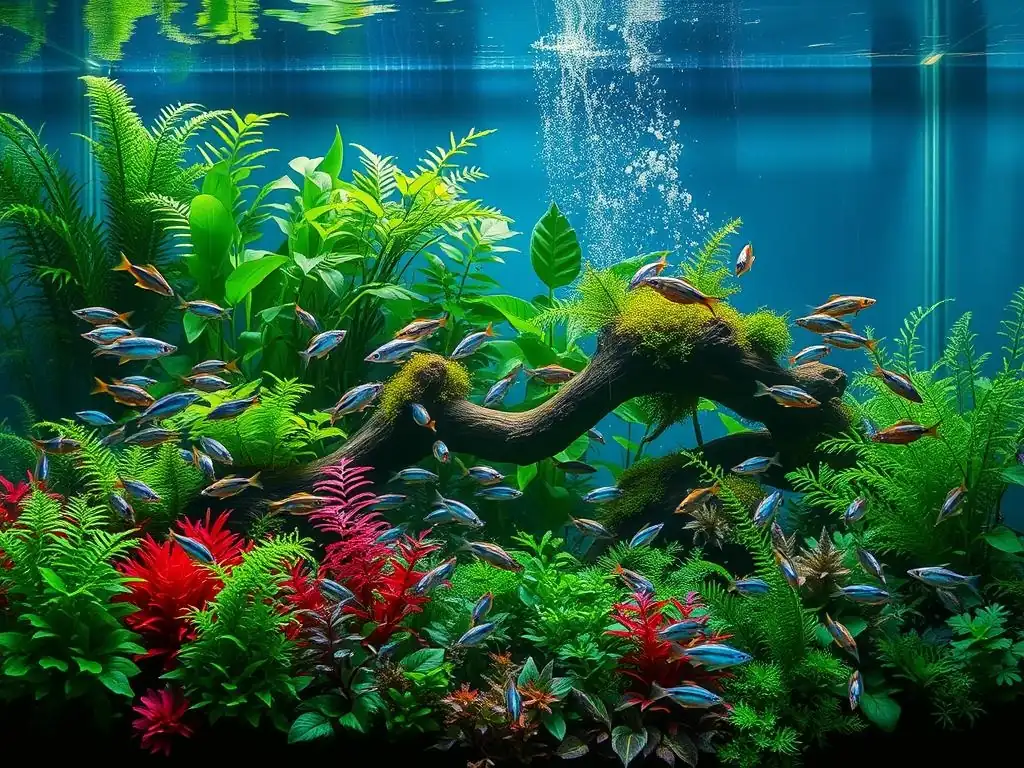
Ever wondered how to achieve the perfect glow in your Danio & Rasbora tank, balancing the needs of your plants with the comfort of your finned friends? Dive in as we unravel the secrets of Danio rasbora aquarium lighting, exploring everything from spectrum selection to intensity adjustments. Discover how to create a thriving underwater ecosystem where both flora and fauna flourish! Ready to illuminate your aquarium knowledge? Let's get started!
- Understanding Danio and Rasbora Lighting Requirements
- Selecting the Right Aquarium Lighting for Your Danio & Rasbora Tank
- Planted Tank Lighting for Danios and Rasboras: A Guide
- Setting Up Your Danio Rasbora Aquarium Lighting System
- Troubleshooting Common Lighting Issues in Danio & Rasbora Tanks
- Maintaining Your Danio Rasbora Aquarium Lighting
- Optimizing Lighting for Danio and Rasbora Coloration
- Danio and Rasbora Specific Considerations for Lighting
- Final Thoughts on Aquarium Lighting for Danios and Rasboras
-
Frequently Asked Questions
- How much light do Danio and Rasbora fish generally need in an aquarium?
- What type of lighting is best for a Danio and Rasbora aquarium with live plants?
- Can excessive lighting harm my Danio and Rasbora fish?
- How long should I keep the aquarium lights on each day for Danio and Rasbora?
- How do I know if my Danio and Rasbora are getting too much or too little light?
- Final Reflection: Illuminating Harmony in the Aquatic World
- Ignite Your Aquarium's Beauty!
Understanding Danio and Rasbora Lighting Requirements
Natural Habitat Light Levels for Danios and Rasboras
Danios, such as the popular Zebra Danio ( Danio rerio), originate from slow-moving streams, rivers, and ponds across South Asia, particularly India and Bangladesh. These environments often feature varying degrees of light penetration, frequently diffused by riparian vegetation or the water's turbidity. Consequently, the natural light levels can range from moderate to subdued, with direct sunlight rarely reaching the bottom unimpeded.
Rasboras, including species like the Harlequin Rasbora ( Trigonostigma heteromorpha) and Chili Rasbora ( Boraras brigittae), typically inhabit blackwater streams and peat swamps found in Southeast Asian countries like Malaysia, Thailand, and Singapore. These unique habitats are characterized by dense tree canopies overhead and water stained dark brown by tannins from decaying organic matter. As a result, the light conditions in these environments are naturally very low and diffused, offering a constant twilight feel.
Why Proper Lighting is Crucial for Danio and Rasbora Health
Adequate Danio rasbora aquarium lighting is fundamental for replicating their natural photoperiod, which plays a vital role in regulating their circadian rhythms. Disrupted or inconsistent light cycles can lead to chronic stress, compromise their immune systems, and increase their susceptibility to common diseases such as Ich (white spot disease). For instance, research on zebrafish ( Danio rerio) has demonstrated that irregular light cycles can impair sleep patterns and stress responses, significantly impacting their overall vitality and longevity.
Beyond regulating internal clocks, proper Danio rasbora aquarium lighting supports their vision and foraging behaviors. These highly visual fish rely on specific light conditions for schooling, identifying potential mates during breeding, and locating food. Insufficient or excessively bright light can hinder these natural behaviors, potentially leading to lethargy, increased aggression, or a reluctance to feed, which ultimately compromises their long-term health and well-being in the aquarium.
The Impact of Light on Fish Behavior and Well-being
The intensity and duration of light directly influence the behavior of Danios and Rasboras. Too bright a light, especially without adequate hiding spots or diffused areas, can cause significant stress. This stress often manifests as darting movements, frantic swimming (often termed "glass surfing"), or even a noticeable loss of coloration as the fish attempt to blend into dimmer surroundings. For example, Zebra Danios may exhibit erratic swimming patterns or hide excessively if exposed to intense, unfiltered light for prolonged periods, indicating discomfort.
Conversely, insufficient light can lead to lethargy, a marked lack of activity, and can suppress natural schooling behaviors that are crucial for their social structure. Harlequin Rasboras, known for their tight schooling, prefer moderately lit environments where their innate schooling instincts are more pronounced. Maintaining an appropriate Danio rasbora aquarium lighting scheme, therefore, is essential for fostering natural behaviors, reducing stress levels, and promoting a sense of security and overall well-being within the tank environment.
Selecting the Right Aquarium Lighting for Your Danio & Rasbora Tank
LED Lighting for Danio Rasbora Aquariums: A Popular Choice
LED lighting has become a dominant choice for Danio rasbora aquarium lighting due to its exceptional energy efficiency, remarkable longevity, and extensive spectrum customization capabilities. Modern LED fixtures can boast lifespans of up to 50,000 hours or more, which is significantly longer than traditional fluorescent bulbs, and they typically consume 50-70% less energy. Many advanced LED models also offer adjustable intensity and color temperatures, allowing aquarists to precisely fine-tune the lighting to mimic natural dawn/dusk cycles or specific aquatic habitats.
For a typical 20-gallon long tank housing Danios and Rasboras, a 15-20W LED fixture with dimming capabilities would be highly suitable. Such a setup can provide ample light for both the comfort of the fish and the healthy growth of moderate-light plants. Reputable brands like Fluval Plant 3.0 or Chihiros WRGB II offer excellent control over the light spectrum and intensity, enabling a tailored Danio rasbora aquarium lighting setup that mutually benefits both the fish and the aquatic flora.
Fluorescent Lighting Options for Planted Danio and Rasbora Tanks
While LEDs are increasingly popular, fluorescent lighting, specifically T5 HO (High Output) or T8 bulbs, remains a viable and often more affordable option for Danio rasbora aquarium lighting, particularly for planted tanks. T5 HO bulbs are especially effective for growing demanding aquatic plants due to their high light output per watt. For example, a 24-inch T5 HO fixture equipped with two bulbs can provide ample light for a 20-gallon planted tank, supporting a wide range of plant species.
However, fluorescent bulbs have a shorter operational lifespan compared to LEDs, typically requiring replacement every 6-12 months as their spectral output degrades, even if they still appear to be emitting visible light. They also tend to generate more heat than LED fixtures. For a smaller 10-gallon tank, a single 15W T8 bulb might suffice for very low-light plants, but for more robust plant growth, a T5 HO setup would generally be preferred to ensure adequate Danio rasbora aquarium lighting for photosynthesis.
Considering Light Spectrum for Optimal Fish and Plant Growth
The light spectrum refers to the range of colors emitted by a light source, which is typically measured in Kelvin (K). For effective Danio rasbora aquarium lighting that supports both fish health and plant growth, a color temperature between 6500K and 7500K is generally recommended. This particular range closely mimics natural daylight, actively promoting healthy photosynthesis in aquatic plants and enhancing the natural, vibrant coloration of the fish. For instance, a 6700K bulb provides a well-balanced spectrum that is highly beneficial for both inhabitants.
Specific spectrums can also subtly influence the visual appearance of fish. Wavelengths in the red and blue parts of the spectrum can particularly highlight the vibrant reds and blues often found in Rasboras like the Harlequin or accentuate the iridescent scales of Danios. While plants primarily utilize red and blue light for photosynthesis, a full-spectrum light (6500K-7500K) ensures a balanced environment, preventing unnatural hues in the fish and supporting robust plant development within a comprehensive Danio rasbora aquarium lighting setup.
Planted Tank Lighting for Danios and Rasboras: A Guide
Matching Light Intensity to Plant Species in Your Danio Rasbora Aquarium
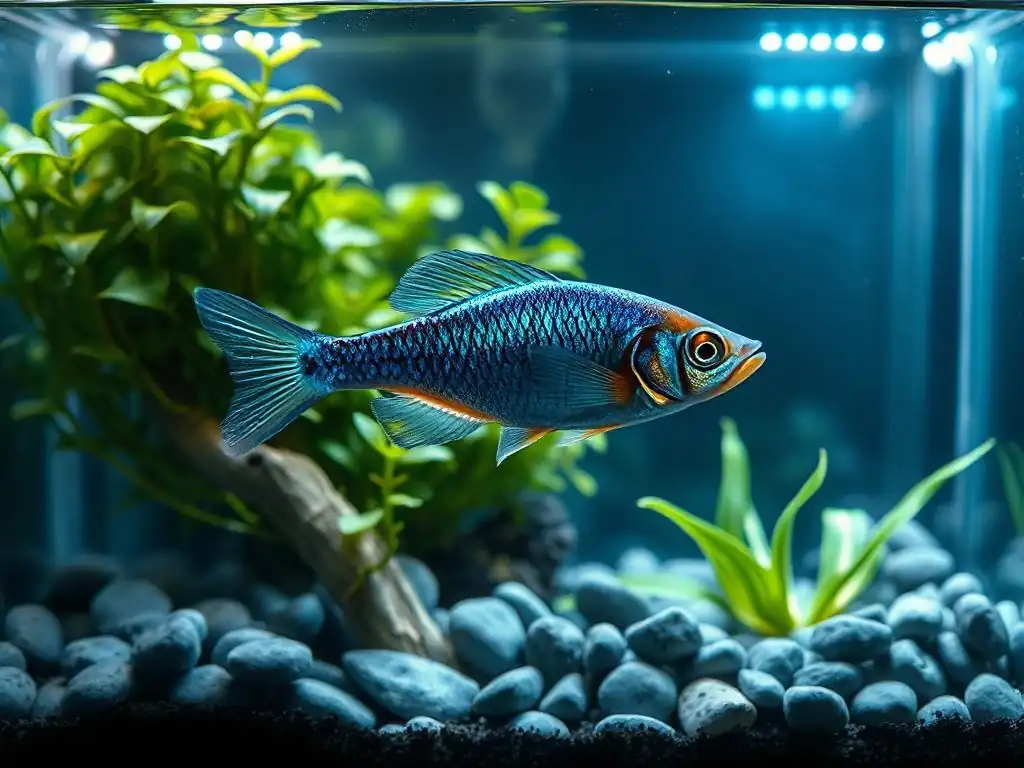
The intensity of Danio rasbora aquarium lighting must be carefully matched to the specific plant species chosen for your tank. For low-light plants such as Java Fern ( Microsorum pteropus) or Anubias ( Anubias barteri), a light intensity ranging from 10-20 PAR (Photosynthetically Active Radiation) at the substrate level is often sufficient for healthy growth. These resilient plants can thrive comfortably under a single 15W LED strip positioned over a 10-gallon tank.
Medium-light plants, including various Cryptocoryne species or certain sword plants ( Echinodorus), typically require a higher PAR range of 20-40. Achieving this level might necessitate a stronger LED fixture or a dual T5 HO setup. High-light plants, which are generally not recommended for typical Danio and Rasbora tanks due to the fish's comfort preferences, can demand PAR values exceeding 40. Overlighting low-light plants in a Danio rasbora aquarium lighting setup can lead to rapid algae growth, which aggressively outcompetes the desired plants for essential nutrients.
Low-Light Plant Options for Danio and Rasbora Tanks
Given the inherent preference of Danios and Rasboras for more subdued lighting conditions, selecting low-light plant species is crucial for establishing a harmonious and thriving planted aquarium. Excellent and widely available choices include Java Moss ( Taxiphyllum barbieri), which can be easily tied to driftwood or rocks to create naturalistic elements, and various Anubias species, renowned for their slow growth rate and exceptional resilience. Both of these plant types thrive under modest light intensities, typically 10-15 PAR, and require minimal ongoing maintenance.
Other highly suitable options for a Danio rasbora aquarium lighting setup include Cryptocoryne wendtii, which offers attractive red or green foliage variations, and certain Bucephalandra species, although they tend to be pricier. These plants not only tolerate lower light levels but also provide essential hiding spots and shaded areas within the tank. These shaded zones significantly reduce stress for the fish, helping to create a more natural, secure, and comfortable environment that mimics their native habitats.
Achieving a Balance: Plant Growth vs. Fish Comfort
Achieving a delicate balance between robust plant growth and the comfort of Danios and Rasboras is paramount for a successful planted aquarium. While aquatic plants undeniably require sufficient light for photosynthesis, excessive brightness can cause significant stress to these small, often shy fish. A highly effective strategy is to employ a moderate light intensity (e.g., 20-30 PAR) in conjunction with the strategic use of floating plants, such as Dwarf Water Lettuce ( Pistia stratiotes) or Amazon Frogbit ( Limnobium laevigatum).
These floating plants serve a dual purpose: they diffuse and filter the incoming Danio rasbora aquarium lighting, creating crucial shaded areas directly below where the fish can retreat and feel secure. This setup allows the lower-level plants to receive adequate light for their growth while simultaneously providing a vital sense of security for the fish. Consistently observing fish behavior – looking for active schooling, natural coloration, and an absence of excessive hiding – is crucial for determining if the balance of light intensity is appropriate and beneficial for all tank inhabitants.
Setting Up Your Danio Rasbora Aquarium Lighting System
Determining the Appropriate Light Duration for Your Tank
For the majority of Danio rasbora aquarium lighting setups, establishing a consistent photoperiod of 8 to 10 hours per day is considered ideal. This specific duration effectively mimics the natural daylight cycles found in their native habitats and provides ample light for plant photosynthesis without inadvertently promoting excessive algae growth. A photoperiod shorter than 8 hours might hinder optimal plant growth, while one consistently longer than 10 hours significantly increases the risk of problematic algae blooms.
It is critically important to establish and adhere to a regular schedule for your Danio rasbora aquarium lighting. For example, setting the lights to turn on at 9:00 AM and off at 7:00 PM provides a precise 10-hour cycle. Consistency in this schedule is often more vital than the exact duration itself. For tanks containing very low-light plants or those currently battling persistent algae issues, temporarily reducing the light duration to 6-7 hours per day can often help bring the ecosystem back into a healthier balance.
Setting Up a Lighting Timer for Consistent Light Cycles
A reliable lighting timer is an indispensable tool for maintaining consistent Danio rasbora aquarium lighting cycles. Manually switching lights on and off is highly prone to inconsistency, which can stress fish by disrupting their circadian rhythms and negatively impact plant growth due to irregular photosynthesis. Digital timers offer precise control, allowing for exact daily on/off times, a feature that is crucial for establishing stable biological rhythms in fish and promoting consistent, healthy photosynthesis in plants.
Many modern LED lighting fixtures for aquariums come equipped with built-in programmable timers, with some even offering sophisticated ramp-up and ramp-down features to simulate natural dawn and dusk transitions. These features further reduce stress on the fish by avoiding abrupt light changes. For traditional fluorescent or basic LED setups, an external digital timer, readily available and affordable (typically costing around $10-$20), provides the necessary automation, ensuring your Danio rasbora aquarium lighting adheres to its schedule even when you are away from home.
Controlling Algae Growth Through Light Management
One of the primary and most common challenges in managing Danio rasbora aquarium lighting is controlling the proliferation of algae. Excessive light intensity or an overly long light duration is a leading cause of unsightly and problematic algae blooms. If you observe a sudden and rapid proliferation of green spot algae, brown diatoms, or stringy green hair algae, it is a strong indicator that your lighting is likely too strong or is left on for too long. For instance, reducing a 12-hour photoperiod to 8 hours can significantly curb algae growth within a matter of one to two weeks.
Combining an appropriate light duration with consistent, regular water changes (e.g., 25% weekly) and maintaining a sufficient mass of healthy aquatic plants helps to effectively outcompete algae for available nutrients. Introducing algae-eating invertebrates, such as Nerite Snails or Amano Shrimp, can also assist in managing minor outbreaks. However, the fundamental and most effective solution for persistent algae issues directly related to lighting is to adjust the Danio rasbora aquarium lighting parameters to a more balanced level.
Troubleshooting Common Lighting Issues in Danio & Rasbora Tanks
Identifying and Addressing Algae Blooms
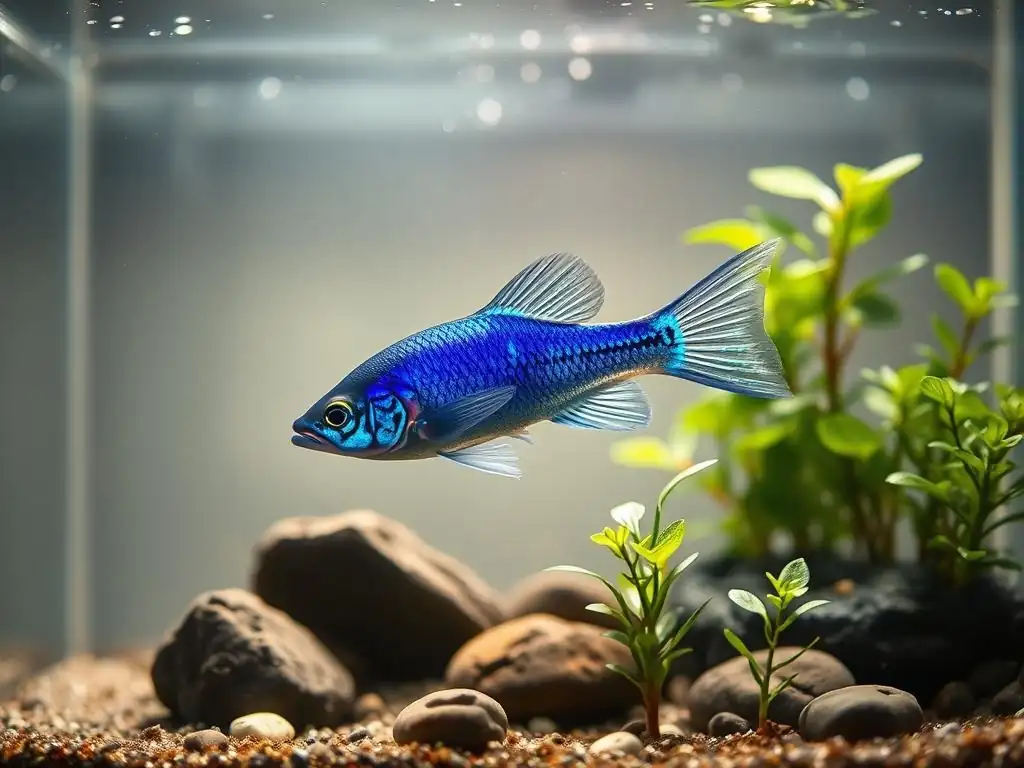
Algae blooms can manifest in various forms within an aquarium, including green spot algae adhering to the glass, brown diatoms covering surfaces, or stringy green hair algae clinging to plants. If your tank, for example, a 20-gallon Danio and Rasbora setup, suddenly develops a thick, noticeable layer of green spot algae within a few days, it often indicates excessive light intensity or duration, potentially compounded by high nitrate levels.
To effectively address an algae bloom, first, reduce your Danio rasbora aquarium lighting duration by 1-2 hours daily (e.g., from 10 hours to 8 hours). If you are utilizing a dimmable LED fixture, lower the intensity by 10-20%. Concurrently, perform a substantial 50% water change to significantly reduce excess nutrients in the water column. Manual removal of the visible algae using a scraper or brush is also essential. Consistent adjustments to Danio rasbora aquarium lighting and nutrient levels are crucial for achieving long-term algae control.
Dealing with Insufficient Light for Plant Growth
Signs of insufficient light for aquatic plants include stunted growth, yellowing or melting leaves, and plants exhibiting etiolation (stretching excessively towards the light source). For instance, an Amazon Sword plant in a 30-gallon tank that remains unusually small and develops pale, translucent leaves despite receiving adequate fertilization might be a clear indicator that it is receiving inadequate Danio rasbora aquarium lighting.
To remedy this issue, gradually increase the light intensity or extend the duration of the photoperiod. If using a dimmable LED, incrementally raise the intensity by 5-10% over several days. If you have a fixed lighting setup, consider adding a second fixture or upgrading to a bulb with a higher PAR (Photosynthetically Active Radiation) output. Monitor the plants' response over 1-2 weeks. Ensure that the Danio rasbora aquarium lighting penetrates adequately to the substrate, especially in taller aquarium setups.
Addressing Potential Light Stress in Danios and Rasboras
Fish exhibiting signs of light stress may display rapid breathing, erratic darting movements, excessive hiding, or faded coloration. For example, a school of Zebra Danios constantly seeking refuge behind filter intakes or under tank decorations in a brightly lit tank strongly suggests they are uncomfortable with the current Danio rasbora aquarium lighting. This behavior indicates a need for adjustment to their environment.
To alleviate light stress, it is vital to provide more shaded areas within the tank. This can be achieved by strategically placing tall, dense plants, driftwood, or rock caves. If your lighting fixture allows, dim the lights or reduce the duration of the photoperiod. Floating plants are particularly effective at diffusing intense light and creating natural shade. If the issue persists, consider opting for a less powerful Danio rasbora aquarium lighting fixture. Observing a return to natural schooling behavior and active, confident swimming indicates improved comfort and reduced stress.
Maintaining Your Danio Rasbora Aquarium Lighting
Regular Cleaning and Maintenance of Lighting Fixtures
Accumulated dust, water splashes, and mineral deposits on lighting fixtures can significantly reduce their light output. Even a thin layer of dust, as little as 1/16th of an inch thick, has been shown to reduce light transmission by up to 20%. For optimal Danio rasbora aquarium lighting performance, it is crucial to regularly wipe down the fixture's cover and bulbs with a damp, lint-free cloth, ideally on a weekly basis.
Always ensure that the lighting fixture is unplugged from the power source before commencing any cleaning to prevent the risk of electrical shock. For more stubborn mineral deposits, a dilute vinegar solution can be used, but extreme care must be taken to ensure it does not enter the aquarium water or come into contact with any electrical components. Regular cleaning ensures that the full intensity and intended spectrum of your Danio rasbora aquarium lighting effectively reaches your tank.
Bulb Replacement and Lifespan Considerations
Fluorescent bulbs (T5 HO, T8) gradually lose their spectral output over time, even if they still appear to be emitting sufficient visible light. This degradation in spectrum directly impacts plant growth and can negatively affect fish health. It is generally recommended to replace fluorescent bulbs every 6-12 months, depending on their daily usage, to maintain optimal Danio rasbora aquarium lighting. For instance, a T5 HO bulb used 10 hours a day might need replacing closer to the 6-month mark due to spectral decay.
LED fixtures, in contrast, boast a much longer operational lifespan, often rated for 50,000 hours or more, meaning they may not require replacement for many years (e.g., 5+ years of continuous use). However, individual diodes can occasionally fail over time, or the overall intensity might slightly diminish. Regularly assessing the growth rate of your aquatic plants and observing the coloration and behavior of your fish can serve as valuable indicators of whether your Danio rasbora aquarium lighting is still performing adequately and providing the necessary light for a thriving ecosystem.
Monitoring Plant and Fish Health as Indicators of Lighting Sufficiency
The overall health and behavior of your aquatic plants and fish are arguably the most accurate and direct indicators of whether your Danio rasbora aquarium lighting is sufficient and appropriately balanced. Healthy plants will exhibit vibrant colors, strong and consistent growth, and minimal presence of algae. Conversely, if your plants are melting, turning pale, or becoming heavily covered in algae, it strongly suggests a lighting imbalance that needs to be addressed.
Observe your Danios and Rasboras for natural schooling behavior, active and confident swimming, and bright, consistent coloration. Faded colors, excessive hiding, or general lethargy can be clear signs of either light stress (too much light) or insufficient lighting. For instance, a school of Harlequin Rasboras displaying vibrant orange and black markings and actively exploring the tank indicates excellent Danio rasbora aquarium lighting conditions. Consistent monitoring allows for timely and necessary adjustments to maintain a healthy environment.
Optimizing Lighting for Danio and Rasbora Coloration
Enhancing Fish Colors Through Specific Light Spectrums
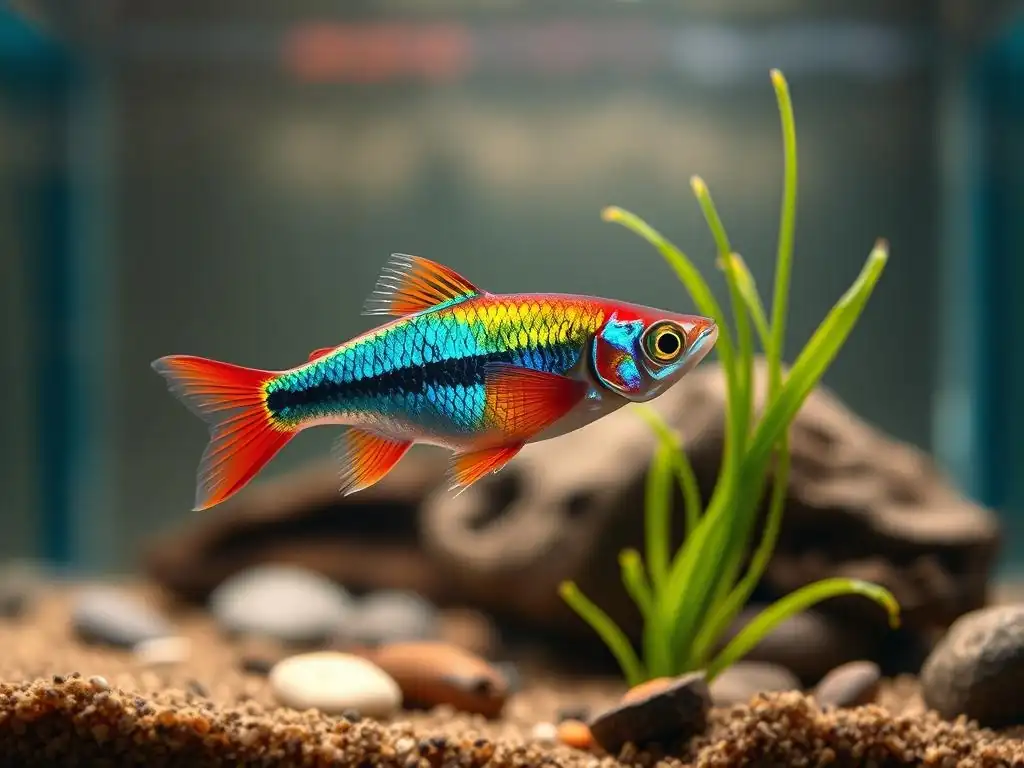
Specific light spectrums can significantly enhance the natural coloration of Danios and Rasboras, making their inherent beauty truly stand out. Lights that emit a higher proportion of red and blue wavelengths, often marketed as "plant growth" or "color enhancing" lights, can make the rich reds in Harlequin Rasboras or the iridescent blues and golds in Celestial Pearl Danios appear even more vibrant and striking. For example, a light fixture with pronounced peaks at 450nm (blue) and 650nm (red) will effectively bring out these specific hues in your fish.
However, it is crucial to balance this color enhancement with a full spectrum for the overall health and well-being of both fish and plants. Over-emphasizing certain colors can sometimes make the tank appear unnatural or even stress the fish. A general full-spectrum Danio rasbora aquarium lighting fixture (e.g., 6500K) often provides enough spectral diversity to enhance fish colors beautifully without distorting the natural appearance of the aquarium.
6500K Lighting for Vibrant Colors
A color temperature of 6500K is widely considered optimal for general aquarium use, including dedicated Danio rasbora aquarium lighting. This specific temperature closely mimics natural daylight, providing a well-balanced spectrum that effectively supports both robust plant photosynthesis and the vivid coloration of your fish. It renders colors accurately, allowing the blues, reds, and yellows in your Danios and Rasboras to truly pop and shine without appearing artificial or distorted.
Many high-quality LED and fluorescent bulbs are readily available in the 6500K range, making this an accessible and effective choice. For instance, a Chihiros C-series LED light set to 6500K will brilliantly illuminate a school of Chili Rasboras, showcasing their intense red bodies in stunning contrast against lush green aquatic plants. This balanced spectrum ensures that while fish colors are enhanced, the overall tank environment remains natural, visually appealing, and stress-free for the fish.
Observing Fish Behavior for Lighting Adjustments
Beyond merely enhancing fish coloration, meticulously observing the behavior of your Danios and Rasboras is paramount for fine-tuning your Danio rasbora aquarium lighting setup. If your fish appear stressed, exhibiting darting movements, excessive hiding, or a general lack of activity, the light might be too intense for their comfort, regardless of its color-enhancing properties. Conversely, if they seem lethargic or their colors appear dull and muted, the light might be insufficient or lacking in the appropriate spectrum to bring out their best.
Any adjustments to your lighting should always be gradual. For example, if your Ember Tetras (often compatible tank mates with Danios and Rasboras) seem pale, try slightly increasing the red spectrum on a programmable LED or consider adding a bulb with more red wavelengths. Monitor their response closely over several days. A thriving school, actively swimming, engaging in natural behaviors, and displaying vibrant, consistent colors, is the ultimate and most reliable indicator of successful Danio rasbora aquarium lighting optimization.
Danio and Rasbora Specific Considerations for Lighting
Species-Specific Light Preferences: A Closer Look
While Danios and Rasboras generally share a preference for moderate to subdued lighting conditions, subtle differences exist based on their specific natural habitats. For instance, species such as the Celestial Pearl Danio ( Danio margaritatus) and the Chili Rasbora ( Boraras brigittae) originate from heavily vegetated, often shaded, blackwater environments. These particular species typically thrive best under lower light intensities, ideally ranging from 10-20 PAR, and strongly prefer diffused light rather than direct, harsh illumination.
Conversely, the highly adaptable Zebra Danio ( Danio rerio) can tolerate a slightly brighter environment, comfortably accepting up to 30 PAR, especially if ample plant cover and shaded areas are readily provided within the tank. Understanding these nuanced, species-specific light preferences allows for a more tailored and effective Danio rasbora aquarium lighting setup that caters precisely to the needs of the dominant species in your aquarium, promoting optimal health and natural behavior.
Zebra Danios: Dimmer Lighting for Optimal Comfort
Despite their reputation as active and hardy fish, Zebra Danios, like many schooling species, can become stressed by overly bright, unshaded Danio rasbora aquarium lighting. In their natural stream habitats, they frequently seek refuge among rocks and dense vegetation to escape direct sunlight. In an aquarium setting, this translates to a preference for moderate light levels that mimic these diffused conditions.
If a 20-gallon tank housing Zebra Danios is lit with a powerful 30W LED fixture without dimming capabilities, the fish might exhibit erratic swimming patterns or spend excessive time near the substrate or hiding among decorations. Providing floating plants or tall, dense stem plants can create crucial shaded areas within the tank, allowing them to feel secure and display their natural schooling behaviors more readily under a moderated Danio rasbora aquarium lighting scheme.
Harlequin Rasboras: Moderate Lighting for Shoaling Behavior
Harlequin Rasboras ( Trigonostigma heteromorpha) are iconic for their distinct and tight shoaling behavior, a trait that is particularly pronounced in environments where they feel secure and unthreatened. Their natural blackwater habitats are typically dimly lit due to dense canopy cover and water stained dark by tannins. Therefore, moderate Danio rasbora aquarium lighting is considered ideal for them in captivity, closely replicating their preferred conditions.
A PAR level of 20-25 at the substrate is often sufficient to encourage their vibrant coloration and strong shoaling instincts. Too bright a light can cause them to become shy, scatter their school, or even lead to a loss of their characteristic deep orange and black markings. Employing a light with a programmable dawn/dusk cycle or incorporating floating plants like Red Root Floaters can effectively help simulate their natural, diffused light conditions, promoting robust health and active shoaling within your optimized Danio rasbora aquarium lighting setup.
Final Thoughts on Aquarium Lighting for Danios and Rasboras
Creating a Thriving Aquatic Ecosystem with Proper Lighting
Proper Danio rasbora aquarium lighting is far more than just a means of illuminating your tank; it is a critical and foundational component in creating a balanced, healthy, and thriving aquatic ecosystem. It directly influences the growth and vitality of aquatic plants, regulates the natural behaviors and circadian rhythms of your fish, and significantly impacts the overall health and aesthetic appeal of your entire aquarium.
By meticulously understanding the specific lighting needs of Danios and Rasboras, as well as the requirements of the plants you choose, you can establish a light regimen that actively promotes natural behaviors, vibrant life, and a harmonious environment.
A well-lit Danio and Rasbora tank, equipped with appropriate light intensity and duration, will manifest in plants photosynthesizing vigorously, fish displaying their full, vibrant colors and engaging in active schooling patterns, and minimal issues with undesirable algae. This careful and thoughtful attention to Danio rasbora aquarium lighting transforms a simple fish tank into a miniature, self-sustaining, and captivating aquatic world, reflecting the beauty and balance of nature.
Resources for Further Learning about Aquarium Lighting
For aquarists looking to delve deeper into the intricate science and practical application of Danio rasbora aquarium lighting, numerous reputable resources are available. Online forums and dedicated communities, such as plantedtank.net or specific aquascaping groups, frequently feature detailed discussions, scientific data on PAR values, comprehensive spectrum analysis, and practical setup guides for various fish and plant combinations, offering invaluable insights from experienced hobbyists.
Additionally, specialized books on planted aquariums, such as "Ecology of the Planted Aquarium" by Diana Walstad, provide foundational knowledge on the crucial role of light in aquatic ecosystems and how it interacts with other environmental factors. Furthermore, scientific journals occasionally publish peer-reviewed studies on fish behavior under different light conditions, offering empirical data that can further refine and optimize your Danio rasbora aquarium lighting strategies for the ultimate benefit of your aquatic inhabitants.
Frequently Asked Questions
How much light do Danio and Rasbora fish generally need in an aquarium?
Danio and Rasbora fish typically prefer moderate lighting. Avoid intense light that can cause stress. They thrive in environments that mimic their natural habitats.
What type of lighting is best for a Danio and Rasbora aquarium with live plants?
For planted tanks, consider full-spectrum LED lighting. This supports plant growth while remaining gentle on the fish. Adjust the intensity and duration as needed.
Can excessive lighting harm my Danio and Rasbora fish?
Yes, over-illumination can stress Danio and Rasbora, leading to faded colors and hiding behavior. Ensure there are shaded areas within the tank.
How long should I keep the aquarium lights on each day for Danio and Rasbora?
Aim for a photoperiod of 8-10 hours per day. This balances plant needs with the fish's natural sleep cycle. Use a timer for consistency.
How do I know if my Danio and Rasbora are getting too much or too little light?
Signs of too much light include hiding, faded colors, and algae blooms. Insufficient light may cause plants to struggle and fish to become lethargic. Monitor your tank closely and adjust accordingly.
Final Reflection: Illuminating Harmony in the Aquatic World
The delicate balance between plant health and fish well-being, so crucial in a Danio and Rasbora aquarium, resonates far beyond the glass walls of our tanks. Understanding and respecting the needs of each species within an ecosystem, whether miniature or vast, is a fundamental principle for creating thriving environments. This principle, highlighted throughout this article, underscores the importance of mindful stewardship, not just in aquascaping, but in all aspects of our interaction with the natural world.
The journey of selecting the right lighting for a Danio and Rasbora aquarium is a microcosm of the larger challenge of coexisting harmoniously with nature. It's a constant learning process, a dance of observation and adjustment, where the well-being of every inhabitant is paramount. The best aquarium is not just a beautiful display, but a thriving ecosystem where every creature can flourish.
This sentiment reminds us that true beauty lies not just in aesthetics, but in the health and vitality of the entire system.
As you consider the lighting in your own Danio and Rasbora aquarium, remember that you are not just illuminating a tank, but cultivating a miniature world. Let the principles of balance and mindful observation guide your choices, not only in aquascaping, but in all your interactions with the environment. Embrace the opportunity to create a space where both plants and fish thrive, reflecting a deeper commitment to harmony and sustainability in all aspects of your life.
Ignite Your Aquarium's Beauty!
Thanks for diving deep into the world of danio and rasbora tank lighting! We hope you’ve discovered the secrets to creating a thriving aquatic ecosystem that balances the needs of your plants and the well-being of your fish. Ready to take the next step?
Here are some actionable ways to bring your newfound knowledge to life:
- Immediately assess your current lighting setup: Note the type of light, its intensity, and the duration it's on. Compare this to the needs of your plants and the sensitivity of your danios and rasboras. Adjust accordingly!
- Explore different lighting spectrums. Experiment with introducing a red or blue-shifted LED to enhance plant growth and fish coloration - observe the effects of each change!
- Share your newfound wisdom! Create a quick social media post or forum comment outlining one key takeaway from this article and how you plan to implement it in your aquarium.
What’s one small change you can make today to improve your danio and rasbora tank's lighting and bring out its full potential?