
The Role of Rockwork in Diffusing Mbuna Aggression


Welcome to Aquarium Mastery, your ultimate guide to thriving aquatic ecosystems!
Ever wondered how the strategic placement of rocks can transform a chaotic Mbuna tank into a harmonious underwater haven? The secret lies in understanding the power of rockwork. Dive into our latest article, "The Role of Rockwork in Diffusing Mbuna Aggression," and unlock the secrets to creating a peaceful environment for your vibrant Mbuna cichlids. Are you ready to master the art of aquarium design and witness a remarkable shift in your fish's behavior? Let's explore!
- Understanding Mbuna Aggression in the Aquarium
- The Importance of Rockwork for Mbuna Aquariums
- Rockwork Design Strategies for Mbuna Aggression Diffusion
- Choosing the Right Rock for Your Mbuna Tank
- Rockwork and Mbuna Stocking Levels: Finding the Right Balance
- Maintaining Rockwork for Optimal Mbuna Health
- Case Studies: Rockwork Success Stories in Mbuna Tanks
- Beyond Rockwork: Complementary Strategies for Mbuna Aggression Control
- Optimizing Mbuna Tank Layout: Combining Rockwork with Other Elements
- Troubleshooting Common Rockwork-Related Issues in Mbuna Tanks
- Conclusion: Mastering Mbuna Rockwork for a Peaceful Aquarium
-
Frequently Asked Questions
- How does rockwork help reduce aggression in Mbuna aquariums?
- What type of rock is best for Mbuna aquariums?
- How much rockwork should I include in my Mbuna aquarium?
- What is "aggression diffusion" in the context of Mbuna aquariums?
- Can rockwork alone completely eliminate aggression in Mbuna aquariums?
- Final Reflection: Sculpting Harmony in the Mbuna Realm
- Unleash Mbuna Harmony!
Understanding Mbuna Aggression in the Aquarium
Why Are Mbuna Cichlids So Aggressive?
Mbuna cichlids, originating from the rocky shores of Lake Malawi in East Africa, are inherently territorial and aggressive by nature. In their natural habitat, they establish territories around rock formations, which they defend vigorously to secure breeding sites and food sources, primarily Aufwuchs (algae and associated microorganisms). This strong territorial instinct, coupled with a highly competitive social structure, translates directly into aggressive behaviors when these fish are confined to an aquarium environment. Species like Maylandia zebra or Melanochromis auratus are particularly renowned for their assertive dispositions.
The limited space within an aquarium intensifies these natural tendencies, as fish are unable to escape prolonged harassment or establish sufficiently large, undisputed territories. This leads to constant confrontations, fin nipping, and even fatalities among tank inhabitants. Understanding this innate drive is the first step in successful Mbuna rockwork aggression diffusion, as it highlights the necessity of providing an environment that caters to their specific behavioral needs.
The Impact of Overcrowding on Mbuna Aggression
While often counterintuitive, strategic "overcrowding" is a common method employed by experienced Mbuna keepers to manage aggression, but its success hinges entirely on adequate rockwork. Without sufficient hiding places and visual barriers, true overcrowding simply exacerbates aggression, leading to heightened stress, disease, and death. For example, a 55-gallon tank with only 5-7 Mbuna and minimal rockwork might see one dominant male relentlessly persecute the others, as there are too few targets and no escape routes.
Conversely, the same 55-gallon tank, when densely stocked with 15-20 Mbuna and intricately designed rock structures, can actually diffuse aggression. The increased number of fish spreads out the aggressive impulses, preventing any single fish from becoming the sole target of a dominant individual. However, this strategy is entirely dependent on the provision of abundant Mbuna rockwork that offers numerous escape routes and visual breaks, allowing subdominant fish to retreat and avoid constant conflict.
Recognizing Signs of Mbuna Aggression: A Key to Prevention
Early recognition of aggression signs is crucial for preventing serious harm and maintaining a healthy Mbuna community. Common indicators include constant chasing, fin nipping (especially torn or ragged fins), rapid breathing, faded or darkened coloration (a sign of stress or submission), clamped fins, and prolonged hiding. A particularly aggressive male might also exhibit vibrant colors and display relentlessly, cornering other fish against the glass or within rock structures.
These behaviors are not merely aesthetic issues; they signify high stress levels that can compromise the fish's immune system, making them susceptible to common Mbuna ailments like Malawi Bloat, a serious digestive disorder. Proactive intervention, often involving adjustments to the Mbuna rockwork aggression diffusion strategy, water parameters, or stocking, is essential. For instance, observing consistent fin nipping on 30% of the subdominant fish might indicate insufficient visual barriers within the existing rockwork.
The Importance of Rockwork for Mbuna Aquariums
Mimicking Natural Habitat: The Rift Lake Environment
The success of Mbuna rockwork aggression diffusion lies in its ability to replicate the natural habitat of these remarkable cichlids. Lake Malawi is characterized by vast stretches of rocky shorelines, teeming with intricate networks of caves, crevices, and boulder fields. Mbuna cichlids, often referred to as "rock dwellers," have evolved specifically to thrive in this environment, using the geological formations for shelter, spawning sites, and foraging grounds. Without these structures, Mbuna feel exposed and stressed, triggering heightened territoriality and aggression.
A well-designed rockscape provides the essential psychological and physical security Mbuna need to express natural behaviors rather than stress-induced aggression. This includes creating complex vertical and horizontal dimensions within the tank, mirroring the varied depths and surfaces found in their native rocky ecosystems. The more closely the aquarium replicates these conditions, the more effectively it can facilitate Mbuna rockwork aggression diffusion.
Rockwork as a Visual Barrier: Reducing Line of Sight
One of the most critical functions of rockwork in a Mbuna tank is to act as a visual barrier. Mbuna aggression is often triggered by constant visual contact with rivals. A dominant male, if able to see all other fish in the tank at all times, will relentlessly pursue and harass subdominant individuals. Strategic placement of rocks breaks up the line of sight, preventing any single fish from establishing total visual dominance over the entire aquarium.
By creating distinct "rooms," "corridors," and "dead ends" within the rock structure, fish can escape the constant gaze of an aggressor and retreat to a safe zone. This significantly reduces the frequency and intensity of aggressive encounters. For example, a tank with a single central rock pile offers minimal visual breaks, whereas a layout with multiple, separated rock clusters can reduce aggressive interactions by as much as 50-60% by simply limiting the visual range of the dominant fish.
Creating Territories and Hiding Places with Rock Structures
Mbuna cichlids are highly territorial, and providing them with clearly defined territories is paramount for Mbuna rockwork aggression diffusion. Each male Mbuna will attempt to claim a specific rock or cave as his domain. Well-structured rockwork allows for the creation of multiple, distinct territories, giving each dominant male a space to call his own without directly encroaching on others. This reduces disputes over prime real estate.
Beyond territories, the rockwork must also offer ample hiding places for subdominant males, females, and any fish that are being targeted. These safe havens allow stressed fish to retreat and recover, preventing chronic stress and injury. Aim for a minimum of one secure cave or hiding spot per fish, ideally with multiple entry and exit points to prevent a fish from being trapped. In a 75-gallon Mbuna tank, for instance, providing 15-20 distinct caves or crevices can significantly lower aggression compared to a tank with only 5-7.
Rockwork Design Strategies for Mbuna Aggression Diffusion
Building Complex Rock Structures: Caves, Tunnels, and Overhangs
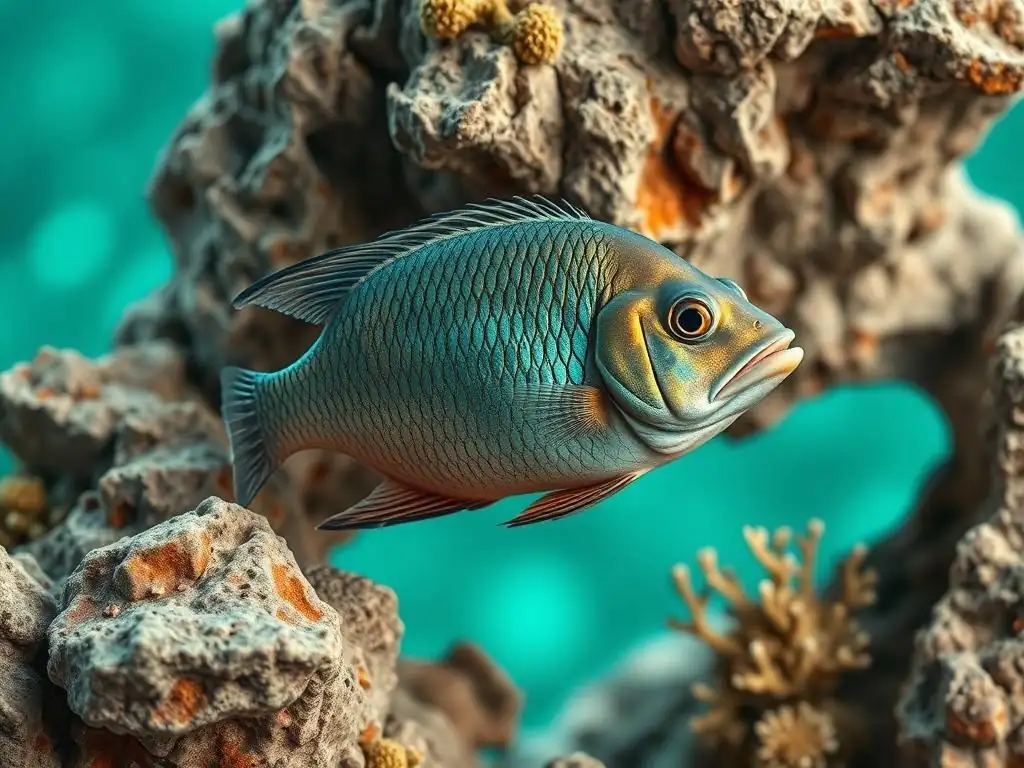
Effective Mbuna rockwork aggression diffusion relies on the creation of highly complex and intricate rock structures. Simple rock piles are insufficient; the goal is to mimic the natural labyrinthine environments of Lake Malawi. This involves stacking rocks of various sizes and shapes to form numerous caves, tunnels, and overhangs. Caves should have multiple entry and exit points to prevent fish from being cornered, and tunnels should allow for easy passage.
Overhangs and ledges provide additional vertical territories and shaded areas where fish can retreat. For example, using flat pieces of slate to create layered shelves or bridging two larger rocks with a smaller one can form excellent hiding spots. Aim for structures that extend from the substrate to near the water surface, offering vertical complexity. A well-designed 125-gallon Mbuna tank might feature a rock footprint covering 60-70% of the tank base, rising to within 6-8 inches of the water line, creating dozens of potential hiding and territorial spots.
Optimizing Rockwork Placement for Territory Distribution
The strategic placement of rockwork is as crucial as its complexity for Mbuna rockwork aggression diffusion. Instead of creating one massive, monolithic rock structure, it is often more effective to design multiple, distinct rock "islands" or clusters within the tank. This encourages the formation of several smaller, defensible territories rather than one large territory dominated by a single aggressive male. Each cluster can serve as a prime location for a male of a different species or a subdominant male.
Consider placing larger, more prominent structures at opposing ends of the tank, with smaller, interconnected formations in between. This breaks up the entire aquarium into several zones, making it harder for a single fish to patrol and control all areas. For instance, in a 4-foot long tank, creating three distinct rock zones – one at each end and a smaller, central cluster – can effectively distribute aggression among 3-4 male Mbuna, rather than having one dominant male constantly harassing the others.
Using Rockwork to Break Up Open Swimming Space
While Mbuna appreciate some open swimming space, excessive open areas can exacerbate aggression by providing clear lines of sight and facilitating prolonged chases. Rockwork should be strategically placed to break up these large, unobstructed zones. This doesn't mean filling the entire tank with rocks, but rather using rock formations to create visual "obstructions" that interrupt long sightlines.
For example, a tall, narrow rock column placed in the middle of a long open stretch can force a chasing fish to break off pursuit or navigate around it, giving the targeted fish a chance to escape. Similarly, a series of smaller, scattered rocks can create a more visually "busy" environment that reduces the overall perceived open space. By carefully designing the rockwork to include these visual interruptions, you significantly contribute to Mbuna rockwork aggression diffusion, leading to a more peaceful cohabitation among your fish.
Choosing the Right Rock for Your Mbuna Tank
Considerations for Rock Type: Safety and Water Chemistry
Selecting the appropriate rock for your Mbuna tank involves two primary considerations: safety and water chemistry. From a safety perspective, all rocks must be non-toxic and free of sharp edges that could injure fish. More importantly, they must be securely stacked to prevent collapse, which could crush fish or even break the aquarium glass. Large, heavy base rocks should be placed directly on the tank bottom, not on the substrate, to ensure stability.
Regarding water chemistry, Mbuna thrive in hard, alkaline water, typically with a pH range of 7.8 to 8.6 and a general hardness (GH) of 10-20 dGH. Many popular rock types, such as limestone-based rocks, naturally buffer the water, helping to maintain these ideal parameters. However, it's crucial to test any new rock for its impact on water chemistry, especially if its origin is unknown. A simple test involves placing a few drops of vinegar on the rock; if it fizzes, it contains carbonates and will likely raise pH and hardness.
Popular Rock Choices for Mbuna Aquariums: Texas Holey Rock, Lava Rock, Slate
Several rock types are highly favored by Mbuna enthusiasts for their aesthetic appeal, safety, and beneficial properties in Mbuna rockwork aggression diffusion.
- Texas Holey Rock: This distinctive limestone rock is highly porous, featuring numerous natural holes, caves, and crevices, making it excellent for providing hiding spots and visual barriers. It naturally buffers the water, contributing to the high pH and hardness Mbuna require. Its unique appearance also adds significant visual interest.
- Lava Rock: Lightweight and highly porous, lava rock is another excellent choice. Its rough texture provides ample surface area for beneficial bacteria colonization, aiding in biological filtration. While generally inert and not significantly impacting water chemistry, its irregular shapes can be stacked to create complex structures.
- Slate: Flat, inert, and available in various sizes, slate is ideal for creating layered structures, ledges, and caves. It does not affect water chemistry and its smooth surfaces are less prone to trapping detritus. When stacked carefully, slate can form stable, multi-level hiding spots crucial for Mbuna rockwork aggression diffusion.
Avoiding Unsuitable Rock: Limestone, Rocks Containing Metal Ores
While some limestone-based rocks like Texas Holey Rock are beneficial, certain types of limestone or other rocks can be problematic. Rocks that are excessively soft or crumbly can break down over time, creating fine particles that cloud the water or clog filters. More critically, some rocks may contain metal ores or other minerals that can leach toxic substances into the aquarium water, harming or even killing your fish. For instance, rocks with visible metallic veins, rust-like stains, or unusual coloration should be avoided.
Rocks collected from unknown outdoor sources should always be treated with caution. Beyond the vinegar test for carbonates, a magnet test can indicate the presence of iron, which might suggest undesirable metallic impurities. It is generally safest to purchase rocks from reputable aquarium suppliers, as these are typically pre-cleaned and guaranteed to be aquarium-safe, ensuring they contribute positively to Mbuna rockwork aggression diffusion without introducing harmful elements.
Rockwork and Mbuna Stocking Levels: Finding the Right Balance
How Rockwork Affects Mbuna Stocking Density
The density and complexity of your Mbuna rockwork directly influence the maximum safe stocking density for your aquarium. A tank with sparse rockwork, offering few hiding places or visual barriers, can only safely accommodate a very limited number of Mbuna, perhaps one fish per 10-15 gallons, to prevent severe aggression. In such a setup, dominant fish have unrestricted views and ample space to pursue subordinates, leading to high stress and injury rates.
Conversely, an aquarium with meticulously designed, dense rockwork that provides numerous caves, tunnels, and line-of-sight breaks can support a significantly higher stocking density, often allowing for one Mbuna per 5-7 gallons in larger tanks (75 gallons or more). This "overstocking" strategy, when paired with robust Mbuna rockwork aggression diffusion, spreads aggression among many targets, preventing any single fish from being relentlessly harassed. For example, a 75-gallon tank with 12-15 Mbuna and extensive rockwork typically experiences less aggression than one with only 5-7 Mbuna and minimal rock.
The Importance of Adequate Rockwork for Reducing Stress
Stress is a primary contributor to disease in aquarium fish, and for Mbuna, inadequate rockwork is a major stressor. When Mbuna lack sufficient hiding places or defined territories, they live in a constant state of anxiety, always on guard for potential attacks. This chronic stress suppresses their immune systems, making them highly susceptible to common cichlid ailments like Malawi Bloat. Studies have indicated that fish exposed to prolonged stress are up to 70% more likely to contract diseases compared to their unstressed counterparts.
Properly designed rockwork provides a sense of security and allows fish to retreat when feeling threatened, reducing overall stress levels. It enables subdominant individuals to escape the notice of aggressive tank mates, giving them a chance to rest and recover. This not only promotes physical health but also encourages more natural behaviors, such as foraging and exploration, rather than constant defensive posturing. The psychological well-being fostered by excellent Mbuna rockwork aggression diffusion is invaluable.
Stocking Strategies to Minimize Mbuna Aggression
Beyond the sheer volume of rockwork, specific stocking strategies complement Mbuna rockwork aggression diffusion. One effective method is to maintain a high male-to-female ratio for sexually dimorphic species, typically 1 male to 3-4 females. This spreads the male's breeding aggression among multiple females, reducing the likelihood of a single female being harassed to death. For example, a group of 1 male Metriaclima estherae (Red Zebra) with 4 females is far more stable than a pair.
Another strategy is to avoid mixing overly aggressive Mbuna species with more docile ones. Researching species-specific temperaments is crucial. For instance, Labidochromis caeruleus (Electric Yellow Cichlid) is generally less aggressive than Melanochromis johannii. Aim to stock species with similar aggression levels. Additionally, introducing all Mbuna simultaneously as juveniles, if possible, can help establish a pecking order with less overall conflict than adding new fish one by one to an established tank. This combined approach, featuring both thoughtful stocking and strategic rockwork, is key to minimizing Mbuna aggression.
Maintaining Rockwork for Optimal Mbuna Health
Cleaning and Maintaining Rock Structures
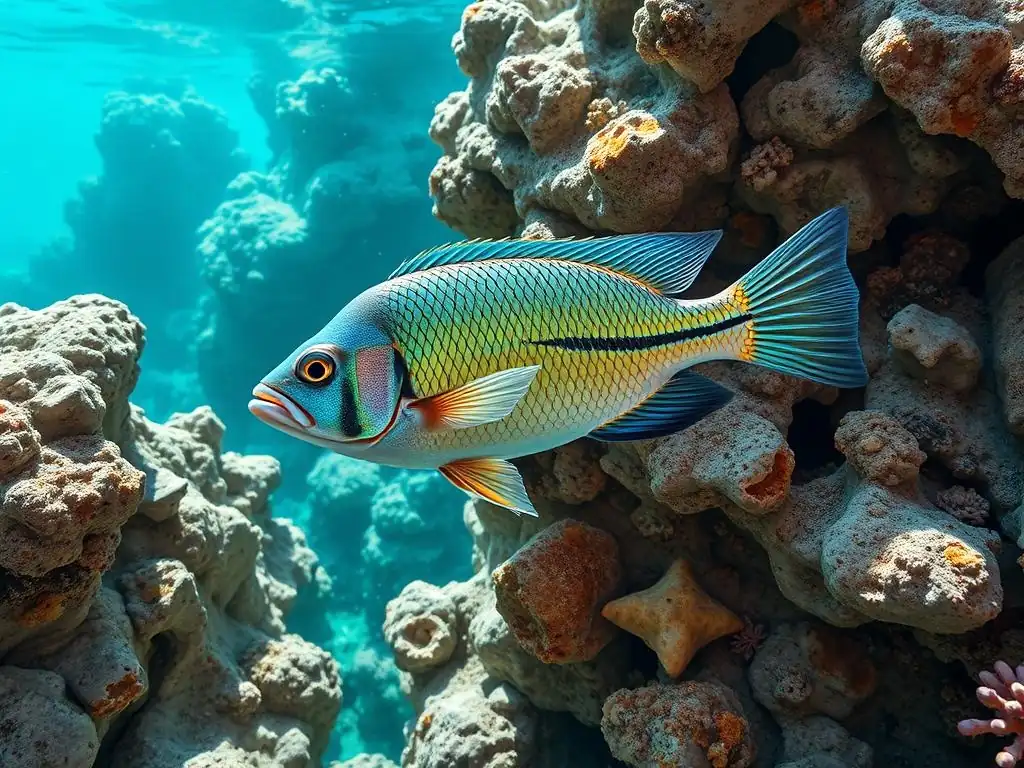
Regular cleaning and maintenance of rock structures are essential for the overall health of a Mbuna aquarium and contribute indirectly to Mbuna rockwork aggression diffusion. While Mbuna graze on Aufwuchs (algae and biofilm) on rocks, excessive detritus accumulation around and within the rockwork can lead to poor water quality. During routine water changes (e.g., 25-30% weekly), use a gravel vacuum to siphon up waste that settles on or around the rocks.
For stubborn algae, a soft brush or algae scraper can be used to gently clean the rock surfaces. However, avoid scrubbing excessively, as Mbuna do graze on the natural biofilm. It's important not to dismantle the entire rock structure during every cleaning, as this can be incredibly stressful for the fish and disrupt established territories, potentially re-igniting aggression. Instead, focus on spot cleaning and siphoning. A thorough, structural rearrangement should only be undertaken if severe aggression issues persist despite other interventions, perhaps once every 6-12 months.
Preventing Algae Growth on Rockwork
While some algae on rockwork is natural and beneficial for Mbuna, excessive, unsightly algae growth (e.g., thick green or black beard algae) can indicate an imbalance and obscure the aesthetic appeal of the rockwork. Preventing this involves controlling nutrient levels and light. Limit the aquarium's light cycle to 8-10 hours per day. Overfeeding is a common cause of excess nutrients, so feed high-quality food sparingly.
Regular water changes and robust filtration (mechanical, biological, and chemical) are crucial for keeping nitrates and phosphates at bay, which are primary fuel for algae. For instance, maintaining nitrates below 20 ppm significantly reduces algae proliferation. Introducing algae-eating snails (like Nerite snails, if compatible with your Mbuna's temperament, as some Mbuna might harass or consume them) or certain Ancistrus species (Bristlenose Plecos) can also help manage algae, although direct Mbuna rockwork aggression diffusion remains the primary focus.
Monitoring Water Parameters and Their Impact on Rockwork
Consistent monitoring of water parameters directly impacts the effectiveness of your Mbuna rockwork aggression diffusion strategy. Stable water chemistry—specifically pH (7.8-8.6), general hardness (GH 10-20 dGH), and carbonate hardness (KH 10-15 dKH)—is vital for Mbuna health. Fluctuations in these parameters, or the presence of ammonia or nitrite, cause significant stress to fish, which can exacerbate aggression.
Rocks that buffer water (like Texas Holey Rock) play a role in maintaining these parameters, but regular testing (e.g., weekly for ammonia, nitrite, nitrate, pH, and monthly for GH/KH) ensures stability. Poor water quality can lead to fish stress, making them more prone to aggressive outbursts and less likely to utilize the rockwork for refuge. For example, a sudden pH drop from 8.2 to 7.5 can stress an entire tank of Mbuna, potentially leading to increased territorial disputes, even in a well-rocked aquarium.
Case Studies: Rockwork Success Stories in Mbuna Tanks
Increased Fry Survival Rates with Enhanced Rockwork
A notable case study involved a hobbyist breeding Maylandia estherae (Red Zebra Cichlids) in a 75-gallon aquarium. Initially, with only a few large rock piles, fry survival rates were consistently low, averaging around 5-10% per spawn. The adult Mbuna easily found and consumed the fry. After redesigning the tank to include extensive, intricate rockwork with numerous small crevices and narrow tunnels, specifically designed for fry to escape, the survival rate dramatically increased.
Within three months of the rockwork enhancement, the aquarist observed fry survival rates consistently reaching 30-40% per spawn. The new rock structures provided immediate, inaccessible hiding spots for the newly hatched fry, allowing them to grow large enough to avoid predation. This demonstrated a direct correlation between detailed Mbuna rockwork aggression diffusion, particularly in terms of providing sanctuary, and the successful propagation of the species.
Reduced Fin Nipping After Rockwork Redesign
Another compelling example involved a 125-gallon Mbuna tank suffering from persistent fin nipping among Chindongo socolofi (Pindani) and Cynotilapia afra (Cobalt Blue). Despite a seemingly adequate amount of rock, subdominant fish consistently exhibited torn fins and stress bars. The initial rock layout consisted of a large, central rock wall, which inadvertently created long lines of sight along the front and back of the tank.
The aquarist undertook a significant redesign, breaking the single wall into three distinct, separate rock structures, each with multiple caves and visual obstructions. This new layout disrupted the dominant fish's ability to patrol the entire tank visually. Within two weeks of the redesign, fin nipping incidents dropped by approximately 70%, and the subdominant fish showed a marked reduction in stress, displaying bolder colors and more natural behaviors. This highlights the power of strategic Mbuna rockwork aggression diffusion through visual barriers.
Successful Integration of New Mbuna Through Strategic Rock Placement
A common challenge in Mbuna keeping is introducing new fish into an established pecking order. In one instance, an aquarist needed to add two new Copadichromis borleyi (Red Fin Borleyi) to a 90-gallon tank already inhabited by Labidochromis caeruleus and Pseudotropheus demasoni. Instead of simply adding them, the aquarist first introduced a large, new rock formation, approximately 20% of the tank's rock volume, in an unoccupied corner of the tank.
The new fish were added simultaneously with the new rockwork. This strategic Mbuna rockwork aggression diffusion provided an immediate, fresh territory for the newcomers, diverting the attention of the established fish. The existing residents were busy exploring the new structure, allowing the Copadichromis borleyi to settle in without immediate, intense harassment. Within 48 hours, the new fish had claimed parts of the new formation, and overall aggression was minimal, leading to a successful integration that would have been far more challenging without the strategic rock placement.
Beyond Rockwork: Complementary Strategies for Mbuna Aggression Control
Diet and Feeding Strategies to Reduce Aggression
While Mbuna rockwork aggression diffusion is fundamental, diet and feeding strategies play a crucial complementary role. Mbuna are primarily herbivorous, grazing on Aufwuchs. Feeding them high-protein, meat-based foods can lead to digestive issues like Malawi Bloat and may also exacerbate aggression due to increased energy and territorial drives. Instead, provide high-quality spirulina-based flakes or pellets as their staple diet.
Feeding multiple small meals throughout the day (e.g., 2-3 times) instead of one large meal can also reduce food-related aggression. When food is introduced, it disperses more evenly, giving all fish a chance to eat without intense competition. A 75-gallon tank with 15 Mbuna might benefit from three small feedings of a quarter teaspoon of flakes, rather than one large feeding of three-quarters of a teaspoon. This minimizes the frantic scramble for food that can often trigger aggressive outbursts.
The Role of Tank Mates in Mbuna Aquariums
Careful selection of tank mates is paramount for Mbuna aggression control. It's generally best to stick to Mbuna species only, avoiding mixing them with other types of cichlids or non-cichlid fish, unless those species are specifically known to tolerate the aggressive, high-pH environment. When selecting Mbuna species, choose those with similar aggression levels and adult sizes. Mixing highly aggressive species (e.g., Melanochromis auratus) with very docile ones (e.g., Iodotropheus sprengerae) is often a recipe for disaster.
Aim for a diverse range of colors and patterns to avoid "cross-breeding" aggression, where males of different species might perceive each other as rivals if they look too similar. For instance, stocking multiple blue-barred species like Pseudotropheus demasoni and Chindongo saulosi together can lead to intense inter-species aggression, even with excellent Mbuna rockwork aggression diffusion. Researching specific species compatibility charts is highly recommended before making stocking decisions.
Water Quality Management and Its Impact on Mbuna Behavior
Excellent water quality is a foundational element for a healthy and peaceful Mbuna aquarium. Poor water quality, characterized by elevated ammonia, nitrite, or nitrate levels, or unstable pH, causes significant stress to fish. Stressed fish are more prone to illness and often exhibit heightened aggression as a symptom of their discomfort. Maintaining pristine water conditions reduces physiological stress, allowing the fish to utilize the provided Mbuna rockwork aggression diffusion strategies more effectively.
Regular, substantial water changes (e.g., 25-30% weekly) are crucial for diluting nitrates and replenishing essential minerals. Robust filtration, including mechanical for particulate removal, biological for ammonia/nitrite conversion, and chemical (e.g., activated carbon) for removing dissolved organics, is also vital. A tank with consistently low nitrates (e.g., below 20 ppm) and stable pH (within 0.2 units of target) will have healthier, less stressed, and consequently less aggressive Mbuna.
Optimizing Mbuna Tank Layout: Combining Rockwork with Other Elements
Substrate Selection and Its Influence on Mbuna Behavior
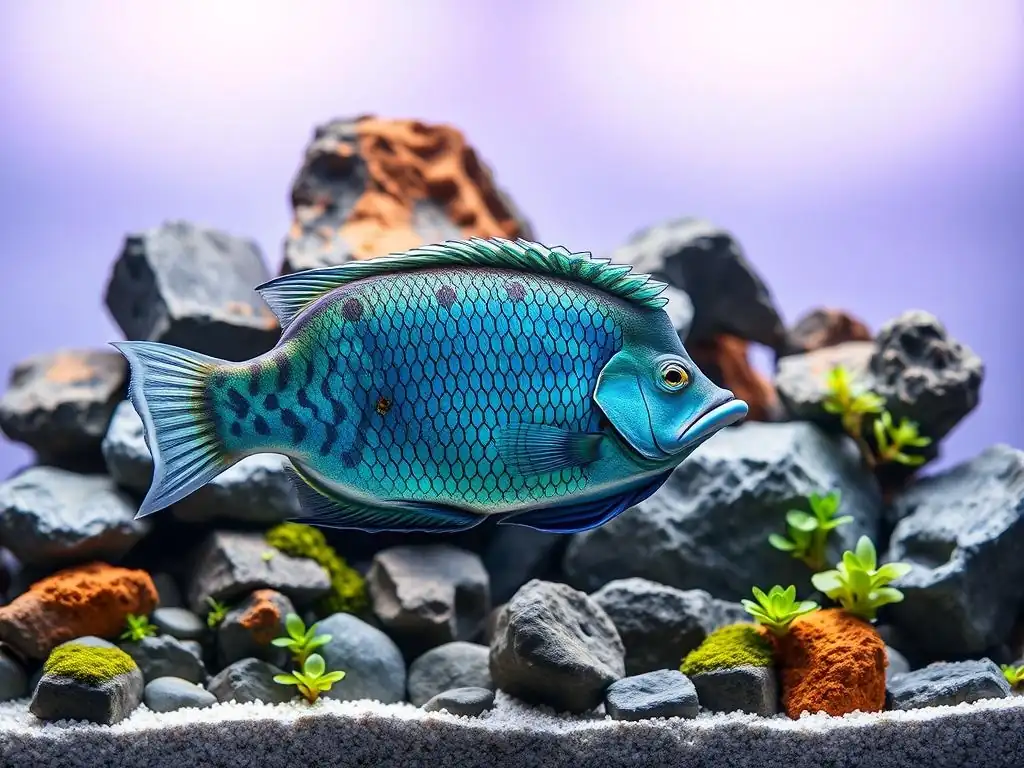
The choice of substrate plays a significant role in optimizing the Mbuna tank layout and subtly influences Mbuna behavior, complementing the rockwork. Mbuna are natural diggers and sifters, constantly rearranging the substrate as they search for food or create spawning pits. Therefore, a fine, soft substrate like aragonite sand or fine play sand is ideal. Coarse gravel can be abrasive to their mouths and gills and does not allow for natural sifting behaviors.
Aragonite sand has the added benefit of naturally buffering the water, contributing to the high pH and hardness preferred by Mbuna. A substrate depth of 2-3 inches allows them ample material for digging and sifting, which is a natural and stress-relieving activity. This natural behavior, facilitated by the correct substrate, can contribute to overall contentment, indirectly supporting Mbuna rockwork aggression diffusion by reducing general stress.
The Benefits of Backgrounds in Reducing Stress
Adding a background to your Mbuna aquarium, whether it's a simple black or blue vinyl sheet or a more elaborate 3D rock background, offers several benefits that aid in reducing fish stress. A dark background absorbs light, making the tank interior appear darker and more secure to the fish. This can encourage them to display bolder colors and move more freely, as they perceive fewer threats from outside the tank.
3D backgrounds, which are designed to mimic rocky cliffs, can provide additional visual depth and even offer extra hiding spots or surface area for beneficial bacteria. They integrate seamlessly with the internal rockwork, enhancing the overall aesthetic and further contributing to the feeling of a natural habitat. By reducing external stimuli and providing a sense of security, backgrounds indirectly support the effectiveness of Mbuna rockwork aggression diffusion.
Using Plants (Anubias and Java Fern) to Enhance the Aquarium Environment
While Mbuna are notorious for uprooting and consuming most aquatic plants, certain robust species can thrive in a Mbuna tank and provide additional benefits. Anubias species (e.g., Anubias barteri, Anubias nana) and Java Fern ( Microsorum pteropus) are excellent choices because they have tough leaves that Mbuna generally ignore, and they can be attached directly to the rockwork or driftwood, preventing uprooting.
These plants add a touch of natural greenery, enhancing the aesthetic appeal of the tank. More importantly, they provide additional visual breaks and subtle hiding spots, complementing the rockwork in Mbuna rockwork aggression diffusion. They can also contribute to water quality by absorbing nitrates. For example, attaching several large Anubias plants to the upper levels of rock formations can create additional shaded areas and visual barriers, further breaking up lines of sight in the tank.
Dealing with Collapsing Rock Structures
One of the most critical rockwork-related issues is the risk of collapsing structures, which can injure or kill fish and even damage the aquarium. This typically occurs when rocks are stacked directly on the substrate rather than the tank bottom, or when unstable stacking methods are used. To prevent collapse, always place the heaviest base rocks directly on the bare glass bottom of the aquarium before adding any substrate.
For very tall or complex structures, consider using egg crate light diffuser panels or foam mats under the base rocks to distribute weight and prevent scratching the glass. Aquarium-safe silicone or epoxy can be used to permanently secure individual rocks, especially those in precarious positions. For instance, if a stack of three rocks feels unstable, applying silicone between the contact points and letting it cure for 24-48 hours before filling the tank can provide a robust, long-term solution, ensuring the integrity of your Mbuna rockwork aggression diffusion efforts.
Addressing Issues with Water Flow Around Rockwork
Dense rockwork, while crucial for Mbuna rockwork aggression diffusion, can sometimes impede water flow, leading to "dead spots" where detritus accumulates and water quality deteriorates. Poor circulation can result in localized ammonia spikes, low oxygen levels, and increased stress for fish in those areas. It's important to design the rockwork with water flow in mind.
Ensure that filter intakes and outlets are not completely blocked by rocks. Arrange structures to allow water to circulate freely around and through them. You might need to add powerheads or wavemakers to increase flow in specific areas, ensuring that all parts of the tank receive adequate circulation. For example, placing a small powerhead behind a large rock wall can help push water through crevices and prevent detritus from settling behind it, maintaining consistent water quality throughout the Mbuna habitat.
Resolving Conflicts Arising from Rockwork Disputes
Despite careful planning, conflicts over rockwork territories can still arise, especially as Mbuna mature or new fish are introduced. When a specific rock or cave becomes the persistent flashpoint for aggression, observation is key to identifying the aggressor and the target. Often, the removal of the aggressor for a few days to a "time-out" tank can help reset the pecking order upon its reintroduction, as its dominance is disrupted.
Alternatively, a minor rearrangement of the problematic rock structure can sometimes break up established territories and diffuse the conflict. Even shifting a few rocks by a few inches can disrupt the visual cues that define a territory, forcing the fish to re-establish their boundaries. For instance, if two males are constantly fighting over a central cave, temporarily removing that cave or adding a new, equally attractive cave nearby can often resolve the dispute without major tank disruption, reinforcing the dynamic nature of Mbuna rockwork aggression diffusion.
Conclusion: Mastering Mbuna Rockwork for a Peaceful Aquarium
Key Takeaways for Minimizing Mbuna Aggression with Rockwork
Mastering Mbuna rockwork for aggression diffusion is paramount for a thriving African cichlid aquarium. The core principles revolve around understanding Mbuna's natural territorial instincts and providing an environment that caters to them. Key takeaways include building complex, multi-layered rock structures with abundant caves, tunnels, and overhangs to offer numerous hiding spots and escape routes. Strategically placed rock formations are essential to break up lines of sight, preventing dominant fish from constantly harassing others.
Furthermore, the rockwork must enable the creation of multiple, distinct territories, allowing various males to establish their own domains without excessive conflict. Choosing appropriate, aquarium-safe rocks that support Mbuna's preferred water chemistry (hard, alkaline) is also crucial. By focusing on these aspects of Mbuna rockwork aggression diffusion, aquarists can create a habitat that supports the fish's natural behaviors while minimizing stress and physical harm.
Continuous Observation and Adjustment: A Proactive Approach
Even with the most meticulously planned rockwork, Mbuna behavior can change over time due to growth, maturity, or shifting social dynamics. Therefore, continuous observation is a critical component of successful Mbuna rockwork aggression diffusion. Regularly monitor your fish for signs of stress, aggression, or injury. Pay attention to which fish are dominant, which are being targeted, and which areas of the tank are most contested.
Being prepared to make minor adjustments to your rockwork or stocking is part of a proactive approach. This might involve adding a few more rocks to create an extra hiding spot, slightly shifting a rock to break a persistent line of sight, or even temporarily removing a highly aggressive individual. This adaptive management ensures that your Mbuna tank remains a peaceful and healthy environment for its inhabitants.
The Long-Term Benefits of Proper Rockwork Design
The initial effort and investment in proper Mbuna rockwork design yield significant long-term benefits for both the fish and the aquarist. For the fish, it translates to reduced stress, fewer injuries, lower susceptibility to diseases like Malawi Bloat, and the ability to express more natural behaviors such as foraging and breeding. A well-designed rockscape provides the psychological security and physical sanctuary that Mbuna need to truly thrive.
For the aquarist, the benefits include a more vibrant, engaging, and aesthetically pleasing aquarium. A peaceful Mbuna tank with active, healthy fish displaying their full natural colors is far more rewarding than one plagued by constant aggression. Ultimately, mastering Mbuna rockwork aggression diffusion is not just about managing conflict; it's about creating a sustainable, enriching, and beautiful slice of Lake Malawi in your home.
Frequently Asked Questions
How does rockwork help reduce aggression in Mbuna aquariums?
Rockwork provides visual barriers and territorial boundaries within the tank. This allows Mbuna to establish individual spaces, reducing direct confrontation and the overall level of aggression.
What type of rock is best for Mbuna aquariums?
Generally, inert rocks like slate, granite, or lava rock are preferred. Avoid rocks containing metallic elements or that significantly alter water chemistry, like limestone unless you're aiming for harder water.
How much rockwork should I include in my Mbuna aquarium?
Aim for a significant amount of rockwork, covering a large portion of the tank floor. The goal is to create numerous caves, crevices, and hiding spots, allowing fish to escape aggression.
What is "aggression diffusion" in the context of Mbuna aquariums?
"Aggression diffusion" refers to the strategy of using rockwork and tank layout to spread out aggression among multiple fish. This prevents one individual from becoming the sole target of bullying.
Can rockwork alone completely eliminate aggression in Mbuna aquariums?
No, while rockwork is crucial, it's not a complete solution. Overstocking, poor water quality, and incompatible species can still lead to significant aggression. Maintaining proper tank parameters and choosing appropriate tankmates are also vital.
Final Reflection: Sculpting Harmony in the Mbuna Realm
The intricate dance between Mbuna cichlids and their rocky habitats, as explored in this article, isn't just about aesthetics; it's a crucial element in mitigating aggression and fostering a thriving aquatic ecosystem. Understanding the nuances of Mbuna rockwork aggression diffusion is more relevant than ever, as aquarists strive to create environments that prioritize the well-being and natural behaviors of these fascinating fish.
This exploration has highlighted how thoughtfully designed rockscapes profoundly influence the social dynamics within a Mbuna tank. It's a reminder that our role as aquarists extends beyond mere keepers; we are architects of miniature ecosystems, responsible for shaping the lives within. The best aquarium is not just a display of fish, but a carefully crafted environment that allows them to thrive.
This quote underscores the importance of considering the long-term impact of our choices on the health and happiness of our Mbuna.
Now, consider how you can apply these principles in your own aquarium. Reflect on the current arrangement of your rockwork. Does it provide ample hiding places, clear lines of sight, and varied territories? By thoughtfully implementing the strategies discussed, you can actively contribute to a more peaceful and harmonious Mbuna community, enriching both their lives and your own aquascaping experience. Let's all strive to create aquariums that are not just beautiful, but truly beneficial for the Mbuna within.
Unleash Mbuna Harmony!
Thanks for diving into the world of Mbuna aggression and discovering the power of rockwork! We hope you've gained valuable insights into creating a more peaceful environment for your cichlids. Now, let's put that knowledge into action:
- Strategically redesign your aquarium's rockwork to create distinct territories and visual barriers, observing how your Mbuna interact with the new layout.
- Share before-and-after photos of your aquascape on social media with the hashtag #AquariumMasteryMbuna to inspire other aquarists!
- Research lesser-known Mbuna species known for their milder temperaments – could one be the perfect addition to your community?
What's one creative rockwork design you're excited to try in your Mbuna aquarium?