
Brittle & Serpent Stars: The Secretive Scavengers of the Reef

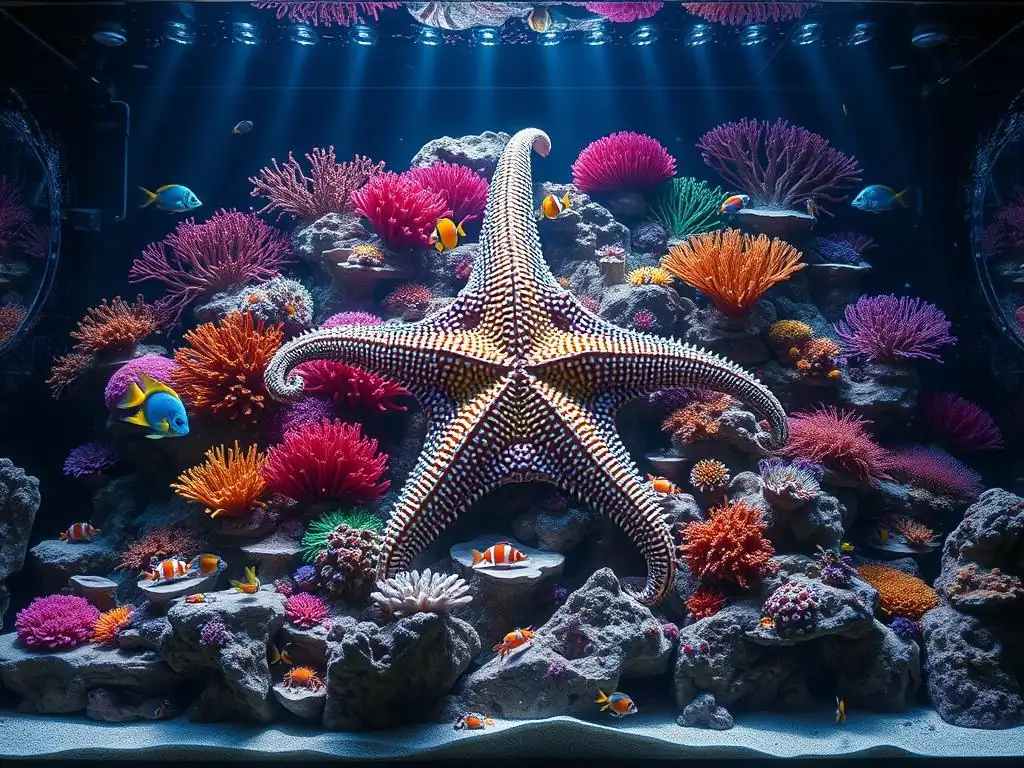
Welcome to Aquarium Mastery!
Ever wondered how to keep your reef tank pristine while adding a touch of enigmatic beauty? Dive into the fascinating world of Brittle and Serpent Stars – those secretive scavengers that quietly work wonders in your reef ecosystem. Discover the secrets to successful Brittle Star reef tank care and unlock a new level of mastery in your aquarium journey. Intrigued? Keep reading to learn how to introduce, care for, and troubleshoot common issues with these amazing invertebrates!
- Introduction to Brittle and Serpent Stars in Reef Aquariums
- Brittle Star vs. Serpent Star: Understanding the Differences
- Brittle Star and Serpent Star Reef Tank Care: Essential Guidelines
- Feeding Brittle Stars and Serpent Stars: Ensuring a Healthy Diet
- Compatible Tank Mates for Brittle Stars and Serpent Stars
- Potential Problems and Solutions with Brittle Stars and Serpent Stars
- Choosing Appropriate Brittle Star and Serpent Star Species for Your Reef
- The Benefits of Brittle Stars and Serpent Stars in a Reef Aquarium Clean-Up Crew
- Conclusion: Mastering Brittle Star and Serpent Star Reef Tank Care
-
Frequently Asked Questions
- What are brittle stars and serpent stars, and why are they important in a reef tank?
- Are brittle stars and serpent stars reef safe?
- What are the key considerations for water parameters when keeping brittle stars in a reef tank?
- What do brittle stars and serpent stars eat in a reef tank, and how often should they be fed?
- What are some common problems aquarists face when keeping brittle stars, and how can they be prevented?
- Final Reflection: Embracing the Reef's Hidden Gems
- Unveil the Secrets of Your Reef Tank!
Introduction to Brittle and Serpent Stars in Reef Aquariums
Brittle stars and serpent stars, both belonging to the class Ophiuroidea within the phylum Echinodermata, are fascinating and often overlooked inhabitants of marine environments. In natural reef ecosystems, these creatures play a crucial role as detritivores, tirelessly sifting through the substrate and rockwork to consume decaying organic matter, uneaten food particles, and even microalgae. Their typically nocturnal habits mean they often remain hidden during the day, emerging under the cover of darkness to carry out their essential clean-up duties, making them the "secretive scavengers" of the reef.
These echinoderms contribute significantly to the biological balance of a reef tank by acting as a natural clean-up crew. By consuming excess organic waste, they help prevent the accumulation of nitrates and phosphates, which can fuel undesirable algae blooms and stress sensitive corals and fish. Their presence in a well-maintained saltwater aquarium mimics their natural function, promoting a cleaner and healthier environment for all inhabitants.
Why Choose Brittle Stars and Serpent Stars for Your Saltwater Aquarium?
Choosing brittle stars and serpent stars for your saltwater aquarium offers numerous practical and aesthetic benefits. As highly efficient scavengers, they significantly reduce the need for manual siphoning of detritus, especially in hard-to-reach areas within the live rock structure. Their hardiness and adaptability to a range of tank conditions, compared to some more delicate invertebrates, make them an excellent choice for both novice and experienced aquarists looking to enhance their clean-up crew.
Beyond their functional role, these stars add an intriguing element to any reef display. While often hidden, glimpses of their slender arms emerging from crevices to search for food can be a captivating sight, especially during evening hours. Their unique forms and varied colorations, from the striking patterns of a Tiger Serpent Star to the subtle hues of a Banded Brittle Star, contribute to the overall biodiversity and visual appeal of a thriving reef tank, making brittle star reef tank care a rewarding endeavor.
Brittle Star vs. Serpent Star: Understanding the Differences
Identifying Key Characteristics: Brittle Star Anatomy
Brittle stars are characterized by their five slender, often spiny arms that are distinctly set off from a flattened, disc-shaped central body. The name "brittle" comes from their remarkable ability to shed one or more arms when stressed or attacked, a defensive mechanism that allows them to escape predators; these arms can regenerate over time. Their locomotion is typically achieved by using the tips of their arms to "walk" or crawl across surfaces.
These stars typically possess a rougher texture on their arms due to prominent spines or granules. For instance, the common Green Brittle Star (Ophiarachna incrassata) can have a central disc diameter of 2-3 inches, with arms extending up to 10-12 inches. They primarily feed by sweeping their arms across the substrate to collect detritus and small food particles, though some larger species may exhibit more predatory tendencies.
Serpent Star Distinctions: A Closer Look
In contrast, serpent stars generally have smoother, less spiny arms that appear to flow directly from the central disc, without the sharp demarcation seen in brittle stars. Their arms are typically more robust and less prone to breakage than those of their brittle counterparts, making them somewhat hardier in active reef environments. This structural difference contributes to their common name, as their movement resembles that of a snake or serpent.
Serpent stars are often more active and visible scavengers, frequently extending their arms from within the rockwork or substrate to explore their surroundings for food. A popular example, the Tiger Serpent Star (Ophiolepis superba), typically has a disc of 1-2 inches with an arm span reaching 8-10 inches. They are highly efficient at reaching into tight spaces, consuming uneaten food, and even small bits of decaying organic matter, making them a valuable addition for brittle star reef tank care.
Which Star is Right for Your Reef Tank?
When deciding between brittle stars and serpent stars for your reef tank, consider their specific characteristics and your aquarium's needs. Serpent stars are generally preferred for their more visible scavenging habits and less predatory nature, making them a safer bet for tanks with very small fish or invertebrates. Their smoother arms and robust build also mean they are less likely to get tangled or damaged in rockwork.
Brittle stars, while equally effective scavengers, may be chosen for their unique spiny appearance or if a more cryptic clean-up crew member is desired. However, larger brittle star species, such as the Green Brittle Star, should be introduced with caution in tanks with very small, slow-moving fish or ornamental shrimp, as they can occasionally predate on them if sufficiently hungry. Both types of stars excel at general brittle star reef tank care, but their subtle differences can influence your selection.
Brittle Star and Serpent Star Reef Tank Care: Essential Guidelines
Water Parameters for Optimal Echinoderm Health
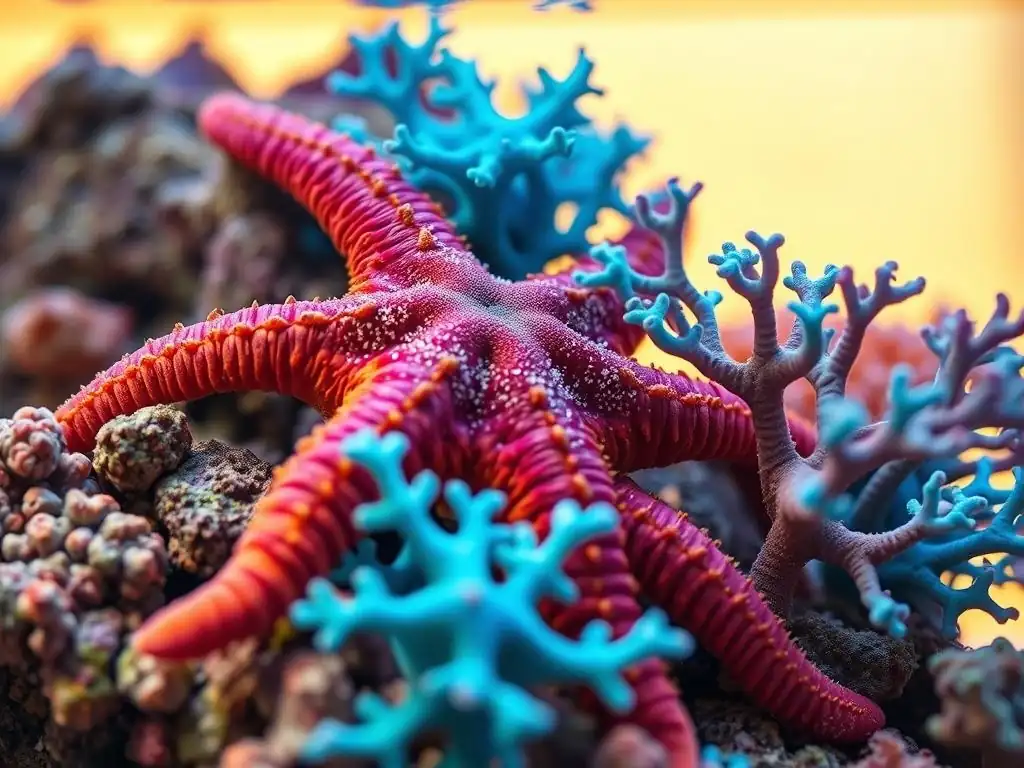
Maintaining stable and appropriate water parameters is paramount for the health and longevity of brittle and serpent stars, as echinoderms are highly sensitive to fluctuations. Ideal salinity levels should be maintained within a specific gravity range of 1.023 to 1.026, consistent with natural reef conditions. Temperature should be kept stable between 72-78°F (22-25.5°C), and pH levels should remain within the slightly alkaline range of 8.1-8.4.
Beyond these primary parameters, it is crucial to keep nitrates and phosphates at very low levels. While stars are detritivores, high concentrations of these nutrients (e.g., nitrates consistently above 20 ppm) can cause stress, leading to lethargy, loss of arms, or even death. Regular testing and proactive management of water quality are foundational to successful brittle star reef tank care.
Maintaining Ideal Salinity, Temperature, and pH Levels
Achieving and sustaining ideal salinity, temperature, and pH requires consistent effort and reliable equipment. Salinity should be measured regularly with a calibrated refractometer, and top-off water should always be pure RODI (Reverse Osmosis Deionized) water to prevent the accumulation of total dissolved solids, which can lead to salinity creep. Temperature stability is best achieved with a high-quality, appropriately sized heater and consistent room temperature.
For pH, regular partial water changes (e.g., 10-20% bi-weekly) using properly mixed saltwater are often sufficient to buffer the system and maintain stability. Sudden shifts in any of these parameters can induce osmotic shock or metabolic stress in stars, weakening their immune systems and making them susceptible to disease. Therefore, slow and steady adjustments are always preferred when addressing any parameter imbalances.
Acclimation Process: Introducing Stars to Your Aquarium
The acclimation process is a critical step for successfully introducing brittle and serpent stars to your aquarium and minimizing stress. Due to their sensitivity to changes in water chemistry, especially salinity and pH, a slow drip acclimation method is highly recommended. This process typically involves slowly adding small amounts of tank water into the bag or container holding the star over an extended period.
A drip acclimation setup should run for at least 60-90 minutes, allowing the star to gradually adjust to the new water parameters. Once acclimated, gently transfer the star to your display tank, preferably without exposing it to air, as this can cause air bubbles to become trapped in their water vascular system, leading to complications. Introducing them during low light conditions or after lights out can further reduce stress during their initial integration.
Feeding Brittle Stars and Serpent Stars: Ensuring a Healthy Diet
Natural Scavenging Behavior in the Reef Tank
Brittle stars and serpent stars are primarily opportunistic scavengers, making them invaluable members of the reef aquarium clean-up crew. In a well-established reef tank, they will actively consume a wide array of organic matter, including uneaten fish food, decaying plant material, detritus that settles on the substrate and rockwork, and even small amounts of nuisance algae. Their long, flexible arms allow them to reach into tight crevices and under rocks, effectively cleaning areas that other scavengers might miss.
This natural scavenging behavior is highly beneficial for the overall health of the aquarium. By consuming excess nutrients and waste, they help to reduce the organic load, which in turn can prevent spikes in nitrates and phosphates. For instance, a single mature serpent star can process several grams of detritus per day, significantly contributing to the tank's cleanliness and nutrient export.
Supplementing with Detritus and Small Food Particles
While their natural scavenging instincts are strong, in very clean or lightly stocked reef tanks, brittle and serpent stars may require supplemental feeding to ensure they receive adequate nutrition. If you notice your stars becoming less active or appearing thin, it's a good indication that their natural food sources are insufficient. Suitable supplementary foods include small pieces of meaty items such as mysis shrimp, brine shrimp, finely chopped silversides, or high-quality sinking pellets.
Feeding should be done sparingly, perhaps once or twice a week, depending on the availability of other food sources. Target feeding using a turkey baster allows you to deliver food directly to their hiding spots or near their extended arms, ensuring the food reaches them and isn't consumed by faster-moving fish. This precise approach is a key aspect of successful brittle star reef tank care, preventing waste and ensuring your stars thrive.
Avoiding Overfeeding: Maintaining Water Quality
Despite their role as scavengers, it is crucial to avoid overfeeding brittle and serpent stars, as this can lead to significant water quality issues. Any uneaten supplementary food will quickly break down, contributing to an increase in nitrates and phosphates, which can fuel undesirable algae growth and stress other sensitive inhabitants like corals. Overfeeding can also lead to an imbalance in the clean-up crew, as the stars may become less reliant on natural detritus, potentially leaving other areas of the tank uncleaned.
Observe your stars' activity and body condition to gauge their nutritional needs. If they appear robust and are actively scavenging, less supplemental feeding is required. A general rule is to feed only what can be consumed within a few minutes. Maintaining a balanced feeding regimen for the entire tank ensures that the stars remain efficient scavengers and that overall water quality is preserved, which is fundamental to long-term brittle star reef tank care.
Compatible Tank Mates for Brittle Stars and Serpent Stars
Selecting Peaceful Fish and Invertebrates
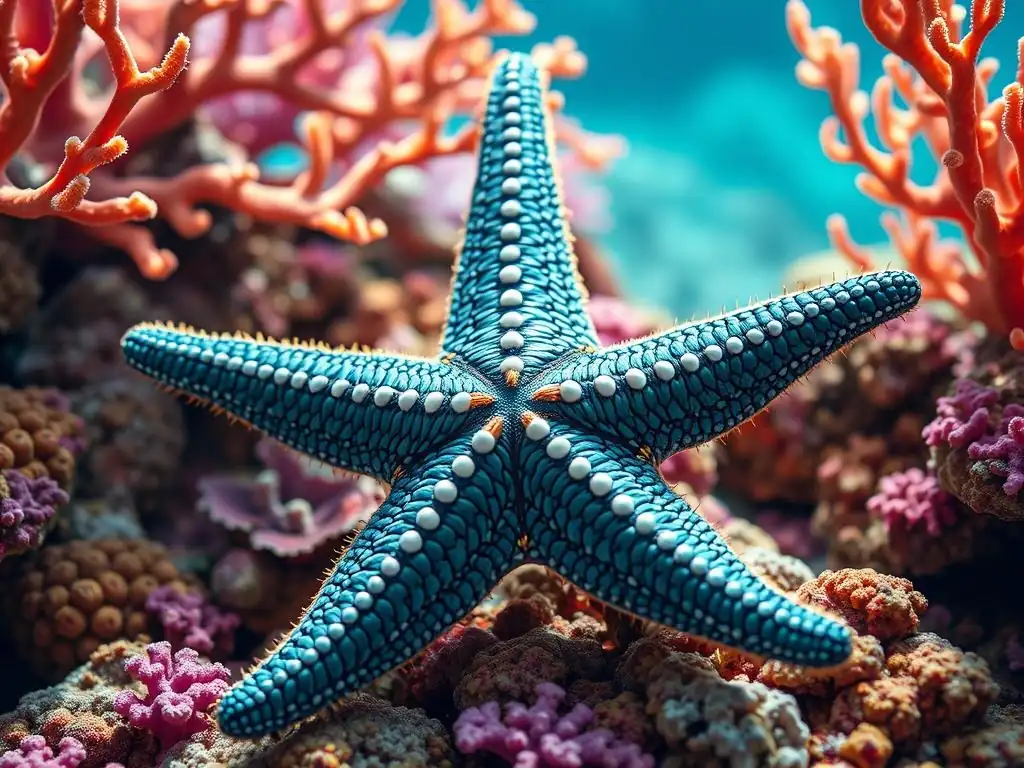
When choosing tank mates for brittle and serpent stars, it is essential to prioritize peaceful and non-aggressive species to ensure the well-being of these delicate echinoderms. Ideal companions include most small to medium-sized reef-safe fish such as clownfish, gobies, blennies, and chromis, which typically ignore the stars. Similarly, most ornamental invertebrates like snails, hermit crabs, and various shrimp species (e.g., cleaner shrimp, peppermint shrimp) coexist peacefully with stars.
Their nocturnal nature and tendency to hide within the rockwork provide a natural defense against potential harassment from more boisterous tank mates during the day. Providing ample live rock with plenty of crevices and hiding spots further enhances their security, allowing them to retreat when necessary. A harmonious selection of tank mates is a cornerstone of effective brittle star reef tank care.
Avoiding Predators: Fish That May Harm Stars
Certain fish species are known to prey on echinoderms, including brittle and serpent stars, and should be avoided in an aquarium housing these invertebrates. Large puffers, triggerfish, some larger wrasses (such as the Lunar Wrasse or Coris Wrasse), and certain angelfish (especially those known to nip at sessile invertebrates) can view star arms as a food source. Even a single predatory fish can quickly decimate a population of stars, leading to their demise.
Before introducing any new fish, thoroughly research its compatibility with your existing clean-up crew. Observing the behavior of potential tank mates in a controlled environment, if possible, can also provide valuable insight. Prioritizing compatibility prevents unnecessary stress and loss, directly contributing to the success of your brittle star reef tank care efforts.
Creating a Harmonious Reef Ecosystem
Establishing a harmonious reef ecosystem with brittle and serpent stars involves more than just selecting compatible tank mates; it requires providing an environment that caters to their natural behaviors and needs. A mature tank with a well-established live rock structure offers abundant hiding spots and a continuous source of detritus for scavenging. This natural environment reduces stress and encourages their beneficial activities.
A diverse clean-up crew, including a variety of snails, hermit crabs, and other micro-fauna alongside brittle and serpent stars, creates a robust and self-sustaining system. Each member contributes uniquely to waste processing, reducing the overall bioload and maintaining pristine water conditions. This synergistic approach ensures a thriving, balanced, and visually appealing reef aquarium, showcasing effective brittle star reef tank care.
Potential Problems and Solutions with Brittle Stars and Serpent Stars
Echinoderm Arm Loss: Causes and Prevention
Echinoderm arm loss is a common issue observed in brittle and serpent stars, often indicating underlying stress or physical trauma. The primary causes include sudden shifts in water parameters (e.g., rapid salinity or temperature changes), poor water quality (elevated nitrates or ammonia), physical injury from aggressive tank mates, or rough handling during acclimation or maintenance. Starvation can also lead to arm loss as the animal attempts to conserve energy.
To prevent arm loss, maintain stable and pristine water parameters through regular testing and consistent water changes. Ensure all tank inhabitants are compatible and do not harass the stars. When handling, always do so gently and avoid exposing them to air if possible. If an arm is lost, the star often regenerates it over time, provided the central disc is intact and environmental conditions improve. Consistent brittle star reef tank care is key to prevention.
Addressing Infections and Diseases
While generally hardy, brittle and serpent stars can occasionally suffer from bacterial infections or "melting" syndromes, which are often direct consequences of prolonged stress or poor water quality. Symptoms may include lesions, discoloration, tissue decay, or a general breakdown of their body structure. Unfortunately, specific medications for echinoderm diseases in a reef setting are rarely available or safe for use in a mixed-reef aquarium.
The most effective "treatment" for these issues is to immediately address the root cause, primarily by improving water quality. This often involves performing several large water changes (e.g., 20-30% daily for a few days) to dilute pollutants and stabilize parameters. Quarantining new additions can also prevent the introduction of pathogens. If a star is severely affected, sometimes removal is necessary to prevent further water fouling and potential spread.
Dealing with Population Imbalances
Some smaller species of brittle stars, particularly the "mini brittle stars" (often members of the Ophiuroids), are prolific breeders in the aquarium and can sometimes lead to population imbalances. While a small population is beneficial, an excessive number can indicate an overabundance of food or detritus, or simply become aesthetically overwhelming. Rapid reproduction is often a sign of a very healthy and stable environment.
If overpopulation becomes an issue, the most direct solution is to reduce the amount of food introduced into the tank, encouraging them to consume more natural detritus. Ensuring other clean-up crew members are also active can help manage the overall detritus load. In extreme cases, manual removal may be necessary. However, for most aquarists, a thriving population of mini brittle stars is a sign of good brittle star reef tank care and a healthy ecosystem.
Choosing Appropriate Brittle Star and Serpent Star Species for Your Reef
Popular Star Varieties for Reef Aquariums
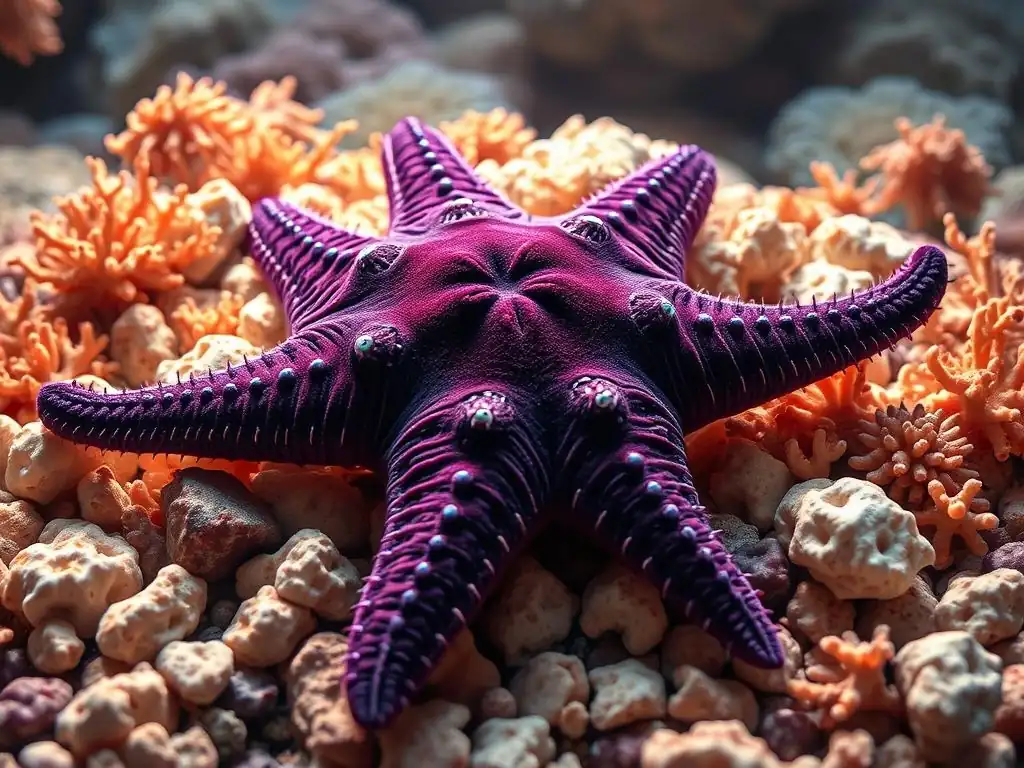
Several species of brittle and serpent stars are commonly available and highly recommended for reef aquariums due to their hardiness, effectiveness as scavengers, and generally peaceful nature. These varieties offer a range of sizes and appearances, allowing aquarists to select stars that best fit their tank's aesthetic and functional needs. Their diverse contributions to the clean-up crew make them popular choices for brittle star reef tank care.
Among the most popular are the Green Brittle Star, various Red Brittle Star species, the striking Tiger Serpent Star, and the more subtly patterned Banded Serpent Star. Additionally, the ubiquitous "mini brittle stars" (often hitchhikers on live rock) are excellent micro-scavengers, though they are rarely sold individually. Each species brings unique characteristics while fulfilling the vital role of detritus removal.
Green Brittle Star (Ophiarachna incrassata): Care and Requirements
The Green Brittle Star (Ophiarachna incrassata) is one of the most visually striking and robust brittle star species available to aquarists. It can grow quite large, with an arm span potentially reaching up to 12 inches, and features a distinctive vibrant green coloration. While an excellent scavenger, it is important to note that this species can be more predatory than other brittle stars, occasionally preying on very small, slow-moving fish or ornamental shrimp, especially if underfed.
Due to its potential size and predatory nature, the Green Brittle Star is best suited for larger reef tanks, typically 50 gallons or more, with established fish populations that are too large to be considered prey. Supplemental feeding of meaty foods, such as mysis shrimp or silversides, is recommended several times a week to satisfy its appetite and reduce the likelihood of it preying on tank inhabitants. This specific brittle star reef tank care requires careful consideration of tank mates.
Tiger Serpent Star (Ophiolepis superba): Care and Requirements
The Tiger Serpent Star (Ophiolepis superba) is a highly desirable and exceptionally peaceful species, renowned for its beautiful striped pattern of brown/orange and white bands along its smoother arms. Generally smaller than the Green Brittle Star, it typically reaches an arm span of 8-10 inches and is less prone to arm breakage. Its non-predatory nature makes it an ideal choice for a wide range of reef aquariums, including those with small fish and shrimp.
This species is an extremely efficient and active scavenger, constantly sifting through the substrate and rockwork for detritus and uneaten food. It is highly hardy and adaptable to typical reef tank parameters, making it an excellent beginner-friendly option. Suitable for tanks 30 gallons and larger, the Tiger Serpent Star thrives with minimal supplemental feeding in a well-stocked tank, making it a stellar example of effective brittle star reef tank care.
The Benefits of Brittle Stars and Serpent Stars in a Reef Aquarium Clean-Up Crew
Natural Detritus Removal and Waste Reduction
Brittle stars and serpent stars are incredibly effective at natural detritus removal, forming a cornerstone of a healthy reef aquarium's clean-up crew. They tirelessly scavenge the substrate, live rock, and even tank glass for uneaten food, fish waste, and decaying organic matter. By consuming these materials, they prevent the accumulation of organic compounds that would otherwise break down into harmful nitrates and phosphates.
This continuous consumption of waste significantly reduces the bioload on the filtration system, helping to maintain stable and pristine water quality. For example, in a moderately stocked 100-gallon reef tank, a healthy population of 3-5 serpent stars can effectively process enough detritus to potentially reduce nitrate levels by 5-10 ppm between weekly water changes, thereby lessening the burden on the aquarist for manual cleaning and nutrient export.
Improving Substrate Health and Oxygenation
The constant movement and burrowing activities of brittle and serpent stars contribute significantly to the health and oxygenation of the aquarium substrate. As they crawl and sift through the sand bed and gravel, they help to aerate the lower layers, preventing the formation of anaerobic pockets. These oxygen-deprived zones can lead to the production of toxic hydrogen sulfide gas, which is harmful to all reef inhabitants.
This natural "stirring" action also aids in the breakdown of trapped detritus within the substrate, making it more accessible for beneficial bacteria to process. A well-oxygenated sand bed supports a thriving community of nitrifying and denitrifying bacteria, further enhancing the tank's natural filtration capacity and overall stability, which is a crucial, often unseen, benefit of proper brittle star reef tank care.
Maintaining a Balanced and Thriving Reef Environment
The integration of brittle stars and serpent stars into a reef aquarium's clean-up crew is fundamental to maintaining a balanced and thriving ecosystem. Their role as efficient detritivores helps to close the nutrient loop, ensuring that excess organic matter is recycled rather than becoming a pollutant. This contributes to a more stable environment where corals can flourish without being inhibited by high nutrient levels or nuisance algae.
By reducing the overall organic load, these stars help to minimize stress on fish and other invertebrates, leading to healthier, more vibrant inhabitants. Their consistent scavenging efforts contribute to the long-term sustainability of the miniature reef, creating a more resilient and self-regulating system that mirrors the efficiency of natural coral reefs. This holistic approach to brittle star reef tank care fosters a truly vibrant and dynamic aquatic display.
Conclusion: Mastering Brittle Star and Serpent Star Reef Tank Care
Ensuring Long-Term Health and Success
Mastering brittle star and serpent star reef tank care hinges on a few fundamental principles: maintaining stable and pristine water parameters, selecting compatible tank mates, and providing a balanced diet. These echinoderms, while robust in many ways, are highly sensitive to sudden changes in salinity, temperature, and pH, emphasizing the need for consistent monitoring and gradual adjustments. Ensuring low levels of nitrates and phosphates is also paramount for their long-term health and the prevention of stress-related issues.
Furthermore, understanding their natural scavenging behaviors and supplementing their diet only when necessary prevents overfeeding, which can lead to water quality degradation. By adhering to these guidelines and providing an environment rich with live rock for hiding and foraging, aquarists can ensure the longevity and vitality of their brittle and serpent stars, allowing them to effectively contribute to the reef ecosystem for years to come.
Contributing to a Vibrant and Sustainable Reef Aquarium
The inclusion of brittle and serpent stars in a reef aquarium goes beyond mere aesthetic appeal; it represents a significant contribution to the overall health and sustainability of the entire system. As tireless detritivores, they play an invaluable role in nutrient cycling, reducing the accumulation of organic waste and supporting a cleaner, more stable environment for corals, fish, and other invertebrates. Their ability to aerate the substrate and reach into inaccessible areas further enhances the tank's natural filtration processes.
By providing optimal brittle star reef tank care, aquarists are not just maintaining individual animals, but are actively cultivating a balanced and resilient miniature reef. These secretive scavengers are essential allies in the ongoing effort to create a vibrant, self-sustaining ecosystem that mimics the intricate beauty and efficiency of natural coral reefs, offering both educational value and immense satisfaction to the dedicated hobbyist.
Frequently Asked Questions
What are brittle stars and serpent stars, and why are they important in a reef tank?
Brittle stars and serpent stars are echinoderms related to starfish. They are beneficial scavengers in reef tanks, consuming detritus and uneaten food, helping to maintain a clean environment.
Are brittle stars and serpent stars reef safe?
Generally, yes. Most brittle and serpent star species are reef safe, meaning they won't harm corals. However, larger species may occasionally prey on small invertebrates if not adequately fed.
What are the key considerations for water parameters when keeping brittle stars in a reef tank?
Maintaining stable water parameters is crucial. Brittle stars are sensitive to fluctuations in salinity, pH, and temperature. Regular testing and proper water changes are essential.
What do brittle stars and serpent stars eat in a reef tank, and how often should they be fed?
They primarily feed on detritus, uneaten food, and small invertebrates. Target feeding with small pieces of meaty food a few times a week can supplement their diet, especially in well-established tanks.
What are some common problems aquarists face when keeping brittle stars, and how can they be prevented?
Common problems include starvation and poor water quality. Providing adequate food and maintaining pristine water conditions are key to prevention. Acclimation is also critical when introducing them to a new tank.
The intricate world of the reef, often perceived through the vibrant colors of corals and fish, holds countless secrets within its shadows. As we've explored the fascinating lives of brittle and serpent stars, and considered their role in the reef tank environment, it becomes clear that understanding the unseen is crucial for a thriving ecosystem. These often-overlooked scavengers are not merely background players; they are vital contributors to the delicate balance of our aquariums, silently working to maintain the health and stability we strive for.
The journey into the world of brittle and serpent stars has profoundly shifted my perspective on reef keeping. It's a reminder that true success lies not just in admiring the spectacular, but also in appreciating the subtle contributions of every creature, no matter how small or secretive. This appreciation extends beyond the aquarium, prompting us to consider the interconnectedness of all life and the importance of preserving biodiversity. In nature, nothing exists alone.
- Rachel Carson. This quote encapsulates the essence of reef keeping, and indeed, life itself.
Now, as you consider adding these fascinating creatures to your reef tank, or perhaps simply reflect on the hidden wonders already present, I encourage you to look beyond the surface. Cultivate a deeper understanding of the intricate web of life within your care. Research, observe, and appreciate the unique roles each organism plays. By embracing the unseen and valuing the contributions of every member of your reef community, you'll not only create a healthier and more vibrant ecosystem, but also foster a profound connection to the natural world.
Unveil the Secrets of Your Reef Tank!
Thank you for diving deep into the fascinating world of brittle and serpent stars! We hope you've gained a new appreciation for these often-overlooked reef inhabitants. Now, it's time to put that knowledge into action.
Here’s how you can further connect with these amazing creatures:
- Critically observe your own reef tank tonight. Use a red light (they can't see it) to spot any nocturnal activity and check for the health of your brittle or serpent stars. Note their behavior; are they thriving, scavenging efficiently, or showing signs of stress?
- Share your newfound knowledge! Engage with fellow reef enthusiasts online or in person. Educate them about the importance of these scavengers and dispel any common misconceptions.
- Explore local aquarium societies or online forums related to reef keeping. Contribute your observations and questions to foster a collaborative learning environment.
What unexpected discovery will you make about your reef's cleanup crew tonight?