
Exquisite Fairy Wrasse (Cirrhilabrus exquisitus): The ColorShifting Chameleon of the Reef Tank

Welcome to Aquarium Mastery!
Ever wondered how to add a splash of vibrant, ever-changing color to your reef tank? Dive in and uncover the secrets to successful fairy wrasse care. These captivating fish are more than just beautiful; they're fascinating additions to any reef environment. But are they right for your tank? Let's explore what it takes to keep these exquisite creatures thriving and unlock the mysteries of the Cirrhilabrus exquisitus!
- Understanding the Allure of the Exquisite Fairy Wrasse for Reef Aquariums
- Exquisite Fairy Wrasse Care in the Reef Tank Environment
- Reef Tank Compatibility: Selecting the Right Tank Mates for Your Fairy Wrasse
- Setting Up the Ideal Reef Tank Habitat for Cirrhilabrus exquisitus
- Identifying and Addressing Common Fairy Wrasse Health Issues in Reef Tanks
- The Exquisite Fairy Wrasse: A Deep Dive into Behavior and Social Dynamics
- Breeding Exquisite Fairy Wrasses in the Home Reef Aquarium: Challenges and Possibilities
- Where to Purchase Healthy Exquisite Fairy Wrasses for Your Reef Tank
- The Future of Exquisite Fairy Wrasse Keeping in Reef Aquariums: Sustainability and Conservation
- Mastering Fairy Wrasse Care: Advanced Techniques for Experienced Reefers
-
Frequently Asked Questions
- What are the key considerations for fairy wrasse care in a reef tank environment?
- How does the Cirrhilabrus exquisitus (Exquisite Fairy Wrasse) adapt to a reef tank environment?
- What specific water parameters are essential for successful fairy wrasse care?
- What type of food should I offer my Exquisite Fairy Wrasse to ensure optimal health in a reef tank setting?
- Are there any common health issues that fairy wrasses are prone to, and how can I prevent them in my reef tank?
- Final Reflection: Embracing the Reef's Delicate Dance
- Unleash Your Reef's True Colors!
Understanding the Allure of the Exquisite Fairy Wrasse for Reef Aquariums
Why Choose an Exquisite Fairy Wrasse? A Reef Keeper's Perspective
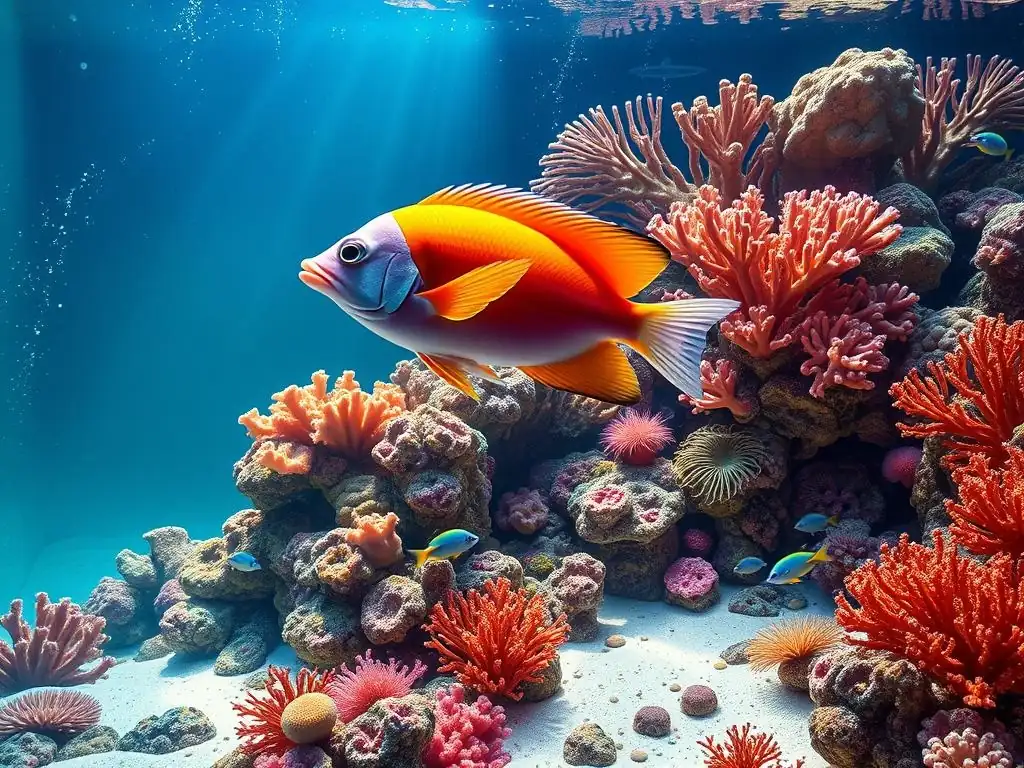
The Exquisite Fairy Wrasse, Cirrhilabrus exquisitus, stands out as a highly coveted species for reef aquariums due to its unparalleled beauty and dynamic presence. Males, in particular, exhibit a breathtaking array of colors, from iridescent blues and greens to vibrant reds and yellows, which can intensify dramatically during display or courtship. Their active yet graceful swimming patterns add constant movement and visual interest to the reef tank, making them a focal point for any aquarist focused on Fairy wrasse care reef tank aesthetics.
Beyond their stunning appearance, Cirrhilabrus exquisitus are generally peaceful inhabitants, making them excellent candidates for mixed reef environments. Unlike some other wrasse species, they are considered reef-safe, meaning they typically won't bother corals, sessile invertebrates, or ornamental crustaceans. Their relatively small adult size, usually reaching about 3.5 to 4 inches (9-10 cm), also makes them suitable for a broader range of tank sizes compared to larger, more aggressive reef fish, simplifying Fairy wrasse care reef tank planning.
Unveiling the Unique Color-Changing Abilities of Cirrhilabrus exquisitus
One of the most captivating traits of the Exquisite Fairy Wrasse is its remarkable ability to "flash" or rapidly intensify its coloration. This behavior is predominantly observed in males, especially during courtship displays, territorial assertions, or moments of excitement. Within seconds, a seemingly subdued fish can transform into a dazzling spectacle of electric blues, fiery reds, and brilliant oranges, showcasing patterns that are often hidden in their resting state. This ephemeral burst of color is a truly unique visual treat for the dedicated Fairy wrasse care reef tank enthusiast.
This color transformation is not merely a superficial change but a complex physiological response. While the exact mechanisms are still being studied, it is believed to involve specialized pigment cells (chromatophores) that expand and contract, coupled with structural colors from light refraction within their scales. Observing these rapid shifts provides a fascinating glimpse into their natural communication and social dynamics, highlighting why this species holds such a special place in advanced Fairy wrasse care reef tank setups.
Exquisite Fairy Wrasse Care in the Reef Tank Environment
Essential Water Parameters for Optimal Fairy Wrasse Health
Maintaining stable and appropriate water parameters is paramount for the health and vibrancy of the Exquisite Fairy Wrasse in a reef tank. Ideal temperature should range between 74-78°F (23-26°C), with salinity maintained consistently at 1.023-1.026 specific gravity. The pH level should remain within the typical reef tank range of 8.1-8.4. Fluctuations in any of these parameters can cause significant stress, leading to compromised immunity and susceptibility to disease, underscoring the importance of diligent Fairy wrasse care reef tank monitoring.
Beyond the basics, parameters crucial for a thriving reef environment also indirectly benefit your wrasse. Alkalinity should be kept between 8-12 dKH, calcium at 400-450 ppm, and magnesium at 1250-1350 ppm. Regular water testing, ideally weekly or bi-weekly, using reliable test kits is indispensable. Consistency in these parameters, achieved through routine water changes and proper supplementation, ensures a robust and stable habitat conducive to long-term Cirrhilabrus exquisitus care.
Diet and Feeding Strategies for Exquisite Fairy Wrasses in Captivity
In their natural habitat, Exquisite Fairy Wrasses are micro-predators, primarily feeding on small benthic and planktonic invertebrates such as copepods and amphipods. To replicate this varied diet in captivity, a diverse feeding regimen is essential. High-quality frozen foods like enriched mysis shrimp, brine shrimp, finely chopped krill, and various marine blends should form the cornerstone of their diet. Supplementing with high-quality marine flakes and small pellets designed for carnivorous marine fish can also provide essential nutrients.
For optimal Fairy wrasse care reef tank nutrition, feed your Cirrhilabrus exquisitus small amounts two to three times daily. This frequency mimics their natural grazing behavior and ensures they receive consistent nourishment without overfeeding the tank. Offering gut-loaded live foods, such as cultured copepods or enriched brine shrimp, periodically can further boost their health, enhance coloration, and stimulate their natural hunting instincts, contributing significantly to their overall well-being.
Acclimation Techniques for Successfully Introducing Your Fairy Wrasse to the Reef
Proper acclimation is a critical step in ensuring the long-term success and survival of your Exquisite Fairy Wrasse. The drip acclimation method is highly recommended, as it slowly equalizes water parameters (temperature, pH, and salinity) between the shipping bag and your aquarium. A typical drip rate of 1-2 drips per second over 45-60 minutes allows the fish to gradually adjust, minimizing osmotic shock and stress, which are common causes of mortality in newly introduced fish.
Furthermore, introducing the wrasse into a dimly lit environment or even a dark tank can significantly reduce initial stress. Many experienced aquarists also advocate for a dedicated quarantine tank (QT) for at least 3-4 weeks. This allows for observation, prophylactic treatment if necessary, and ensures the fish is eating well and free of parasites or diseases before introduction to the main display. This rigorous approach to Fairy wrasse care reef tank entry is a foundational element of responsible husbandry.
Reef Tank Compatibility: Selecting the Right Tank Mates for Your Fairy Wrasse
Ideal Tank Mates for Exquisite Fairy Wrasses: Promoting Harmony in the Reef
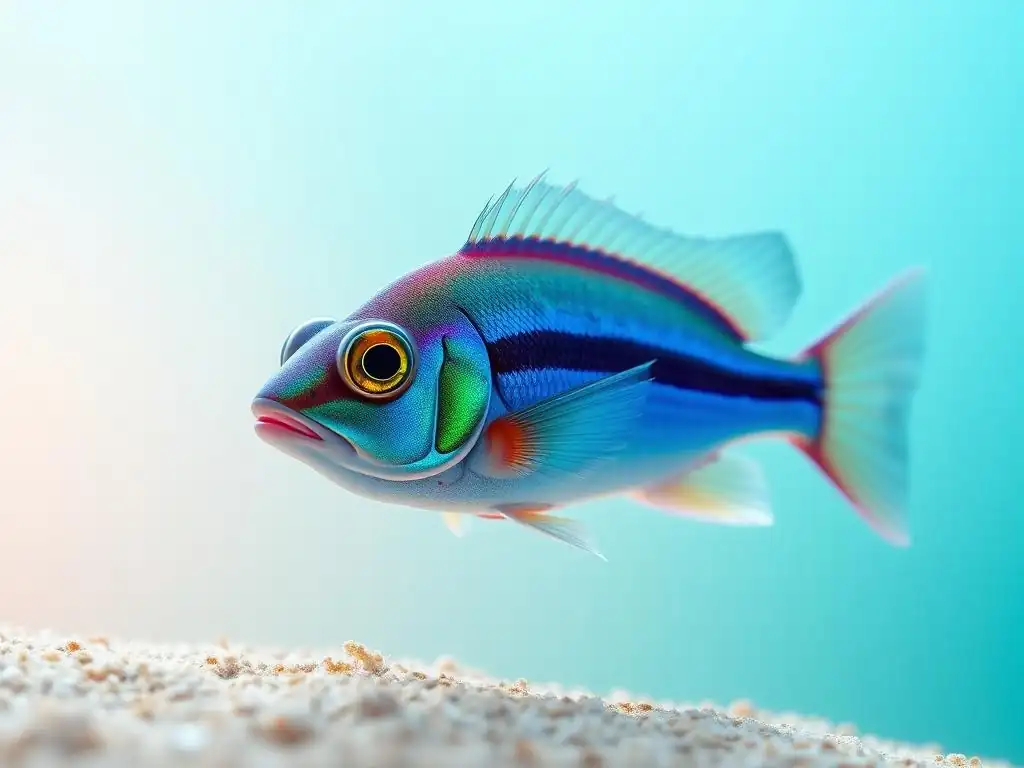
The Exquisite Fairy Wrasse is renowned for its generally peaceful temperament, making it an excellent candidate for a community reef tank. Ideal tank mates include other docile species that won't outcompete them for food or territory. Good choices often include smaller gobies, blennies, cardinalfish, clownfish, and certain species of anthias. Other peaceful wrasses, such as flasher wrasses ( Paracheilinus species) or other non-aggressive fairy wrasses, can also coexist, provided the tank is sufficiently large (e.g., 75 gallons or more) to minimize potential male-on-male aggression.
Crucially, Cirrhilabrus exquisitus are considered "reef-safe," meaning they pose little to no threat to corals, anemones, or ornamental invertebrates like shrimp, crabs, and snails. This makes them a perfect addition to a vibrant mixed reef. When planning your Fairy wrasse care reef tank community, prioritize species with similar temperament and dietary needs to foster a harmonious and thriving ecosystem.
Fish to Avoid: Preventing Aggression and Stress in Your Fairy Wrasse
While generally peaceful, the Exquisite Fairy Wrasse can become stressed or injured if housed with overly aggressive or predatory tank mates. Avoid large, boisterous fish such as aggressive tangs (especially if the tank is too small), triggerfish, lionfish, large groupers, and some species of damselfish that can be highly territorial. These fish can intimidate or even prey upon the smaller, more delicate wrasse, leading to chronic stress, refusal to eat, and ultimately, disease.
Additionally, exercise caution when attempting to house multiple male Cirrhilabrus exquisitus in tanks under 75 gallons (approx. 280 liters), as territorial disputes, particularly during breeding displays, can arise. Similarly, avoid mixing Cirrhilabrus exquisitus with other Cirrhilabrus species that have very similar coloration or body shapes in smaller tanks, as this can lead to mistaken identity and inter-species aggression. Thoughtful selection of tank mates is a cornerstone of successful Fairy wrasse care reef tank management.
Setting Up the Ideal Reef Tank Habitat for Cirrhilabrus exquisitus
Tank Size Recommendations for Exquisite Fairy Wrasses
For a single Exquisite Fairy Wrasse, a minimum tank size of 30 gallons (approximately 115 liters) is generally recommended. While they are relatively small, reaching an adult size of about 3.5 to 4 inches (9-10 cm), they are active swimmers and appreciate ample horizontal swimming space. A larger tank provides more stable water parameters and reduces the likelihood of territorial disputes with other inhabitants, making Fairy wrasse care reef tank environments more forgiving.
If you plan to house multiple females or a small harem (one male with several females), a tank of 75 gallons (approximately 280 liters) or larger is highly advisable. This increased volume allows for the establishment of individual territories, disperses potential aggression, and provides sufficient space for their natural schooling and display behaviors. Adequate tank size is a foundational element for the long-term well-being of Cirrhilabrus exquisitus.
Creating a Reef-Safe Environment: Substrate, Rockwork, and Flow
The substrate is a crucial component of a Cirrhilabrus exquisitus habitat. A fine sand bed, at least 2-3 inches (5-7.5 cm) deep, is essential. Exquisite Fairy Wrasses are known to bury themselves in the sand at night or when startled, providing them with a secure hiding place from potential threats and a comfortable spot to rest. A coarse substrate can injure their delicate bodies during this burrowing behavior.
Live rock aquascaping should provide ample caves, crevices, and overhangs, offering numerous hiding spots and visual breaks. This complex rockwork helps to reduce stress, provides territories, and allows the wrasse to feel secure. Moderate to strong water flow is preferred, mimicking their natural reef environment, but ensuring there are also calmer areas where the fish can rest. Proper flow also aids in oxygenation and detritus removal, key elements of effective Fairy wrasse care reef tank maintenance.
Essential Equipment for Maintaining a Thriving Fairy Wrasse Habitat
To ensure a thriving habitat for your Exquisite Fairy Wrasse, several pieces of essential equipment are necessary. A robust protein skimmer is vital for maintaining low nutrient levels by efficiently removing organic waste before it breaks down. Coupled with ample live rock in the display and potentially a sump or refugium, this provides excellent biological filtration, crucial for stable water quality.
Lighting appropriate for a reef tank, whether LEDs, T5 fluorescents, or metal halides, will generally be suitable for the wrasse, as its primary purpose is coral health. Reliable heaters are indispensable for maintaining a stable temperature, preventing harmful fluctuations. Finally, an Auto Top-Off (ATO) system is highly recommended to consistently replenish evaporated water, thereby maintaining stable salinity, which is critical for sensitive marine fish in Fairy wrasse care reef tank setups.
Identifying and Addressing Common Fairy Wrasse Health Issues in Reef Tanks
Recognizing Signs of Stress or Disease in Your Exquisite Fairy Wrasse
Vigilant observation is key to identifying health issues early in your Exquisite Fairy Wrasse. Signs of stress or disease can include a noticeable fading or dulling of their vibrant colors, clamped fins held close to the body, rapid breathing (increased gilling), or scratching against rocks or substrate (known as "flashing"). A sudden refusal to eat, excessive hiding, or unusual swimming patterns (e.g., erratic movements, listlessness) are also strong indicators that something is amiss.
More specific signs of common ailments include the appearance of small white spots resembling grains of salt on the body and fins (Ich, or marine white spot disease), a dusty, gold-like sheen (velvet), or ragged, deteriorating fins. Early detection of these symptoms is crucial for effective treatment and increases the chances of a successful recovery, making it a vital aspect of comprehensive Fairy wrasse care reef tank management.
Treating Common Ailments: A Practical Guide for Reef Aquarists
When a health issue is identified, prompt action in a dedicated quarantine tank (QT) is often the most effective approach. For parasitic infections like Ich or velvet, copper-based medications (e.g., Cupramine) or hypo-salinity (reducing specific gravity to 1.008-1.010 for fish-only systems) can be effective. Always follow the manufacturer's instructions precisely, as incorrect dosing can be fatal. Bacterial infections, often manifesting as fin rot or body lesions, may require broad-spectrum antibiotics (e.g., Furan-2, Maracyn 2) administered in the QT.
For suspected internal parasites, which might present as emaciation despite eating or stringy white feces, medicated foods containing anthelmintics like Metronidazole or Praziquantel can be used. It is paramount to correctly diagnose the ailment before initiating any treatment to ensure the right medication is used and to avoid unnecessary stress or harm to your wrasse. This careful, targeted approach to Fairy wrasse care reef tank health is essential.
Preventative Measures for Maintaining a Healthy Fairy Wrasse Population
Prevention is always superior to treatment in aquarium keeping. Implementing strict quarantine procedures for all new arrivals, whether fish or corals, is the single most effective preventative measure against disease introduction. A minimum 3-4 week quarantine period allows for observation and treatment away from your main display tank. Maintaining pristine water quality through regular water changes (e.g., 10-20% weekly or bi-weekly) and efficient filtration is also fundamental.
Providing a varied and nutritious diet, as discussed previously, strengthens the wrasse's immune system. Minimizing stress by selecting compatible tank mates, offering ample hiding spots, and ensuring stable water parameters further contributes to their resilience. Consistent monitoring of your Cirrhilabrus exquisitus and proactive Fairy wrasse care reef tank practices will significantly reduce the likelihood of disease outbreaks and ensure a thriving population.
Understanding the Natural Behavior of Cirrhilabrus exquisitus in the Wild
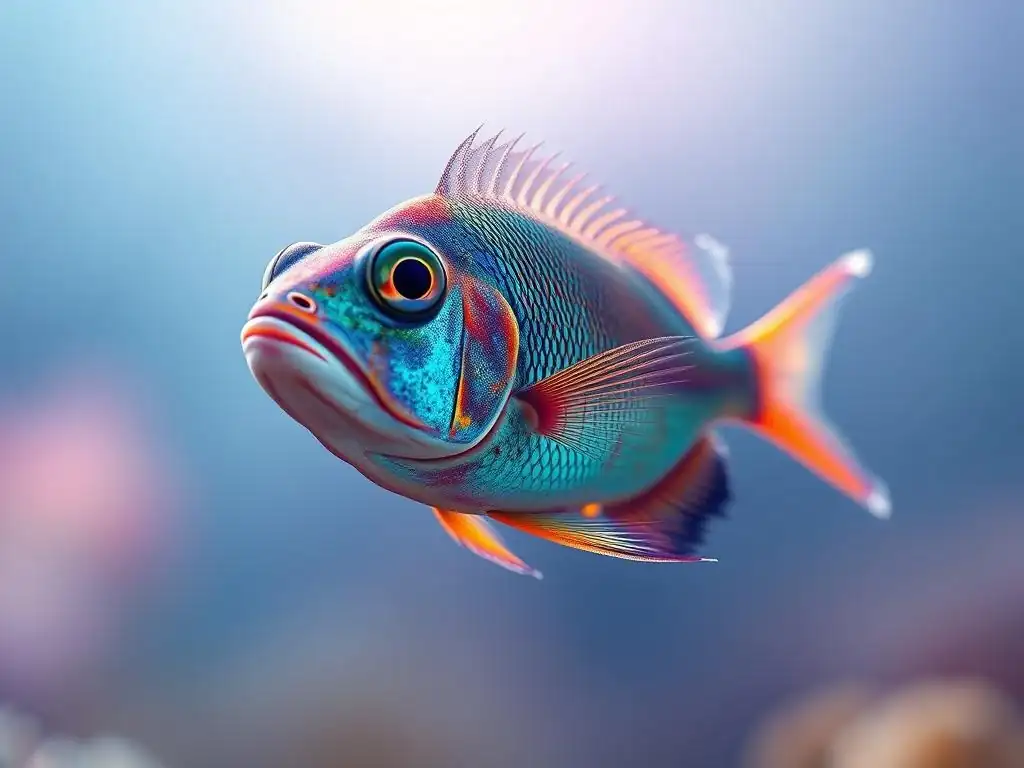
In their native Indo-Pacific range, Exquisite Fairy Wrasses are typically found on outer reef slopes and rubble zones, inhabiting depths from approximately 15 to 130 feet (5-40 meters). They are diurnal, meaning they are active during the day, constantly foraging for small invertebrates and zooplankton among the corals and rocks. Their natural habitat provides ample hiding spots within the reef structure, which they utilize for security and rest.
In the wild, Cirrhilabrus exquisitus often live in small groups, with a single dominant male overseeing a harem of females. The males exhibit elaborate "flashing" displays, intensifying their colors to attract females or assert dominance over rival males. Observing these natural behaviors provides valuable insight into their needs in captivity, informing Fairy wrasse care reef tank setups to mimic their environment as closely as possible.
Observing the mating rituals of Exquisite Fairy Wrasses in a well-established reef tank can be a fascinating experience. Males will intensify their colors dramatically, performing intricate swimming patterns and "flashing" to attract females. This display often involves rapid vertical movements and fin extensions. Spawning typically occurs at dusk, with the male and female making a rapid ascent into the water column to release eggs and sperm simultaneously.
Within a harem setting, a clear social hierarchy will usually be established, with the dominant male maintaining control. While females might initially squabble for position, they generally settle into a peaceful coexistence. Understanding and respecting these social dynamics is crucial for successful Fairy wrasse care reef tank keeping, especially when housing multiple specimens. Providing sufficient space and visual barriers can help mitigate potential disputes.
Managing Aggression and Establishing a Peaceful Hierarchy
While generally peaceful, some aggression can occur, particularly if multiple males are housed together in an undersized tank or when introducing new wrasses. To minimize aggression, it is often best to introduce all wrasses simultaneously, or add the smallest or least aggressive specimens last. Providing a highly aquascaped environment with numerous caves and visual breaks in the rockwork can help diffuse aggression by allowing fish to establish territories and retreat from confrontations.
If persistent aggression is observed, particularly from a dominant male towards a weaker individual, temporary removal of the aggressor to a separate holding tank for a few days can sometimes "reset" the hierarchy upon reintroduction. Ensuring adequate swimming space and diverse hiding spots is paramount. For optimal Fairy wrasse care reef tank harmony, carefully research and plan your stocking list to avoid species known for territorial disputes or overly boisterous behavior.
Breeding Exquisite Fairy Wrasses in the Home Reef Aquarium: Challenges and Possibilities
Creating a Suitable Breeding Environment for Fairy Wrasses
Breeding Exquisite Fairy Wrasses in a home reef aquarium is an advanced endeavor, but not impossible. A large, mature reef tank, ideally 100 gallons (approximately 380 liters) or more, with extremely stable water parameters and a healthy population of microfauna, provides the best foundation. While a deep sand bed is essential for their general well-being, it is not directly critical for the spawning process itself, as eggs are pelagic.
The presence of a healthy male and several females is necessary to encourage spawning. A peaceful environment with minimal disturbances, coupled with a high-quality, varied diet, including live foods, can condition the fish for breeding. Maintaining optimal water quality and nutrient levels is crucial, as is providing a natural photoperiod, which can help trigger spawning behaviors. This specialized aspect of Fairy wrasse care reef tank requires dedication.
Identifying Breeding Behaviors and Caring for Larvae
As mentioned, breeding behaviors in Cirrhilabrus exquisitus involve the male's intense "flashing" displays and courtship chases, typically culminating in a rapid, synchronized ascent into the water column at dusk where eggs and sperm are released. The eggs are pelagic, meaning they float freely in the water column and will hatch within 24-48 hours, depending on temperature.
Caring for the resulting larvae is the most challenging aspect of captive breeding. Fairy wrasse larvae are incredibly tiny, often less than 2mm upon hatching, and require a diet of microscopic live feeds such as rotifers and copepod nauplii. Maintaining pristine water quality in a separate larval rearing tank, along with precise control over temperature and salinity, is critical for their survival. The high mortality rates during the larval stage make this a significant hurdle in Fairy wrasse care reef tank breeding.
The Challenges and Rewards of Captive Fairy Wrasse Breeding
The challenges of breeding Exquisite Fairy Wrasses in captivity are substantial. Obtaining viable, compatible pairs, successfully inducing spawning, and then navigating the highly demanding larval rearing phase are considerable hurdles. The minute size of the larvae, their specific dietary requirements, and their delicate nature contribute to typically very high mortality rates, making successful rearing a rare achievement.
Despite these difficulties, the rewards are immense. Successfully breeding Cirrhilabrus exquisitus contributes significantly to the understanding of their reproductive biology and can reduce reliance on wild-caught specimens, thereby aiding conservation efforts. For the dedicated aquarist, the satisfaction of raising these delicate marine fish from egg to juvenile is a pinnacle achievement in Fairy wrasse care reef tank mastery.
Where to Purchase Healthy Exquisite Fairy Wrasses for Your Reef Tank
Selecting Reputable Suppliers and Ensuring Fish Health
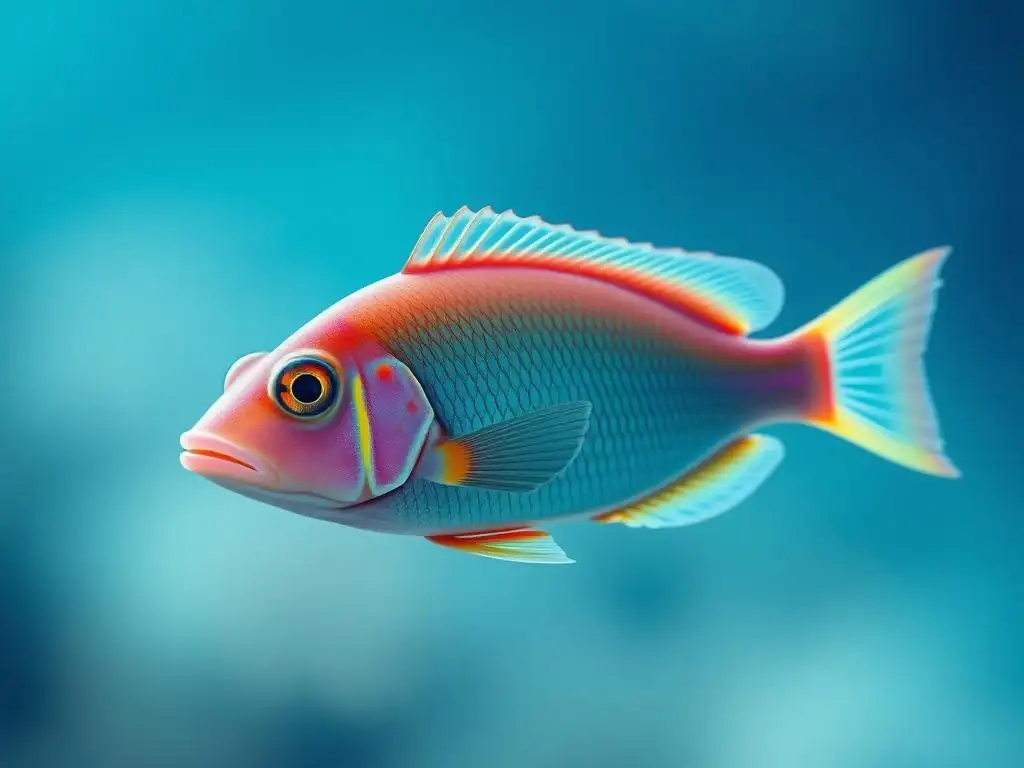
When acquiring an Exquisite Fairy Wrasse, selecting a reputable supplier is paramount for ensuring you receive a healthy, robust specimen. Look for online vendors or local fish stores with a strong track record for ethical sourcing, transparent practices (e.g., indicating whether fish are aquacultured or sustainably wild-caught), and positive customer reviews. Inquire about their holding conditions, quarantine procedures, and how long the fish has been in their care.
Before purchasing, carefully inspect the fish. A healthy Cirrhilabrus exquisitus should exhibit vibrant, clear coloration (though they may be somewhat subdued by stress from shipping), have clear eyes, intact fins, and be actively swimming. Avoid fish that appear listless, have clamped fins, visible spots, lesions, or any signs of physical damage. A thorough visual inspection is the first step in ensuring successful Fairy wrasse care reef tank integration.
Quarantine Procedures for New Arrivals
A non-negotiable step for any new marine fish, including the Exquisite Fairy Wrasse, is a dedicated quarantine tank (QT). This separate tank, typically 10-20 gallons (approx. 38-75 liters) for a single wrasse, should be set up with basic filtration, a heater, and PVC pipes or other simple hiding spots. House your new wrasse in the QT for at least 3-4 weeks. During this period, observe for any signs of disease or stress, and ensure the fish is eating well.
Prophylactic treatment for common parasites (e.g., freshwater dips, or low-dose copper if you are experienced and comfortable with its use) can be considered, though careful observation and treating only if symptoms appear is often preferred to minimize stress. This critical quarantine period prevents the introduction of diseases into your established main display tank, safeguarding your entire reef ecosystem and ensuring the long-term success of your Fairy wrasse care reef tank.
Understanding Pricing and Availability of Cirrhilabrus exquisitus
The pricing of Exquisite Fairy Wrasses can vary significantly based on factors such as their size, the intensity of their coloration, and the specific collection location, with some rare variants commanding higher prices. Generally, a healthy Cirrhilabrus exquisitus specimen might range from $50 to $150 USD, though exceptional or larger individuals could be priced higher. It's advisable to check with several reputable suppliers to get a sense of current market rates.
Availability of Cirrhilabrus exquisitus tends to be relatively consistent within the marine aquarium trade, as they are a popular and generally common species from their natural range. However, supply can fluctuate depending on seasonal collection, weather conditions impacting shipping, or international trade regulations. Patience and checking with multiple vendors can help ensure you find a high-quality specimen for your Fairy wrasse care reef tank.
The Future of Exquisite Fairy Wrasse Keeping in Reef Aquariums: Sustainability and Conservation
Responsible Sourcing and the Importance of Sustainable Practices
The long-term availability and ethical implications of keeping marine fish like the Exquisite Fairy Wrasse are increasingly important considerations for hobbyists. Prioritizing sustainably collected or aquacultured specimens whenever possible is a crucial step towards responsible sourcing. Supporting suppliers who engage in or advocate for responsible fishing practices, such as hand-net collection over more destructive methods like cyanide fishing, directly contributes to healthier wild reef ecosystems.
Understanding the origin of your fish empowers you to make informed decisions that benefit both the individual animal and the broader marine environment. As hobbyists, our collective choices have a significant impact on the demand for sustainably sourced fish and the future health of natural reef habitats. Embracing these practices is a core component of advanced Fairy wrasse care reef tank stewardship.
Contributing to the Conservation of Reef Ecosystems
Beyond responsible sourcing, individual reef aquarists can contribute to the broader conservation of reef ecosystems. Supporting organizations dedicated to marine conservation, reef restoration, and scientific research helps fund vital efforts to protect these delicate environments. Educating fellow hobbyists on best practices for ethical fish acquisition and responsible aquarium husbandry also spreads awareness and encourages sustainable choices.
Minimizing your personal environmental footprint, such as through responsible disposal of aquarium waste and never releasing non-native species into local waterways, are simple yet impactful actions. By actively participating in conservation efforts and promoting sustainable practices, the Fairy wrasse care reef tank community plays a vital role in preserving the natural beauty and biodiversity of the world's coral reefs, ensuring species like the Exquisite Fairy Wrasse continue to thrive for generations to come.
Mastering Fairy Wrasse Care: Advanced Techniques for Experienced Reefers
Optimizing Water Chemistry for Enhanced Coloration
For experienced reefers aiming to maximize the already stunning coloration of their Exquisite Fairy Wrasse, optimizing water chemistry beyond basic stability is key. Maintaining ultra-low nutrient levels is crucial; target nitrate levels typically below 5 ppm and phosphate levels below 0.03 ppm. This can be achieved through robust protein skimming, regular water changes, effective biological filtration, and potentially the use of media like granular ferric oxide (GFO) or biopellets.
Furthermore, while directly benefiting corals, stable alkalinity (e.g., 8-9 dKH), calcium (420-440 ppm), and magnesium (1300-1350 ppm) also contribute to the overall health and vitality of your wrasse. A thriving coral environment reduces stress on the fish, and consistent, optimal parameters help support their physiological processes, leading to more vibrant and consistent coloration. This meticulous attention to detail is a hallmark of advanced Fairy wrasse care reef tank management.
Advanced Feeding Strategies for Maximum Growth and Health
To promote maximum growth, enhance health, and further intensify the legendary coloration of your Exquisite Fairy Wrasse, consider advanced feeding strategies. Incorporate vitamin supplements, such as Selcon or other marine vitamin concentrates, by soaking frozen foods for 10-15 minutes before feeding. This boosts the nutritional content of their diet significantly.
Additionally, offering live foods occasionally, such as cultured copepods, enriched brine shrimp, or even live blackworms, can stimulate their natural hunting instincts and provide superior, highly bioavailable nutrition. Consider a regimen of small, frequent meals throughout the day (e.g., 3-4 times daily) rather than one or two large feedings. This mimics their natural grazing behavior on the reef, ensuring a consistent intake of nutrients that supports robust growth and truly showcases the exquisite beauty of Cirrhilabrus exquisitus in your Fairy wrasse care reef tank.
Addressing Internal Parasites
Internal parasites can be a insidious threat to the health of your Exquisite Fairy Wrasse, often presenting with subtle symptoms. Watch for signs such as emaciation despite a good appetite, stringy white feces, lethargy, or a gradual loss of color and vibrancy. Diagnosis can be challenging without a microscope, but consistent observation of these combined symptoms strongly suggests an internal parasitic infection.
Treatment typically involves the use of medicated foods containing anthelmintics like Metronidazole or Praziquantel. It is crucial to administer these medications in a dedicated quarantine tank (QT) to ensure the wrasse consumes the medicated food directly and to prevent the medication from negatively affecting corals or beneficial invertebrates in your main display. This proactive and targeted approach to medication is vital for comprehensive Fairy wrasse care reef tank health management and the long-term well-being of your fish.
Frequently Asked Questions
What are the key considerations for fairy wrasse care in a reef tank environment?
The most important aspects are providing a stable and mature reef tank with plenty of live rock for hiding and foraging. Maintaining excellent water quality and offering a varied diet are also crucial for their well-being.
How does the Cirrhilabrus exquisitus (Exquisite Fairy Wrasse) adapt to a reef tank environment?
This species thrives in a well-established reef tank with peaceful tank mates. Their ability to change color based on mood and environment helps them acclimate to the surroundings.
What specific water parameters are essential for successful fairy wrasse care?
Maintaining stable parameters is vital. Ideal conditions include a temperature of 72-78°F, a salinity of 1.024-1.026, and a pH of 8.1-8.4. Regular water changes are also important.
What type of food should I offer my Exquisite Fairy Wrasse to ensure optimal health in a reef tank setting?
A varied diet is key. Offer a mix of high-quality frozen foods, such as mysis shrimp and brine shrimp, as well as small pellets and flakes designed for marine fish.
Are there any common health issues that fairy wrasses are prone to, and how can I prevent them in my reef tank?
They can be susceptible to ich and other parasitic infections. Quarantine new fish and maintain excellent water quality to prevent outbreaks. Proper acclimation is also crucial.
Final Reflection: Embracing the Reef's Delicate Dance
The vibrant world of the reef aquarium, as we've explored through the lens of the Exquisite Fairy Wrasse, is a microcosm of the larger, more fragile ecosystems that surround us. Understanding the nuances of responsible reef keeping is not just about maintaining a beautiful display; it's about fostering a deeper appreciation for the interconnectedness of life and the impact our choices have on the natural world.
The allure of the Exquisite Fairy Wrasse, with its captivating color shifts and graceful movements, serves as a constant reminder of the beauty and complexity we strive to preserve. My own journey into reef keeping has been profoundly shaped by these delicate creatures, teaching me patience, observation, and the importance of meticulous care. In the end, we will conserve only what we love; we will love only what we understand; and we will understand only what we are taught.
- Baba Dioum. This quote resonates deeply, highlighting the crucial role education plays in fostering a culture of conservation.
As you consider adding an Exquisite Fairy Wrasse to your reef tank, or simply reflect on the wonders of the ocean, remember the lessons learned here. Let the vibrant colors and delicate dance of this remarkable fish inspire you to become a more informed and responsible steward of our planet's precious resources. The future of our reefs, and the exquisite creatures that call them home, depends on our collective commitment to understanding and preserving their delicate balance.
Unleash Your Reef's True Colors!
Thank you for diving into the fascinating world of the Exquisite Fairy Wrasse! We hope you’ve enjoyed learning about this vibrant and captivating fish. Now, let's take your aquarium hobby to the next level.
Here are a few things you can do right now:
- Dive deeper: Research compatible tank mates for your Exquisite Fairy Wrasse: and start planning your dream reef community.
- Share the beauty: Spread the word and share this article with fellow reef-keeping enthusiasts. Let them discover the magic of these color-shifting wonders!
- Explore the spectrum: Investigate different lighting options to enhance the vibrant colors of your wrasse and create a truly stunning visual display in your aquarium.
What fascinating color change have you witnessed in your own reef tank inhabitants? Share your experiences in the comments!