
LongTerm Dwarf Cichlid Care: Secrets to a Thriving, Colorful Life

Welcome to Aquarium Mastery!
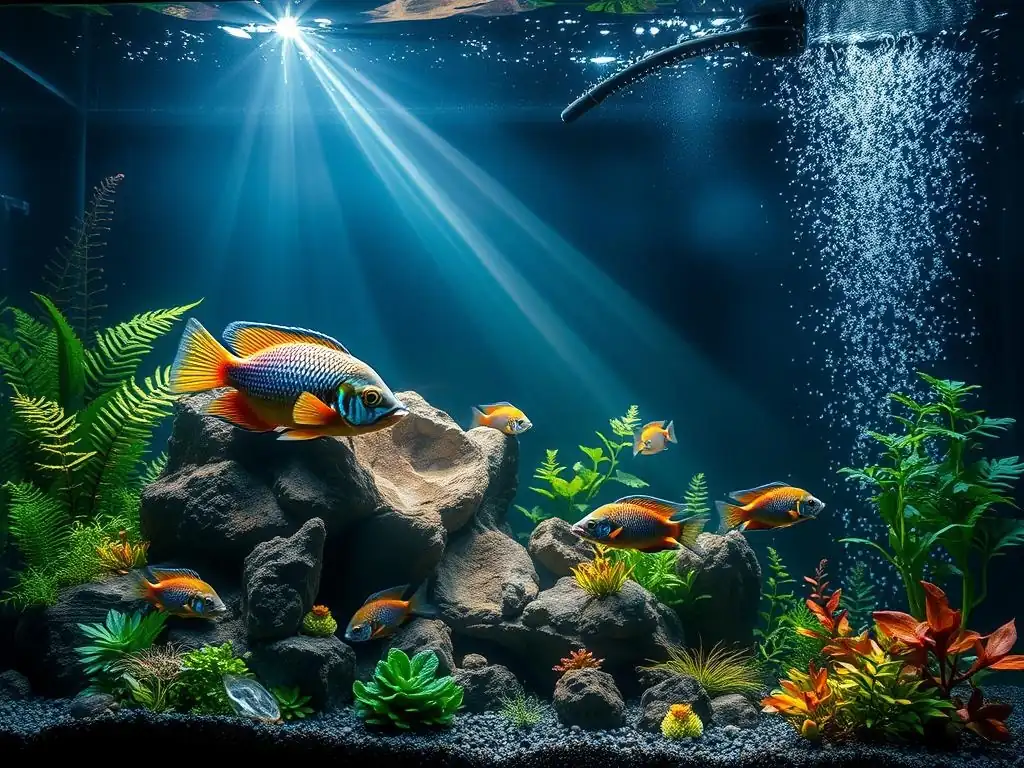
Ever wondered how to unlock the secrets to a truly thriving and colorful life for your Dwarf Cichlids? We're diving deep into Dwarf Cichlid long term care in this article, revealing the essential techniques and insider tips you need to know. Ready to transform your aquarium into a vibrant ecosystem where your cichlids flourish for years to come? Let's explore!
- Long-Term Apistogramma Care: Secrets to a Thriving, Colorful Life
- Understanding the Fundamentals of Apistogramma Long-Term Care
- Creating the Ideal Habitat for Apistogramma: A Long-Term Strategy
- Water Parameters: Maintaining Pristine Conditions for Apistogramma
- Apistogramma Nutrition: Feeding for Health and Longevity
- Preventing and Treating Diseases in Apistogramma: Long-Term Health Management
- Choosing Compatible Tank Mates for Apistogramma in the Long Run
- Breeding Apistogramma: A Natural Part of Long-Term Care (Optional)
- Long-Term Observation and Adjustment: Fine-Tuning Your Apistogramma Care
- Troubleshooting Common Long-Term Apistogramma Care Issues
- The Rewards of Providing Excellent Long-Term Apistogramma Care
-
Frequently Asked Questions
- How long do dwarf cichlids typically live in an aquarium?
- What are the most important water parameters for long-term dwarf cichlid health?
- What type of diet is best for ensuring the long-term health and vibrant colors of dwarf cichlids?
- What are some common health problems that can affect dwarf cichlids, and how can I prevent them long-term?
- How can I create an ideal aquarium environment to maximize the lifespan and well-being of my dwarf cichlids?
- Final Reflection: Cultivating Enduring Beauty
- Nurture Your Cichlids: Unlock Their Full Potential!
Long-Term Apistogramma Care: Secrets to a Thriving, Colorful Life
Understanding the Fundamentals of Apistogramma Long-Term Care
Why Long-Term Care Matters for Apistogramma
Providing diligent long-term care for Apistogramma species is paramount for ensuring these captivating dwarf cichlids not only survive but truly thrive and display their full potential. Without consistent, high-quality care, the typical lifespan of an Apistogramma, which can range from 2 to 5 years under optimal conditions, is often drastically reduced. For instance, many aquarists report their Apistogramma succumbing to stress or disease within a year if water parameters are unstable or diet is inadequate. This premature mortality underscores the direct correlation between meticulous dwarf cichlid long term care and the longevity of these delicate fish.
Beyond mere survival, effective long-term care profoundly impacts the vibrancy and natural behaviors of Apistogramma. A well-cared-for Apistogramma will exhibit brilliant, true-to-species coloration, active foraging, and natural social interactions, including fascinating breeding displays. Conversely, Apistogramma subjected to poor conditions often display faded colors, clamped fins, listlessness, and a general lack of vigor, making them appear dull and withdrawn. The goal of dwarf cichlid long term care is not just to keep them alive, but to cultivate an environment where they can flourish, exhibiting the full spectrum of their inherent beauty and intricate behaviors for years.
Key Considerations for a Healthy Apistogramma Lifespan
Achieving a healthy and extended lifespan for Apistogramma hinges on several critical environmental and husbandry factors. Foremost among these is the maintenance of stable and appropriate water parameters. Apistogramma species generally prefer soft, acidic water, with a pH typically ranging from 5.5 to 7.0 and general hardness (GH) between 2 and 10 dGH. Temperature stability is equally vital, ideally maintained between 75-82°F (24-28°C). Fluctuations outside these ranges, even minor ones over time, can cause chronic stress, weakening their immune systems and shortening their lifespan significantly. Consistent dwarf cichlid long term care means vigilant monitoring and adjustment of these parameters.
Furthermore, stress reduction and disease prevention are cornerstones of successful Apistogramma long-term care. This involves providing ample hiding spots, selecting compatible tank mates to minimize aggression, and offering a varied, high-quality diet. Chronic stress, often induced by overcrowding, aggressive tank mates, or poor water quality, is a leading cause of premature death in Apistogramma, making them highly susceptible to common parasitic and bacterial infections. Proactive measures, such as quarantining new fish and maintaining impeccable tank hygiene, are indispensable for preventing outbreaks and ensuring the robust health required for a lengthy and thriving life.
Creating the Ideal Habitat for Apistogramma: A Long-Term Strategy
Tank Size and Setup for Apistogramma Longevity
The appropriate tank size is a fundamental aspect of providing effective dwarf cichlid long term care for Apistogramma, directly influencing their stress levels, growth, and overall health. While a single pair or a trio (one male, two females) of Apistogramma can often be housed in a 10-gallon (approximately 38 liters) aquarium, a minimum of 20 gallons (approximately 76 liters) is strongly recommended for a pair, and larger tanks like 30 gallons (approximately 114 liters) or more are ideal for multiple pairs or a community setup.
For instance, an Apistogramma cacatuoides pair might tolerate a 10-gallon, but a 20-gallon long tank provides significantly more territory, reducing aggression and promoting natural behaviors, which are crucial for long-term well-being.
Larger tanks offer greater water volume, which inherently provides more stability for water parameters, dilutes waste products more effectively, and allows for more complex aquascaping that creates natural boundaries and hiding spots. For example, in a 30-gallon tank housing two pairs of different Apistogramma species, each pair can establish a distinct territory without constant conflict, leading to reduced stress and a longer, healthier life. Overcrowding, even with just a few individuals in too small a tank, leads to chronic stress, stunted growth, and increased susceptibility to disease, negating efforts in other areas of dwarf cichlid long term care.
Substrate Selection for Optimal Apistogramma Health
The choice of substrate plays a significant role in the long-term health and well-being of Apistogramma, as these fish are often bottom-dwellers and appreciate soft, natural environments. Fine sand, such as play sand or specialized aquarium sand, is the optimal choice. It mimics their natural habitat found in soft-bottomed streams and rivers, allowing them to sift through it for food particles and engage in natural digging behaviors without damaging their delicate barbels or fins. For example, many aquarists observe Apistogramma sifting sand through their gills, a natural behavior that aids in digestion and foraging.
Avoid sharp or coarse gravel, as it can injure their mouths and barbels during foraging, leading to infections and stress over time. Furthermore, a dark-colored substrate is often preferred as it helps bring out the vibrant colors of Apistogramma and reduces reflection, making the fish feel more secure. A layer of sand, typically 1-2 inches (2.5-5 cm) deep, also supports the growth of beneficial nitrifying bacteria and can facilitate the establishment of a healthy ecosystem. This thoughtful selection of substrate is a small but crucial detail in comprehensive dwarf cichlid long term care.
Essential Decorations and Hiding Places for Apistogramma
Providing ample and appropriate decorations and hiding places is critical for the long-term mental and physical health of Apistogramma. These fish are naturally shy and territorial, requiring numerous retreats to feel secure and to establish their individual territories, especially when housed in pairs or groups. Natural elements like driftwood, root structures, and smooth river stones are highly recommended. Driftwood, in particular, not only provides visual barriers and hiding spots but also leaches tannins into the water, which can slightly lower pH and add beneficial humic substances, mimicking their natural blackwater environments.
Ceramic caves, terracotta pots (broken or whole), and coconut shells are also excellent choices for creating secure hiding spots and potential breeding sites. For instance, an Apistogramma female will often claim a small cave or a specific spot under a piece of driftwood as her territory, especially when preparing to spawn.
Dense planting, particularly with broad-leafed plants like Anubias, Cryptocoryne, or Java Fern, offers additional cover and helps diffuse aggression. A well-structured aquascape with multiple visual breaks and hiding spots significantly reduces stress, prevents aggression, and allows Apistogramma to exhibit their natural behaviors, contributing immensely to their dwarf cichlid long term care and overall longevity.
Water Parameters: Maintaining Pristine Conditions for Apistogramma
The Importance of Water Chemistry for Long-Lived Apistogramma
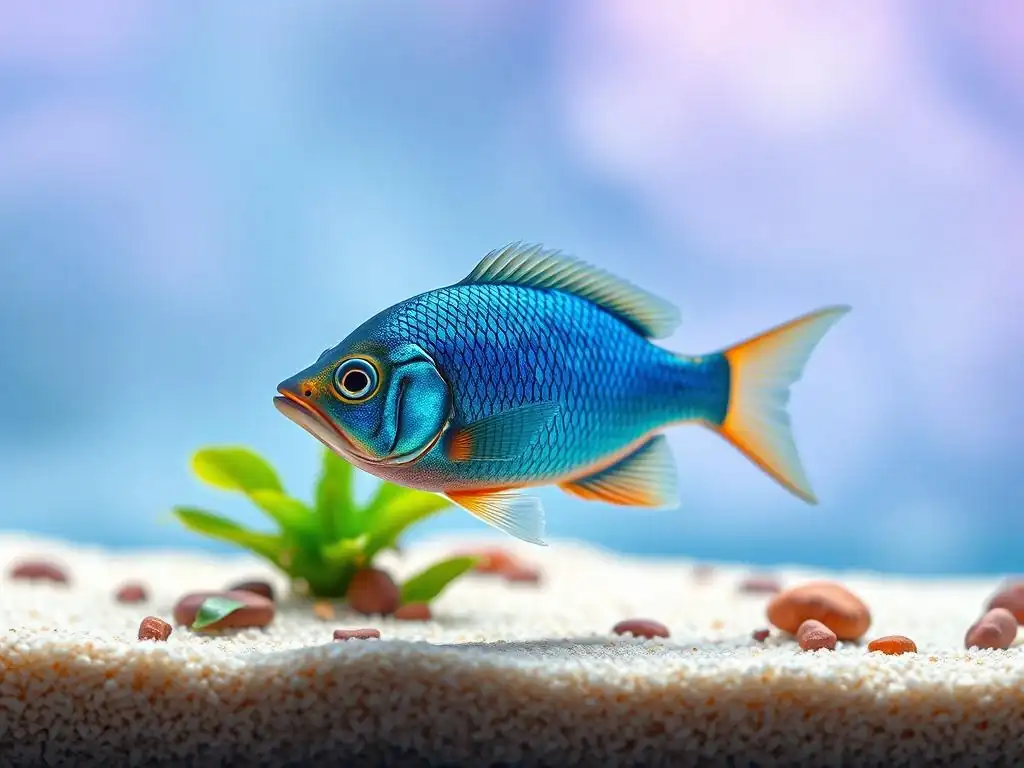
Maintaining precise and stable water chemistry is the single most critical factor in ensuring the long-term health and longevity of Apistogramma. These delicate dwarf cichlids are highly sensitive to fluctuations in pH, hardness, and nitrogenous compounds. Apistogramma species typically thrive in soft to very soft water with an acidic to neutral pH, generally between 5.5 and 7.0, and a general hardness (GH) of 2-10 dGH.
For example, an Apistogramma agassizii from a specific region might prefer a pH closer to 6.0 and GH of 3 dGH, while another species like Apistogramma borellii might tolerate a slightly higher pH up to 7.2. Consistent parameters prevent osmotic stress, which can severely weaken their immune system over time, making them vulnerable to diseases.
Ammonia, nitrite, and nitrate levels must be meticulously managed. Ammonia and nitrite should always be at zero parts per million (ppm), as even trace amounts are highly toxic and can cause irreversible organ damage and death. While nitrates are less toxic, prolonged exposure to high levels (above 10-20 ppm for sensitive species) can lead to chronic stress, stunted growth, and a compromised immune system.
Regular testing with reliable liquid test kits is essential to monitor these parameters. Understanding the specific water chemistry needs of your particular Apistogramma species and consistently providing those conditions is the cornerstone of successful dwarf cichlid long term care.
Regular Water Changes: A Cornerstone of Apistogramma Care
Regular partial water changes are absolutely indispensable for maintaining pristine water quality and are a cornerstone of effective dwarf cichlid long term care for Apistogramma. While biological filtration processes convert ammonia and nitrite into less harmful nitrate, nitrates still accumulate over time and must be removed. Weekly water changes of 20-30% are generally recommended for most Apistogramma setups.
For instance, in a 20-gallon Apistogramma tank, changing 4-6 gallons weekly effectively dilutes accumulated nitrates and replenishes essential trace minerals. Skipping or delaying water changes can lead to a gradual decline in water quality, resulting in chronic stress and increased susceptibility to disease.
When performing water changes, it is crucial to match the temperature and chemistry of the new water as closely as possible to the tank water to avoid shocking the fish. Using a reliable water conditioner that neutralizes chlorine and chloramines is also vital.
For those with hard tap water, preparing reverse osmosis (RO) water and remineralizing it to the desired parameters is often necessary to achieve the soft, acidic conditions Apistogramma prefer. This consistent and careful approach to water changes is far more effective than trying to correct severe water quality issues after they arise, significantly contributing to the longevity and vibrancy of your Apistogramma.
Monitoring and Adjusting Water Parameters for Stability
Proactive monitoring and timely adjustment of water parameters are crucial for ensuring the long-term stability that Apistogramma require. Regular testing, ideally weekly, for pH, GH, KH (carbonate hardness), ammonia, nitrite, and nitrate is highly recommended. For example, if your pH consistently creeps up due to carbonate buffering in your tap water, you might need to increase the frequency or volume of water changes, or consider using RO water with specific mineral additives to maintain the desired soft, acidic environment. Fluctuations, even within acceptable ranges, can be more stressful than stable, slightly less-than-ideal conditions.
Adjustments should be made gradually and carefully to avoid shocking the fish. For instance, if the pH needs to be lowered, using methods like adding peat to the filter, introducing driftwood, or performing water changes with pre-buffered water are preferable to adding chemicals directly to the tank, which can cause rapid and dangerous shifts.
Similarly, if GH is too high, the primary solution is often diluting tap water with RO water. The goal of monitoring and adjusting is to create a predictable and unwavering aquatic environment that minimizes stress, allowing your Apistogramma to thrive and enjoy a full, healthy lifespan as part of optimal dwarf cichlid long term care.
Apistogramma Nutrition: Feeding for Health and Longevity
Choosing the Right Food for Your Apistogramma
Providing a diverse and high-quality diet is paramount for the long-term health, vibrant coloration, and breeding success of Apistogramma. These dwarf cichlids are primarily micro-predators in their natural habitats, feeding on small invertebrates and insect larvae. Therefore, their captive diet should reflect this carnivorous tendency.
High-quality sinking pellets or granules specifically formulated for small cichlids or bottom feeders are excellent staples. Look for foods with a high protein content (typically above 40%) and ingredients like krill, spirulina, and various fish meals. For instance, Hikari Micro Pellets or New Life Spectrum Thera-A are often recommended due to their balanced nutritional profiles.
Supplementing the staple diet with a variety of frozen and live foods is crucial for optimal dwarf cichlid long term care. Frozen bloodworms, brine shrimp, daphnia, and Mysis shrimp provide essential nutrients, improve coloration, and stimulate natural hunting behaviors. Live foods, such as newly hatched brine shrimp, grindal worms, or blackworms, are particularly beneficial for conditioning breeding pairs and for overall vigor.
For example, feeding live blackworms once or twice a week can significantly enhance an Apistogramma's vitality and readiness to spawn. Avoid flakes as a primary food source, as they often contain fillers and can quickly foul the water.
Feeding Frequency and Portion Control for Optimal Health
Proper feeding frequency and portion control are just as important as food quality in ensuring the long-term health of Apistogramma. Overfeeding is a common mistake that can lead to obesity, digestive issues, and significantly degrade water quality, all of which compromise their well-being. Apistogramma have relatively small stomachs and a fast metabolism, so it's generally best to feed them small amounts two to three times a day. The amount given at each feeding should be consumed within 1-2 minutes, with no food left rotting on the substrate.
For example, for a pair of adult Apistogramma in a 20-gallon tank, a pinch of micro pellets or 5-7 frozen bloodworms per feeding is typically sufficient. Observe your fish to fine-tune the portions; if food is consistently left over, reduce the amount. This disciplined approach prevents excess waste, which in turn helps maintain stable water parameters, reduces the risk of bacterial blooms, and minimizes the chances of bloat or other digestive problems. Consistent, controlled feeding is a vital component of holistic dwarf cichlid long term care.
Supplementing Your Apistogramma's Diet for Enhanced Color and Vigor
To truly maximize the vibrant colors and overall vigor of your Apistogramma, strategic dietary supplementation is highly beneficial. While high-quality staple foods provide core nutrition, specific supplements can enhance specific aspects of their health and appearance. Foods rich in natural color enhancers, such as astaxanthin (found in krill and spirulina), can significantly intensify reds, oranges, and yellows in species like Apistogramma cacatuoides or Apistogramma macmasteri. Incorporating spirulina flakes or pellets a few times a week is an easy way to boost these pigments.
Vitamins and minerals are also crucial for long-term immunity and metabolic function. Many high-quality frozen foods are gut-loaded with beneficial nutrients, but a periodic addition of a liquid vitamin supplement designed for aquarium fish can further bolster their health, especially during stressful periods or for breeding. For instance, some aquarists report improved fin health and slime coat integrity when adding a multi-vitamin supplement to food once a week. This attention to dietary detail, moving beyond just basic sustenance, is a mark of advanced dwarf cichlid long term care and directly translates to more resilient, colorful, and active Apistogramma.
Preventing and Treating Diseases in Apistogramma: Long-Term Health Management
Common Apistogramma Diseases and How to Identify Them
Despite diligent dwarf cichlid long term care, Apistogramma can occasionally fall ill, making early identification crucial for successful treatment. Common diseases include Ich (white spot disease), Velvet, bacterial infections (fin rot, columnaris), and internal parasites. Ich is characterized by small, white, salt-like spots on the body and fins, often accompanied by flashing (rubbing against tank decor). Velvet appears as a fine, dusty, yellowish-brown coating, making the fish look "gilded." Fin rot manifests as frayed or disintegrating fins, sometimes with a reddish base, while columnaris (mouth fungus) presents as white, cottony growths, often around the mouth or gills.
Internal parasites, though harder to diagnose, can cause emaciation despite regular feeding, lethargy, stringy white feces, or a swollen abdomen. For instance, a fish continually eating but getting thinner might be suffering from intestinal worms. Behavioral changes like clamped fins, hiding excessively, rapid gill movements, or refusal to eat are general indicators of stress or illness. Regularly observing your Apistogramma for these signs – ideally daily during feeding – allows for prompt intervention, significantly increasing the chances of recovery and minimizing the spread of disease within the aquarium.
Quarantine Procedures for New Apistogramma to Prevent Disease
Implementing a strict quarantine procedure for all new Apistogramma, and indeed any new fish, is perhaps the single most effective measure to prevent the introduction and spread of diseases in your established aquarium. A dedicated quarantine tank, typically 10-20 gallons, should be set up with a heater, filter (sponge filter is ideal), and some hiding spots. New fish should reside in this tank for at least 3-4 weeks. During this period, observe them closely for any signs of illness, such as those described above.
During quarantine, it's advisable to perform preventative treatments, even if no symptoms are visible. For example, a broad-spectrum anti-parasitic treatment and a mild antibacterial bath can help eradicate latent infections. Gradually adjust the quarantine tank's water parameters to match your display tank's parameters over the final week. This careful isolation period minimizes the risk of introducing pathogens like Ich or velvet into your main Apistogramma display tank, protecting your existing fish and ensuring the long-term health of your entire aquatic community. This proactive approach is a non-negotiable aspect of responsible dwarf cichlid long term care.
Effective Treatment Options for Sick Apistogramma
When an Apistogramma falls ill, prompt and appropriate treatment is essential. The specific treatment depends on the diagnosed disease. For external parasites like Ich, elevating the tank temperature slightly (to 82-84°F, 28-29°C) and using an Ich-specific medication containing malachite green or formalin (e.g., Seachem ParaGuard, API Super Ick Cure) is often effective. For bacterial infections like fin rot or columnaris, broad-spectrum antibiotics (e.g., Furan-2, Kanaplex) are typically required, often administered in a hospital tank to avoid harming beneficial bacteria in the main aquarium.
Internal parasitic infections often require specific antiparasitic medications, such as metronidazole (for flagellates) or praziquantel (for worms), often mixed with food to ensure ingestion. Always follow the manufacturer's instructions precisely regarding dosage and duration. During treatment, maintain excellent water quality, increase aeration, and remove activated carbon from the filter, as it will absorb medications. After treatment, a course of beneficial bacteria supplements can help re-establish a healthy biological filter. While treating sick fish, remember that prevention through excellent dwarf cichlid long term care, including quarantine and stable parameters, is always preferable to cure.
Choosing Compatible Tank Mates for Apistogramma in the Long Run
Understanding Apistogramma Temperament and Compatibility
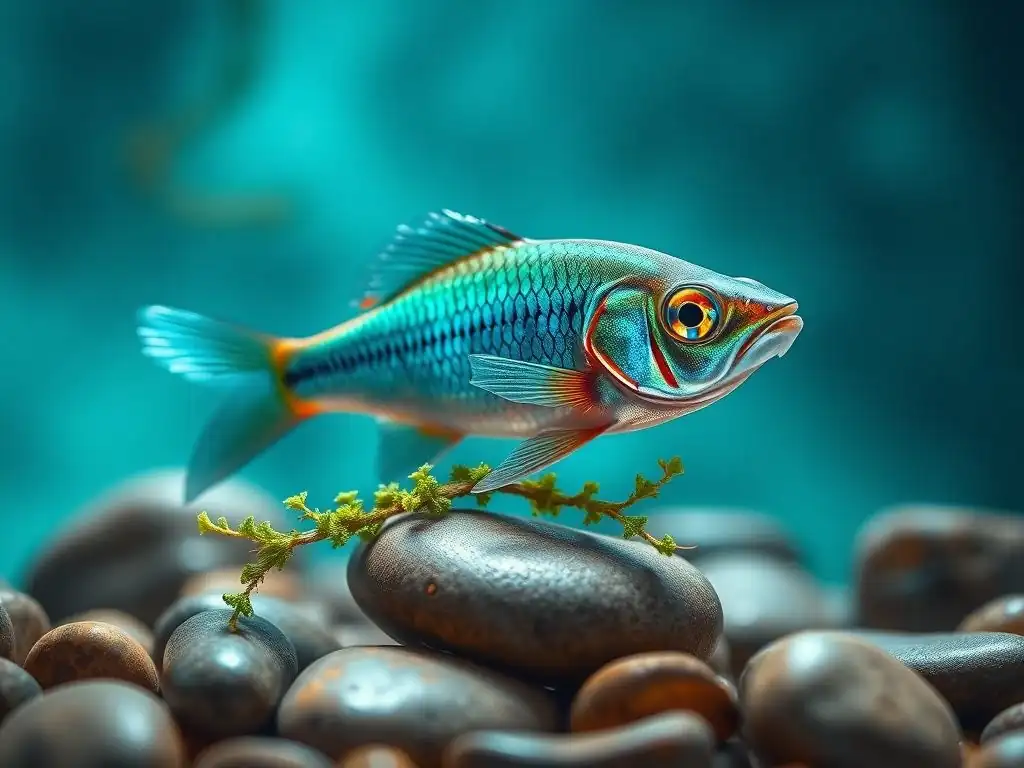
Understanding the temperament of Apistogramma species is crucial for selecting compatible tank mates and ensuring a peaceful, stress-free environment for long-term health. While Apistogramma are generally considered peaceful dwarf cichlids, they can be territorial, especially males during breeding or when establishing dominance. Most species are best kept in pairs or trios (one male, two females) to diffuse aggression, as keeping multiple males in a smaller tank can lead to fatal conflicts. For example, an Apistogramma cacatuoides male might aggressively guard a cave, chasing away any fish that venture too close.
Their small size and relatively docile nature mean they can be easily intimidated or outcompeted for food by larger, more boisterous fish. Therefore, avoiding highly active or fin-nipping species is paramount. The ideal tank mates are those that occupy different levels of the water column, have similar water parameter requirements, and possess a calm temperament. Prioritizing compatibility prevents chronic stress, which directly impacts the lifespan and vibrancy of your Apistogramma, making it a key aspect of successful dwarf cichlid long term care.
Ideal Tank Mate Species for a Peaceful Community Aquarium
Selecting appropriate tank mates significantly contributes to the tranquility and long-term success of an Apistogramma aquarium. Excellent choices include small, peaceful schooling fish that primarily inhabit the upper and middle water columns, leaving the bottom territory for the Apistogramma. Good examples include:
- Small Tetras: Species like Neon Tetras (Paracheirodon innesi), Cardinal Tetras (Paracheirodon axelrodi), Rummy-nose Tetras (Hemigrammus rhodostomus), or Ember Tetras (Hyphessobryda eques) are ideal. A school of 6-10 of these fish provides a sense of security for the Apistogramma and adds dynamic movement to the tank without being aggressive.
- Rasboras: Harlequin Rasboras (Trigonostigma heteromorpha) or Chili Rasboras (Boraras brigittae) are another excellent choice, offering similar benefits to tetras.
- Small Catfish: Otocinclus catfish (Otocinclus affinis) are peaceful algae eaters that remain small and don't compete for the same bottom territory as Apistogramma. Small species of Corydoras catfish (e.g., Corydoras pygmaeus, Corydoras habrosus) can also work, but ensure they are not too boisterous and that the Apistogramma have clearly defined territories.
- Dwarf Gouramis: A single peaceful dwarf gourami, such as a Sparkling Gourami (Trichopsis pumila), can sometimes coexist, but careful observation is needed to ensure it doesn't harass the Apistogramma.
These species generally thrive in similar soft, acidic water conditions and do not pose a threat to the Apistogramma or their fry, if breeding occurs. This careful selection is vital for maintaining a harmonious environment as part of dwarf cichlid long term care.
Avoiding Aggressive Tank Mates That Stress Apistogramma
Just as important as choosing compatible tank mates is knowing which species to avoid when housing Apistogramma. Introducing aggressive or overly active fish can lead to chronic stress, fin nipping, and even injury or death for your Apistogramma. Species to avoid include:
- Larger, Boisterous Cichlids: Even other dwarf cichlids like Bolivian Rams or larger Kribensis can be too aggressive or territorial for Apistogramma, especially in smaller tanks. Larger cichlids like Angelfish or Discus, while sometimes listed as compatible, can intimidate or outcompete Apistogramma for food if not carefully managed or if the tank size is insufficient.
- Fin-Nippers: Barbs (e.g., Tiger Barbs) and many larger tetra species can be notorious fin-nippers, which can severely stress and injure Apistogramma, leading to infections and a diminished quality of life.
- Large or Aggressive Catfish: Larger Plecostomus species can be clumsy and disturb the substrate, while some territorial catfish might compete for bottom space or even prey on smaller fish.
- Livebearers: While often peaceful, some livebearers like Mollies or Swordtails prefer harder, more alkaline water, making them unsuitable from a water parameter standpoint, and their constant activity can stress shy Apistogramma.
Prioritizing the peaceful nature and specific environmental needs of Apistogramma when selecting tank mates is crucial for their long-term well-being and is a key component of effective dwarf cichlid long term care.
Breeding Apistogramma: A Natural Part of Long-Term Care (Optional)
Creating Conditions Conducive to Apistogramma Breeding
Breeding Apistogramma can be a rewarding aspect of their long-term care, indicating that your fish are thriving and comfortable in their environment. To encourage breeding, specific conditions must be met, primarily focusing on optimal water parameters and suitable breeding sites. Most Apistogramma species prefer very soft (GH 0-5 dGH) and acidic water (pH 5.5-6.5) for spawning. For instance, Apistogramma agassizii often require a pH closer to 6.0 and minimal hardness to successfully lay and fertilize eggs. Using reverse osmosis (RO) water remineralized to precise specifications is often necessary to achieve these conditions.
Temperature should be maintained consistently in the upper range of their preferred zone, typically 78-82°F (26-28°C), as this stimulates spawning behavior. Crucially, providing dedicated breeding sites is essential. Apistogramma are cave spawners, so offering various options like small terracotta pots, coconut shells with a single opening, or specialized ceramic caves will encourage them to lay eggs. A densely planted tank with plenty of hiding spots also provides security for the pair and future fry. A well-conditioned pair, showing vibrant colors and active patrolling behavior, is a good indicator of readiness to breed.
Caring for Apistogramma Fry for Successful Raising
Once Apistogramma eggs hatch, the female typically takes on the primary role of caring for the fry, diligently guarding them and moving them between safe spots. Successful raising of Apistogramma fry requires specific attention to diet and water quality. Within the first few days post-hatch, the fry will consume their yolk sacs. After this, they require incredibly small, nutrient-dense foods. Newly hatched brine shrimp nauplii are the gold standard, providing essential proteins and stimulating growth. For example, feeding newly hatched brine shrimp 2-3 times daily for the first few weeks is crucial for high survival rates.
As the fry grow, their diet can be gradually diversified to include micro-worms, finely crushed high-quality flake or pellet food, and eventually, small frozen foods like daphnia. Maintaining pristine water quality is paramount; daily small water changes (5-10%) using aged, temperature-matched water are often necessary to prevent the buildup of nitrates and other pollutants that can be fatal to delicate fry. The continuous provision of optimal food and stable water conditions ensures the healthy development of the fry, contributing to the generational success of dwarf cichlid long term care.
Understanding Apistogramma Breeding Behaviors
Observing Apistogramma breeding behaviors is a fascinating aspect of their long-term care and provides insights into their natural instincts. Before spawning, a male Apistogramma will often display intensified colors, fan his fins, and vigorously court the female. The female, in turn, will become more receptive, often displaying a yellow breeding coloration with prominent black markings, and may begin to inspect potential spawning sites. Once a site is chosen, the female will clean it meticulously.
Spawning itself involves the female laying a small clutch of eggs (ranging from 20 to 100+ depending on species and female size) inside the chosen cave, and the male fertilizing them. After spawning, the female typically guards the eggs fiercely, fanning them to ensure oxygenation and deterring any intruders, including the male in some species. The male may guard the general territory around the female's cave.
Once the fry are free-swimming (usually 5-7 days after hatching), the female will herd them around the tank, guiding them to food sources and protecting them from perceived threats. Understanding these behaviors allows aquarists to provide the most suitable environment and avoid interventions that might stress the breeding pair.
Long-Term Observation and Adjustment: Fine-Tuning Your Apistogramma Care
Regularly Observing Your Apistogramma for Signs of Stress or Illness
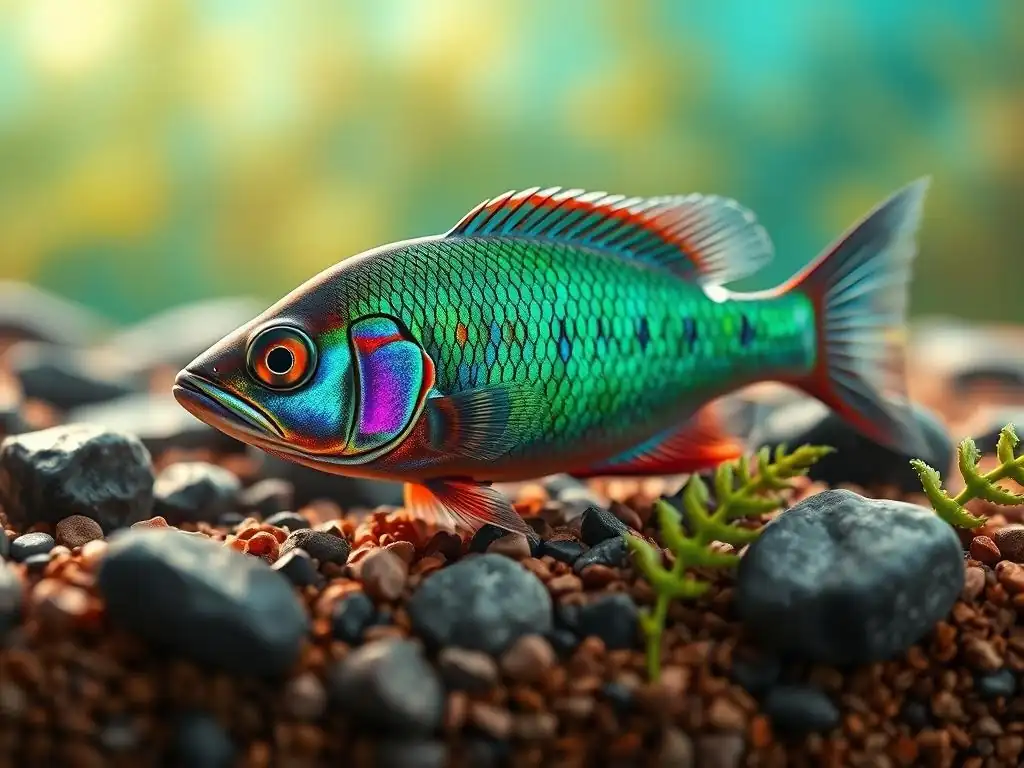
Consistent, daily observation is perhaps the most undervalued aspect of successful dwarf cichlid long term care. Regularly spending time watching your Apistogramma allows you to become intimately familiar with their normal behaviors, coloration, and swimming patterns. This familiarity makes it much easier to detect subtle changes that might indicate stress, illness, or impending problems.
For example, a healthy Apistogramma will typically be active, display vibrant colors, and readily come out during feeding times. If you notice a fish hiding excessively, exhibiting clamped fins, showing faded colors, or refusing food for more than a day, these are clear indicators that something is amiss.
Other signs to look for include rapid gill movements (suggesting poor water quality or oxygen deprivation), scratching against decor (potential parasites), or unusual growths or spots on the body. Early detection of these signs can mean the difference between a minor issue that is easily resolved and a severe outbreak that impacts the entire tank. Maintaining a mental log or even a physical journal of your observations can help track patterns and identify potential triggers for stress or disease, allowing for proactive adjustments to your care routine.
Adjusting Your Care Routine Based on Your Apistogramma's Needs
Long-term Apistogramma care is not a static process; it requires flexibility and a willingness to adjust your routine based on the specific needs of your fish and the evolving conditions of your aquarium. For instance, if you observe that your Apistogramma's colors are consistently dull despite good water parameters, you might need to re-evaluate their diet, perhaps increasing the frequency of live or color-enhancing foods. Similarly, if you notice increased aggression between tank mates, it might indicate that territories are too small, prompting a consideration of adding more hiding spots or even rehoming certain fish.
Water change schedules might also need adjustment. If your nitrate levels are consistently creeping up between weekly changes, increasing the water change volume from 20% to 30% or increasing the frequency to twice a week might be necessary. Conversely, if your fish are consistently healthy and water parameters are perfect, you might find a slightly less frequent schedule is sufficient. The key is to use your observations and water test results as feedback, allowing you to fine-tune every aspect of your dwarf cichlid long term care regimen for optimal outcomes.
Adjusting Feeding Based on Spawning Behavior
One specific area where observation directly dictates adjustment is feeding, particularly when Apistogramma are exhibiting spawning behavior. During courtship and egg-laying, the female Apistogramma might become less interested in food, focusing her energy on guarding the eggs. The male, too, might be preoccupied with territorial defense. Overfeeding during this period can lead to uneaten food rotting in the tank, which quickly fouls the water and poses a risk to delicate eggs and fry.
Therefore, it's crucial to reduce the amount of food offered or even temporarily cease feeding the main tank if the breeding pair is intensely focused on their eggs. Once the fry are free-swimming, the female's nutritional needs will increase dramatically as she expends energy protecting and guiding her offspring.
At this point, increasing the frequency of small, high-protein feedings, especially with live foods like newly hatched brine shrimp, becomes essential for both the female and the growing fry. This dynamic adjustment to feeding based on breeding cycles is a nuanced but important part of comprehensive dwarf cichlid long term care.
Troubleshooting Common Long-Term Apistogramma Care Issues
Addressing Fading Colors in Apistogramma
Fading colors in Apistogramma is a common issue that often signals underlying stress or suboptimal conditions, requiring prompt attention as part of dwarf cichlid long term care. If your vibrant Apistogramma suddenly appears dull or washed out, the first step is to meticulously check all water parameters: pH, GH, KH, ammonia, nitrite, and nitrate.
Unstable or incorrect water chemistry (e.g., pH too high or too low, elevated nitrates above 20 ppm) is a primary culprit, causing chronic stress that inhibits natural coloration. For instance, an Apistogramma macmasteri known for its brilliant red and blue might turn pale if the water becomes too hard or alkaline.
If water parameters are within ideal ranges, consider the diet. A lack of high-quality, varied food, especially those rich in natural color enhancers like astaxanthin (found in krill and spirulina), can lead to dull coloration over time. Ensuring regular feedings of frozen foods like bloodworms and Mysis shrimp, alongside a high-quality pellet, often restores vibrancy. Lastly, assess tank conditions: Are there enough hiding spots?
Are tank mates too aggressive or numerous? Stress from aggression or lack of security can also cause colors to fade. Addressing these core issues, rather than just masking symptoms, is key to restoring your Apistogramma's natural brilliance.
Dealing with Aggression Between Apistogramma
Aggression, particularly between male Apistogramma or even between a male and female in an unsuitable setup, is a common long-term challenge. Apistogramma are territorial, and while some aggression is natural, excessive chasing, fin nipping, or constant hiding by a submissive fish indicates a problem. The primary cause is often insufficient tank size or lack of adequate hiding spots and visual breaks. For example, two male Apistogramma cacatuoides in a 10-gallon tank will almost certainly engage in fatal combat due to limited territory.
To mitigate aggression, consider:
- Increasing Tank Size: A larger footprint offers more space for territories.
- Adding More Hiding Spots: Densely planted areas, driftwood, and multiple caves allow weaker fish to retreat and establish their own perceived safe zones.
- Introducing Visual Barriers: Tall plants or strategically placed driftwood can break up sightlines, preventing constant confrontations.
- Adjusting Sex Ratios: For many species, keeping a single male with multiple females (a trio) or just a single pair is more peaceful than multiple males.
- Rehoming Aggressive Individuals: In persistent cases, separating or rehoming the aggressor or the targeted fish may be the only solution to ensure the long-term well-being of all inhabitants.
Proactive management of aggression is critical for the peaceful coexistence and longevity of your dwarf cichlids.
Resolving Water Quality Problems Impacting Apistogramma Health
Persistent water quality problems are arguably the most detrimental long-term issue for Apistogramma, leading to chronic stress, disease, and premature death. High nitrates, fluctuating pH, or the presence of ammonia/nitrite are red flags. The first step is always rigorous testing to pinpoint the exact issue. If ammonia or nitrite are present, it indicates a compromised biological filter; daily small water changes (10-20%) and reducing feeding are immediate actions, followed by investigating filter issues or overstocking.
For high nitrates, the solution is typically more frequent and/or larger water changes. If you are doing weekly 25% changes and nitrates are still high, try 30-40% or two smaller changes per week. Ensure you are vacuuming the substrate thoroughly to remove decaying organic matter, which contributes to nitrate buildup.
Fluctuating pH often points to insufficient buffering capacity (low KH) or inconsistent source water. Using RO water with specific mineral buffers or adding a small amount of crushed coral (very cautiously, as it raises pH and GH) in a filter bag can help stabilize pH. Consistent monitoring and swift action to correct water quality issues are non-negotiable for successful dwarf cichlid long term care.
The Rewards of Providing Excellent Long-Term Apistogramma Care
Enjoying Vibrant Colors and Active Behavior for Years to Come
The most immediate and visually rewarding aspect of providing excellent dwarf cichlid long term care is witnessing your Apistogramma flourish with vibrant colors and engaging, active behaviors for years. Unlike fish that merely survive, well-cared-for Apistogramma will display their full genetic potential in terms of coloration, with iridescent blues, fiery reds, and striking patterns that are often muted in stressed individuals. For example, an Apistogramma hongsloi in peak condition will exhibit stunning red and yellow hues that truly stand out in the aquarium.
Beyond aesthetics, healthy Apistogramma are active and curious. They will confidently explore their territory, interact with their environment, and display natural behaviors like foraging through the substrate, engaging in intricate courtship dances, or diligently guarding their fry. This level of vitality and engagement is a testament to the optimal environment you've created, offering continuous joy and fascinating observation for the dedicated aquarist. The longevity achieved through proper care means you can enjoy these captivating behaviors for their full natural lifespan, often 3-5 years or even longer for some species.
Contributing to the Conservation of These Beautiful Fish
Engaging in excellent dwarf cichlid long term care extends beyond the individual fish in your tank; it contributes, albeit indirectly, to the broader conservation of these beautiful species. Many Apistogramma species face threats in their natural habitats due to deforestation, pollution, and habitat destruction. By successfully keeping and, optionally, breeding these fish in captivity, you help maintain healthy captive populations. This ensures a genetic reservoir and reduces the pressure on wild populations for the aquarium trade.
Furthermore, responsible aquarists who excel in long-term care often become advocates for responsible fishkeeping, educating others about the specific needs of these delicate cichlids. This increased awareness about proper husbandry practices promotes ethical sourcing and discourages impulsive purchases that often lead to poor outcomes for the fish. Your commitment to providing an optimal environment thus plays a small but significant role in the global effort to appreciate and preserve these unique aquatic creatures for future generations.
The Joy of Raising Multiple Generations
For many dedicated aquarists, one of the deepest joys and ultimate rewards of providing excellent dwarf cichlid long term care is the successful breeding and raising of multiple generations of Apistogramma. Witnessing the intricate courtship, the diligent parental care of the female, and the subsequent growth of tiny fry into vibrant, healthy adults is an incredibly fulfilling experience. Each successful spawn is a clear indicator that you have perfected the complex balance of water chemistry, nutrition, and habitat essential for their well-being.
Raising fry also offers a unique opportunity to observe the full life cycle of these fish, from microscopic eggs to independent adults, providing invaluable insights into their biology and behavior. The satisfaction of knowing you have facilitated the continuation of life within your aquarium, creating a self-sustaining miniature ecosystem, is profound. It transforms the hobby from merely keeping fish into a dynamic, educational, and deeply rewarding endeavor, cementing your commitment to the intricate world of Apistogramma for years to come.
Frequently Asked Questions
How long do dwarf cichlids typically live in an aquarium?
Dwarf cichlids can live for 3-5 years in a well-maintained aquarium. Proper water parameters and a suitable diet contribute to their longevity. Some species, with excellent care, may even live longer.
What are the most important water parameters for long-term dwarf cichlid health?
Maintaining stable water parameters is crucial. Key factors include a pH between 6.0 and 7.5, a temperature of 78-82°F (25-28°C), and low levels of ammonia and nitrites. Regular water changes are essential.
What type of diet is best for ensuring the long-term health and vibrant colors of dwarf cichlids?
A varied diet is key. Offer a mix of high-quality flake food, frozen foods like bloodworms and daphnia, and small live foods. This ensures they receive essential nutrients for optimal health and color.
What are some common health problems that can affect dwarf cichlids, and how can I prevent them long-term?
Common issues include ich, fin rot, and internal parasites. Preventative measures include maintaining excellent water quality, quarantining new fish, and avoiding overfeeding. Observe your fish regularly for signs of illness.
How can I create an ideal aquarium environment to maximize the lifespan and well-being of my dwarf cichlids?
Provide a densely planted aquarium with plenty of hiding places like caves and driftwood. This helps reduce stress and allows them to establish territories. A stable and mature aquarium ecosystem is vital for their long-term well-being.
Final Reflection: Cultivating Enduring Beauty
The secrets to dwarf cichlid long-term care are not merely about maintaining water parameters or providing the right food; they are about fostering an environment where these miniature jewels can truly thrive, showcasing their vibrant colors and complex behaviors for years to come. Understanding their needs, as we've explored, is the first step towards creating a lasting aquatic masterpiece.
This journey into the world of dwarf cichlids has underscored the profound connection between responsible stewardship and the flourishing of life. It's a reminder that even the smallest creatures deserve our utmost care and attention, and that the rewards of such dedication are immeasurable. The greatness of a nation and its moral progress can be judged by the way its animals are treated.
- Mahatma Gandhi. This quote resonates deeply, highlighting the ethical responsibility we bear towards all living beings, including the captivating dwarf cichlids we choose to keep.
As you embark on, or continue, your dwarf cichlid keeping journey, remember that patience, observation, and a genuine commitment to their well-being are the keys to unlocking their full potential. Let the knowledge shared here inspire you to create an aquatic haven where these miniature wonders can not only survive, but truly flourish, bringing joy and beauty to your life for years to come.
Nurture Your Cichlids: Unlock Their Full Potential!
Thank you for diving into the fascinating world of dwarf cichlid care. Now that you're equipped with these secrets, let's translate that knowledge into action and bring out the vibrant best in your fish!
Here are a few steps you can take right now:
- Implement at least one new care tip from this article in your aquarium setup this week, and observe the positive changes in your cichlids' behavior and coloration.
- Share your experiences and insights with fellow enthusiasts by joining our thriving community forum on Aquarium Mastery. Your tips could help another aquarist!
- Explore other fascinating fish species and aquarium care guides on Aquarium Mastery to expand your aquascaping horizons.
Ready to transform your dwarf cichlid tank into a haven of vibrant health and beauty? What small change will you implement today to kickstart this journey?