
The Truth About Betta Vacation Care: Can They Survive Alone?


Welcome to Aquarium Mastery!
Ever wondered if your vibrant Betta can truly thrive while you're away? The truth about leaving your Betta fish alone may surprise you. Discover essential tips and tricks to ensure your finned friend stays happy and healthy, even when you're on vacation. Dive in and unlock the secrets to responsible "Betta fish alone care" and give your Betta the best life possible!
- Betta Vacation Care: Can They Survive Alone?
- Betta Fish Alone Care: Understanding Their Needs
- Factors Affecting Betta Fish Survival During Vacation
- Betta Fish Alone Care: Preparing Your Betta for Your Vacation
- Betta Fish Alone Care: Alternatives to Leaving Your Betta Unattended
- Betta Fish Alone Care: Monitoring Your Betta Post-Vacation
- Betta Fish Alone Care: Debunking Common Myths
- Long-Term Betta Fish Care: Preventing Future Vacation Concerns
- Betta Fish Alone Care: Conclusion - Responsible Ownership
-
Frequently Asked Questions
- How long can a Betta fish realistically survive alone without food?
- What are the best options for feeding a Betta fish while on vacation?
- Is it cruel to leave a Betta fish alone for an extended period?
- What water quality issues arise when leaving a Betta fish unattended?
- What are the key indicators that a Betta fish is stressed or unhealthy after being left alone?
- Final Reflection: The Enduring Myth of Betta Independence
- Dive Deeper: Unlock Your Betta's Best Life!
Betta Vacation Care: Can They Survive Alone?
Betta Fish Alone Care: Understanding Their Needs
The Unique Needs of Betta Fish
Betta fish, scientifically known as Betta splendens or Siamese fighting fish, possess a unique respiratory organ called the labyrinth organ. This specialized organ allows them to breathe atmospheric oxygen directly from the surface of the water, which is a crucial adaptation for their natural habitats in shallow, oxygen-poor waters of Southeast Asia. However, this ability does not negate their need for pristine water quality within their aquarium; in fact, poor water conditions can severely compromise their overall health and make them highly susceptible to disease.
Beyond their breathing apparatus, Betta fish are known for their territorial nature and preference for stable, warm water environments. They thrive in temperatures between 78-82°F (25.5-27.8°C) and require consistent water parameters to prevent stress. Their diet typically consists of high-protein foods like pellets specifically formulated for Bettas, bloodworms, or brine shrimp, requiring regular feeding to maintain their energy levels and vibrant coloration. Understanding these fundamental needs is the first step in considering responsible Betta fish alone care.
How Long Can Betta Fish Realistically Survive Alone?
While a healthy adult Betta fish might technically survive without food for approximately 5 to 7 days due to their slow metabolism, this duration comes with significant health risks and is not recommended as a standard for Betta fish alone care. Prolonged fasting can lead to severe stress, weakened immune systems, and potential organ damage, significantly shortening their lifespan. They may also become lethargic, lose color, and be more susceptible to common aquarium ailments like fin rot or ich upon your return.
For short trips lasting up to 3-4 days, a healthy Betta in a well-established, stable tank can generally manage without direct intervention, assuming excellent water quality beforehand. However, for vacations extending beyond this, even with an automatic feeder, the maximum advisable period for Betta fish alone care without human oversight should ideally not exceed 7-10 days. Beyond this timeframe, the risks associated with equipment malfunction, water quality degradation, or unforeseen health issues increase substantially, making alternative care solutions much more prudent.
Factors Affecting Betta Fish Survival During Vacation
Betta Fish Age and Health
The age and general health of your Betta fish are paramount factors when considering their ability to endure a period of Betta fish alone care. Younger, robust Bettas with strong immune systems and no pre-existing conditions are inherently more resilient to minor environmental fluctuations or brief periods without optimal feeding. They possess greater reserves to cope with the stress of being unattended, showing better recovery rates if conditions are slightly less than ideal during your absence.
Conversely, older Bettas, those recovering from illness, or fish with chronic health issues are far more vulnerable. Their weakened systems cannot tolerate even slight deviations in water parameters or a missed feeding as well as a healthy, younger specimen. For these delicate individuals, even a short trip of a few days can pose a significant risk, making direct supervision or professional aquarium sitting a nearly indispensable aspect of their Betta fish alone care plan.
Tank Size and Water Quality
The size of your Betta's aquarium plays a critical role in maintaining stable water quality during your absence, directly impacting effective Betta fish alone care. Larger tanks, typically 5 gallons or more, offer greater dilution for waste products like ammonia and nitrite, making them inherently more stable environments than smaller bowls or tanks that can experience rapid fluctuations. A 5-gallon tank, for instance, has a much higher buffering capacity against changes in pH and ammonia spikes compared to a 1-gallon tank, which can become toxic within a day or two without proper filtration and maintenance.
Crucially, the water quality must be pristine before you leave. This means performing a significant water change and ensuring ammonia and nitrite levels are at zero, with nitrates below 20 ppm. A well-cycled filter is also non-negotiable, as it houses the beneficial bacteria necessary to process waste. Without these fundamentals, even a brief period of Betta fish alone care can quickly turn disastrous, as accumulating waste can rapidly poison the tank environment, leading to severe stress, illness, or even death.
Water Temperature Stability
Maintaining a consistent and appropriate water temperature is absolutely vital for the well-being of Betta fish, especially during periods of Betta fish alone care. Betta fish are tropical species that thrive in water temperatures between 78-82°F (25.5-27.8°C). Fluctuations outside this optimal range, particularly drops in temperature, can severely stress their immune systems, making them highly susceptible to common illnesses such as ich (white spot disease) or fin rot. Even a drop of just a few degrees can trigger a stress response.
A reliable, properly sized aquarium heater set to the correct temperature is indispensable. Before you leave, it's crucial to ensure the heater is functioning correctly and consistently maintaining the target temperature for at least several days. Placing a thermometer in the tank allows for pre-departure verification. Without stable temperatures, a Betta's metabolism can slow down, affecting their appetite and overall health, making successful Betta fish alone care much more challenging.
Betta Fish Feeding Schedule
Betta fish typically require feeding once or twice a day with high-quality Betta-specific pellets or frozen foods, and consistency in this schedule is key to their health. While they can endure a short period of fasting (e.g., 2-3 days) without immediate harm, prolonged absence of food can lead to emaciation, lethargy, and a compromised immune system. An adult Betta, for instance, might typically consume 3-4 small pellets per feeding, and deviating significantly from this can cause problems.
When planning for Betta fish alone care, the primary concern with feeding is either starvation from underfeeding or, more commonly, water pollution from overfeeding by an automatic dispenser or an untrained sitter. Excess food decays rapidly, leading to dangerous spikes in ammonia and nitrite, which are highly toxic to fish. Therefore, any feeding solution implemented for vacation care must be precisely calibrated to deliver the correct, minimal amount of food to sustain the Betta without fouling the water.
Betta Fish Alone Care: Preparing Your Betta for Your Vacation
Pre-Vacation Water Change
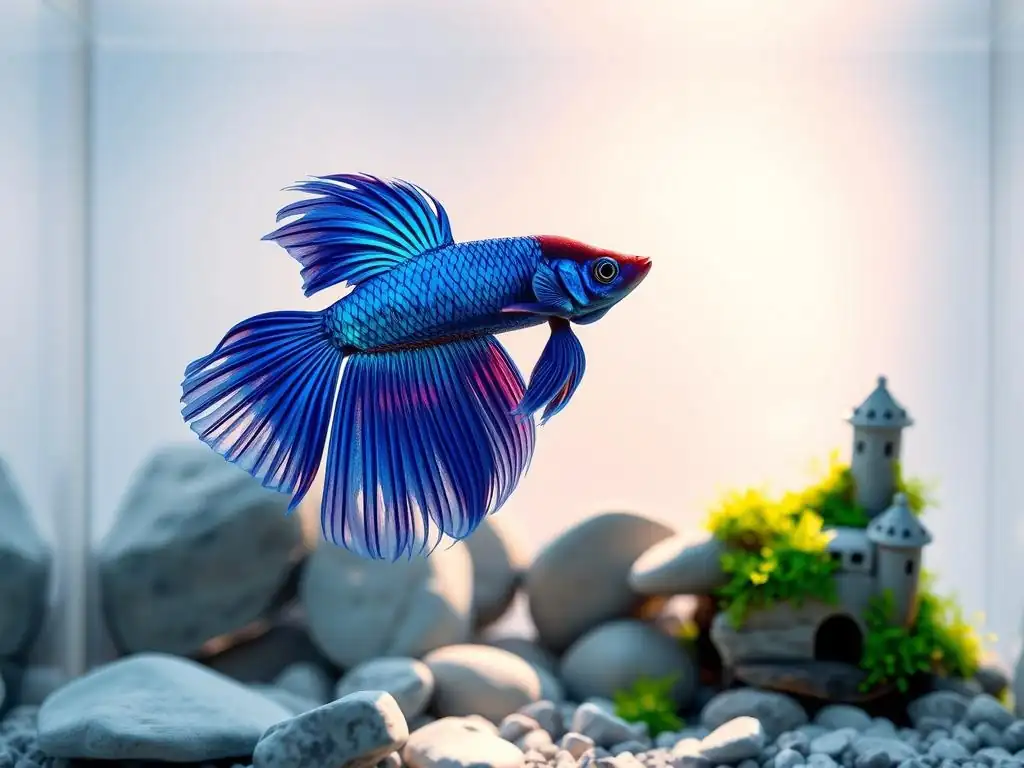
One of the most crucial steps in preparing for Betta fish alone care is performing a thorough water change approximately 1-2 days before your departure. A significant water change, ideally 30-50% of the tank's volume, will dramatically reduce the concentration of nitrates and other accumulated waste products in the water. This provides your Betta with the cleanest possible environment to start their period of solitude, minimizing the chances of water quality degradation reaching toxic levels during your absence.
Alongside the water change, it is essential to clean any visible algae from the tank walls and gently siphon any debris from the substrate. This meticulous cleaning further ensures that no organic matter is left to decompose and pollute the water while you are away. This proactive measure significantly enhances the stability of the tank's ecosystem, creating a more forgiving environment for your Betta during the vacation period and laying a solid foundation for effective Betta fish alone care.
Adjusting the Tank Temperature
Ensuring the tank's water temperature is stable and optimal is a critical component of preparing for Betta fish alone care. Before leaving, verify that your aquarium heater is functioning correctly and is set to the ideal range for Betta fish, typically between 78-82°F (25.5-27.8°C). Use a reliable thermometer to confirm the temperature is consistent throughout the day and night for at least 24-48 hours prior to your departure, accounting for any potential room temperature fluctuations.
If your home's ambient temperature is prone to significant drops, consider slightly increasing the heater's setting by one or two degrees within the safe range to provide a small buffer, but never exceed 82°F. It is also wise to ensure the heater is securely placed and its power cord is safely routed. A stable temperature minimizes stress on your Betta's immune system, making them more resilient during your absence and contributing significantly to successful Betta fish alone care.
Choosing the Right Automatic Fish Feeder
For periods of Betta fish alone care extending beyond 3-4 days, an automatic fish feeder can be a valuable tool, but selecting the right one is paramount. Opt for a programmable feeder that allows you to control the portion size and feeding frequency precisely. Look for models designed to dispense small, consistent amounts of dry food, as overfeeding is a primary cause of water quality issues during vacation. Battery-operated feeders are common, but ensure you install fresh, high-quality batteries just before you leave to avoid power failure.
Crucially, test the automatic feeder for at least 3-5 days before your departure while you are still home. This allows you to observe how much food is dispensed and if your Betta is consuming it all. Adjust the portion size to ensure no excess food is left to decay, which could rapidly foul the water and lead to dangerous ammonia spikes.
For a Betta, a single, small pellet or two per day might be sufficient through an auto-feeder, as opposed to their typical daily intake, simply to sustain them without polluting the tank. This careful calibration is essential for responsible Betta fish alone care.
Setting Up a Timer for Tank Lighting
While often overlooked, maintaining a consistent lighting schedule is important for your Betta's health and the overall tank ecosystem during Betta fish alone care. Betta fish, like most aquatic creatures, benefit from a regular day-night cycle, which helps regulate their natural rhythms and reduce stress. Leaving the lights on 24/7 can also promote excessive algae growth, leading to further water quality issues upon your return.
An inexpensive outlet timer is an excellent solution. Set it to provide 8-10 hours of light per day, mimicking a natural light cycle. For instance, you might program it to turn on at 9 AM and off at 7 PM. This ensures your Betta experiences appropriate periods of light and darkness, supporting their well-being and contributing to a stable environment. This simple step is a key part of comprehensive Betta fish alone care planning.
Betta Fish Alone Care: Alternatives to Leaving Your Betta Unattended
Enlisting a Friend or Family Member
One of the most common alternatives for Betta fish alone care involves asking a trusted friend or family member to look after your fish. This option provides the benefit of personalized attention and the ability for someone to observe your Betta for any signs of distress or illness. They can also manually feed the fish, ensuring precise portion control and preventing overfeeding, which is a common issue with automatic feeders.
However, this approach requires thorough preparation. You must provide clear, concise instructions on feeding amounts (e.g., "feed 2-3 pellets every other day"), water top-offs, and what to do in case of an emergency. It's advisable to have them practice feeding once or twice while you're present. The main downside is the potential for overfeeding due to good intentions or lack of experience, which can rapidly degrade water quality. For instance, a common mistake is for sitters to dump in a "pinch" of food, which can be 5-10 times what a Betta needs.
Hiring a Professional Aquarium Sitter
For longer vacations or if you own an elaborate aquarium setup, hiring a professional aquarium sitter is often the most reliable option for Betta fish alone care. These individuals or services specialize in aquatic pet care, possessing the knowledge and experience to monitor water parameters, identify early signs of illness, and perform minor maintenance tasks like water top-offs or even small water changes if needed. Their expertise significantly reduces the risks associated with leaving your Betta unattended.
Professional sitters typically charge per visit, with rates varying widely based on location and services provided, often ranging from $20 to $50 per visit. While this is a more expensive alternative, the peace of mind knowing your Betta is in capable hands can be invaluable. They are also usually bonded and insured, offering an additional layer of security. This option is particularly beneficial for complex Betta setups or when you anticipate being away for more than 10-14 days.
Moving Your Betta Temporarily
Temporarily moving your Betta to another location, such as a friend's house or a pet store offering boarding services, is generally not recommended for typical vacation care due to the high stress involved. Betta fish are highly sensitive to changes in their environment, and the process of catching them, transporting them, and acclimating them to a new tank can cause significant stress, potentially leading to illness or even death. The stress of relocation often outweighs the benefits for trips under two weeks.
However, for extended absences lasting several weeks or months, or if you are moving permanently, temporarily rehoming your Betta might become a necessary consideration. In such rare cases, ensure the temporary tank is fully cycled, temperature-controlled, and prepared well in advance. The person caring for your Betta should be experienced in Betta care to minimize the risks associated with this drastic change. This is a measure of last resort for Betta fish alone care, to be approached with extreme caution.
Betta Fish Alone Care: Monitoring Your Betta Post-Vacation
Observing for Signs of Stress or Illness
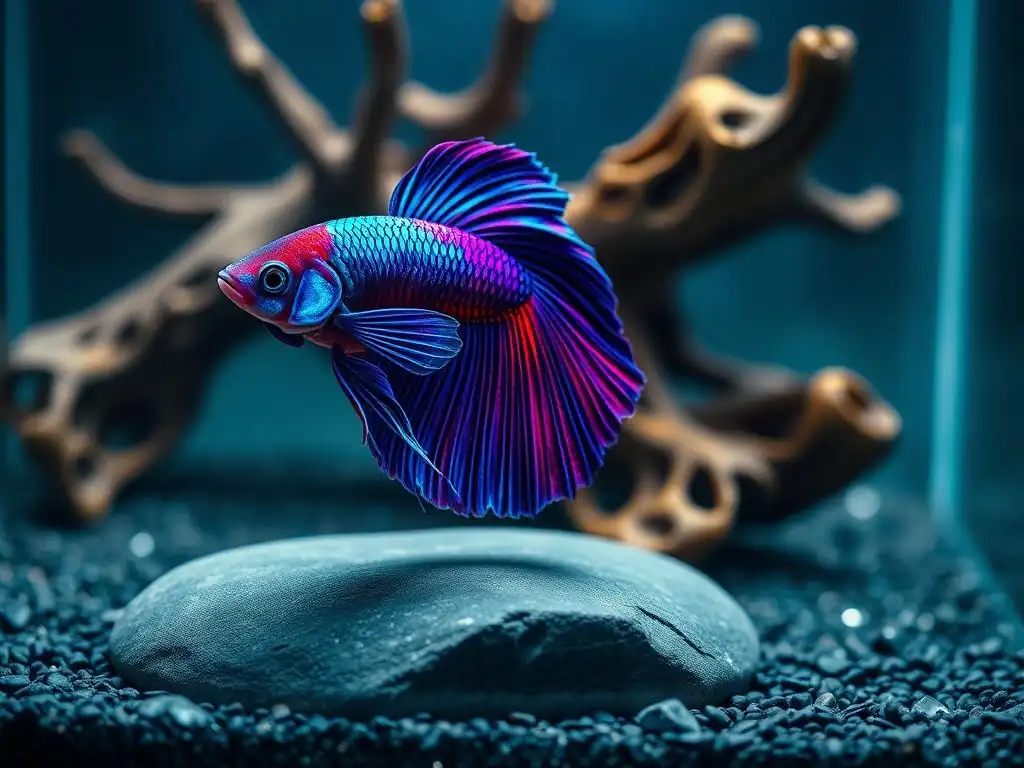
Upon returning from your vacation, the immediate priority for Betta fish alone care is to carefully observe your Betta for any signs of stress or illness. Look for changes in behavior, such as lethargy, hiding excessively, or unusual swimming patterns like darting or rubbing against tank decor. Physical symptoms are also critical indicators: check for clamped fins, faded coloration, white spots (indicative of Ich), fuzzy growths (fungus), or red streaks (bacterial infection).
A healthy Betta should be active, responsive, and display vibrant colors. If your Betta appears stressed or sick, prompt action is necessary. This might involve performing a small, immediate water change (e.g., 20%), adding an aquarium-safe stress coat product, or preparing to treat for common ailments based on observed symptoms. Early detection is key to successful intervention and recovery after a period of Betta fish alone care.
Gradual Reintroduction to Regular Feeding Schedule
After a period of Betta fish alone care, especially if your Betta has been fed by an automatic feeder or fasted, it's crucial to reintroduce them to their regular feeding schedule gradually. Your Betta may appear very hungry, but overfeeding immediately can lead to digestive issues or, worse, rapidly foul the tank water. Their digestive system may have slowed down, and a sudden influx of food can overwhelm it.
For the first day or two, offer only half of their usual portion, or even just one or two pellets, once a day. Observe if they consume it entirely. If the food is eaten quickly and cleanly, you can gradually increase the amount over the next few days until you return to their normal feeding routine. This cautious approach helps prevent both digestive upset for your Betta and a sudden spike in ammonia from uneaten food, ensuring a smooth transition back to regular Betta fish alone care.
Testing Ammonia, Nitrite, and Nitrate Levels After Your Return
Immediately upon your return, and certainly within the first 24 hours, it is absolutely critical to perform a full set of water parameter tests for ammonia, nitrite, and nitrate. Even with careful planning for Betta fish alone care, water quality can degrade significantly during your absence, especially if an automatic feeder malfunctioned or was set too high. Ammonia and nitrite should ideally be at 0 ppm, while nitrates should be below 20 ppm.
Elevated levels of any of these parameters indicate a problem. High ammonia or nitrite are highly toxic and require immediate action, typically a 25-50% water change to dilute the toxins. High nitrates, while less immediately lethal than ammonia/nitrite, still indicate accumulated waste and warrant a significant water change. These tests provide an objective assessment of the tank's health and dictate any necessary corrective actions to ensure your Betta's continued well-being after their period of Betta fish alone care.
Betta Fish Alone Care: Debunking Common Myths
Myth: Betta Fish Don't Need to Be Fed Every Day
A common misconception regarding Betta fish alone care is that these fish do not require daily feeding, often stemming from observations of their ability to survive short periods without food. However, this is largely untrue for optimal health and longevity. While a healthy Betta can indeed go 1-2 days without food without immediate harm, especially if they have some natural biofilm or algae to graze on, consistent daily or every-other-day feeding is crucial for their nutritional needs.
Regular feeding ensures they receive the necessary proteins, vitamins, and minerals to maintain their vibrant colors, strong fins, and robust immune system. Skipping multiple days of feeding consistently will lead to a weakened fish, prone to illness and stunted growth. Therefore, effective Betta fish alone care planning must account for a regular feeding schedule, whether through an automatic feeder or a trusted sitter, to prevent nutritional deficiencies and stress.
Myth: Betta Fish Can Survive for Weeks Without Food
This is one of the most dangerous myths regarding Betta fish alone care, perpetuating the idea that these fish are incredibly resilient to starvation. While a healthy Betta might survive for an absolute maximum of 5 to 7 days without food, extending this period to "weeks" is a gross overestimation and would lead to severe starvation, organ damage, and almost certainly death. Their metabolism, though slower than some fish, still requires consistent caloric intake.
Depriving a Betta of food for an extended period, such as 10-14 days or more, would result in extreme emaciation, lethargy, a complete loss of color, and irreversible damage to their internal organs. Even if they somehow survived, their quality of life would be severely compromised, and they would be highly susceptible to any disease. Responsible Betta fish alone care explicitly rejects this myth, prioritizing the fish's welfare over convenience.
Myth: All Automatic Fish Feeders Are Created Equal
The belief that any automatic fish feeder will suffice for Betta fish alone care is a significant misconception that can lead to disastrous outcomes. Automatic feeders vary widely in quality, reliability, and functionality. Cheap, basic models often suffer from inconsistent dispensing, jamming, or rapid battery drain, leading to either overfeeding (fouling the water) or underfeeding (starving the fish).
High-quality automatic feeders, on the other hand, offer precise portion control, multiple programmable feeding times per day, and often have moisture-resistant hoppers to prevent food from clumping. Investing in a reputable brand and thoroughly testing the feeder for several days before your departure is crucial. A feeder that dispenses too much food can quickly turn a clean tank toxic with ammonia spikes, making the choice of feeder a critical aspect of successful Betta fish alone care.
Long-Term Betta Fish Care: Preventing Future Vacation Concerns
Establishing a Consistent Tank Maintenance Routine
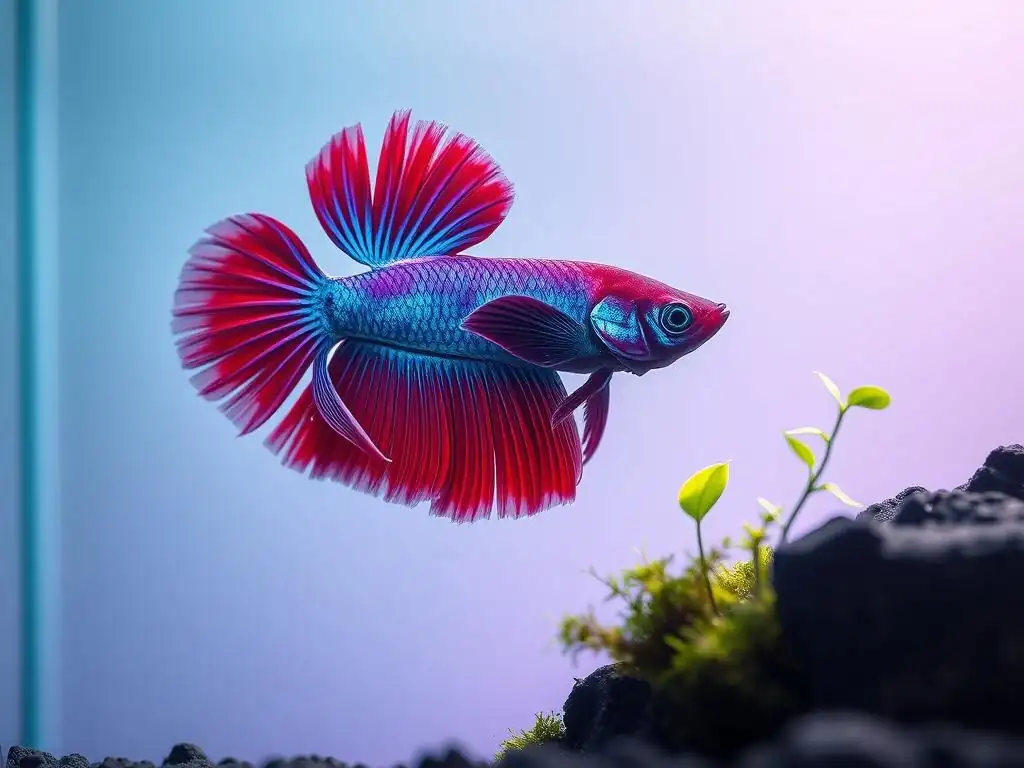
A robust and consistent tank maintenance routine is the cornerstone of long-term Betta fish care and significantly mitigates concerns during future vacations. Regular partial water changes (e.g., 25-30% weekly for a 5-gallon tank) prevent the build-up of nitrates and other toxins, ensuring a stable and healthy environment. Cleaning the substrate of uneaten food and detritus, along with gentle filter maintenance (rinsing filter media in old tank water), also contributes to pristine water quality.
By consistently maintaining optimal water parameters and a clean tank, your Betta's immune system will remain strong, making them more resilient to any minor stresses or unforeseen issues that might arise during your absence. A well-maintained tank is less prone to sudden parameter shifts or disease outbreaks, providing a much safer foundation for any period of Betta fish alone care. This proactive approach is far more effective than reactive measures.
Investing in Reliable Aquarium Equipment
Investing in high-quality and reliable aquarium equipment is a wise decision for any Betta owner, particularly when planning for periods of Betta fish alone care. A durable and accurate heater, for example, ensures stable water temperatures, preventing stress-induced illnesses. A robust filter system, properly sized for your tank, efficiently processes waste, maintaining water clarity and reducing harmful ammonia and nitrite levels.
Consider equipment from reputable brands known for their longevity and performance. While initial costs might be higher, the reliability of good equipment minimizes the risk of malfunction during your absence, which could lead to catastrophic outcomes for your Betta. Some aquarists even invest in redundant critical equipment, such as a second, smaller heater or an air stone on a separate air pump, as a safety net for extended periods of Betta fish alone care.
Creating a Checklist for Pet Sitters
For any instance where a friend, family member, or professional will be assisting with Betta fish alone care, creating a detailed and easy-to-follow checklist is invaluable. This document should clearly outline daily tasks, such as specific feeding amounts (e.g., "3 Betta pellets, once a day"), tank temperature range (e.g., "78-80°F"), and any visual checks to perform (e.g., "check for fin clamping or white spots").
Include emergency contact information for yourself, a trusted local aquarist, or a veterinary professional experienced with fish. Provide clear instructions on what to do if the Betta appears ill or if equipment malfunctions. A well-structured checklist minimizes the chances of errors due to misunderstanding or forgetfulness, ensuring your Betta receives consistent and appropriate care, even from an inexperienced sitter.
Betta Fish Alone Care: Conclusion - Responsible Ownership
Frequently Asked Questions
How long can a Betta fish realistically survive alone without food?
A Betta fish can typically survive for 1-2 weeks without food. However, their health will decline, and they are more susceptible to disease. It's not recommended to leave them this long.
What are the best options for feeding a Betta fish while on vacation?
Consider using automatic fish feeders or slow-release feeder blocks. Alternatively, ask a trusted friend or neighbor to feed them sparingly every other day.
Is it cruel to leave a Betta fish alone for an extended period?
Leaving a Betta alone for too long can be considered cruel. While they can survive, their water quality deteriorates, and they may experience stress and illness due to lack of attention and proper care.
What water quality issues arise when leaving a Betta fish unattended?
Without regular water changes, ammonia and nitrite levels can spike, which are toxic to Betta fish. This can lead to fin rot, stress, and even death.
What are the key indicators that a Betta fish is stressed or unhealthy after being left alone?
Look for lethargy, clamped fins, loss of color, and refusal to eat. These are signs your Betta is stressed or sick and requires immediate attention and care.
Final Reflection: The Enduring Myth of Betta Independence
The exploration of Betta fish alone care reveals a truth often obscured by convenience and misinformation. While the allure of leaving these vibrant creatures to their own devices during vacations is strong, understanding the realities of their needs underscores the responsibility we undertake when welcoming them into our lives. The longevity and quality of life for these fish are directly tied to consistent care, challenging the notion that they can truly thrive in isolation.
This topic has profoundly influenced the way we perceive animal ownership, moving us towards a more empathetic and informed approach. Recognizing the limitations of a Betta's solitary survival highlights the broader need for responsible pet ownership and ethical treatment of all animals. The greatness of a nation and its moral progress can be judged by the way its animals are treated.
- Mahatma Gandhi. This quote resonates deeply when considering the seemingly small act of providing adequate care for a Betta fish, reflecting a larger commitment to compassion and respect for all living beings.
As you consider the information presented, I invite you to reflect on your own relationship with the animals in your life. Are you truly meeting their needs, or are you succumbing to the ease of minimal care? Let this exploration of Betta fish alone care serve as a catalyst for a deeper commitment to responsible pet ownership, ensuring that every creature under your care receives the attention and nurturing they deserve.
Dive Deeper: Unlock Your Betta's Best Life!
Thank you for exploring the world of betta vacation care with us! We hope you've gained valuable insights into ensuring your finned friend's well-being while you're away. Now, let's turn that knowledge into action!
Here are a few things you can do next:
- Plan your next getaway with confidence! Use our guidelines to prepare a personalized vacation care plan tailored to your betta's specific needs.
- Join the Aquarium Mastery community and share your own betta vacation care tips and tricks!
- Consider surprising your betta with a new, enriching environment upon your return, like a live plant or a handcrafted cave to thank them for their independence.
What's the first step you'll take to ensure your betta thrives on your next vacation?