
Acclimatizing Your New Mbuna or Peacock Cichlids: StepbyStep Success

Welcome to Aquarium Mastery!
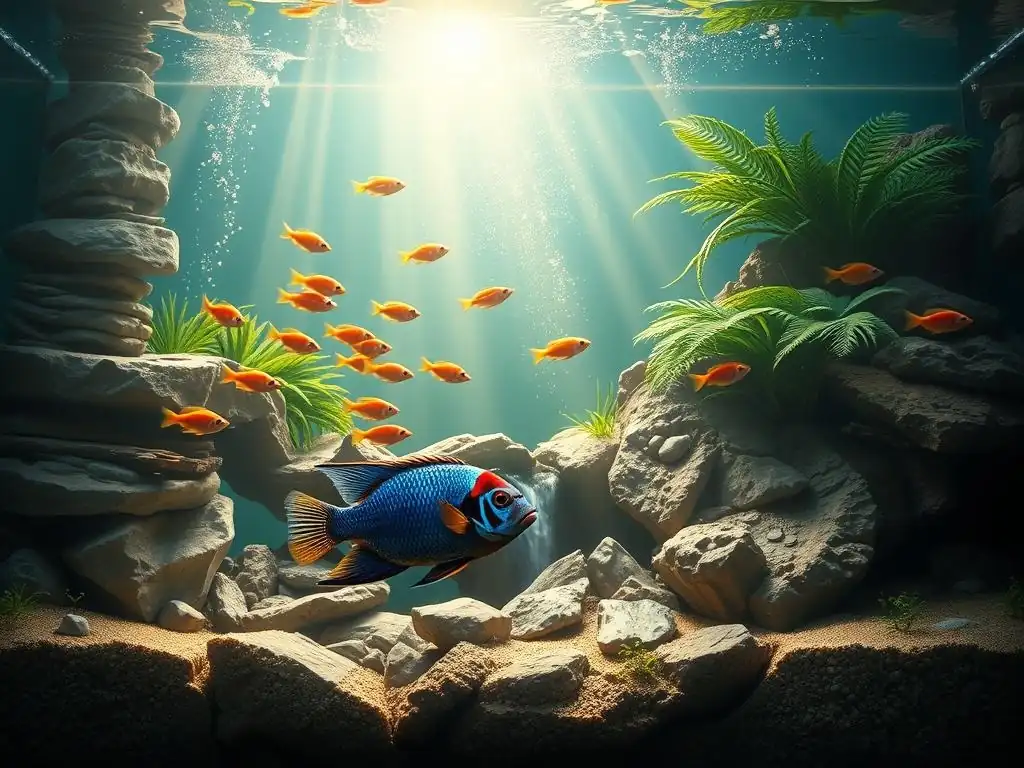
So, you've just brought home some vibrant Mbuna or Peacock Cichlids and want to ensure they thrive in their new aquatic kingdom? Excellent choice! But before you unleash their dazzling colors into your tank, proper acclimation is key. Our Mbuna acclimation guide steps you through the process with easy-to-follow instructions, minimizing stress and maximizing their chances of a long and happy life. Ready to learn the secrets to a successful transition? Let's dive in and unlock the secrets to ensuring your new Mbuna feel right at home!
- Acclimatizing Your New African Cichlids: Step-by-Step Success
- Introduction to African Cichlid Acclimation
- The Ultimate African Cichlid Acclimation Guide: Step-by-Step
- Common Mistakes to Avoid During Cichlid Acclimation
- Maintaining a Healthy Environment for Your African Cichlids Post-Acclimation
- Troubleshooting Acclimation Problems
- Conclusion: Achieving Acclimation Success with Your African Cichlids
-
Frequently Asked Questions
- How long should I float the bag containing my new Mbuna in the aquarium?
- Why is drip acclimation recommended for Mbuna and Peacock Cichlids?
- What water parameters are most critical to match during acclimation?
- What should I do if my Mbuna start showing signs of stress during acclimation?
- When can I introduce my Mbuna to the main aquarium after acclimation?
- Final Reflection: Ensuring a Thriving Aquatic Future
- Unlock Your Cichlids' Vibrant Potential!
Acclimatizing Your New African Cichlids: Step-by-Step Success
Introduction to African Cichlid Acclimation
Why Proper Acclimation is Crucial for African Cichlids
Proper acclimation is fundamental to the survival and long-term well-being of any new fish, and this holds especially true for African cichlids like Mbuna and Peacock cichlids. These vibrant fish are highly sensitive to sudden changes in their environment, particularly variations in water chemistry and temperature. Their physiological systems, especially osmoregulation, are finely tuned to the stable, hard, and alkaline conditions of the African Rift Lakes.
A rapid shift can cause severe stress, compromising their immune system and leading to shock, organ damage, or even immediate death. Studies suggest that improper acclimation can contribute to a mortality rate of 30-50% in new arrivals within the first 24-48 hours.
Beyond immediate mortality, inadequate acclimation significantly increases a cichlid's susceptibility to various diseases, such as Ich (white spot disease) and bacterial infections. When fish are stressed, their natural defenses weaken, making them vulnerable to pathogens that are often present in the aquarium environment but typically harmless to healthy fish. Therefore, diligently following a comprehensive Mbuna acclimation guide steps ensures a smoother transition, reducing stress and setting the stage for a thriving cichlid community.
Understanding the Stress Factors Affecting New Cichlids
New African cichlids face numerous stress factors from the moment they are caught or transported. The journey from a breeder or local fish store (LFS) to your home aquarium involves confinement in a small bag, often for several hours, leading to declining water quality due to ammonia buildup and decreasing oxygen levels. Once at home, the most significant stressors are sudden changes in water parameters, including temperature, pH, and hardness. A difference of even 0.5-1.0 pH units or a few degrees Fahrenheit can induce severe physiological shock, as their bodies struggle to adjust to the new osmotic pressure.
Furthermore, the bright lights of a new environment, the presence of unfamiliar tank mates, and the general disruption of being moved can all contribute to acute stress. For Mbuna cichlids, known for their territorial aggression, the introduction to an established hierarchy can be particularly daunting if not managed carefully. Recognizing these multifaceted stressors is the first step in mitigating them through a carefully planned acclimation process, ensuring that your Mbuna and Peacock cichlids have the best chance to flourish.
The Ultimate African Cichlid Acclimation Guide: Step-by-Step
Step 1: Preparing Your Aquarium for New Cichlids
Before your new Mbuna or Peacock cichlids even arrive, the most critical step is ensuring their new home is perfectly prepared. This involves not just setting up the tank, but meticulously checking and stabilizing its water parameters.
Water Parameter Check Before Introducing New Fish
It is paramount to test your aquarium's water parameters thoroughly before introducing any new fish. For African cichlids, target specific ranges:
- pH: Ideally between 7.8 and 8.6, mimicking their natural alkaline lake environments.
- General Hardness (GH): 10-20 dGH (degrees of General Hardness).
- Carbonate Hardness (KH): 10-18 dKH (degrees of Carbonate Hardness), essential for buffering pH.
- Ammonia (NH3/NH4+): 0 ppm (parts per million).
- Nitrite (NO2-): 0 ppm.
- Nitrate (NO3-): Below 20 ppm, ideally closer to 10 ppm.
Using a reliable liquid test kit, such as the API Freshwater Master Test Kit, provides more accurate readings than test strips. Ensure your tank has completed its nitrogen cycle, meaning beneficial bacteria are established to process ammonia and nitrite. Introducing fish to an uncycled tank or one with incorrect parameters is a recipe for disaster, as their systems will be overwhelmed, making these preliminary Mbuna acclimation guide steps non-negotiable.
Ensuring Proper Temperature and pH Levels for African Cichlids
Beyond just checking, actively ensuring the correct temperature and pH levels is vital. African cichlids thrive in warmer waters, typically between 76-82°F (24-28°C). Use a quality aquarium heater and a reliable thermometer to maintain a stable temperature. For pH, if your tap water is significantly lower than the target 7.8-8.6 range, you may need to amend it. Methods include using crushed coral or aragonite as substrate, adding Rift Lake salts, or utilizing pH buffers designed for African cichlids.
It's crucial that any adjustments to pH or hardness are made gradually over several days or weeks before the fish arrive. Sudden fluctuations are far more detrimental than slightly off but stable parameters. The stability of these parameters is key to preventing osmotic shock and maintaining your cichlids' long-term health, directly impacting the success of the entire Mbuna acclimation guide steps.
Step 2: Floating the Bag: Temperature Acclimation
Once your tank is ready and your new cichlids have arrived, the first physical step in the acclimation process is temperature equalization.
How Long to Float the Bag for Optimal Temperature Adjustment
The primary goal of floating the bag is to allow the water temperature in the bag to gradually match the temperature of your aquarium water. Place the sealed bag containing your new Mbuna or Peacock cichlids directly into your aquarium, ensuring it floats without sinking. A general guideline for this step is 15-20 minutes. This duration is typically sufficient for heat transfer to occur through the plastic, bringing the bag water to within a degree or two of the tank water, without depleting oxygen levels excessively or allowing ammonia to build up to dangerous levels within the confined bag.
During this period, it's advisable to turn off your aquarium lights or dim them significantly. This reduces visual stress for the fish as they adjust to their new surroundings. Avoid opening the bag at this stage, as it would introduce oxygen and potentially cause a rapid pH spike due to the conversion of ammonia to a more toxic form. Patience during this initial phase is crucial for the subsequent Mbuna acclimation guide steps.
Monitoring Water Temperature During the Floating Process
While floating, you don't need to constantly monitor the bag's internal temperature, but ensure your tank thermometer is accurate and displays the correct temperature for your African cichlids (76-82°F / 24-28°C). The principle of heat exchange means that the water in the bag will naturally equalize with the surrounding tank water.
The aim here is to prevent thermal shock, a sudden change in temperature that can severely stress a fish's metabolism and immune system, leading to rapid decline or even death. By allowing this gradual temperature adjustment, you significantly reduce one of the immediate stressors, preparing your cichlids for the next, more critical phase of water chemistry adjustment.
Step 3: Drip Acclimation: The Gradual Introduction to Tank Water
Drip acclimation is the most recommended and safest method for introducing sensitive fish like African cichlids to new water parameters, especially when there are significant differences in pH, GH, or KH between the transport water and your aquarium water. This is a core component of effective Mbuna acclimation guide steps.
Setting Up a Drip Acclimation System for Sensitive Cichlids
To set up a drip acclimation system, you'll need a clean, aquarium-dedicated bucket, a length of airline tubing, and optionally an airline valve or a knot-tying method.
- Carefully open the bag and gently empty its contents (fish and water) into the clean bucket. Ensure the bucket is large enough to comfortably hold the fish and the increasing volume of water.
- Position the bucket on the floor or a surface lower than your aquarium.
- Place one end of the airline tubing into your aquarium water and the other end into the bucket.
- Start a siphon by gently sucking on the end of the tube going into the bucket (be careful not to ingest tank water). Once water flows, adjust the drip rate.
The Ideal Drip Rate for African Cichlid Acclimation
The ideal drip rate for African cichlids is slow and steady: aim for approximately 1-2 drops per second. You can control this rate by tying a loose knot in the airline tubing or using an airline valve. The goal is to slowly introduce your aquarium water into the bucket, gradually changing the water chemistry around the fish.
Continue the drip until the volume of water in the bucket has at least doubled, which typically takes 45-60 minutes. For extremely sensitive species, or if your water parameters are significantly different from the transport water, you might extend this period to 90 minutes or even 2 hours. Patience during this stage is paramount; rushing this process can negate all previous efforts and lead to severe stress.
Why Drip Acclimation Minimizes Stress
Drip acclimation minimizes stress by allowing the fish's osmoregulation system to adapt gradually to the new water chemistry. Fish constantly regulate the balance of salts and water in their bodies, a process called osmoregulation. A sudden change in pH, hardness, or salinity can cause osmotic shock, where cells rapidly swell or shrink, leading to organ damage and death.
By slowly introducing your tank water, you give the cichlids' bodies sufficient time to adjust their internal chemistry to match the external environment. This gradual adaptation prevents the shock response, reduces the release of stress hormones, and preserves their immune function, significantly increasing their chances of long-term survival and health. This methodical approach is the hallmark of effective Mbuna acclimation guide steps.
Step 4: Releasing Your Cichlids into Their New Home
Once the drip acclimation is complete, it's time to transfer your Mbuna or Peacock cichlids into their permanent aquarium. This final step should be done gently to avoid undoing the careful acclimation.
Gentle Release Techniques for African Cichlids
After the drip acclimation, carefully remove about 50-75% of the water from the bucket, discarding it (do NOT add this water to your main display tank, as it may contain ammonia and other undesirable substances from transport). With the remaining water, gently scoop out each fish using a small, clean plastic cup or a fine-mesh, soft-sided net. Slowly submerge the cup or net into your aquarium and allow the fish to swim out into its new home at its own pace.
This method minimizes physical contact and stress on the fish. For multiple fish, repeat the process for each individual. Ensure the tank lights remain off or dim for at least a few hours after introduction, allowing the fish to explore their new environment without being startled.
Avoiding Netting to Reduce Stress
Traditional netting, especially with coarse nets, should be avoided during the final transfer of your cichlids. The rough mesh of a net can damage a fish's delicate slime coat, which is its primary defense against parasites and bacterial infections. It can also cause fin damage or scale loss, further stressing the fish and making it more susceptible to disease.
Using a cup or gently guiding the fish out of the bucket with your hand (if you have clean, unlotioned hands) into the tank is a far less invasive method. This small act of care can significantly reduce post-acclimation stress and contribute to the successful integration of your new Mbuna or Peacock cichlids into their new home.
Step 5: Post-Acclimation Observation and Monitoring
The acclimation process doesn't end when the fish are in the tank. The critical period immediately following introduction requires diligent observation and monitoring to ensure your Mbuna and Peacock cichlids are adapting well.
Signs of Stress in Newly Acclimated Cichlids
For the first 24-72 hours, closely observe your new cichlids for any signs of stress or distress. Common indicators include:
- Clamped fins: Fins held tightly against the body.
- Rapid gilling: Breathing heavily and quickly.
- Excessive hiding: Beyond initial shyness, prolonged hiding or staying at the bottom.
- Erratic swimming: Jerky movements or swimming against the current without purpose.
- Pale coloration: Loss of vibrant colors.
- Rubbing against decor: Indicating irritation from parasites or water quality issues.
- Loss of appetite: Refusing to eat when offered food.
While some initial shyness is normal, persistent or worsening signs of stress indicate a problem that needs immediate attention.
Monitoring Water Parameters After Introducing New Fish
Even after successful acclimation, it's crucial to continue monitoring your aquarium's water parameters daily for the first week, then every other day for the subsequent week. The introduction of new fish adds to the biological load of your tank, potentially causing a mini-cycle where ammonia and nitrite levels might temporarily rise above zero.
- Test for ammonia and nitrite specifically. If either registers above 0 ppm, perform a small (10-20%) water change immediately using temperature-matched, dechlorinated water.
- Continue to monitor pH to ensure it remains stable within the ideal range for African cichlids.
Consistent monitoring helps you catch and address any water quality issues before they become severe, protecting your newly acclimated fish.
What to do if Your Cichlids Show Signs of Distress
If your Mbuna or Peacock cichlids exhibit persistent or severe signs of distress, immediate action is necessary.
- Re-test all water parameters: Double-check pH, ammonia, nitrite, and nitrate levels. If any parameter is off, perform a water change as described above.
- Check temperature: Ensure it's stable and within the optimal range.
- Reduce stress: Dim the lights, minimize activity around the tank, and ensure adequate hiding spots are available.
- Observe for disease: Look for physical symptoms like white spots (Ich), frayed fins (fin rot), or bloating (Malawi bloat). If disease is suspected, and you have a quarantine tank, consider isolating affected fish for treatment to avoid medicating the main display. Otherwise, consult reliable resources for appropriate in-tank treatments. Timely intervention can often save fish that are struggling.
Common Mistakes to Avoid During Cichlid Acclimation
Successfully navigating the Mbuna acclimation guide steps also means being aware of common pitfalls that can undermine your efforts and endanger your new fish.
The Dangers of Rushing the Acclimation Process
One of the most frequent and detrimental mistakes is rushing the acclimation process. Impatience can lead to severe consequences, as it deprives the fish of the necessary time to physiologically adjust to their new environment. The "plop and drop" method, where fish are simply released into the tank after a brief temperature float, is highly discouraged for sensitive species like African cichlids.
Rapid changes in water chemistry, particularly pH shock, can overwhelm a fish's osmoregulation system, leading to immediate death or severe internal damage that manifests as illness days or weeks later. Even if a fish survives the initial shock, its immune system will be severely compromised, making it highly susceptible to common aquarium diseases like Ich, fungal infections, or bacterial issues. A few extra minutes of careful acclimation can mean the difference between a thriving fish and a tragic loss.
Ignoring Water Parameter Differences
Another critical error is neglecting to compare and account for the differences in water parameters between the transport water and your aquarium water. Fish store water, or even water from a breeder, often has different pH, hardness, and even temperature than your home tank. For instance, a fish might come from water with a pH of 7.0, but your African cichlid tank is maintained at pH 8.2.
Ignoring such a significant pH difference (which is logarithmic) can lead to pH shock, a common cause of death in newly introduced fish. Even if the temperature is matched, the sudden shift in alkalinity or hardness can be lethal. Always test both the bag water (if possible, without stressing the fish) and your tank water to understand the disparity. The drip acclimation method is specifically designed to bridge these differences safely, making it a crucial part of any comprehensive Mbuna acclimation guide steps.
Overcrowding the Tank During Acclimation
Introducing too many new fish at once, especially into a newly established or marginally cycled tank, is a significant mistake. Each new fish adds to the biological load, increasing the amount of ammonia produced and demanding more from your beneficial bacteria colony. If the bacterial colony isn't large enough to handle the sudden influx of waste, an ammonia spike or a mini-cycle can occur, poisoning your new and existing fish.
For African cichlids, particularly Mbuna, which have a high bioload and can be aggressive, introducing them in smaller batches is often advisable. For example, if you plan to stock 15 Mbuna, introduce 5-7, allow the tank to stabilize for 2-3 weeks, and then introduce the next batch. This allows your biological filter to adapt and helps manage potential aggression by allowing new fish to establish themselves more gradually. Patience in stocking, just as in acclimation, is key to a healthy cichlid aquarium.
Maintaining a Healthy Environment for Your African Cichlids Post-Acclimation
Successful acclimation is just the beginning. Long-term health for your Mbuna and Peacock cichlids depends on consistent, high-quality care that addresses their specific needs.
Regular Water Changes and Testing
African cichlids are known for their high bioload, meaning they produce a significant amount of waste. Regular water changes are therefore essential to dilute nitrates, replenish essential minerals, and maintain stable water parameters. A weekly or bi-weekly water change of 25-30% is generally recommended for a well-stocked cichlid tank. Use a gravel vacuum to remove detritus and uneaten food from the substrate, which helps prevent the accumulation of harmful organic matter.
Beyond water changes, consistent water testing should continue even after your fish are fully acclimated. Regularly check pH, ammonia, nitrite, and nitrate levels. This routine vigilance allows you to detect any potential issues, such as a creeping rise in nitrates or a subtle pH shift, before they become problematic for your fish. Stable and pristine water quality is the cornerstone of preventing stress and disease in African cichlids.
Providing Appropriate Diet and Nutrition
The diet provided to your African cichlids is critical for their health and vibrant coloration, and it varies depending on the species. Mbuna cichlids are primarily herbivorous or aufwuchs grazers in the wild, meaning their diet should be high in vegetable matter. High-quality spirulina flakes or pellets, specifically formulated for herbivorous cichlids, should form the bulk of their diet. Avoid feeding them too much protein or fatty foods, as this can lead to Malawi bloat, a common and often fatal digestive issue.
Peacock cichlids, while also from Lake Malawi, are generally more omnivorous or carnivorous, feeding on invertebrates and small crustaceans. Their diet should include high-quality flakes or pellets with a balanced protein content, supplemented occasionally with frozen foods like Mysis shrimp, brine shrimp, or bloodworms. Regardless of species, avoid overfeeding, as excess food pollutes the water and contributes to health problems. Feed small amounts 1-2 times daily, only what they can consume in a few minutes.
Minimizing Aggression in the Cichlid Tank
African cichlids, particularly Mbuna, are known for their territorial and aggressive nature. While aggression is natural, it needs to be managed to prevent injury and stress within the tank. Several strategies can help minimize aggression:
- Proper Stocking: For Mbuna, a slightly overstocked tank (e.g., 1 fish per 2-3 gallons for adults in a 55+ gallon tank) can help diffuse aggression by spreading it among many individuals, preventing one fish from being singled out. For Peacocks, which are less aggressive, standard stocking rules apply, ensuring adequate territory.
- Aquascaping: Provide ample rockwork, caves, and visual barriers to create distinct territories and hiding spots. This allows submissive fish to escape aggression and reduces line-of-sight attacks.
- Introducing Fish: If adding multiple fish, introduce them simultaneously after individual acclimation. If adding to an established tank, rearrange decor to disrupt existing territories.
Regular observation for signs of excessive aggression, such as constant chasing or fin nipping, is important. Be prepared to rehome overly aggressive individuals if they consistently bully other tank inhabitants, as chronic stress can lead to disease.
Troubleshooting Acclimation Problems
Despite best efforts following the Mbuna acclimation guide steps, problems can sometimes arise. Knowing how to troubleshoot common issues can save your fish.
Dealing with Ammonia Spikes After Introducing New Fish
Ammonia spikes are a common issue after introducing new fish, especially if the biological filter is not robust enough to handle the increased bioload. Ammonia is highly toxic to fish.
- Solution: Test water immediately. If ammonia levels are above 0 ppm, perform a rapid 25-50% water change using dechlorinated, temperature-matched water. Consider using a liquid ammonia-binding product (e.g., Seachem Prime) as an emergency measure, which temporarily detoxifies ammonia and nitrite. Reduce or cease feeding for 24-48 hours to minimize further waste production. Increase aeration in the tank. Continue daily water testing and small water changes until ammonia returns to 0 ppm.
Addressing Fin Rot or Other Infections
Stress from acclimation can weaken a fish's immune system, making it susceptible to bacterial infections like fin rot, which appears as frayed, tattered, or discolored fins.
- Solution: The first and most effective treatment is pristine water quality. Perform a 25% water change and ensure all parameters are ideal. If the condition is mild, improved water quality often allows the fish to heal naturally. If severe or spreading, consider using a broad-spectrum antibiotic medication in a separate quarantine tank, if available. This prevents medicating the entire display tank, which can harm beneficial bacteria. Always follow medication instructions carefully.
Cloudy Water and Solution
Cloudy water often indicates a bacterial bloom, which can occur during a mini-cycle or if there's excess organic waste in the tank. It's usually harmless to fish in the short term but signals a water quality imbalance.
- Solution: Reduce feeding significantly or cease for a day or two. Ensure good mechanical filtration and water circulation. Perform small daily water changes (10-15%) until the water clears. Avoid using chemicals that promise to "clear" the water instantly, as they often just clump particles together without addressing the root cause, and can sometimes stress fish. The cloudiness will typically resolve as the beneficial bacteria population stabilizes.
Loss of Appetite and Solution
It's normal for newly introduced fish to not eat for the first 24-48 hours due to stress and shyness. However, if loss of appetite persists beyond 72 hours, it could indicate a more serious problem.
- Solution: First, re-check all water parameters to rule out environmental issues. Ensure you are offering an appropriate diet for your specific African cichlid species (e.g., spirulina-based for Mbuna). Try offering a highly palatable food like frozen brine shrimp or mysis shrimp, which can tempt reluctant eaters. If the fish still refuses food and shows other signs of distress or disease, further investigation into underlying health issues or severe stress is warranted.
Conclusion: Achieving Acclimation Success with Your African Cichlids
Long-Term Health and Happiness of Your African Cichlids
Successfully acclimating your new Mbuna or Peacock cichlids is more than just getting them into the tank alive; it's about laying the groundwork for their long-term health, vibrancy, and happiness. By meticulously following the Mbuna acclimation guide steps, you significantly reduce the initial stress that new fish experience, safeguarding their immune systems and minimizing their susceptibility to common aquarium ailments. This careful approach acknowledges the delicate nature of these magnificent fish and respects their biological needs.
A well-acclimated cichlid is less likely to exhibit chronic stress, aggression, or disease, leading to a more stable and enjoyable aquarium environment. The patience and attention to detail invested during this critical introductory phase will pay dividends in the form of robust, colorful, and active fish that will be a joy to observe for years to come.
Further Resources for Cichlid Care
Acclimation is merely the first chapter in the rewarding journey of African cichlid keeping. To ensure the continued success and well-being of your Mbuna and Peacock cichlids, ongoing education and diligent care are essential. AquariumMastery.com offers an extensive library of resources designed to support aquarists at every level.
Explore our detailed species profiles to understand the unique needs of different Mbuna and Peacock varieties, delve into comprehensive diet guides to ensure proper nutrition, and learn advanced strategies for managing aggression and maintaining optimal water chemistry. By continuously expanding your knowledge and applying best practices, you can provide an enriching and stable habitat where your stunning African cichlids will not only survive but truly thrive.
Frequently Asked Questions
How long should I float the bag containing my new Mbuna in the aquarium?
You should float the bag for approximately 15-30 minutes. This allows the water temperature in the bag to gradually equalize with the aquarium water, minimizing temperature shock to your new fish.
Why is drip acclimation recommended for Mbuna and Peacock Cichlids?
Drip acclimation provides a slower, more controlled adjustment to the aquarium water parameters. This minimizes the stress from sudden changes in water chemistry, which is crucial for these sensitive fish.
What water parameters are most critical to match during acclimation?
The most critical parameters are temperature, pH, and alkalinity. Matching these as closely as possible will reduce stress and help your Mbuna adjust to their new environment.
What should I do if my Mbuna start showing signs of stress during acclimation?
If your Mbuna are gasping at the surface or exhibiting erratic swimming, slow down the acclimation process. Consider adding an air stone to the acclimation container to increase oxygen levels.
When can I introduce my Mbuna to the main aquarium after acclimation?
Once the water parameters in the acclimation container closely match the aquarium, and the fish appear calm, you can carefully release them. Observe them closely for any signs of aggression from existing tank mates.
Final Reflection: Ensuring a Thriving Aquatic Future
The journey of introducing new Mbuna or Peacock Cichlids into your aquarium, as detailed in this guide, is more than just a series of steps; it's about fostering a thriving ecosystem. The principles of careful acclimation, water parameter matching, and stress reduction are not merely best practices, but essential cornerstones for the long-term health and vibrancy of these magnificent fish. In a world increasingly aware of the delicate balance of our ecosystems, understanding and applying these techniques becomes even more crucial for responsible fishkeeping.
This process of acclimation, while seemingly technical, underscores a deeper connection we have with the creatures we bring into our homes. It's a reminder that our actions directly impact the well-being of these animals, and that patience and diligence are rewarded with a thriving, colorful display. The greatness of a nation and its moral progress can be judged by the way its animals are treated.
- Mahatma Gandhi. This quote, though broad, resonates deeply with the responsibility we undertake when caring for any living being, especially those as sensitive as Mbuna and Peacock Cichlids.
Now, as you embark on your own journey of introducing these vibrant fish into your aquarium, remember that each step, each careful adjustment, contributes to their future success. Take the time to truly understand their needs, to observe their behavior, and to create an environment where they can flourish. Your dedication to proper acclimation is not just about keeping fish alive; it's about cultivating a thriving aquatic world, a testament to your commitment to responsible and compassionate fishkeeping.
Unlock Your Cichlids' Vibrant Potential!
Thanks for diving into the world of African cichlids with us! We hope you've gained valuable insights into ensuring a smooth transition for your new Mbuna or Peacock cichlids into their new home. Now, let's turn that knowledge into action and watch your cichlids thrive!
Here's how to get started:
- Prioritize a gentle introduction: Carefully follow the drip acclimation method outlined in the article. This is the single most important step to minimize stress and ensure your cichlids adapt successfully.
- Explore compatible tank mates. Research and consider adding a few carefully chosen species to create a vibrant and harmonious aquarium community. What about Synodontis catfish?
- Share your setup! Post a photo or video of your cichlid aquarium on social media using #AquariumMastery and inspire other aquarists with your success.
What fascinating behaviors have you already observed in your new cichlids, and what are you most excited to witness as they settle in?