
From Ocean to Tank: Mimicking a Tang's Natural Feeding Habits & Schedule

Welcome to Aquarium Mastery!
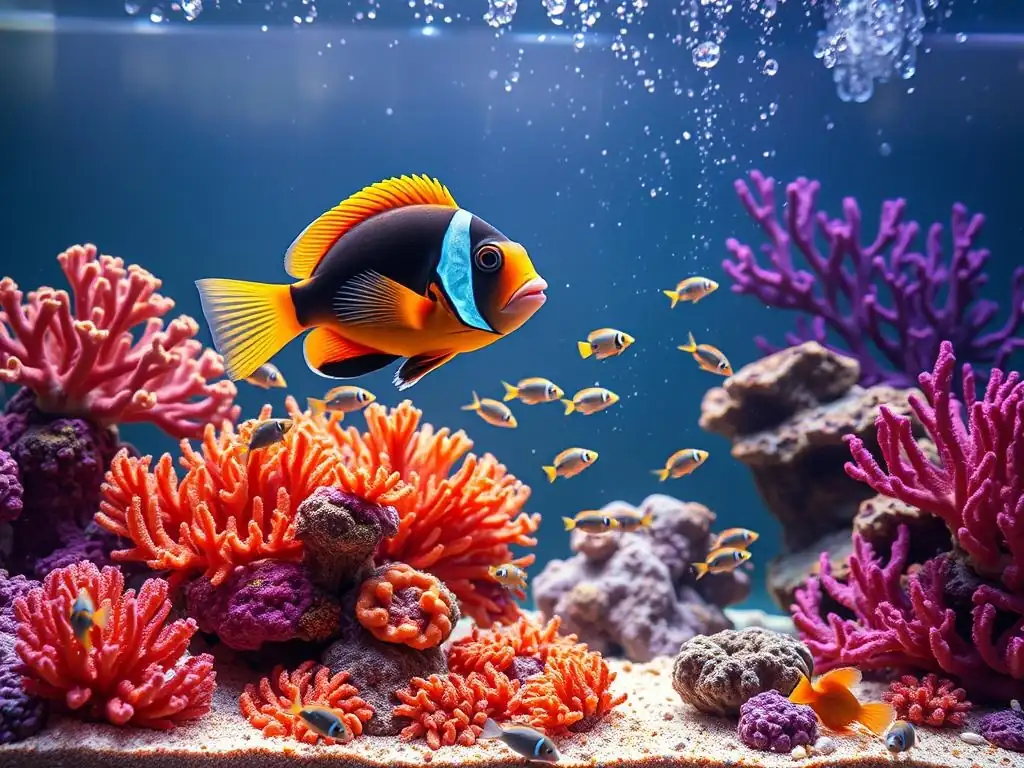
Ever wondered if you're really feeding your Tang right? These vibrant fish have specific dietary needs rooted in their natural ocean environment. Dive in to discover essential Tang feeding schedule tips and learn how to mimic their wild grazing habits to ensure a healthy and thriving saltwater aquarium. Let's unlock the secrets to a happy Tang, one bite at a time!
- Understanding Tang Dietary Needs in the Wild
- Creating a Tang-Specific Feeding Schedule for Optimal Health
- Selecting the Right Foods to Replicate a Tang's Natural Diet
-
Effective Feeding Techniques for Tangs in Aquarium Settings
- Using Algae Clips and Feeding Stations to Encourage Grazing
- Introducing New Foods Gradually to Avoid Stress and Digestive Issues
- Introduction Techniques: Small Portions, Observation, and Gradual Increase
- Ensuring All Tangs Receive Adequate Food in a Community Tank
- Preventing Food Competition: Target Feeding and Distraction Techniques
- Monitoring Tang Health Through Feeding Habits
- Preventing Nutritional Deficiencies in Tangs: Advanced Tips
- Replicating Natural Grazing: DIY Options for Tang Feeding
-
Frequently Asked Questions
- What is the most important consideration when establishing a Tang feeding schedule in a home aquarium?
- How often should I feed my Tangs in my aquarium?
- What types of food should be included in a Tang's diet?
- How can I ensure my Tangs are getting enough food without overfeeding the tank?
- What are some signs that my Tang's feeding schedule isn't working?
- Final Reflection: Sustaining Life Beyond the Reef
- Cultivate Your Tang's Thriving Habitat
Understanding Tang Dietary Needs in the Wild
The Natural Diet of Tangs: A Reef Grazing Lifestyle
Tangs, also known as surgeonfish, are predominantly herbivorous in their natural ocean habitats, primarily grazing on various forms of algae found on live rock, coral skeletons, and sandy substrates. Their specialized mouthparts and digestive systems are perfectly adapted for constantly scraping and consuming filamentous algae, microalgae, and detritus throughout the day. This continuous grazing behavior is crucial not only for their nutritional intake but also plays a vital ecological role in controlling algae growth on coral reefs, preventing overgrowth that could smother corals.
In the wild, a Tang's diet is incredibly diverse, encompassing a wide array of algal species. For instance, species like the Yellow Tang (Zebrasoma flavescens) are often observed meticulously picking at turf algae and diatoms, while others, like the Naso Tang (Naso lituratus), might consume larger macroalgae. This constant, varied intake ensures they receive a full spectrum of nutrients essential for their robust health and vibrant coloration, a key aspect to consider when developing a Tang feeding schedule.
Key Nutrients Tangs Obtain in Their Natural Habitat
The primary nutrients Tangs derive from their natural, algae-rich diet are complex carbohydrates, vital vitamins, and essential minerals. Algae are excellent sources of Vitamin C, a crucial antioxidant that supports immune function and tissue repair, and Vitamin A, important for vision and growth. They also provide various B vitamins and Vitamin E. Furthermore, the constant consumption of marine algae ensures a steady intake of trace elements such as iodine, which is critical for thyroid function, and calcium, necessary for skeletal development and overall cellular processes.
Beyond vitamins and minerals, the high fiber content in algae is paramount for a Tang's digestive health. This fiber aids in the smooth passage of food through their gut, preventing issues like bloat and promoting efficient nutrient absorption. The wild diet of Tangs is naturally low in fat and high in roughage, a balance that supports their active metabolism and prevents fatty liver disease, making it a critical consideration for any effective Tang feeding schedule tips.
How Wild Tang Feeding Patterns Differ from Captivity
The most significant difference between wild and captive Tang feeding patterns lies in the frequency and duration of feeding. In their natural environment, Tangs are continuous grazers, spending a large portion of their daylight hours – often 8 to 12 hours daily – meticulously picking at algae. This constant, small-quantity intake ensures a steady supply of nutrients and keeps their digestive system continuously active. They rarely consume large meals at once; instead, their diet consists of numerous tiny portions throughout the day.
In contrast, captive Tangs are often fed once or twice a day with larger, more concentrated meals. This infrequent, heavy feeding can lead to several problems. It can overwhelm their digestive system, potentially causing bloat or nutrient malabsorption. Furthermore, the lack of continuous grazing can lead to boredom and even aggression in some species, as their natural foraging instincts are not adequately satisfied. Replicating the "little and often" approach is a fundamental Tang feeding schedule tip for aquarium success.
Creating a Tang-Specific Feeding Schedule for Optimal Health
Establishing a Consistent Daily Feeding Routine for Tangs
Establishing a consistent daily feeding routine is paramount for the health and well-being of Tangs in an aquarium. Predictable feeding times reduce stress, as the fish learn when to expect food, minimizing anxiety and aggressive behavior often associated with resource scarcity. A consistent routine also aids in maintaining stable water parameters by preventing large, infrequent food inputs that can lead to nutrient spikes. For example, feeding at roughly the same times each day—say, within a 30-minute window—helps regulate their metabolism and digestive processes, mimicking the rhythm of their natural environment.
Beyond the biological benefits, a consistent Tang feeding schedule allows aquarists to better observe their fish. Regular interaction during feeding times makes it easier to spot changes in appetite, behavior, or physical condition, which can be early indicators of stress, illness, or water quality issues. This proactive monitoring is a crucial aspect of overall aquarium management and contributes significantly to the longevity and vibrancy of Tangs, ensuring they thrive rather than merely survive.
The Importance of Multiple Small Feedings Throughout the Day
Given their natural grazing habits, Tangs benefit immensely from multiple small feedings spread throughout the day rather than one or two large meals. This approach closely mimics their continuous foraging in the wild, keeping their digestive system active and ensuring a steady supply of nutrients. For instance, instead of feeding a large quantity of nori once, offering smaller pieces several times prevents overeating at any single moment and reduces the amount of uneaten food decaying in the tank, which can negatively impact water quality.
Multiple small feedings also help mitigate competition in community tanks. When food is introduced frequently in smaller portions, dominant fish are less likely to monopolize the entire supply, allowing shyer or less aggressive Tangs to get their share. This strategy promotes better overall health for all tank inhabitants and reduces stress-induced aggression. Implementing a "little and often" Tang feeding schedule is one of the most impactful Tang feeding schedule tips an aquarist can adopt.
Example Tang Feeding Schedule: 9 AM, 1 PM, 6 PM
A practical example of an effective Tang feeding schedule could involve three distinct feeding times: 9 AM, 1 PM, and 6 PM. The 9 AM feeding, shortly after the aquarium lights come on, provides a morning meal to kickstart their day, similar to how they would begin grazing as daylight emerges on the reef. This could consist of a small piece of nori on an algae clip or a pinch of high-quality spirulina flakes.
The 1 PM feeding serves as a midday snack, preventing a long gap between meals and maintaining their metabolic rate. This might be a small portion of blanched zucchini or some nutrient-enriched pellets. Finally, the 6 PM feeding, a few hours before lights out, provides a final meal to sustain them through the night. This approach ensures that Tangs have access to food throughout their active period, preventing long stretches of hunger and supporting continuous digestive activity, which is a hallmark of a successful Tang feeding schedule.
Selecting the Right Foods to Replicate a Tang's Natural Diet
Algae-Based Foods: The Cornerstone of a Tang's Diet
Algae-based foods are the absolute cornerstone of a Tang's diet in captivity, reflecting their primary food source in the ocean. High-quality dried marine algae, such as unseasoned nori (seaweed sheets), should be offered daily. These products are rich in essential vitamins, minerals, and fiber, closely mimicking the nutritional profile of the filamentous algae Tangs graze on in the wild. Brands like Two Little Fishies Sea Veggies or Ocean Nutrition Formula One Flakes (which contain spirulina) are excellent choices.
In addition to nori, spirulina-based flakes, pellets, and frozen foods formulated specifically for marine herbivores are crucial. Spirulina is a blue-green algae packed with proteins, vitamins, and carotenoids, enhancing color and boosting the immune system. Providing a variety of these algae-based foods ensures a broad spectrum of nutrients and prevents dietary boredom, which can sometimes lead to finicky eating habits in Tangs.
Supplementing with Vegetables: A Crucial Dietary Component for Tangs
While dried marine algae forms the bulk of their diet, supplementing with fresh vegetables is a crucial Tang feeding schedule tip to provide a broader range of vitamins, minerals, and roughage that might be less concentrated in prepared foods. Fresh vegetables offer different textures and nutrient profiles, enriching their diet and promoting natural foraging behaviors. This variety is essential for preventing nutritional deficiencies and supporting overall vitality.
Introducing fresh vegetables also provides a form of enrichment, encouraging Tangs to pick and graze, which is naturally stimulating. The added fiber from vegetables aids in digestion and helps to "clean out" their digestive tract, preventing issues like constipation. This dietary diversity contributes significantly to a Tang's long-term health and resilience against disease.
Vegetable Supplements: Nori, Romaine Lettuce, and Blanched Zucchini
Specific vegetable supplements can greatly enhance a Tang's diet. Unseasoned nori (dried seaweed) is the most popular and easiest to offer, typically attached to an algae clip. For a 4-inch Yellow Tang, a 2x2 inch piece of nori can be offered daily. Romaine lettuce, though less nutrient-dense than marine algae, can be blanched (briefly dipped in boiling water) to soften its texture and make it more digestible, then offered in small pieces. It provides good roughage.
Blanched zucchini, sliced thin (e.g., 1/8-inch thick discs), is another excellent option. Blanching helps it sink and makes it easier for Tangs to consume. These vegetables offer different vitamins and minerals not always abundant in prepared foods, such as Vitamin K from leafy greens. Always ensure vegetables are pesticide-free and thoroughly rinsed before offering them to your Tangs.
Protein Sources: Balancing Algae with Occasional Protein for Tangs
While Tangs are primarily herbivores, their natural diet in the wild often includes incidental ingestion of small invertebrates as they graze on algae-covered rocks. Therefore, a very small, occasional amount of protein can be beneficial to their diet, providing essential amino acids not always abundant in plant matter. However, this should be a minor component, typically less than 10% of their total intake, to maintain their herbivorous digestive system's integrity.
Overfeeding protein to Tangs can lead to severe health issues, including fatty liver disease, digestive upset, and compromised immune function. Their digestive tracts are not designed to process large amounts of animal protein, and an imbalanced diet can result in long-term health complications. The key is balance: emphasizing plant-based foods while offering protein as a rare supplement, making it a critical Tang feeding schedule tip.
Protein Supplements: Mysis Shrimp (Weekly)
For occasional protein supplementation, Mysis shrimp are an excellent choice due to their high nutritional value, including beneficial fatty acids, and their relatively digestible nature. A small portion of frozen Mysis shrimp, thawed and rinsed, can be offered to Tangs once or twice a week. For an average 4-inch Tang, a quantity equivalent to about 5-10 individual shrimp is sufficient for a single feeding.
Other suitable protein sources, offered with similar infrequency and in small amounts, might include enriched brine shrimp or spirulina-enriched frozen foods that contain a small percentage of marine proteins. The goal is to provide a nutrient boost without shifting the fundamental herbivorous nature of their Tang feeding schedule. Always ensure the protein source is high-quality and free of contaminants.
Effective Feeding Techniques for Tangs in Aquarium Settings
Using Algae Clips and Feeding Stations to Encourage Grazing
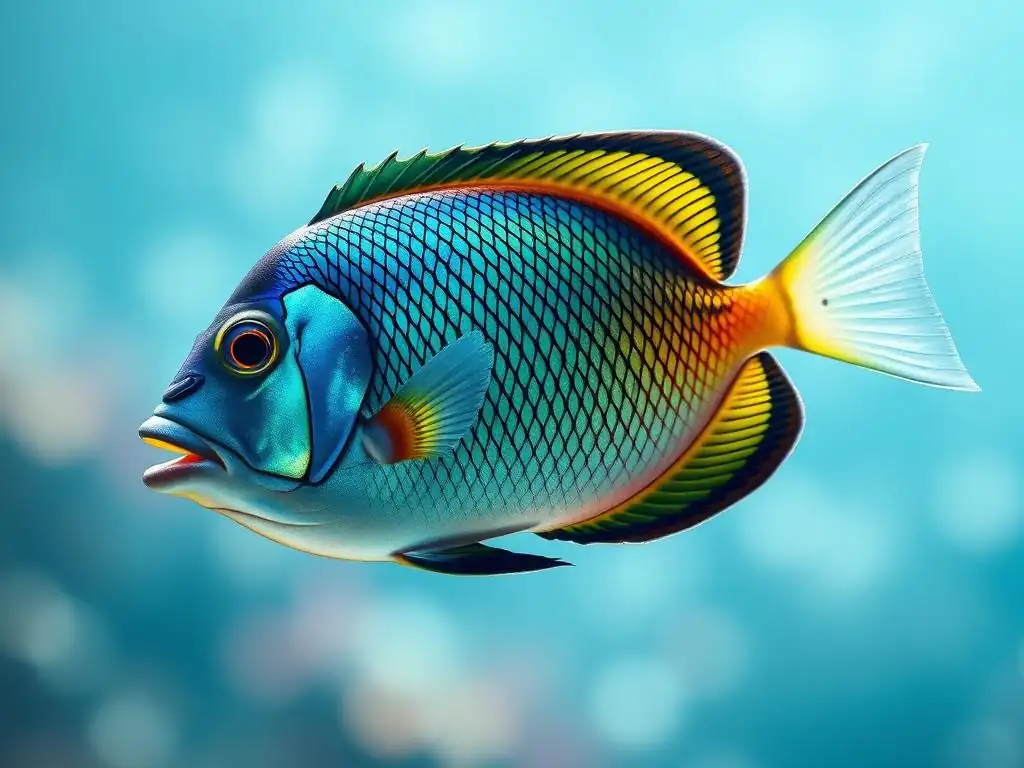
To effectively mimic a Tang's natural grazing behavior, using algae clips and creating feeding stations is highly recommended. An algae clip allows you to secure a piece of nori or blanched vegetable to the aquarium glass, enabling the Tang to graze on it over an extended period, just as it would on a rock in the wild. This prevents the food from floating away quickly and becoming lost in the filtration, ensuring more food is consumed and less is wasted.
Feeding stations, which can be as simple as a designated rock or a piece of PVC pipe where food is regularly placed or clipped, can further encourage natural foraging. Placing these stations in different areas of the tank can also help distribute fish, reducing competition and allowing all Tangs, even shyer ones, access to food. This approach significantly enhances the effectiveness of your Tang feeding schedule tips by promoting natural behavior.
Introducing New Foods Gradually to Avoid Stress and Digestive Issues
Introducing new food items to Tangs should always be a gradual process to avoid stress, digestive upset, or outright rejection. Tangs can be finicky eaters, especially when presented with unfamiliar textures or flavors. A sudden change in diet can lead to refusal to eat, which can quickly weaken a fish. For example, if introducing blanched zucchini for the first time, offer a very small, thin slice alongside their familiar nori or flakes.
Observe their reaction closely. If they show interest and begin to pick at the new food, you can slowly increase the portion size over several days or weeks. If they ignore it, remove it after a few hours to prevent water quality issues, and try again a few days later. Patience is key; it might take multiple attempts before a Tang fully accepts a new food, but persistence is vital for a varied and complete Tang feeding schedule.
Introduction Techniques: Small Portions, Observation, and Gradual Increase
When introducing new foods, start with very small portions. For instance, if you're trying a new pellet, offer just 5-10 pellets initially. Scatter them widely to encourage exploration and reduce direct competition. Closely observe the Tangs' behavior: do they approach the food? Do they mouth it and then spit it out, or do they consume it? This observation provides crucial feedback on acceptance.
If the new food is accepted, gradually increase the portion size over a period of days or even weeks. For example, if a Tang accepts a 1x1 inch piece of a new type of nori on day one, try a 1.5x1.5 inch piece on day three, and a 2x2 inch piece by the end of the week. This slow and steady increase allows their digestive system to adapt and helps them associate the new food with positive feeding experiences, refining your Tang feeding schedule.
Ensuring All Tangs Receive Adequate Food in a Community Tank
In a community tank with multiple Tangs or other aggressive eaters, ensuring all Tangs receive adequate food can be challenging. Dominant individuals can often monopolize feeding areas, leading to malnutrition for shyer or smaller Tangs. To counteract this, it's beneficial to introduce food in multiple locations simultaneously. For example, placing an algae clip at one end of the tank and scattering flakes at the other.
Another effective strategy is to use different feeding methods concurrently. While one Tang is busy grazing on nori from a clip, you can target feed a shyer Tang with a small piece of frozen Mysis shrimp using a long pair of tongs or a pipette. This multi-pronged approach ensures that every fish has an opportunity to feed without excessive competition, crucial for a balanced Tang feeding schedule.
Preventing Food Competition: Target Feeding and Distraction Techniques
To prevent intense food competition, especially in tanks with multiple Tangs or fast-eating tank mates, target feeding and distraction techniques are highly effective. Target feeding involves using a long feeding stick, tongs, or a pipette to deliver food directly to a specific Tang. This is particularly useful for ensuring that less aggressive or smaller Tangs receive their share without being outcompeted by larger, more dominant individuals.
Distraction techniques involve strategically drawing the attention of dominant fish away from the main feeding area. For instance, you could offer a large piece of nori on a clip at one end of the tank to occupy the most aggressive Tangs, while simultaneously scattering a small amount of high-quality pellets or frozen food in another area for the less assertive fish. This allows all fish to feed in a less stressful environment, optimizing the effectiveness of your Tang feeding schedule tips.
Monitoring Tang Health Through Feeding Habits
Observing Tang Feeding Behavior for Early Signs of Illness
A Tang's feeding behavior is often the first and most reliable indicator of its overall health. A healthy Tang is typically an active and energetic grazer, constantly picking at algae or eagerly approaching food offered during feeding times. Any significant change in this behavior, such as a sudden refusal to eat, decreased appetite, or lethargy during feeding, should raise an immediate red flag. For instance, a Yellow Tang that typically devours a 2x2 inch piece of nori within an hour but suddenly ignores it for half a day may be exhibiting early signs of stress or illness.
Other subtle signs to watch for include spitting out food frequently, labored breathing while attempting to eat, or a general disinterest in food they previously enjoyed. These changes can indicate a wide range of issues, from poor water quality or internal parasites to bacterial infections or even just stress from new tank mates. Prompt observation and intervention based on these feeding cues are critical for successful Tang care and for adjusting your Tang feeding schedule if necessary.
Adjusting the Feeding Schedule Based on Tang Growth and Activity Levels
The Tang feeding schedule is not static; it should be dynamic and adjusted based on the individual Tang's growth, activity level, and overall condition. Young, growing Tangs, for example, typically require more frequent and nutrient-dense feedings to support their rapid development. A juvenile Blue Tang (Paracanthurus hepatus) growing from 2 inches to 4 inches might need four small feedings a day, whereas a mature 8-inch adult might thrive on three.
Similarly, highly active species like the Yellow Tang (Zebrasoma flavescens), which are constantly swimming and grazing, burn more calories and may require slightly larger portions or more frequent offerings compared to less active species or those kept in smaller tanks. Observing their body condition—whether they are plump and full or appear thin and emaciated—provides direct feedback on whether the current Tang feeding schedule is meeting their caloric and nutritional demands.
Healthy vs. Unhealthy Feeding: Energetic Grazing vs. Lethargy/Refusal
A healthy Tang exhibits energetic and consistent grazing. They will actively pick at algae on rocks, eagerly approach the water surface or feeding clip when food is introduced, and display vibrant coloration. For example, a healthy Purple Tang (Zebrasoma xanthurum) will be seen constantly exploring the rockwork for algae or swiftly darting to an offered piece of nori, consuming it within minutes. Their belly will appear full but not bloated after feeding.
In contrast, unhealthy feeding behavior includes lethargy, refusal to eat, or a lack of interest in food. A Tang that hides during feeding times, swims listlessly, or ignores food that it previously enjoyed is likely experiencing distress. Other signs might include food being taken into the mouth and then immediately spit out, or a noticeable loss of body mass despite regular offerings. These are clear indicators that the Tang's health, and potentially its Tang feeding schedule, requires immediate attention and adjustment.
Preventing Nutritional Deficiencies in Tangs: Advanced Tips
Supplementing with Vitamins and Minerals for Enhanced Health
Even with a varied and high-quality Tang feeding schedule, prepared foods may not always provide all the necessary vitamins and minerals in sufficient quantities, especially for long-term health. Nutritional deficiencies can lead to severe health problems in Tangs, most notably Head and Lateral Line Erosion (HLLE), a condition often linked to a lack of certain vitamins (like Vitamin C) and trace elements (like iodine). Therefore, supplementing their diet with external vitamin and mineral preparations is an advanced tip for preventing these issues.
These supplements help bridge any nutritional gaps that might exist in even the best prepared foods, ensuring Tangs receive a complete spectrum of micronutrients vital for immune function, tissue repair, and overall vitality. Consistent supplementation, applied correctly, can significantly reduce the risk of deficiency-related diseases and contribute to the vibrant health and longevity of your Tangs.
Vitamin and Mineral Supplements: Selcon and Vita-Chem
Two highly recommended and widely used vitamin and mineral supplements for marine fish are Selcon and Vita-Chem. Selcon is a concentrated marine lipid additive rich in Omega-3 fatty acids and Vitamin C. It can be used to soak frozen foods (like Mysis shrimp) or pellets for about 10-15 minutes before feeding. For example, a few drops of Selcon mixed with a cube of thawed Mysis shrimp and allowed to soak ensures the food is enriched before consumption.
Vita-Chem is a broad-spectrum vitamin supplement that can also be used to fortify both dry and frozen foods. A common practice is to add 2-3 drops of Vita-Chem per tablespoon of food, allowing it to soak in before feeding. Both supplements should be used according to their specific product instructions, typically 2-3 times a week, to provide consistent nutritional boosts without over-supplementation.
Common feeding-related issues in Tangs include finicky eating, unexplained weight loss, and bloat. Finicky eating often occurs when Tangs are newly introduced to a tank, stressed, or are refusing new food types. Weight loss, despite apparent feeding, can indicate internal parasites, malabsorption, or insufficient caloric intake from their current Tang feeding schedule. Bloat is often a sign of digestive distress, possibly from overfeeding protein or a lack of fiber.
Addressing these issues promptly is crucial, as prolonged nutritional deficiencies or digestive problems can severely compromise a Tang's immune system, making them susceptible to secondary infections like Ich (Cryptocaryon irritans) or Brooklynella. Early detection and targeted solutions are key to restoring their health and ensuring they return to a robust Tang feeding schedule.
Solutions: Garlic Soak for Finicky Eaters, Increased Feeding for Weight Loss
For finicky eaters, soaking food in a garlic extract product (such as Seachem GarlicGuard) can often stimulate appetite. The strong aroma and flavor of garlic can make otherwise unappealing foods more attractive to reluctant Tangs. For example, a piece of nori soaked in garlic extract for 10 minutes might be readily accepted by a Tang that previously ignored it.
For Tangs experiencing weight loss, the solution involves increasing both the frequency and the caloric density of their food, ensuring a high-quality, algae-rich diet. This might mean adding an extra feeding session per day or offering slightly larger portions of nutrient-dense spirulina flakes and fortified frozen foods. For bloat, reduce protein-rich foods and increase high-fiber options like blanched vegetables, while ensuring excellent water quality.
Replicating Natural Grazing: DIY Options for Tang Feeding
Creating Algae Rocks: A Natural and Sustainable Food Source
One of the most effective DIY methods to replicate a Tang's natural grazing environment is by creating "algae rocks." This provides a continuous, natural, and sustainable food source, mimicking the constant foraging Tangs undertake on wild reefs. It also offers mental enrichment, as the Tangs can spend hours picking at the algae, fulfilling their innate grazing instincts.
The benefits extend beyond just nutrition; algae rocks help maintain a cleaner tank by encouraging Tangs to graze on naturally occurring algae, reducing the need for manual cleaning in some areas. This method also reduces waste from uneaten processed foods, contributing to better water quality. It's an excellent way to integrate natural foraging into your Tang feeding schedule.
Algae Rock Creation: Curing Rocks in Sunlight
To create algae rocks, start with clean, inert aquarium-safe rocks (e.g., dry base rock or lava rock). Place these rocks in a shallow container of saltwater (preferably from your display tank or freshly mixed) and expose them to strong, direct sunlight for several weeks. A sunny windowsill or outdoor location works well. Over time, various types of green and brown algae will naturally grow and colonize the rock surfaces.
Once a good layer of algae has developed (typically 2-4 weeks, depending on light intensity), you can rotate these "cured" algae rocks into your main display tank. Allow your Tangs to graze on them for a day or two until the algae is significantly depleted, then remove the rock and replace it with another "charging" rock. This rotation ensures a continuous supply of fresh, natural algae for your Tangs, a highly effective Tang feeding schedule tip.
Cultivating Macroalgae in a Refugium for Tang Consumption
Cultivating macroalgae in a dedicated refugium is an advanced and highly beneficial DIY method for providing a continuous supply of fresh, nutritious food for Tangs. A refugium is a separate sump or chamber connected to the main display tank, designed to grow beneficial organisms without disturbance from main tank inhabitants. In this space, macroalgae can thrive under dedicated lighting.
The dual benefit of a macroalgae refugium is significant: not only does it provide a sustainable food source for your Tangs, but the macroalgae also act as a natural filter, absorbing nitrates and phosphates from the water column, thereby improving overall water quality in the main display tank. This method supports both the nutritional needs of your Tangs and the stability of your aquarium ecosystem.
Macroalgae Refugium: Chaetomorpha and Caulerpa
Two popular types of macroalgae cultivated in refugiums for Tang consumption are Chaetomorpha (often called "Chaeto") and Caulerpa species. Chaetomorpha is highly recommended due to its dense, spaghetti-like growth and its non-invasive nature; it doesn't release spores that can take over the main display tank. It's an excellent source of fiber and various nutrients. Simply harvest a handful of Chaeto from your refugium, rinse it in saltwater, and offer it directly to your Tangs, which will readily graze on it.
Caulerpa species (like Caulerpa prolifera or Caulerpa taxifolia, though the latter can be invasive) also grow well in refugiums and are eagerly consumed by Tangs. However, Caulerpa can sometimes undergo "sexual reproduction" events, releasing nutrients back into the water, which can be problematic. Regular harvesting (e.g., 25-30% of the mass weekly) helps prevent this. Both macroalgae types provide a fresh, live food source that closely mimics the natural grazing experience, making them excellent additions to a comprehensive Tang feeding schedule.
Frequently Asked Questions
What is the most important consideration when establishing a Tang feeding schedule in a home aquarium?
The most important factor is replicating their natural grazing behavior found in the ocean. This means providing frequent small feedings throughout the day rather than one or two large meals.
How often should I feed my Tangs in my aquarium?
Ideally, Tangs should be fed multiple times a day, aiming for at least 3-5 small feedings. This supports their constant grazing needs and helps maintain good health.
What types of food should be included in a Tang's diet?
A Tang's diet should consist primarily of algae and seaweed. Offer a variety of marine algae sheets, supplemented with high-quality flake or pellet food designed for herbivores.
How can I ensure my Tangs are getting enough food without overfeeding the tank?
Monitor your Tang's body condition closely. Look for a slightly rounded belly as an indicator of good health. Use feeding clips or algae grazers to minimize uneaten food.
What are some signs that my Tang's feeding schedule isn't working?
Signs of an inadequate feeding schedule include weight loss, lethargy, and increased aggression towards tank mates. Adjust the frequency and amount of food accordingly, ensuring they have constant access to algae.
Final Reflection: Sustaining Life Beyond the Reef
The journey from the vast, dynamic ocean to the confines of a home aquarium is a significant one, and as we've explored in this article, successfully replicating a Tang's natural feeding habits and schedule is paramount to their well-being and longevity. Understanding these nuances is not merely about keeping a fish alive; it's about providing an environment where they can thrive, exhibiting their natural behaviors and vibrant colors.
This commitment to mimicking nature extends beyond the individual aquarium. It reflects a growing awareness of our responsibility to the creatures we bring into our care and a deeper appreciation for the delicate balance of marine ecosystems. As we strive to provide optimal conditions for Tangs in captivity, we are, in essence, acknowledging the intrinsic value of these animals and the importance of conservation efforts in their natural habitats. In the end, we will conserve only what we love; we will love only what we understand; and we will understand only what we are taught.
- Baba Dioum
Now, as you consider the information shared in this article, I encourage you to reflect on your own practices and aspirations. Are you truly providing the best possible environment for your Tang, or are there areas where you can improve? Let this knowledge empower you to become a more informed and responsible aquarist, contributing to the health and happiness of these magnificent creatures and, ultimately, fostering a greater respect for the wonders of the ocean.
Cultivate Your Tang's Thriving Habitat
Thank you for diving into the world of Tang care! We hope you've gained valuable insights into replicating their natural feeding habits for a healthier, happier fish. Now, it's time to put that knowledge into action.
Here are a few next steps to enhance your Tang's life:
- Re-evaluate your current feeding schedule: Begin slowly adjusting to multiple smaller feedings throughout the day, mirroring their grazing patterns in the wild.
- Explore introducing live macroalgae to your Tang's tank. It provides a natural grazing source and enriching environment.
- Share your experiences! Connect with fellow aquarium enthusiasts and post a photo of your Tang's enriched habitat on our community forum.
What innovative feeding techniques are you considering implementing to satisfy your Tang's grazing needs?