
The LongTerm Care of Mature Leather Coral Colonies

Welcome to Aquarium Mastery!
Ever wondered what it really takes to keep those magnificent leather corals thriving for years to come? Dive in! Today, we're unraveling the secrets to successful mature coral colony care. Prepare to unlock the long-term health and vibrant beauty of your leather corals – let's get started!
- Understanding Mature Leather Coral Colonies
- Essential Water Parameters for Thriving Leather Corals
- Lighting and Flow Requirements for Long-Term Leather Coral Health
- Feeding and Supplementation Strategies for Mature Leather Corals
- Preventing and Treating Common Leather Coral Diseases and Ailments
- Pruning and Fragging Mature Leather Coral Colonies
- Maintaining a Stable Ecosystem for Mature Leather Corals
- Acclimation and Introduction of New Additions to Established Leather Coral Tanks
- Long-Term Observation and Adjustment of Care Practices
- Troubleshooting Common Issues in Mature Leather Coral Aquariums
- Advanced Techniques for Enhancing Leather Coral Growth and Coloration
- Ensuring the Longevity of Your Mature Leather Coral Colonies
-
Frequently Asked Questions
- How often should I perform water changes when caring for mature leather coral colonies?
- What are the ideal water parameters for a mature leather coral colony to thrive?
- How much lighting do mature leather coral colonies require?
- What should I feed my mature leather coral colony?
- What are some common signs of stress in mature leather coral colonies, and how can I address them?
- Final Reflection: Nurturing Living Legacies
- Ignite Your Reef: Cultivate a Thriving Leather Coral Garden!
Understanding Mature Leather Coral Colonies
Identifying Mature Leather Coral Species for Aquarium Care
When embarking on the long-term care of a mature coral colony, specifically leather corals, accurate species identification is paramount. Common species encountered in the hobby include the "Toadstool Leather" (Sarcophyton spp. ), "Finger Leather" (Sinularia spp. ), and "Devil's Hand Leather" (Lobophytum spp.).
Mature specimens of Sarcophyton can reach impressive sizes, often exceeding 12-18 inches in diameter, characterized by their mushroom-like cap and distinct polyps. Sinularia species, on the other hand, develop into branching, finger-like structures that can grow several feet across in large systems, while Lobophytum typically forms convoluted, brain-like shapes. Each of these mature coral colony types presents unique growth patterns and subtle care nuances.
Understanding the specific species helps predict its ultimate size, growth rate, and potential impact on tank real estate. For instance, a mature Sarcophyton coral can overshadow nearby corals, necessitating careful placement and potential pruning. The average growth rate for many leather corals, once established, can be approximately 1-2 inches in diameter or length per month under optimal conditions. This rapid growth, especially in a mature coral colony, means that their long-term care involves anticipating their space requirements and planning for future maintenance, such as fragging or pruning, to maintain tank aesthetics and the health of other inhabitants.
The Unique Needs of Established Leather Corals
Established, mature leather corals possess unique requirements that differentiate their care from smaller, newly acquired frags. Due to their significant biomass, these large colonies demand a more stable and consistently nutrient-rich environment. While soft corals, they still engage in calcification processes to build their support structure, albeit less rigidly than SPS or LPS corals, thus benefiting from stable alkalinity and calcium levels. A mature coral colony also contributes substantially to the tank's bioload, necessitating robust filtration and regular water changes to manage accumulated waste products.
Furthermore, mature leather corals are known for their shedding cycle, where they periodically slough off a waxy outer layer to remove accumulated detritus and algae. This process, while natural, can temporarily reduce polyp extension and may release allelopathic chemicals into the water, potentially affecting nearby sensitive corals.
Therefore, comprehensive mature coral colony care includes the use of activated carbon to absorb these compounds and ensuring strong, turbulent water flow to aid in the shedding process. Adequate spacing is also crucial, as a large leather coral can physically irritate or chemically inhibit the growth of adjacent corals if placed too closely.
Essential Water Parameters for Thriving Leather Corals
Maintaining Optimal Alkalinity, Calcium, and Magnesium Levels
While not building a rigid stony skeleton, mature leather corals still thrive in stable water parameters typical of a healthy reef environment. Maintaining alkalinity within a range of 7-11 dKH, ideally between 8-9 dKH, is crucial for their metabolic processes and overall health. Calcium levels should be kept between 400-450 ppm, and magnesium between 1250-1350 ppm. These parameters support the coral's internal structure and enzymatic functions, contributing to robust growth and vibrant coloration. Consistent mature coral colony care involves regular testing, perhaps weekly or bi-weekly, to monitor these levels and make necessary adjustments.
Fluctuations in these parameters can be more detrimental than slightly off but stable readings. For a large, mature coral colony, consistent water changes (e.g., 10-15% bi-weekly with high-quality salt mix) are often sufficient to replenish these elements. However, in heavily stocked tanks with multiple large corals, supplemental dosing of alkalinity, calcium, and magnesium might be necessary. It is advisable to use a reliable testing kit and dose incrementally, observing the coral's response, to avoid over-dosing and sudden parameter shifts which can stress even a hardy mature coral colony.
The Importance of Nitrate and Phosphate Control in Mature Leather Coral Tanks
Controlling nitrate and phosphate levels is critical for the long-term health and vibrant appearance of a mature coral colony. While leather corals are generally more tolerant of higher nutrient levels than SPS corals, excessive nitrates (above 20-30 ppm) and phosphates (above 0.05-0.1 ppm) can lead to diminished polyp extension, browning, and increased susceptibility to nuisance algae growth on the coral's tissue. Ideally, nitrates should be kept below 10-20 ppm and phosphates below 0.03 ppm for optimal health and coloration.
Effective nutrient export strategies are a cornerstone of mature coral colony care. This includes robust protein skimming, regular water changes, and the use of mechanical filtration like filter socks changed frequently (e.g., every 2-3 days). For tanks with a significant bioload from a large leather coral, employing biological filtration enhancers such as bio-pellets or granular ferric oxide (GFO) can help keep phosphates in check. Maintaining a balance is key; extremely low nutrient levels (ULNS) can sometimes starve the coral's zooxanthellae, leading to paleness, so a detectable but low level is often preferred for a thriving mature coral colony.
Lighting and Flow Requirements for Long-Term Leather Coral Health
Selecting the Right Lighting Spectrum and Intensity for Mature Colonies
Lighting is a fundamental component of mature coral colony care, as leather corals primarily derive energy from their symbiotic zooxanthellae. They generally thrive under moderate PAR (Photosynthetically Active Radiation) levels, typically ranging from 75 to 150 PAR. Too intense lighting can cause bleaching or recession, while insufficient light leads to browning and poor polyp extension as the zooxanthellae lose their photosynthetic efficiency. The ideal spectrum for a mature coral colony often includes a mix of blue and white light, commonly achieved with fixtures offering a color temperature between 10,000K and 20,000K.
When selecting or adjusting lighting for a mature coral colony, consider its placement within the aquarium; often, mid-to-upper tank positions are suitable. If transitioning from one lighting system to another (e.g., T5HO to LED), a slow acclimation period is crucial to prevent shock. This can involve gradually increasing the intensity or photoperiod over several weeks. Monitoring the coral's response – vibrant color and full polyp extension – is the best indicator of appropriate lighting. Consistent photoperiods, typically 8-10 hours daily, also contribute significantly to the long-term health of a mature coral colony.
Providing Adequate Water Flow for Nutrient Delivery and Waste Removal
Adequate and appropriate water flow is paramount for the long-term health and vitality of a mature coral colony. Leather corals require moderate to strong, turbulent flow that prevents detritus from settling on their large, often convoluted surfaces. Stagnant areas can lead to tissue necrosis and provide a breeding ground for nuisance algae. Furthermore, robust water movement aids in the natural shedding process, helping the coral slough off its waxy outer layer, which is crucial for nutrient uptake and waste expulsion.
To achieve optimal flow for a mature coral colony, consider powerheads or wavemakers that provide a varied, oscillating current rather than a direct, constant blast. A general guideline is to aim for a total tank turnover of 10-20 times the tank volume per hour, distributed effectively throughout the aquarium. Strategic placement of powerheads, avoiding direct impingement on the coral tissue, will ensure that nutrients are delivered efficiently to the polyps and metabolic wastes are carried away. Regular cleaning of powerheads is also part of meticulous mature coral colony care, ensuring consistent performance.
Feeding and Supplementation Strategies for Mature Leather Corals
Targeted Feeding Techniques for Large Leather Coral Colonies
While primarily photosynthetic, mature leather corals can benefit from supplemental feeding, especially large colonies that have a higher metabolic demand. These corals are micro-predators, capable of capturing small particulate matter and plankton from the water column. Targeted feeding can enhance growth rates, improve coloration, and boost overall vitality. Examples of suitable foods include phytoplankton, zooplankton (like rotifers or copepods), and finely crushed marine snow or coral-specific liquid foods.
For a mature coral colony, feeding can be done once or twice a week, ideally when circulation pumps are temporarily turned off to allow the food to settle on the polyps. A turkey baster or syringe can be used for direct application, ensuring the food reaches the coral. Observe the coral's feeding response; healthy polyps will extend and attempt to capture the food. Overfeeding should be avoided as it can degrade water quality, so a conservative approach is best when integrating supplemental feeding into mature coral colony care.
Essential Trace Elements for Long-Term Health and Growth
Beyond the major parameters like alkalinity, calcium, and magnesium, mature leather corals benefit from the presence of essential trace elements in the water. These micronutrients, such as iodine, strontium, and potassium, are utilized by corals for various physiological processes, including tissue development, coloration, and enzyme functions. While regular water changes with a high-quality salt mix will replenish many of these elements, large, thriving mature coral colonies in established systems may deplete them more rapidly.
Supplementation of specific trace elements can be considered, especially if signs of deficiency are observed, such as dull coloration or poor growth despite otherwise optimal conditions. Iodine, for instance, is thought to play a role in the shedding process of leather corals. When supplementing, it is crucial to follow manufacturer guidelines and dose sparingly, as overdosing can be harmful. Regular testing for trace elements is generally not feasible for hobbyists, so a cautious approach, perhaps using a general trace element mix designed for reef aquariums, is a common practice in comprehensive mature coral colony care.
Preventing and Treating Common Leather Coral Diseases and Ailments
Recognizing and Addressing Brown Jelly Disease in Mature Colonies
Brown Jelly Disease (BJD) is a highly virulent and rapidly progressing ailment that can devastate a mature coral colony within days. It typically manifests as a translucent to opaque brown, gelatinous mass covering parts of the coral's tissue, often accompanied by tissue necrosis. The "jelly" is a bacterial infection, often Vibriosis, consuming the coral's tissue. Immediate action is crucial for a mature coral colony affected by BJD.
If BJD is identified on a mature coral colony, the affected coral should be isolated immediately to prevent spread to other tank inhabitants. If possible, siphon off the brown jelly directly from the coral using a small hose or turkey baster. A freshwater dip (using dechlorinated RO/DI water matched to tank temperature and pH, for 30-60 seconds) can sometimes help dislodge the jelly and kill surface bacteria.
In severe cases, dipping the affected area in an iodine-based coral dip or performing a targeted antibiotic treatment (e.g., Ciprofloxacin) in a separate quarantine tank might be necessary. Removing the affected tissue via fragging can also save the healthy parts of the mature coral colony.
Managing Algae Growth on Leather Corals
Algae growth on the tissue of a mature leather coral is a common issue, often indicative of elevated nutrient levels (nitrates and phosphates) or insufficient water flow. Filamentous algae, diatoms, or cyanobacteria can smother the coral's polyps, impeding their ability to photosynthesize and causing stress. While leather corals shed their outer layer to remove some of this, persistent algae can be detrimental to a mature coral colony.
Effective management involves addressing the root causes: improving water quality through increased water changes, optimizing protein skimming, and potentially adding GFO or bio-pellets for nutrient export. Enhancing water flow directly around the mature coral colony can also help by preventing algae from settling and dislodging existing strands. Manual removal, gently brushing the algae off with a soft brush, can be done during water changes. Introducing algae-eating invertebrates like turbo snails or emerald crabs can also provide biological control, contributing to overall mature coral colony care.
Identifying and Treating Parasites Affecting Leather Corals
While less common than for stony corals, mature leather corals can occasionally be affected by parasites, though often more by nuisance organisms than direct pathogens. Nudibranchs, such as the Phyllodesmium species, are known to prey on specific soft coral types, including leather corals. Signs of their presence include tissue damage, retracted polyps, or visible nudibranchs on the coral's surface. Another potential issue is flatworms, which can irritate the coral and lead to poor polyp extension.
If parasites are suspected on a mature coral colony, careful visual inspection, especially at night with a flashlight, can reveal their presence. Manual removal of visible nudibranchs is often effective. For flatworms, a coral dip specifically designed for flatworm eradication (e.g., Salifert Flatworm Exit) can be administered in a separate container, following product instructions carefully. Post-dip, it's crucial to perform a water change in the main tank to remove any released toxins from the dying parasites. Maintaining a clean system and quarantining new additions are proactive steps in mature coral colony care to prevent such infestations.
Pruning and Fragging Mature Leather Coral Colonies
Techniques for Safe Pruning and Shape Maintenance
Pruning a mature coral colony, particularly a large leather coral, is often necessary for shape maintenance, preventing overgrowth, and promoting better water flow and light penetration within the tank. Leather corals are remarkably resilient to pruning. The most common technique involves using a clean, sharp razor blade or surgical scissors to cut off undesirable sections, such as overgrown lobes or branches. It's advisable to perform this during a water change or by temporarily removing the coral to a separate container with tank water to minimize the release of allelopathic chemicals into the main display.
After making the cut, the mature coral colony may retract its polyps and appear stressed for a few days, but it typically recovers quickly. The cut surfaces will heal over time. Ensure all tools used are sterilized to prevent the introduction of pathogens. Pruning not only controls size but can also stimulate new growth from the cut areas, leading to a bushier, more appealing shape for your mature coral colony.
Propagating Leather Corals from Established Colonies
Propagating, or fragging, a mature coral colony is an excellent way to share corals with other hobbyists or to create backup pieces. Leather corals are among the easiest corals to frag. The simplest method involves taking the pruned pieces from shape maintenance. These "frags" can be attached to a small piece of live rock or a frag plug using a rubber band, plastic toothpicks, or super glue gel. The rubber band method is often preferred as it holds the frag securely without potentially irritating the tissue with glue.
Place the newly fragged pieces in an area of the tank with moderate flow and light. It typically takes a few days to a week for the frag to attach itself and begin to open its polyps. Once attached, the rubber band can be removed. A mature coral colony can produce numerous frags, making it a sustainable and rewarding practice in mature coral colony care. Ensure the fragging process is as quick and stress-free as possible for both the parent colony and the new frags.
Maintaining a Stable Ecosystem for Mature Leather Corals
Selecting Compatible Tank Mates for Leather Corals
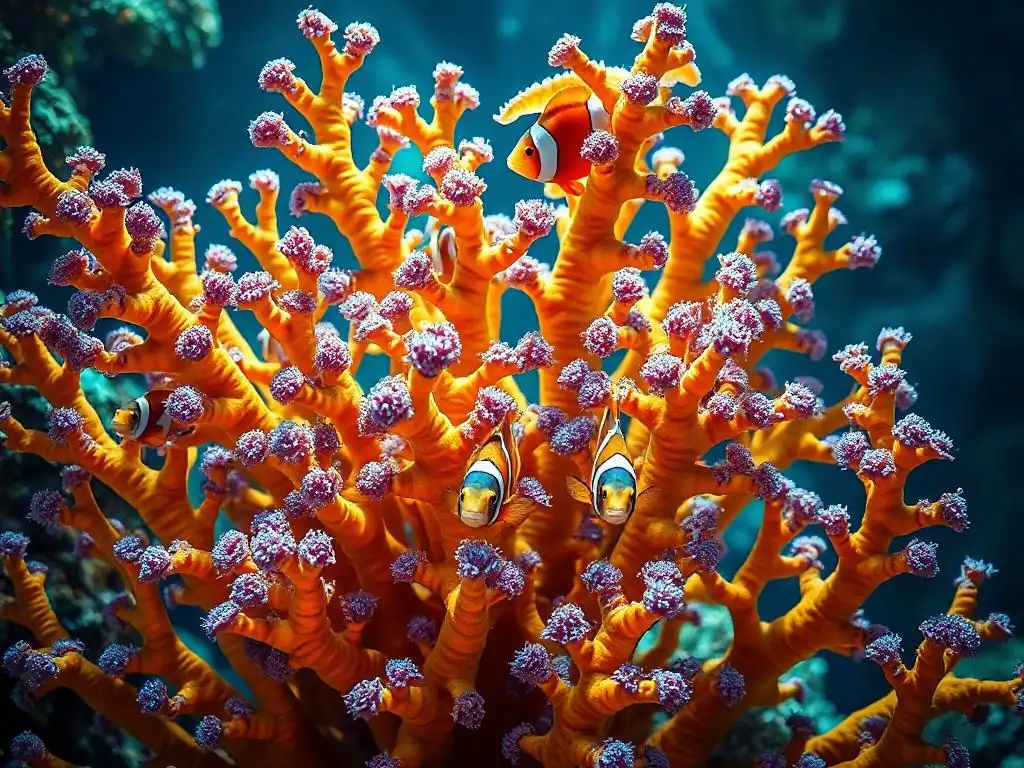
Selecting compatible tank mates is crucial for maintaining a harmonious and stable ecosystem around a mature coral colony. Leather corals are generally peaceful but can release allelopathic chemicals, particularly when stressed or shedding. Therefore, choosing fish and invertebrates that are not known to pick at or consume soft corals is essential. Tangs and angelfish, while beautiful, can sometimes nip at soft corals, causing irritation or damage. Herbivorous fish like certain gobies or blennies are usually safe.
Invertebrates such as hermit crabs and snails are generally excellent tank cleaners and pose no threat to a mature coral colony. However, some crabs, like emerald crabs, can occasionally become opportunistic and bother corals if not adequately fed or if their preferred algae sources are depleted. When introducing any new tank mate, observe their behavior closely for the first few days to ensure they are not stressing the mature coral colony. A peaceful environment contributes significantly to the long-term health and growth of your mature coral colony.
Preventing Coral Warfare in a Mixed Reef Environment
In a mixed reef environment, preventing coral warfare is a critical aspect of mature coral colony care. While leather corals are not aggressive in the same way as LPS corals with sweeping tentacles, their chemical exudates (allelopathy) can harm more sensitive corals, particularly SPS. This chemical warfare can lead to tissue recession, bleaching, or even death of adjacent corals. Therefore, proper spacing is paramount.
When placing a mature coral colony, ensure there is ample room (at least 4-6 inches) between it and other corals, especially stony corals. Good water flow and the consistent use of activated carbon in the filtration system (e.g., replacing activated carbon monthly) are highly effective in mitigating the effects of allelopathy by absorbing these harmful chemicals. Regular water changes also help dilute these compounds. By proactively managing potential chemical interactions, you can ensure a thriving and peaceful community for your mature coral colony and its neighbors.
Acclimation and Introduction of New Additions to Established Leather Coral Tanks
Quarantine Procedures for New Corals and Fish
Introducing new additions to an established tank housing a mature coral colony requires careful quarantine procedures to prevent the introduction of diseases, pests, and unwanted organisms. A separate quarantine tank (QT) with its own filtration, heater, and lighting is an invaluable tool. New fish should be quarantined for at least 4-6 weeks to observe for signs of disease (e.g., Ich, velvet, flukes) and to provide treatment if necessary, before being introduced to the main display.
For new corals, including small leather coral frags, a shorter quarantine period of 1-2 weeks is often sufficient, combined with preventative dips. Coral dips (e.g., iodine-based or commercially available coral pest dips) can help remove common pests like flatworms, red bugs, or predatory snails before they enter the main tank and potentially harm your mature coral colony or other inhabitants. Thorough inspection of the coral frag and its plug for any hitchhikers is also crucial. This proactive approach significantly reduces the risk of introducing problems to your established mature coral colony care system.
Minimizing Stress During Acclimation
Minimizing stress during the acclimation process is vital for the successful introduction of any new addition, ensuring it does not negatively impact the stability of a tank with a mature coral colony. For fish, a slow drip acclimation over 30-60 minutes is generally recommended to gradually equalize water parameters (temperature, pH, salinity). Floating the bag for 15-20 minutes to match temperature is the first step.
For corals, including leather coral frags, a temperature acclimation of 15-20 minutes is followed by a drip acclimation of 30 minutes to an hour, or until the salinity in the bag matches the tank's salinity. Some hobbyists prefer a "quick dip and plop" method for corals after a temperature match and pest dip, minimizing the time the coral spends in potentially stagnant bag water. Regardless of the method, the goal is to gently transition the new addition to the tank's specific water parameters, thus reducing shock and ensuring a smoother integration into your mature coral colony care environment.
Long-Term Observation and Adjustment of Care Practices
Monitoring Coral Health and Growth Patterns
Consistent long-term observation is a cornerstone of successful mature coral colony care. Regularly monitoring the health and growth patterns of your leather coral provides invaluable insights into the effectiveness of your husbandry practices. Look for signs of thriving health: full polyp extension throughout the day, vibrant and consistent coloration, and noticeable growth (e.g., an increase in size or new folds developing). Taking periodic photos can help track subtle changes over time that might otherwise go unnoticed.
Conversely, be vigilant for signs of stress or decline. These include prolonged polyp retraction, browning or paling of tissue, tissue recession, the development of white patches, or unusual shedding patterns. Any deviation from the coral's typical appearance or behavior warrants immediate investigation. A healthy mature coral colony should exhibit consistent vitality, indicating that its environmental conditions are meeting its needs and that your mature coral colony care routine is effective.
Adjusting Water Parameters and Lighting Based on Coral Response
The art of long-term mature coral colony care lies in the ability to observe and adjust. Based on your monitoring of coral health and growth, you may need to fine-tune water parameters or lighting. For example, if a mature coral colony appears pale despite good polyp extension, it might indicate too much light or insufficient nutrients, prompting a slight reduction in PAR or an increase in feeding/nutrient levels. If it's browning, it could suggest too little light or excessive nutrients.
Similarly, if you notice slow growth or poor polyp extension, re-testing alkalinity, calcium, and magnesium levels is crucial, even if you're dosing. Small, incremental adjustments are always preferred over drastic changes. For instance, if alkalinity is consistently low, increase dosing by a small percentage (e.g., 5-10%) and retest after 24 hours. This iterative process of observation, measurement, and precise adjustment is key to optimizing the environment for a thriving mature coral colony over many years.
Troubleshooting Common Issues in Mature Leather Coral Aquariums
Addressing Poor Polyp Extension in Leather Corals
Poor polyp extension in a mature coral colony is a common indicator of stress and requires prompt investigation. Several factors can contribute to this issue. Firstly, check water parameters: sudden swings in salinity, pH, alkalinity, or elevated nitrates and phosphates are frequent culprits. Secondly, assess water flow; insufficient flow can prevent polyps from extending fully, while excessive direct flow can cause them to retract. Thirdly, consider lighting; too little or too much light can also inhibit polyp extension.
Other potential causes include physical irritation from aggressive tank mates, chemical warfare from nearby corals (even if peaceful, allelopathy can be an issue), or the coral undergoing its natural shedding cycle. If shedding, the coral will typically appear deflated and waxy for a few days before recovering. If not shedding, systematically check and correct each potential issue. Ensuring stable parameters, appropriate flow, and balanced lighting are fundamental to promoting robust polyp extension in a mature coral colony.
Diagnosing and Resolving Color Loss in Mature Colonies
Color loss, or paling, in a mature coral colony often indicates that the coral's symbiotic zooxanthellae are under stress, leading to their expulsion or reduction in number. This is commonly known as bleaching and can be caused by various factors, with light intensity being a primary suspect. Too much light can cause the coral to expel zooxanthellae, leading to a lighter appearance. Conversely, too little light can also cause the zooxanthellae to diminish, resulting in a dull or brownish hue.
Other causes of color loss include nutrient starvation (if nitrates and phosphates are too low for an extended period), extreme temperature fluctuations, or significant swings in other water parameters. To resolve color loss in a mature coral colony, first verify and stabilize all water parameters. If lighting is suspected, try reducing the photoperiod or intensity, or move the coral to a shadier spot.
If nutrient starvation is a concern, consider light feeding or allowing nitrates to rise slightly to a detectable level (e.g., 5 ppm). Gradual adjustments and careful observation are key to restoring the vibrant coloration of your mature coral colony.
Advanced Techniques for Enhancing Leather Coral Growth and Coloration
Utilizing Amino Acid Supplementation for Enhanced Color
For enthusiasts looking to push the boundaries of mature coral colony care, amino acid supplementation can be an advanced technique to enhance both growth and coloration. While leather corals primarily rely on photosynthesis, they can also absorb dissolved organic compounds directly from the water. Amino acids provide the building blocks for proteins, which are essential for tissue growth, repair, and the production of chromoproteins responsible for coral coloration.
When supplementing with amino acids, start with a low dose and observe the mature coral colony's response. Overdosing can lead to nutrient accumulation and nuisance algae. Products specifically formulated for reef aquariums typically contain a balanced blend of essential amino acids. Dosing can be done a few times a week, ideally when skimmers are temporarily off to allow for maximum absorption. This can contribute to more robust growth and a richer, more vibrant appearance in a well-established mature coral colony.
Implementing Carbon Dosing for Nutrient Control and Coral Health
Carbon dosing is an advanced method of nutrient control that can indirectly benefit the growth and health of a mature coral colony by fostering a low-nutrient environment. By adding a carbon source (e.g., vinegar, vodka, biopellets) to the aquarium, beneficial bacteria are stimulated to proliferate. These bacteria consume nitrates and phosphates from the water column as they multiply, and then are removed from the system by protein skimming when they are skimmed out or consumed by other organisms.
While leather corals tolerate slightly higher nutrients than SPS, a cleaner water column can reduce nuisance algae growth on their surfaces and promote better overall health. Implementing carbon dosing requires careful monitoring of nitrates, phosphates, and alkalinity, as bacterial blooms can consume alkalinity rapidly. Start with a very low dose and increase gradually, observing the tank's response. This technique, when properly managed, can be a powerful tool in advanced mature coral colony care, leading to a healthier, more vibrant reef environment.
Ensuring the Longevity of Your Mature Leather Coral Colonies
Regular Maintenance Schedules for Long-Term Success
Ensuring the longevity of a mature coral colony hinges on establishing and adhering to a consistent, comprehensive maintenance schedule. This includes weekly tasks such as testing key water parameters (salinity, alkalinity, calcium, magnesium, nitrates, phosphates), performing a visual inspection of the coral for signs of stress or disease, and cleaning the protein skimmer collection cup. Bi-weekly or monthly tasks should involve water changes (e.g., 10-20% of tank volume), cleaning powerheads, and replacing mechanical filtration media like filter socks.
Quarterly or semi-annual maintenance might include deep cleaning of the sump, inspecting plumbing, and replacing activated carbon or GFO media. Documenting these activities and the coral's response provides a valuable historical record, allowing you to identify patterns and proactively address potential issues. A disciplined approach to these routine tasks is the bedrock of successful long-term mature coral colony care, minimizing stress and maximizing the lifespan of your cherished corals.
Proactive Measures for Preventing Future Problems in Established Reef Tanks
Proactive measures are essential for preventing future problems and ensuring the enduring health of a mature coral colony in an established reef tank. This involves thinking ahead and anticipating potential issues rather than reacting to them. Regular calibration of testing equipment and dosing pumps ensures accuracy in parameter management. Having a well-stocked "reef first aid kit" with essential medications, dips, and spare equipment can be invaluable in emergencies.
Consider upgrading equipment as your mature coral colony grows and the tank's demands increase, such as a larger protein skimmer or more powerful lights. Maintaining a diverse cleanup crew helps manage algae and detritus before they become problems. Most importantly, continuous learning and staying informed about best practices in mature coral colony care will empower you to adapt your strategies as your reef evolves, creating a resilient and thriving ecosystem for years to come.
Frequently Asked Questions
How often should I perform water changes when caring for mature leather coral colonies?
Water changes are essential for maintaining water quality. We recommend performing water changes of 10-20% every one to two weeks to replenish trace elements and remove accumulated nitrates. Consistent water changes are key to long-term health.
What are the ideal water parameters for a mature leather coral colony to thrive?
Mature leather corals prefer stable water parameters. Aim for a salinity of 1.024-1.026 SG, a temperature of 76-82°F, and a pH of 8.1-8.4. Regularly test your water and adjust as needed.
How much lighting do mature leather coral colonies require?
Leather corals generally prefer moderate lighting, but mature colonies can often tolerate slightly stronger light. Provide them with moderate intensity lighting, such as LED or T5 lighting, and observe their reaction. Adjust lighting as needed to avoid bleaching or excessive shading.
What should I feed my mature leather coral colony?
While leather corals are photosynthetic, they benefit from supplemental feeding. Offer them small amounts of phytoplankton or coral food a couple of times a week. Avoid overfeeding, as this can negatively impact water quality.
What are some common signs of stress in mature leather coral colonies, and how can I address them?
Signs of stress include excessive mucus production, polyp retraction, or tissue necrosis. Check your water parameters and address any imbalances. Also, ensure adequate water flow and consider whether the coral is being irritated by nearby corals or pests.
Final Reflection: Nurturing Living Legacies
The intricate dance of maintaining a thriving reef aquarium, particularly the long-term care of mature coral colonies, extends far beyond simple water changes and feeding schedules. It's a commitment to preserving a delicate ecosystem, a microcosm of the ocean's beauty and fragility, within the confines of our homes. This responsibility resonates deeply in a world increasingly aware of the environmental challenges facing our natural reefs.
This journey into mature coral colony care has underscored the profound interconnectedness of life within a reef tank. It's a constant reminder that even seemingly small adjustments can have cascading effects, highlighting the importance of patience, observation, and a deep understanding of the biological processes at play. In the end, we will conserve only what we love; we will love only what we understand; and we will understand only what we are taught.
- Baba Dioum. This quote encapsulates the essence of responsible reef keeping: education and appreciation leading to dedicated conservation.
As we conclude this exploration of mature coral colony care, I invite you to reflect on the lessons learned. Consider how these principles of observation, patience, and dedication to understanding can be applied not only to your reef aquarium, but also to other aspects of your life. Embrace the challenge of nurturing these living legacies, and in doing so, contribute to a greater appreciation for the delicate balance of our planet's ecosystems. Let your reef tank be a testament to your commitment to stewardship and a source of inspiration for generations to come.
Ignite Your Reef: Cultivate a Thriving Leather Coral Garden!
Thanks for diving deep into the world of mature leather coral care! You've now got the insights to nurture these incredible reef inhabitants. Ready to take the next step?
- Implement a bi-weekly Iodine dip: Immediately schedule this in your calendar to keep your established leather coral colonies healthy and vibrant. This action will prevent you from forgetting and is essential for success.
- Share this article with a reef-keeping friend to spread the knowledge and inspire others.
- Observe your leather corals closely over the next week: note any changes in their appearance or behavior, and use these observations to refine your care routine.
What fascinating change have you observed in your leather coral's behavior lately, and how might that inform your care routine going forward?