
Cardinalfish vs. Damselfish: Which Peaceful Schooler is Best for Your Reef?

Welcome to Aquarium Mastery!
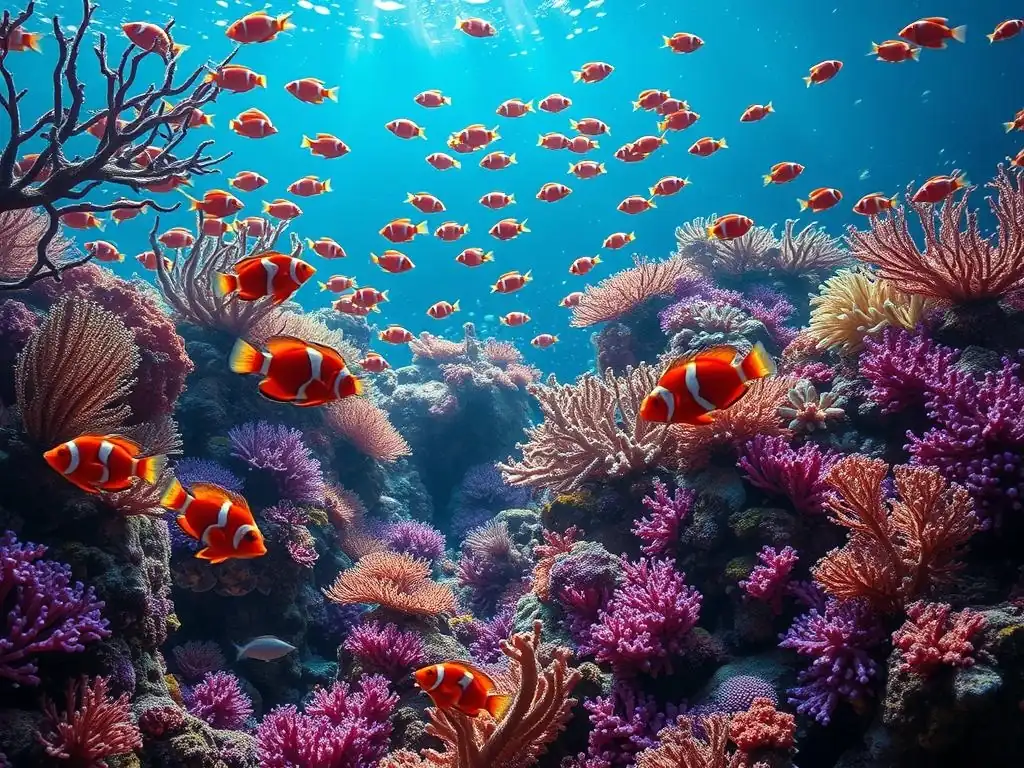
Ever wondered if you could achieve a breathtaking, shimmering school in your reef tank without the aggression often associated with damselfish? Dive in! This article unravels the secrets of peaceful reef cardinalfish schooling options, comparing them directly to damselfish to help you create the serene and vibrant underwater world you've always dreamed of. Get ready to discover which of these captivating species is truly best suited for your reef aquarium!
- Introduction: Choosing the Right Peaceful Schooling Fish for Your Reef Tank
- Cardinalfish: A Detailed Profile for Reef Aquariums
- Damselfish: A Closer Look at Reef-Safe Varieties
- Cardinalfish vs. Damselfish: A Comparative Analysis for Reef Aquariums
- Making the Right Choice: Selecting the Best Peaceful Schooler for Your Reef
- Conclusion: Enjoying Your Peaceful Schooling Fish in a Thriving Reef Aquarium
-
Frequently Asked Questions
- What are the key differences in temperament between cardinalfish and damselfish in a reef aquarium?
- What factors should I consider when choosing between cardinalfish and damselfish for schooling behavior in my reef tank?
- Are there specific cardinalfish species that are better suited for schooling than others in a reef setting?
- What are the water quality requirements for keeping cardinalfish and damselfish healthy in a reef aquarium?
- What are some common feeding practices and dietary needs for cardinalfish and damselfish in a reef aquarium?
- Final Reflection: Harmony in the Reef: Choosing Peaceful Companions
- Ignite Your Reef Tank: Choose Your Ideal School Today!
Introduction: Choosing the Right Peaceful Schooling Fish for Your Reef Tank
The Appeal of Schooling Fish in Reef Aquariums
The dynamic movement of a cohesive school of fish can transform a reef aquarium into a captivating underwater spectacle. Schooling fish not only add a vibrant sense of activity and natural beauty but also contribute to the overall ecological balance and visual depth of the tank. Observing a group of fish moving in unison, navigating the coral structures, offers a mesmerizing experience that mimics the intricate behaviors found in natural reef ecosystems.
Beyond their aesthetic appeal, schooling fish can also promote a sense of security among their members, reducing individual stress and encouraging more natural behaviors. This collective living strategy helps them feel safer, often leading to more active and visible displays within the aquarium. For aquarists aiming to replicate a thriving slice of the ocean, the inclusion of well-chosen schooling species is paramount.
Understanding Peaceful Reef Tank Inhabitants
A "peaceful" reef tank inhabitant is a fish that coexists harmoniously with a diverse community of corals, invertebrates, and other fish without exhibiting aggressive or destructive tendencies. This definition is crucial for maintaining a stable and stress-free environment where all inhabitants can thrive. Introducing incompatible species can lead to aggression, fin nipping, territorial disputes, and ultimately, a compromised ecosystem.
Selecting fish with a calm temperament ensures that delicate corals remain undisturbed and that smaller, shyer tank mates are not intimidated. The goal is to create a harmonious biotope where each species plays its role without causing undue stress to others. This careful consideration of temperament is especially important when exploring peaceful reef cardinalfish schooling options or considering damselfish varieties.
Cardinalfish and Damselfish: Popular Schooling Options
When considering peaceful reef cardinalfish schooling options or other small, group-oriented fish for a marine aquarium, cardinalfish and damselfish often emerge as popular choices. Both families offer species that can exhibit schooling behaviors, adding life and movement to the reef. However, their temperaments, care requirements, and visual characteristics differ significantly, making a detailed comparison essential for informed selection.
Cardinalfish are renowned for their generally docile nature and often subtle beauty, making them excellent candidates for truly peaceful community tanks. Damselfish, on the other hand, have a reputation for aggression, yet certain species are notably more placid and can form attractive, albeit sometimes looser, schools. Understanding these distinctions is key to deciding which species will best complement your specific reef environment.
Cardinalfish: A Detailed Profile for Reef Aquariums
What are Cardinalfish? Understanding Their Peaceful Nature
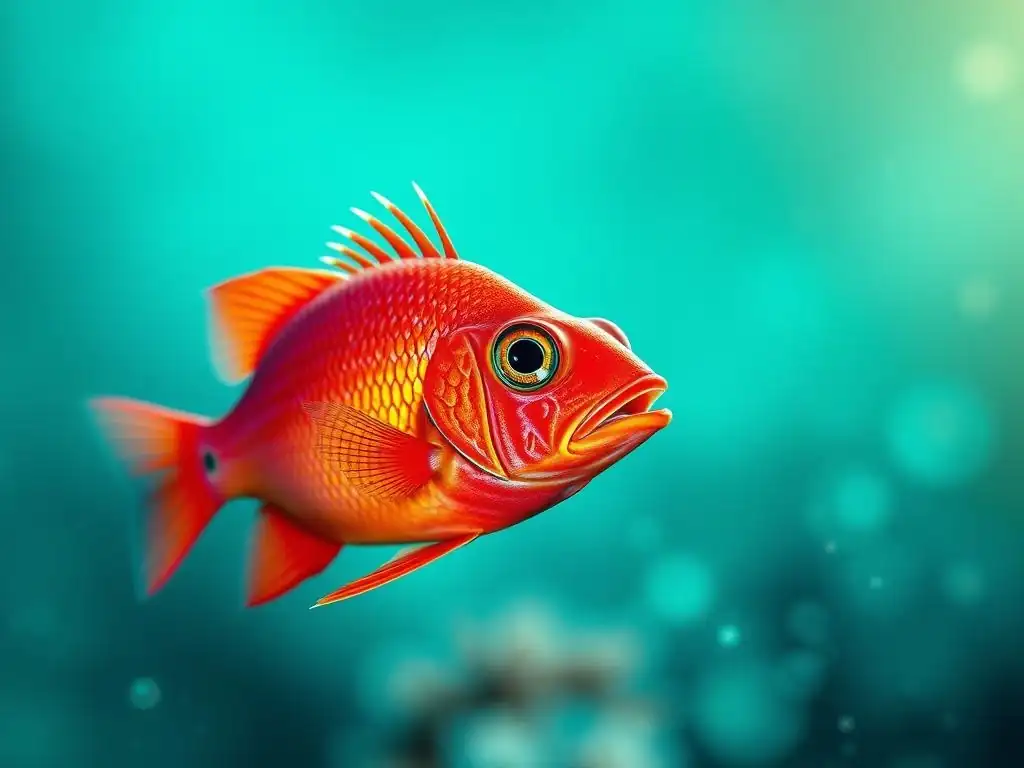
Cardinalfish (family Apogonidae) are a diverse group of marine fish, with over 300 known species, many of which are highly sought after by reef aquarists. Characterized by their relatively large eyes adapted for crepuscular or nocturnal activity, and often a streamlined body shape, they are typically found hiding among corals or rocks during the day and emerging to feed at dusk and dawn. Their most defining trait for aquarists is their overwhelmingly peaceful disposition, making them ideal candidates for a peaceful reef cardinalfish schooling options selection.
Unlike many other reef fish, cardinalfish are rarely aggressive towards tank mates, focusing instead on their schooling dynamics and foraging. They are generally slow-moving, graceful swimmers that add a serene presence to the aquarium. This calm demeanor, combined with their propensity to form tight, cohesive schools, makes them an excellent choice for a community reef tank where aggression needs to be minimized.
Cardinalfish Species Suitable for Reef Tanks
Banggai Cardinalfish (Pterapogon kauderni): A Popular Choice
The Banggai Cardinalfish is arguably one of the most iconic and popular cardinalfish species in the aquarium trade, largely due to its striking appearance and peaceful nature. Originating from the Banggai Archipelago in Indonesia, these fish feature distinctive black and white stripes, large dorsal and anal fins, and delicate fin rays. They typically grow to about 3 inches (7.5 cm) in length.
Banggai Cardinals are known for their relatively easy care and their tendency to form small, stable groups or even pairs. They are mouthbrooders, with the male carrying the eggs until hatching, a fascinating behavior rarely seen in home aquariums but indicative of their unique biology. Their popularity has led to successful captive breeding programs, which helps reduce pressure on wild populations.
Pajama Cardinalfish (Sphaeramia nematoptera): Colorful and Calm
The Pajama Cardinalfish is another highly favored species, celebrated for its unique coloration and calm temperament. This species displays a vibrant yellow face, a broad black band across its mid-section, and a spotted tail, all set against a silvery-white body. Their eyes are often a striking red, adding to their visual appeal. They typically reach a size of about 3 inches (7.5 cm).
Pajama Cardinals are excellent schoolers, often hovering in the open water column or around branching corals, providing a constant display of coordinated movement. Their peaceful nature makes them suitable tank mates for a wide variety of reef inhabitants, including other small, non-aggressive fish and most invertebrates. They are relatively hardy for a cardinalfish, making them a good choice for aquarists seeking peaceful reef cardinalfish schooling options with a splash of color.
Longspine Cardinalfish (Apogon leptacanthus): A Delicate Beauty
The Longspine Cardinalfish is a more delicate, yet equally captivating, option for the peaceful reef aquarium. Characterized by its translucent body, often with subtle red or orange hues, and notably elongated dorsal spines, this species creates a shimmering effect as it moves. They are smaller than Banggai or Pajama Cardinals, usually growing to about 2 inches (5 cm).
Longspine Cardinalfish are true schooling fish, preferring to swim in tightly knit groups, sometimes numbering a dozen or more individuals, which creates a stunning visual impact in a larger tank. Due to their delicate nature and smaller size, they thrive best in mature aquariums with stable water parameters and no aggressive tank mates. Their ethereal beauty and strong schooling instinct make them a truly unique addition to a carefully curated peaceful reef.
Cardinalfish Care: Tank Requirements and Feeding Habits
Ideal Tank Size for Cardinalfish Schools
Providing adequate space is crucial for the well-being and natural schooling behavior of cardinalfish. For a small school of 5-7 Pajama or Banggai Cardinalfish, a minimum tank size of 30 gallons (approximately 113 liters) is recommended. This allows enough swimming room and reduces potential stress from confinement. For larger schools, especially of the Longspine Cardinalfish which prefers more extensive open water for schooling, a 50-gallon (189-liter) or larger aquarium is advisable.
The tank should also include plenty of live rock formations with crevices and caves, offering hiding spots where the fish can retreat during the day or if they feel threatened. While they school in the open, access to shelter is vital for their sense of security and overall health. Overstocking can lead to stress, reduced schooling behavior, and increased disease susceptibility.
Water Parameters for Optimal Cardinalfish Health
Maintaining stable and pristine water parameters is paramount for the health of cardinalfish, as they can be more sensitive to fluctuations than some other hardy reef fish. The ideal temperature range for cardinalfish is generally between 72-78°F (22-25.5°C). Salinity should be kept stable at 1.023-1.026 specific gravity, and pH levels should remain within 8.1-8.4.
Crucially, ammonia and nitrite levels must be undetectable (0 ppm), and nitrates should be kept as low as possible, ideally below 10 ppm, and certainly no higher than 20 ppm. Regular water changes, typically 10-20% every two weeks, are essential to maintain water quality and replenish trace elements. Consistent monitoring with reliable test kits will help prevent issues before they become problematic for these delicate peaceful reef cardinalfish schooling options.
Cardinalfish Diet: What to Feed Your Schooling Fish
Cardinalfish are primarily carnivorous, feeding on small zooplankton in their natural reef habitats. In the home aquarium, their diet should mimic this, consisting of a variety of high-quality, protein-rich foods. Excellent choices include enriched frozen mysis shrimp, brine shrimp, and finely chopped seafood such as krill or silversides. Some species, like the Banggai Cardinalfish, may also accept high-quality marine pellets or flakes, but frozen foods should form the bulk of their diet.
It is best to feed cardinalfish small amounts multiple times a day, perhaps 2-3 times, to ensure all individuals in the school get enough food and to prevent water pollution from uneaten portions. Since many cardinalfish are more active during dawn and dusk, feeding them during these times can encourage more natural feeding behaviors. Ensuring a varied diet will contribute significantly to their vibrant coloration and long-term health.
Damselfish: A Closer Look at Reef-Safe Varieties
Understanding Damselfish Temperament: Not All are Aggressive
Damselfish (family Pomacentridae) have a notorious reputation in the aquarium hobby for their aggressive and territorial nature. Many species, such as the Blue Devil Damselfish or the Domino Damselfish, are indeed highly territorial and can harass or even kill other tank mates, especially in smaller aquariums. However, it is a misconception that all damselfish are aggressive. The family is vast, comprising over 400 species, and some are remarkably peaceful and well-suited for community reef tanks.
The key lies in careful species selection and understanding the nuances of their behavior. While even "peaceful" damselfish might exhibit some territoriality, particularly as they mature or if housed in cramped conditions, certain species are genuinely docile enough to be considered peaceful reef cardinalfish schooling options alternatives. These specific varieties can add vibrant color and active swimming to a reef tank without the constant threat of aggression.
Reef-Safe Damselfish Species for Peaceful Aquariums
Azure Damselfish (Chrysiptera hemicyanea): Vibrant Blue
The Azure Damselfish is a stunning and relatively peaceful damselfish, making it a popular choice for reef aquarists looking for vibrant color without excessive aggression. This species boasts an electric blue body that transitions to a bright yellow on its ventral fins and tail. Growing up to 2.5 inches (6.5 cm), its vivid coloration makes it a focal point in any aquarium.
Compared to many of its aggressive cousins, the Azure Damselfish is known for its more placid temperament, especially when kept in appropriately sized tanks with ample hiding spots. While a single specimen is usually peaceful, a small group can be kept if introduced simultaneously into a larger tank (e.g., 50 gallons or more), providing enough space for each to establish a small territory without constant conflict. They are active swimmers and add dynamic energy to the reef.
Yellowtail Damselfish (Chrysiptera parasema): Hardy and Colorful
The Yellowtail Damselfish is one of the most common and hardy damselfish found in the hobby, highly valued for its striking appearance and resilience. It features a brilliant blue body sharply contrasted by a bright yellow tail, and typically reaches about 2.5-3 inches (6.5-7.5 cm) in length. Its hardiness makes it an excellent choice for beginner aquarists, though its temperament requires careful consideration.
While generally considered more peaceful than many other damselfish, the Yellowtail Damselfish can still be territorial, particularly towards conspecifics or similar-looking fish. However, in a larger tank (e.g., 40 gallons or more) with plenty of rockwork to establish individual territories, a single specimen or a small, carefully introduced group can coexist peacefully with other non-aggressive reef inhabitants. They are active and constantly explore their environment.
Talbot's Damselfish (Chrysiptera talboti): A Peaceful Option
Talbot's Damselfish stands out as one of the most consistently peaceful damselfish species available to aquarists. This small damselfish, reaching about 2 inches (5 cm), showcases a lovely purple body that often fades to a yellow or orange tail and fins, sometimes accented with a subtle red outline. Its understated beauty and calm demeanor make it an ideal candidate for a mixed-reef environment.
Unlike some other damselfish, Talbot's Damselfish is less prone to territorial aggression, even when kept in small groups. They are active swimmers that dart in and out of rockwork, adding life to the tank without threatening other inhabitants. Their peaceful nature and manageable size make them an excellent choice for those specifically seeking peaceful reef cardinalfish schooling options alternatives that offer vibrant color and hardiness.
Damselfish Care: Tank Setup and Compatibility
Tank Size Considerations for Damselfish Schools
While certain damselfish species are more peaceful, providing ample space is still crucial to mitigate any potential territoriality, especially when housing multiple individuals. For a small group of 3-5 Azure or Yellowtail Damselfish, a minimum tank size of 50 gallons (approximately 189 liters) is recommended. This larger volume allows for more swimming space and, critically, enough rockwork and hiding spots for each fish to establish a small, individual territory without constant conflict.
For the even more peaceful Talbot's Damselfish, a 30-gallon (113-liter) tank might suffice for a small group, provided the aquascape is rich with caves and visual barriers. Adequate space reduces stress and aggression, encouraging more natural schooling or group behaviors. Overcrowding will invariably lead to increased territorial disputes, even among the calmer species.
Water Chemistry for Healthy Damselfish
Damselfish are renowned for their hardiness and adaptability, making them generally more forgiving of minor water quality fluctuations compared to some other delicate reef fish. However, for optimal long-term health and vibrant coloration, stable and clean water parameters are still essential. The ideal temperature range is 72-78°F (22-25.5°C), with a stable salinity of 1.023-1.026 specific gravity, and a pH between 8.1-8.4.
As with all marine fish, ammonia and nitrite levels must remain at 0 ppm. While damselfish can tolerate slightly higher nitrate levels than cardinalfish, keeping nitrates below 20 ppm is still recommended for a healthy reef environment. Regular water changes (e.g., 10-15% bi-weekly) will help maintain these parameters and ensure the well-being of your damselfish. Their hardiness makes them a robust choice for aquarists, including beginners.
Damselfish Diet: Feeding Requirements and Habits
Damselfish are omnivorous, meaning their diet in the wild consists of a mix of zooplankton, algae, and small invertebrates. In the home aquarium, they are generally eager eaters and will readily accept a wide variety of foods. A balanced diet should include high-quality marine flakes and pellets, which provide essential vitamins and minerals.
Supplementing their dry food with frozen options like mysis shrimp, brine shrimp, and finely chopped seafood (e.g., krill) will provide necessary protein and fat. Offering spirulina flakes or sheets of dried seaweed (nori) a few times a week will cater to their herbivorous tendencies and promote strong coloration. Feeding damselfish 1-2 times daily in small portions is usually sufficient to keep them healthy and active.
Cardinalfish vs. Damselfish: A Comparative Analysis for Reef Aquariums
Temperament and Compatibility with Other Reef Inhabitants
Cardinalfish: The Epitome of Peaceful Schooling
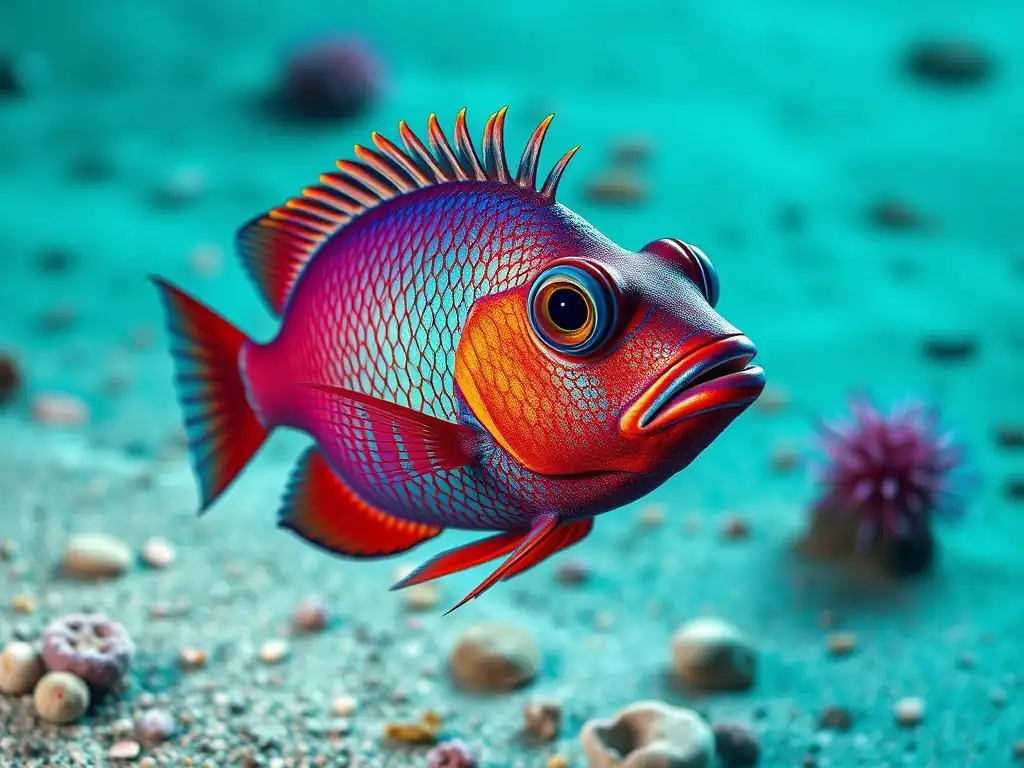
Cardinalfish are widely regarded as one of the most peaceful groups of marine fish suitable for reef aquariums. Their docile nature means they rarely bother other tank inhabitants, making them ideal for mixed-reef setups containing delicate corals, small invertebrates, and other non-aggressive fish species. They are not known to nip at corals or invertebrates, and their calm demeanor contributes to an overall stress-free environment.
Their compatibility extends to even the most timid fish, as cardinalfish typically avoid confrontation and prefer to retreat into rockwork if threatened. This makes them a cornerstone for any truly peaceful reef cardinalfish schooling options strategy, allowing aquarists to house a diverse array of species without fear of aggression. Their shy nature means they thrive best when not housed with boisterous or territorial tank mates.
Damselfish: Assessing Aggression Levels in Different Species
While the damselfish family includes many notoriously aggressive species, the select "reef-safe" varieties discussed, such as the Azure, Yellowtail, and Talbot's Damselfish, exhibit significantly lower aggression levels. However, it's crucial to understand that even these species can display territorial behavior, especially towards conspecifics or fish of similar size and shape, particularly if the tank is too small or lacks adequate hiding spots.
Their aggression is typically directed at establishing and defending a small personal space rather than widespread harassment. They are generally compatible with most larger, semi-aggressive fish and hardy corals, but care should be taken when introducing them to very small, slow-moving, or overly timid fish. Careful observation after introduction is always recommended to ensure peaceful coexistence.
Appearance and Coloration: Enhancing Your Reef's Aesthetics
Cardinalfish: Subtle Beauty and Unique Body Shapes
Cardinalfish typically possess a more understated, yet elegant, beauty compared to the flashy colors of many damselfish. Their coloration often ranges from silvery-grey to subtle reds, oranges, and browns, frequently adorned with unique patterns such as stripes or spots (e.g., the distinct black and white of the Banggai Cardinalfish or the spotted tail of the Pajama Cardinalfish). Their large eyes, adapted for low-light conditions, give them a distinct and captivating appearance.
Their body shapes are often more elongated or compressed, contributing to their graceful swimming style. While they may not offer the immediate "pop" of bright blues or yellows, a school of cardinalfish provides a sophisticated, shimmering display that adds depth and natural movement to the reef. Their collective visual impact as a cohesive school is often more impressive than the individual fish's coloration.
Damselfish: Bold Colors and Patterns
In stark contrast to the subtle elegance of cardinalfish, many damselfish species, including the reef-safe varieties, are celebrated for their incredibly bold and vibrant coloration. Species like the Azure Damselfish with its electric blue and yellow, or the Yellowtail Damselfish with its striking blue body and bright yellow tail, offer an immediate burst of color to the aquarium. Their hues often appear iridescent under aquarium lighting, enhancing their visual appeal.
Damselfish typically have more robust, compact body shapes, which contributes to their active and often darting swimming patterns. Their striking colors and energetic movements make them excellent choices for adding vivid contrast and dynamic activity to a reef tank. For aquarists prioritizing intense color and a lively display, damselfish often present a more appealing option, provided their temperament is carefully managed.
Care Requirements: Ease of Maintenance and Feeding
Cardinalfish: More Sensitive to Water Quality
Cardinalfish, while generally hardy once established, tend to be more sensitive to fluctuating water parameters and poor water quality compared to damselfish. They require very stable conditions, including consistent temperature, salinity, and particularly low nitrate levels (ideally below 10 ppm). Sudden shifts in pH or temperature can quickly stress them, making them more susceptible to disease.
Their delicate nature means that aquarists keeping cardinalfish must be diligent with regular water testing and routine maintenance, such as bi-weekly water changes (e.g., 10-20%). They are also more prone to stress from aggressive tank mates, which can further compromise their health. Therefore, they are often recommended for intermediate to advanced aquarists who can provide a meticulously stable environment for these peaceful reef cardinalfish schooling options.
Damselfish: More Forgiving and Hardy
Damselfish, including the peaceful varieties, are widely recognized as some of the hardiest marine fish available in the hobby. They are notably more forgiving of minor fluctuations in water parameters and can tolerate slightly higher nitrate levels (up to 20 ppm) compared to the more sensitive cardinalfish. This resilience makes them an excellent choice for beginner aquarists or those with less experience in maintaining ultra-pristine reef conditions.
Their robust nature means they are less susceptible to common aquarium diseases and generally adapt well to captive environments. While "hardy" does not mean "neglectable," their ability to withstand a wider range of conditions provides a greater margin for error. This makes them a strong contender for aquarists seeking peaceful reef cardinalfish schooling options alternatives that are also durable and relatively easy to care for.
Schooling Behavior: Dynamics in the Reef Tank
Cardinalfish: Tightly Knit Schools
Cardinalfish are true schoolers, exhibiting a strong natural instinct to remain in tightly knit groups. In a properly sized aquarium with suitable tank mates, a school of cardinalfish will typically hover together in the water column or slowly cruise around the rockwork as a cohesive unit. This synchronized movement is one of their most captivating attributes, creating a dynamic and visually appealing spectacle.
Their schooling behavior serves as a defense mechanism in the wild, providing safety in numbers. In the aquarium, this translates into a captivating display where individual fish rarely stray far from the group. For aquarists aiming to replicate the natural schooling dynamics of a reef, cardinalfish offer an unparalleled experience, maintaining their close formation consistently throughout the day, especially in low-flow areas.
Damselfish: Looser Schooling and Territorial Tendencies
While certain damselfish species can be kept in groups and exhibit schooling-like behavior, their schooling is generally looser and less cohesive than that of cardinalfish. Even the more peaceful damselfish often retain some degree of territoriality, especially as they mature. In a group setting, they may establish small individual territories within the rockwork, retreating to these spots when not actively swimming or feeding.
This means that while multiple damselfish can coexist peacefully if given enough space and visual barriers, they might not always form the tight, synchronized schools seen with cardinalfish. Instead, they might form a "loose aggregation" or a "harem" where individuals stay in the same general area but maintain personal space. Aquarists should provide ample rockwork and hiding spots to minimize potential conflicts arising from these territorial tendencies.
Making the Right Choice: Selecting the Best Peaceful Schooler for Your Reef
Assessing Your Reef Tank's Current Ecosystem
Before introducing any new fish, a thorough assessment of your existing reef tank's ecosystem is crucial. Begin by evaluating your current fish inhabitants: are they aggressive, semi-aggressive, or entirely peaceful? Consider their size, temperament, and the amount of space they currently occupy. For instance, a tank with a mature tang or a clownfish pair might not be ideal for the most delicate cardinalfish if those existing fish are overly dominant.
Next, examine your coral types and their placement. Are they delicate SPS corals that could be stressed by active, darting fish, or hardy LPS and soft corals? Also, consider the tank's aquascape; does it offer ample hiding spots, caves, and visual barriers to break up lines of sight? A well-planned aquascape can significantly reduce territorial disputes and provide security for new additions, ensuring a harmonious environment for your chosen peaceful reef cardinalfish schooling options or damselfish.
Considering Your Experience Level as an Aquarist
Your experience level plays a significant role in determining the best choice between cardinalfish and damselfish. For novice aquarists, the hardiness and adaptability of certain damselfish species (e.g., Yellowtail Damselfish, Talbot's Damselfish) make them a more forgiving option. They can tolerate minor fluctuations in water parameters and are generally less susceptible to stress-induced diseases, providing a valuable learning curve without immediate severe consequences.
Cardinalfish, on the other hand, particularly species like the Longspine Cardinalfish, demand a higher level of precision and stability in water quality. They are more sensitive to environmental changes and require a mature, well-established tank. Therefore, they are often better suited for intermediate to advanced aquarists who have a proven track record of maintaining stable marine environments and can promptly address any water chemistry imbalances.
Budget Considerations: Cost of Fish and Long-Term Care
The initial purchase price of fish is just one aspect of the overall budget consideration for your reef tank. Both cardinalfish and damselfish species can vary in cost, typically ranging from $10 to $60 per fish, depending on rarity, size, and source (wild-caught vs. captive-bred). For example, a common Yellowtail Damselfish might cost around $15, while a captive-bred Banggai Cardinalfish could be $30-$40. When planning for a school, multiply this cost by the number of fish you intend to acquire (e.g., 5-7 individuals).
Beyond the initial cost, consider the long-term care expenses. This includes the consistent purchase of high-quality foods (frozen foods can be more expensive than flakes), water testing kits, and potential medication if diseases arise. While damselfish are generally hardier and may incur fewer health-related costs, both require a commitment to ongoing maintenance. Investing in a robust filtration system and quality lighting also contributes to the longevity and health of your peaceful reef cardinalfish schooling options or damselfish.
The Importance of Quarantine Before Introduction
Quarantining all new fish before introducing them to your main display tank is a critical step that cannot be overstated. A dedicated quarantine tank (QT) of at least 10-20 gallons (38-75 liters) allows you to observe new arrivals for signs of disease (such as marine ich or velvet), parasites, or stress without risking the health of your established inhabitants. This isolation period also allows the fish to acclimate to captive life and recover from the stress of shipping.
During a typical 2-4 week quarantine period, you can treat any observed ailments in a controlled environment, preventing the spread of pathogens to your main system. It also provides an opportunity to ensure the fish are eating well and behaving normally before they face the challenges of a new social hierarchy. This proactive measure significantly reduces the risk of devastating outbreaks in your main reef tank, protecting your entire investment, including your peaceful reef cardinalfish schooling options.
Observing Behavior After Introduction: Monitoring for Stress and Aggression
Once new fish are introduced to the main display tank, continuous and diligent observation of their behavior is paramount for the first few days and weeks. Look for signs of stress, such as clamped fins, rapid breathing, excessive hiding, or a loss of appetite. These could indicate bullying from existing tank mates, poor water quality, or an inability to adapt to the new environment.
Equally important is monitoring for any signs of aggression, either from the new fish towards existing inhabitants or vice versa. If you notice persistent chasing, nipping, or territorial disputes, immediate action may be required. This could involve rearranging rockwork to break up territories, adding more hiding spots, or, in severe cases, removing the aggressive fish. Prompt intervention ensures a peaceful and thriving environment for all your reef inhabitants, including your newly added peaceful reef cardinalfish schooling options.
Conclusion: Enjoying Your Peaceful Schooling Fish in a Thriving Reef Aquarium
Recap of Cardinalfish and Damselfish Characteristics
Both cardinalfish and specific reef-safe damselfish species offer compelling options for aquarists seeking peaceful reef cardinalfish schooling options or vibrant group-oriented fish. Cardinalfish, known for their exceptionally peaceful nature, subtle elegance, and tight schooling behavior, are ideal for highly delicate mixed-reef environments, though they demand stable water parameters. Species like the Banggai, Pajama, and Longspine Cardinalfish provide a serene and mesmerizing display.
Conversely, selected damselfish species such as the Azure, Yellowtail, and Talbot's Damselfish offer striking, bold colors and impressive hardiness, making them more forgiving for beginners. While generally peaceful, they can exhibit some territoriality, and their schooling tends to be looser. The choice ultimately hinges on your tank's specific ecosystem, your experience level, and your aesthetic preferences.
Tips for Maintaining a Peaceful Reef Environment
Maintaining a peaceful reef environment requires more than just selecting the right species; it involves thoughtful planning and consistent care. Always provide ample space, ensuring your tank is adequately sized for the mature size and number of fish you intend to keep. Incorporate plenty of live rock with diverse structures, caves, and crevices to offer numerous hiding spots and visual barriers, which can significantly reduce territorial aggression.
Introduce fish in a strategic order, typically starting with the least aggressive species and gradually adding more assertive ones. Maintain stable and pristine water parameters through regular testing and consistent water changes. Ensure all fish receive a balanced diet and are fed regularly to prevent food-related aggression. By adhering to these practices, you can create a thriving, harmonious community where your chosen schooling fish can flourish.
Further Resources for Reef Aquarium Enthusiasts
For those eager to delve deeper into the intricacies of marine aquarium keeping, AquariumMastery.com offers a wealth of additional resources. Explore detailed species profiles for various saltwater fish, comprehensive guides on water chemistry and filtration, and troubleshooting tips for common tank issues. Whether you're looking for more information on specific peaceful reef cardinalfish schooling options, advanced coral care, or setting up a new system, Aquarium Mastery provides the expertise to help you succeed in your aquarist journey.
Frequently Asked Questions
What are the key differences in temperament between cardinalfish and damselfish in a reef aquarium?
Cardinalfish are generally known for their peaceful nature, making them suitable tankmates. Damselfish, on the other hand, can be quite territorial and aggressive, especially as they mature. This difference is crucial for a peaceful reef environment.
What factors should I consider when choosing between cardinalfish and damselfish for schooling behavior in my reef tank?
Consider the size of your tank; damselfish need more space to reduce aggression. Also, think about the other inhabitants, as damselfish may bully smaller, more docile fish. Cardinalfish are usually less demanding.
Are there specific cardinalfish species that are better suited for schooling than others in a reef setting?
Yes, Banggai cardinalfish (Pterapogon kauderni) and Pajama cardinalfish (Sphaeramia nematoptera) are popular choices for schooling. However, ensure you have enough of them to form a proper school and reduce individual stress.
What are the water quality requirements for keeping cardinalfish and damselfish healthy in a reef aquarium?
Both require excellent water quality, including stable salinity, temperature, and pH. However, damselfish are often more tolerant of slight fluctuations, while cardinalfish can be more sensitive to poor water parameters.
What are some common feeding practices and dietary needs for cardinalfish and damselfish in a reef aquarium?
Both are generally omnivorous, accepting a variety of flake, frozen, and live foods. Ensure you provide a varied diet to meet their nutritional needs, but be mindful that damselfish may outcompete cardinalfish for food.
Final Reflection: Harmony in the Reef: Choosing Peaceful Companions
The delicate balance of a reef aquarium hinges on the careful selection of its inhabitants, and as we've explored the nuances of cardinalfish and damselfish, it's clear that understanding their temperaments is paramount to creating a thriving ecosystem. The choice between these two families isn't merely about aesthetics; it's about fostering an environment where all creatures can flourish, free from unnecessary stress and aggression.
This exploration has reminded me of the profound responsibility we undertake when we bring a piece of the ocean into our homes. The success of a reef tank is a testament to our dedication to understanding and respecting the needs of its inhabitants. In the end, we will conserve only what we love; we will love only what we understand; and we will understand only what we are taught.
- Baba Dioum. This quote resonates deeply, highlighting the importance of continuous learning and mindful observation in our pursuit of a harmonious reef.
Now, armed with this knowledge, I encourage you to reflect on your own aquascaping journey. Consider the long-term impact of your choices and strive to create a sanctuary where peace and beauty coexist. Let the vibrant colors and gentle movements of your chosen schoolers serve as a constant reminder of the delicate balance we must protect, both within our tanks and in the vast oceans beyond.
Ignite Your Reef Tank: Choose Your Ideal School Today!
Thank you for diving deep into the world of cardinalfish and damselfish! We hope this exploration has shed light on which schooler best suits your reef aquarium's unique ecosystem. Now, it's time to take the next exciting step.
Here's how you can bring your underwater vision to life:
- Plan Your School: Carefully select either cardinalfish or damselfish based on your tank's size, existing inhabitants, and desired level of activity. Consider a quarantine period before introducing them to your main tank.
- Delve Deeper: Explore the fascinating symbiotic relationships within reef ecosystems by researching compatible tank mates for your chosen school. Learn about which invertebrates will thrive alongside your fish.
- Share Your Vision: Post a picture of your current or dream reef tank setup on social media, tagging Aquarium Mastery and using #MyReefMasterpiece to inspire other aquarists.
What's one unique element you plan to incorporate into your reef tank to make it truly stand out?