
Can You Keep a Single Anthias? Exploring Their Social Imperatives for Wellbeing

Welcome to Aquarium Mastery!
Ever wondered if those vibrant Anthias fish you admire in reef tanks can thrive alone? Delve into the fascinating world of their social dynamics as we unpack the crucial question: Can you keep a single Anthias? Discover the surprising truth about their complex social needs and unlock the secrets to ensuring their wellbeing in your saltwater aquarium. Get ready to explore the science behind their behavior and learn how to create a truly thriving Anthias community!
- Keeping Lyretail Anthias: Understanding Their Social Needs and Care
- Understanding Lyretail Anthias Behavior: Why Social Groups Matter
- The Impact of Solitary Confinement on Lyretail Anthias Health and Wellbeing
- Lyretail Anthias Social Needs Aquarium: Debunking the Myth of the Solitary Anthias
- Creating a Suitable Lyretail Anthias Group: Size, Species, and Tank Considerations
- Addressing the Challenges of Lyretail Anthias Social Dynamics in Aquariums
- Alternatives to Lyretail Anthias for Single Fish Enthusiasts
- Case Studies: Examining the Success and Failure of Single Lyretail Anthias Attempts
- Ethical Considerations: Prioritizing Lyretail Anthias Welfare in the Aquarium Trade
- Conclusion: Prioritizing Lyretail Anthias Social Needs for a Healthy Reef Aquarium
-
Frequently Asked Questions
- ### Can I keep just one Anthias in my aquarium?
- ### What is the ideal group size for Anthias in an aquarium?
- ### What happens if I don't meet the Anthias social needs in the aquarium?
- ### Are there any specific tank requirements related to Anthias social needs?
- ### What are some signs that my Anthias are not thriving socially in the aquarium?
- Final Reflection: The Vibrant Tapestry of Anthias Wellbeing
- Dive Deeper: Unlock the Secrets to Happy Anthias!
The Natural Shoaling Behavior of Lyretail Anthias in the Wild
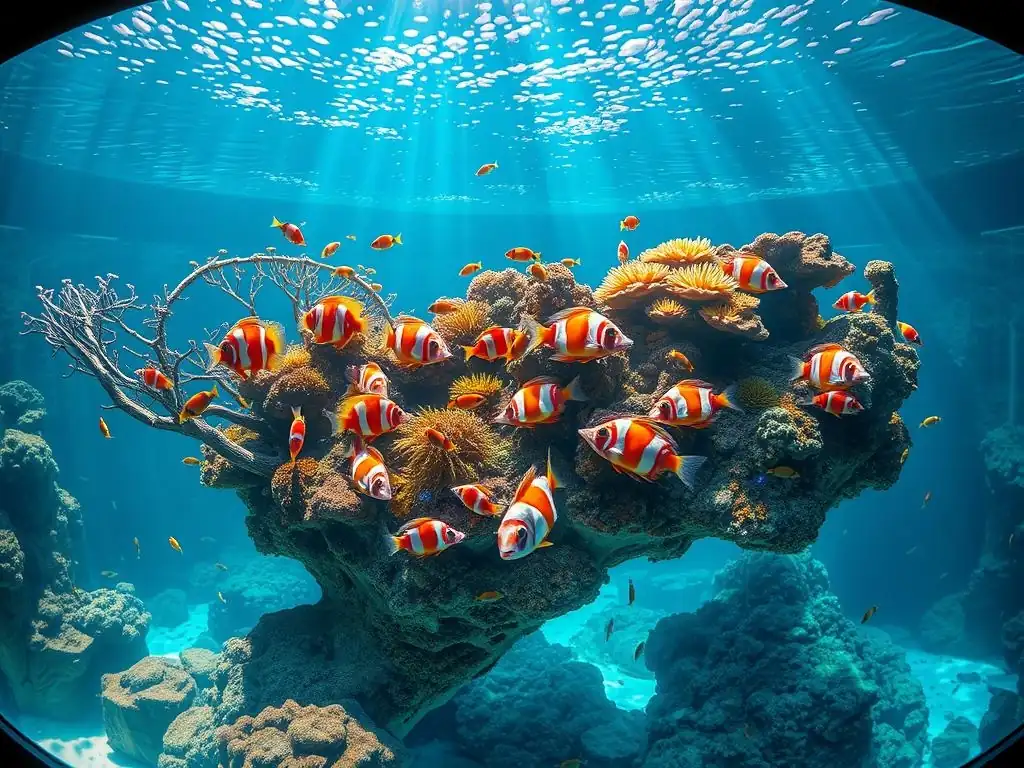
Lyretail Anthias ( Pseudanthias squamipinnis) are renowned for their breathtaking beauty and their characteristic behavior of forming large, vibrant shoals in their natural habitat. Found primarily in the Indo-Pacific region, from the Red Sea to the Great Barrier Reef, these fish inhabit the outer reef slopes, drop-offs, and deep lagoons, typically at depths ranging from 10 to 60 meters. Their existence is intrinsically linked to these social groupings, which serve multiple critical functions, including enhanced foraging efficiency for their planktivorous diet and a collective defense mechanism against predators such as groupers and lionfish.
These natural shoals are not merely random aggregations but dynamic communities where individuals move and feed in concert. While the exact number varies, a single shoal can consist of hundreds, and sometimes even thousands, of individuals. This sheer volume provides a collective awareness of their surroundings, allowing for quicker detection of threats and more effective evasive maneuvers. The constant, coordinated movement of the group also creates confusion for predators, making it harder to single out an individual. This inherent need for safety in numbers is a fundamental aspect of their Anthias social needs aquarium requirements.
A fascinating aspect of Lyretail Anthias biology is their protogynous hermaphroditism, meaning all individuals are born female and have the ability to change sex to male. This unique characteristic underpins their strict social hierarchy, which is predominantly a harem structure. In the wild, a single dominant male presides over a group of multiple females, often numbering from five to twenty or more, depending on the available territory and resources.
The male's role extends beyond reproduction; he actively defends his territory and the females within his harem. Should the dominant male perish or be removed, the largest and most dominant female in the group will undergo a sex change, developing male coloration and taking on the male's social role within a matter of days to weeks. This hierarchical system ensures reproductive success and stability within the group. Replicating this harem structure is crucial when considering the Anthias social needs aquarium environment, as it directly impacts the fish's well-being and natural behavior.
The Impact of Solitary Confinement on Lyretail Anthias Health and Wellbeing
Stress and Its Effects on Single Lyretail Anthias in Captivity: Color Loss and Hiding
When a Lyretail Anthias is kept as a solitary specimen in an aquarium, it is deprived of the fundamental social interactions and security that a group provides. This absence of a natural social structure leads to chronic stress, which manifests in various physiological and behavioral symptoms. One of the most immediate and noticeable signs is a significant loss of coloration; the vibrant oranges, purples, and yellows characteristic of healthy Lyretail Anthias often fade to a duller, more muted peach or off-white hue.
Furthermore, a solitary Lyretail Anthias typically exhibits increased reclusiveness. Instead of actively swimming in the open water column, it will spend a disproportionate amount of time hiding among the rockwork or in crevices, venturing out only reluctantly for food. This constant state of anxiety and fear indicates a severe lack of well-being, as the fish perceives itself as vulnerable without the protection of a group. This chronic stress impacts their overall health and significantly reduces their quality of life within an Anthias social needs aquarium.
Increased Susceptibility to Disease in Isolated Lyretail Anthias: Ich and Other Parasites
Chronic stress, a direct consequence of solitary confinement for Lyretail Anthias, severely compromises their immune system. When a fish is under constant stress, its body diverts energy away from immune functions towards survival responses, making it highly susceptible to common aquarium pathogens. This weakened immune defense means that even minor environmental fluctuations or the presence of common parasites can trigger severe disease outbreaks.
Marine Ich ( Cryptocaryon irritans) and Velvet disease ( Oodinium ocellatum) are particularly prevalent and devastating in stressed, solitary Anthias. While a healthy, thriving group might be able to resist or recover from a mild parasitic load, a single, stressed Anthias often succumbs quickly to such infections. Anecdotal evidence from hobbyists frequently indicates that solitary Lyretail Anthias rarely survive beyond six to twelve months due to a combination of stress-related illnesses, whereas well-established groups in appropriate Anthias social needs aquarium setups can thrive for several years, often living 5-7 years.
Behavioral Changes: Aggression, Listlessness, and Feeding Issues in Solitary Individuals
Beyond hiding and color loss, solitary Lyretail Anthias often display a range of other detrimental behavioral changes. Some individuals may become extremely listless, exhibiting a noticeable lack of interest in their surroundings, food, or general activity. They might hover aimlessly or remain static for long periods, a stark contrast to the typically active and darting nature of Anthias in a group.
Conversely, others may develop an uncharacteristic aggression towards other, even larger, tank mates. This misdirected aggression can be a manifestation of their stress and inability to express their natural social behaviors. Furthermore, feeding issues are common; a solitary Anthias may refuse food, pick at it half-heartedly, or be easily outcompeted by other fish, leading to malnourishment and a gradual decline in health. These behavioral anomalies underscore the critical importance of addressing their Anthias social needs aquarium environment.
Why Keeping Lyretail Anthias Alone Is Generally Discouraged
The practice of keeping a single Lyretail Anthias is widely discouraged by experienced aquarists and marine biologists alike, precisely because it goes against the fundamental biological and behavioral imperatives of the species. While a lone Anthias might survive for a short period, its existence is often one of chronic stress, subdued coloration, and limited activity. It will rarely exhibit the vibrant health, natural behaviors, or full lifespan seen in individuals kept in appropriate social groups.
The "myth" that a single Anthias can thrive often stems from observations of short-term survival or a lack of understanding regarding the subtle but significant signs of chronic stress. Hobbyists might mistakenly interpret a reclusive fish as "peaceful" or "calm," when in reality, it is a fish under severe duress, constantly on guard due to the absence of its protective group. Prioritizing the Lyretail Anthias social needs aquarium setup is paramount for their welfare.
The Importance of a Group: Mimicking the Natural Environment for Lyretail Anthias
Establishing a group of Lyretail Anthias in the aquarium is not merely an aesthetic choice but a crucial aspect of their husbandry. A group provides the security in numbers that these fish rely on in the wild, significantly reducing individual stress levels. This communal living allows for the expression of their natural social interactions, including the establishment of the harem hierarchy, which is vital for their psychological well-being.
When kept in a suitable group, Lyretail Anthias will display their most vibrant coloration, engage in active swimming throughout the water column, and exhibit their characteristic darting and schooling behaviors. This replication of their natural Anthias social needs aquarium environment fosters a robust immune system, leads to longer lifespans, and provides a much more enriching and accurate display for the hobbyist. A well-maintained group of Lyretail Anthias transforms an aquarium into a dynamic and captivating slice of a healthy coral reef.
Creating a Suitable Lyretail Anthias Group: Size, Species, and Tank Considerations
Optimal Lyretail Anthias Group Size for a Thriving Aquarium: One Male to Several Females
To ensure the well-being and natural behavior of Lyretail Anthias, establishing an optimal group size is critical. The ideal setup involves one male with multiple females, mimicking their natural harem structure. A minimum group size of 3-5 females to one male is often recommended for smaller Anthias groups. This allows the male to distribute his attention among several females, preventing excessive harassment of a single individual, and provides enough females to establish a stable pecking order among themselves.
For larger tanks, a group of 5-7 Lyretail Anthias (one male, 4-6 females) is often considered ideal, providing a more robust social dynamic. When introducing Anthias, it's generally safest to add all individuals simultaneously, or to add females first and allow the dominant one to change sex, then add more females later. Introducing multiple males into a smaller tank is highly discouraged as it will inevitably lead to fatal aggression. The group dynamics are central to fulfilling their Anthias social needs aquarium.
Choosing Compatible Tank Mates for Your Lyretail Anthias Reef Tank
Lyretail Anthias are generally peaceful fish, but their timid nature means that careful consideration must be given to their tank mates. They thrive best with other non-aggressive, reef-safe species that will not outcompete them for food or stress them with overly boisterous behavior. Good choices include peaceful gobies such as the Diamond Watchman Goby ( Valenciennea puellaris), various blennies like the Midas Blenny ( Ecsenius midas), certain species of cardinalfish, and smaller, non-aggressive tangs (e.g., Yellow Tang, Zebrasoma flavescens) if the tank size permits.
Conversely, aggressive species such as large angelfish, triggers, or highly territorial damselfish should be avoided, as they can harass, injure, or even kill Lyretail Anthias. Similarly, extremely fast-feeding fish may outcompete the Anthias for food, leading to malnourishment, especially given the Anthias' need for frequent feedings. Ensuring compatible tank mates is a key component of a successful Anthias social needs aquarium.
Providing adequate space is fundamental to the success of a Lyretail Anthias group. While a minimum tank size of 75 gallons (approximately 280 liters) is sometimes cited for a very small group of 3 Lyretail Anthias, this is often considered the absolute bare minimum. A tank of 100-120 gallons (approximately 375-450 liters) is far more suitable for a thriving group of 5-7 individuals, offering ample swimming space and sufficient territory for each fish to establish its place in the hierarchy.
Larger tanks, particularly those over 180 gallons (approximately 680 liters), allow for even larger groups and a more spectacular display of their natural schooling behavior. The increased water volume in larger tanks also contributes to greater water parameter stability, which is crucial for these sensitive fish. Ample rockwork with plenty of hiding spots and visual barriers is also essential to help mitigate any potential aggression within the group and contribute to a healthy Anthias social needs aquarium.
Introducing Lyretail Anthias to a New Aquarium: Minimizing Stress and Aggression
The introduction of Lyretail Anthias to a new aquarium, or to an existing group, requires careful planning to minimize stress and aggression. Drip acclimation over at least 30-60 minutes is highly recommended to slowly equalize water parameters and reduce the shock of transfer. Ideally, all Anthias for a new group should be introduced simultaneously to prevent a single fish from establishing unchallenged dominance before the others arrive. If adding to an existing group, rearranging the rockwork can disrupt established territories and help redistribute aggression.
Providing ample hiding spots and visual barriers within the aquascape is crucial. This allows subordinate or newly introduced individuals to retreat and feel secure, reducing direct confrontation. Dimming the aquarium lights for the first few hours after introduction can also help ease their transition. Close monitoring for signs of excessive aggression, such as constant chasing, fin nipping, or refusal to eat, is necessary during the initial days.
Managing Dominance Disputes Within Lyretail Anthias Groups
It is normal for some chasing and nipping to occur as a Lyretail Anthias group establishes its hierarchy. This is part of their natural social dynamic. However, persistent and severe aggression, leading to physical injury (e.g., torn fins) or extreme stress in a subordinate fish (e.g., constant hiding, refusal to eat), requires intervention.
If severe aggression becomes a problem, consider temporarily isolating the aggressor in a clear breeder box within the tank for a few days. This "time-out" can help break its dominance and allow the other fish to settle. Ensuring that all individuals receive adequate food, especially through broadcast feeding, can also reduce aggression, as food scarcity often exacerbates disputes. In some cases, adding more females (if tank size allows) can help dilute aggression by providing more targets for the dominant male or female.
Feeding Strategies to Ensure All Lyretail Anthias Receive Adequate Nutrition: Small, Frequent Feedings
Lyretail Anthias are highly active planktivores with fast metabolisms, requiring frequent feedings to maintain their health and vibrant coloration. They should ideally be fed at least 2-3 times per day, and ideally 4-5 small feedings, especially during the acclimation period or if they are particularly active. Their diet should consist of a variety of high-quality frozen foods such as mysis shrimp, enriched brine shrimp, copepods, and finely chopped marine foods. High-quality flakes or pellets designed for marine omnivores can also be offered.
Broadcast feeding, where food is dispersed throughout the water column, is often the most effective method, as it mimics their natural feeding behavior of darting out to catch plankton. This also helps ensure that all individuals, including more timid ones, receive adequate nutrition without being outcompeted by more aggressive tank mates or dominant Anthias. Consistent, high-quality nutrition is paramount for meeting their Anthias social needs aquarium requirements and supporting their high energy levels.
Alternatives to Lyretail Anthias for Single Fish Enthusiasts
Reef-Safe Fish That Thrive as Solitary Specimens: Clownfish, Gobies, Blennies
For aquarists who prefer to keep a single, striking fish in their reef aquarium and cannot accommodate the Anthias social needs aquarium requirements of a group, several excellent reef-safe alternatives thrive as solitary specimens. Ocellaris Clownfish ( Amphiprion ocellaris) are widely popular and can be kept singly or as a bonded pair, often hosting in an anemone or even certain corals. Their charismatic personalities and relative hardiness make them a favorite choice.
Many species of gobies also make excellent solitary inhabitants, particularly those that prefer to perch or burrow. Examples include the Diamond Watchman Goby ( Valenciennea puellaris), which sifts sand, or the Yellow Watchman Goby ( Cryptocentrus cinctus), often paired with a pistol shrimp. Blennies, such as the vibrant Midas Blenny ( Ecsenius midas) or the charming Tailspot Blenny ( Ecsenius stigmatura), offer unique personalities and behaviors without the complex social dynamics of schooling fish.
Considerations for Choosing a Non-Schooling Fish: Temperament and Compatibility
When selecting a solitary fish for a reef aquarium, thorough research into its adult size, temperament, and specific care requirements is essential. Ensure the chosen species is genuinely reef-safe if you intend to keep corals and invertebrates, as some fish may nip at corals or consume small inverts. Compatibility with any existing tank mates is also paramount to prevent aggression or predation.
Consider the fish's natural feeding habits and whether it will compete excessively with other inhabitants. For instance, some blennies are primarily herbivorous, while many gobies are carnivorous. Choosing a fish whose natural behavior and needs align with a solitary existence will lead to a healthier, more contented fish and a more enjoyable and stable aquarium environment, avoiding the pitfalls associated with ignoring the Anthias social needs aquarium requirements of schooling species.
Case Studies: Examining the Success and Failure of Single Lyretail Anthias Attempts
Case Study 1: A Long-Term Observation of a Solitary Lyretail Anthias Exhibiting Stress
A hobbyist, new to marine aquariums, acquired a single Lyretail Anthias for their 75-gallon reef tank, unaware of its crucial Anthias social needs aquarium requirements. For the initial three to four weeks, the fish appeared active, darting around the upper water column. However, within two months, its once vibrant orange and purple coloration began to visibly fade, becoming a dull, uniform peach. The fish started spending increasing amounts of time hidden within the intricate rockwork, only emerging reluctantly and briefly during feeding times before retreating.
Over the next four months, the Anthias became noticeably thinner, despite receiving regular feedings of frozen mysis shrimp. It developed chronic outbreaks of marine Ich, which would seemingly clear with UV sterilization and improved water quality, only to return within weeks. The fish exhibited clear signs of chronic stress, including rapid respiration and clamped fins.
After approximately seven months in solitary confinement, the Lyretail Anthias succumbed to what appeared to be a severe bacterial infection, likely a secondary complication of its compromised immune system due to prolonged stress. This case vividly illustrates the detrimental effects of failing to meet the species' social needs.
Case Study 2: The Positive Impact of Introducing a Group to a Previously Solitary Lyretail Anthias
Another aquarist had a single Lyretail Anthias in a 120-gallon reef tank for about five months. While the fish was not overtly sick, it was notably shy, often pale in comparison to images online, and rarely swam freely in the open water. Recognizing that the fish was not thriving, the hobbyist researched its Anthias social needs aquarium requirements and decided to introduce four additional female Lyretail Anthias of similar size. The new fish were drip-acclimated and added simultaneously to the tank after a minor rockwork rearrangement.
Within days of the new additions, the original Anthias, which had been a solitary female, began to show signs of changing into a male. Its coloration intensified dramatically, becoming a brilliant orange with distinct purple markings, and it started to assert dominance over the newly introduced females. The group quickly established a stable harem.
All five fish became significantly more active, swimming together in the middle to upper water column, exhibiting natural schooling behaviors, and feeding voraciously. This transformation demonstrated the profound positive impact of providing a social structure that aligns with the species' natural instincts, leading to a vibrant and healthy display.
Ethical Considerations: Prioritizing Lyretail Anthias Welfare in the Aquarium Trade
Responsible Sourcing and the Impact on Lyretail Anthias Populations: Sustainable Collection Practices
The popularity of Lyretail Anthias in the aquarium trade places significant demand on wild populations. Ethical considerations extend beyond the aquarium to the source of the fish. Responsible sourcing involves choosing suppliers who adhere to sustainable collection practices, which aim to minimize environmental impact and ensure the long-term viability of wild populations. This includes avoiding fish collected using destructive methods, such as cyanide fishing, which not only damages coral reefs but also severely reduces the survival rates of collected fish.
Aquarists should inquire about the origin of the fish and support suppliers who demonstrate transparency and a commitment to ethical collection. While aquaculture for Anthias is not yet widespread, supporting efforts in this area, where available, can further reduce pressure on wild stocks. By prioritizing sustainable collection, hobbyists contribute to the health of marine ecosystems and the longevity of the aquarium hobby.
Making Informed Decisions About Lyretail Anthias Care: Research and Planning
Prioritizing the welfare of Lyretail Anthias in the aquarium begins with making informed decisions before purchase. Thorough research into their specific Anthias social needs aquarium requirements, including optimal group size, tank dimensions, dietary preferences, and potential compatibility issues with other species, is paramount. Impulse buying should be avoided at all costs, as it often leads to unsuitable environments and compromised fish health.
Planning the aquarium setup to meet these needs from the outset is crucial. This includes ensuring the tank is of adequate size for a group, providing appropriate filtration and stable water parameters, and designing the aquascape with sufficient hiding spots and swimming areas. By investing time in research and planning, aquarists can ensure they provide an environment where Lyretail Anthias can not only survive but truly thrive, promoting responsible and ethical husbandry practices within the hobby.
The Long-Term Benefits of Keeping Lyretail Anthias in Appropriate Groups
The evidence overwhelmingly supports the necessity of keeping Lyretail Anthias in appropriate social groups, typically comprising one male and multiple females. This approach is not merely a preference but a fundamental requirement for their long-term health, vitality, and the natural expression of their behaviors. Housing them in a group dramatically reduces individual stress levels, which in turn enhances their immune response and significantly lowers their susceptibility to common diseases.
When their Anthias social needs aquarium environment is met, these fish display their most vibrant coloration, engage in active schooling, and exhibit complex social interactions. Hobbyists who commit to providing this essential group dynamic will be rewarded with a dynamic, captivating display of marine life and a much higher chance of these stunning fish thriving for many years, often living well beyond five years in a well-maintained system.
Ensuring Ethical and Sustainable Lyretail Anthias Husbandry
Ethical and sustainable husbandry of Lyretail Anthias extends beyond simply acquiring the fish; it encompasses a continuous commitment to providing care that respects their inherent biological imperatives. This includes maintaining pristine water quality, offering a varied and frequent feeding regimen, and, crucially, establishing a social structure that closely mirrors their natural harem environment.
By understanding and actively prioritizing the Anthias social needs aquarium requirements, aquarists play a vital role in promoting responsible practices within the marine aquarium hobby. This informed and ethical approach not only ensures the welfare and longevity of these beautiful fish but also contributes to the broader goal of sustainable aquarium keeping, fostering a deeper appreciation for the delicate balance of coral reef ecosystems.
Frequently Asked Questions
### Can I keep just one Anthias in my aquarium?
No, it's generally not recommended to keep a single Anthias. They are social fish and thrive in groups, becoming stressed and prone to illness when kept alone.
### What is the ideal group size for Anthias in an aquarium?
A group of at least 5-7 Anthias is considered ideal to mimic their natural social structure. This allows for a stable hierarchy and reduces stress levels.
Failing to meet their social needs can lead to increased stress, aggression towards tank mates (if any), suppressed immune systems, and ultimately a shorter lifespan for the Anthias.
Yes, a larger tank is crucial to accommodate a group of Anthias. Plenty of hiding places and open swimming space are also important to minimize competition and stress.
Signs of social stress include loss of appetite, hiding excessively, displaying aggressive behavior, and a general lack of activity. Monitor your fish closely for these indicators.
Final Reflection: The Vibrant Tapestry of Anthias Wellbeing
The exploration of anthias social needs within the aquarium environment underscores a critical truth: responsible fishkeeping transcends mere aesthetics and delves into the ethical consideration of animal welfare. Understanding the complex social dynamics of these vibrant creatures is not just about achieving a visually stunning tank; it's about providing an environment where they can thrive, express natural behaviors, and experience a semblance of their wild existence.
This journey into the world of anthias has highlighted the profound impact of social structures on their health and happiness. Witnessing the vibrant colors and active schooling behavior of a properly maintained anthias group underscores the importance of replicating their natural environment as closely as possible. As Jacques Cousteau eloquently stated, The sea, once it casts its spell, holds one in its net of wonder forever.
This wonder should inspire us to be better stewards of the marine life we choose to keep.
Now, consider the implications of this knowledge. How can you, as an aquarist, translate these insights into action? Reflect on your current practices, research the specific needs of your chosen species, and strive to create a harmonious and enriching environment for your anthias. By embracing a deeper understanding of their social imperatives, you contribute to a more ethical and sustainable future for the aquarium hobby, ensuring that these "jewels of the reef" continue to captivate and inspire for generations to come.
Dive Deeper: Unlock the Secrets to Happy Anthias!
Thanks for exploring the fascinating world of Anthias with us! We hope this article shed light on their complex social needs and why keeping them happy requires more than just a pretty tank. Now, let's put that knowledge into action!
Here are a few things you can do right now:
- Commit to keeping Anthias in groups. Resist the urge to keep a single fish and prioritize their well-being by providing a suitable social environment.
- Share this article with fellow reef enthusiasts to spread awareness about the social needs of Anthias and promote responsible fishkeeping practices.
- Research specific Anthias species you're interested in and ensure you can provide the appropriate tank size, water parameters, and diet for a thriving community.
What's the first step you'll take to ensure the happiness of Anthias in your aquarium, or to advocate for their welfare to others?