
Beyond Softies: Your InDepth Aquarium Mastery Guide to Thriving SPS Coral Ecosystems

Welcome to Aquarium Mastery!
Ever dreamt of transforming your saltwater tank into a vibrant, living reef teeming with stunning SPS corals? You're in the right place! This guide dives deep into the art and science of SPS coral tank maintenance, unlocking the secrets to achieving breathtaking color and robust growth. Curious how to overcome the challenges and create a thriving SPS ecosystem? Let's explore!
- Understanding SPS Corals: A Gateway to Advanced Reef Keeping
- Setting Up Your SPS Coral Tank for Success
- SPS Coral Care: Advanced Techniques for a Thriving Reef
- Fragging SPS Corals: Expanding Your Collection and Sharing the Beauty
- Troubleshooting Common SPS Coral Problems
- Choosing the Right SPS Corals for Your Aquarium
- The Future of SPS Coral Reef Keeping: Sustainability and Innovation
- Mastering SPS Coral Tank Maintenance: A Recap for Success
-
Frequently Asked Questions
- What are SPS corals and why are they considered more challenging to keep?
- What specific water parameters are crucial for maintaining a thriving SPS coral tank?
- What kind of lighting is recommended for SPS corals, and how do I ensure adequate light penetration?
- How important is water flow in an SPS coral tank, and what type of flow is ideal?
- What are some common problems encountered in SPS coral tanks, and how can they be prevented or addressed?
- Final Reflection: Embracing the Art of SPS Coral Husbandry
- Ignite Your SPS Reef Tank Triumph!
Understanding SPS Corals: A Gateway to Advanced Reef Keeping
What are SPS Corals and Why Choose Them?
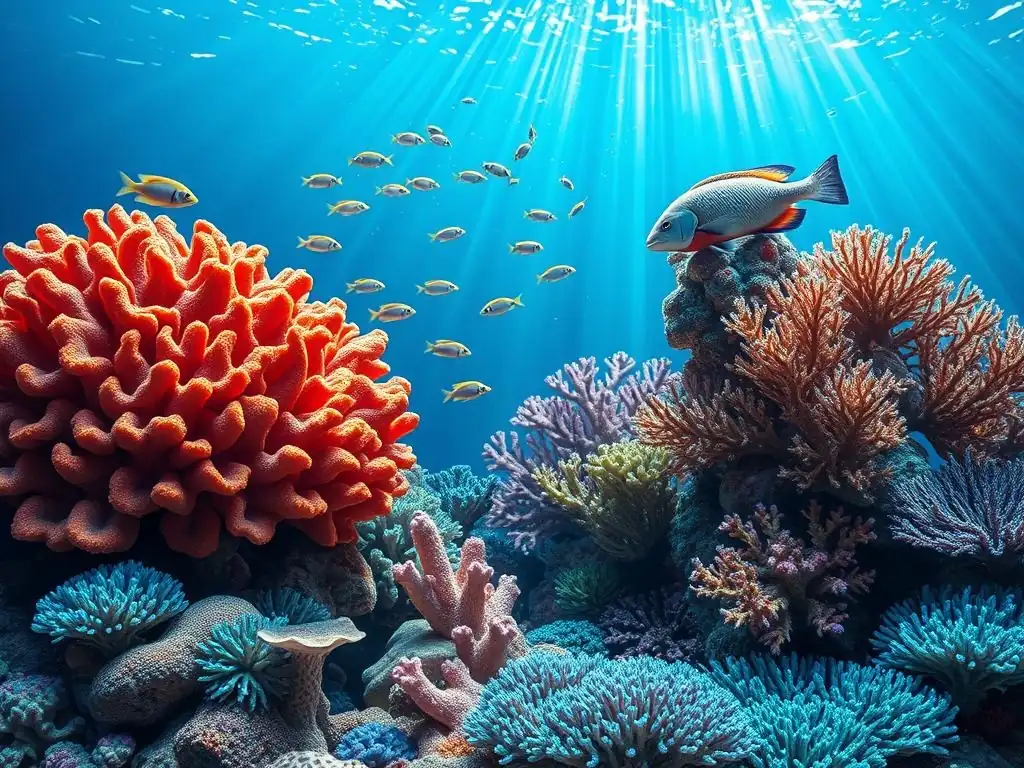
SPS corals, an acronym for Small Polyp Stony corals, are a cornerstone of natural coral reefs and are highly prized in the reef aquarium hobby. Characterized by their small polyps and a hard, calcified skeleton, these corals are the primary builders of the intricate reef structures found in the ocean.
Their diverse growth forms, which include branching, plating, and encrusting varieties, along with their often vibrant and iridescent coloration, make them a captivating addition to any advanced reef tank. Examples like the iconic Acropora with its complex branching structures, the elegant plating Montipora, and the delicate bushy Seriatopora showcase the incredible diversity within this group.
Choosing to keep SPS corals represents a significant step up in the reef keeping journey, offering both a challenge and immense reward. Successfully maintaining a thriving SPS ecosystem is often considered the pinnacle of marine aquarium husbandry, demanding meticulous SPS coral tank maintenance and a deep understanding of water chemistry. The vibrant, dynamic environment created by a healthy SPS colony is unparalleled, providing a constantly evolving display of natural beauty and intricate biological processes. For many aquarists, the satisfaction derived from seeing these delicate creatures flourish under their care is the ultimate goal in their hobby.
Demystifying the Challenges of SPS Coral Reef Tanks
While the allure of SPS corals is undeniable, their successful husbandry comes with a unique set of challenges that differentiate them significantly from their softer counterparts, such as soft corals or LPS (Large Polyp Stony) corals. SPS corals are notoriously demanding, requiring exceptionally stable and pristine water parameters, intense lighting, and turbulent water flow to thrive. Even minor fluctuations in water chemistry, temperature, or light intensity can quickly lead to stress, tissue loss, or bleaching, making consistent SPS coral tank maintenance paramount.
Their sensitivity extends beyond just water parameters; SPS corals are also highly susceptible to various pests and diseases that can rapidly decimate a colony if not addressed promptly. The learning curve for maintaining an SPS dominant tank is steep, necessitating a dedicated approach to daily observation, regular water testing, and a proactive troubleshooting mindset. This level of commitment, while demanding, ultimately fosters a deeper connection to the aquatic environment and a more profound appreciation for the delicate balance required to replicate a thriving reef ecosystem in a home aquarium.
Setting Up Your SPS Coral Tank for Success
Tank Size and Dimensions for Optimal SPS Growth
When planning an SPS coral tank, the choice of tank size and dimensions is a critical foundational decision that significantly impacts long-term success. While it is technically possible to keep some SPS species in smaller tanks, a minimum of 40 gallons (approximately 150 liters) is generally recommended to provide a baseline level of stability. However, for truly optimal SPS growth, coloration, and long-term SPS coral tank maintenance, tanks in the range of 75 to 100 gallons (280-380 liters) or larger are highly preferred. The increased water volume in larger tanks acts as a buffer, mitigating the impact of minor fluctuations in water parameters, diluting waste products more effectively, and providing greater overall system stability, which is crucial for sensitive SPS corals.
Beyond sheer volume, the dimensions of the tank also play a vital role. Tanks with a greater front-to-back depth (e.g., 24 inches or 60 cm) allow for more creative aquascaping, providing ample space for corals to grow without shading each other and facilitating better water flow patterns.
This depth also allows for a more effective light spread from high-intensity lighting systems, ensuring that corals at various depths receive adequate PAR (Photosynthetically Active Radiation). Furthermore, a larger footprint provides more surface area for gas exchange and allows for greater separation between coral colonies, reducing the likelihood of chemical warfare or physical stinging as corals grow.
Essential Equipment for SPS Coral Tank Maintenance: A Checklist
Successful SPS coral tank maintenance hinges on the deployment of a robust suite of specialized equipment designed to meet the high demands of these sensitive corals. Unlike tanks housing only soft corals or fish, an SPS-dominated system requires precision and power across all its components to ensure stable environmental conditions and promote vibrant coral health. This checklist outlines the fundamental equipment categories and their importance in creating an optimal habitat for SPS corals.
The investment in high-quality, reliable equipment from the outset can prevent numerous issues down the line, saving both time and money in the long run. Each piece of equipment plays a synergistic role, contributing to the overall stability and health of the SPS ecosystem. Neglecting any of these essential components can lead to compromised water quality, inadequate light or flow, and ultimately, a less-than-thriving SPS display, underscoring their importance in comprehensive SPS coral tank maintenance.
High-Intensity Lighting Systems: LEDs, Metal Halide, and T5
Lighting is arguably the most critical component for SPS coral health and coloration, as these corals derive the majority of their energy from photosynthesis via their symbiotic zooxanthellae. High-intensity lighting systems are non-negotiable for SPS tanks, with popular choices including LEDs, Metal Halides, and T5 fluorescent fixtures. Modern LED fixtures, such as those from EcoTech Marine Radion or Kessil, offer unparalleled control over spectrum and intensity, allowing aquarists to fine-tune light delivery to specific coral needs and simulate natural light cycles.
They are energy-efficient and produce less heat than traditional options, though achieving uniform PAR (Photosynthetically Active Radiation) distribution can sometimes be a challenge, requiring careful placement and often multiple units. For SPS, PAR values typically need to be in the range of 250-450 at the coral level, depending on the species and its placement within the tank.
Metal Halide lighting, once the gold standard, provides intense, broad-spectrum light that penetrates deep into the water column, promoting exceptional growth and coloration. However, they generate significant heat, consume more energy, and require frequent bulb replacement (typically every 9-12 months) to maintain optimal spectrum. T5 fluorescent lamps offer excellent light spread and even PAR distribution, often used in conjunction with LEDs or Metal Halides to fill in spectral gaps and reduce shadowing. Many advanced aquarists employ a hybrid lighting approach, combining the broad coverage of T5s with the controllability and intensity of LEDs, to achieve the ideal lighting environment for demanding SPS corals. Regardless of the chosen technology, understanding the specific PAR requirements of your SPS corals and ensuring consistent, appropriate light delivery is fundamental to successful SPS coral tank maintenance.
Powerful Water Circulation: Wave Makers and Return Pumps
Vigorous and turbulent water circulation is absolutely essential for thriving SPS corals, mimicking the high-energy environments of natural reefs. Unlike soft corals or LPS, SPS corals require strong, varied flow patterns to prevent detritus from settling on their delicate polyps, deliver nutrients efficiently, and remove metabolic waste products. Inadequate flow can lead to tissue necrosis, particularly in the inner branches of dense colonies, and inhibit proper gas exchange. To achieve this, a combination of powerful wave makers and appropriately sized return pumps is necessary.
Wave makers, such as those from Maxspect Gyre or VorTech MP series, are designed to create chaotic, multidirectional flow that simulates natural ocean currents. For an SPS tank, total flow rates should ideally be 20 to 40 times the tank's volume per hour, distributed through multiple powerheads to avoid dead spots and create random patterns. The return pump from the sump should also be powerful enough to provide adequate turnover through the filtration system while contributing to overall tank circulation. Proper flow not only keeps corals clean but also strengthens their tissue, promotes uniform growth, and facilitates the uptake of essential elements, making it a cornerstone of effective SPS coral tank maintenance.
Advanced Filtration: Protein Skimmers, Reactors, and Sumps
Maintaining ultra-low nutrient levels and pristine water quality is non-negotiable for SPS corals, making advanced filtration systems a core component of SPS coral tank maintenance. A high-performance protein skimmer is paramount, effectively removing organic waste before it breaks down into nitrates and phosphates. For SPS tanks, it's often advisable to "oversize" the skimmer beyond the manufacturer's recommended tank volume to ensure maximum efficiency in nutrient export. Skimmers can be adjusted to skim "wet" (producing more liquid, lighter skimmate) or "dry" (producing less liquid, darker skimmate), with a drier skim often preferred for SPS systems to remove more concentrated organics.
Beyond protein skimming, reactors play a crucial role in targeted nutrient control and element replenishment. Granular Ferric Oxide (GFO) reactors are widely used to bind and remove phosphates, a common inhibitor of SPS growth and coloration. Biopellet reactors can effectively reduce both nitrates and phosphates by promoting bacterial growth that consumes these nutrients. For mature SPS tanks with high calcification rates, a calcium reactor is often the most stable and cost-effective method for maintaining consistent alkalinity and calcium levels, reducing the need for daily two-part dosing. Finally, a well-designed sump provides a stable water volume, serves as a central hub for housing all filtration equipment (skimmer, reactors, heaters), and often incorporates a refugium to naturally export nutrients and cultivate beneficial microfauna, all contributing to a robust SPS coral tank maintenance regimen.
Establishing Ideal Water Parameters for SPS Corals
The cornerstone of successful SPS coral tank maintenance lies in the precise and unwavering stability of key water parameters, particularly alkalinity, calcium, and magnesium. These three elements are the building blocks for the SPS coral's calcified skeleton, and their consistent availability is critical for growth and health. Alkalinity, measured in dKH (degrees of carbonate hardness), should be maintained within a tight range of 7.0 to 8.5 dKH. The emphasis is on stability rather than a specific number; daily fluctuations of more than ±0.2 dKH can stress corals and lead to issues like tissue recession or "burnt tips." Constant monitoring and replenishment, often through automated dosing of two-part solutions or a calcium reactor, are essential to counteract the daily consumption by growing corals.
Calcium levels are equally vital, ideally maintained between 400 and 450 ppm. This concentration provides the necessary raw material for calcification, supporting the rapid growth rates characteristic of many SPS species. Magnesium acts as a crucial stabilizer for both alkalinity and calcium, preventing calcium precipitation and ensuring that corals can effectively utilize available calcium.
The ideal range for magnesium is 1300 to 1450 ppm. If magnesium levels are low, it becomes difficult to maintain stable alkalinity and calcium, even with consistent dosing. Regular testing, at least weekly for established tanks and daily during initial setup or after significant changes, combined with a consistent dosing strategy, is fundamental to providing the chemical environment SPS corals need to thrive.
The Importance of Nitrate and Phosphate Control in SPS Aquariums
While all marine aquariums benefit from low nutrient levels, the control of nitrates and phosphates is particularly critical for SPS corals, directly impacting their coloration, growth, and overall health. For SPS-dominated tanks, nitrate levels should be kept ultra-low, ideally below 5 ppm, and many advanced aquarists aim for levels that are barely detectable or trace (e.g., 0.2-1 ppm). High nitrate concentrations, even those considered acceptable for fish-only or LPS tanks, can inhibit the vibrant coloration of SPS corals, leading to a duller, "browned out" appearance. They can also suppress calcification rates, slowing down growth.
Phosphates are even more detrimental to SPS corals, with ideal levels being exceptionally low, typically below 0.03 ppm. Even slightly elevated phosphate concentrations can severely inhibit calcification, directly impacting the coral's ability to build its skeleton, and can also fuel nuisance algae outbreaks that compete with corals for light and space. Effective SPS coral tank maintenance strategies for nutrient control include consistent protein skimming, regular partial water changes (e.g., 10% bi-weekly), the use of GFO (granular ferric oxide) or biopellet reactors, and cultivating refugiums with macroalgae like Chaetomorpha. Maintaining these ultra-low nutrient environments is a continuous effort but is foundational to achieving the vibrant colors and robust growth that make SPS corals so desirable.
SPS Coral Care: Advanced Techniques for a Thriving Reef
Lighting Acclimation: Preventing Coral Bleaching and Promoting Coloration
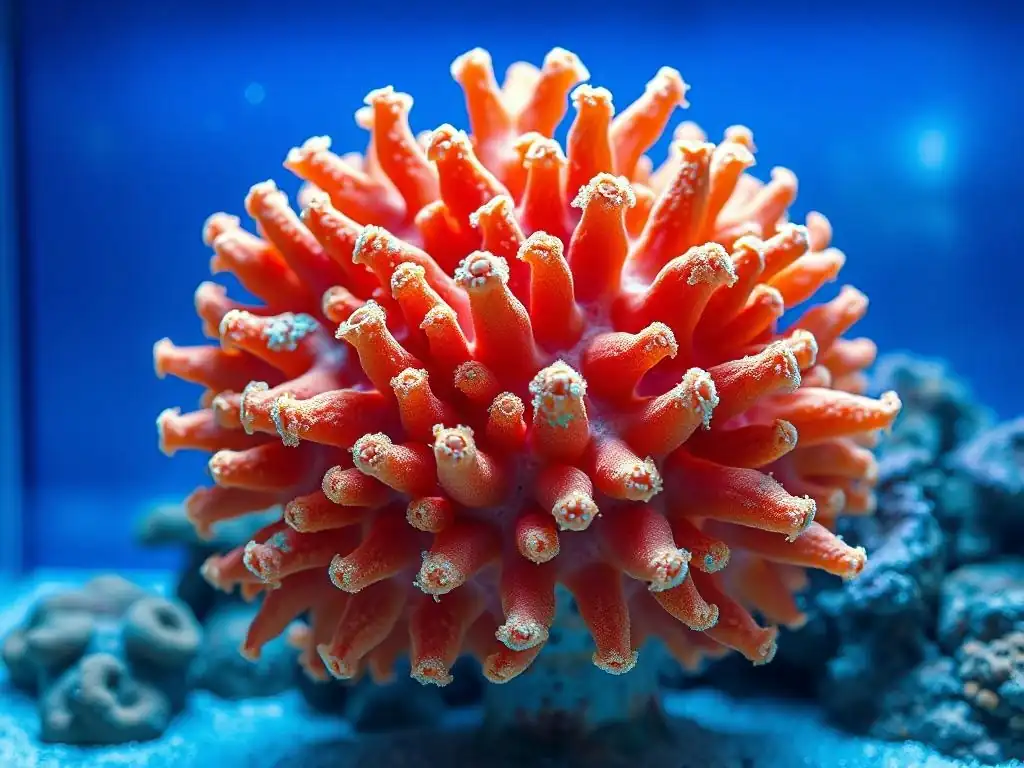
Proper lighting acclimation is a critical, yet often overlooked, aspect of SPS coral tank maintenance that directly impacts coral health and coloration. When introducing new SPS corals to an aquarium, or when upgrading or changing lighting fixtures, a gradual acclimation period is essential. SPS corals house symbiotic zooxanthellae algae within their tissues, which are highly sensitive to sudden changes in light intensity. Exposing them to excessively strong light too quickly can lead to "bleaching," where the corals expel their zooxanthellae, resulting in a pale or white appearance. This process severely stresses the coral and can lead to its demise if not reversed.
To prevent bleaching, it's recommended to start with lower light intensity (e.g., 50% of full power) or shorter photoperiods (e.g., 6-8 hours) for newly introduced corals or after a light upgrade. Over a period of 2 to 4 weeks, the intensity or duration can be slowly increased, allowing the zooxanthellae to adapt. Conversely, insufficient light can cause corals to "brown out" as they increase their zooxanthellae density to capture more light, or to "stretch" their polyps in an attempt to reach more light.
Observing coral coloration and polyp extension provides valuable clues; healthy SPS corals will exhibit vibrant, consistent colors and good polyp extension. Utilizing a PAR meter for accurate light measurement at various depths and locations within the tank can greatly assist in fine-tuning light intensity and ensuring optimal conditions for each coral species.
Mastering Water Flow: Placement and Intensity for SPS Health
Mastering water flow is paramount for SPS coral health, growth, and coloration, forming a cornerstone of effective SPS coral tank maintenance. SPS corals thrive in areas with strong, turbulent, and random water movement, which mimics their natural high-energy reef environments. This type of flow is crucial for several reasons: it prevents detritus and sediment from settling on the coral tissue, which can lead to localized necrosis; it ensures efficient delivery of nutrients, planktonic food, and essential elements to the coral polyps; and it aids in the removal of metabolic waste products. Consistent, strong flow also strengthens the coral's skeleton and tissue, helping them withstand potential physical damage and promoting robust growth forms.
Achieving the ideal flow involves more than just powerful pumps; it requires strategic placement of multiple wave makers to create chaotic, multidirectional currents. Avoid direct, laminar flow, which can be damaging by stripping coral tissue. Instead, aim for a "swaying" motion where polyps are gently but constantly moving.
Different SPS species may also have slightly varying flow preferences; for instance, some branching Acropora varieties can tolerate extremely high flow, while plating Montipora might prefer slightly less direct intensity. Observing the corals' polyp extension and ensuring no detritus accumulates on their surfaces are key indicators of adequate flow. Regular adjustments to wave maker settings and positions may be necessary as corals grow and new corals are introduced to maintain optimal conditions.
Targeted Feeding Strategies for SPS Corals: Reef Roids, Coral Frenzy, and Amino Acids
While SPS corals are primarily photosynthetic, deriving most of their energy from light via their symbiotic zooxanthellae, supplemental feeding significantly contributes to their growth rates, vibrant coloration, and overall resilience. Their small polyps are capable of capturing very fine particulate matter from the water column. Products like Reef-Roids or Coral Frenzy, which are finely ground zooplankton and phytoplankton blends, are excellent choices for targeted feeding.
These can be mixed with tank water and broadcast fed, or directly spot-fed to individual colonies, ideally when polyps are extended, often during the evening or at night. This supplemental nutrition provides essential fatty acids, proteins, and carbohydrates that photosynthesis alone may not fully supply, especially in ultra-low nutrient systems common for SPS.
Beyond particulate foods, amino acid supplements have gained popularity in advanced SPS coral tank maintenance. Amino acids are the building blocks of proteins and play a crucial role in coral tissue development and pigment production. Dosing reef-safe amino acid solutions, such as those from Brightwell Aquatics or Fauna Marin, daily or every few days can visibly enhance coral growth rates and intensify their coloration, making reds redder and blues bluer. It's important to start with a lower dose and observe the corals' response, as over-dosing can sometimes lead to nuisance algae issues if not properly managed. A balanced feeding strategy, combining both particulate foods and amino acids, can unlock the full potential of SPS corals in terms of health, growth, and breathtaking coloration.
Regular Water Testing and Adjustments: Keeping Your SPS Healthy
Consistent and accurate water testing is the backbone of successful SPS coral tank maintenance, serving as the primary diagnostic tool for monitoring the health of your reef. Regular testing allows aquarists to track the consumption of key elements (alkalinity, calcium, magnesium) by growing corals and identify any deviations from ideal parameters before they become problematic. For SPS tanks, daily or every-other-day testing of alkalinity is often recommended, especially in rapidly growing systems, as this parameter tends to fluctuate the most. Calcium and magnesium can typically be tested weekly. High-quality, reliable test kits (e.g., Salifert, Hanna Checkers) are indispensable for obtaining precise readings.
Beyond the major elements, regular monitoring of nitrates and phosphates (e.g., weekly or bi-weekly) is crucial to ensure they remain at ultra-low levels, as discussed previously. Trace elements, while consumed in smaller quantities, are also vital for SPS health and coloration. While specific testing for all trace elements can be complex, consistent partial water changes with a high-quality salt mix are often sufficient to replenish them.
When test results indicate a deviation from ideal ranges, prompt and precise adjustments are necessary. This often involves adjusting automated dosing systems, recalibrating calcium reactors, or performing small, targeted water changes. Proactive and consistent water testing, coupled with timely adjustments, ensures that SPS corals live in a stable, optimal environment, preventing stress and promoting long-term health.
Fragging SPS Corals: Expanding Your Collection and Sharing the Beauty
Essential Tools and Techniques for SPS Coral Fragging
Fragging SPS corals is a common and rewarding practice in the reef keeping hobby, allowing aquarists to propagate their existing colonies, share them with others, and create new aquascaping opportunities. To perform successful SPS coral fragging, having the right tools is essential for making clean cuts and minimizing stress to the mother colony.
The primary tools typically include specialized bone cutters, often made of surgical-grade stainless steel, which are designed to cleanly snip through the hard, calcified skeletons of branching SPS corals like Acropora or Seriatopora. For thicker or encrusting bases, a Dremel tool equipped with a diamond cutting wheel can be invaluable, allowing for precise cuts without excessive force that could damage the coral.
Beyond cutting tools, personal protective equipment is crucial. This includes sturdy gloves to protect hands from sharp coral skeletons and potential toxins, and protective eyewear to shield eyes from flying debris or splashing water. The technique itself involves carefully selecting a healthy, well-established branch or section of the mother colony.
Make a swift, clean cut, ensuring the frag has at least a few polyps and ideally a small growth tip. After cutting, it's often beneficial to give the frag a brief dip in a coral cleaner solution (e.g., Coral-RX) to reduce the risk of infection or pests. Sterilizing tools with a bleach solution or rubbing alcohol between fragging sessions, especially when working with multiple colonies, is a vital step to prevent the spread of diseases.
Preparing Frags for Attachment and Growth: Cyanoacrylate Glue and Epoxy Putty
Once an SPS coral frag has been cut, the next crucial step is preparing it for attachment to a frag plug, rock, or directly onto the reef aquascape. This preparation ensures the frag has a stable base from which to recover and grow. After fragging, it's advisable to allow the frag a brief recovery period, typically a few minutes to an hour, in a low-flow section of the tank or a separate acclimation container. This allows the coral to recover from the stress of fragging and minimizes the release of any defensive mucus into the main display.
The most common and effective methods for attaching SPS frags involve using reef-safe cyanoacrylate glue (super glue) or two-part epoxy putty. Gel-consistency cyanoacrylate glue is highly preferred as it provides a strong, quick bond and is easy to apply. A small dab of glue on the base of the frag, pressed firmly onto a frag plug or a piece of live rock, usually suffices.
For larger or heavier frags, or for creating more permanent and stable attachments within the aquascape, two-part epoxy putty can be used. This putty is kneaded until activated, then molded around the base of the frag and onto the attachment surface, providing a robust bond.
Some aquarists combine both: using a bit of glue for an instant hold, then reinforcing with epoxy. Proper attachment ensures the frag remains stable, allowing it to focus its energy on healing and new growth without being dislodged by water flow or other tank inhabitants.
Post-Fragging Care: Ensuring Successful Recovery and Growth
The period immediately following fragging is critical for the successful recovery and growth of SPS corals. After attachment, the frag needs a stable and pristine environment to heal the wound created by the cut and begin to encrust onto its new base. Placing newly fragged corals in an area of the tank with slightly lower, but still adequate, water flow can help prevent further stress while the coral recovers. Excessive flow directly on the fresh wound can hinder healing. Maintaining exceptionally stable water parameters—especially alkalinity, calcium, and magnesium—is paramount during this time, as these elements are vital for the coral to lay down new skeleton and repair tissue. Consistent SPS coral tank maintenance is key.
Observe the frags closely over the next few days to weeks for any signs of stress, such as tissue recession, browning, or paling. Healthy frags will typically show signs of polyp extension within a few hours to a day, and after a week or two, you should begin to see new growth, often in the form of a white growth tip or encrusting tissue around the base. If the frag was dipped prior to introduction, ensure the dip used was appropriate and did not cause additional stress.
Providing supplemental feeding with fine particulate foods or amino acids can also aid in recovery and accelerate growth by providing additional energy resources. Patience is a virtue in post-fragging care; with stable conditions and consistent monitoring, most healthy SPS frags will successfully recover and begin to flourish.
Troubleshooting Common SPS Coral Problems
Identifying and Treating Coral Bleaching in SPS Tanks
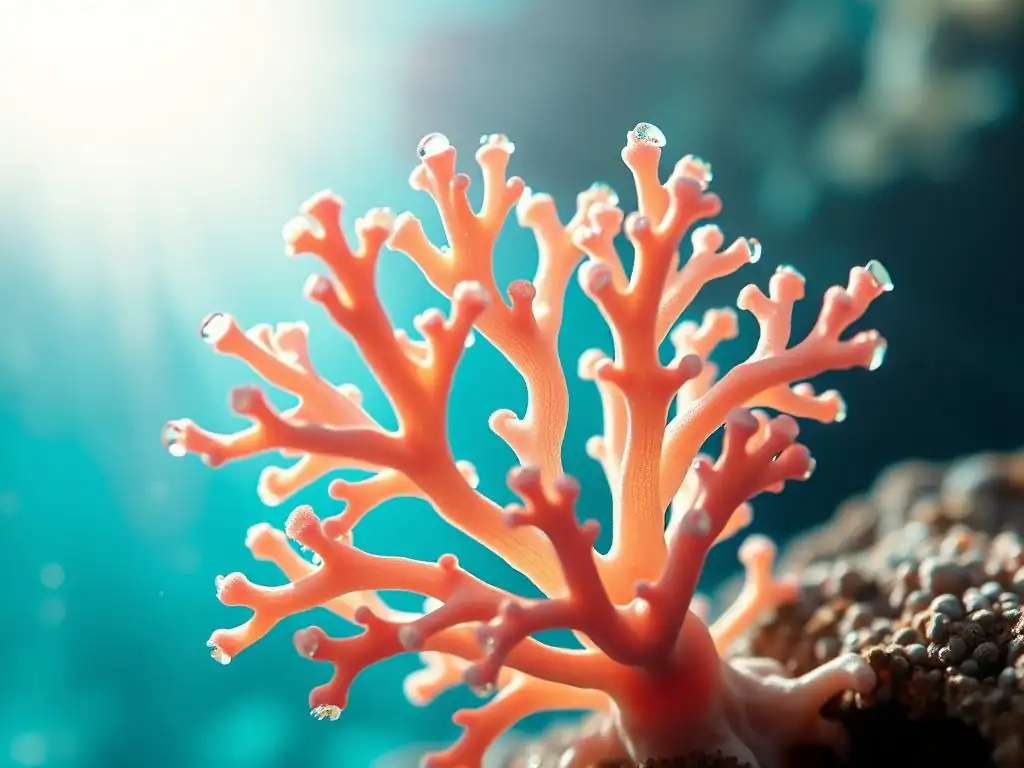
Coral bleaching is one of the most alarming issues an SPS aquarist can encounter, signifying severe stress and potential mortality for the coral. It is characterized by the coral's tissue appearing pale, white, or translucent due to the expulsion of its symbiotic zooxanthellae algae, which provide most of the coral's color and energy. Identifying bleaching early is crucial for successful intervention. While minor paling can sometimes indicate adaptation to new lighting, widespread or rapid whitening across a colony is a clear sign of distress.
The causes of coral bleaching in an SPS tank are varied but typically relate to rapid or extreme changes in environmental conditions. Common culprits include sudden spikes in water temperature (e.g., above 82°F or 28°C), rapid drops in salinity, extreme fluctuations in alkalinity, or sudden exposure to overly intense light. Nutrient deprivation (near-zero nitrates and phosphates) can also lead to a type of bleaching known as "pale-out." To treat bleaching, the underlying cause must be identified and rectified immediately. This might involve reducing light intensity, stabilizing water parameters through precise dosing, or addressing temperature issues. Gradual changes are always preferred in SPS coral tank maintenance to avoid shocking corals. If caught early and the cause is corrected, corals can sometimes recover by re-acquiring zooxanthellae from the water column or from remaining healthy tissue.
Combating Pests and Diseases Affecting SPS Corals: Coral RX Dip and Bayer Insecticide
SPS corals are susceptible to a range of pests and diseases that can quickly devastate a collection if not managed proactively. Common pests include Red Bugs ( Tegastes acroporanus), tiny crustaceans that feed on Acropora tissue, and various types of predatory flatworms, most notably Acropora Eating Flatworms (AEFW), which can decimate colonies rapidly. Montipora Eating Nudibranchs are another specific threat to Montipora species. Identifying these pests early, often through regular visual inspection, is critical. Symptoms can include tissue recession, unusual coloration, or visible pests on the coral.
Treatment often involves coral dips, which are a cornerstone of preventative SPS coral tank maintenance. Products like Coral-RX or Revive Coral Cleaner are specifically formulated to safely dislodge and kill many common coral pests without harming the coral itself. For severe infestations of AEFW or Red Bugs, some advanced aquarists resort to off-label use of specific insecticides, such as Bayer Advanced Rose & Flower Insect Killer (containing Imidacloprid), in a controlled dip environment, followed by thorough rinsing. A rigorous quarantine protocol for all new corals (e.g., 4-6 weeks in a separate tank) combined with prophylactic dipping is the most effective strategy to prevent the introduction of these destructive pests into the main display.
Addressing Slow Growth and Poor Coloration in SPS Corals
When SPS corals exhibit slow growth or poor coloration, it's a clear indicator that something in their environment is not optimal, requiring a thorough diagnostic approach in SPS coral tank maintenance. Unlike soft corals which may tolerate wider parameter swings, SPS demand precise and consistent conditions. One of the most common causes for these issues is unstable or incorrect water parameters, particularly alkalinity, calcium, and magnesium. If these essential elements are not consistently within their ideal ranges (e.g., alkalinity 7.0-8.5 dKH, calcium 400-450 ppm, magnesium 1300-1450 ppm), corals will struggle to build their skeletons and express vibrant colors.
Other significant factors include insufficient light intensity or an improper light spectrum, which can lead to corals browning out (too little light) or paling (too much light). Inadequate or laminar water flow can also hinder growth by preventing nutrient delivery and waste removal. Nutrient deficiencies, particularly of trace elements, can also play a role, even if major parameters are stable.
Conversely, elevated nitrates or phosphates, while not always immediately fatal, can significantly dull coloration and inhibit growth. To troubleshoot, systematically test all water parameters, assess lighting PAR and spectrum, evaluate water flow patterns, and consider supplemental feeding with amino acids or fine particulate foods. Addressing these environmental factors methodically will typically lead to improved growth rates and a return to vibrant coloration.
Choosing the Right SPS Corals for Your Aquarium
Beginner-Friendly SPS Corals: Montipora, Birdsnest, and Stylophora
For aquarists venturing into the world of SPS corals, starting with more forgiving species can significantly ease the learning curve and build confidence in SPS coral tank maintenance. While still demanding, certain SPS corals are known for their relative hardiness compared to their more sensitive cousins. Montipora species are often recommended as excellent beginner SPS corals. They come in various growth forms, including plating ( Montipora capricornis) and branching ( Montipora digitata), and are generally more tolerant of minor fluctuations in water parameters than Acropora. They are also fast growers, providing a rewarding experience as they quickly establish themselves.
Another excellent choice for beginners is the Birdsnest coral ( Seriatopora hystrix). This coral is known for its delicate, branching structure and relatively fast growth. It can tolerate slightly higher nutrient levels than many other SPS corals and is often a good indicator of overall water quality in the tank.
Stylophora pistillata, commonly known as Cat's Paw coral, is another hardy and beautiful option. It typically grows in a bushy, branching form and is quite resilient, making it a solid choice for those new to advanced reef keeping. These species provide a good foundation for understanding the specific needs of SPS corals before moving on to more challenging varieties.
Intermediate SPS Corals: Acropora Varieties and Pocillopora
Once an aquarist has gained confidence and experience with beginner-friendly SPS corals and has a stable SPS coral tank maintenance routine, they can explore intermediate SPS varieties. These corals typically require more precise and consistent water parameters, along with optimized lighting and flow, to truly thrive. The vast genus Acropora offers a wide range of forms and colors, and some of its varieties fall into the intermediate category. Acropora valida, with its robust branching structure, and certain Acropora millepora varieties are often considered good intermediate choices, offering a glimpse into the beauty of the genus without the extreme demands of the most sensitive species.
Pocillopora species are another excellent intermediate option. They often grow in encrusting or branching forms and are known for their vibrant colors and sensitivity to water quality, making them good indicator corals for overall tank health. While more demanding than Montipora or Birdsnest, these intermediate SPS corals offer a rewarding challenge and further hone the aquarist's skills in maintaining a delicate reef ecosystem. They require consistent attention to alkalinity, calcium, magnesium, and ultra-low nutrient levels, pushing the aquarist to achieve greater stability in their system.
Advanced SPS Corals: Acropora Millepora and Hyacinthus
For the seasoned SPS aquarist who has mastered stable water parameters, lighting, and flow, and demonstrates exceptional SPS coral tank maintenance, the world of advanced SPS corals opens up. These species are renowned for their breathtaking colors and intricate growth forms but demand the utmost precision and consistency in their environment. Acropora millepora, especially certain highly colored "Milli" varieties, falls firmly into this category. Known for their dense, often fuzzy polyps and intense coloration (ranging from electric blues to deep reds and purples), they are extremely sensitive to even minor fluctuations in water parameters, requiring near-perfect conditions to maintain their vibrancy and avoid tissue recession.
Another pinnacle of SPS keeping is Acropora hyacinthus, a plating Acropora that forms stunning, layered structures. These corals demand very high light intensity and exceptionally strong, turbulent water flow to prevent detritus buildup and promote their characteristic growth form. They are also highly susceptible to pests and diseases, necessitating rigorous quarantine and observation. Successfully growing and coloring up these advanced SPS corals is a testament to an aquarist's dedication and expertise, representing the highest achievement in the art of SPS coral tank maintenance and reef keeping.
The Future of SPS Coral Reef Keeping: Sustainability and Innovation
Sustainable Practices in SPS Coral Acquisition and Propagation
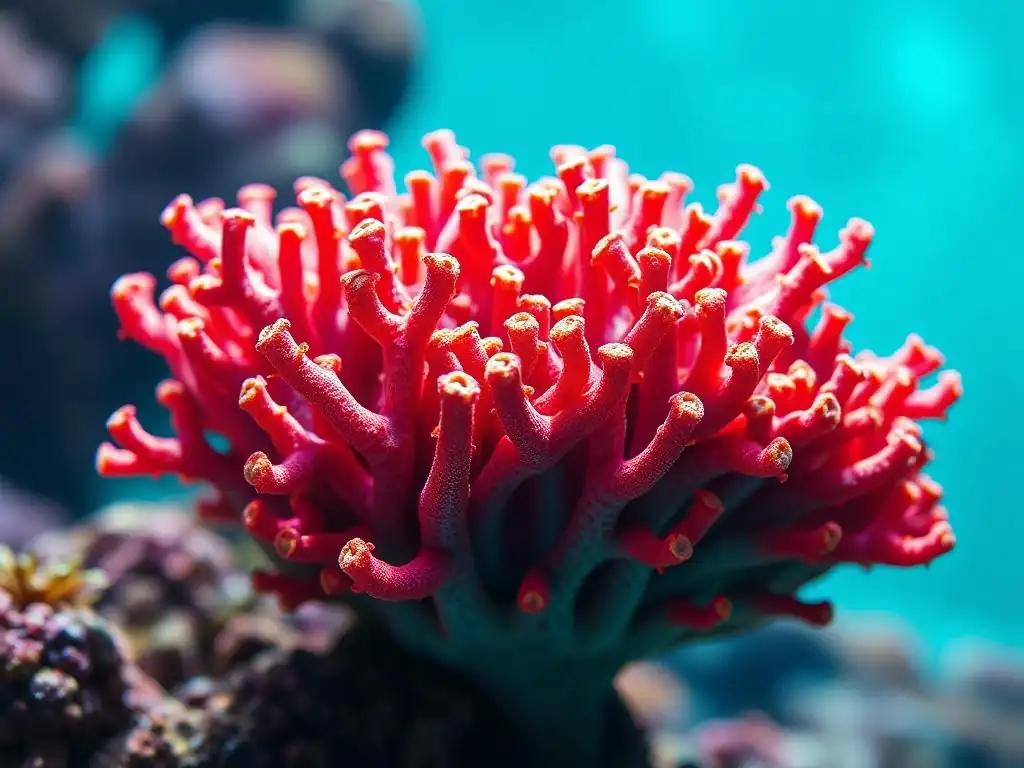
As the popularity of reef keeping continues to grow, the importance of sustainable practices in SPS coral acquisition and propagation has become a central focus within the hobby. The demand for beautiful and exotic corals places pressure on natural reef ecosystems, making responsible sourcing a critical ethical consideration. Promoting and prioritizing aquacultured (tank-raised) corals over wild-caught specimens is a cornerstone of sustainable SPS coral tank maintenance. Aquacultured corals are grown in controlled environments, reducing the impact on wild populations, minimizing disease transfer, and often adapting better to home aquarium conditions due to their captive-bred origins.
Beyond commercial aquaculture, encouraging hobbyists to engage in fragging and trading corals within the community is another vital sustainable practice. Fragging allows existing colonies to be propagated, creating new corals without harvesting from the wild.
This not only reduces demand on natural reefs but also fosters a vibrant community of aquarists who can share their successful grows and unique strains. Supporting reputable vendors who clearly label their corals as aquacultured or sustainably collected, and participating in coral swap events, are practical steps every SPS aquarist can take to contribute to the long-term health of both the hobby and the natural marine environment.
Emerging Technologies in SPS Coral Tank Maintenance: Automated Dosing Systems and AI Monitoring
The future of SPS coral tank maintenance is increasingly shaped by innovative technologies that enhance precision, automation, and monitoring capabilities. Automated dosing systems have become indispensable for advanced SPS tanks, providing precise and consistent replenishment of alkalinity, calcium, magnesium, and various trace elements. These systems eliminate the daily manual dosing chore, minimize human error, and ensure unparalleled stability of water parameters, which is crucial for sensitive SPS corals. Advanced dosers can be programmed for multiple daily doses, mimicking the natural consumption rates of a heavily stocked reef tank and preventing the parameter swings that can stress corals.
Beyond dosing, the integration of Artificial Intelligence (AI) and advanced monitoring systems is revolutionizing SPS coral tank maintenance. Controllers like the Neptune Apex or GHL Profilux systems, equipped with various probes and modules, can continuously monitor water parameters (pH, temperature, salinity, ORP), control lighting and flow, and even automate feeding schedules. Emerging AI-driven monitoring solutions are beginning to offer real-time data analysis, identifying subtle trends or deviations that might indicate an impending problem, and providing early warnings to the aquarist. Some systems are even exploring AI-powered image analysis to detect early signs of coral stress or disease. These technologies not only reduce the manual labor involved in SPS coral tank maintenance but also provide a level of oversight and precision that was unimaginable just a decade ago, paving the way for even more successful and resilient reef aquariums.
Mastering SPS Coral Tank Maintenance: A Recap for Success
Mastering SPS coral tank maintenance is an ambitious yet incredibly rewarding endeavor, transforming a simple aquarium into a vibrant, dynamic ecosystem. The journey beyond soft corals into the intricate world of SPS demands a commitment to precision, consistency, and a continuous pursuit of knowledge. Success hinges on a few core principles: unwavering water parameter stability, particularly for alkalinity, calcium, and magnesium, maintained within tight ranges through diligent testing and automated dosing. Equally critical are high-intensity lighting systems tailored to specific coral needs and powerful, turbulent water flow that mimics natural reef environments.
A proactive approach to SPS coral tank maintenance involves regular water testing, strategic nutrient control through advanced filtration, and a keen eye for early signs of stress, pests, or disease. Understanding lighting acclimation, mastering water flow patterns, and implementing targeted feeding strategies further contribute to robust growth and brilliant coloration. The ability to frag corals not only expands your collection but also fosters sustainable practices within the hobby. Ultimately, patience, meticulous attention to detail, and a passion for the delicate beauty of these creatures are the true keys to cultivating a thriving SPS reef that will be a source of endless fascination and pride.
Frequently Asked Questions
What are SPS corals and why are they considered more challenging to keep?
SPS corals, or Small Polyp Stony corals, are known for their intricate structures and vibrant colors. They are considered challenging due to their demanding requirements for water parameters, lighting, and water flow.
What specific water parameters are crucial for maintaining a thriving SPS coral tank?
Maintaining stable and optimal water parameters is critical. Key parameters include alkalinity, calcium, and magnesium levels, as well as keeping nitrates and phosphates as close to zero as possible. Regular testing is essential.
What kind of lighting is recommended for SPS corals, and how do I ensure adequate light penetration?
SPS corals require intense lighting, typically provided by metal halides or high-end LED systems. Ensuring adequate light penetration involves selecting the right light intensity and spectrum for your tank's depth and the specific corals you keep.
How important is water flow in an SPS coral tank, and what type of flow is ideal?
Water flow is paramount for nutrient delivery and waste removal. Random and turbulent flow is ideal, preventing dead spots and ensuring all coral surfaces receive adequate circulation. Consider using wavemakers or multiple powerheads.
What are some common problems encountered in SPS coral tanks, and how can they be prevented or addressed?
Common issues include coral bleaching, tissue necrosis, and pest infestations. Prevention relies on maintaining stable water parameters and quarantine new additions. Treatment often involves addressing the underlying cause and using appropriate medications or dips.
Final Reflection: Embracing the Art of SPS Coral Husbandry
The journey into SPS coral tank maintenance is far more than just following a set of instructions; it's about cultivating a living, breathing ecosystem within the confines of glass. The complexities we've explored, from water chemistry to lighting intricacies, highlight the dedication required to truly succeed in nurturing these vibrant jewels of the ocean. This commitment, however, is rewarded with a spectacle of color and growth that transforms a simple aquarium into a captivating underwater world.
The influence of successful SPS coral husbandry extends beyond the individual hobbyist. It fosters a deeper understanding and appreciation for the delicate balance of reef ecosystems, contributing to a broader awareness of marine conservation. My own journey into SPS keeping has instilled in me a profound respect for the ocean's fragility and the responsibility we bear to protect it. In the end, we will conserve only what we love; we will love only what we understand; and we will understand only what we are taught.
- Baba Dioum. This quote perfectly encapsulates the power of knowledge and experience in driving positive change.
Now, armed with this comprehensive guide, I invite you to reflect on your own approach to SPS coral keeping. Consider how you can refine your techniques, deepen your understanding, and contribute to the growing community of reef enthusiasts. Embrace the challenges, celebrate the successes, and remember that every thriving SPS colony is a testament to your dedication and a beacon of hope for the future of our oceans. Let your tank be a living laboratory, a source of endless fascination, and a powerful reminder of the beauty and resilience of the natural world.
Ignite Your SPS Reef Tank Triumph!
Thank you for diving deep into the captivating world of SPS corals! We hope this guide has illuminated the path to creating a thriving, vibrant ecosystem in your own home aquarium. Now, let's translate that knowledge into action.
Here are a few steps you can take to elevate your SPS game:
- Start with a single, hardy SPS coral: Don't overwhelm your system. Begin with a Montipora or Seriatopora and closely monitor its health as you fine-tune your parameters.
- Join our thriving Aquarium Mastery community forum to share your SPS journey, ask questions, and learn from fellow reef keepers.
- Experiment with a less common trace element additive, like Strontium, and carefully document its effect on your SPS coral coloration and growth.
What's the one crucial adjustment you'll make to your reef tank this week based on what you've learned today?