
Amino Acids & SPS Growth: Fueling Faster Development and Enhancing Coral Coloration

Welcome to Aquarium Mastery!
Ever wondered how to unlock explosive growth and vibrant colors in your SPS corals? Dive into our guide on SPS coral amino acid boost and discover how these essential building blocks can revolutionize your reef tank. Get ready to witness a stunning transformation – let's explore the power of amino acids!
- Understanding the Importance of Amino Acids for SPS Coral Growth
- The Benefits of SPS Coral Amino Acid Supplementation
- Identifying Amino Acid Deficiencies in SPS Corals
- Implementing an SPS Coral Amino Acid Supplementation Strategy
- Monitoring and Adjusting Amino Acid Supplementation for SPS Corals
- Synergistic Effects: Combining Amino Acids with Other SPS Coral Supplements
- Case Studies: Real-World Examples of SPS Coral Amino Acid Success
- Troubleshooting Common Issues with SPS Coral Amino Acid Supplementation
- Advanced Considerations for SPS Coral Amino Acid Use
-
Frequently Asked Questions
- What are amino acids, and why are they important for SPS corals?
- How does supplementing with amino acids benefit SPS coral growth?
- What kind of amino acids are most beneficial for SPS corals?
- How often should I dose amino acids into my SPS coral aquarium?
- Can overdosing amino acids harm my SPS corals or aquarium?
- Final Reflection: Unlocking Coral's Vibrant Potential
- Unlock Vibrant Coral Growth Today!
Understanding the Importance of Amino Acids for SPS Coral Growth
What are Amino Acids and Why are They Crucial for SPS Corals?
Amino acids are the fundamental building blocks of proteins, which are essential macromolecules for all biological life, including corals. In the intricate biology of Small Polyp Stony (SPS) corals, these organic compounds are critical for a multitude of metabolic processes, ranging from tissue repair and regeneration to the synthesis of enzymes that facilitate vital biochemical reactions. Without an adequate supply of amino acids, SPS corals cannot properly build and maintain their complex cellular structures or execute the physiological functions necessary for survival and growth.
Unlike some other organisms, corals, particularly SPS species like Acropora and Montipora, cannot synthesize all the amino acids they require internally. They rely on two primary external sources: nutrient uptake from the water column (dissolved organic matter, particulate food) and the symbiotic relationship with zooxanthellae, which provide carbohydrates through photosynthesis. However, these sources often fall short in providing the complete spectrum and quantity of amino acids needed for optimal health and accelerated growth in a captive reef environment, making an SPS coral amino acid boost a valuable strategy.
The Role of Amino Acids in SPS Coral Cellular Processes
At the cellular level, amino acids are indispensable for continuous protein synthesis, a process vital for cell division and the formation of new tissues. This constant cellular renewal is fundamental to the rapid growth rates characteristic of many SPS corals. For instance, structural proteins like collagen, which provides integrity to coral tissues, are entirely dependent on a consistent supply of various amino acids. Additionally, amino acids are precursors for enzymes, which act as biological catalysts, enabling countless metabolic reactions, including those involved in energy transfer and waste processing within the coral.
Beyond their role in structural and enzymatic functions, specific amino acids also play a part in the complex signaling pathways within coral cells. They contribute to the regulation of cellular growth, stress responses, and even the production of protective compounds. A robust supply of these essential building blocks ensures that SPS corals can efficiently repair daily wear and tear, adapt to subtle environmental changes, and maintain peak physiological performance, thereby directly influencing their overall vigor and longevity in the aquarium.
How Amino Acids Contribute to SPS Coral Skeletal Growth and Calcification
The impressive skeletal structures of SPS corals, composed primarily of calcium carbonate (aragonite), are not merely inorganic deposits; they are built upon an intricate organic matrix. This matrix, predominantly made of proteins, serves as a scaffold upon which calcium carbonate crystals are nucleated and deposited. Amino acids are the direct precursors for these proteins, meaning that without a sufficient supply, the coral's ability to create this organic framework is severely hampered, directly impeding its calcification rate.
Specific amino acids, such as aspartic acid and glutamic acid, are believed to play a particularly significant role in facilitating calcium carbonate deposition. These amino acids possess unique chemical properties that allow them to bind calcium ions, effectively guiding their crystallization into the aragonite structure. Therefore, providing an adequate SPS coral amino acid boost directly supports the biological machinery responsible for skeletal accretion, leading to denser, stronger coral skeletons and ultimately, faster overall growth and structural development.
The Benefits of SPS Coral Amino Acid Supplementation
Enhanced Growth Rates in SPS Corals with Amino Acid Supplementation
One of the most immediate and noticeable benefits of providing an SPS coral amino acid boost is a significant acceleration in growth rates. Anecdotal evidence from experienced aquarists often reports a 20-30% increase in linear tip growth for fast-growing Acropora species within a few months of consistent amino acid dosing. This enhanced growth is attributed to the readily available building blocks for new tissue and skeletal material, allowing corals to divert less energy to synthesizing these compounds and more towards active growth.
Beyond linear growth, amino acid supplementation also promotes improved encrustation at the base of coral fragments, leading to faster attachment to frag plugs or rockwork. In frag tanks, where rapid growth and robust health are paramount, a targeted SPS coral amino acid boost can shave weeks off the time required for frags to become established and ready for sale. This tangible increase in biomass and structural development underscores the efficacy of amino acids in fueling the rapid expansion of SPS colonies.
Improved Coloration and Pigmentation in SPS Corals from Amino Acid Dosing
The vibrant colors of SPS corals are largely due to chromoproteins and fluorescent proteins, which are complex organic molecules synthesized by the coral itself. Amino acids are the direct precursors for these proteins. When corals are deficient in certain amino acids, their ability to produce these color-enhancing proteins is compromised, often resulting in faded, dull, or brownish coloration despite optimal lighting. Consistent amino acid dosing provides the necessary building blocks for these proteins.
For example, specific amino acids like tryptophan and tyrosine are known to be crucial for the synthesis of blue, purple, and green chromoproteins. By providing a comprehensive SPS coral amino acid boost, aquarists frequently observe a dramatic intensification and diversification of their corals' colors within 2 to 4 weeks. This improvement is not merely aesthetic; it indicates a healthier coral with a more robust metabolic system capable of producing these complex pigments.
Increased Resilience to Stress and Disease in SPS Corals with Amino Acids
SPS corals, while beautiful, can be sensitive to environmental fluctuations such as temperature swings, changes in lighting intensity, or even the stress of transportation. Amino acids play a vital role in the coral's ability to cope with these stressors by facilitating the synthesis of stress proteins, such as Heat Shock Proteins (HSPs). These proteins help protect cellular components from damage and aid in the repair of stressed tissues, allowing corals to recover more quickly and effectively from adverse conditions.
Furthermore, a well-nourished coral with a complete amino acid profile is better equipped to mount an immune response against potential pathogens. Stronger, healthier tissues are inherently more resistant to bacterial infections and parasitic infestations. Aquarists who regularly provide an SPS coral amino acid boost often report that their corals appear more robust, show less signs of stress during tank maintenance or minor parameter shifts, and exhibit a greater capacity for healing from physical damage or disease outbreaks.
Identifying Amino Acid Deficiencies in SPS Corals
Visual Indicators of Amino Acid Starvation in SPS Corals
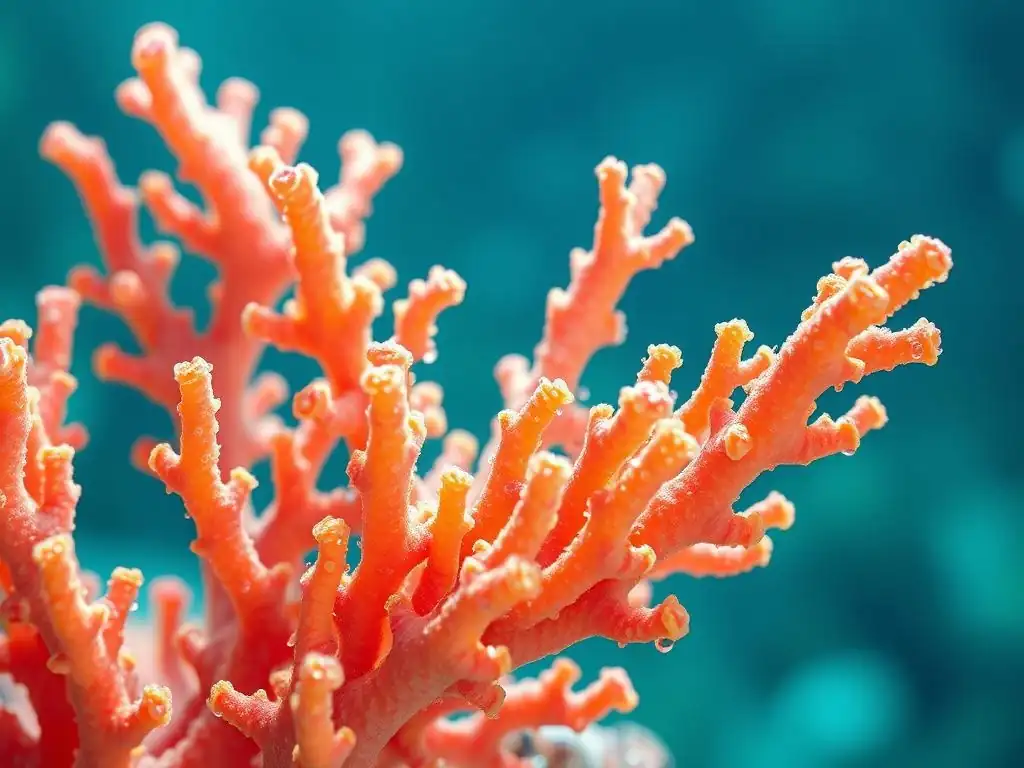
Identifying an amino acid deficiency in SPS corals often begins with visual observation, although these symptoms can overlap with other issues. Common indicators include a noticeable fading or dulling of coloration, particularly in species known for their vibrant hues. For instance, a bright blue Acropora could appear a muted greyish-blue, or a vibrant red Montipora might turn brownish-orange. This loss of intensity is often accompanied by reduced polyp extension, where the tiny polyps that normally extend from the coral's surface appear retracted or are barely visible, even during periods of feeding.
Another tell-tale sign can be a significant slowdown or complete halt in growth, particularly at the tips of the branches, which might even appear "burnt" or "receding." While these symptoms can also point to issues with alkalinity, calcium, or lighting, when other parameters are stable and optimal, an amino acid deficiency should be considered. Observing multiple colonies exhibiting these subtle yet persistent signs across the tank often provides a stronger indication that an SPS coral amino acid boost might be beneficial.
Testing Water Parameters to Assess Amino Acid Levels [Discuss ICP-OES Testing]
Directly testing for specific amino acid concentrations in a home reef aquarium using readily available hobbyist kits is not feasible. Amino acids are complex organic compounds, and current consumer-level tests are not designed to detect them. However, advanced water analysis techniques, such as Inductively Coupled Plasma Optical Emission Spectrometry (ICP-OES), can provide indirect clues. While ICP-OES primarily measures elemental composition, it can reveal deficiencies in elements like nitrogen, phosphorus, and sulfur, which are integral components of amino acids and other organic compounds.
A consistently low reading for nitrogen (often below detectable levels in a heavily skimmed, SPS-dominant tank) or a noticeable drop in overall dissolved organic carbon (DOC), if one were able to measure it, could suggest that the system is highly nutrient-poor and potentially lacking in available organic compounds, including amino acids. While not a direct measurement of amino acids, an ICP-OES test can help confirm a generally "clean" or "sterile" water column, which often necessitates an SPS coral amino acid boost to ensure corals have access to vital organic nutrients.
Common Causes of Amino Acid Depletion in Reef Aquariums
Several factors in a reef aquarium environment can contribute to the depletion of amino acids and other vital organic nutrients, making an SPS coral amino acid boost necessary. One of the primary culprits is aggressive protein skimming. While essential for removing waste products and maintaining water clarity, over-skimming can also strip out beneficial dissolved organic compounds, including free amino acids and small peptides, before corals can utilize them. This effectively creates a nutrient-poor environment, especially in systems with a high bioload of corals rapidly consuming available resources.
Another significant cause is insufficient or infrequent feeding, particularly the lack of diverse food sources. While zooxanthellae provide much of the coral's energy, they don't supply all necessary amino acids. If the aquarium is not regularly fed with a variety of high-quality coral foods (e.g., phytoplankton, zooplankton, amino acid solutions), the system's natural amino acid reserves can quickly become exhausted. Additionally, the use of activated carbon, while beneficial for removing undesirable organics and maintaining water clarity, can also inadvertently absorb and remove beneficial dissolved organic matter, further contributing to amino acid depletion over time.
Implementing an SPS Coral Amino Acid Supplementation Strategy
Choosing the Right Amino Acid Supplement for SPS Corals [Liquid vs. Powder, Blends vs. Single Amino Acids]
When embarking on an SPS coral amino acid boost, selecting the appropriate supplement is crucial. Amino acid supplements are generally available in liquid or powder forms. Liquid supplements offer convenience, being pre-dissolved and ready for immediate dosing, often with a consistent concentration. Powdered forms, while requiring dissolution, are typically more concentrated, offering better value over time and allowing for greater customization of concentration. The choice often comes down to ease of use versus cost-effectiveness and flexibility for the aquarist.
Beyond form, supplements come as broad-spectrum blends or individual amino acids. Most aquarists opt for a comprehensive blend, which provides a wide array of essential amino acids that SPS corals need, reducing the guesswork of identifying specific deficiencies. While single amino acids might be used by advanced hobbyists to target very specific issues, a general SPS coral amino acid boost blend is usually sufficient and safer for the majority of reef tanks. Reputable brands formulate their blends to mimic the natural amino acid profiles found in marine environments, ensuring a balanced nutritional input for your corals.
Determining the Optimal Dosage of Amino Acids for Your SPS Coral Tank
Determining the optimal dosage for an SPS coral amino acid boost requires a cautious approach, as overdosing can lead to undesirable side effects. It is always recommended to start with a low dose, often half of the manufacturer's suggested amount, especially when introducing a new supplement. This allows the aquarium ecosystem, including the corals and beneficial bacteria, to gradually adapt to the increased organic load. For a typical 100-gallon SPS-dominant tank, a starting dose might be around 0.5 to 1 ml of a concentrated liquid blend daily, or an equivalent amount of a dissolved powder.
The ideal dosage is highly dependent on several factors: the tank's bioload (how many corals and fish are present), the density of the SPS coral colonies, the efficiency of nutrient export systems (e.g., protein skimmer, refugium), and the overall cleanliness of the water. Heavily stocked SPS tanks with robust growth will naturally consume more amino acids and may require a higher dose than a sparsely populated tank. Consistent monitoring of coral appearance and water parameters (especially nitrates and phosphates) is essential for fine-tuning the dosage upwards over time, ensuring a beneficial, rather than detrimental, impact.
Methods for Administering Amino Acids to SPS Corals [Dosing Pumps, Manual Dosing]
Administering an SPS coral amino acid boost can be done through various methods, each with its own advantages. For consistent, precise, and automated delivery, a dosing pump is an excellent investment. Dosing pumps allow for small, frequent additions of amino acids throughout the day or night, mimicking the natural, continuous uptake of nutrients by corals. This method minimizes large fluctuations in organic content and ensures a steady supply, which is particularly beneficial for fast-growing SPS. Many aquarists program their pumps to dose at night when corals typically exhibit greater polyp extension and feeding activity.
Alternatively, manual dosing is a perfectly viable option, especially for smaller tanks or those with fewer SPS colonies. This involves measuring the required amount of supplement with a syringe or measuring cup and adding it directly to a high-flow area of the sump or display tank. While less precise than a dosing pump, manual dosing offers simplicity and avoids the initial cost of automation. Regardless of the method, it's crucial to dose in an area with good water flow to ensure rapid dispersion and prevent localized high concentrations that could irritate corals or promote undesirable bacterial growth.
Monitoring and Adjusting Amino Acid Supplementation for SPS Corals
Observing SPS Coral Response to Amino Acid Dosing [Growth, Color]
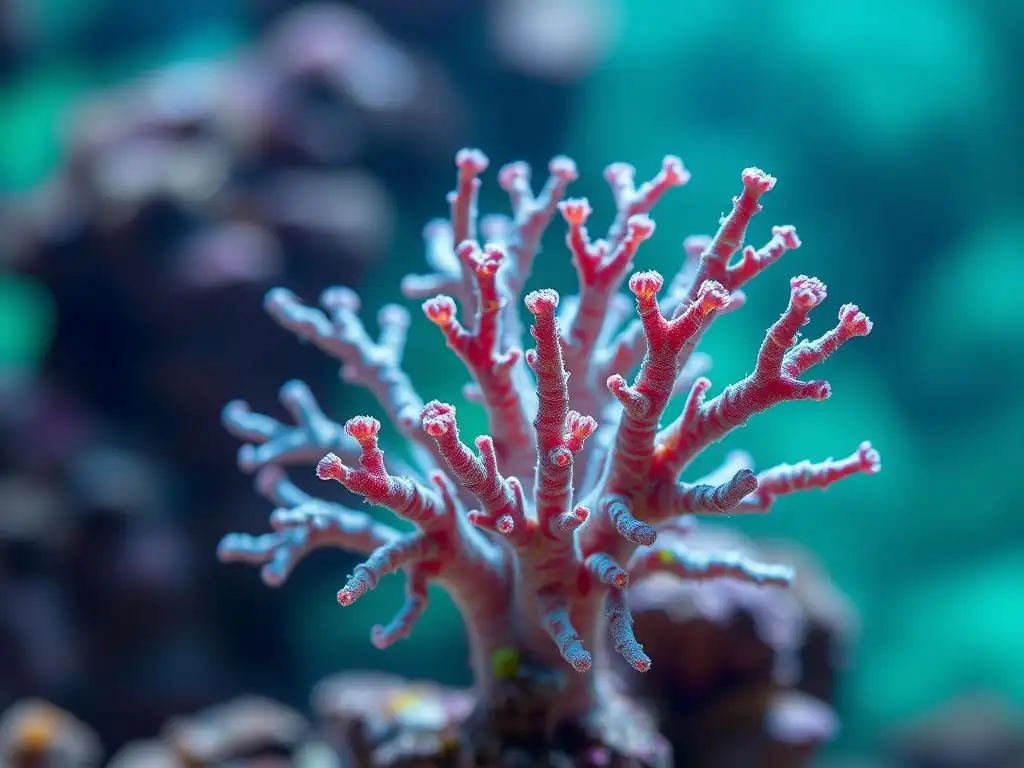
After initiating an SPS coral amino acid boost, diligent observation of your corals is paramount to gauge the effectiveness and determine if adjustments are needed. Within a few days to a week, you might notice increased polyp extension, indicating that corals are actively feeding or benefiting from the added nutrients. More significant changes, such as noticeable color intensification, typically become apparent within 2 to 4 weeks. For instance, a dull Montipora might begin to show brighter orange or red hues, or an Acropora could develop more vibrant blue tips.
Longer-term indicators, appearing over 1 to 2 months, include accelerated linear growth, particularly at the branch tips of Acropora, and improved encrustation at the base of frags. Keeping a simple logbook to record dosing amounts and visual observations (e.g., "Day 10: Acro polyps noticeably fuller," "Month 1: Monti color much brighter") can be incredibly helpful. Consistent positive changes across multiple SPS colonies suggest that the current SPS coral amino acid boost strategy is effective.
Adjusting Dosage Based on Coral Appearance and Water Parameters
Adjusting your SPS coral amino acid boost dosage should be a gradual process, based on both visual cues from your corals and key water parameters. If, after several weeks, you observe minimal or no positive changes in coral growth or coloration, you might consider a slight, incremental increase in dosage (e.g., by 10-15%). Conversely, if you notice any negative signs, such as increased nuisance algae (like diatoms or dinoflagellates), cloudy water, or reduced water clarity, these are strong indicators of overdosing.
In such cases, it's crucial to immediately reduce the dosage or temporarily halt supplementation until the issues resolve. Simultaneously, monitor your nitrate and phosphate levels. While amino acids are organic and primarily consumed by corals and bacteria, excessive amounts can lead to a build-up of these nutrients if the system's nutrient export capabilities are overwhelmed. A balanced approach, where the SPS coral amino acid boost is carefully integrated with robust filtration and consistent water changes, is essential for long-term success.
Avoiding Overdosing Amino Acids: Potential Negative Effects
While an SPS coral amino acid boost offers significant benefits, overdosing can lead to a cascade of undesirable consequences in a reef aquarium. The most common immediate effect is the proliferation of nuisance algae, particularly diatoms, dinoflagellates, or even cyanobacteria. These opportunistic organisms thrive on excess dissolved organic carbon and nutrients that become available when amino acids are added beyond the system's capacity to process them. This can quickly turn a vibrant reef into an algae-ridden mess, obscuring corals and competing for resources.
Another potential negative effect is cloudy water, often indicative of a bacterial bloom. When a large amount of organic material (like amino acids) is suddenly introduced, beneficial bacteria in the water column can rapidly multiply to consume it, leading to a milky or hazy appearance. While often temporary, persistent cloudiness signifies a severe organic overload that can deplete oxygen and stress corals. Therefore, a conservative, gradual approach to an SPS coral amino acid boost is always recommended, prioritizing subtle improvements over rapid, potentially destabilizing changes.
Synergistic Effects: Combining Amino Acids with Other SPS Coral Supplements
The Benefits of Combining Amino Acids with Trace Elements for SPS Growth
For optimal SPS coral growth and health, a holistic approach that combines an SPS coral amino acid boost with other essential supplements, such as trace elements, is highly beneficial. While amino acids provide the organic building blocks for tissue and the organic matrix of the skeleton, trace elements like strontium, iodine, potassium, and boron are crucial for the actual calcification process and various enzymatic functions. Strontium, for example, is directly incorporated into the aragonite skeleton, while iodine is important for coral health and coloration.
When both amino acids and trace elements are adequately supplied, they work in synergy. The amino acids ensure the coral can build the robust protein scaffold necessary for calcification, while the trace elements provide the inorganic components required for rapid and strong skeletal deposition. This combined approach ensures that all facets of coral growth – from soft tissue expansion to hard skeletal formation – are fully supported, leading to more resilient and faster-growing SPS colonies.
How Amino Acids Work with Light and Flow to Optimize SPS Coral Health
The success of an SPS coral amino acid boost is significantly amplified when combined with optimal lighting and water flow, creating a truly synergistic environment for coral health. Lighting provides the energy for the coral's symbiotic zooxanthellae to perform photosynthesis, producing carbohydrates that are a primary energy source for the coral. Amino acids, on the other hand, provide the essential proteins for tissue growth and repair, which photosynthesis alone cannot fully supply. This combination ensures both energy and building material are readily available.
Adequate water flow is equally critical. It ensures that the amino acids and other dissolved nutrients are efficiently delivered to the coral polyps, preventing nutrient "dead spots" and allowing for optimal uptake. Furthermore, strong flow aids in waste removal from the coral's surface and facilitates gas exchange. When amino acids, light, and flow are all optimized, corals can maximize their metabolic efficiency, leading to robust growth, vibrant coloration, and heightened resilience against stress, making each component more effective in concert.
Integrating Amino Acid Supplementation into a Comprehensive SPS Coral Care Regimen
An SPS coral amino acid boost should be viewed as an advanced tool to fine-tune and optimize coral health, rather than a standalone solution. It must be integrated into a comprehensive care regimen that addresses all fundamental aspects of reef keeping. This includes maintaining stable water parameters such as alkalinity (dKH), calcium, and magnesium, which are the primary components of skeletal growth. Consistent monitoring and precise dosing of these elements are non-negotiable for SPS success.
Furthermore, proper lighting (spectrum and intensity), strong and varied water flow, and regular water changes are foundational. Amino acid supplementation complements these efforts by providing the specific organic compounds that might be lacking, allowing corals to fully utilize the energy from light and the inorganic building blocks from the water column. By ensuring all these elements are in harmony, aquarists can create a thriving, stable reef ecosystem where an SPS coral amino acid boost truly enhances the overall vitality and aesthetic appeal of their corals.
Case Studies: Real-World Examples of SPS Coral Amino Acid Success
Case Study 1: Reviving Faded Montipora Color with Amino Acid Supplementation
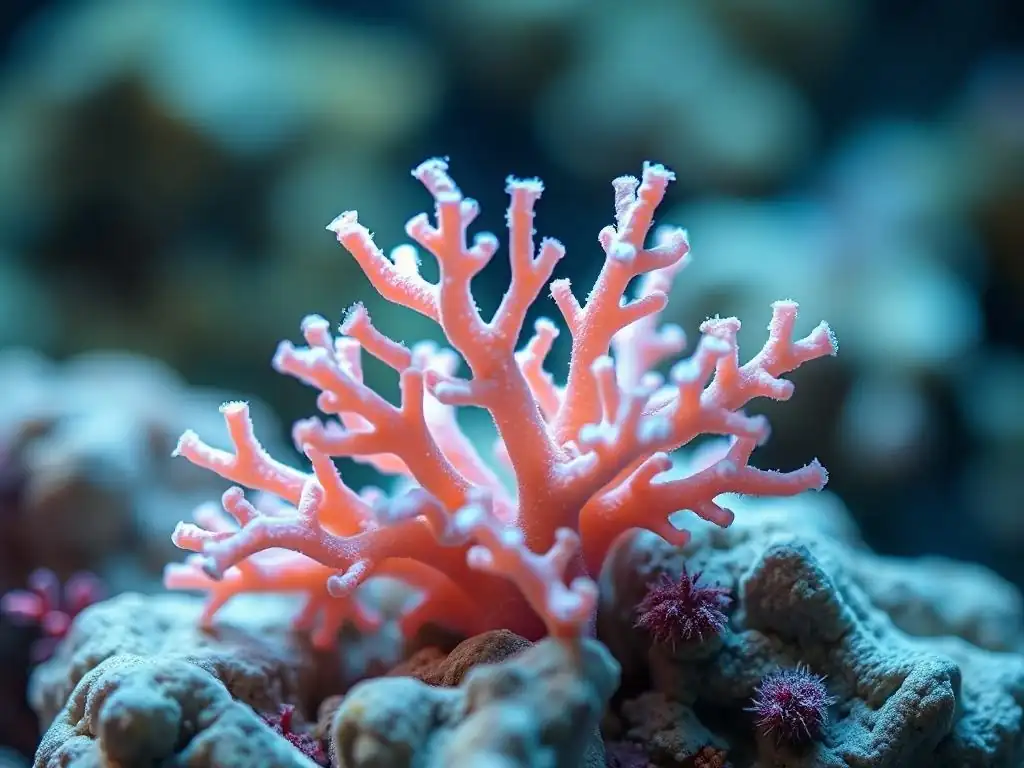
In a well-established 120-gallon SPS-dominant reef tank, a large colony of Montipora capricornis, typically a vibrant orange, began to exhibit a dull, brownish-orange hue over several months, despite stable water parameters (Alk 8.5 dKH, Ca 430 ppm, Mg 1300 ppm) and consistent lighting. All other corals in the tank appeared healthy. Suspecting a lack of specific organic nutrients, the aquarist decided to implement an SPS coral amino acid boost using a commercial blend.
The supplementation began at 1 ml per 100 gallons daily, dosed manually into the sump at night. Within three weeks, a noticeable improvement in the Montipora's coloration was observed, with the orange becoming more pronounced and vibrant. By the end of two months of consistent dosing, the Montipora had regained its original intense orange coloration, demonstrating how a targeted SPS coral amino acid boost could specifically revive and enhance the production of chromoproteins responsible for its signature color.
Case Study 2: Accelerating Acropora Growth in a Frag Tank Using Amino Acids
A dedicated 40-gallon SPS frag tank, designed for rapid growth and propagation of Acropora frags, was experiencing slower than expected growth rates and minimal encrustation at the base of the frags. While water parameters were kept meticulously stable, the frags were not "taking off" as anticipated, with linear growth averaging only about 0.5 inches per month. To accelerate development, the aquarist decided to introduce a daily SPS coral amino acid boost.
A liquid amino acid blend was dosed via an automated pump at 0.75 ml daily, distributed throughout the night. Within six weeks, a significant increase in growth was observed. Linear tip growth on many Acropora frags increased by approximately 25%, reaching closer to 0.7-0.8 inches per month, and encrustation on frag plugs became noticeably more robust. This accelerated growth allowed the aquarist to move frags to the display tank or sell them weeks earlier, highlighting the efficiency of an SPS coral amino acid boost in a high-growth environment.
Case Study 3: Strengthening Pocillopora Resilience Against Bleaching with Amino Acids
A 90-gallon mixed reef tank occasionally experienced minor temperature fluctuations, typically rising from 78°F to 80-81°F during peak summer days. While not severe enough for full bleaching, a Pocillopora damicornis colony frequently showed slight paling and reduced polyp extension during these periods, taking several days to fully recover. To enhance the coral's resilience, a consistent SPS coral amino acid boost was introduced.
The aquarist began dosing a broad-spectrum amino acid product at 0.5 ml per 100 gallons every other day. Over a four-month period, during which several minor temperature spikes occurred, the Pocillopora colony maintained significantly better coloration and polyp extension. Its recovery time from the minor stress events was noticeably quicker, often within 24 hours. This case illustrates how an SPS coral amino acid boost can bolster a coral's ability to cope with environmental stressors, leading to improved overall health and reduced susceptibility to minor bleaching events.
Troubleshooting Common Issues with SPS Coral Amino Acid Supplementation
Addressing Algae Blooms Associated with Amino Acid Dosing
One of the most common issues encountered when providing an SPS coral amino acid boost is the proliferation of nuisance algae, particularly diatoms or dinoflagellates. This typically occurs when the dosage of amino acids is too high, overwhelming the system's ability to process the additional organic load. The excess organic carbon and any residual nitrogen or phosphorus within the supplements can act as a direct food source for these opportunistic algae, leading to rapid growth and coverage of rocks and sand.
To address this, the immediate action is to significantly reduce or temporarily halt the amino acid dosing. Concurrently, increase water changes (e.g., 20% weekly instead of 10% bi-weekly) to export accumulated organics. Ensure your protein skimmer is running efficiently and consider adding or replacing activated carbon and GFO (granular ferric oxide) to absorb excess nutrients.
Re-evaluate your overall feeding regimen for fish and other tank inhabitants, ensuring you are not contributing to the problem with overfeeding. A gradual reintroduction of the SPS coral amino acid boost, at a lower dose, can be attempted once the algae issue is under control.
Cyanobacteria, often appearing as slimy red, brown, or black mats, can also emerge or worsen with an imbalanced SPS coral amino acid boost. While cyano outbreaks are complex and often linked to low nitrate/high phosphate imbalances or poor flow, an excess of dissolved organic carbon from amino acids can certainly fuel their growth. The bacteria thrive in environments with readily available organic carbon and often outcompete other beneficial bacteria for resources.
If cyanobacteria appears after amino acid dosing, the first step is to reduce or stop the amino acid supply. Enhance water flow in affected areas to prevent stagnation, and siphon out as much of the cyanobacteria as possible during water changes.
Review your nutrient export methods; ensure your protein skimmer is effectively removing waste, and consider using a high-quality activated carbon. It's also crucial to test and balance your nitrate and phosphate levels, as a common trigger for cyano is a very low nitrate combined with elevated phosphate, or vice versa, which an SPS coral amino acid boost can exacerbate if not managed.
Dealing with Cloudy Water After Amino Acid Administration
Cloudy or hazy water shortly after administering an SPS coral amino acid boost is a clear sign of an overdose, leading to a bacterial bloom. When a large quantity of organic material is suddenly introduced, heterotrophic bacteria in the water column rapidly multiply to consume it, causing the water to appear milky. While typically harmless in the short term, a persistent bloom can deplete oxygen levels and stress corals and fish, indicating that the system's biological filtration is overwhelmed.
To resolve cloudy water, immediately cease amino acid dosing. Ensure strong aeration in the tank, potentially adding an air stone if dissolved oxygen levels are a concern. Confirm your protein skimmer is running optimally, as it will work to remove the excess organic material and bacteria. The cloudiness usually clears within a few hours to a day as the bacterial population consumes the available organics and is removed by the skimmer. Once the water is clear, reintroduce the SPS coral amino acid boost at a significantly reduced dosage, increasing it very slowly and cautiously over an extended period.
Advanced Considerations for SPS Coral Amino Acid Use
Amino Acid Profiles of Different SPS Coral Species [Differences in Needs]
While most commercial SPS coral amino acid boost products offer a broad-spectrum blend, advanced aquarists might consider that different SPS coral species could have slightly varying amino acid requirements. Research suggests that the protein composition and metabolic pathways can differ between genera like Acropora, Montipora, and Seriatopora, potentially leading to nuanced needs for specific amino acids. For instance, a fast-growing Acropora might have a higher demand for certain structural amino acids compared to a more encrusting Montipora species.
However, for the vast majority of hobbyists, a high-quality, comprehensive amino acid blend is sufficient to meet the general needs of a mixed SPS tank. The subtle differences in species-specific amino acid profiles are often compensated for by the broad spectrum provided by commercial products and the coral's ability to synthesize some non-essential amino acids from precursors. Exploring single amino acid supplementation is usually reserved for highly specialized systems or for addressing very specific, identified deficiencies, often in a research context rather than typical home aquariums.
The Impact of Amino Acid Supplementation on Reef Aquarium Water Chemistry
Introducing an SPS coral amino acid boost, like any organic supplement, will have an impact on the reef aquarium's water chemistry, primarily by increasing the Dissolved Organic Carbon (DOC) load. This increase in organic matter can be beneficial when consumed by corals and beneficial bacteria, but if overdosed, it can lead to various issues. One measurable indicator of increased DOC is a slight drop in the Oxidation-Reduction Potential (ORP) of the water, as more oxygen is consumed by bacteria breaking down the organics.
While amino acids themselves don't directly alter parameters like alkalinity, calcium, or magnesium, an excessive organic load can indirectly impact these. For example, bacterial blooms fueled by excess organics can lead to localized oxygen depletion and pH drops, which can in turn affect calcification rates. Therefore, when providing an SPS coral amino acid boost, it is crucial to ensure that your filtration systems, particularly protein skimming, are robust enough to handle the increased organic load, preventing a build-up that could destabilize water chemistry.
Long-Term Effects of Amino Acid Dosing on SPS Coral Health and Stability
The long-term effects of a properly administered SPS coral amino acid boost are overwhelmingly positive, contributing significantly to the sustained health and stability of a reef aquarium. Consistent, appropriate dosing leads to continuously vibrant coloration, accelerated and robust growth, and enhanced resilience to environmental fluctuations over years. Corals that receive regular amino acid supplementation often appear denser, with thicker tissue and stronger skeletal structures, making them less susceptible to damage and disease.
Conversely, long-term overdosing or improper use can lead to chronic issues. Persistent elevated organic levels can foster ongoing nuisance algae problems, unstable water parameters due to bacterial imbalances, and even impact the long-term health of other tank inhabitants. Therefore, the key to successful long-term SPS coral amino acid boost is consistency, careful monitoring, and a willingness to adjust dosing based on the dynamic needs of the aquarium. When managed correctly, amino acid supplementation becomes an invaluable tool for cultivating a thriving and visually stunning SPS reef for years to come.
Frequently Asked Questions
What are amino acids, and why are they important for SPS corals?
Amino acids are the building blocks of proteins and are essential for various biological processes. For SPS corals, they are vital for growth, tissue repair, and the synthesis of pigments that enhance coloration.
How does supplementing with amino acids benefit SPS coral growth?
Supplementing with amino acids provides corals with readily available resources, bypassing some of the energy-intensive processes needed to create them from other nutrients. This can lead to faster growth rates and improved skeletal development.
What kind of amino acids are most beneficial for SPS corals?
While a variety of amino acids are beneficial, some are particularly important. Key amino acids include those involved in protein synthesis and pigment production, such as those containing nitrogen.
How often should I dose amino acids into my SPS coral aquarium?
The ideal dosing frequency depends on the specific product and the needs of your aquarium. A good starting point is to follow the manufacturer's instructions and monitor your corals closely for any positive or negative changes.
Can overdosing amino acids harm my SPS corals or aquarium?
Yes, overdosing can be detrimental. Excessive amino acids can lead to algae blooms and nutrient imbalances, negatively affecting water quality and potentially harming your corals.
Final Reflection: Unlocking Coral's Vibrant Potential
The exploration of amino acids as a vital catalyst for SPS coral growth and coloration underscores a profound understanding of marine biology and its practical application in reef keeping. Today, as coral reefs face unprecedented threats from climate change and pollution, understanding and implementing strategies like amino acid supplementation becomes not just a hobbyist pursuit, but a crucial step in preserving these delicate ecosystems. The potential to enhance coral resilience and vibrancy through targeted nutritional support offers a beacon of hope in a world where coral reefs are increasingly vulnerable.
This journey into the microscopic world of coral nutrition has profoundly impacted my perspective on reef keeping. It's no longer just about maintaining water parameters; it's about understanding the intricate biochemical processes that drive coral health and resilience. The ability to influence coral coloration and growth through targeted amino acid supplementation highlights the power of informed intervention. In the end, we will conserve only what we love; we will love only what we understand; and we will understand only what we are taught.
- Baba Dioum. This quote resonates deeply, reminding us that understanding the needs of these organisms is the first step towards their conservation.
Now, consider the implications of this knowledge. How can you, as a reef keeper or simply an admirer of the ocean, contribute to the well-being of these vital ecosystems? Reflect on the information shared and explore how you can apply these principles to your own reef keeping practices or advocate for responsible marine conservation. Let's embrace a future where informed action and a deep understanding of coral biology lead to thriving, vibrant reefs for generations to come.
Unlock Vibrant Coral Growth Today!
Thank you for diving into the world of amino acids and SPS coral growth. Now that you understand how these building blocks can enhance your reef tank, it's time to take action and witness the transformation firsthand.
Here are a few steps you can take to start:
- Begin researching appropriate amino acid supplements for your SPS corals. Pay special attention to recommended dosages and application methods to avoid nutrient imbalances.
- Explore the Aquarium Mastery community forums and share your current SPS growth challenges. Get personalized advice and discover unique amino acid dosing strategies from experienced reef keepers.
- Surprise your corals with a targeted feeding regimen featuring a new, high-quality amino acid supplement, and document the changes in color and growth over the next month!
What innovative approach will you take to supercharge your SPS coral growth with amino acids?