
Neon Goby Secrets: Tiny Cleaner, Big Nano Tank Benefits Unveiled

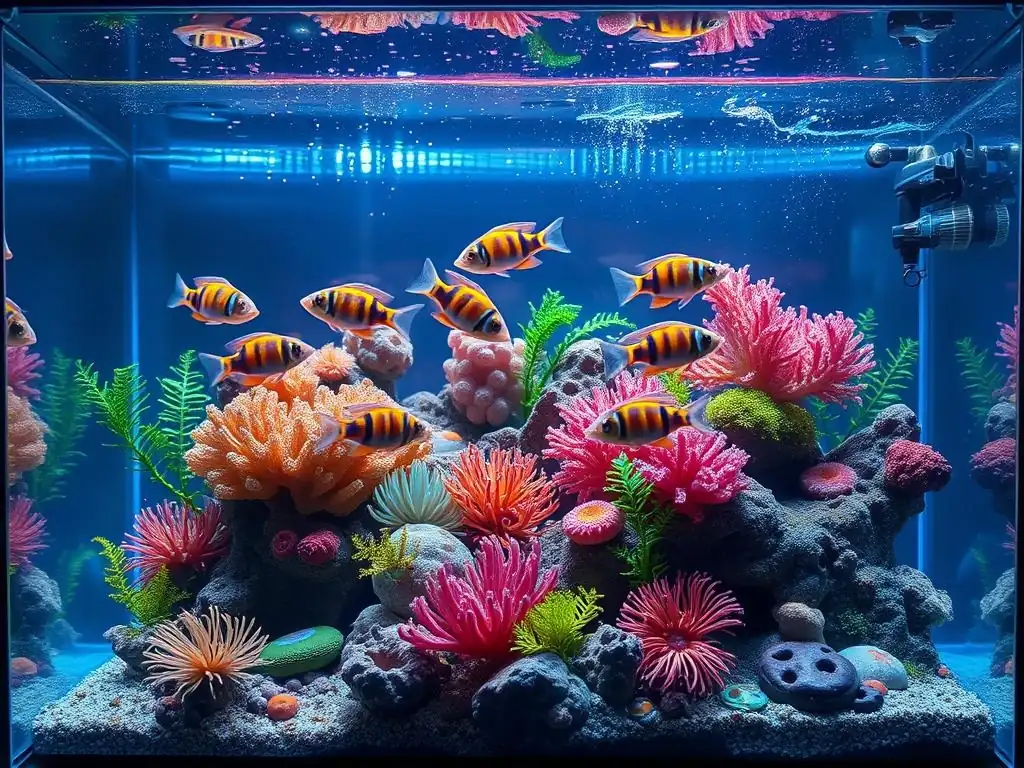
Welcome to Aquarium Mastery!
Ever wondered if you could pack a huge personality and a vital cleaning crew into a tiny package? Dive in and discover the secrets of the Neon Goby nano tank! We're unveiling the benefits of these vibrant little fish for your smaller saltwater setup. Intrigued? Let's explore how these miniature marvels can transform your aquarium into a thriving ecosystem...
- Understanding the Neon Goby: A Nano Reef Essential
- Why Choose Neon Gobies for Your Nano Tank Setup?
- Setting Up the Ideal Nano Tank Environment for Neon Gobies
- Neon Goby Care: Diet, Feeding, and Maintenance
- Breeding Neon Gobies in Nano Tanks: A Challenging but Rewarding Experience
- Troubleshooting Common Neon Goby Issues in Nano Tanks
- The Neon Goby: A Sustainable Choice for Nano Reef Aquariums
- Conclusion: Mastering Neon Goby Care in Nano Reefs
-
Frequently Asked Questions
- What makes Neon Gobies a good choice for nano tanks?
- What size nano tank is recommended for Neon Gobies?
- What type of fish are compatible with Neon Gobies in a nano tank?
- What are the key water parameters to maintain for Neon Gobies?
- What do Neon Gobies eat, and how should I feed them in a nano tank?
- Final Reflection: The Tiny Titan's Enduring Legacy
- Dive Deeper: Unlock the Full Potential of Your Nano Tank!
Understanding the Neon Goby: A Nano Reef Essential
What is a Neon Goby? Introduction to Elacatinus oceanops
The Neon Goby, scientifically known as Elacatinus oceanops, is a small, vibrant marine fish belonging to the Gobiidae family. Native to the Western Atlantic, particularly the coral reefs and rocky areas of the Caribbean Sea, this species is renowned for its distinctive appearance and beneficial cleaning behavior. Often referred to as a "cleaner goby," Elacatinus oceanops establishes cleaning stations in its natural habitat, where larger fish will visit to have external parasites, dead tissue, and mucus removed.
In the aquarium trade, the Neon Goby has become a staple, especially for enthusiasts maintaining a compact neon goby nano tank. Its peaceful demeanor and fascinating cleaning services make it a highly desirable inhabitant. These gobies play an ecological role similar to that of cleaner shrimp, providing a valuable service that contributes to the overall health of their tank mates by actively picking off unwanted organisms.
Neon Goby Size and Appearance: Perfect for Nano Aquariums
One of the most appealing features of the Neon Goby for a nano aquarium setup is its diminutive size. Adult specimens typically reach a maximum length of about 1.5 to 2 inches (approximately 4 to 5 centimeters). This small stature ensures they do not outgrow even the most modest of nano tanks, making them an excellent choice for aquarists with limited space.
Beyond their size, Neon Gobies boast a striking appearance. Their slender, elongated bodies are predominantly black, accented by a brilliant, iridescent blue stripe that runs horizontally from just behind the eyes to the caudal (tail) fin. This vibrant stripe gives them their "neon" moniker and makes them easily identifiable and a beautiful addition to any neon goby nano tank, providing a splash of color without overwhelming the visual balance of a small environment.
Natural Habitat and Behavior of the Neon Goby
In their natural environment, Neon Gobies are commonly found in the shallow waters of coral reefs, rocky outcrops, and rubble zones throughout the Caribbean. They typically inhabit depths ranging from just a few feet down to about 60 feet (approximately 18 meters). These gobies are often seen perching on corals or rocks, establishing small territories that function as cleaning stations.
Their behavior in the wild is fascinating; they actively solicit larger fish by performing a characteristic "dance," inviting them to be cleaned. When a larger fish accepts, the goby will meticulously pick off parasites from its body, fins, and even inside its mouth and gills. This symbiotic relationship is crucial for the health of the reef ecosystem.
In a neon goby nano tank, while they may not always exhibit the full cleaning station behavior due to the limited number of tank mates, they often retain their inclination to pick at surfaces and, if given the opportunity, will still clean other fish. They are generally peaceful but can be territorial towards conspecifics if not given enough space or if introduced without proper pairing.
Why Choose Neon Gobies for Your Nano Tank Setup?
The Benefits of Cleaner Shrimp Alternatives: Neon Gobies
While cleaner shrimp like the Skunk Cleaner Shrimp ( Lysmata amboinensis) are popular choices for parasite control in reef tanks, Neon Gobies offer a compelling alternative, particularly for a neon goby nano tank. Unlike some shrimp that can be boisterous or even prey on very small invertebrates, Neon Gobies provide a living, active cleaning service specifically targeting external parasites on fish. This can be a significant advantage in a confined nano environment where aggressive shrimp might stress delicate fish.
Furthermore, Neon Gobies are generally more robust and less susceptible to common shrimp issues like molting problems or sensitivity to water parameter fluctuations. For aquarists looking for a dedicated cleaner that integrates seamlessly into a fish-focused nano setup, the Neon Goby presents a durable and fascinating option that actively contributes to the health of the fish population.
Neon Gobies and Parasite Control in Nano Reefs
The primary appeal of Neon Gobies in a saltwater aquarium, especially a compact neon goby nano tank, lies in their natural propensity for parasite control. These gobies are known to actively consume external parasites such as marine ich ( Cryptocaryon irritans) and flukes from the bodies of other fish. This natural biological control can significantly reduce the incidence of disease outbreaks, which is particularly beneficial in a smaller, more closed system where pathogens can spread rapidly.
In an established nano reef, a healthy Neon Goby can act as a crucial first line of defense against common parasitic infections. For instance, anecdotal evidence from many aquarists suggests that tanks with resident cleaner gobies tend to experience fewer severe outbreaks of ich compared to those without. While they are not a complete cure for severe infections, their continuous cleaning efforts contribute to a healthier fish population and can potentially lessen the reliance on chemical treatments, which can be harsh on sensitive reef inhabitants and beneficial bacteria in a small neon goby nano tank.
Neon Goby Tank Mates: Compatibility in Small Aquariums
When selecting tank mates for a neon goby nano tank, compatibility is paramount due to the limited space. Neon Gobies are generally peaceful and non-aggressive towards other fish, making them excellent community members. Ideal tank mates include other small, peaceful species that share similar water parameter requirements and do not pose a threat of predation.
Good choices for a neon goby nano tank might include small clownfish (e.g., Ocellaris or Percula), Royal Grammas ( Gramma loreto), small blennies (like the Tailspot Blenny), or other peaceful gobies of a different genus. It is crucial to avoid large, aggressive, or highly territorial fish that could bully or consume the small goby. For instance, keeping them with triggerfish or large angelfish would be highly inadvisable. When housing a pair of Neon Gobies, ensure ample hiding spots and distinct territories to minimize potential intraspecific squabbles, though bonded pairs are generally quite harmonious.
Setting Up the Ideal Nano Tank Environment for Neon Gobies
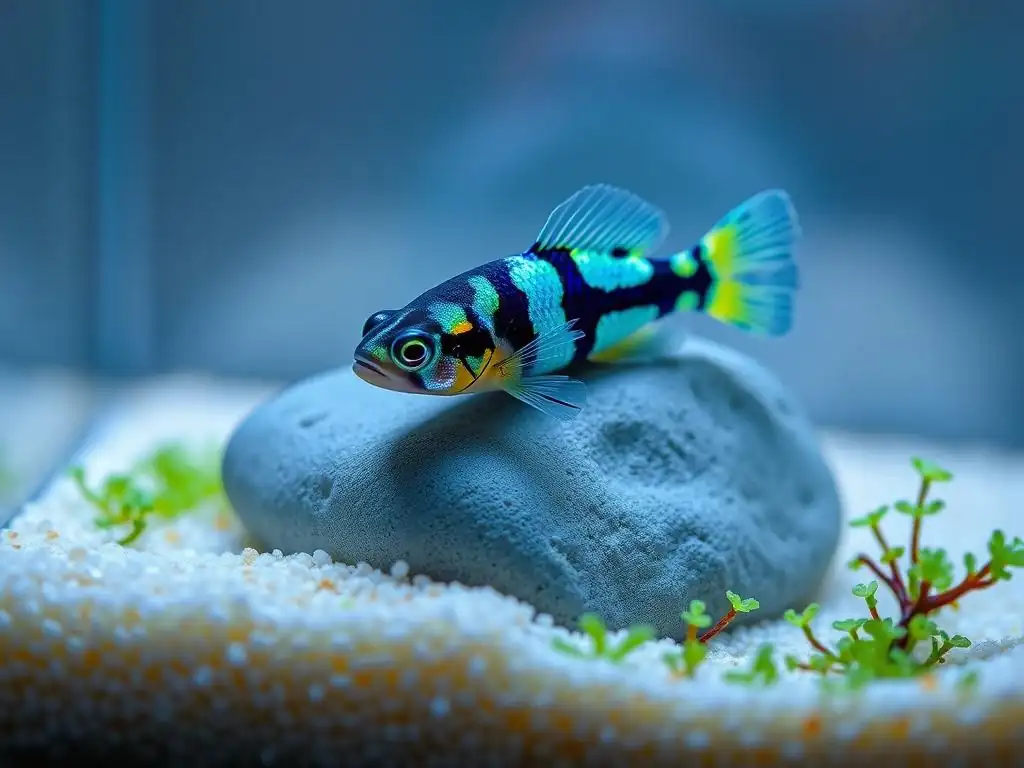
Nano Tank Size Requirements for Neon Gobies
The small stature of the Neon Goby makes it an ideal candidate for a nano tank, but specific size requirements should still be met to ensure their well-being. For a single Neon Goby, a minimum tank size of 10 gallons (approximately 38 liters) is generally recommended. This size provides sufficient swimming space and helps maintain stable water parameters, which is crucial in a smaller system.
If you plan to keep a bonded pair of Neon Gobies, it is advisable to increase the tank size to at least 20 gallons (approximately 76 liters). While pairs can sometimes coexist in a 10-gallon setup, a larger volume mitigates potential territorial disputes and provides more stable conditions, reducing stress and promoting healthier behavior in your neon goby nano tank. Adequate space also allows for more diverse aquascaping, offering multiple hiding spots and perching locations.
Essential Water Parameters for Neon Goby Health in Nano Tanks
Maintaining stable and appropriate water parameters is critical for the health and longevity of Neon Gobies in a nano tank. Like most marine fish, they thrive in specific conditions that mimic their natural reef environment. The ideal specific gravity should range between 1.023 and 1.026. Temperature should be kept stable between 72-78°F (22-25.5°C), with minimal fluctuations.
The pH level should consistently be between 8.1 and 8.4. Ammonia and nitrite levels must always be undetectable at 0 ppm, while nitrate levels should be kept as low as possible, ideally below 10-20 ppm, to prevent stress and disease. Regular testing of these parameters, at least weekly, is essential for a thriving neon goby nano tank. Stability is paramount, as sudden shifts in water chemistry can be highly detrimental to these sensitive fish.
Substrate and Aquascaping for a Neon Goby Nano Reef
The choice of substrate and the overall aquascaping are important considerations for a neon goby nano tank, as they directly impact the goby's comfort and natural behavior. A fine sand bed or crushed coral substrate is suitable, providing a natural base. While Neon Gobies do not burrow extensively like some other goby species, a soft substrate can still be beneficial for general tank aesthetics and the health of beneficial bacteria.
More importantly, the aquascaping should include plenty of live rock with numerous caves, crevices, and overhangs. These features provide essential hiding spots, which are crucial for the goby's sense of security, especially when newly introduced or if feeling stressed. They also offer elevated perching spots from which the goby can survey its surroundings and potentially establish a cleaning station. A well-designed aquascape with diverse rockwork enhances the visual appeal of the neon goby nano tank while also providing ample surface area for biological filtration and the growth of beneficial microfauna.
Lighting and Filtration for Neon Gobies in Nano Tanks
For a neon goby nano tank, the lighting requirements are generally moderate, especially if the primary focus is on the fish themselves. Neon Gobies are not particularly sensitive to light intensity, so standard LED lighting suitable for general reef inhabitants or even fish-only setups will suffice. If you plan to keep corals alongside your gobies, ensure the lighting meets the specific needs of those corals, as the gobies will adapt.
Filtration is paramount in a nano tank due to the smaller water volume and the rapid accumulation of waste products. A robust filtration system is essential to maintain pristine water quality. This can include a hang-on-back (HOB) filter with mechanical and biological media, a small canister filter, or for more advanced setups, an all-in-one (AIO) system with a built-in sump.
Protein skimmers, even small nano versions, are highly recommended to remove dissolved organic waste. Water flow should be moderate, avoiding strong currents that might stress the small gobies. A gentle, dispersed flow mimics their natural reef environment and ensures proper oxygenation and waste removal throughout the neon goby nano tank.
Neon Goby Care: Diet, Feeding, and Maintenance
What Do Neon Gobies Eat? A Balanced Diet for Nano Reef Fish
In their natural habitat, Neon Gobies primarily feed on small invertebrates, copepods, and various external parasites they pick off larger fish. To replicate this diet and ensure optimal health in a neon goby nano tank, a varied and high-quality diet is crucial. They are generally not picky eaters and will readily accept a range of prepared foods.
Their diet should consist of small, meaty frozen foods such as enriched brine shrimp, mysis shrimp, and finely chopped clam or scallop. Additionally, high-quality flake foods and small pellets formulated for marine fish can be offered, ensuring they are small enough for the goby to consume easily. Providing a diet rich in essential fatty acids and vitamins helps boost their immune system and maintain their vibrant coloration. For instance, feeding mysis shrimp enriched with spirulina can provide both protein and necessary plant-based nutrients.
Feeding Frequency and Techniques for Neon Gobies in Nano Tanks
Due to their small size and active metabolism, Neon Gobies in a nano tank benefit from frequent, small feedings. It is generally recommended to feed them one to two times per day, offering only an amount they can consume within a few minutes. Overfeeding should be strictly avoided, as excess food can quickly degrade water quality in a small volume.
When feeding, ensure that the food reaches the goby, especially if there are more assertive tank mates. Target feeding with a pipette or turkey baster can be effective to ensure the goby gets its share, particularly if it is shy or newly introduced. Observing their feeding response will help you gauge the appropriate quantity. A healthy Neon Goby will typically be eager to eat and will actively forage for food in its neon goby nano tank.
Maintaining Water Quality in Your Neon Goby Nano Tank
Consistent water quality maintenance is paramount for the health of Neon Gobies in a nano tank. Regular partial water changes are the cornerstone of good husbandry. A typical schedule involves changing 10-20% of the tank water every one to two weeks, depending on the bioload and filtration efficiency. Using high-quality source water (RO/DI water mixed with a good marine salt mix) is essential.
Beyond water changes, routine tasks include siphoning detritus from the substrate, cleaning the glass, and rinsing filter media regularly to prevent the buildup of organic waste. Testing water parameters (ammonia, nitrite, nitrate, pH, specific gravity, temperature) weekly or bi-weekly allows for early detection of issues. Maintaining a stable temperature and ensuring proper top-off with RO/DI water to compensate for evaporation will help keep salinity constant in your neon goby nano tank.
Common Neon Goby Diseases and Prevention in Nano Aquariums
While Neon Gobies are relatively hardy fish, they are still susceptible to common marine aquarium diseases, particularly in a small neon goby nano tank where stress factors can be amplified. Marine ich ( Cryptocaryon irritans) is one of the most prevalent threats. Other issues can include fin rot, bacterial infections, or parasitic infestations like flukes.
Prevention is key. Always quarantine new fish for at least 3-4 weeks in a separate tank before introducing them to your main neon goby nano tank. This allows you to observe for signs of disease and treat them without risking the health of established inhabitants. Maintaining stable water parameters, providing a balanced diet, and minimizing stress factors (e.g., incompatible tank mates, sudden environmental changes) significantly reduce their susceptibility to illness. Although they are cleaner fish, a severe ich outbreak can still overwhelm them, so proactive measures are always the best approach.
Breeding Neon Gobies in Nano Tanks: A Challenging but Rewarding Experience
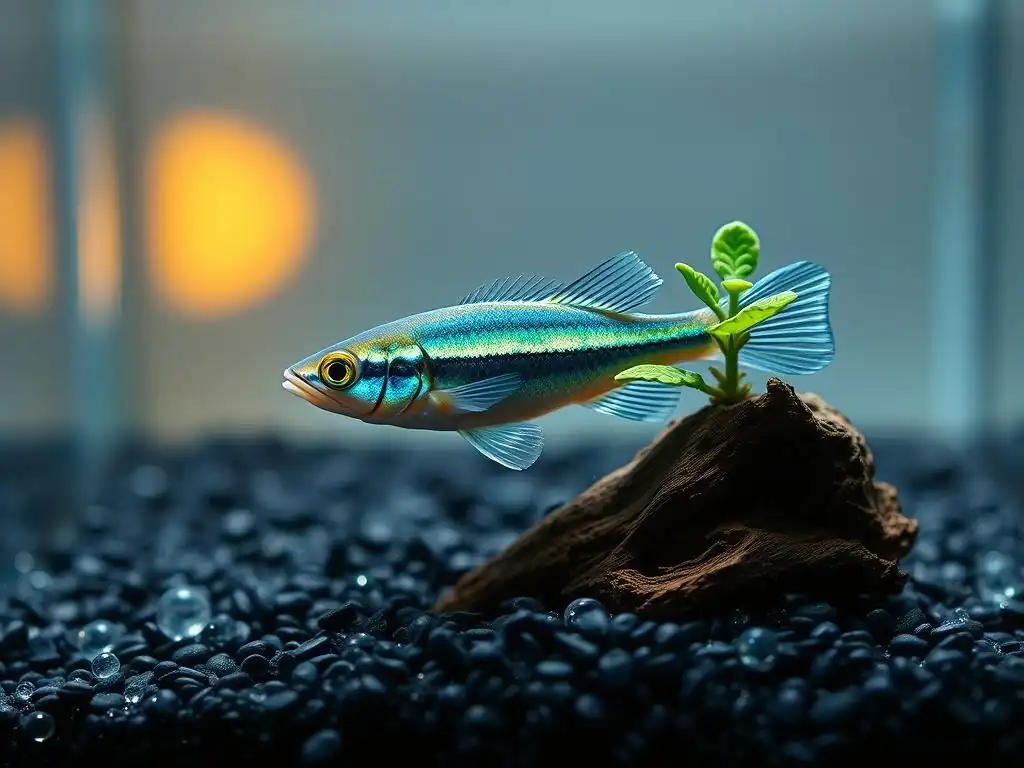
Creating Breeding Conditions for Neon Gobies in a Nano Reef
Breeding Neon Gobies in a home aquarium, including a dedicated neon goby nano tank, is achievable but requires specific conditions and attention. To encourage spawning, the tank should be mature, stable, and free from aggressive tank mates. Providing suitable spawning sites is crucial; these gobies are cave spawners. Small PVC pipes (e.g., 1-inch diameter, 4-6 inches long), clam shells, or small ceramic caves placed within the aquascape can serve as ideal locations.
Conditioning the pair with a rich diet of live and frozen foods, such as enriched brine shrimp, mysis shrimp, and copepods, helps them become reproductively active. Maintaining pristine water quality with stable parameters and potentially a slightly dimmed lighting cycle can also stimulate spawning behavior. Often, a bonded pair will naturally seek out a suitable crevice to lay their eggs if the conditions in the neon goby nano tank are favorable.
Identifying Male and Female Neon Gobies
Distinguishing between male and female Neon Gobies can be subtle, as sexual dimorphism is not highly pronounced. Males may be slightly larger and more robust than females, and during breeding periods, a male's dorsal fin might appear more pointed or elongated. Females, when gravid (carrying eggs), will appear noticeably plumper, especially in the abdominal region.
The most reliable way to identify sexes, particularly for breeding purposes, is through behavioral observation. Males are typically more territorial and will actively guard the chosen spawning site. During courtship, the male will often "dance" or display to the female, attempting to lure her into the spawning cave. In a neon goby nano tank, it's often easier to purchase a known bonded pair or introduce several juveniles and allow them to pair off naturally, then remove the unpaired individuals.
Neon Goby Egg Care and Fry Rearing in a Nano Tank
Once a pair of Neon Gobies has spawned, the male typically assumes the role of guarding and fanning the eggs. The eggs are tiny, oval-shaped, and usually laid in a cluster within the chosen cave or crevice. They hatch after approximately 7 to 10 days, depending on the water temperature. The newly hatched fry are extremely small and planktonic, meaning they drift in the water column.
Rearing the fry is the most challenging aspect of breeding Neon Gobies in a nano tank. They require very specific and tiny live foods, such as rotifers, for their initial days. After about a week, they can transition to newly hatched brine shrimp. A dedicated fry-rearing tank with gentle aeration, no substrate, and frequent small water changes is essential to maintain water quality. The survival rate for Neon Goby fry can be low, but with diligent care and proper feeding, successful rearing is a highly rewarding experience for the dedicated aquarist.
Troubleshooting Common Neon Goby Issues in Nano Tanks
Neon Goby Hiding Behavior: Causes and Solutions
If your Neon Goby is constantly hiding in its neon goby nano tank, several factors could be at play. Common causes include recent introduction to the tank (stress from a new environment), aggression from tank mates, poor water quality, or a lack of sufficient hiding spots. These gobies naturally seek shelter, especially when feeling insecure.
To address this, first ensure your water parameters are stable and within the recommended ranges. Check for any signs of bullying from other fish; if present, consider rehoming the aggressor or providing more visual breaks in the aquascape. Crucially, ensure your neon goby nano tank has ample caves, crevices, and live rock structures where the goby can feel secure. Give new gobies time to acclimate, often a few days to a week, before they become more active. Patience and a secure environment are key to encouraging them to emerge.
Neon Goby Not Eating: Diagnosing and Addressing the Problem
A Neon Goby refusing to eat is a serious concern that requires immediate attention in a nano tank. Potential causes include stress (from new environments, aggressive tank mates, or poor water quality), disease, or simply an unsuitable diet. A goby that doesn't eat for more than 24-48 hours can quickly weaken.
Begin by checking all water parameters to rule out environmental stress. Observe the goby closely for any physical signs of disease, such as spots, clamped fins, or labored breathing. If the diet is suspected, try offering a variety of small, high-quality frozen foods like enriched mysis shrimp or brine shrimp, as these are highly palatable. Target feeding can ensure the food reaches the goby. If the issue persists, consider isolating the goby in a small quarantine tank for closer observation and potential treatment, as early intervention is vital in a small neon goby nano tank.
Aggression Issues with Neon Gobies in Nano Aquariums
While generally peaceful, Neon Gobies can exhibit aggression, primarily intraspecific aggression when two males are housed together in a small space, or if an unpaired male and female do not form a bond. This aggression usually manifests as chasing, nipping, or territorial disputes over preferred hiding spots. In a confined neon goby nano tank, such conflicts can be stressful and potentially harmful.
To mitigate aggression, ensure that if you are keeping a pair, they are a confirmed bonded pair, or that the tank is large enough (20 gallons or more) to provide distinct territories for two individuals. Providing multiple caves and hiding spots helps reduce competition for prime real estate. If severe aggression persists, it may be necessary to separate the gobies, keeping only one or a proven bonded pair in your neon goby nano tank. Introducing multiple gobies into a smaller tank without proper planning often leads to one dominant individual suppressing the others.
The Neon Goby: A Sustainable Choice for Nano Reef Aquariums
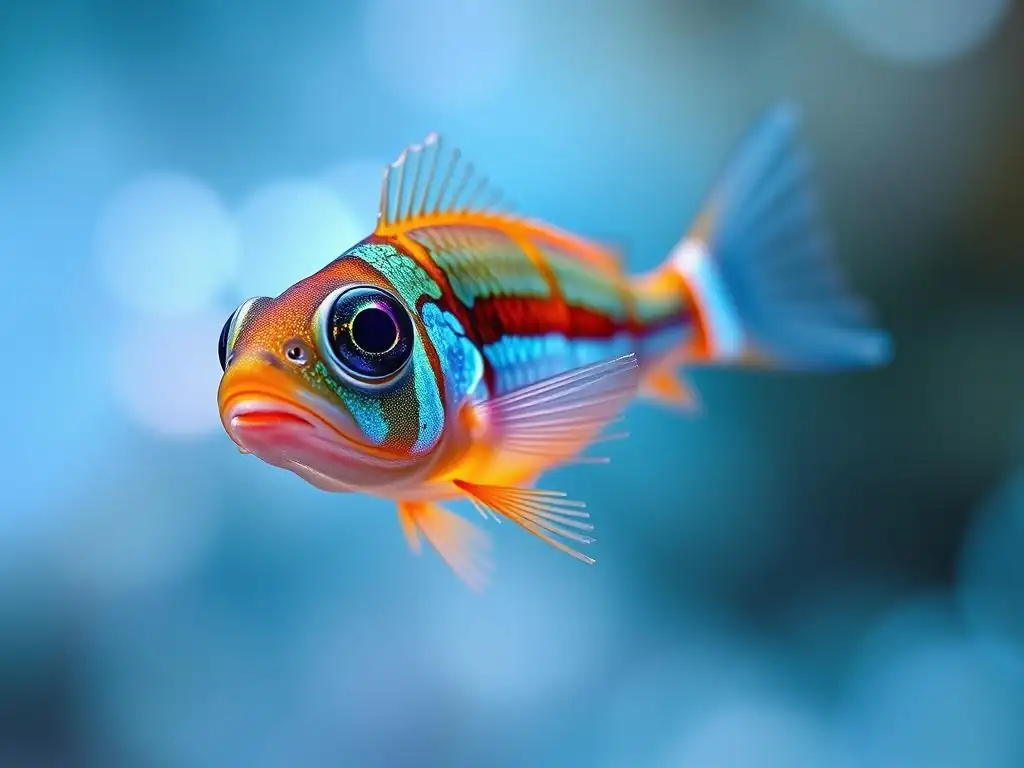
Sourcing Captive-Bred Neon Gobies for Your Nano Tank
Choosing captive-bred Neon Gobies for your neon goby nano tank offers numerous advantages for both the aquarist and the environment. Captive-bred fish are typically healthier, as they are raised in controlled environments and are less likely to carry diseases or parasites common in wild populations. They are also accustomed to aquarium life and prepared foods, making their transition into a new tank much smoother, reducing stress and mortality rates.
Furthermore, sourcing captive-bred specimens supports sustainable aquaculture practices. This helps to reduce the pressure on wild populations and minimizes the environmental impact associated with wild collection, such as potential damage to coral reefs or the use of harmful collection methods. Many reputable aquaculture facilities now successfully breed Neon Gobies, making them readily available to hobbyists who prioritize ethical and sustainable choices for their neon goby nano tank.
The Environmental Impact of Wild-Caught Neon Gobies
While wild-caught Neon Gobies have historically been a primary source for the aquarium trade, their collection can carry significant environmental impacts. Overharvesting in specific regions can deplete local populations, disrupting the delicate balance of the reef ecosystem. Moreover, collection methods, even when non-destructive, can still cause stress to the fish and the surrounding habitat.
The journey from the wild reef to a home aquarium is often fraught with stress, leading to high mortality rates during capture, transport, and acclimation. Wild-caught fish may also introduce diseases or parasites into established home aquariums, posing a risk to existing inhabitants. By opting for a captive-bred Neon Goby for your neon goby nano tank, aquarists contribute to the conservation of marine ecosystems and promote responsible hobby practices, ensuring the long-term health of both the species and its natural habitat.
Conclusion: Mastering Neon Goby Care in Nano Reefs
Frequently Asked Questions
What makes Neon Gobies a good choice for nano tanks?
Neon Gobies are excellent for nano tanks because of their small size and peaceful temperament. They are also beneficial as cleaner fish, helping to keep the tank free of parasites.
What size nano tank is recommended for Neon Gobies?
A tank of at least 10 gallons is generally recommended for a single Neon Goby, though larger tanks are preferable. This provides adequate space and stable water parameters for these sensitive fish.
What type of fish are compatible with Neon Gobies in a nano tank?
Good tank mates include other peaceful nano fish like clown gobies, firefish, or small dartfish. Avoid aggressive or boisterous species that might bully or stress the Neon Goby.
What are the key water parameters to maintain for Neon Gobies?
Maintain stable parameters, including a specific gravity of 1.023-1.025, a pH of 8.1-8.4, and a temperature of 72-78°F. Regular water changes are crucial for their health.
What do Neon Gobies eat, and how should I feed them in a nano tank?
Neon Gobies accept a variety of small foods, including frozen mysis shrimp, brine shrimp, and flake food. Offer small, frequent feedings to ensure they get enough to eat in a competitive nano tank environment.
Final Reflection: The Tiny Titan's Enduring Legacy
The exploration of the Neon Goby's role in the nano tank ecosystem reveals more than just aquarium keeping; it highlights the profound impact even the smallest creatures can have on maintaining balance and promoting thriving environments. The symbiosis between the Neon Goby and its tank mates underscores a vital lesson in interdependence, a principle increasingly relevant in our interconnected world. Understanding and appreciating these miniature ecosystems allows us to glean insights applicable far beyond the glass walls of an aquarium, fostering a deeper respect for the delicate balance of nature itself.
The Neon Goby, a vibrant speck of life, has undeniably captured the hearts of nano tank enthusiasts, transforming the hobby into a miniature celebration of biodiversity. This journey into the world of the Neon Goby has not only deepened our understanding of their unique cleaning abilities but also ignited a passion for responsible and sustainable aquarium practices. In every walk with nature, one receives far more than he seeks.
- John Muir. This quote perfectly encapsulates the unexpected rewards of observing and caring for these tiny titans, reminding us that profound lessons often reside in the smallest of packages.
As we conclude this exploration of the Neon Goby's secrets, I invite you to reflect on the power of small actions and their potential to create significant change. Consider how you can apply the principles of balance and symbiosis, learned from these tiny cleaners, to your own life and community. Embrace the opportunity to cultivate your own "nano tank" of positive influence, nurturing a thriving environment through mindful choices and a deep appreciation for the interconnectedness of all things.
Dive Deeper: Unlock the Full Potential of Your Nano Tank!
Thanks for exploring the fascinating world of Neon Gobies with us! We hope you now have a clearer understanding of how these tiny cleaners can significantly enhance your nano aquarium. Ready to take the next step?
Here are a few things you can do now:
- Boldly introduce a Neon Goby into your nano tank, carefully observing its interaction with other inhabitants and making adjustments to its environment as needed.
- Share this article with fellow aquarium enthusiasts who might benefit from learning about these incredible fish.
- Research uncommon diseases a neon goby may catch and create a quick refrence document with treatment plans.
What unique challenge are you most excited to tackle when introducing a Neon Goby to your nano tank?