
The Ecological Role of Anthias on Natural Coral Reefs and in Your Tank

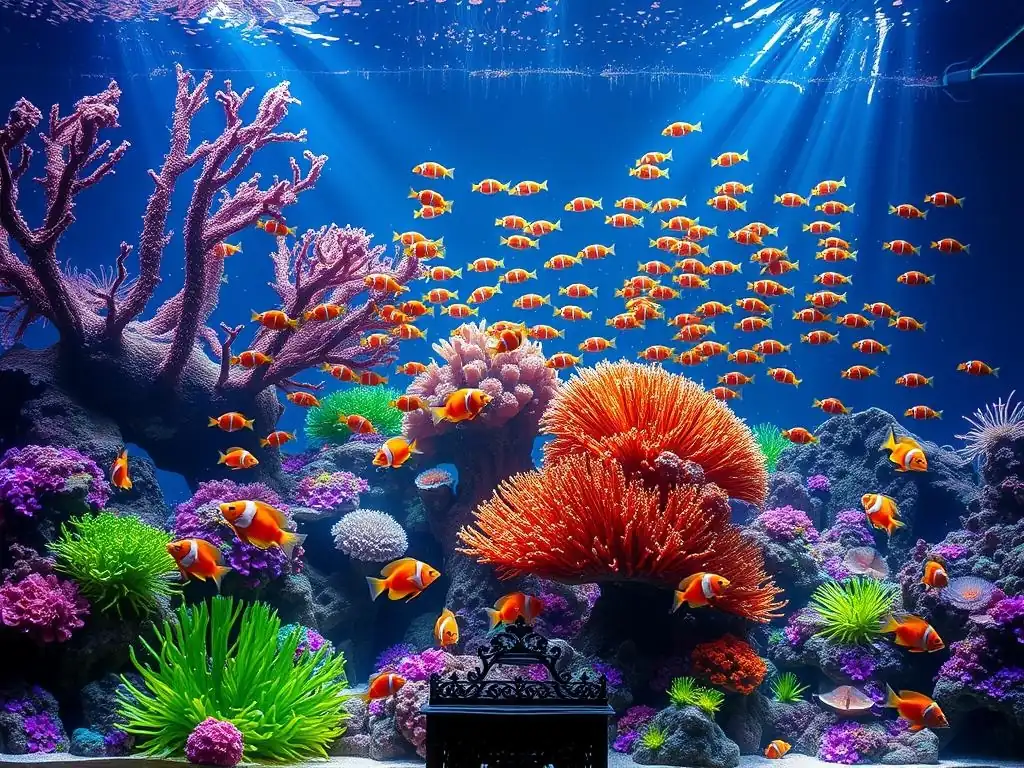
Welcome to Aquarium Mastery!
Ever wondered how to bring the vibrant beauty of a coral reef into your own home? Dive into the world of Anthias and discover the ecological role these stunning fish play in the ocean, and how to replicate their thriving environment in your saltwater aquarium. Ready to unlock the secrets to successful Anthias care saltwater aquarium keeping? Let's explore!
- The Ecological Role of Anthias on Natural Coral Reefs and in the Aquarium
- Understanding Anthias: A Vital Component of Reef Ecosystems
- Anthias in the Saltwater Aquarium: Replicating Their Natural Role
- Proper Anthias Care in the Saltwater Aquarium: Ensuring Health and Longevity
-
Choosing the Right Anthias Species for Your Reef Aquarium: A Guide
- Popular Anthias Species for Saltwater Aquariums: Lyretail Anthias (Pseudanthias squamipinnis), Dispar Anthias (Pseudanthias dispar), Carberryi Anthias (Nemanthias carberryi)
- Anthias Compatibility: Selecting Suitable Tank Mates in Your Saltwater Aquarium
- The Challenges of Keeping Anthias in a Saltwater Tank: Addressing Common Issues
- The Sustainable Approach to Anthias Keeping: Ethical Considerations
- Conclusion: Anthias Care - A Rewarding Challenge
-
Frequently Asked Questions
- How important is a stable environment for Anthias in a saltwater aquarium?
- What is the optimal tank size for keeping a group of Anthias?
- What type of food and feeding schedule is recommended for Anthias?
- What are some common health issues that affect Anthias in saltwater aquariums?
- How do Anthias contribute to the ecological balance of coral reefs, and how does this translate to aquarium care?
- Final Reflection: The Vibrant Threads of Reef Life
- Dive Deeper: Ignite Your Reef-Keeping Passion!
The Ecological Role of Anthias on Natural Coral Reefs and in the Aquarium
Understanding Anthias: A Vital Component of Reef Ecosystems
What are Anthias? An Introduction to the Reef's Schooling Jewels
Anthias are a captivating group of small, vibrantly colored fish belonging to the Serranidae family, which also includes sea basses and groupers. Often referred to as "fairy basslets" or "jewel fish," they are renowned for their striking hues of orange, pink, yellow, and purple, making them one of the most visually appealing inhabitants of coral reefs. These fish are typically characterized by their pronounced sexual dimorphism, where males display more elaborate coloration and fin extensions than females, and they often exhibit a haremic social structure.
Found in vast schools, Anthias are a ubiquitous sight on healthy reef systems throughout the Indo-Pacific and Red Sea. Their constant, almost balletic movement as they dart in and out of coral branches creates a dynamic visual spectacle. Despite their delicate appearance, these schooling jewels play a crucial role in the intricate food web of their natural habitat, contributing significantly to the overall biodiversity and health of the coral reef ecosystem.
Anthias Natural Habitat: Thriving in Coral Reef Environments
Anthias primarily inhabit the outer reef slopes, drop-offs, and deep lagoons of tropical and subtropical coral reefs. They are typically found at depths ranging from approximately 5 meters (about 16 feet) down to over 60 meters (nearly 200 feet), with some species venturing even deeper. Their preferred environment is characterized by strong currents that bring a continuous supply of their primary food source: zooplankton.
These fish are inextricably linked to the complex three-dimensional structure of coral reefs. They utilize the myriad caves, crevices, and overhangs provided by live rock and coral formations as essential refuge from predators. While they spend much of their time free-swimming in the water column, foraging for food, they are quick to retreat into the safety of the reef when threatened, highlighting their reliance on a well-structured habitat for survival.
The Importance of Anthias in Coral Reef Ecology: A Keystone Species
The sheer abundance and specific feeding habits of Anthias elevate them to a critical position within coral reef ecology. As obligate planktivores, they actively feed on zooplankton and small invertebrates suspended in the water column. This constant grazing helps to regulate plankton populations, preventing overgrowth that could potentially disrupt the delicate balance of the reef ecosystem. Their feeding behavior effectively transfers energy from the pelagic (open water) zone to the benthic (bottom) zone of the reef.
Furthermore, Anthias serve as a vital food source for a wide array of larger reef predators. Species such as groupers, snappers, lionfish, and various species of sharks and moray eels rely heavily on Anthias as a primary component of their diet. Their schooling behavior, while offering some protection, also makes them a significant caloric intake for these larger carnivores. In areas where Anthias populations are robust, their biomass can represent a substantial portion of the total fish biomass, underscoring their foundational role in supporting the higher trophic levels of the reef food web.
Anthias in the Saltwater Aquarium: Replicating Their Natural Role
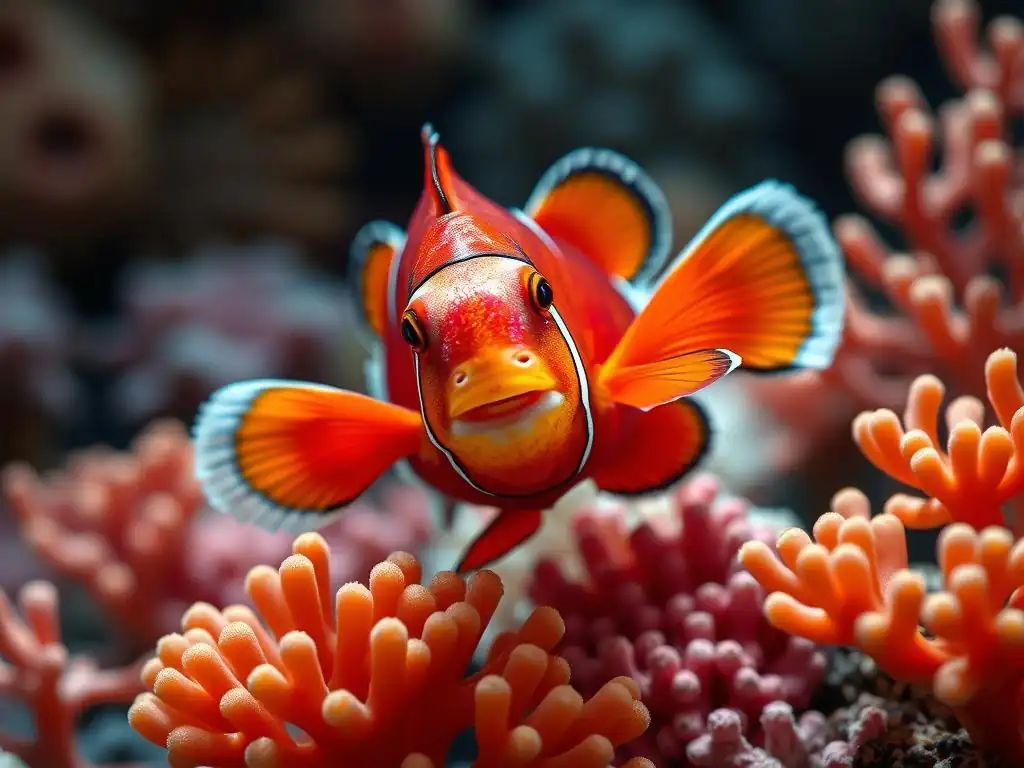
Considerations for Keeping Anthias in a Reef Tank Environment
Keeping Anthias in a home reef tank is a rewarding endeavor, but it comes with specific challenges that prospective aquarists must address to ensure their well-being. Unlike some hardier marine fish, Anthias have a relatively high metabolism and require frequent, small feedings throughout the day. This constant need for sustenance, coupled with their sensitivity to water quality, means they thrive best in mature, stable reef systems.
Their natural schooling behavior also dictates that they should ideally be kept in groups, rather than as solitary individuals, to reduce stress and allow their natural social dynamics to unfold. This necessitates a larger tank volume and careful planning of their introduction. Successful Anthias care in a saltwater aquarium hinges on a deep understanding of their specific needs, from diet to social structure, to truly replicate aspects of their natural environment.
Tank Size and Setup for Anthias: Mimicking Reef Conditions
To mimic the expansive and dynamic coral reef conditions Anthias inhabit, appropriate tank size and setup are paramount. For a small group of 3-5 smaller species like Dispar Anthias (Pseudanthias dispar), a minimum tank size of 75 gallons (approximately 280 liters) is generally recommended. Larger or more active species, such as the Lyretail Anthias (Pseudanthias squamipinnis), often require tanks of 125 gallons (approximately 470 liters) or more to provide adequate swimming space and accommodate a healthy harem.
The aquascape should be rich in live rock, creating numerous caves, overhangs, and crevices that serve as crucial hiding spots and sleeping areas. Simultaneously, ample open swimming space should be provided in the middle and upper water columns, allowing these active fish to school and forage naturally. Moderate to strong water flow is also beneficial, simulating the currents found on natural reef slopes and aiding in food distribution throughout the tank.
Anthias exhibit fascinating social dynamics, predominantly forming harems consisting of one dominant male and multiple females and juveniles. This social structure is often maintained in captivity, provided the tank is sufficiently sized and stocked correctly. A notable characteristic of many Anthias species is their protogynous hermaphroditism, meaning all individuals are born female, and the dominant female in a group can change sex to become a male if the existing male dies or is removed.
When introducing Anthias to a saltwater aquarium, it is highly recommended to add the entire group simultaneously, or to introduce females first and then a male. Introducing multiple males or adding a new female to an already established male can lead to aggression and territorial disputes. A general guideline is to keep a ratio of at least 3-4 females per male to diffuse aggression and allow the harem structure to form naturally. Providing plenty of hiding spots also helps subordinate individuals retreat when necessary, reducing stress within the group.
Proper Anthias Care in the Saltwater Aquarium: Ensuring Health and Longevity
Given their high metabolism and constant activity, Anthias require frequent feedings throughout the day to thrive in a saltwater aquarium. As planktivores, their diet should consist primarily of small, meaty foods. It is advisable to feed them at least 3-5 times daily, offering small portions rather than a single large meal, which mimics their natural foraging behavior on the reef.
High-quality frozen foods are excellent staples, including enriched Mysis shrimp, cyclops, finely chopped silversides, and enriched brine shrimp. Some hobbyists also offer high-quality flake or pellet foods specifically designed for marine omnivores, though frozen foods are often preferred for their nutritional density. Varying the diet is crucial to ensure they receive a full spectrum of nutrients, supporting their vibrant coloration and overall health.
Maintaining Optimal Water Parameters for Anthias Health: Saltwater Aquarium Chemistry
Maintaining stable and pristine water parameters is paramount for successful Anthias care in a saltwater aquarium. These fish are sensitive to fluctuations and poor water quality, which can quickly lead to stress and disease. The ideal temperature range for Anthias is typically between 74-78°F (23-26°C), with a specific gravity of 1.023-1.026.
Key chemical parameters should be diligently monitored and maintained:
- pH: 8.1-8.4
- Alkalinity: 8-12 dKH
- Calcium: 400-450 ppm
- Magnesium: 1250-1350 ppm
- Nitrates: Below 10 ppm (ideally closer to 0)
- Phosphates: Below 0.03 ppm
Regular water changes, typically 10-20% bi-weekly, are essential to replenish trace elements and remove accumulated nitrates and phosphates. Consistent monitoring with reliable test kits ensures these parameters remain within optimal ranges, providing a healthy environment for your Anthias.
Common Anthias Diseases and Prevention: Keeping Your Fish Healthy
Anthias, particularly when newly introduced or subjected to stressful conditions, can be susceptible to common marine fish diseases. Ich (Cryptocaryon irritans) and Marine Velvet (Amyloodinium ocellatum) are among the most prevalent parasitic infections they may encounter. Symptoms often include white spots, rapid breathing, flashing against rocks, and clamped fins.
Prevention is the best approach to keeping your Anthias healthy. This begins with a proper quarantine protocol for all new fish, ideally for 3-4 weeks, before introducing them to the main display tank. During quarantine, observe for any signs of disease and treat if necessary. Maintaining excellent water quality, providing a consistent and nutritious diet, and ensuring minimal stress through proper tank mates and adequate space significantly boost their immune system. A well-established, stable aquarium environment is key to their long-term health and resilience against pathogens.
Choosing the Right Anthias Species for Your Reef Aquarium: A Guide
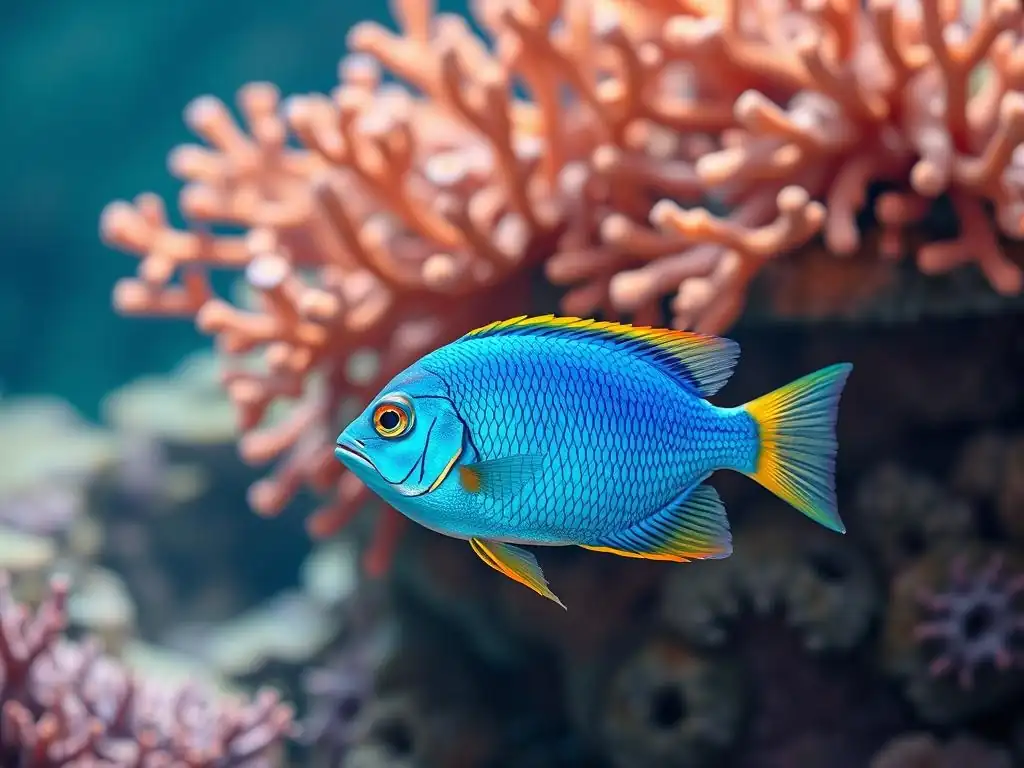
Popular Anthias Species for Saltwater Aquariums: Lyretail Anthias (Pseudanthias squamipinnis), Dispar Anthias (Pseudanthias dispar), Carberryi Anthias (Nemanthias carberryi)
When considering Anthias care in a saltwater aquarium, selecting the right species is crucial for success. Several species are commonly available and well-suited for home aquariums:
- Lyretail Anthias (Pseudanthias squamipinnis): Perhaps the most common and recognizable Anthias, known for its hardiness and striking color variations. Males are typically orange to purple with an elongated caudal fin, reaching about 5-6 inches (12-15 cm). They are relatively peaceful but require a tank of at least 75 gallons for a small group.
- Dispar Anthias (Pseudanthias dispar): A smaller, highly active species characterized by a vibrant orange dorsal half and a pinkish-white ventral half. They typically grow to about 3-4 inches (7-10 cm) and are suitable for tanks of 50 gallons or more. Dispar Anthias appreciate strong water flow and are known for their constant movement in the water column.
- Carberryi Anthias (Nemanthias carberryi): These slender, elegant Anthias display beautiful pinkish-purple bodies with distinctive yellow highlights. Reaching about 4-5 inches (10-12 cm), they are generally shyer than other Anthias and prefer deeper water, making them a good choice for larger, more established reef tanks where stable conditions can be maintained.
Anthias Compatibility: Selecting Suitable Tank Mates in Your Saltwater Aquarium
Choosing appropriate tank mates is vital for the successful integration of Anthias into your saltwater aquarium. Anthias are generally peaceful fish, but their small size and active nature can make them vulnerable to overly aggressive or boisterous tank mates. It's crucial to avoid housing them with large angelfish, triggerfish, or aggressive wrasses that may harass or outcompete them for food.
Ideal tank mates include other peaceful schooling fish, such as cardinalfish, or non-aggressive bottom dwellers like gobies and blennies. Smaller, peaceful wrasses can also coexist well. When selecting tank mates, always consider the feeding competition; ensure that the other inhabitants do not prevent the Anthias from getting their frequent meals. A harmonious community allows Anthias to exhibit their natural schooling and foraging behaviors without undue stress.
The Challenges of Keeping Anthias in a Saltwater Tank: Addressing Common Issues
Despite their beauty, Anthias present several challenges in a saltwater tank that prospective aquarists should be prepared to address. The most significant challenge is their high feeding frequency; missing even a day of feeding can significantly impact their health due to their fast metabolism. This requires a dedicated feeding schedule, often involving automated feeders for mid-day meals.
Another common issue is their sensitivity to water quality. Fluctuations in parameters or elevated nitrates can quickly lead to stress and susceptibility to disease. Therefore, consistent maintenance, including regular water changes and diligent parameter monitoring, is non-negotiable for proper Anthias care in a saltwater aquarium. Furthermore, their initial acclimation can be stressful, and they may be prone to succumbing to stress-induced diseases if not handled carefully. Finally, managing their social dynamics, ensuring the correct male-to-female ratio and providing adequate space, is essential to prevent aggression and ensure the well-being of the entire group.
The Sustainable Approach to Anthias Keeping: Ethical Considerations
Sourcing Anthias Responsibly: Supporting Sustainable Practices
As demand for marine ornamental fish continues to grow, the importance of sourcing Anthias responsibly cannot be overstated. Supporting sustainable practices in the aquarium trade helps protect natural coral reef ecosystems and ensures the long-term viability of these beautiful species. When purchasing Anthias, aquarists should prioritize reputable suppliers who can verify the origin of their fish and ensure they were collected using ethical and sustainable methods.
This often means seeking out fish that have been net-caught rather than collected using destructive methods like cyanide fishing, which can severely damage coral reefs and stress the fish. Inquiring about the collection locations and the specific practices of the divers involved can provide valuable insight. By making informed choices, hobbyists contribute to a more responsible industry that benefits both marine life and the livelihoods of local communities dependent on healthy reefs.
Alternatives to Wild-Caught Anthias: Captive Breeding and Aquaculture
While the majority of Anthias available in the hobby are wild-caught, the marine aquaculture industry is making strides in captive breeding efforts. The development of alternatives to wild-caught fish offers significant benefits, including reduced pressure on wild populations and potentially hardier, more adaptable fish for the home aquarium. Captive-bred Anthias are often pre-acclimated to aquarium life and prepared foods, making their transition into a new tank smoother and reducing initial stress.
Although captive breeding of Anthias is not as widespread as for some other popular marine species like clownfish or cardinalfish, ongoing research and advancements in aquaculture technology hold promising potential. As these techniques become more refined and commercially viable, hobbyists may increasingly have access to a greater variety of tank-raised Anthias. Supporting businesses and initiatives focused on captive breeding contributes directly to a more sustainable and ethical approach to Anthias care in a saltwater aquarium.
Conclusion: Anthias Care - A Rewarding Challenge
The ecological role of Anthias on natural coral reefs is undeniably significant, positioning them as vital components of these vibrant ecosystems. Their perpetual schooling, planktivorous diet, and role as a food source underpin the health and biodiversity of reef environments. Bringing these "jewels of the reef" into a home saltwater aquarium offers a unique opportunity to observe their captivating behaviors up close, but it requires a dedicated approach to Anthias care.
While the challenges of maintaining optimal water parameters, providing frequent feedings, and managing their social dynamics are considerable, the reward of witnessing a thriving school of Anthias in your reef tank is immense. By understanding their needs, replicating aspects of their natural habitat, and committing to responsible sourcing, aquarists can ensure the health and longevity of these magnificent fish. Ultimately, successful Anthias care in a saltwater aquarium is a testament to an aquarist's dedication and offers a deeply enriching experience, bringing a piece of the dynamic coral reef into your home.
Frequently Asked Questions
How important is a stable environment for Anthias in a saltwater aquarium?
Anthias are highly sensitive to water quality and require an extremely stable environment. Fluctuations in temperature, salinity, or pH can quickly stress them, leading to disease and death.
What is the optimal tank size for keeping a group of Anthias?
A larger tank is essential for Anthias, ideally 75 gallons or more, depending on the species and number of fish. This provides ample swimming space and helps maintain water quality.
What type of food and feeding schedule is recommended for Anthias?
Anthias are voracious eaters that require frequent feedings of small, high-quality foods. Offer a varied diet of frozen, live, and flake foods multiple times a day to ensure their health and coloration.
What are some common health issues that affect Anthias in saltwater aquariums?
Anthias are prone to diseases like ich (white spot disease) and other parasitic infections, often due to stress from poor water quality or aggression from tank mates. Quarantine new fish to prevent outbreaks.
How do Anthias contribute to the ecological balance of coral reefs, and how does this translate to aquarium care?
In the wild, Anthias are important plankton feeders, helping to control plankton populations. In aquariums, this means providing them with a consistent supply of appropriate food to mimic their natural diet and maintain their health.
Final Reflection: The Vibrant Threads of Reef Life
The intricate dance of life within a coral reef, as we've explored through the lens of the Anthias, is not just a scientific curiosity, but a vital indicator of our planet's health. The delicate balance they represent, both in their natural habitat and within the confines of a saltwater aquarium, underscores the interconnectedness of ecosystems and the responsibility we bear in preserving them.
The captivating beauty and ecological significance of Anthias have undoubtedly influenced the way we perceive coral reefs, transforming them from distant wonders to living, breathing ecosystems that demand our respect and protection. The success of keeping these fish in aquariums hinges on understanding and replicating their natural environment, a testament to the power of knowledge and responsible stewardship. In the end, we will conserve only what we love; we will love only what we understand; and we will understand only what we are taught.
- Baba Dioum.
As you contemplate the vibrant world of Anthias, whether observing them darting across a natural reef or meticulously caring for them in your own saltwater aquarium, remember that you are a part of this intricate web of life. Consider how your choices, both big and small, can contribute to the health and longevity of these precious ecosystems. Let the Anthias serve as a constant reminder of the beauty and fragility of our planet, inspiring you to become a more informed and responsible steward of the ocean.
Dive Deeper: Ignite Your Reef-Keeping Passion!
Thank you for exploring the fascinating world of Anthias with us! We hope you’ve gained a newfound appreciation for their vital role in coral reef ecosystems, both in the wild and in our own tanks. Now, let's transform that knowledge into action!
- Prioritize your Anthias' well-being: Commit to a consistent feeding schedule with high-quality foods to simulate their natural feeding habits.
- Share your Anthias insights! Spark a conversation with fellow reef keepers by sharing this article.
- Research alternative reef fish that are compatible with anthias.
Ready to elevate your reef-keeping game and create the perfect Anthias paradise?