
Oscar Fish Lifespan: How to Maximize Your Cichlid's Years

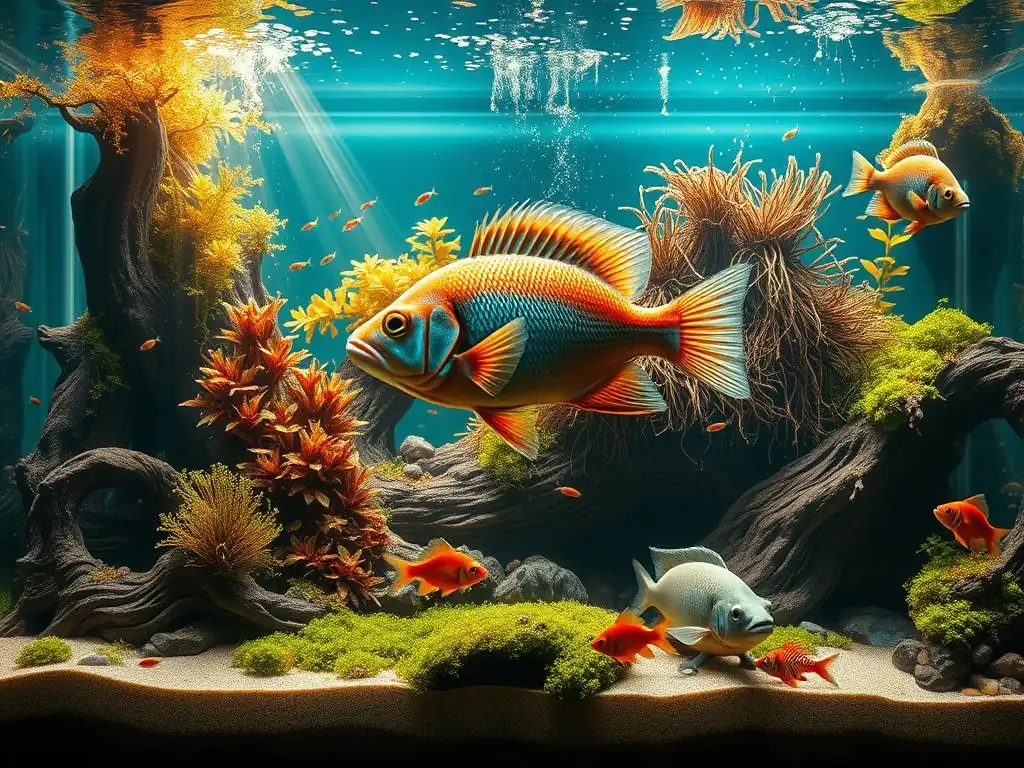
Welcome to Aquarium Mastery, where your aquatic dreams come to life! Ever wondered about the secrets to a long and vibrant life for your Oscar? Dive into our comprehensive guide, "Oscar Fish Lifespan: How to Maximize Your Cichlid's Years," and unlock the knowledge to ensure your beloved cichlid thrives for years to come. Discover the factors influencing their longevity and learn how to create the perfect environment. Ready to give your Oscar the best possible life? Let's get started!
- Understanding Oscar Fish Lifespan and Factors Affecting It
- Optimizing Oscar Fish Care for a Longer Life
- Creating the Ideal Environment to Extend Oscar Fish Lifespan
- Recognizing Signs of Aging in Oscar Fish
- Common Mistakes That Shorten Oscar Fish Lifespan
- Maximizing Oscar Fish Lifespan: A Summary of Best Practices
-
Frequently Asked Questions
- What is the typical Oscar fish lifespan expectancy in captivity?
- What are the most important factors affecting an Oscar's lifespan?
- What are some common diseases that can shorten an Oscar's life?
- How does diet impact an Oscar's lifespan?
- What size tank is recommended to maximize an Oscar's lifespan?
- Final Reflection: Honoring the Oscar's Legacy
- Nurture Lifelong Bonds: Extend Your Oscar's Reign!
Understanding Oscar Fish Lifespan and Factors Affecting It
Typical Lifespan of Oscar Fish in Captivity
The Oscar fish ( Astronotus ocellatus ) is a popular and intelligent New World cichlid known for its distinctive appearance and engaging personality. In a well-maintained home aquarium, the typical Oscar fish lifespan expectancy ranges significantly, often falling between 10 to 15 years. Some exceptionally well-cared-for individuals have even been reported to live for 18 years or more, demonstrating the potential for longevity when all environmental and care requirements are met. This remarkable lifespan makes them a long-term commitment for any aquarist.
However, it's important to note that many Oscar fish do not reach their full potential lifespan due to various factors. Poor water quality, inadequate diet, insufficient tank size, and chronic stress are common culprits that can drastically reduce an Oscar's years. Understanding these contributing elements is the first step in ensuring your Oscar thrives and lives a healthy, extended life, maximizing their Oscar fish lifespan expectancy.
Genetic Factors Influencing Oscar Longevity
Genetics play a foundational role in determining an Oscar fish's inherent potential for longevity. Just like in humans, some fish are simply predisposed to a longer, healthier life due to their genetic makeup, while others may carry genetic weaknesses that make them more susceptible to certain diseases or conditions. For instance, some lines of commercially bred Oscars might have a narrower genetic pool, potentially leading to reduced vigor compared to wild-caught specimens or those from diverse breeding programs.
When acquiring an Oscar, observing the health and vitality of the parent fish or the batch they come from can offer subtle clues about their genetic potential. While it's impossible to guarantee a specific Oscar fish lifespan based solely on genetics, choosing fish that appear robust, alert, and free from deformities or chronic issues from a reputable breeder or store can significantly improve the chances of a long and healthy life. A strong genetic foundation provides a better starting point for achieving an impressive Oscar fish lifespan expectancy.
Tank Size and Its Effect on Oscar Fish Health and Lifespan
Tank size is perhaps one of the most critical factors directly impacting an Oscar fish's health and, consequently, its lifespan. Oscars are large fish, typically reaching lengths of 10 to 14 inches (25-35 cm) in captivity. A single adult Oscar requires a minimum tank size of 75 gallons (approximately 284 liters) to thrive. For two adult Oscars, a tank of 125 gallons (approximately 473 liters) or more is strongly recommended to provide adequate swimming space and reduce aggression.
In tanks that are too small, Oscars become stunted, not just in external growth, but internally, leading to organ deformation and failure. Confined spaces also lead to rapid accumulation of nitrates and other waste products, even with regular water changes, stressing the fish and compromising their immune system. This constant environmental stress and poor water quality are primary reasons why many Oscars in undersized tanks experience a significantly shortened Oscar fish lifespan expectancy, often living only a few years instead of a decade or more.
Optimizing Oscar Fish Care for a Longer Life
Maintaining Optimal Water Parameters for Oscar Health
The Importance of Regular Water Changes for Oscar Fish
Regular water changes are paramount for maintaining the pristine water quality essential for a long Oscar fish lifespan. Oscars are messy eaters and produce a substantial amount of waste, which, if left unchecked, quickly degrades water quality. Ammonia, nitrites, and nitrates accumulate, leading to toxic conditions that can severely stress the fish, damage their gills, and suppress their immune system, making them highly susceptible to disease.
A common recommendation is to perform weekly water changes of 25-50% of the tank volume, depending on the bioload and filtration efficiency. For example, in a 75-gallon tank with one Oscar, changing 25 gallons weekly would be a good starting point. This routine dilution of nitrates and replenishment of essential minerals helps keep the water parameters stable and within safe limits, directly contributing to the overall health and impressive Oscar fish lifespan expectancy. Consistent water changes are a non-negotiable aspect of their long-term care.
Temperature and pH Levels for Oscar Fish Longevity
Maintaining stable and appropriate temperature and pH levels is crucial for the metabolic health and longevity of Oscar fish. Oscars are tropical fish and thrive in water temperatures ranging from 74°F to 80°F (23°C to 27°C). Fluctuations outside this range, especially sudden drops, can cause significant stress and weaken their immune system, making them vulnerable to common ailments like Ich. A reliable aquarium heater with a thermostat is indispensable for maintaining this consistency.
The ideal pH range for Oscar fish is slightly acidic to neutral, typically between 6.0 and 7.5. While Oscars can tolerate a small degree of variation, rapid or extreme shifts in pH are highly detrimental. Consistent monitoring with a quality test kit is advised. Stable temperature and pH levels minimize physiological stress, allow for optimal enzyme function, and support a robust immune response, all of which are vital for extending the Oscar fish lifespan expectancy.
Providing a Balanced and Nutritious Diet for Oscar Fish
Recommended Foods for Optimal Oscar Fish Health
A balanced and nutritious diet is fundamental to achieving a long and healthy Oscar fish lifespan. Oscars are omnivores with a strong carnivorous tendency, and their diet should reflect this. High-quality Oscar-specific pellets or sticks should form the staple of their diet, providing essential vitamins, minerals, and protein. Look for brands that list fish meal or other animal proteins as the primary ingredients.
Supplementing their staple diet with a variety of frozen or live foods enhances their nutrition and provides enrichment. Options include frozen krill, bloodworms, earthworms (from a pesticide-free source), and high-quality frozen fish fillets (e.g., tilapia, cod). While some aquarists use feeder fish, this practice carries risks of introducing diseases and is generally discouraged. A varied diet ensures they receive all necessary nutrients, preventing deficiencies that could shorten their Oscar fish lifespan.
Avoiding Overfeeding: A Key to Extending Oscar Fish Lifespan
Overfeeding is a common mistake that can significantly shorten an Oscar fish's lifespan, even more so than underfeeding. When Oscars are overfed, they can suffer from a range of health issues, including fatty liver disease, digestive blockages, and bloat. These internal problems can be difficult to detect until they become severe, often leading to irreversible damage and premature death.
Beyond the direct impact on the fish's health, overfeeding also severely compromises water quality. Uneaten food decomposes rapidly, releasing ammonia and nitrates into the water column, which, as previously discussed, are highly toxic. It is recommended to feed Oscars small amounts 1-2 times daily, only what they can consume completely within 2-3 minutes. This practice not only safeguards their digestive health but also helps maintain stable water parameters, directly contributing to a longer Oscar fish lifespan expectancy.
Preventing and Treating Diseases in Oscar Fish
Common Oscar Fish Diseases and Their Impact on Lifespan
Oscar fish, despite their hardiness, are susceptible to several common aquarium diseases, which, if not promptly addressed, can significantly shorten their lifespan. One prevalent issue is Hole-in-the-Head disease (HITH), often associated with poor water quality, nutritional deficiencies (especially lack of vitamins and minerals), and the presence of hexamita parasites. This condition manifests as pitting and lesions on the head and lateral line, and if left untreated, can lead to severe secondary infections.
Other common ailments include Ich (white spot disease), typically caused by rapid temperature fluctuations or stress, and Fin Rot, often a bacterial infection exacerbated by poor water conditions. Bloat and Dropsy, while less frequent, can also occur, often indicating underlying organ failure or severe internal bacterial infections. Each of these diseases places immense stress on the Oscar's system, weakening their immune response and, without timely and effective treatment, can drastically reduce their Oscar fish lifespan expectancy.
Quarantine Procedures: Protecting Your Oscar's Health
Implementing strict quarantine procedures for all new fish, plants, and even decorations is one of the most effective ways to prevent the introduction of diseases into your main Oscar tank, thereby protecting your existing Oscar's health and extending its lifespan. A separate, fully cycled quarantine tank (e.g., 20-30 gallons for a new Oscar) should be set up before introducing any new inhabitants.
New fish should be kept in this quarantine tank for a minimum of 2 to 4 weeks. During this period, observe them closely for any signs of illness, such as clamped fins, white spots, labored breathing, or unusual behavior. If any symptoms appear, treat them in the quarantine tank. This isolation period prevents potential pathogens from spreading to your established display tank, safeguarding your healthy Oscar and significantly reducing the risk of widespread disease outbreaks that could otherwise compromise the Oscar fish lifespan of all inhabitants.
Creating the Ideal Environment to Extend Oscar Fish Lifespan
Choosing Compatible Tank Mates for Oscar Fish
Compatibility Considerations: Avoiding Stress and Injury
Choosing appropriate tank mates is vital for maintaining a peaceful and stress-free environment for your Oscar fish, directly impacting their lifespan. Oscars are large, predatory cichlids with strong personalities. Incompatible tank mates can lead to constant stress, aggression, injury, or even death, significantly shortening the Oscar fish lifespan. Small, docile fish, such as neon tetras or guppies, will almost certainly be viewed as food and quickly consumed.
Ideal tank mates should be similar in size, robust enough to handle the Oscar's boisterous nature, and preferably occupy different parts of the water column to minimize territorial disputes. Good options include larger plecos (e.g., Common Pleco, Sailfin Pleco), certain large, semi-aggressive cichlids like Severums or Green Terrors (provided the tank is exceptionally large, 180 gallons+), and even some large, fast-moving barbs or characins if they are too big to be swallowed. Careful consideration of temperament and size is paramount to ensure a harmonious community and a long Oscar fish lifespan.
Providing Enrichment and Reducing Stress for Oscar Fish
Tank Decorations and Their Role in Oscar Fish Well-being
Tank decorations play a crucial role in providing environmental enrichment and reducing stress for Oscar fish, thereby contributing to a longer Oscar fish lifespan. While Oscars are known for rearranging their tank decor, providing them with a stimulating environment is important for their mental and physical well-being. Large, stable caves, robust driftwood pieces, and heavy, smooth rocks offer hiding spots and territorial markers, which can reduce aggression and provide a sense of security.
These elements also allow the Oscar to express natural behaviors, such as digging and exploring. It's important to ensure all decorations are heavy enough not to be easily moved or toppled, and have no sharp edges that could injure the fish. Regularly offering new arrangements or introducing novel, safe items can keep the Oscar engaged and prevent boredom. A mentally stimulated and low-stress environment is a key factor in maximizing the Oscar fish lifespan expectancy.
Recognizing Signs of Aging in Oscar Fish
Identifying Health Issues Associated with Aging
As Oscar fish age, typically beyond 8-10 years, they begin to show signs of senescence, and certain health issues become more prevalent, potentially impacting their Oscar fish lifespan. One common observation is a gradual fading of their vibrant coloration, becoming duller or more muted. Their activity levels often decrease, with less vigorous swimming and more time spent resting at the bottom of the tank.
Elderly Oscars may also exhibit signs of reduced appetite, weight loss despite adequate feeding, and a general decline in muscle mass. Their fins might appear tattered or eroded more frequently, and their eyes could become cloudy or less alert. They may also become more susceptible to chronic conditions like dropsy or persistent fin rot due to a weakened immune system. Recognizing these subtle changes early allows for adjustments in care that can alleviate discomfort and extend the comfortable portion of their Oscar fish lifespan.
Adjusting Care to Meet the Needs of Senior Oscar Fish
Once an Oscar fish enters its senior years, adjusting its care routine can significantly improve its quality of life and potentially extend its Oscar fish lifespan. Their metabolism slows down, so their dietary needs may change. Switching to easily digestible, high-quality pellets or softer foods, and potentially reducing feeding frequency (e.g., once daily instead of twice), can prevent digestive issues.
Water quality remains paramount, but senior Oscars may be more sensitive to large, sudden changes. Smaller, more frequent water changes (e.g., 15-20% twice a week instead of 50% once a week) can maintain stability while minimizing stress. Reducing strong water flow, providing easily accessible resting spots, and being extra gentle during any necessary handling are also crucial. These tailored adjustments help manage age-related challenges, ensuring that your beloved Oscar enjoys its twilight years with dignity and comfort, maximizing their overall Oscar fish lifespan.
Common Mistakes That Shorten Oscar Fish Lifespan
Overcrowding and Its Effects on Oscar Health
One of the most detrimental and common mistakes that severely shortens an Oscar fish's lifespan is overcrowding. As previously mentioned, Oscars are large fish that produce significant bio-load. Housing too many Oscars, or housing an Oscar in a tank that is too small for even one, creates a perpetually stressful and unhealthy environment. In an overcrowded tank, water parameters rapidly deteriorate, with ammonia and nitrites spiking, and nitrates accumulating to toxic levels despite regular water changes.
This constant exposure to poor water quality leads to chronic stress, stunted growth (both external and internal organ development), and a severely compromised immune system. Overcrowding also exacerbates aggression, leading to frequent injuries and heightened stress among tank inhabitants. The cumulative effect of these factors is a dramatically reduced Oscar fish lifespan expectancy, often cutting their potential years by half or more, making proper stocking levels absolutely critical.
Neglecting Water Quality: A Major Threat to Oscar Longevity
Neglecting water quality is arguably the single biggest threat to an Oscar fish's longevity and is a frequent cause of premature death. Oscars produce a substantial amount of waste, and without diligent maintenance, their tank quickly becomes a toxic soup. High levels of ammonia and nitrites are acutely poisonous, causing gill damage, respiratory distress, and internal organ failure within days. Even elevated nitrates, while less immediately fatal, cause chronic stress, suppress the immune system, and can lead to conditions like Hole-in-the-Head disease over time.
Relying solely on filtration without regular water changes is a common oversight. While filters remove solid waste and convert ammonia/nitrite, they do not remove nitrates effectively. Consistent weekly water testing and subsequent water changes (25-50% weekly or bi-weekly) are non-negotiable for maintaining the stable, pristine conditions an Oscar needs to thrive. Failure to do so guarantees a significantly shortened Oscar fish lifespan, as their bodies constantly fight against a hostile environment.
Improper Handling and Its Consequences
Improper handling, though often unintentional, can have severe consequences for an Oscar fish's health and directly impact its lifespan. Oscars are robust, but they are also sensitive to stress and physical injury. Rough netting, especially with small or coarse nets, can damage their delicate fin rays, remove protective slime coat, and cause scales to fall off. Such injuries open the door for bacterial and fungal infections, which can quickly become life-threatening.
Furthermore, rapid changes in water parameters during transfers, such as sudden shifts in temperature or pH from the old tank water to the new, can induce severe shock. This stress response can weaken the fish's immune system, making them highly susceptible to disease. Minimizing handling, using large, soft nets when necessary, and employing slow, proper acclimation techniques when moving an Oscar are crucial practices to avoid unnecessary stress and injury, thereby safeguarding their Oscar fish lifespan expectancy.
Maximizing Oscar Fish Lifespan: A Summary of Best Practices
Key Takeaways for a Long and Healthy Oscar Life
Achieving a long and healthy Oscar fish lifespan, often extending well over a decade, hinges on a combination of diligent care and a deep understanding of their specific needs. The foundational pillar is providing an appropriately sized habitat; a minimum of 75 gallons for a single adult Oscar is essential to prevent stunting, reduce stress, and manage waste effectively. This large tank must then be supported by impeccable water quality management, involving consistent weekly water changes of 25-50% and regular testing to maintain stable parameters (temperature 74-80°F, pH 6.0-7.5).
Beyond the basics, a varied and high-quality diet, fed in moderation to avoid overfeeding, is crucial for their nutritional health. Preventing disease through quarantine procedures for new additions and addressing any health issues promptly are also vital. Lastly, creating an enriching environment with appropriate tank mates and decorations that provide security and stimulation minimizes stress, allowing your Oscar to thrive. By adhering to these best practices, aquarists can significantly increase the Oscar fish lifespan expectancy, enjoying their intelligent and engaging companions for many years to come.
Frequently Asked Questions
What is the typical Oscar fish lifespan expectancy in captivity?
The typical lifespan of an Oscar fish in captivity is around 10-13 years. However, with proper care and optimal conditions, they can sometimes live even longer. Genetics also play a role.
What are the most important factors affecting an Oscar's lifespan?
The most important factors are water quality, diet, and tank size. Maintaining pristine water, providing a varied and nutritious diet, and ensuring ample space for swimming are crucial.
What are some common diseases that can shorten an Oscar's life?
Common diseases include Hole-in-the-Head Disease, Ich (white spot disease), and bacterial infections. Early detection and treatment are vital for preventing premature death.
How does diet impact an Oscar's lifespan?
A varied and balanced diet rich in protein, vitamins, and minerals is essential. Avoid overfeeding and stick to a diet of high-quality pellets, live foods, and occasional vegetable matter. Poor nutrition significantly reduces lifespan.
What size tank is recommended to maximize an Oscar's lifespan?
A minimum of 75 gallons is recommended for a single Oscar, with larger tanks being preferable. A larger tank provides more stable water parameters and reduces stress, contributing to a longer and healthier life.
Final Reflection: Honoring the Oscar's Legacy
The exploration of Oscar fish lifespan expectancy, as we've seen, is more than just a matter of numbers; it's a testament to the dedication and responsibility we undertake when bringing these magnificent creatures into our lives. Understanding the factors that influence their longevity – from water quality to diet and enrichment – underscores the profound impact we have on their well-being and, ultimately, their years.
This journey into the world of Oscar care has, I hope, illuminated the deep connection we share with these intelligent fish. It's a reminder that even seemingly simple acts of care, like regular water changes or providing a varied diet, can significantly extend their lives and enhance their quality of life. The greatness of a nation and its moral progress can be judged by the way its animals are treated.
- Mahatma Gandhi. While Gandhi spoke of nations, the sentiment rings true for us as individual caretakers of these fascinating creatures.
Now, I invite you to reflect on your own role in the lives of your Oscar fish, or perhaps, consider the commitment involved before welcoming one into your home. Let this knowledge empower you to become a champion of their well-being, ensuring that every Oscar, whether in your care or simply admired from afar, has the opportunity to live a long, healthy, and enriching life. Let's strive to be the guardians they deserve.
Nurture Lifelong Bonds: Extend Your Oscar's Reign!
Thanks for diving deep into the world of Oscar fish with us! We hope you've gained valuable insights into ensuring your cichlid companion enjoys a long and vibrant life. Now, let's translate that knowledge into action.
- Prioritize a species-appropriate environment: Re-evaluate your tank setup to provide the optimal space, filtration, and water parameters Oscars need to thrive. Consider the long-term commitment and ensure everything aligns with your Oscar's potential lifespan.
- Share your Oscar care insights with fellow enthusiasts! Document your unique Oscar's journey on our website or forum.
- Challenge yourself by adopting a second, uncommon, approach like introducing specialized enrichment activities or rare plants to promote well-being.
What innovative techniques will you implement to optimize your Oscar’s health and longevity?