
Chaetomorpha Algae: The Ultimate Guide to Growing "Spaghetti Algae" for a Thriving Reef Tank

Welcome to Aquarium Mastery!
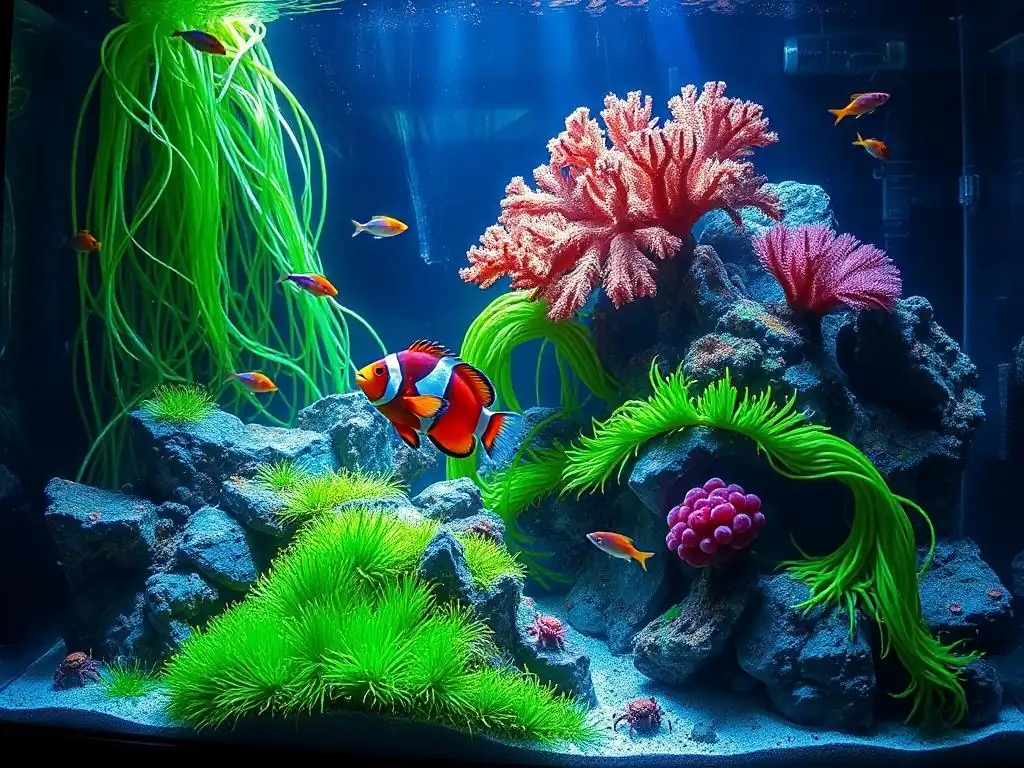
Ever wondered if you could have a naturally thriving reef tank with minimal effort? Dive into our comprehensive guide to Spaghetti Algae (Chaetomorpha) and unlock the secrets to cultivating this incredible macroalgae. Could this be the key to a healthier, more vibrant aquarium? Keep reading to discover how!
- Understanding Chaetomorpha: The Reef Tank Algae Superstar
- Benefits of Using Spaghetti Algae in Your Reef Tank
- Setting Up a Chaetomorpha Reactor or Refugium
- Planting and Initial Care of Chaetomorpha Algae
- Maintaining a Healthy Chaetomorpha Culture in Your Reef Tank
- Troubleshooting Common Problems with Chaetomorpha
- Propagating Chaetomorpha Algae for Continued Reef Tank Benefits
- Advanced Techniques for Maximizing Chaetomorpha Growth
- The Role of Chaetomorpha in a Balanced Reef Ecosystem
- Conclusion: Mastering Spaghetti Algae for a Thriving Reef
-
Frequently Asked Questions
- What exactly is "spaghetti algae" and why is it beneficial for a reef tank?
- How do I grow Chaetomorpha successfully in my reef tank?
- What are the ideal water parameters for Chaetomorpha growth?
- How does Chaetomorpha help control other types of algae in a reef tank?
- How often should I prune or harvest Chaetomorpha in my reef tank?
- Final Reflection: Cultivating Harmony in the Reef
- Revolutionize Your Reef: Embrace the Chaeto Challenge!
Understanding Chaetomorpha: The Reef Tank Algae Superstar
What is Chaetomorpha Algae (Spaghetti Algae)?
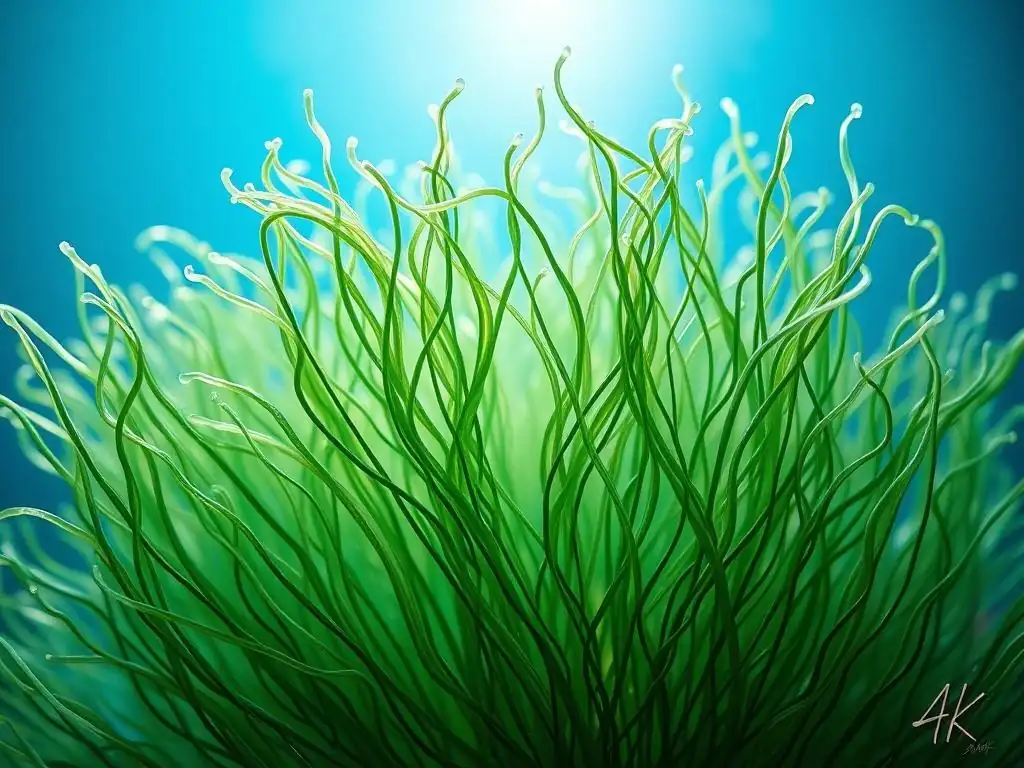
Chaetomorpha, commonly known as "spaghetti algae" due to its distinctive appearance, is a filamentous green macroalgae belonging to the family Cladophoraceae. Unlike many other types of algae that can become problematic in a saltwater aquarium, Chaetomorpha linum is highly prized by aquarists for its beneficial properties. Its structure consists of long, unbranched strands that form a tangled, spaghetti-like mass, providing an ideal habitat within the reef tank ecosystem.
This robust macroalgae thrives in well-lit, nutrient-rich environments, making it perfectly suited for cultivation in dedicated refugiums or reactors within a spaghetti algae reef tank setup. Its rapid growth rate is directly linked to its efficiency in absorbing excess nutrients like nitrates and phosphates from the water column. The simplicity of its care and its non-invasive nature, unlike some other macroalgae species, contribute significantly to its widespread popularity among marine aquarists aiming for pristine water quality.
Why Choose Chaetomorpha for Your Saltwater Aquarium?
The primary reason for selecting Chaetomorpha for your saltwater aquarium is its exceptional ability to perform natural nutrient export. In a closed reef tank system, fish waste, uneaten food, and decaying organic matter constantly release nitrates and phosphates, which can fuel the growth of undesirable nuisance algae such as diatoms, dinoflagellates, and cyanobacteria. Chaetomorpha actively absorbs these compounds as it grows, effectively "locking" them away in its biomass, which can then be physically removed from the system when the algae is harvested.
Beyond nutrient control, Chaetomorpha serves as an excellent breeding ground and protective habitat for beneficial microfauna, particularly copepods and amphipods. These tiny crustaceans graze on detritus and nuisance algae, and more importantly, they provide a crucial live food source for many reef inhabitants, including mandarinfish, seahorses, and various wrasses. A thriving ball of spaghetti algae in a reef tank can significantly enhance the biodiversity and stability of the entire aquarium, contributing to a healthier and more resilient environment for corals and fish alike.
Chaetomorpha vs. Other Macroalgae: A Comparison for Reef Tanks
When considering macroalgae for nutrient export in a spaghetti algae reef tank, aquarists often compare Chaetomorpha to other popular options like Caulerpa and Gracilaria. Chaetomorpha stands out primarily because it does not undergo "sexual reproduction" or "go sexual," a process where Caulerpa species can release spores and die off rapidly, potentially causing a massive nutrient spike and oxygen depletion that can devastate a reef tank. This stability makes Chaetomorpha a far safer and more predictable choice for continuous nutrient management.
Furthermore, while Gracilaria (red ogo) is also a beneficial macroalgae, it is often more palatable to herbivorous fish such as tangs, which might consume it before it can effectively export nutrients. Chaetomorpha, on the other hand, is generally unpalatable to most common reef tank inhabitants, ensuring its continued growth and nutrient uptake without being grazed down. Its robust, non-calcareous structure also means it doesn't contribute to alkalinity depletion in the same way some coralline or calcareous macroalgae might, making it a low-maintenance and highly effective solution for maintaining water quality.
Benefits of Using Spaghetti Algae in Your Reef Tank
Natural Nitrate and Phosphate Control with Chaetomorpha
The most significant benefit of cultivating Chaetomorpha, often referred to as spaghetti algae reef tank workhorse, is its unparalleled ability to naturally control nitrate (NO3) and phosphate (PO4) levels. These two nutrients are the primary fuel for nuisance algae outbreaks and can inhibit coral growth and health if left unchecked. A healthy, rapidly growing mass of Chaetomorpha acts as a biological filter, efficiently absorbing these compounds from the water column, much like terrestrial plants absorb nutrients from soil.
For example, in a moderately stocked 100-gallon reef tank with nitrate levels consistently around 15-20 ppm and phosphates at 0.1-0.2 ppm, introducing a baseball-sized clump of Chaetomorpha into a well-lit refugium can begin to show measurable reductions within a few weeks. With optimal conditions and regular harvesting, it's not uncommon to see nitrates drop to below 5 ppm and phosphates to 0.03-0.05 ppm or even lower, helping to mitigate the conditions that lead to undesirable algae blooms and promoting a cleaner, clearer aquatic environment.
Creating a Haven for Copepods and Other Beneficial Microfauna
Chaetomorpha's dense, fibrous structure provides an ideal refuge and breeding ground for a diverse array of beneficial microfauna, including copepods and amphipods. These tiny crustaceans thrive within the protective tangles of the spaghetti algae, where they can feed on detritus and microalgae without being easily preyed upon by larger tank inhabitants. This sheltered environment allows their populations to flourish, establishing a stable and continuous source of live food for your reef tank.
A robust population of copepods, nurtured within the Chaetomorpha, is invaluable for the overall health of your reef ecosystem. Fish like mandarinfish (e.g., Synchiropus splendidus), dragonets, and some wrasses rely heavily on these small crustaceans as their primary food source, often starving in tanks without sufficient populations. By regularly seeding the display tank with copepods from the refugium, you ensure a natural, enriching diet for these specialized feeders, contributing significantly to their longevity and vibrancy within your spaghetti algae reef tank.
Enhanced Water Clarity and Overall Reef Tank Health
The consistent removal of nitrates and phosphates by Chaetomorpha has a direct and positive impact on water clarity. When nuisance algae are deprived of their primary food sources, their growth is significantly inhibited, reducing the likelihood of green or cloudy water. This results in a visibly clearer water column, enhancing the aesthetic appeal of your reef tank and allowing better light penetration for your corals.
Beyond visual improvements, the stabilization of water parameters through efficient nutrient export contributes to overall reef tank health. Stable, low nutrient levels reduce stress on corals, promoting better polyp extension, vibrant coloration, and improved growth rates. Furthermore, a balanced nutrient cycle, supported by a healthy Chaetomorpha culture, minimizes the risk of sudden parameter swings that can be detrimental to sensitive marine life, making the spaghetti algae reef tank a more resilient and thriving environment.
Setting Up a Chaetomorpha Reactor or Refugium
Choosing the Right Size Reactor or Refugium for Your Tank
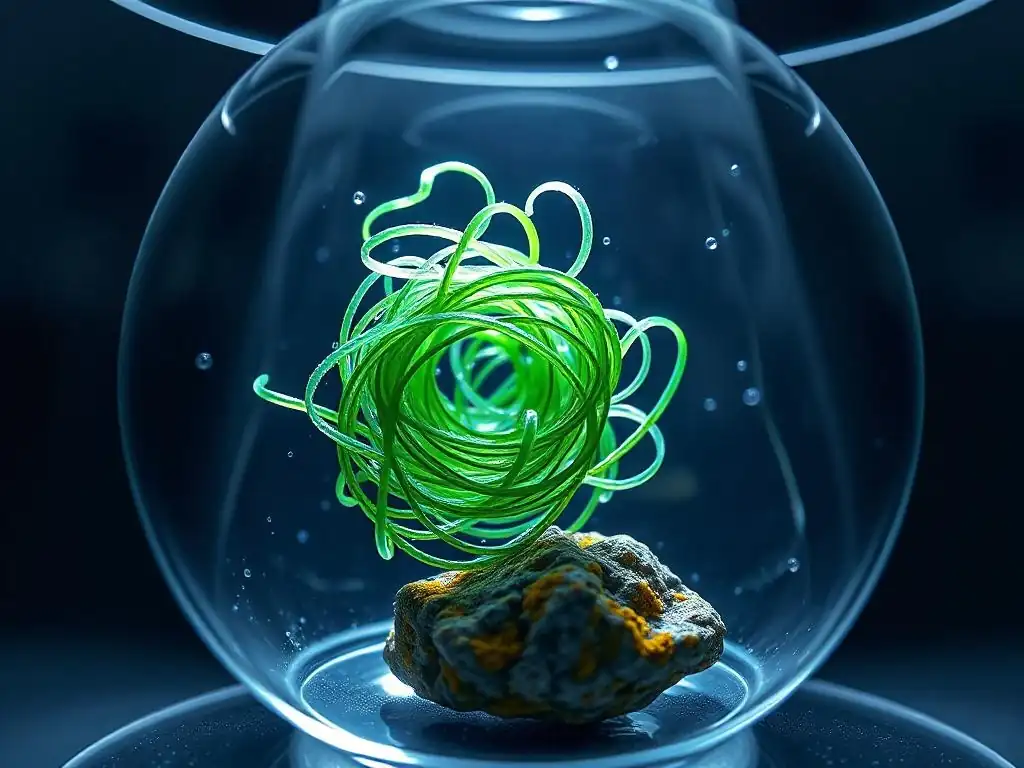
The effectiveness of spaghetti algae in a reef tank is directly proportional to the volume of Chaetomorpha you can cultivate and the flow through it. For a typical home aquarium, a dedicated refugium or reactor is essential. As a general guideline, for tanks up to 50 gallons, a refugium or reactor with an internal volume of 3 to 5 gallons, capable of holding a baseball to softball-sized clump of Chaetomorpha, is often sufficient. This allows for adequate space for the algae to grow and for water to flow through it efficiently.
For larger reef tanks, such as those ranging from 75 to 150 gallons, scaling up the refugium or reactor size is crucial. A 10 to 20-gallon refugium or a reactor designed to hold 1-2 liters of Chaetomorpha would be more appropriate. The goal is to provide enough biomass of Chaetomorpha linum to effectively process the nutrient load of your specific system. Overstocking or heavy feeding will necessitate a larger Chaetomorpha area to keep nitrates below 5 ppm and phosphates below 0.05 ppm consistently.
Essential Equipment for a Successful Chaetomorpha Setup
To establish a successful Chaetomorpha setup, whether in a refugium or a dedicated reactor, several key pieces of equipment are necessary. Firstly, the refugium itself, often a compartment within a sump, needs to be isolated from the main display to prevent the spaghetti algae from migrating. If using a reactor, it should be plumbed in-line or fed by a dedicated pump. Secondly, a small, reliable water pump is required to ensure a consistent flow of nutrient-rich water through the Chaetomorpha, ideally providing a turnover rate of 5-10 times the refugium volume per hour to maximize nutrient exchange.
The third, and arguably most critical, piece of equipment is appropriate lighting. While standard aquarium lights may suffice for some refugia, dedicated LED grow lights designed for macroalgae, typically in the 6500K to 9000K daylight spectrum or with a strong red/blue spectrum, are highly recommended for optimal Chaetomorpha algae reef tank growth. These lights should be positioned directly over the Chaetomorpha chamber, and a timer is essential for maintaining a consistent photoperiod, often set to a reverse daylight cycle to help stabilize pH fluctuations throughout the day.
Lighting Requirements for Optimal Spaghetti Algae Growth
Optimal growth of spaghetti algae in a reef tank hinges significantly on providing the correct lighting. Chaetomorpha thrives under full-spectrum LED lights, particularly those with a strong emphasis on the red (620-680nm) and blue (440-470nm) wavelengths, which are most efficiently utilized for photosynthesis by green macroalgae. Many aquarists find success with dedicated refugium lights or simple, inexpensive LED floodlights in the 6500K to 9000K color temperature range, positioned approximately 6-12 inches above the Chaetomorpha mass.
The photoperiod is equally important for promoting vigorous Chaetomorpha linum growth and nutrient export. A common practice is to run the refugium light on a reverse daylight photoperiod, typically 12-18 hours per day, opposite to the main display tank's lighting schedule. This strategy helps stabilize the reef tank's pH by having the Chaetomorpha photosynthesize and consume CO2 when the main display is dark, mitigating the natural pH drop that occurs at night due to respiration from corals and fish. Aim for a PAR (Photosynthetically Active Radiation) value of around 50-100 at the surface of the Chaetomorpha for robust growth.
Planting and Initial Care of Chaetomorpha Algae
Preparing Chaetomorpha for Your Reef Tank Environment
Once you acquire a fresh clump of spaghetti algae for your reef tank, a few preparatory steps can ensure a smooth transition and optimal growth. First, gently rinse the Chaetomorpha in clean, dechlorinated saltwater (or tank water) to remove any loose debris, detritus, or potential hitchhikers. While Chaetomorpha is generally robust, this quick rinse helps minimize the introduction of unwanted organisms or excess organic matter into your refugium or reactor.
Next, inspect the Chaetomorpha carefully for any signs of pests, such as small crabs, parasitic snails, or undesirable microalgae that might be clinging to the strands. If you find any, manually remove them. While uncommon, it's a good practice to ensure you're only introducing the beneficial Chaetomorpha linum into your system. Once cleaned, the Chaetomorpha is ready for placement in its designated area within your spaghetti algae reef tank setup.
Placement Strategies for Effective Nutrient Export
The placement of spaghetti algae within your refugium or reactor is crucial for maximizing its nutrient export capabilities. In a traditional refugium, the Chaetomorpha should be loosely packed into a ball or allowed to tumble gently with the water flow. This ensures that all strands receive adequate light and are exposed to nutrient-rich water, preventing dead spots where detritus can accumulate. Avoid compacting the algae too tightly, as this can restrict water flow and light penetration to the inner mass, leading to die-off.
For a Chaetomorpha reactor, the design typically dictates the placement, but the principle remains the same: ensure even water distribution and light exposure. Most reactors are designed to tumble the Chaetomorpha or allow water to flow through it efficiently. The goal is to provide a consistent, moderate flow that prevents the algae from settling and becoming stagnant, while also not being so strong that it damages the delicate strands. Effective placement ensures the Chaetomorpha algae reef tank system operates at peak efficiency for nutrient removal.
Acclimation Process for New Chaetomorpha Algae
Unlike sensitive corals or fish, spaghetti algae generally requires minimal acclimation when introduced to a new reef tank environment. As long as the water parameters in your refugium or reactor are within the typical ranges for a healthy saltwater aquarium (salinity 1.023-1.026, temperature 75-80°F, pH 7.8-8.4), Chaetomorpha will typically adapt quickly. There's no need for drip acclimation or slow introduction.
Simply place the prepared Chaetomorpha directly into its designated lit chamber. The key is to ensure it immediately receives adequate light and flow. Within a few days, you should observe signs of active growth, indicating that the Chaetomorpha linum has successfully acclimated and begun its vital role in nutrient export for your spaghetti algae reef tank. If growth is slow after a week or two, reassess your lighting intensity, photoperiod, and water flow to optimize conditions.
Maintaining a Healthy Chaetomorpha Culture in Your Reef Tank
Water Parameter Monitoring for Optimal Growth
Maintaining optimal water parameters is crucial for a thriving spaghetti algae culture in your reef tank. While Chaetomorpha is robust, consistent monitoring of key parameters ensures it continues to grow vigorously and export nutrients effectively. Regularly test your nitrates (NO3) and phosphates (PO4); if these levels drop too low (e.g., nitrates consistently below 1-2 ppm or phosphates below 0.01 ppm), the Chaetomorpha's growth rate may slow down significantly due to nutrient starvation. In such cases, you might need to adjust feeding or reduce the Chaetomorpha biomass.
Beyond primary nutrients, Chaetomorpha also consumes alkalinity, calcium, and magnesium, albeit at much lower rates than corals. However, in heavily stocked systems with large Chaetomorpha cultures, it's prudent to monitor these parameters as well. For example, if you notice a slight dip in alkalinity that can't be attributed to coral growth, your Chaetomorpha algae reef tank biomass might be a contributing factor. Ensuring these parameters remain stable within typical reef tank ranges (e.g., alkalinity 7-11 dKH, calcium 400-450 ppm, magnesium 1250-1350 ppm) will support both your corals and your beneficial macroalgae.
Regular Trimming and Harvesting of Spaghetti Algae
One of the most important maintenance tasks for a spaghetti algae reef tank is regular trimming and harvesting of the Chaetomorpha. As the algae grows, it absorbs nutrients from the water, effectively locking them into its biomass. To export these nutrients from your system, you must physically remove a portion of the Chaetomorpha. The frequency of harvesting depends on your tank's nutrient load and the growth rate of your algae, but typically ranges from weekly to bi-weekly.
When harvesting, simply remove a portion of the Chaetomorpha mass, usually about 20-30% of its total volume, or enough to maintain a consistent size that fits comfortably in your refugium or reactor. This practice not only exports trapped nutrients but also encourages new, vigorous growth, ensuring the Chaetomorpha linum remains highly efficient. Neglecting to harvest can lead to the Chaetomorpha becoming too dense, reducing internal flow and light, potentially causing portions of it to die off and release absorbed nutrients back into the water.
Preventing Chaetomorpha Algae Die-Off and Addressing Issues
While Chaetomorpha is generally hardy, die-off can occur if conditions are not optimal, leading to the release of absorbed nutrients back into your spaghetti algae reef tank. Common causes of die-off include insufficient lighting, extremely low nutrient levels (starvation), poor water flow leading to stagnant areas, or sudden drastic changes in water parameters like temperature or salinity. If you notice portions of your Chaetomorpha turning white or brown and disintegrating, it's a clear sign of stress.
To prevent die-off, ensure consistent, adequate lighting and a stable photoperiod. Verify that water flow through the Chaetomorpha is sufficient to prevent detritus buildup and provide even nutrient distribution. If nutrient levels in your main tank drop too low, consider temporarily reducing the amount of Chaetomorpha or increasing feeding slightly to provide enough "fuel" for its growth. Addressing these issues promptly will ensure your Chaetomorpha algae reef tank continues to benefit from its nutrient export capabilities.
Troubleshooting Common Problems with Chaetomorpha
Identifying and Treating Algae Blooms Affecting Chaetomorpha
Even with a robust spaghetti algae reef tank setup, you might occasionally encounter nuisance algae blooms attempting to colonize your Chaetomorpha. These can include diatoms (brown film), dinoflagellates (slimy brown or gold strands), or cyanobacteria (red or blue-green slime algae). These undesirable algae compete with Chaetomorpha for light and nutrients, potentially stifling its growth and reducing its effectiveness. Identifying the specific type of nuisance algae is the first step in treatment.
Treatment typically involves manually removing as much of the nuisance algae as possible from the Chaetomorpha mass. Concurrently, you must address the underlying causes, which are almost always related to excess nutrients (nitrates and phosphates) or imbalances in the Redfield ratio. Ensure your harvesting schedule is optimized, check your RODI water for contaminants, and verify your lighting spectrum and intensity are appropriate for Chaetomorpha linum and not inadvertently promoting nuisance algae. Improving flow within the refugium can also help prevent detritus accumulation that fuels undesirable growths.
Addressing Nutrient Deficiencies in Your Reef Tank
While Chaetomorpha is prized for its ability to reduce nutrients, an unforeseen problem can arise when nutrient levels become too low. If nitrates consistently drop below 1 ppm and phosphates fall below 0.01 ppm, the spaghetti algae itself can begin to show signs of nutrient deficiency, such as slowed growth, paling of color, or even partial die-off. This scenario, often referred to as "nutrient limitation," can paradoxically lead to issues for corals, as some soft corals and LPS corals thrive with trace amounts of nitrates and phosphates.
To address nutrient deficiencies, the simplest solution is to reduce the amount of Chaetomorpha biomass in your refugium by harvesting a larger portion, or temporarily pausing harvesting. You might also consider slightly increasing your feeding regimen for fish and corals, or even dosing small, controlled amounts of nitrate and phosphate supplements if your system is ultra-low nutrient (ULNS). The goal is to find a balance where the Chaetomorpha algae reef tank system effectively exports excess nutrients without completely starving the macroalgae or other tank inhabitants.
Dealing with Pests and Predation on Chaetomorpha
While Chaetomorpha is generally unpalatable to most common reef tank inhabitants, occasional pests or specific grazers can impact its health and growth. Certain types of snails, particularly those introduced as hitchhikers on live rock or corals, might graze on Chaetomorpha. Some species of sea hares, while beneficial for nuisance algae control in the display, might also show an interest in spaghetti algae. Large populations of amphipods, while mostly beneficial, can sometimes consume Chaetomorpha if their primary food sources are limited.
Prevention is key: always inspect any new additions to your reef tank, including live rock or corals, for unwanted hitchhikers before introducing them. If you suspect predation, observe your refugium inhabitants closely. For persistent grazers, manual removal is often the most effective solution. In extreme cases, temporarily isolating the Chaetomorpha or the offending grazer might be necessary to allow your Chaetomorpha linum to recover and continue its vital role in your spaghetti algae reef tank.
Propagating Chaetomorpha Algae for Continued Reef Tank Benefits
Simple Methods for Expanding Your Chaetomorpha Culture
One of the most appealing aspects of spaghetti algae for reef tank enthusiasts is its ease of propagation. Chaetomorpha reproduces asexually, meaning you don't need male and female plants or specific conditions for it to multiply. The simplest and most common method for expanding your Chaetomorpha culture is by simple division. As your Chaetomorpha ball grows and becomes dense, you can easily pull apart a portion of the mass.
This harvested portion can then be used to start a new culture in another section of your sump or a separate reactor, or it can be given away to fellow aquarists. There are no complex procedures, special hormones, or intricate cutting techniques required. As long as the newly divided portion receives adequate light and flow, it will continue to grow and contribute to nutrient export, ensuring a continuous supply of beneficial Chaetomorpha linum for your spaghetti algae reef tank.
Given its rapid growth rate under optimal conditions, a thriving spaghetti algae reef tank will inevitably produce excess Chaetomorpha that needs to be harvested regularly to maintain nutrient export efficiency. This excess biomass presents a fantastic opportunity for aquarists to engage with the wider community. Instead of simply discarding the harvested algae, you can easily share or even sell the surplus.
Many local fish stores are often willing to purchase or trade healthy Chaetomorpha, as it's a popular item for new and experienced hobbyists alike. Alternatively, online reef forums and local aquarium club meetings are excellent venues for sharing your excess Chaetomorpha linum with other aquarists who are looking to establish or bolster their own refugiums. This practice not only helps other hobbyists but also promotes sustainable aquaculture within the reef keeping community, reducing the reliance on wild-collected specimens.
Advanced Techniques for Maximizing Chaetomorpha Growth
Using Supplemental Iron and Trace Elements
While the primary "food" for spaghetti algae in a reef tank is nitrates and phosphates, like all photosynthetic organisms, Chaetomorpha also utilizes a range of trace elements for optimal growth. Iron is particularly crucial for robust macroalgae development, playing a key role in chlorophyll production and photosynthetic efficiency. If your reef tank is ultra-low nutrient (ULNS) or your Chaetomorpha growth seems sluggish despite adequate nitrates and phosphates, a deficiency in iron or other trace elements might be the culprit.
Dosing a high-quality marine iron supplement or a comprehensive trace element solution formulated for reef tanks can significantly boost Chaetomorpha linum growth. However, it's critical to dose sparingly and monitor your parameters, as excessive iron can contribute to the growth of undesirable dinoflagellates. For a 100-gallon system, a typical starting dose might be a few drops of an iron supplement weekly, adjusted based on observed Chaetomorpha growth and nuisance algae presence. Consistent trace element levels, maintained by regular water changes or careful dosing, will ensure your Chaetomorpha algae reef tank functions at its peak.
Optimizing Flow and Circulation in the Refugium
Beyond lighting and nutrient availability, the optimization of water flow and circulation within the refugium or reactor is an advanced technique that can significantly enhance spaghetti algae growth and efficiency. Stagnant areas within the Chaetomorpha mass can lead to detritus accumulation and nutrient dead zones, hindering growth and potentially causing localized die-off. Conversely, excessively strong flow can damage the delicate strands or prevent the algae from forming a stable mass.
The ideal flow for Chaetomorpha linum is typically a gentle tumbling motion in a refugium, ensuring that all parts of the ball are exposed to light and fresh, nutrient-rich water. This can often be achieved with a small, low-flow pump or by strategically directing the sump return. For reactors, ensure the pump size is appropriate for the reactor's design to maintain consistent, even flow through the entire Chaetomorpha volume. Optimizing flow ensures maximum nutrient uptake and prevents the buildup of waste within your spaghetti algae reef tank filtration system.
The Role of Chaetomorpha in a Balanced Reef Ecosystem
Supporting Biodiversity and a Healthy Food Web
The inclusion of spaghetti algae in a reef tank extends far beyond simple nutrient export; it plays a pivotal role in supporting overall biodiversity and fostering a healthy food web. The dense, intricate structure of a thriving Chaetomorpha ball provides an invaluable habitat for a myriad of beneficial microfauna, including various species of copepods (e.g., Tisbe, Tigriopus) and amphipods. These tiny crustaceans find refuge from predation, ample surface area for grazing on detritus and microalgae, and an ideal environment for reproduction.
The continuous breeding and release of these microfauna from the refugium into the main display tank establish a natural, sustainable food source for a wide array of reef inhabitants. Fish species like mandarins ( Synchiropus splendidus), scooter blennies, seahorses, and even some wrasses rely heavily on these live foods, often failing to thrive on prepared foods alone. By cultivating Chaetomorpha linum, you are not just managing nutrients but actively enriching the diet of your sensitive fish and promoting a more robust, self-sustaining ecosystem within your spaghetti algae reef tank.
Chaetomorpha as a Sustainable Nutrient Management Solution
In the realm of modern reef keeping, there is a growing emphasis on sustainable and natural methods for maintaining water quality. Chaetomorpha algae stands out as an exemplary sustainable nutrient management solution. Unlike chemical filtration media, which often require frequent replacement and can contribute to waste, spaghetti algae offers a living, renewable, and eco-friendly alternative for controlling nitrates and phosphates.
The process of growing and harvesting Chaetomorpha linum is inherently sustainable. It consumes nutrients that would otherwise fuel undesirable algae, and when harvested, those nutrients are permanently removed from the system without the need for chemical additives or energy-intensive processes. This biological filtration method reduces reliance on synthetic products, minimizes waste, and contributes to a more stable and naturally balanced spaghetti algae reef tank environment, aligning perfectly with responsible aquarium husbandry practices.
Conclusion: Mastering Spaghetti Algae for a Thriving Reef
Mastering the cultivation and maintenance of Chaetomorpha, or "spaghetti algae," is an essential step for any serious reef tank enthusiast aiming for pristine water quality and a thriving ecosystem. From its unparalleled ability to naturally export nitrates and phosphates to its crucial role in fostering a robust population of beneficial microfauna, Chaetomorpha linum offers a multifaceted solution for common reef tank challenges. Its ease of care, non-invasive nature, and sustainable benefits make it a superior choice over many other filtration methods.
By understanding its specific lighting, flow, and nutrient requirements, and by consistently implementing regular harvesting practices, aquarists can harness the full potential of this remarkable macroalgae. Integrating spaghetti algae in your reef tank through a dedicated refugium or reactor not only leads to clearer water and healthier corals but also cultivates a more resilient and biodiverse aquatic environment. Embrace the power of Chaetomorpha, and you'll unlock a natural pathway to a truly thriving and sustainable reef aquarium.
Frequently Asked Questions
What exactly is "spaghetti algae" and why is it beneficial for a reef tank?
"Spaghetti algae," specifically Chaetomorpha, is a macroalgae prized for its ability to absorb excess nutrients like nitrates and phosphates, naturally filtering your reef tank and preventing unwanted algae blooms.
How do I grow Chaetomorpha successfully in my reef tank?
Chaetomorpha thrives with moderate to high lighting and good water flow. You can grow it in a refugium or directly in the display tank if properly managed to prevent it from spreading excessively.
What are the ideal water parameters for Chaetomorpha growth?
While adaptable, Chaetomorpha prefers a stable salinity (around 1.025 SG), a pH of 8.1-8.4, and sufficient levels of trace elements like iron. Regularly monitoring your water parameters is crucial.
How does Chaetomorpha help control other types of algae in a reef tank?
By outcompeting nuisance algae for essential nutrients, Chaetomorpha naturally inhibits their growth, promoting a healthier and more balanced reef ecosystem.
How often should I prune or harvest Chaetomorpha in my reef tank?
You should prune or harvest Chaetomorpha regularly, usually every 1-2 weeks, to remove the absorbed nutrients from the system and prevent it from becoming too dense and blocking light to other corals.
Final Reflection: Cultivating Harmony in the Reef
The journey into understanding and cultivating Chaetomorpha, or spaghetti algae, reveals more than just a method for nutrient control in reef tanks; it underscores the profound interconnectedness within these miniature ecosystems. The ability to effectively manage nitrates and phosphates through natural means, like Chaetomorpha, is increasingly crucial as we strive for sustainable and thriving reef environments. This isn't just about aesthetics; it's about fostering a balanced and resilient habitat for the diverse life within.
This exploration of Chaetomorpha has deeply resonated with the growing movement towards responsible reef keeping. Witnessing the vibrant health and stability that a well-maintained refugium, teeming with spaghetti algae, can bring to a reef tank is truly inspiring. It reminds us that even seemingly simple organisms play a vital role in the delicate balance of nature. In nature, nothing exists alone.
- Rachel Carson. This quote perfectly encapsulates the symbiotic relationships that underpin the success of a reef tank, and Chaetomorpha is a key player in this intricate dance.
As you embark on your own journey with Chaetomorpha, remember that you are not just growing algae; you are cultivating a healthier, more vibrant ecosystem. Take the knowledge you've gained, experiment with different techniques, and observe the subtle changes in your reef tank. Let the principles of balance and sustainability guide your actions, and you will be rewarded with a thriving reef that reflects your dedication and understanding. Embrace the challenge, and witness the transformative power of "spaghetti algae" in your own reef tank.
Revolutionize Your Reef: Embrace the Chaeto Challenge!
Thank you for diving into the world of Chaetomorpha! We hope you’ve found inspiration and valuable insights into harnessing the power of this amazing algae for a healthier reef tank. Now, let's put that knowledge into action and elevate your aquarium game!
- Start Your Own Chaeto Culture: Take the plunge and begin a small culture of Chaetomorpha in your sump or refugium. Witness firsthand how it transforms your nutrient control!
- Explore other macroalgae: Research other beneficial macroalgae species that can complement Chaeto, such as Caulerpa or Gracilaria, to further diversify your reef's ecosystem.
- Share Your Chaeto Success: Post pictures of your thriving Chaetomorpha and share your growing tips on your favorite reefing forum!
What unique method will you use to maximize Chaetomorpha's growth and nutrient export in your reef tank this month?