
Planting Carpeting Plants: Techniques for Rapid, Even Growth

Welcome to Aquarium Mastery!
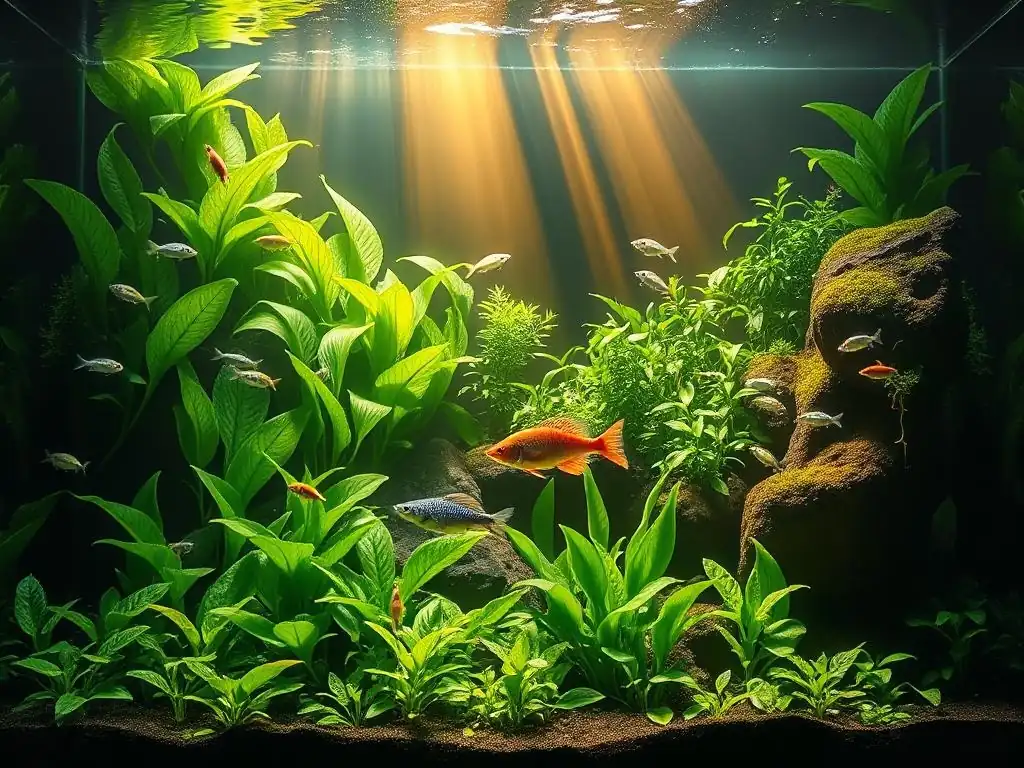
Ever dreamed of a lush, vibrant carpet of green swaying gently in your aquarium? Achieving fast carpeting plant growth can seem like a daunting task, but it's absolutely within reach! Dive into our comprehensive guide and unlock the secrets to creating a stunning underwater meadow. Ready to transform your tank? Let's get started!
- Achieving Fast Carpeting Plant Growth in Freshwater Aquariums
- Essential Techniques for Planting Carpeting Plants
- Maximizing Carpeting Plant Growth Rate
- Maintaining a Healthy Carpeting Plant Environment
- Troubleshooting Common Carpeting Plant Problems
- Advanced Techniques for Carpeting Plant Propagation
- Fast Carpeting Plant Growth: Long-Term Care and Maintenance
-
Frequently Asked Questions
- How can I ensure fast carpeting plant growth in my aquarium?
- What type of substrate is best for carpeting plants?
- How important is CO2 injection for carpeting plants?
- What light intensity is recommended for carpeting plants?
- How frequently should I perform water changes when growing carpeting plants?
- Final Reflection: Cultivating a Living Tapestry
- Unleash Your Aquascaping Potential!
Achieving Fast Carpeting Plant Growth in Freshwater Aquariums
Understanding Carpeting Plants and Their Growth Habits
Carpeting plants are a beloved category of aquatic flora specifically cultivated to form a dense, low-growing foreground in freshwater aquariums. Their primary characteristic is their horizontal growth habit, achieved through various mechanisms such as sending out runners, developing rhizomes, or forming compact rosettes that spread across the substrate. This creates a lush, natural-looking "lawn" effect that significantly enhances the aesthetic appeal of an aquascape, providing a serene and vibrant underwater landscape. Beyond their beauty, carpeting plants offer biological benefits, stabilizing the substrate, providing excellent refuge for small fish and fry, and contributing to oxygenation during the day.
Examples of popular carpeting plants include Glossostigma elatinoides, which is known for its rapid runner production under optimal conditions, and Micranthemum tweediei (commonly known as Monte Carlo), which forms dense, compact mats. Other species like Eleocharis parvula (Dwarf Hairgrass) create a fine, grass-like texture. Achieving fast carpeting plant growth with these species requires a deliberate approach to environmental conditions, as they are often more demanding than typical stem plants. Their ability to spread quickly and cover the substrate is highly dependent on sufficient light, CO2, and nutrient availability.
Selecting the Right Carpeting Plant Species for Your Aquarium
Selecting the appropriate carpeting plant species is the foundational step towards achieving a lush and thriving foreground. This decision should be guided by several factors, including your aquarium's size, the intensity of your lighting system, your willingness to invest in CO2 injection, and your overall experience level in planted tank husbandry. Each species has unique requirements, and matching these with your setup is crucial for successful establishment and, ultimately, fast carpeting plant growth.
For instance, while a plant like Hemianthus callitrichoides 'Cuba' (HC Cuba) can create an incredibly dense, fine carpet, it is notoriously demanding, requiring very high light and consistent CO2. In contrast, Monte Carlo offers a more forgiving option, capable of good growth under medium-high light and CO2, making it accessible to a broader range of aquarists seeking fast carpeting plant growth without extreme measures. Understanding these nuances will prevent frustration and pave the way for a vibrant aquascape.
Popular Fast-Growing Carpeting Plants for Beginners
For aquarists aiming for fast carpeting plant growth without excessive complexity, several species stand out due to their relatively robust nature and impressive spread rates. Micranthemum tweediei 'Monte Carlo' is an excellent choice, known for its ability to form dense, bright green carpets. It spreads readily via runners and can adapt to a range of lighting conditions from medium to high, though optimal fast carpeting plant growth is achieved with higher light and CO2 supplementation. Many aquarists report significant spread within 4-6 weeks under ideal conditions.
Another popular option is Eleocharis parvula, commonly known as Dwarf Hairgrass. This plant creates a beautiful, natural-looking grass carpet and spreads vigorously through underground runners when provided with high light and CO2. While it might take slightly longer than Monte Carlo to form a complete carpet, its resilience and aesthetic appeal make it a top contender for those desiring fast carpeting plant growth. Even Glossostigma elatinoides, though more demanding, offers incredibly fast growth under very high light and consistent CO2, often covering a substrate in just a few weeks.
Considering Lighting and CO2 Requirements for Different Species
The success of fast carpeting plant growth hinges significantly on providing adequate lighting and carbon dioxide (CO2). Plants like Glossostigma elatinoides and Hemianthus callitrichoides 'Cuba' are considered high-demand species, thriving under intense lighting, typically requiring Photosynthetically Active Radiation (PAR) levels often exceeding 50-60 µmol/m²/s at the substrate level, coupled with consistent CO2 injection to achieve their characteristic rapid spread. Without these conditions, they tend to melt, stunt, or grow leggy.
In contrast, plants such as Micranthemum tweediei 'Monte Carlo' are more adaptable. While they certainly benefit from high light (40-50 µmol/m²/s PAR) and CO2 for optimal fast carpeting plant growth, they can still establish and slowly spread in medium-light setups with liquid carbon supplements, though the carpet will be less dense and growth significantly slower. Understanding these specific needs for each species is paramount; attempting to grow a high-demand carpet plant in a low-tech setup will invariably lead to disappointment and hinder any hope of fast carpeting plant growth.
Essential Techniques for Planting Carpeting Plants
Preparing Your Aquarium Substrate for Carpeting Plants
The substrate is more than just a base for your aquascape; it's the foundation for your carpeting plants' root systems and a crucial reservoir for essential nutrients. Proper substrate preparation is paramount for ensuring strong root development, which directly translates to robust and fast carpeting plant growth. A well-chosen and enriched substrate provides the stable environment and nutrient access that these foreground plants require to spread effectively.
Ignoring substrate quality can lead to stunted growth, nutrient deficiencies, and plants that struggle to anchor themselves, ultimately hindering your goal of a dense, fast carpeting plant growth. Investing time and resources into this initial step will yield significant returns in the long-term health and vibrancy of your planted carpet.
Choosing the Right Substrate for Optimal Root Development
For optimal root development and to encourage fast carpeting plant growth, the choice of substrate is critical. Active substrates, often referred to as aquasoils (e.g., ADA Aqua Soil Amazonia, Fluval Stratum, Tropica Aquarium Soil), are highly recommended. These specialized soils are typically clay-based, rich in organic acids and essential nutrients like nitrogen, phosphorus, and potassium, which are slowly released to the plant roots.
Their granular structure provides excellent aeration and allows roots to penetrate easily, promoting strong anchoring and vigorous growth. ADA Aqua Soil, for instance, is renowned for its ability to lower and buffer pH to a slightly acidic range (around 6.0-6.8), which is ideal for many fast-growing carpeting plants and nutrient availability.
While inert substrates like fine sand or gravel can be used, they offer no nutritional value. If opting for an inert substrate, it is absolutely necessary to supplement with nutrient-rich base layers (e.g., ADA Power Sand, Seachem Flourish Tabs) beneath the main substrate, and to regularly dose root tabs. Without these additions, plants will struggle to obtain the necessary nutrients from the water column alone, significantly impeding fast carpeting plant growth and overall plant health.
Substrate Enrichment: Adding Fertilizers and Nutrients
To further bolster the nutritional foundation for fast carpeting plant growth, substrate enrichment is a vital step. Root tabs are a popular and effective method for delivering slow-release nutrients directly to the plant roots.
These small capsules, containing a balanced blend of macro (NPK) and micronutrients, are typically inserted into the substrate near the base of the plants, usually every 3 to 6 months depending on the product and plant density. For example, Seachem Flourish Tabs or API Root Tabs provide a sustained supply of essential elements like iron, manganese, and potassium, which are critical for preventing deficiencies in established carpets.
Beyond root tabs, a nutrient-rich base layer can be incorporated during the initial setup. Products like ADA Power Sand or Tropica Plant Growth Substrate are designed to be laid beneath the main aquasoil layer. These base layers often contain porous volcanic rock, peat, and various nutrients, providing a long-term reservoir that supports robust root systems and encourages exceptionally fast carpeting plant growth from the outset. This layered approach ensures that plants have access to a comprehensive nutrient profile both from the water column and directly from the substrate.
Optimal Planting Methods for Carpeting Plants
The method by which you plant your carpeting plants significantly influences their initial establishment and subsequent ability to achieve fast carpeting plant growth. Proper planting techniques minimize stress on the plants and ensure they can quickly anchor themselves, preventing them from floating away or struggling to access nutrients. Two primary methods are widely employed: the dry start method and traditional submerged planting, each with its own advantages.
Choosing the right method depends on the specific plant species, your desired timeline, and your comfort level with different setup procedures. Regardless of the chosen technique, precision and care during planting are crucial for a successful and rapidly spreading carpet.
The Dry Start Method: Promoting Initial Growth
The Dry Start Method (DSM) is an exceptionally effective technique for promoting robust initial growth and strong root development in carpeting plants, significantly contributing to fast carpeting plant growth once the tank is flooded. In this method, the aquarium is set up with substrate and plants, but no water is added initially.
Instead, the substrate and plants are kept consistently moist by misting daily, and the tank is covered to maintain high humidity. This emersed environment provides plants with an abundant supply of atmospheric CO2, which is far more accessible than dissolved CO2 in water, leading to explosive initial growth.
Typically, the DSM is maintained for 4 to 8 weeks, or until the plants have developed a dense root system and started to spread significantly. For instance, Monte Carlo or Dwarf Hairgrass can form a substantial carpet within 6-8 weeks using this method. The benefits include virtually no algae during the initial phase, stronger plant establishment, and a considerable head start on fast carpeting plant growth. Once flooded, the established root systems help the plants transition smoothly and continue their rapid spread.
Traditional Planting Techniques: Individual Planting vs. Mat Planting
For traditional submerged planting, two main approaches are used: individual planting and mat planting. Individual planting involves carefully separating the plant into small clumps or individual stems and using tweezers to insert them into the substrate. For instance, a pot of Monte Carlo might be divided into 15-20 small pieces, each containing a few leaves and roots, then planted approximately 1 inch apart.
This method allows for precise spacing and ensures each plantlet has access to light and nutrients, encouraging lateral growth and fast carpeting plant growth as runners spread. It is particularly effective for plants that propagate via runners, such as Dwarf Hairgrass or Glossostigma.
Mat planting, on the other hand, involves purchasing carpeting plants pre-grown on mesh mats or coco fiber. These mats are simply laid directly onto the substrate and can be secured with planting weights or small rocks. This offers instant coverage and is less labor-intensive initially.
However, it's crucial to ensure the roots on the mat make good contact with the substrate to allow for proper anchoring and nutrient uptake. While providing immediate visual impact, mat-grown plants may take slightly longer to fully integrate their roots into the substrate compared to individually planted specimens, potentially delaying optimal fast carpeting plant growth.
Ensuring Even Carpeting Plant Coverage
Achieving an even and seamless carpet is a hallmark of a well-executed aquascape. Beyond merely planting, strategic spacing and consistent maintenance are key to ensuring that your carpeting plants spread uniformly across the substrate. Uneven coverage can lead to patchy areas, where some plants thrive while others struggle, detracting from the overall aesthetic and hindering the goal of a dense, fast carpeting plant growth.
By understanding the growth habits of your chosen species and applying specific trimming techniques, you can actively guide the plants to fill in gaps and maintain a consistent, lush appearance. This proactive approach is essential for transforming individual plantlets into a cohesive, vibrant green foreground.
Spacing and Density Considerations for Planting
The initial spacing of your carpeting plants is a critical factor in determining how quickly and evenly your carpet will fill in. For species that spread by runners, such as Monte Carlo or Dwarf Hairgrass, planting smaller clumps closer together will significantly accelerate coverage. A common recommendation for Monte Carlo is to plant dime-sized portions about 1 inch (2.5 cm) apart, or even closer at 0.5 inches (1.25 cm) for very fast carpeting plant growth. For Dwarf Hairgrass, individual 0.5-inch clumps can be planted every 0.5-0.75 inches (1.25-1.9 cm).
While it might seem counterintuitive to plant so densely, this strategy ensures that the plants quickly establish a network of runners that intertwine, creating a strong, cohesive mat. Denser initial planting reduces the amount of time it takes for the carpet to completely cover the substrate, leading to a much faster carpeting plant growth and a more uniform final appearance. Sparse planting, conversely, will result in a longer fill-in period and potentially patchy growth.
Trimming and Pruning for Horizontal Growth
Regular trimming and pruning are indispensable techniques for encouraging horizontal growth and achieving a dense, lush carpet. Many carpeting plants, if left untrimmed, will tend to grow vertically in an attempt to reach the light, leading to a "shaggy" or uneven appearance and potentially shading out lower leaves, causing them to melt. By consistently trimming the top 30-50% of the carpet, you effectively encourage the plant to divert its energy into producing more runners and side shoots, thus promoting lateral expansion and a thicker, more compact mat.
For instance, trimming Monte Carlo every 2-4 weeks with sharp, curved scissors will stimulate new growth from the base and along the runners, leading to a denser carpet. Similarly, Dwarf Hairgrass benefits from regular "haircuts," which encourage new blades to emerge and the carpet to thicken. This consistent pruning not only maintains the desired low profile but also ensures that light penetrates evenly to the entire carpet, supporting continuous fast carpeting plant growth across the entire foreground.
Maximizing Carpeting Plant Growth Rate
Achieving truly fast carpeting plant growth transcends mere survival; it demands an optimized environment where every element works in harmony. Light, CO2, and nutrient availability are the triumvirate that fuels photosynthesis, the very engine of plant growth. When these factors are precisely tuned, carpeting plants can exhibit explosive growth rates, transforming sparse plantings into a verdant lawn in a matter of weeks.
Understanding the specific needs of your chosen species and tailoring your setup accordingly is the key to unlocking their full growth potential. This section delves into the critical parameters and advanced techniques necessary to push your carpeting plants to their peak performance, ensuring a rapid and stunning transformation of your aquascape.
Optimizing Lighting for Fast Carpeting Plant Growth
Lighting is the primary energy source for photosynthesis, making its optimization critical for achieving fast carpeting plant growth. Not all light is created equal for plants; what matters most is the quality, intensity, and duration of the light spectrum. Understanding key metrics like PAR and selecting appropriate fixtures are fundamental steps in providing the necessary energy for vigorous plant development.
An under-lit tank will result in slow, leggy growth, or even melting, regardless of other conditions. Conversely, too much light without adequate CO2 and nutrients can trigger severe algae outbreaks. Finding the right balance is essential for driving efficient photosynthesis and robust growth.
Understanding PAR (Photosynthetically Active Radiation)
PAR, or Photosynthetically Active Radiation, is the most accurate metric for measuring the light intensity that plants can actually use for photosynthesis. Unlike lumens or watts, which measure light perceived by the human eye or electrical consumption, PAR quantifies the amount of light in the 400-700 nanometer spectrum. For fast carpeting plant growth, particularly with demanding species like Glossostigma elatinoides or Hemianthus callitrichoides 'Cuba', a PAR value of 50-80 µmol/m²/s at the substrate level is often targeted.
You can measure PAR using a specialized PAR meter, such as an Apogee MQ-500. While these meters can be an investment, they provide invaluable data for precisely tuning your lighting. For example, if your PAR meter reads 30 µmol/m²/s at the substrate, you might need to increase your light intensity or lower your fixture to reach the optimal 60 µmol/m²/s for very fast carpeting plant growth. Without a PAR meter, you rely on general guidelines, which can be less precise but still effective for many setups.
Choosing the Right Light Spectrum and Intensity
For fast carpeting plant growth, selecting the right light spectrum and intensity is paramount. Full-spectrum LED lights, typically with a color temperature ranging from 6500K to 8000K, are ideal as they provide the necessary wavelengths for robust photosynthesis. Lights optimized for planted aquariums often include additional red and blue LEDs to enhance specific growth processes and color rendition. The intensity of your light fixture should be adjustable, preferably with dimming capabilities, to allow fine-tuning.
High-quality LED fixtures like Chihiros WRGB II, Twinstar E-Series, or ADA Aquasky are popular choices among aquascapers for their ability to deliver high PAR values and excellent spectrum. For instance, a Chihiros WRGB II can provide over 80 PAR at the substrate in a 12-inch deep tank, sufficient for even the most demanding carpets. A typical photoperiod of 8-10 hours per day is recommended; exceeding this can lead to algae issues. Properly calibrated light intensity is crucial for driving fast carpeting plant growth without overwhelming the system.
CO2 Injection: Boosting Photosynthesis and Growth
Carbon dioxide (CO2) is arguably the single most important factor for achieving truly fast carpeting plant growth in a high-tech planted aquarium. Plants utilize CO2 as a primary raw material for photosynthesis, converting light energy into sugars for growth. In a closed aquarium environment, ambient CO2 levels are often insufficient to support vigorous plant growth, especially for demanding carpeting species. Injecting supplemental CO2 significantly boosts this process, leading to dramatically accelerated growth rates and denser foliage.
Without adequate CO2, even the best lighting and fertilization will yield suboptimal results, as CO2 often becomes the limiting factor. Implementing a reliable CO2 injection system is a cornerstone of advanced planted tank husbandry and essential for maximizing the growth potential of your carpet.
Setting Up a CO2 System for Your Planted Tank
Setting up a CO2 injection system for your planted tank is a crucial step towards achieving fast carpeting plant growth. A typical system comprises several key components: a pressurized CO2 cylinder (e.g., a 5lb or 10lb tank, which can last several months for a medium-sized tank), a high-quality regulator with a solenoid valve (to automatically turn CO2 on/off with your lights), a bubble counter (to monitor the CO2 dosing rate), a check valve (to prevent water from siphoning back into the regulator), and a diffuser (to dissolve CO2 bubbles into the water).
Ceramic diffusers are common for smaller tanks, while inline diffusers or reactors are often preferred for larger setups (e.g., 50+ gallons) for better diffusion efficiency.
Proper installation ensures consistent and safe CO2 delivery. For instance, a 5lb CO2 cylinder might last approximately 3-4 months on a 50-gallon tank dosing at 2-3 bubbles per second for 8 hours a day. Investing in reliable equipment is important for stability, which directly impacts the consistency of fast carpeting plant growth.
Maintaining Proper CO2 Levels
Maintaining stable and optimal CO2 levels is vital for promoting fast carpeting plant growth and preventing stress on both plants and fish. The ideal concentration for most planted tanks is between 25-35 parts per million (ppm).
This level can be monitored using a CO2 drop checker, a small glass bulb containing a pH-sensitive indicator solution that changes color based on dissolved CO2: blue indicates too low CO2, green is optimal, and yellow signifies dangerously high levels. Adjustments to the bubble rate (e.g., increasing from 1 bubble per second to 3 bubbles per second for a 20-gallon tank) should be made gradually, over several hours or days, while observing the drop checker and fish behavior.
It's important to turn off CO2 injection during the night using a solenoid valve, as plants do not photosynthesize in the dark and will only respire, consuming oxygen and potentially harming fish. A consistent CO2 level throughout the photoperiod minimizes fluctuations that can stunt growth or trigger algae, thereby ensuring steady and fast carpeting plant growth.
Fertilization Strategies for Lush Carpeting Plants
Even with optimal light and CO2, plants cannot achieve their full potential without a balanced supply of essential nutrients. Fertilization strategies are designed to provide the necessary macro and micronutrients that plants absorb from the water column and substrate. Lush, fast carpeting plant growth depends on a consistent and appropriate nutrient regimen tailored to the demands of your specific plant species and lighting/CO2 levels.
Understanding the role of different nutrient groups and implementing a disciplined dosing schedule are key to preventing deficiencies, promoting vibrant colors, and ensuring a dense, healthy carpet. Without proper fertilization, even the most demanding plants will struggle, leading to pale leaves, stunted growth, and susceptibility to algae.
Macro and Micro Nutrient Requirements
For fast carpeting plant growth, aquatic plants require a comprehensive array of both macro and micronutrients. Macronutrients, needed in larger quantities, include Nitrogen (N), Phosphorus (P), and Potassium (K) – often referred to as NPK. Nitrogen is crucial for leafy growth; a deficiency often manifests as yellowing of older leaves. Phosphorus is vital for root development and energy transfer; stunted growth and dark green leaves can indicate a lack. Potassium is essential for overall plant health, photosynthesis, and disease resistance; pinholes or yellowing edges are common deficiency signs.
Micronutrients, though needed in smaller amounts, are equally critical. Iron (Fe) is perhaps the most important micronutrient for aquatic plants, vital for chlorophyll production; a deficiency leads to pale new growth (chlorosis). Other vital micronutrients include Manganese (Mn), Boron (B), Zinc (Zn), Copper (Cu), and Molybdenum (Mo), each playing specific roles in plant metabolic processes. Ensuring a balanced supply of all these elements is fundamental for robust and fast carpeting plant growth.
Liquid Fertilizer Dosing Schedules
Implementing a consistent liquid fertilizer dosing schedule is paramount for supporting fast carpeting plant growth, especially in high-tech setups. Two popular methods are the Estimative Index (EI) and the Perpetual Preservation System (PPS-Pro). The EI method involves "overdosing" nutrients to ensure no deficiencies, followed by large weekly water changes (50% or more) to reset nutrient levels. For example, one might dose macronutrients (NPK) on Monday, Wednesday, Friday, and micronutrients (e.g., Seachem Flourish or Tropica Specialized Fertiliser) on Tuesday, Thursday, Saturday. This method is highly effective for achieving explosive fast carpeting plant growth in tanks with high light and CO2.
The PPS-Pro method, conversely, involves dosing smaller, more precise amounts of nutrients daily or every other day, aiming to match the plants' uptake more closely, thus requiring less frequent or smaller water changes. This system is often preferred for setups where large weekly water changes are impractical. Regardless of the method chosen, consistency is key. Skipping doses or inconsistent application can lead to nutrient imbalances, stunting growth, and potentially inviting algae, directly hindering your goal of fast carpeting plant growth.
Maintaining a Healthy Carpeting Plant Environment
Achieving fast carpeting plant growth is not a one-time setup but an ongoing process that requires diligent maintenance of the aquatic environment. A healthy and stable environment is crucial for sustained plant vigor and to prevent common issues that can derail your carpet's progress. This involves meticulous management of water parameters and proactive measures to keep algae at bay, ensuring that your plants remain the dominant life form in the aquarium.
Consistent attention to these aspects provides the stable foundation necessary for your carpeting plants to thrive, spread, and maintain their lush appearance over the long term. Neglecting these fundamental practices can quickly lead to plant health decline and increased maintenance challenges.
Water Parameter Management for Carpeting Plants
Maintaining optimal and stable water parameters is fundamental for the sustained health and fast carpeting plant growth. Fluctuations in hardness and pH can stress plants, making them susceptible to deficiencies or melting. While specific ideal ranges vary slightly by species, a consistent environment is almost always more beneficial than chasing absolute numbers.
Regular testing and minor adjustments are key to providing the stable chemical environment that allows your carpeting plants to thrive and reach their full potential. This proactive approach ensures that water chemistry supports, rather than hinders, the vibrant growth of your carpet.
Maintaining Optimal Water Hardness and pH
For most fast carpeting plant growth, maintaining optimal water hardness and pH is crucial. Carpeting plants generally prefer soft to moderately hard water, with a General Hardness (GH) range of 3-8 dGH (degrees of General Hardness) and a Carbonate Hardness (KH) range of 3-6 dKH (degrees of Carbonate Hardness). KH is particularly important as it acts as a buffer, stabilizing the pH and preventing drastic swings, especially when injecting CO2, which naturally lowers pH.
An ideal pH range for a planted tank with CO2 injection is often between 6.0 and 7.2. CO2 injection itself will cause a pH drop; for instance, a 1.0 pH drop from your un-gassed pH (e.g., from 7.5 to 6.5) often indicates optimal CO2 levels (around 30 ppm). Regularly monitoring GH, KH, and pH with reliable liquid test kits (e.g., API Master Test Kit) allows for minor adjustments, ensuring the water chemistry supports robust and fast carpeting plant growth without stressing the plants or fish.
Regular Water Changes and Nutrient Replenishment
Regular water changes are an indispensable part of maintaining a healthy environment for fast carpeting plant growth. While plants consume nutrients, they also release organic waste products, and over time, certain minerals can accumulate or become depleted. Weekly water changes of 25-50% are commonly recommended, especially for high-tech setups employing the Estimative Index (EI) dosing method. This not only removes accumulated nitrates and other waste products but also replenishes essential trace elements that might be depleted through plant uptake or filtration.
For instance, a 50% weekly water change in a 40-gallon tank replaces 20 gallons of water, ensuring a fresh supply of minerals. This routine helps prevent nutrient lockout, maintains a balanced nutrient profile, and introduces fresh carbonates and bicarbonates that contribute to water stability. Consistent water changes are a simple yet highly effective way to support vigorous and fast carpeting plant growth by maintaining pristine water quality.
Preventing Algae Growth in Carpeting Plant Tanks
Algae growth is a common frustration in planted aquariums, often signaling an imbalance in the delicate ecosystem. While a small amount of green spot algae is normal, excessive proliferation can outcompete your carpeting plants for light and nutrients, significantly hindering fast carpeting plant growth and marring the aesthetic of your aquascape. Algae typically thrive when there's an imbalance in light intensity, CO2 levels, or nutrient availability.
Proactive measures, including understanding common algae types and introducing natural algae eaters, are essential for maintaining a clean and vibrant carpet. A healthy, fast-growing plant carpet is often the best defense against algae, as robust plants outcompete these opportunistic organisms.
Identifying and Controlling Common Algae Types
Effectively preventing algae growth requires understanding common types and their underlying causes. Green Spot Algae (GSA), appearing as small, hard green dots, often indicates low phosphates or CO2, or excessive light. Green Dust Algae (GDA), a powdery film, can signal nutrient imbalances or inconsistent CO2. Hair Algae, long filamentous strands, typically arises from excess nutrients (nitrates/phosphates) or too much light. Black Beard Algae (BBA), a dark, fuzzy growth, is frequently linked to fluctuating or insufficient CO2 levels and poor water flow.
Controlling algae starts with addressing the root cause: optimize CO2 to 25-35 ppm, ensure consistent light duration (8-10 hours) and intensity, and balance nutrient dosing to prevent deficiencies or excesses. For example, if you see GSA, increasing phosphate dosing slightly (to 0.5-1.0 ppm) might help. Manual removal is also crucial; regular scraping of glass and trimming affected leaves reduces the algae biomass and allows your fast carpeting plant growth to dominate.
Introducing Algae-Eating Creatures
Introducing appropriate algae-eating creatures can be a valuable component of your algae prevention strategy, complementing proper husbandry to maintain a pristine carpet. Amano Shrimp ( Caridina multidentata) are highly regarded for their voracious appetite for various algae, including hair algae and even some types of BBA. A group of 5-10 Amano shrimp can significantly reduce algae in a 20-gallon tank. Otocinclus catfish are excellent for consuming diatoms and green spot algae from plant leaves and glass, typically thriving in groups of 3-5.
Nerite snails are superb at cleaning glass and hard surfaces, leaving behind distinctive egg clusters. Siamese Algae Eaters (SAE) are one of the few fish that will consume Black Beard Algae, though they can grow quite large (up to 6 inches) and may become less effective algae eaters as they mature. These creatures serve as a natural clean-up crew, helping to keep the carpet free from algae and allowing your fast carpeting plant growth to remain unhindered.
Troubleshooting Common Carpeting Plant Problems
Even with meticulous care, carpeting plants can sometimes exhibit signs of distress. Identifying these issues early and understanding their root causes is essential for maintaining a healthy and vibrant carpet. Problems like nutrient deficiencies, melting, discoloration, or detachment can quickly compromise the aesthetic and health of your foreground.
Effective troubleshooting involves keen observation, knowledge of common plant symptoms, and a systematic approach to adjusting environmental parameters. Addressing these challenges promptly ensures that your investment in fast carpeting plant growth continues to yield a beautiful and thriving aquascape.
Identifying Nutrient Deficiencies in Carpeting Plants
Identifying nutrient deficiencies in carpeting plants is crucial for swift correction and maintaining fast carpeting plant growth. Different deficiencies manifest in specific ways:
- Nitrogen (N) deficiency: Often seen as general yellowing (chlorosis) of older leaves, which may also become stunted. Plants appear pale.
- Phosphorus (P) deficiency: Stunted growth, unusually dark green leaves, and sometimes a purplish tint on leaves.
- Potassium (K) deficiency: Characterized by yellowing edges or pinholes in older leaves, which may eventually melt.
- Iron (Fe) deficiency: New growth appears pale yellow or white (chlorotic), while older leaves remain green. This is common as iron is immobile in the plant.
- Magnesium (Mg) deficiency: Yellowing between the veins of older leaves, with veins remaining green.
If Monte Carlo shows pale new growth, it often indicates an iron deficiency, prompting an increase in micronutrient dosing. Conversely, if Dwarf Hairgrass exhibits melting or pinholes on older blades, a potassium boost might be necessary. Regular observation and targeted liquid fertilizer adjustments are key to resolving these issues and promoting continuous fast carpeting plant growth.
Addressing Melting and Discoloration Issues
Melting and discoloration are common problems that can afflict carpeting plants, often indicating significant stress or environmental imbalance. Melting, where plant tissue turns translucent and disintegrates, is frequently observed during the initial transition from emersed (dry start) to submersed growth, or when plants experience drastic changes in water parameters, CO2 levels, or nutrient availability. For example, Hemianthus callitrichoides 'Cuba' is particularly prone to melting if CO2 levels are insufficient or inconsistent after flooding. To address this, ensure stable CO2 (25-35 ppm), consistent lighting, and regular, balanced nutrient dosing. Trim away melted leaves to prevent decay and water quality issues.
Discoloration, such as browning or bleaching, points to other issues. Browning or blackening can occur if lower leaves are shaded out by dense upper growth, leading to decay, or due to severe nutrient deficiencies. Bleaching, where leaves lose their vibrant color and appear translucent or white, often results from excessive light intensity without adequate CO2 and nutrients to support the high photosynthetic demand. Adjusting light intensity, increasing CO2, and ensuring comprehensive macro and micronutrient fertilization (especially iron) are crucial steps to restore color and promote healthy, fast carpeting plant growth.
Dealing with Carpeting Plant Detachment
Carpeting plant detachment, where sections of your meticulously planted carpet lift from the substrate and float, can be a frustrating setback. Several factors contribute to this issue. Insufficient initial rooting is a primary cause; if plants are not anchored deeply enough or their roots haven't fully established, they can easily become dislodged. This is particularly common if the dry start method wasn't used or if plants were poorly planted in a traditional submerged setup. Strong water flow from filters or powerheads directed directly at the carpet can also physically uproot plants, especially those with finer roots like Dwarf Hairgrass.
Gas pockets forming under the carpet, often from anaerobic decomposition in the substrate or from pearling (oxygen bubbles) becoming trapped, can also lift sections. To prevent detachment, ensure plants are planted deeply enough (e.g., burying the entire root system and a small portion of the stem for Monte Carlo). If using a dry start, allow ample time for root development (4-8 weeks) before flooding.
During maintenance, avoid vigorous gravel vacuuming directly on the carpet. If detachment occurs, gently re-plant the sections using tweezers, and consider placing small, smooth rocks or plant weights over the affected area until roots re-establish, ensuring continued fast carpeting plant growth.
Advanced Techniques for Carpeting Plant Propagation
Once a carpeting plant has established and begun to spread, aquarists often seek to accelerate its coverage or propagate it to new areas of the tank. Advanced propagation techniques leverage the plant's natural growth habits to achieve a denser, more expansive carpet. These methods go beyond simple planting, focusing on strategic manipulation to encourage rapid lateral expansion and the development of a robust, cohesive foreground.
Mastering these techniques allows for precise control over your aquascape's aesthetic, ensuring that your fast carpeting plant growth fills in exactly as desired, creating a truly professional and lush display. It transforms a scattered collection of plantlets into a unified, thriving green expanse.
Dividing and Replanting Carpeting Plants
Dividing and replanting established carpeting plants is an effective method for propagating your carpet and filling in sparse areas, further promoting fast carpeting plant growth throughout the tank. Once a section of the carpet has grown dense, you can gently lift a portion of it from the substrate using aquascaping tweezers or scissors. Carefully separate this lifted section into smaller, manageable clumps, ensuring each new piece has a healthy root system and a few leaves.
These newly divided plantlets can then be replanted in other areas of the tank where you desire more carpet coverage. For instance, if your Monte Carlo is dense in one corner, you can harvest 1-inch squares and replant them 2-3 inches away in a bare spot. This method not only helps to evenly distribute the carpet but also encourages new growth from the disturbed areas, contributing to overall faster carpeting plant growth and density. It's a sustainable way to expand your aquascape without needing to purchase new plants.
Encouraging Lateral Growth and Runners
Encouraging lateral growth and the production of runners is fundamental to achieving a dense and expansive carpet. The most effective technique for this is consistent and strategic trimming. When the top growth of carpeting plants like Dwarf Hairgrass or Monte Carlo is regularly trimmed (e.g., every 2-3 weeks), the plant is signaled to divert energy from vertical growth into horizontal expansion. This means it will produce more runners, which are specialized stems that grow horizontally along or just beneath the substrate, sending up new plantlets.
Optimal light and CO2 levels are also critical for vigorous runner production. When plants have abundant energy from light and ample CO2 for photosynthesis, they have the resources to invest heavily in spreading. Furthermore, ensuring a balanced supply of macronutrients, particularly nitrogen, supports the lush leafy growth necessary for robust runners. For example, rigorous trimming of Dwarf Hairgrass can cause it to "melt back" slightly initially, but this stress often triggers a surge in runner production, leading to a much thicker carpet over time.
Achieving a Dense and Thriving Carpet
Achieving a truly dense and thriving carpet is the culmination of consistent care and strategic techniques. Beyond simply encouraging fast carpeting plant growth, the goal is to cultivate a uniform, lush, and impenetrable green foreground. Consistent trimming is paramount; regularly cutting the top layer of the carpet (e.g., weekly or bi-weekly depending on growth rate) forces the plants to grow denser and send out more runners, preventing them from becoming leggy or shading out lower leaves. For instance, a Monte Carlo carpet might be trimmed down to 0.5 inches in height to maintain its compact form.
Furthermore, ensuring a continuous and balanced supply of nutrients to both the water column and the roots (through root tabs or aquasoil) is vital. Good water circulation across the carpet surface helps distribute nutrients and CO2 evenly, preventing dead spots. Finally, patience is a virtue. Even with fast carpeting plant growth, developing a truly dense carpet can take time—often 2 to 4 months from initial planting, depending on the species and overall tank conditions. Consistent effort in these areas will yield a magnificent, vibrant carpet display.
Fast Carpeting Plant Growth: Long-Term Care and Maintenance
Achieving fast carpeting plant growth is a significant accomplishment, but maintaining that lush, vibrant carpet over the long term requires ongoing dedication and proactive maintenance. A thriving carpet isn't a static achievement; it's a dynamic ecosystem that needs continuous attention to light, nutrients, water parameters, and physical upkeep. Neglecting these aspects can lead to a decline in plant health, increased algae issues, and a loss of the desired aesthetic.
Long-term care involves regular routines, keen observation, and the ability to address potential problems before they escalate. This section outlines the essential practices for preserving the beauty and health of your carpeting plant display for years to come.
Regular Trimming and Maintenance for a Healthy Carpet
Regular trimming is the most critical long-term maintenance task for a healthy and aesthetically pleasing carpet. As carpeting plants grow, they will naturally become thicker and taller. Without consistent trimming, the lower layers of the carpet can become shaded, leading to melting, detritus buildup, and anaerobic conditions, all of which hinder fast carpeting plant growth and overall health. Depending on the species and growth rate, trimming every 1-3 weeks is common. Use sharp, curved aquascaping scissors to carefully trim the carpet to your desired height, typically removing the top 30-50% of the growth.
For instance, a Dwarf Hairgrass carpet might need a "haircut" every two weeks to maintain its low, dense appearance. After trimming, gently vacuum the surface of the carpet to remove any floating plant trimmings, being careful not to uproot plants. This routine not only maintains the carpet's shape and density but also encourages continuous new growth and reinforces the desired fast carpeting plant growth pattern.
Identifying and Addressing Potential Problems Early On
Proactive problem-solving is crucial for maintaining a healthy and beautiful carpet. Daily observation of your carpeting plants allows you to identify potential issues before they escalate into significant problems. Look for subtle changes in leaf color (e.g., yellowing, browning, or bleaching), stunted growth, signs of algae proliferation, or sections of the carpet lifting from the substrate. For example, if you notice the tips of your Monte Carlo turning pale, it could indicate an iron deficiency, prompting you to increase your micronutrient dosing.
Regular water testing (pH, GH, KH, nitrates, phosphates) also provides valuable insights into your tank's chemistry. If nitrate levels drop too low (e.g., below 5 ppm) in a high-tech tank, your plants might show signs of nitrogen deficiency. Addressing these issues promptly with small, consistent adjustments to lighting, CO2, or fertilization is far more effective than reactive, drastic changes. Early detection and intervention are key to sustaining fast carpeting plant growth and preventing widespread issues.
Enjoying Your Lush and Vibrant Carpeting Plant Display
After dedicating time and effort to mastering the techniques for fast carpeting plant growth, the ultimate reward is enjoying your lush and vibrant carpeting plant display. A well-established carpet transforms an aquarium into a captivating underwater landscape, providing a sense of depth and natural beauty that is unparalleled. Beyond the aesthetic appeal, a dense plant carpet significantly contributes to the overall health and stability of the aquarium ecosystem.
These living carpets act as natural filters, absorbing excess nutrients and producing vital oxygen, which benefits your fish and other inhabitants. They provide excellent foraging grounds and secure hiding spots for small fish and fry, enhancing their well-being. The continuous cycle of growth, trimming, and maintenance becomes a rewarding aspect of the hobby, allowing you to continually refine and enjoy your living art. Embracing the journey of cultivating fast carpeting plant growth leads to a truly immersive and enriching aquascaping experience.
Frequently Asked Questions
How can I ensure fast carpeting plant growth in my aquarium?
Achieving fast carpeting plant growth requires a combination of factors. These include providing adequate light intensity, ensuring proper CO2 injection, and maintaining a nutrient-rich substrate.
What type of substrate is best for carpeting plants?
Carpeting plants generally thrive in a nutrient-rich substrate. Options like aquarium soil or nutrient-packed gravel provide the necessary nutrients for root development and rapid spread.
How important is CO2 injection for carpeting plants?
CO2 injection is often crucial for fast carpeting plant growth, especially for demanding species. It significantly boosts photosynthesis and helps plants outcompete algae for resources.
What light intensity is recommended for carpeting plants?
Most carpeting plants need moderate to high light intensity to flourish. Aim for around 30-50 PAR (Photosynthetically Active Radiation) at the substrate level for optimal results and rapid spread.
How frequently should I perform water changes when growing carpeting plants?
Regular water changes are essential for maintaining a healthy aquarium environment. Weekly water changes of 25-50% help replenish nutrients and remove accumulated waste products, promoting healthy plant growth.
Final Reflection: Cultivating a Living Tapestry
The journey to achieving fast carpeting plant growth is more than just a technical exercise; it's about understanding the delicate balance between science and art in creating a thriving underwater ecosystem. The techniques discussed, from substrate preparation to CO2 injection, are not merely steps, but rather a testament to our ability to nurture and accelerate nature's inherent beauty within the confines of an aquarium.
This pursuit of a lush, green carpet has profoundly influenced the aquascaping community, pushing the boundaries of what's possible in miniature aquatic landscapes. The dedication and patience required to cultivate these plants mirror the broader human desire to create and control our environments, reflecting our innate connection to the natural world. The best time to plant a tree was 20 years ago. The second best time is now.
This ancient proverb resonates deeply with the aquascaper, reminding us that the rewards of diligent cultivation are always within reach, regardless of when we begin.
Now, as you contemplate your own aquascaping endeavors, consider the lessons learned about patience, precision, and the power of informed action. Let the principles of achieving fast carpeting plant growth inspire you not only in your aquarium, but also in all aspects of your life where nurturing and growth are desired. Embrace the challenge, cultivate your vision, and watch as your efforts blossom into a vibrant and enduring legacy.
Unleash Your Aquascaping Potential!
Thanks for diving into the world of carpet plants! We hope you’ve discovered some great insights to help you achieve that lush, green carpet you’ve always dreamed of. Now, it's time to put that knowledge into action and elevate your aquascape.
Ready to get started? Here are a few things you can do right now:
- Embark on your carpet planting journey: Head to your local aquarium store or trusted online retailer and select the perfect carpet plant for your tank conditions and aesthetic preferences.
- Share your newly acquired wisdom: Help others achieve their aquascaping dreams by sharing this article with fellow aquarium enthusiasts!
- Experiment with CO2 diffusion methods: Explore innovative techniques, like using a DIY diffuser or even a limewood air stone, to boost CO2 levels and witness accelerated carpet plant growth.
What's the first captivating carpet plant species you’re eager to cultivate in your aquarium, and what unique aquascaping layout have you envisioned to showcase its beauty?