
Exploring Favia Species: Diversity, Identification & Care Nuances

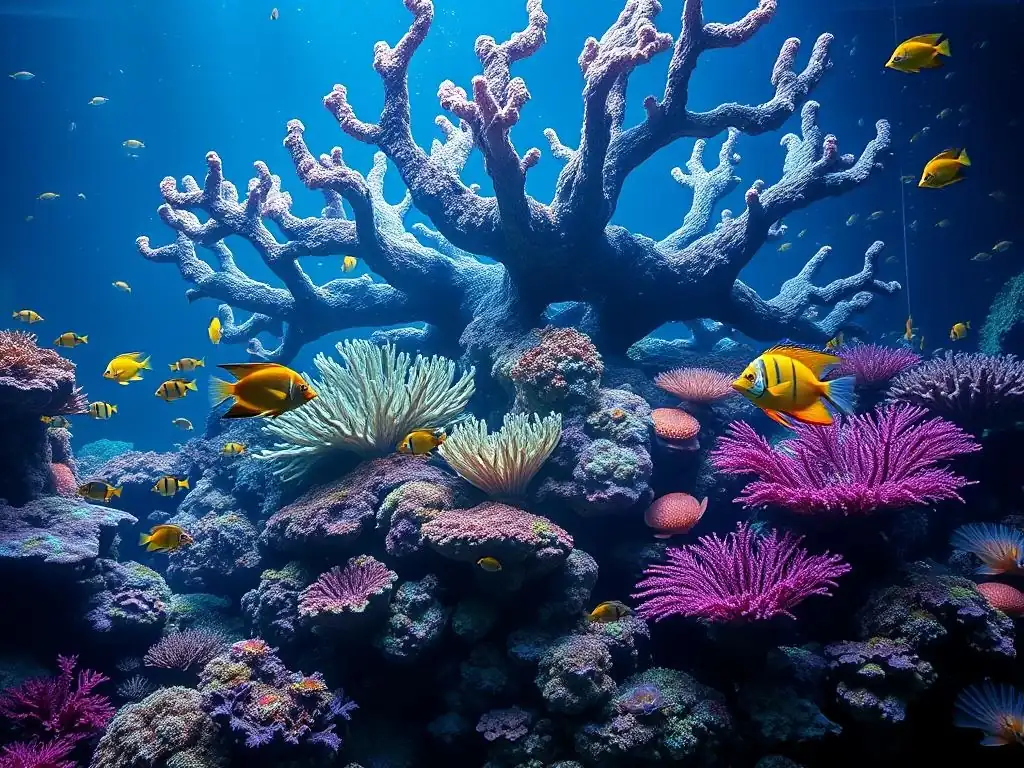
Welcome to Aquarium Mastery!
Dive into the vibrant world of coral keeping! Ever wondered about the unique allure and specific needs of Favia corals? Our comprehensive " Favia Coral Care Guide" unveils the secrets to successfully nurturing these captivating LPS corals, covering everything from identification and placement to ensuring optimal health. Ready to unlock the secrets to a thriving reef? Let's explore the diverse and fascinating world of Favias together!
- Exploring Brain Coral Species: Diversity, Identification & Care Nuances
- Introduction to Brain Corals: An Aquarium Mastery Guide
- Brain Coral Species: Unveiling the Diversity
- Identifying Brain Corals: A Visual Guide
- Brain Coral Care Guide: Essential Tips for a Thriving Reef
- Maintaining Brain Coral Health: Preventing and Treating Issues
- Brain Coral Fragging: Propagating Your Colonies
- Advanced Brain Coral Care: Optimizing Growth and Color
- Troubleshooting Common Brain Coral Problems: A Quick Reference
- Conclusion: Mastering Brain Coral Care for a Stunning Reef Aquarium
-
Frequently Asked Questions
- What are some key characteristics that help identify different Favia coral species?
- What are the ideal water parameters for maintaining healthy Favia corals in a reef tank?
- What type of lighting and water flow do Favia corals need to flourish?
- What are some common signs of stress or illness in Favia corals, and how can they be addressed?
- What are the feeding requirements for Favia corals, and what types of food are most suitable?
- Final Reflection: Appreciating the Intricacies of Favia
- Unveil Your Reef's Potential: A Favia Deep Dive Awaits!
Exploring Brain Coral Species: Diversity, Identification & Care Nuances
Introduction to Brain Corals: An Aquarium Mastery Guide
What are Brain Corals and Why Keep Them?
Brain corals are a fascinating group of Large Polyp Stony (LPS) corals, characterized by their distinctive convoluted, brain-like appearance. These colonial stony corals belong to various genera, with Favia and Favites being two of the most prominent and popular types found in home aquariums. Their unique grooved and ridged structures, often resembling a human brain, are formed by the growth of their skeletal plates and the arrangement of their polyps. Keeping these corals offers a captivating focal point in a reef tank, providing both aesthetic beauty and a glimpse into the complex world of coral reef ecosystems.
Beyond their intriguing appearance, brain corals, including Favia species, are highly valued for their relative hardiness compared to more delicate SPS (Small Polyp Stony) corals. This makes them an excellent choice for intermediate aquarists looking to expand their coral collection. They contribute significantly to the visual diversity of a mixed reef aquarium, offering a range of vibrant colors from deep greens and reds to blues, oranges, and purples. Their robust nature, when provided with appropriate Favia coral care guide principles, allows them to thrive and grow into impressive colonies over time.
Understanding the Popularity of Brain Corals in Reef Aquariums
The enduring popularity of brain corals in reef aquariums stems from a combination of their striking visual appeal and their manageable care requirements. Species like Favia and Favites exhibit a remarkable array of color morphs and growth patterns, from encrusting forms that spread across rockwork to massive, dome-shaped colonies. This diversity allows aquarists to create dynamic and visually rich aquascapes, adding significant texture and depth to their reef displays. Their ability to adapt to a range of moderate lighting and flow conditions further enhances their appeal, making them accessible to a broader spectrum of hobbyists.
Furthermore, brain corals play a vital role in enhancing the biodiversity and ecological balance of a captive reef environment. As photosynthetic organisms, they contribute to the primary production within the tank, supporting the overall health of the system. Many aquarists find immense satisfaction in observing the slow, steady growth of a Favia colony, watching its polyps extend to feed and its intricate patterns develop. Adhering to a comprehensive Favia coral care guide ensures these resilient corals flourish, rewarding the aquarist with a vibrant and thriving piece of the ocean.
Brain Coral Species: Unveiling the Diversity
Common Brain Coral Species Found in Aquariums
Maze Brain Coral (Platygyra): Characteristics and Identification
Platygyra corals, commonly known as Maze Brain Corals, are easily identifiable by their distinctive meandering valleys and ridges, which often form complex, labyrinthine patterns across their surface. Unlike some other brain corals where individual polyps are more clearly delineated, Platygyra polyps share continuous walls, creating the characteristic "maze" appearance. These corals typically exhibit encrusting or massive growth forms, spreading over rockwork or forming large, dome-shaped colonies.
Their coloration is often vivid, with common morphs displaying striking combinations of green, brown, and yellow, sometimes with contrasting colored valleys or ridges. A typical Platygyra colony might grow at a rate of 1-2 cm per year in diameter under optimal conditions, making them a substantial, long-term addition to a reef tank. When considering a Favia coral care guide, it's important to note that while Platygyra shares similar general care requirements, its specific growth pattern influences placement to prevent shading or overgrowth of neighboring corals.
Pineapple Brain Coral (Favites): Unique Traits and Reef Compatibility
Favites corals, often referred to as Pineapple Brain Corals or Honeycomb Corals, are distinguished by their polygonal corallites that share common walls, giving them a segmented, honeycomb-like appearance. Each individual polyp resides within its own distinct, often hexagonal or pentagonal, compartment. This structure is a key differentiator from Favia, where the walls are typically separate. Favites species can exhibit both encrusting and massive growth forms, adapting well to various positions within the reef aquarium.
Their compatibility in a mixed reef is generally good, though like Favia corals, they possess sweeper tentacles that can extend significantly at night, potentially stinging adjacent corals. Therefore, providing adequate spacing, typically 4-6 inches from other corals, is crucial. Favites are known for their incredible diversity in coloration, with popular varieties showcasing vibrant reds, greens, blues, and oranges, often with contrasting "eyes" or rims on their corallites, adding a spectacular visual element to any tank following a detailed Favia coral care guide.
Closed Brain Coral (Lobophyllia): Distinguishing Features and Color Variations
Lobophyllia corals, often called Lobed Brain Corals or Meat Corals, stand out due to their larger, fleshier polyps and less convoluted, more open structure compared to Favia or Favites. Their individual polyps are typically larger and more inflated, giving the coral a more "meaty" or "bubbly" appearance when fully extended. While they still possess the characteristic brain-like folds, these are generally broader and less intricate than those found in the Favia or Platygyra genera.
Lobophyllia are renowned for their exceptionally vibrant and diverse color variations, often displaying spectacular combinations of red, green, blue, purple, and orange. Some morphs can even exhibit multiple colors within a single polyp. Despite their fleshy appearance, they are robust LPS corals that benefit from stable water parameters, moderate flow, and moderate lighting, similar to the recommendations found in a comprehensive Favia coral care guide. Their striking appearance makes them a highly sought-after addition for many reef enthusiasts.
Less Common but Equally Fascinating Brain Coral Varieties
Beyond the widely recognized Favia, Favites, Platygyra, and Lobophyllia, the broader family of brain corals encompasses several other captivating genera that, while less frequently encountered, offer unique characteristics for the dedicated aquarist. Symphyllia corals, for instance, are similar to Lobophyllia but often feature more pronounced, elongated lobes and can grow into impressive, multi-lobed colonies. Their color palettes are equally stunning, often presenting deep reds, greens, and purples.
Another interesting group includes Oulophyllia and Leptoria. Oulophyllia often displays a more angular, blocky appearance with deep valleys, differentiating it from the smoother convolutions of Favia. Leptoria, or "Pencil Corals," are unique with their thin, ridge-like growth patterns that can form intricate, delicate structures. While these less common varieties might require slightly more specialized knowledge or specific environmental niches, their general Favia coral care guide principles regarding water quality, light, and flow still apply, making them accessible to those willing to research their particular needs.
Identifying Brain Corals: A Visual Guide
Key Characteristics for Brain Coral Identification
Valley Structure and Arrangement
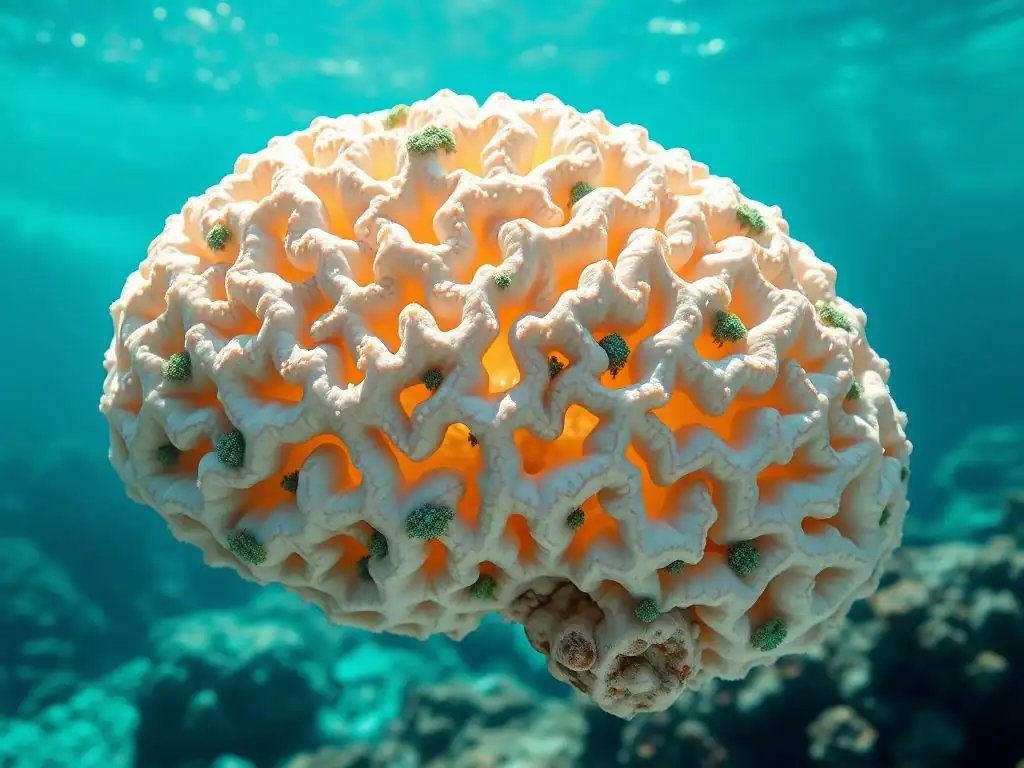
The morphology of the valleys and septa (the radial skeletal plates within the corallites) is a primary distinguishing feature among brain coral genera. Favia corals typically have distinct, individual corallites that are separated by their own walls, though these walls can be relatively thin. The valleys in Favia are usually short and discontinuous, appearing as distinct "eyes" or mouths. In contrast, Favites corals share common walls between their polygonal corallites, creating a more integrated, honeycomb-like appearance.
Platygyra corals, on the other hand, are characterized by their continuous, meandering valleys that crisscross the entire colony, forming a true maze-like pattern without distinct individual polyps. Lobophyllia corals possess much larger, more open, and fleshy valleys, giving them a "lobed" or "meaty" appearance. Understanding these fundamental differences in valley structure is crucial for accurate identification and for applying the specific Favia coral care guide principles relevant to each genus.
Growth Patterns and Colony Morphology
Brain corals exhibit diverse growth patterns that can also aid in their identification. Many species, including various Favia and Favites morphs, commonly grow in a massive, hemispherical, or dome-shaped form, slowly expanding outwards. Others might display an encrusting habit, spreading thinly over the rockwork and conforming to its contours. For example, some Favites species are particularly known for their encrusting growth, while many Favia tend to form more distinct, rounded mounds.
Less common forms include columnar growth, where the coral grows upwards in finger-like projections, or even plate-like structures, though these are rarer for the primary brain coral genera. Observing the overall shape and how the colony expands in the aquarium provides valuable clues. A healthy Favia colony, for instance, will show symmetrical growth, gradually increasing in size, which is a good indicator of successful implementation of a Favia coral care guide.
Color Variations and Patterns in Brain Corals
Coloration is arguably one of the most striking and variable characteristics of brain corals, often playing a significant role in their appeal. While not a definitive identification tool on its own, specific color patterns can be highly indicative of certain species or even particular morphs within a genus. Favia corals are celebrated for their incredible range of vibrant colors, from deep emerald greens and fiery reds to electric blues and purples, often with contrasting colored "eyes" or centers of their polyps.
Many Favites morphs display a "honeycomb" effect with a different color outlining each polygonal corallite, while the center might be another contrasting hue. Lobophyllia are famous for their almost iridescent, multi-color combinations. When identifying, look for consistent patterns: are the valleys a different color than the ridges? Are the polyps uniformly colored or distinctly patterned? These observations, combined with structural characteristics, provide a comprehensive approach to identifying brain corals and tailoring their Favia coral care guide accordingly.
Differentiating Brain Corals from Other Similar LPS Corals (e.g., Acans)
Distinguishing brain corals, particularly Favia and Favites, from other similar LPS corals like Acanthastrea (commonly known as Acans) is a common challenge for aquarists. The key lies in observing the individual polyp structure and the nature of their walls. Acans typically feature larger, more distinct, fleshy individual polyps that are often rounder and more "bubbly" when fully inflated. Each Acanthastrea polyp usually has a clearly defined mouth and a more isolated appearance, resembling small, individual "buttons" or "bubbles" clustered together.
In contrast, Favia corals, while having distinct polyps, usually have thinner walls between them, and their overall structure appears more cohesive with less pronounced individual "fleshiness" compared to Acans. Favites share common walls between polyps, creating the characteristic honeycomb pattern, which is distinctly different from the isolated polyps of Acans. While both can exhibit stunning coloration, understanding these morphological differences is crucial for accurate identification and for applying the correct Favia coral care guide or Acanthastrea care principles.
Brain Coral Care Guide: Essential Tips for a Thriving Reef
Optimal Tank Parameters for Brain Coral Health
Water Chemistry: Alkalinity, Calcium, and Magnesium Levels
Maintaining stable and optimal water chemistry is paramount for the health and growth of brain corals, including Favia species. Alkalinity, representing the water's buffering capacity, should be consistently maintained between 8 and 12 dKH (degrees of carbonate hardness). Many successful Favia coral care guide practitioners aim for a target of around 8.5-9.5 dKH, as this range supports calcification without promoting precipitation or alkalinity burn. Fluctuations in alkalinity can be particularly stressful for stony corals, leading to tissue recession or slowed growth.
Calcium, the primary building block for coral skeletons, should be kept between 400 and 450 ppm. A level of 420-430 ppm is often considered ideal. Magnesium, while not directly incorporated into the skeleton, plays a crucial role in stabilizing alkalinity and calcium, preventing their premature precipitation. Recommended magnesium levels are typically between 1250 and 1350 ppm, with 1300 ppm being a common target. Regular testing, at least once a week, and consistent dosing (via kalkwasser, two-part solutions, or a calcium reactor) are essential components of any effective Favia coral care guide.
Temperature and Salinity Requirements
Temperature is a critical environmental factor for brain corals, directly impacting their metabolic rates and symbiotic relationship with zooxanthellae. The ideal temperature range for Favia and other brain corals is generally between 76°F and 80°F (24.4°C - 26.7°C). Maintaining a stable temperature, ideally at 78°F (25.5°C), is more important than hitting an exact number within this range. Rapid temperature swings can stress corals and lead to bleaching or disease.
Salinity, or specific gravity, is equally vital. Brain corals thrive in stable salinity levels mimicking natural seawater. A specific gravity of 1.025 to 1.026, or 35 ppt (parts per thousand), is widely recommended. Consistent top-offs with RODI water to counteract evaporation are necessary to prevent salinity creep. Utilizing an auto top-off (ATO) system is highly effective for maintaining stable salinity, which is a fundamental aspect of a robust Favia coral care guide.
Importance of Stable Water Parameters
Stability is the cornerstone of successful Favia coral care guide principles. While specific target ranges for alkalinity, calcium, magnesium, temperature, and salinity are important, the consistency of these parameters far outweighs hitting exact numbers. Rapid or significant fluctuations can induce severe stress in brain corals, leading to tissue necrosis, bleaching, or susceptibility to diseases. For instance, a sudden drop in alkalinity from 9 dKH to 7 dKH can cause significant tissue recession within hours.
To ensure stability, regular testing is indispensable. Weekly tests for key parameters allow for timely adjustments before issues escalate. Implementing automated dosing systems for calcium, alkalinity, and magnesium can greatly contribute to parameter stability, especially in larger or heavily stocked reef tanks. Additionally, performing consistent, small water changes (e.g., 10-15% bi-weekly) with high-quality saltwater helps replenish trace elements and dilute accumulated wastes, further contributing to the stable environment a Favia coral needs to thrive.
Lighting Requirements for Brain Corals
PAR Levels and Light Spectrum for Optimal Growth
Brain corals, including Favia species, are photosynthetic and rely on their symbiotic zooxanthellae for a significant portion of their energy. They generally thrive under moderate lighting conditions. Recommended PAR (Photosynthetically Active Radiation) levels for Favia corals typically range from 100 to 250 PAR. While they can adapt to slightly lower or higher PAR, placing them in direct, intense light (e.g., above 300 PAR) without proper acclimation can lead to bleaching and stress.
The light spectrum is also crucial for both coral health and coloration. A broad spectrum light with a significant blue component (around 450-470 nm) is highly beneficial, as this range is most efficiently utilized by zooxanthellae for photosynthesis and often enhances the coral's vibrant fluorescence. Many aquarists find that a color temperature between 10,000K and 20,000K, often achieved with a mix of white and blue LEDs or T5 bulbs, provides excellent results for Favia coral care guide success.
Choosing the Right Lighting System for Your Brain Coral
Several types of lighting systems can effectively support Favia corals, including LED fixtures, T5 fluorescent lamps, and metal halides. LED lighting has become increasingly popular due to its energy efficiency, longevity, and high degree of controllability, allowing aquarists to fine-tune spectrum and intensity. Many modern LED units offer pre-programmed schedules or custom settings to simulate sunrise/sunset and provide optimal PAR levels throughout the day.
T5 fluorescent lamps, known for their even light spread, are also an excellent choice for brain corals, often used in combinations of daylight and actinic bulbs to achieve a desirable spectrum. Metal halide lights, while powerful, generate significant heat and consume more energy, making them less common in smaller tanks. Regardless of the chosen system, proper acclimation is vital for any new Favia coral. Gradually increasing light intensity over several weeks (e.g., starting at 50% intensity and slowly raising it) prevents shock and promotes healthy adaptation, a key component of a successful Favia coral care guide.
Water Flow and Placement in the Aquarium
Ideal Water Flow for Brain Coral Health
Brain corals require moderate, indirect water flow to maintain their health and facilitate nutrient exchange. The ideal flow prevents detritus from settling on the coral's surface, which can lead to tissue irritation, localized algae growth, or even necrosis. However, direct, strong, or laminar flow should be avoided, as it can cause tissue recession, particularly on the side facing the direct current. A flow that gently sways the coral's polyps without causing them to retract fully is generally considered appropriate.
Achieving this can involve strategic placement of powerheads or wavemakers. Using multiple smaller powerheads directed to create turbulent, random flow patterns throughout the tank is often more beneficial than a single, high-output pump. This ensures that all areas of the Favia colony receive adequate, non-damaging water movement. Proper flow also aids in the delivery of planktonic food particles to the coral's polyps, enhancing their feeding efficiency, which is an important aspect of a comprehensive Favia coral care guide.
Proper Placement to Avoid Algae Growth and Tissue Damage
Strategic placement is crucial for the long-term success of Favia corals. They should be positioned on rockwork rather than directly on the sandbed to prevent irritation from detritus accumulation or sand abrasion, which can lead to tissue damage and bacterial infections. Ensure there is adequate space around the Favia colony, typically 4-6 inches, to allow for future growth and to prevent aggression from sweeper tentacles, which can extend significantly at night and sting neighboring corals.
Consider the coral's light and flow requirements when choosing its location. A Favia coral placed in a moderate light zone with indirect, turbulent flow will thrive. Avoid placing it in shaded areas or in direct, high-flow zones. For example, a colony placed too close to a powerhead might exhibit tissue recession on the side facing the direct current within a few days. Regularly observe your Favia coral for signs of stress related to flow or proximity to other tank inhabitants, making adjustments as needed based on your Favia coral care guide principles.
Brain Coral Feeding: Enhancing Growth and Coloration
Target Feeding vs. Broadcast Feeding
While Favia corals are primarily photosynthetic, supplementing their diet through direct feeding significantly enhances their growth rate, coloration, and overall vitality. There are two main methods: target feeding and broadcast feeding. Target feeding involves directly delivering food particles to the coral's extended polyps using a pipette or turkey baster. This method ensures that the coral receives the maximum amount of food, minimizing waste that could impact water quality. It is highly recommended for optimizing the nutrition of your Favia coral.
Broadcast feeding, on the other hand, involves dispersing food throughout the entire aquarium. While beneficial for other filter feeders and fish, it is less efficient for direct coral nutrition unless the coral has particularly large and receptive polyps. For a precise and effective Favia coral care guide, target feeding should be the preferred method, allowing you to observe the coral's feeding response and ensure it consumes the food.
Recommended Food Types for Brain Corals
Favia corals are carnivorous and will readily consume a variety of small, meaty foods. Excellent choices include finely chopped mysis shrimp, enriched brine shrimp, copepods, and various commercially prepared coral foods specifically designed for LPS corals. These often come in pellet or liquid forms containing a blend of zooplankton, phytoplankton, and amino acids. Examples include Reef Roids, Rod's Food, or frozen blends like Marine Cuisine.
Amino acid supplements can also be beneficial, promoting tissue growth and enhancing vibrant coloration. These are typically dosed directly into the water column. When selecting foods for your Favia coral care guide, prioritize high-quality, nutrient-dense options to provide the necessary building blocks for healthy tissue and skeletal development.
Frequency of Feeding for Optimal Health
The frequency of feeding for Favia corals depends on various factors, including the coral's size, the amount of light it receives, and overall tank nutrient levels. Generally, target feeding your Favia coral 1-2 times per week is sufficient for optimal health and growth. Some aquarists choose to feed every other day, especially for smaller or newly introduced colonies, to encourage faster acclimation and growth.
Observe your coral's feeding response; Favia polyps will often extend and show feeding tentacles, particularly at night or when food is introduced. If the coral appears robust and is growing steadily, less frequent feeding may be adequate. Overfeeding can lead to nutrient spikes and increased algae growth, so it's important to find a balance. A consistent feeding schedule, as outlined in a comprehensive Favia coral care guide, contributes significantly to the long-term success and vibrant appearance of your brain coral.
Maintaining Brain Coral Health: Preventing and Treating Issues
Common Problems Affecting Brain Corals
Bleaching and Tissue Recession
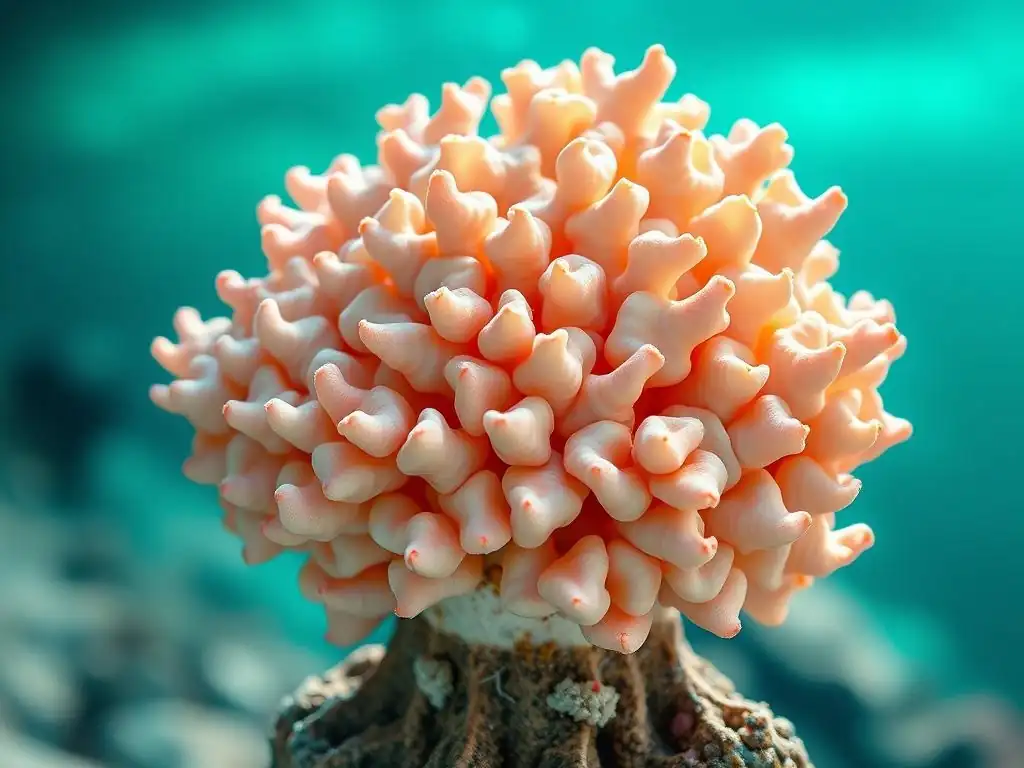
Bleaching in Favia corals, a common sign of stress, occurs when the coral expels its symbiotic zooxanthellae, leading to a loss of color and exposing the white skeleton underneath. This can be triggered by various factors, including sudden changes in temperature (e.g., above 82°F or below 74°F), excessively high or low lighting, or significant swings in water chemistry. A Favia colony might turn pale green or even stark white within days if exposed to acute stress.
Tissue recession, on the other hand, involves the gradual or rapid retraction of the coral's tissue from its skeleton, leaving exposed skeletal areas. Causes include direct, strong water flow, aggression from neighboring corals (e.g., sweeper tentacles), predation by pests, or chronic poor water quality. Identifying the underlying cause swiftly is crucial for effective treatment. For instance, if tissue recession is localized to one side, it might indicate excessive flow or contact with another organism.
Algae Overgrowth and Pests
Algae overgrowth on a Favia coral's skeleton or tissue is a clear indicator of high nutrient levels (nitrate and phosphate) in the aquarium, combined with insufficient water flow. Filamentous algae, turf algae, or even cyanobacteria can smother the coral, blocking light and irritating its tissue, potentially leading to tissue loss. Maintaining low nutrient levels (nitrate below 10 ppm, phosphate below 0.05 ppm) and ensuring adequate, turbulent flow around the coral are preventative measures.
Pests are another significant threat to Favia corals. Common culprits include various species of nudibranchs, flatworms, and predatory snails that specifically target coral tissue. These pests can cause localized tissue damage, recession, or even complete loss of the colony if left unchecked. A diligent Favia coral care guide emphasizes regular inspection of corals for signs of pests, such as small white or brown spots, unusual tissue retraction, or visible organisms.
Identifying and Addressing Coral Diseases
Brain corals, like other LPS corals, can be susceptible to various diseases, often triggered by stress or poor water quality. Brown Jelly Disease (BJD) is one of the most devastating, characterized by a rapidly spreading brown, slimy substance that consumes coral tissue within hours. It is caused by ciliate protozoa or bacteria, often appearing after physical damage or severe stress. Immediate intervention, such as siphoning off the affected area and applying an antiseptic dip (e.g., iodine), is critical.
Other less common but serious issues include White Band Disease (WBD) and Black Band Disease (BBD), which manifest as distinct bands of tissue recession. While less common in Favia than some SPS corals, any unusual tissue loss or discoloration should be investigated promptly. Maintaining excellent water quality, stable parameters, and providing optimal care as detailed in a comprehensive Favia coral care guide significantly reduces the risk of disease outbreaks.
Brain Coral Pests: Identification and Treatment
Dealing with Nudibranchs and Other Predators
Several types of nudibranchs are notorious coral predators, with specific species targeting Favia and other brain corals. These small, often camouflaged slugs can be difficult to spot but cause significant tissue damage. Look for small, irregular bite marks or patches of tissue loss. Manual removal, using tweezers or siphoning, is often the first line of defense. For severe infestations, introducing natural predators like certain wrasses (e.g., Six-Line Wrasse, Melanurus Wrasse) can be effective, though care must be taken to ensure they are reef-safe for other tank inhabitants.
Other potential predators include certain types of parasitic snails (e.g., sundial snails) or flatworms. These can also be manually removed or treated with specific chemical solutions. For instance, flatworms can be effectively eliminated using products like Flatworm Exit, though this requires careful adherence to instructions and often a large water change afterward. A vigilant Favia coral care guide practitioner performs regular visual inspections of their corals, especially after lights out when many pests become active.
Dip Treatments and Quarantine Procedures
Implementing a robust quarantine procedure for all new Favia corals is the single most effective way to prevent the introduction of pests and diseases into your main display tank. A dedicated quarantine tank (QT) should be set up with stable parameters, moderate lighting, and flow. New corals should be placed in the QT for a minimum of 4-6 weeks, allowing time for any latent pests or diseases to manifest.
During quarantine, new Favia corals should undergo a coral dip treatment. Various commercial coral dips are available, often containing iodine-based solutions (e.g., Seachem Reef Dip, Coral RX) or peroxide-based formulas. These dips help to dislodge and kill external parasites like nudibranchs, flatworms, and predatory copepods. Always follow the manufacturer's instructions precisely regarding dip concentration and duration to avoid stressing the coral. Post-dip, rinse the coral in clean tank water before placing it back into the QT. This proactive approach is a cornerstone of any effective Favia coral care guide.
Brain Coral Fragging: Propagating Your Colonies
Step-by-Step Guide to Fragging Brain Corals
Tools and Equipment Needed for Fragging
Fragging Favia corals, while requiring some precision, is a rewarding process that allows aquarists to propagate their colonies and share them with others. Before beginning, gather all necessary tools and equipment. This includes:
- Eye Protection and Gloves: Essential for safety, protecting from coral slime and accidental cuts.
- Bone Cutters or Dremel with Diamond Blade: Bone cutters are suitable for smaller, thinner sections, while a Dremel provides a cleaner, more precise cut for larger or denser colonies.
- Container of Tank Water: To keep the coral submerged and minimize air exposure during the process.
- Antiseptic Coral Dip: Such as iodine-based solutions, to dip the frag after cutting to prevent infection.
- Coral Glue (Cyanoacrylate Gel): For attaching the frag to a plug or rubble.
- Frag Plugs or Small Rock Rubble: The substrate onto which the frag will be mounted.
Ensure all tools are clean and sterilized before use to prevent introducing bacteria or pathogens to the coral. This preparation is a critical first step in a successful Favia coral care guide for fragging.
Preparing the Frag and Securing it to a Plug
Once your tools are ready, carefully remove the Favia colony from the aquarium and place it in the container of tank water. Identify a healthy section of the coral that you wish to frag, ensuring it has distinct polyps and clear tissue. Using your chosen cutting tool, make a clean, swift cut through the coral's skeleton, separating the desired frag from the mother colony. Aim for a cut that minimizes tissue damage on both the frag and the remaining colony.
After cutting, immediately place the frag into an antiseptic coral dip for the recommended duration (usually 5-10 minutes) to cleanse the cut surface and prevent infection. Once dipped, rinse the frag gently in clean tank water. Apply a small amount of coral glue to the base of the frag plug or rubble, then firmly press the frag onto the glue, holding it in place for 30-60 seconds until it adheres. This method ensures the frag is securely mounted, ready for placement back into the aquarium, following a diligent Favia coral care guide.
Post-Fragging Care and Placement
After fragging and mounting, the newly created Favia frag requires specific care to ensure its recovery and successful integration into the reef tank. Place the frag in an area with lower, indirect water flow and slightly reduced lighting compared to the main colony. This reduces stress during the healing process, as the coral expends energy on tissue regeneration rather than full photosynthetic activity. Monitor the frag closely for any signs of stress, such as tissue recession, discoloration, or the presence of brown jelly.
The healing period can range from a few days to several weeks, depending on the size of the frag and the overall health of the coral. During this time, ensure stable water parameters are maintained. Once the frag shows signs of recovery, such as polyp extension and new tissue growth over the cut edge, it can be gradually moved to an area with more appropriate light and flow for long-term growth. Successful fragging, as part of an advanced Favia coral care guide, contributes to sustainable reef keeping.
Advanced Brain Coral Care: Optimizing Growth and Color
Enhancing Coloration Through Nutrient Control
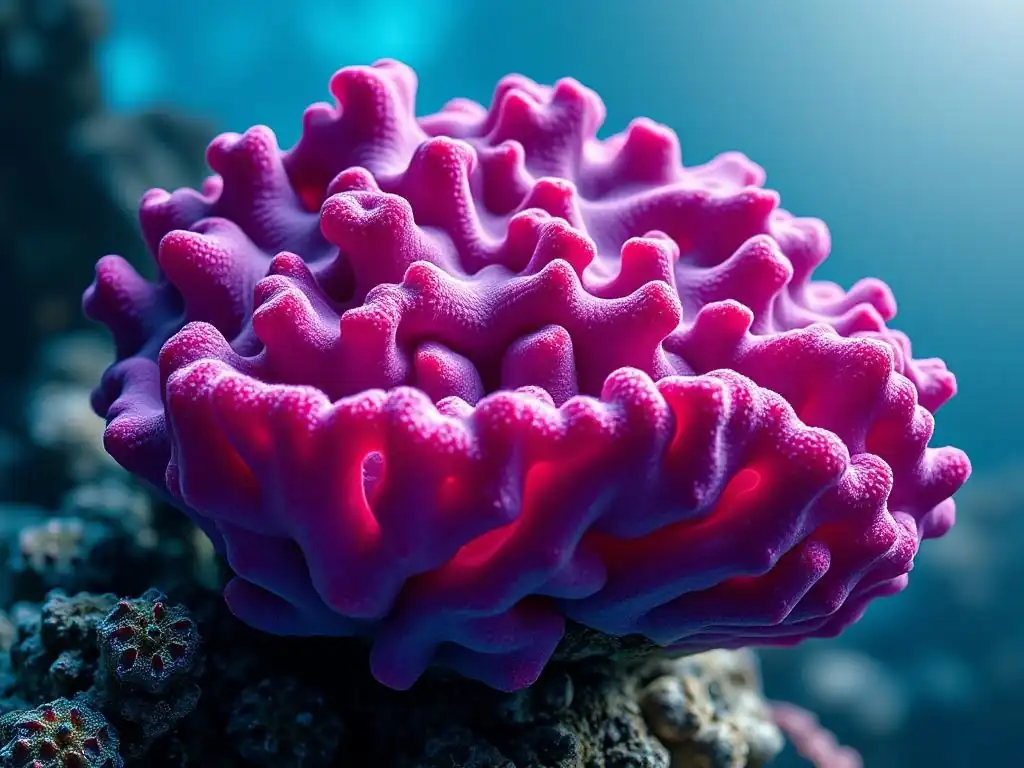
Optimizing the vibrant coloration of Favia corals goes beyond basic care and often involves meticulous nutrient control. While some level of nitrate and phosphate is necessary for coral health, excessively high levels (e.g., nitrates above 10 ppm, phosphates above 0.05 ppm) can lead to duller colors, increased brown pigmentation, and even algae growth on the coral's tissue. Aiming for ultra-low nutrient levels, often referred to as ULNS (Ultra Low Nutrient System), can significantly enhance the fluorescent pigments of your Favia coral.
Achieving this often involves a combination of strategies: regular water changes (e.g., 10-15% bi-weekly) with high-quality salt mix, efficient protein skimming, and nutrient export methods such as GFO (Granular Ferric Oxide) for phosphate removal, carbon dosing (e.g., vodka, vinegar, biopellets) for nitrate reduction, and maintaining a healthy refugium with macroalgae. A balanced approach ensures nutrients are low enough to promote vibrant colors but not so low as to starve the coral, which is a delicate balance in an advanced Favia coral care guide.
Utilizing Amino Acids and Other Supplements
Beyond basic feeding, the targeted supplementation of amino acids can play a significant role in enhancing both the growth and coloration of Favia corals. Amino acids are the building blocks of proteins and are crucial for tissue repair, growth, and the production of chromoproteins responsible for the coral's vibrant colors. While corals derive some amino acids from their symbiotic zooxanthellae and meaty foods, direct supplementation can provide an extra boost, especially in ULNS systems where natural food sources might be scarce.
Various commercial amino acid supplements are available, specifically formulated for corals. These are typically dosed directly into the water column. In addition to amino acids, ensuring the presence of essential trace elements like iodine and strontium, which are consumed during calcification and metabolic processes, is also important. While regular water changes replenish many of these, specific dosing might be beneficial for heavily stocked tanks or those with significant coral growth. Always follow manufacturer guidelines for dosing to avoid overdosing, a critical aspect of an advanced Favia coral care guide.
Maintaining a Balanced Reef Ecosystem for Brain Coral Health
A truly thriving Favia coral colony is often a reflection of a balanced and stable reef ecosystem. This involves more than just individual coral care; it encompasses the health of all inhabitants and the overall biological processes within the tank. Maintaining consistent water parameters, as discussed, is foundational. However, a diverse and efficient cleanup crew (snails, hermit crabs, certain crabs) is equally vital for controlling nuisance algae and consuming detritus that could otherwise settle on corals.
Appropriate fish stocking levels prevent excess nutrient loading and ensure a harmonious environment. Avoid fish that are known coral nippers. Regular observation of the entire tank, looking for signs of stress in any inhabitant, allows for proactive problem-solving. A balanced reef ecosystem fosters a synergistic relationship where all components contribute to a stable environment, leading to robust growth and spectacular coloration for your Favia corals, embodying the pinnacle of a comprehensive Favia coral care guide.
Troubleshooting Common Brain Coral Problems: A Quick Reference
Brown Jelly Disease: Symptom, Possible Cause, Solution
- Symptom: Rapid tissue necrosis characterized by a brown, slimy, stringy substance covering parts of the coral. Often starts as a localized patch and spreads quickly. Polyps may retract completely.
- Possible Cause: A highly aggressive bacterial or ciliate protozoan infection, frequently triggered by physical damage to the coral (e.g., accidental bump, aggression from another coral), poor water quality, or significant parameter swings that stress the coral.
- Solution: Immediately isolate the affected Favia coral in a separate container of tank water. Gently siphon off as much of the brown jelly as possible to prevent its spread. Perform a strong antiseptic dip (e.g., iodine-based coral dip) following manufacturer instructions. If the disease is localized, consider fragging off the healthy section of the coral, discarding the diseased part. Improve overall water quality and stability in the main tank to prevent recurrence.
Tissue Necrosis: Symptom, Possible Cause, Solution
- Symptom: Tissue recession where the coral's flesh pulls back from its skeleton, leaving exposed white skeletal areas. This can be either slow (STN) or rapid (RTN) and typically does not involve the brown, slimy substance seen in BJD.
- Possible Cause: A wide range of stressors including:
- High/Direct Water Flow: Constant, strong laminar flow can abrade and damage tissue.
- Parameter Swings: Sudden drops or spikes in alkalinity, calcium, or salinity.
- Aggression: Stinging from neighboring corals' sweeper tentacles or physical contact with aggressive fish/invertebrates.
- Predation: Nudibranchs, flatworms, or parasitic snails feeding on the tissue.
- Poor Water Quality: Persistently high nitrates or phosphates, or undetected toxins.
- Solution: Identify and eliminate the stressor. If it's flow, reposition the Favia coral. If parameters are unstable, correct them gradually. If aggression is suspected, move the offending coral or fish. Inspect the coral closely for pests and treat accordingly (e.g., manual removal, dips). Maintaining consistent, optimal water parameters is the best preventative measure for Favia coral care guide success.
Algae Growth: Symptom, Possible Cause, Solution
- Symptom: Filamentous green algae, turf algae, or cyanobacteria (red slime algae) growing directly on the Favia coral's skeleton or tissue, potentially smothering it and hindering light absorption.
- Possible Cause:
- High Nutrients: Elevated levels of nitrates (e.g., >10 ppm) and phosphates (e.g., >0.05 ppm) provide fuel for algae growth.
- Insufficient Water Flow: Dead spots around the coral allow detritus and algae spores to settle and proliferate.
- Excessive Lighting: While corals need light, too much can also promote nuisance algae growth, especially if nutrients are high.
- Solution: Implement robust nutrient export strategies:
- Reduce Nutrients: Perform regular water changes (15-20%), ensure efficient protein skimming, use phosphate removers (GFO), or consider carbon dosing.
- Increase Flow: Adjust powerheads to create more turbulent, indirect flow around the Favia coral to prevent detritus accumulation.
- Introduce Herbivores: Add snails (e.g., Turbo, Trochus), hermit crabs, or certain tangs (if tank size permits) to the cleanup crew to graze on algae.
- Manual Removal: Gently brush or siphon off algae from the coral's surface. Consistent adherence to a proper Favia coral care guide prevents this common issue.
Conclusion: Mastering Brain Coral Care for a Stunning Reef Aquarium
Mastering the art of caring for brain corals, particularly Favia species, is a deeply rewarding endeavor that culminates in a vibrant and thriving reef aquarium. These captivating LPS corals, with their intricate patterns and dazzling array of colors, offer unparalleled aesthetic appeal and contribute significantly to the biodiversity of any home reef system. By understanding their unique identification features—from the distinct corallite structures of Favia to the meandering valleys of Platygyra—aquarists can provide more targeted and effective care.
The foundation of a successful Favia coral care guide lies in maintaining pristine and stable water parameters, including precise levels of alkalinity, calcium, and magnesium, alongside consistent temperature and salinity. Providing moderate, indirect lighting and turbulent water flow are equally critical for their photosynthetic needs and overall health. Furthermore, supplementing their diet with target-fed meaty foods enhances their growth and intensifies their already spectacular coloration.
While challenges like pests or diseases may arise, proactive measures such as quarantine and regular observation, coupled with swift intervention, ensure the long-term vitality of these magnificent corals. By embracing these principles, aquarists can cultivate a stunning reef aquarium that showcases the full splendor of Favia and other brain corals, truly achieving Aquarium Mastery.
Frequently Asked Questions
What are some key characteristics that help identify different Favia coral species?
Different Favia species vary significantly in polyp shape and size, as well as their color patterns. Observing these differences closely is crucial for accurate identification.
What are the ideal water parameters for maintaining healthy Favia corals in a reef tank?
Favia corals thrive in stable conditions. Key parameters include a temperature range of 72-78°F, salinity around 1.025 specific gravity, and stable alkalinity levels.
What type of lighting and water flow do Favia corals need to flourish?
Favia corals generally prefer moderate lighting and moderate water flow. This combination allows them to effectively photosynthesize and remove waste.
What are some common signs of stress or illness in Favia corals, and how can they be addressed?
Signs of stress include tissue recession, bleaching, or excessive mucus production. Addressing these issues requires investigating and correcting underlying problems like poor water quality or pest infestations.
What are the feeding requirements for Favia corals, and what types of food are most suitable?
While Favia corals are photosynthetic, they benefit from supplemental feeding. Small particle foods like zooplankton or coral-specific foods can enhance their growth and color.
Final Reflection: Appreciating the Intricacies of Favia
The journey through the diverse world of Favia corals, as we've explored, underscores a crucial point: understanding the nuances of even seemingly simple ecosystems is paramount for their preservation. The intricacies of identification, the specific care requirements, and the sheer variety within the Favia genus highlight the delicate balance that exists within our coral reefs, a balance increasingly threatened by environmental changes.
This exploration has not only deepened our understanding of Favia corals but also illuminated the broader responsibility we have towards marine life. Witnessing the resilience and beauty of these organisms firsthand instills a profound sense of connection and a desire to protect them. As Sylvia Earle so eloquently stated, Even if you never have the chance to see or touch the ocean, the ocean touches you with every breath you take, every drop of water you drink, every bite you consume. Everyone, everywhere is inextricably connected to and utterly dependent upon the existence of the sea.
Now, armed with this knowledge and appreciation, I invite you to reflect on your own role in preserving these vital ecosystems. Consider the choices you make, the products you consume, and the actions you take that might impact our oceans. Let this "Favia coral care guide" not just be a resource for aquarists, but a catalyst for a deeper commitment to environmental stewardship, ensuring that future generations can marvel at the vibrant tapestry of life that Favia and other coral species contribute to our planet.
Unveil Your Reef's Potential: A Favia Deep Dive Awaits!
Thank you for exploring the captivating world of Favia corals with us. Now that you're equipped with a deeper understanding of their diversity and care, it's time to translate knowledge into action.
Here's how you can continue your Favia journey:
- Identify! If you already have a Favia, try to determine its exact species using the detailed characteristics discussed. This step is crucial for providing the best possible care.
- Contribute to the community! Share photos of your Favia corals on online reefing forums, along with their known or suspected species. Help others learn and identify their corals too.
- Experiment with targeted feeding. Even though Favia are photosynthetic, try supplementing their diet with small amounts of coral-specific foods and observe any enhanced growth or coloration.
Ready to share your Favia findings or ask more questions about their identification and care?