
Sinularia (Finger) Leather Care: Adding Graceful Movement to Your Reef

Welcome to Aquarium Mastery!
Curious about keeping a vibrant and graceful reef tank? You've come to the right place! Ever wondered how to make your Sinularia leather coral truly thrive? Dive into our detailed guide on Sinularia leather care tips and unlock the secrets to adding stunning movement and color to your underwater world. Let's explore how to keep those finger corals happy and healthy!
- Understanding Sinularia Leather Corals: An Introduction
- Essential Sinularia Leather Care Tips for a Thriving Reef
- Feeding and Supplementation for Sinularia Leather Corals
- Common Sinularia Leather Coral Problems and Solutions
- Sinularia Leather Coral Propagation: Growing Your Colony
- Choosing the Right Sinularia Leather Coral for Your Reef Aquarium
- Advanced Sinularia Leather Coral Care Techniques
- Sinularia Leather Care Tips: A Recap for Reef Aquarium Mastery
-
Frequently Asked Questions
- What are the ideal water parameters for a Sinularia leather coral?
- How much lighting does a Sinularia leather coral need?
- What is the best flow rate for a Sinularia leather coral?
- How often should I feed my Sinularia leather coral?
- What are some common problems encountered with Sinularia leather corals, and how can I address them?
- Final Reflection: Embracing the Flow of the Reef
- Unleash the Beauty: Start Nurturing Your Sinularia Today!
Understanding Sinularia Leather Corals: An Introduction
What are Sinularia Leather Corals? Identifying Finger Leathers
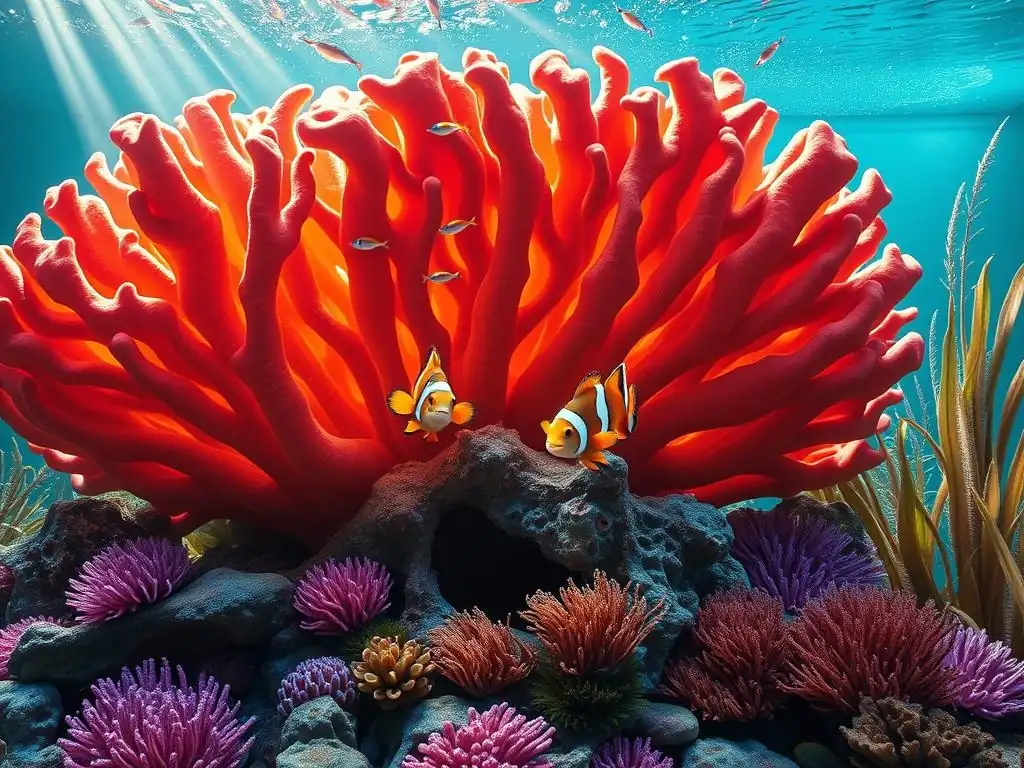
Sinularia leather corals, often recognized by common names such as finger leather, cabbage leather, or encrusting leather, are a diverse genus of soft corals belonging to the family Alcyoniidae. Unlike stony corals, Sinularia do not build a hard, external calcium carbonate skeleton; instead, their structure is supported by microscopic calcium carbonate spicules embedded within their fleshy tissue, giving them a leathery, rubbery texture. Their appearance varies widely, from tree-like forms with distinct branching "fingers" or lobes to more encrusting, convoluted shapes, all characterized by their lack of a rigid skeleton.
These fascinating invertebrates are native to the vast Indo-Pacific region, thriving in shallow to moderate depths of coral reefs where they can experience ample light and water movement. A unique characteristic of Sinularia corals, crucial for effective Sinularia leather care tips, is their ability to periodically shed a waxy outer layer. This shedding process helps them remove accumulated detritus, algae, and even old, worn-out tissue, allowing for new growth and maintaining their vibrant health.
Benefits of Adding Sinularia to Your Reef Tank
Incorporating Sinularia leather corals into a reef aquarium offers several distinct advantages, both aesthetic and ecological. Aesthetically, their graceful, swaying movement in the current adds a dynamic and captivating element to the aquascape, contrasting beautifully with the static nature of rockwork and many stony corals. They come in a variety of natural hues, including tans, browns, greens, yellows, and even subtle pinkish tones, providing diverse visual interest without the often intense coloration of SPS corals. Furthermore, their relatively hardy nature makes them an excellent choice for beginner to intermediate aquarists seeking to add soft coral diversity.
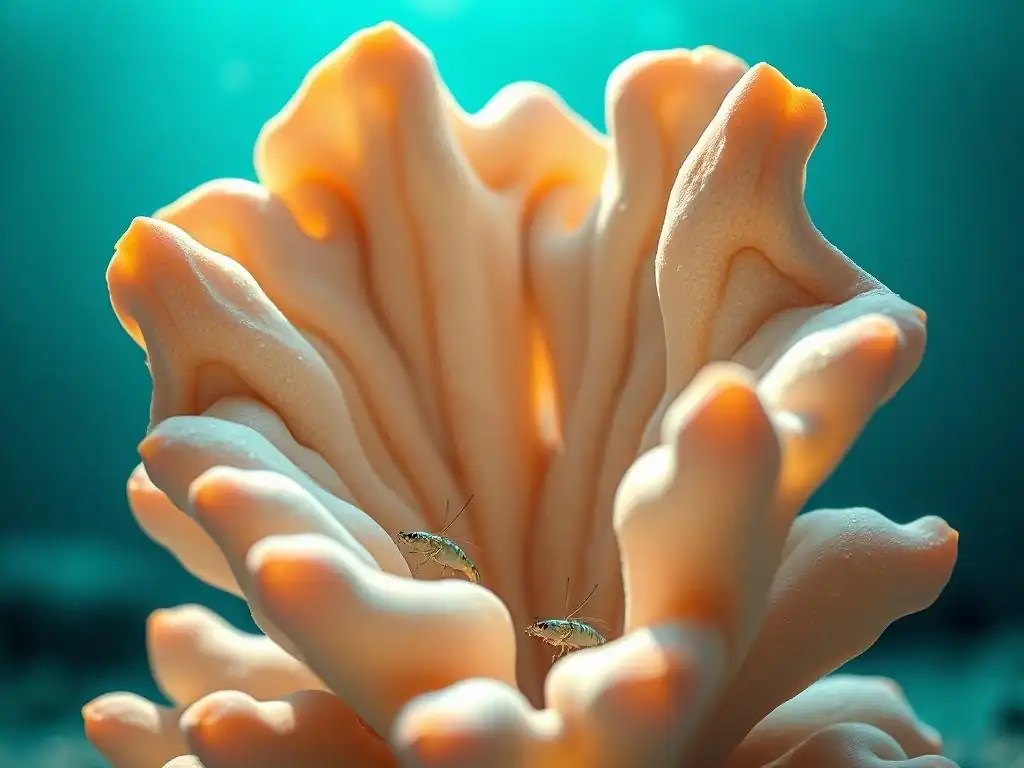
Beyond their visual appeal, Sinularia corals contribute positively to the miniature ecosystem of a reef tank. They provide sheltered microhabitats for various small invertebrates, such as copepods and amphipods, enhancing the tank's biodiversity. Their non-aggressive disposition, meaning they typically do not possess stinging tentacles that can harm neighboring corals, makes them suitable tank mates for a wide range of other coral species, provided adequate space is maintained. Mastering Sinularia leather care tips ensures these benefits are fully realized.
Sinularia Leather Coral Varieties: Exploring Popular Species
The Sinularia genus encompasses a broad array of species, each with unique growth forms and characteristics that appeal to different aquarists. Popular varieties often seen in the hobby include Sinularia dura, known for its thicker, more robust finger-like projections, and Sinularia flexibilis, which typically exhibits more delicate, elongated, and highly branched structures, giving it a very fluid appearance. Other notable species include Sinularia brassica, often resembling a cauliflower or cabbage head, and Sinularia lobata, which can form large, convoluted lobes.
These species also present a spectrum of color variations, from muted earthy tones to vibrant greens and yellows, depending on their zooxanthellae population and lighting conditions. Some varieties tend to grow more upright and tree-like, while others adopt a more encrusting or bushy habit, potentially reaching diameters of 12 inches (30 cm) or more in a mature tank. Understanding the specific growth patterns and potential mature size of your chosen Sinularia variety is an important aspect of long-term Sinularia leather care tips, allowing for proper placement and future planning.
Essential Sinularia Leather Care Tips for a Thriving Reef
Optimizing Water Parameters for Sinularia Growth
Ideal Temperature, Salinity, and pH for Sinularia Leathers
Maintaining stable and appropriate water parameters is foundational to successful Sinularia leather care. For temperature, a range of 76-82°F (24.4-27.8°C) is generally suitable, with an optimal target of around 78°F (25.5°C). Salinity should be kept between 1.023 and 1.026 specific gravity, or 33-35 parts per thousand (ppt), mirroring natural reef conditions. The pH level is also critical, ideally maintained within the range of 8.1 to 8.4. Consistency across all these parameters is far more important than hitting a precise number, as sudden fluctuations can induce significant stress.
These parameters are vital because they directly impact the coral's metabolic functions, nutrient uptake, and overall physiological health. Stable temperatures prevent thermal stress, which can lead to bleaching or tissue necrosis. Correct salinity ensures proper osmotic balance, preventing cellular damage. While soft corals, Sinularia still utilize carbonates for the formation of their internal spicules, making a stable pH and adequate alkalinity (7-11 dKH) important for their structural integrity and growth. Regular testing, ideally weekly, is a non-negotiable Sinularia leather care tip to ensure these vital ranges are maintained.
The Importance of Water Changes for Sinularia Health
Regular water changes are a cornerstone of effective Sinularia leather care, providing multiple benefits that contribute to the coral's long-term health and vitality. A typical recommendation is a 10-20% water change weekly or bi-weekly, depending on the tank's bioload and nutrient export capabilities.
This practice replenishes essential trace elements that are consumed by corals and other tank inhabitants, such as iodine, strontium, and potassium, which are crucial for various biological processes and proper shedding cycles. Simultaneously, water changes dilute and export accumulated nitrates and phosphates, preventing them from reaching detrimental levels that could inhibit coral health and encourage nuisance algae growth.
Furthermore, a clean and stable aquatic environment, facilitated by consistent water changes, significantly reduces stress on Sinularia corals. A less stressed coral is more capable of performing its natural shedding process efficiently. When the coral sheds its waxy layer, it's removing waste and allowing for new tissue exposure. Good water quality ensures this process is smooth, preventing the old layer from clinging too long and potentially causing irritation or infection. Incorporating regular, appropriately sized water changes is one of the most impactful Sinularia leather care tips for fostering robust growth and vibrant coloration.
Lighting Requirements for Sinularia Leather Corals
Choosing the Right Light Intensity and Spectrum
Sinularia leather corals are photosynthetic, relying heavily on their symbiotic zooxanthellae algae for energy. They generally thrive under moderate lighting conditions. An ideal Photosynthetically Active Radiation (PAR) range for most Sinularia species falls between 75 and 150 PAR. While they can tolerate lower light, too little can lead to browning and poor polyp extension, whereas excessive intensity can cause bleaching or recession. When selecting lighting, both T5 fluorescent fixtures and LED systems are excellent choices, with LEDs offering greater control over spectrum and intensity.
The spectrum of light is equally important. A full spectrum light with a strong emphasis on the blue wavelengths (around 450-470nm) combined with white light (6500K-10000K) is optimal. The blue spectrum is particularly beneficial for the zooxanthellae's photosynthetic efficiency and can enhance the coral's natural fluorescence. Some aquarists find that a slightly higher blue ratio during peak photoperiods can bring out subtle colors in their Sinularia. Balancing intensity and spectrum is a key Sinularia leather care tip to ensure robust growth and vibrant coloration.
Preventing Light Shock in Newly Introduced Sinularia
When introducing new Sinularia leather corals to your aquarium, preventing light shock is a critical acclimation step that can significantly impact their initial health and long-term success. Corals are highly sensitive to sudden changes in light intensity and spectrum, as their zooxanthellae need time to adjust their photosynthetic machinery. Placing a new coral directly under high-intensity lighting without proper acclimation can lead to severe stress, causing the coral to retract its polyps, bleach, or even undergo tissue necrosis.
To mitigate light shock, it is advisable to begin by placing newly acquired Sinularia in a lower light area of your tank, such as on the sandbed or partially shaded by rockwork. Over a period of one to two weeks, gradually move the coral to its desired, higher-light location. If using an LED system with controllable intensity, you can also start with reduced power settings and slowly ramp them up.
Observing the coral for signs of stress—such as prolonged retraction, discoloration, or a waxy appearance without shedding—is paramount. This careful, gradual acclimation is an essential Sinularia leather care tip for ensuring a smooth transition and healthy establishment of your new coral.
Flow and Placement for Optimal Sinularia Health
Providing Adequate Water Flow for Shedding and Nutrient Uptake
Adequate water flow is paramount for the health and vitality of Sinularia leather corals, directly influencing their ability to thrive. These corals prefer moderate to strong, turbulent flow rather than direct, laminar flow. This type of water movement serves multiple critical functions: it prevents the accumulation of detritus on the coral's surface, which can lead to tissue irritation and necrosis; it ensures a constant supply of fresh, oxygenated water and dissolved nutrients to the coral polyps; and most importantly, it facilitates the shedding of their waxy outer layer.
The shedding process is a natural and essential part of Sinularia leather care, occurring roughly every 2-4 weeks. During this time, the coral retracts its polyps and sloughs off a slimy, waxy coating. Good water flow physically helps to peel away and carry away this old layer, preventing it from suffocating the coral and allowing new, healthy tissue to be exposed. Without sufficient flow, the shed layer can linger, causing stress and potentially leading to bacterial infections. Therefore, strategic placement of powerheads to create indirect, chaotic flow around the Sinularia is a vital consideration.
Strategic Placement to Avoid Aggression from Other Corals
While Sinularia leather corals are generally considered non-aggressive and do not possess potent stinging capabilities themselves, they are susceptible to stings from more aggressive stony corals (LPS and SPS) that produce long sweeping tentacles. To prevent damage and ensure the long-term health of your Sinularia, strategic placement is a crucial Sinularia leather care tip. It is recommended to maintain a buffer zone of at least 4-6 inches (10-15 cm) between your Sinularia and any potentially aggressive neighbors, particularly corals like Euphyllia (Torch, Hammer, Frogspawn), Favia, or Acanthastrea that have powerful nematocysts.
Beyond aggression, consider the mature size of your chosen Sinularia species. Some varieties, like Sinularia dura or Sinularia lobata, can grow quite large, easily reaching a diameter of 12 inches (30 cm) or more under optimal conditions. Overcrowding can lead to shading, reduced flow, and physical irritation. Therefore, plan for the coral's potential growth when initially placing it, ensuring it has ample room to expand without encroaching upon or being overshadowed by other inhabitants. Proper spacing not only prevents conflict but also allows for optimal water flow and light penetration around the entire coral colony.
Feeding and Supplementation for Sinularia Leather Corals
Do Sinularia Leather Corals Need Supplemental Feeding?
Sinularia leather corals, like many other soft corals, primarily derive their energy requirements through photosynthesis, thanks to the symbiotic zooxanthellae algae residing within their tissues. This makes them largely self-sufficient in terms of nutrition when provided with adequate lighting. Therefore, direct supplemental feeding is generally not considered a strict requirement for their survival or sustained growth in a well-established reef aquarium. They are also capable of absorbing dissolved organic compounds (DOCs) directly from the water column.
However, while not strictly necessary, some aquarists report anecdotal evidence of enhanced polyp extension, more vigorous growth, and even improved coloration with occasional, light supplemental feeding. If you choose to feed, opt for very fine particulate foods such as phytoplankton, marine snow, or specialized coral foods designed for soft corals, typically dosed once or twice a week. It is crucial to avoid overfeeding, as this can rapidly degrade water quality by increasing nitrates and phosphates, which would counteract all other good Sinularia leather care tips.
Recommended Supplements for Enhanced Growth and Coloration
While Sinularia corals do not build massive calcium carbonate skeletons like SPS corals, they still utilize essential elements for their internal spicules and overall cellular health. Maintaining stable levels of calcium (400-450 ppm), alkalinity (7-11 dKH), and magnesium (1250-1350 ppm) is beneficial, as these contribute to the coral's structural integrity and metabolic processes. Regular water changes often replenish these elements sufficiently in lightly stocked tanks, but in more mature or densely populated systems, targeted dosing may be necessary to maintain consistency.
Beyond the major parameters, certain trace elements are thought to enhance Sinularia health and coloration. Iodine, typically maintained at 0.04-0.06 ppm, is often cited as beneficial for the shedding process, helping the coral slough off its waxy layer more efficiently. Strontium and potassium are also frequently recommended for overall coral health. While these elements are present in quality salt mixes and replenished via water changes, observing your coral's response to gentle supplementation can be part of advanced Sinularia leather care tips, always introduced cautiously and with careful monitoring of water parameters.
Common Sinularia Leather Coral Problems and Solutions
Identifying and Treating Sinularia Melting
"Melting" or tissue necrosis in Sinularia leather corals is a concerning symptom indicating severe stress or disease, characterized by localized tissue loss, a slimy appearance, or a complete collapse of the coral. The root causes are varied but commonly include prolonged exposure to poor water quality (e.g., persistently high nitrates exceeding 20 ppm or phosphates above 0.1 ppm), drastic fluctuations in temperature or salinity, insufficient water flow leading to detritus buildup, or physical damage. It is critical to address these issues promptly to prevent further deterioration.
Upon observing signs of melting, the immediate steps for effective Sinularia leather care involve a thorough assessment of your aquarium's water parameters using reliable test kits. Correct any identified imbalances, such as performing a targeted water change to reduce nitrates or adjusting salinity gradually. Ensure that the affected coral is receiving adequate, turbulent water flow to prevent dead spots.
If the problem persists or is severe, a gentle dip in an antiseptic coral dip (e.g., a povidone-iodine based solution, following manufacturer's instructions) in a separate container can sometimes help prevent secondary bacterial infections. In cases where only a portion of the coral is affected, carefully fragging off the healthy tissue can potentially save a part of the colony.
Addressing Algae Growth on Sinularia Leather
The presence of nuisance algae, such as diatoms, cyanobacteria, or even green hair algae, growing directly on the surface of Sinularia leather corals is a common issue that impedes their health and proper function. This algal film can block light from reaching the coral's symbiotic zooxanthellae, inhibiting photosynthesis, and can also prevent the coral from effectively shedding its waxy outer layer. Algae growth on corals is almost always a clear indicator of elevated nutrient levels (nitrates and phosphates) in the aquarium water, often combined with inadequate water flow around the coral.
To address algae growth on Sinularia, a multi-pronged approach is necessary for comprehensive Sinularia leather care. First, rigorously test your water parameters for nitrates and phosphates and implement strategies to reduce them, such as performing larger or more frequent water changes, reducing feeding, or employing nutrient export methods like GFO (granular ferric oxide) or biopellets.
Second, ensure that the affected coral is receiving strong, turbulent water flow to prevent detritus accumulation and physically deter algae from settling. Gentle manual removal of the algae with a soft brush or a turkey baster can provide temporary relief, but resolving the underlying nutrient imbalance is paramount for long-term success.
Dealing with Pests and Predators Affecting Sinularia
Compared to many other coral genera, Sinularia leather corals are generally quite resilient and less prone to specific coral pests. However, they are not entirely immune. Occasionally, specialized nudibranchs, such as certain Phyllodesmium species, or flatworms may prey on Sinularia tissue. Signs of such infestations include visible tissue damage, prolonged polyp retraction without obvious environmental causes, or the physical presence of the pests themselves, often camouflaged to match the coral. It is crucial to distinguish pest damage from environmental stress, which typically presents more generalized symptoms.
Upon identification of pests, the primary solution for effective Sinularia leather care is manual removal. Carefully inspect the coral and use tweezers or a small siphon to remove any visible nudibranchs or flatworms. For persistent infestations, a coral dip in an appropriate, commercially available coral pest treatment solution (e.g., a specific flatworm exit product or an iodine-based dip) can be administered in a separate container, following the manufacturer's directions precisely.
Always quarantine new corals for 2-4 weeks in a dedicated observation tank before introducing them to your main display. This preventative measure is one of the most effective Sinularia leather care tips for avoiding the introduction of unwanted hitchhikers.
Sinularia Leather Coral Propagation: Growing Your Colony
Fragging Sinularia Leather Corals: A Step-by-Step Guide
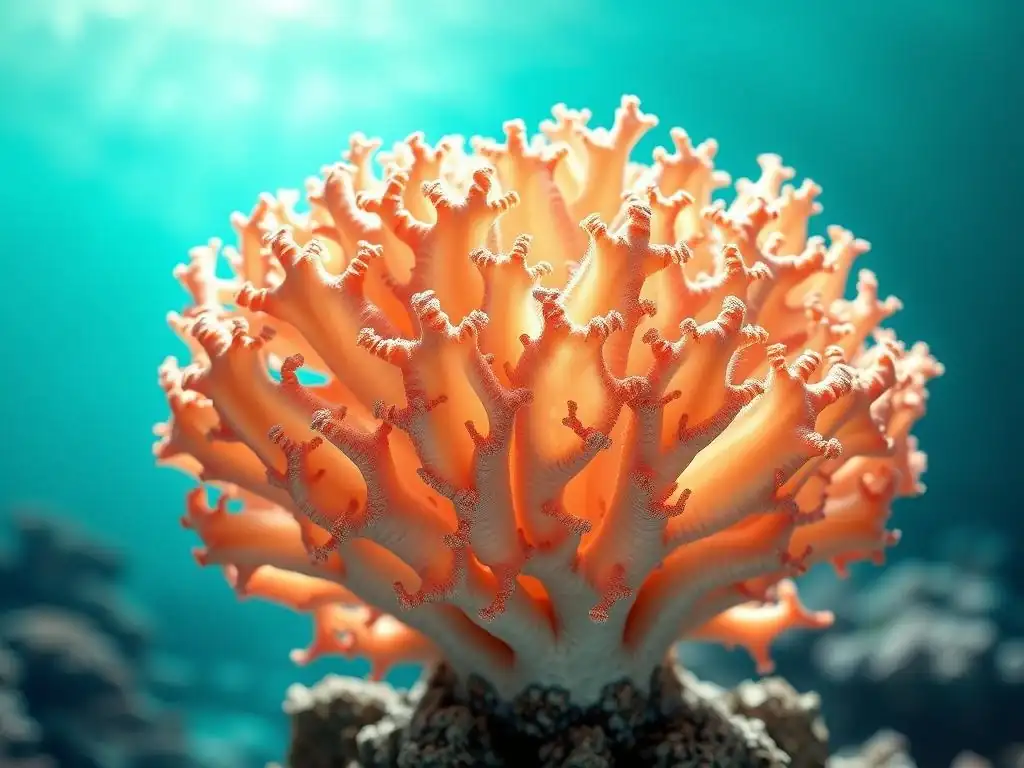
Propagating Sinularia leather corals, often referred to as "fragging," is a straightforward process due to their soft, pliable nature, making it an accessible method for growing your colony or sharing with other aquarists. The first step involves selecting a healthy, well-established mother colony and identifying a suitable branch or lobe for fragging. Ensure the frag piece is at least 1-2 inches (2.5-5 cm) long to give it a good chance of survival.
Using a sharp, sterile razor blade or scalpel, make a clean, swift cut through the coral tissue. It's advisable to perform this step quickly to minimize stress to both the mother colony and the frag.
After making the cut, the frag will typically retract its polyps and may produce a significant amount of slime, which is a natural defense mechanism. It's beneficial to place the freshly cut frag in a low-flow, well-lit area of your main display tank or a separate frag tank for a few hours. This allows the cut surface to "heal" or harden slightly, making it easier to handle and attach.
Some aquarists even recommend a brief dip in an iodine-based solution at this stage to help prevent infection. This brief healing period is a crucial Sinularia leather care tip for successful propagation, ensuring the frag is robust enough for attachment.
Attaching Sinularia Frags to New Substrates
Once the Sinularia frag has had a few hours to heal and harden, the next step in propagation is attaching it to a new substrate. The most common and effective method involves using cyanoacrylate gel glue (often marketed as "super glue gel"). Apply a generous bead of the gel glue to the cut surface of the frag, then firmly press it onto a frag plug or a small piece of live rock.
Hold it in place for 10-30 seconds until the glue sets. Alternatively, for larger or more awkwardly shaped frags, a rubber band can be gently used to secure the frag to the substrate, ensuring it's not too tight to cut into the tissue.
After attachment, place the newly mounted Sinularia frag in an area of your aquarium that receives moderate water flow and moderate lighting. It is normal for the frag to remain retracted for several days, or even up to a few weeks, as it acclimates to its new position and fully attaches to the substrate. During this period, avoid disturbing the frag.
Once it begins to extend its polyps and show signs of growth, you can consider moving it to its final desired location in the display tank. Patience and consistent Sinularia leather care tips are key during this crucial attachment phase.
Choosing the Right Sinularia Leather Coral for Your Reef Aquarium
Considering Tank Size and Compatibility
When selecting a Sinularia leather coral for your reef aquarium, considering your tank's size and the compatibility of its inhabitants is paramount for the coral's long-term health and the overall harmony of your system. While a small Sinularia frag may initially seem suitable for a nano tank (10-20 gallons), many species can grow quite large, easily reaching diameters of 8-12 inches (20-30 cm) or more under optimal conditions.
Therefore, a minimum tank size of 30-50 gallons (113-189 liters) is often recommended to provide adequate space for a mature Sinularia colony to thrive without overshadowing other corals or obstructing water flow.
Compatibility with existing tank inhabitants is also a critical Sinularia leather care tip. While Sinularia are peaceful corals themselves, they are vulnerable to stinging from more aggressive LPS (Large Polyp Stony) and SPS (Small Polyp Stony) corals. Ensure ample space (at least 4-6 inches) is maintained between the Sinularia and any corals with long sweeping tentacles. Furthermore, research your fish species; some angelfish or butterflyfish are known to nip at soft corals, which could severely damage or kill your Sinularia. Choosing tank mates wisely will prevent unnecessary stress and injury to your coral.
Selecting Healthy Sinularia Specimens
The initial health of the Sinularia specimen you purchase significantly impacts its ability to adapt and thrive in your aquarium. When at your local fish store or browsing online, take the time to carefully inspect any potential acquisition. Look for a Sinularia that exhibits full polyp extension for its species, indicating it is comfortable and healthy.
Its coloration should be vibrant and consistent, without any signs of browning, bleaching, or an unnatural pallor. The coral should feel firm and turgid, not limp or deflated, and should be free of any visible tissue damage, tears, or patches of algae growing on its surface.
Inquire about the coral's origin and how long it has been at the store, as well as their acclimation process. A coral that has been stable at the store for several weeks is often a better choice than a freshly imported one.
Regardless of its origin, a crucial Sinularia leather care tip for all new coral additions is to quarantine them in a separate tank for 2-4 weeks. This allows you to observe for and treat any potential pests, diseases, or latent issues before they can spread to your main display tank, protecting your existing investment and maintaining the health of your entire reef system.
Advanced Sinularia Leather Coral Care Techniques
Enhancing Coloration and Growth Through Advanced Techniques
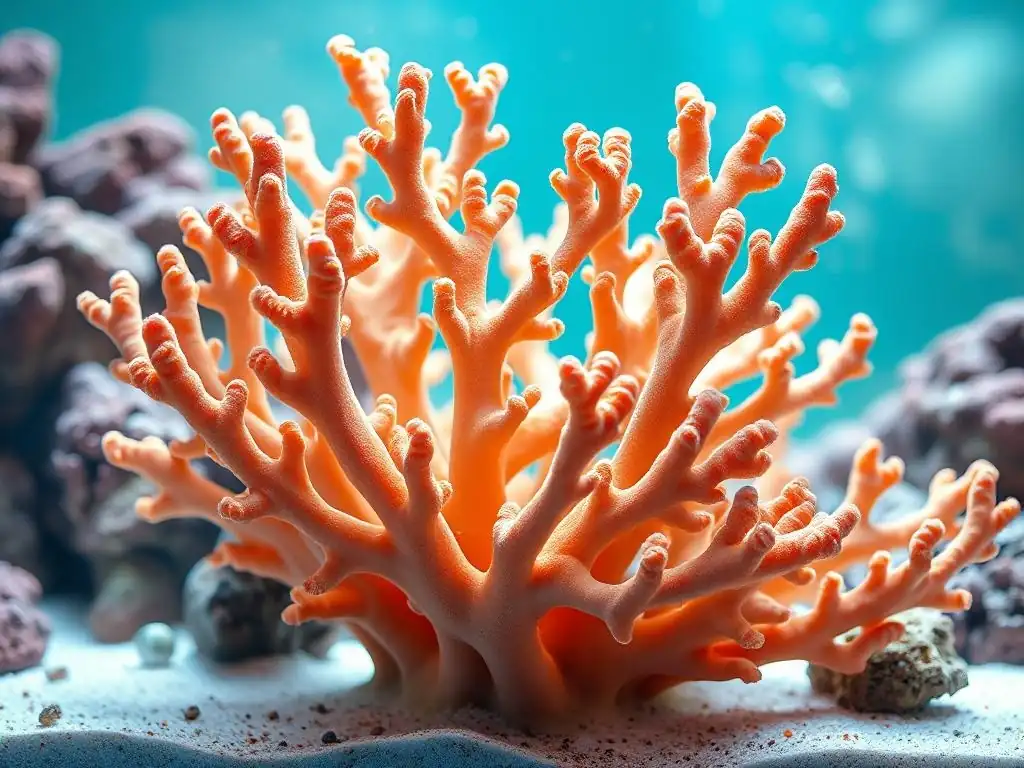
Beyond maintaining basic water parameters, aquarists seeking to truly maximize the vibrancy and growth of their Sinularia leather corals can explore several advanced Sinularia leather care techniques. While Sinularia primarily rely on photosynthesis, fine-tuning trace element dosing can play a role. For instance, some aquarists report enhanced colors and better shedding when supplementing iodine, potassium, or specialized amino acid solutions, which can provide additional building blocks for protein synthesis and pigment development. These should be dosed cautiously and based on comprehensive testing.
Furthermore, precise control over lighting spectrum and intensity can significantly influence coloration. While moderate PAR is generally sufficient, experimenting with slightly higher blue light ratios within the 420-470nm range can often enhance the fluorescent pigments present in some Sinularia species, making them "pop" more under actinic light. However, any adjustments should be gradual and monitored closely to avoid stressing the coral. Consistent stability in all parameters, coupled with optimal flow and nutrient control, forms the bedrock upon which these advanced techniques can yield noticeable improvements in the aesthetic appeal and growth rate of your Sinularia.
Monitoring Sinularia Health for Long-Term Success
Long-term success with Sinularia leather corals hinges on diligent and continuous monitoring of their health and behavior, allowing for proactive adjustments to your Sinularia leather care regimen. Regular observation should become a daily habit. Look for consistent polyp extension throughout the day, which indicates comfort and health. Pay close attention to their shedding cycles; a healthy Sinularia will periodically retract its polyps and shed a waxy layer every 2-4 weeks, and this process should be smooth and complete. Any prolonged retraction, incomplete shedding, or unusual slime production warrants immediate investigation.
Maintaining a detailed log of your aquarium's water parameters, including temperature, salinity, pH, alkalinity, calcium, magnesium, nitrates, and phosphates, is an invaluable tool. Note down any changes in feeding routines, new additions, or any observed coral behaviors. This data allows you to identify trends, correlate changes in coral health with specific tank conditions, and make informed decisions about necessary adjustments. Proactive problem-solving based on consistent monitoring is the hallmark of advanced Sinularia leather care tips, ensuring your corals thrive for years to come.
Sinularia Leather Care Tips: A Recap for Reef Aquarium Mastery
Quick Checklist for Maintaining Healthy Sinularia Leather Corals
- Maintain stable water parameters: Temperature 76-82°F (24.4-27.8°C), Salinity 1.023-1.026 specific gravity, pH 8.1-8.4.
- Provide moderate to strong, turbulent water flow to aid in shedding and nutrient uptake.
- Ensure moderate lighting, ideally within the 75-150 PAR range, with a balanced spectrum.
- Perform regular 10-20% water changes weekly or bi-weekly to replenish trace elements and export nutrients.
- Strategically place Sinularia with at least 4-6 inches (10-15 cm) of space from other, more aggressive corals.
- Monitor for consistent shedding cycles and assist with flow if the old layer struggles to detach.
- Regularly observe for signs of stress, tissue damage, or the presence of pests and address promptly.
- Consider occasional, light supplemental feeding with fine particulate foods for enhanced growth, but avoid overfeeding.
- Quarantine all new coral additions to prevent introducing diseases or pests.
Further Resources for Sinularia Leather Coral Enthusiasts
For those looking to delve deeper into the nuances of Sinularia leather care and expand their reef keeping knowledge, a wealth of resources is available.
- Online Forums and Communities: Engaging with large, active online reef keeping forums (e.g., Reef2Reef) provides access to a vast community of experienced aquarists who can offer advice, share troubleshooting tips, and discuss advanced techniques.
- Reputable Coral Identification Guides and Scientific Databases: Websites and books dedicated to coral taxonomy and identification can help you accurately identify specific Sinularia species and understand their unique requirements.
- Local Fish Stores and Coral Vendors: Building a relationship with knowledgeable staff at your local fish store or reputable online coral vendors can provide access to expert advice, healthy specimens, and specific recommendations tailored to your setup.
- Advanced Reef Keeping Books and Journals: For those interested in the scientific principles behind reef husbandry, specialized books and academic journals offer in-depth information on coral biology, water chemistry, and advanced aquarium systems.
Frequently Asked Questions
What are the ideal water parameters for a Sinularia leather coral?
Sinularia leathers thrive with stable parameters. Aim for a specific gravity of 1.024-1.026, a temperature of 72-78°F, and a pH of 8.1-8.4. Regular water changes are also crucial for maintaining optimal conditions.
How much lighting does a Sinularia leather coral need?
Sinularia leathers prefer moderate lighting. Adequate light promotes healthy growth and vibrant coloration. Adjust lighting based on the coral's placement and health.
What is the best flow rate for a Sinularia leather coral?
Sinularia leathers need moderate to strong, turbulent water flow. Good water flow helps remove waste and delivers nutrients. Avoid direct, laminar flow, which can irritate the coral.
How often should I feed my Sinularia leather coral?
Sinularia leathers are photosynthetic and primarily obtain nutrients from light. Direct feeding is usually unnecessary, though they can benefit from occasional additions of reef-specific supplements.
What are some common problems encountered with Sinularia leather corals, and how can I address them?
Common issues include shedding, bleaching, and infections. Shedding is normal, but bleaching indicates stress. Address issues by improving water quality and ensuring proper lighting and flow.
Final Reflection: Embracing the Flow of the Reef
The journey of nurturing a Sinularia leather coral, as we've explored, is more than just following Sinularia leather care tips; it's about understanding and participating in the delicate dance of the reef ecosystem. The principles of water quality, lighting, and flow, so crucial to its well-being, mirror the broader responsibilities we hold as stewards of our planet's fragile environments.
The undulating grace of a healthy Sinularia is a constant reminder of the beauty and resilience found in nature. Witnessing its gentle sway, a living testament to the balance we strive to maintain in our aquariums, inspires a deeper appreciation for the interconnectedness of life. Look deep into nature, and then you will understand everything better.
- Albert Einstein. This quote encapsulates the essence of reef keeping, urging us to observe, learn, and adapt to the needs of these captivating creatures.
Now, as you embark on or continue your Sinularia journey, consider how you can extend this mindful approach beyond your aquarium. Let the lessons learned in providing optimal Sinularia leather care guide your actions in the wider world, fostering a greater awareness of our impact and inspiring you to contribute to the preservation of our planet's precious coral reefs.
Unleash the Beauty: Start Nurturing Your Sinularia Today!
Thank you for diving into the fascinating world of Sinularia leather corals! We hope you've discovered valuable insights into keeping these graceful additions thriving in your reef tank. Now, let's translate knowledge into action and watch your Sinularia flourish!
Here are a few steps you can take right now:
- Gently redirect the flow around your Sinularia to encourage polyp extension and prevent detritus buildup—a simple tweak can make a world of difference!
- Explore supplementing your tank with iodine and other trace elements. Carefully research the appropriate dosage based on your tank's specific needs and water parameters.
- Share your Sinularia success (or challenges!) with fellow reef keepers in online forums or local aquarium clubs. Teaching is a great way to learn.
What’s one small change you can make this week to improve your Sinularia's environment and overall health? Share your plans in the comments below!