
Euphyllia divisa (Frogspawn Coral): The Ultimate Keeper's Guide

Welcome to Aquarium Mastery!
Ever been mesmerized by the swaying, frogspawn-like tentacles of a Euphyllia divisa? We have too! Dive into our comprehensive Euphyllia divisa care guide to unlock the secrets of keeping this stunning LPS coral thriving in your reef tank. Ready to learn how to create the perfect environment and witness its vibrant beauty firsthand? Let's get started!
- Introduction to Frogspawn Coral (Euphyllia divisa)
- Understanding Euphyllia Divisa Care Requirements
- Feeding Your Frogspawn Coral for Optimal Growth
- Maintaining a Healthy Frogspawn Coral
- Identifying and Addressing Common Problems in Frogspawn Corals
- Propagation and Fragging of Euphyllia divisa
- Choosing the Right Frogspawn Coral for Your Aquarium
- Euphyllia divisa vs. Other Euphyllia Species
- Advanced Euphyllia divisa Care Tips
- Conclusion: Mastering Euphyllia divisa Care
-
Frequently Asked Questions
- What is Euphyllia divisa, and why is it called Frogspawn Coral?
- What are the ideal water parameters for keeping Euphyllia divisa healthy?
- What type of lighting and water flow does Euphyllia divisa require?
- What should I feed my Euphyllia divisa? Is target feeding necessary?
- What are some common issues to watch out for when keeping Euphyllia divisa, and how can I address them?
- Final Reflection: Embracing the Delicate Dance of Reef Keeping
- Dive Deeper: Cultivate Your Frogspawn Paradise!
Introduction to Frogspawn Coral (Euphyllia divisa)
What is Euphyllia divisa? An Overview of Frogspawn Corals
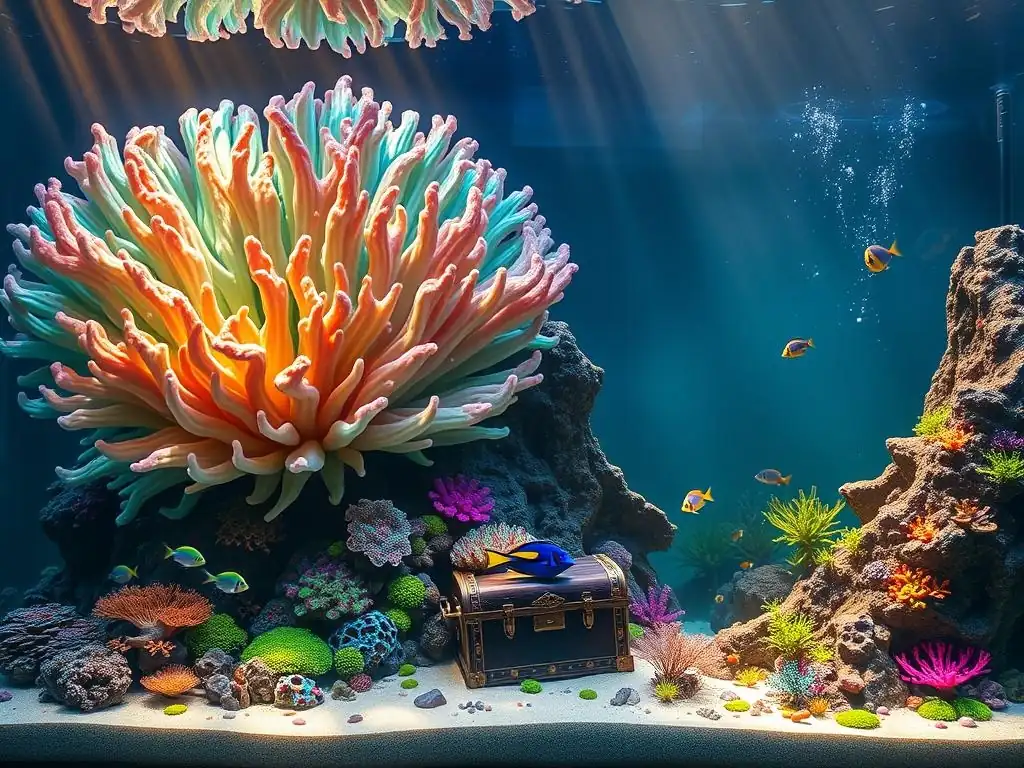
Euphyllia divisa, commonly known as Frogspawn coral, is a captivating large polyp stony (LPS) coral renowned for its distinctive appearance. Its branching skeleton supports numerous polyps, each ending in multiple, bulbous tips that resemble frog eggs, hence its popular name. Originating from the Indo-Pacific region, including areas like Australia, Fiji, and Indonesia, this coral thrives in diverse reef environments, often found in sheltered lagoons and on reef slopes where water movement is moderate.
These corals are photosynthetic, harboring symbiotic algae called zooxanthellae within their tissues, which convert light into energy. This symbiotic relationship provides the majority of the coral's nutritional needs. As an LPS coral, Euphyllia divisa constructs a hard, calcium carbonate skeleton, contributing to the reef's structure. Its vibrant colors, ranging from various shades of green to purple, pink, and even gold, make it a highly sought-after specimen in the marine aquarium hobby.
Why Choose a Frogspawn Coral for Your Reef Aquarium?
Choosing a Frogspawn coral for your reef aquarium offers a multitude of benefits, primarily its striking aesthetic appeal and dynamic movement. The gentle swaying of its polyps in the water current creates a mesmerizing visual display, adding a focal point to any marine setup. Unlike some SPS (small polyp stony) corals that demand extremely precise conditions, Euphyllia divisa is relatively forgiving, making it an excellent choice for aquarists looking to expand their coral collection beyond soft corals.
Beyond its beauty, the Frogspawn coral is known for its resilience and ability to thrive when provided with stable conditions. It can grow into impressive colonies over time, demonstrating significant skeletal growth and polyp proliferation. Observing the expansion and health of a Euphyllia divisa specimen provides immense satisfaction, contributing to a diverse and vibrant reef ecosystem within your home aquarium. Its unique morphology and relatively robust nature make it a rewarding addition for dedicated hobbyists.
Euphyllia Divisa: A Beginner-Friendly LPS Coral?
When considering LPS corals, Euphyllia divisa is often cited as one of the more beginner-friendly options, especially compared to the more demanding SPS corals. Its adaptability to a range of lighting and flow conditions, provided they are within optimal parameters, makes it a good stepping stone for novice aquarists transitioning from soft corals. While it still requires stable water chemistry, it tends to be more forgiving of minor fluctuations than species like Acropora.
However, classifying Euphyllia divisa as "beginner-friendly" does not imply it is maintenance-free. Successful Euphyllia divisa care guide adherence is crucial. It still necessitates consistent monitoring of water parameters, regular water changes, and appropriate feeding. Beginners should be prepared to invest time in understanding its needs, as instability can quickly lead to stress or disease. With proper research and dedication, even a novice can achieve success with this rewarding coral.
Understanding Euphyllia Divisa Care Requirements
Optimal Water Parameters for Frogspawn Coral Health
Maintaining stable and optimal water parameters is the cornerstone of successful Euphyllia divisa care. Stability is often more critical than hitting exact numbers, as rapid fluctuations can cause significant stress to these sensitive corals. Key parameters to monitor include temperature, alkalinity, calcium, magnesium, salinity, and pH. Consistency in these values minimizes stress and promotes healthy growth and vibrant coloration.
Regular testing, ideally weekly or bi-weekly, is essential to track these parameters. For instance, a common mistake is allowing alkalinity to swing wildly, which can lead to tissue recession. While corals can adapt to slight deviations, sudden changes, such as a 0.5 dKH drop or rise within 24 hours, can be detrimental. A well-maintained Euphyllia divisa care guide emphasizes the importance of a consistent testing and dosing regimen to prevent such issues.
Ideal Temperature for Euphyllia divisa
The ideal temperature range for Euphyllia divisa typically falls between 75°F and 79°F (24°C to 26°C). Maintaining a stable temperature within this range is crucial for the coral's metabolic processes and overall health. Temperatures outside this range, especially prolonged periods of high heat (above 82°F / 28°C), can cause coral bleaching, where the coral expels its symbiotic zooxanthellae, leading to a loss of color and ultimately, starvation.
Conversely, temperatures below 75°F (24°C) can slow down the coral's metabolism, reducing growth rates and making it more susceptible to disease. It is vital to use a reliable aquarium heater with a thermostat and a separate thermometer for verification. Avoid rapid temperature swings, as even a 2-3°F change within a few hours can stress the coral. A stable temperature environment is a fundamental aspect of effective Euphyllia divisa care.
Alkalinity, Calcium, and Magnesium Levels for Frogspawn
Alkalinity (dKH), Calcium (ppm), and Magnesium (ppm) are vital for the skeletal growth of Euphyllia divisa. The recommended ranges are: Alkalinity between 8-12 dKH, Calcium between 400-450 ppm, and Magnesium between 1300-1400 ppm. These elements are consumed by the coral as it grows its calcium carbonate skeleton, necessitating regular supplementation in a thriving reef tank.
An imbalance in these three parameters can lead to problems. For instance, low magnesium can hinder the coral's ability to absorb calcium, even if calcium levels are adequate. Similarly, low alkalinity can cause calcium to precipitate out of the water, reducing its bioavailability. Regular testing and controlled dosing, using two-part solutions, kalkwasser, or a calcium reactor, are essential to keep these levels stable and within optimal ranges for robust Euphyllia divisa health.
Maintaining Proper Salinity in Your Frogspawn Tank
Proper salinity is a non-negotiable parameter for the health of Euphyllia divisa. The ideal specific gravity (SG) range is 1.025 to 1.026, which corresponds to approximately 35 parts per thousand (ppt). Maintaining this level consistently is paramount, as significant fluctuations can cause osmotic stress, leading to tissue recession, bleaching, or even death.
Evaporation naturally increases salinity, making top-off water crucial. Using an auto top-off (ATO) system is highly recommended to replenish evaporated freshwater, thereby stabilizing salinity. Regularly calibrate your refractometer or hydrometer to ensure accurate readings. A stable salinity environment, free from daily swings of more than 0.001 SG, is a critical component of a successful Euphyllia divisa care guide.
Lighting Requirements for Thriving Frogspawn Corals
Euphyllia divisa relies heavily on the symbiotic zooxanthellae within its tissues for energy, meaning adequate lighting is essential for its survival and growth. While they are not as light-demanding as SPS corals, they do require moderate intensity. Too little light can lead to fading colors and slow growth, while too much light can cause bleaching and tissue damage.
When introducing a new Frogspawn coral or changing lighting conditions, it's crucial to acclimate the coral slowly. This can be achieved by placing it in a lower-light area of the tank initially and gradually moving it to its desired spot over several weeks. Observing the coral's polyp extension and coloration will indicate if the lighting is appropriate. A common mistake is sudden, drastic changes in light intensity, which can severely stress the coral.
PAR Levels for Euphyllia divisa
For optimal growth and coloration, Euphyllia divisa generally thrives in PAR (Photosynthetically Active Radiation) levels ranging from 75 to 150 PAR. PAR measures the amount of light available for photosynthesis. Placing the coral within this range typically means the middle to lower sections of the aquarium, depending on the light fixture's intensity and spread.
Using a PAR meter is the most accurate way to determine the light intensity in different areas of your tank. Without one, experienced aquarists often rely on visual cues, observing the coral's response to light. If a Frogspawn coral appears bleached or its polyps are retracted during the day, it may be receiving too much light, necessitating a move to a shadier spot or a reduction in light intensity. Conversely, dull colors and poor extension might suggest insufficient light.
Recommended Lighting Spectrum for Frogspawn Growth
The recommended lighting spectrum for Euphyllia divisa primarily includes blue and actinic wavelengths, which enhance the coral's natural fluorescence and support zooxanthellae photosynthesis. Full spectrum lighting, incorporating white and other colors, also contributes to overall coral health and provides a more natural viewing experience. Many aquarists aim for a color temperature between 10,000K and 20,000K.
LED fixtures are popular for Euphyllia divisa care due to their programmability, allowing precise control over spectrum and intensity. T5 fluorescent bulbs are also effective, often used in combinations like two actinic bulbs for every two daylight bulbs. Regardless of the lighting type, ensuring a consistent photoperiod, typically 10-12 hours per day, is important for the coral's biological rhythm.
Water Flow and Placement for Euphyllia divisa
Ideal Water Movement for Frogspawn Coral
Euphyllia divisa prefers moderate, indirect water flow. This type of flow helps deliver food particles and essential nutrients to the polyps while also carrying away waste products. Crucially, the flow should be gentle enough to allow the polyps to fully extend and sway gracefully without being violently tossed around. Strong, direct flow can cause significant stress, leading to tissue damage, recession, and an inability for the coral to feed effectively.
To achieve ideal water movement, powerheads should be placed strategically to create broad, turbulent flow rather than a laminar, direct stream. Aim for areas where the polyps show gentle, rhythmic movement. Observe the coral's behavior; if polyps appear shriveled or constantly retracted, the flow might be too strong or too direct in its current placement. Adjusting powerhead positioning or intensity can significantly improve the coral's health and extension.
Best Placement in Your Reef Tank for Euphyllia Divisa
Selecting the best placement for Euphyllia divisa in your reef tank involves considering both light and flow, as well as its territorial nature. These corals have long sweeping tentacles, especially at night, which can extend up to 6-8 inches (15-20 cm) or more and sting neighboring corals. Therefore, adequate spacing of at least 8-10 inches (20-25 cm) from other corals is essential to prevent chemical warfare and tissue damage.
Typically, Frogspawn corals thrive in the middle to lower sections of the aquarium, where light intensity is moderate, and flow can be easily diffused. Avoid placing them directly under high-intensity lights or in areas with strong, turbulent flow. Position them on stable rockwork, ensuring they are secure and cannot fall or damage themselves. A well-considered placement is a key aspect of any comprehensive Euphyllia divisa care guide.
Feeding Your Frogspawn Coral for Optimal Growth
Do Frogspawn Corals Need to be Fed?
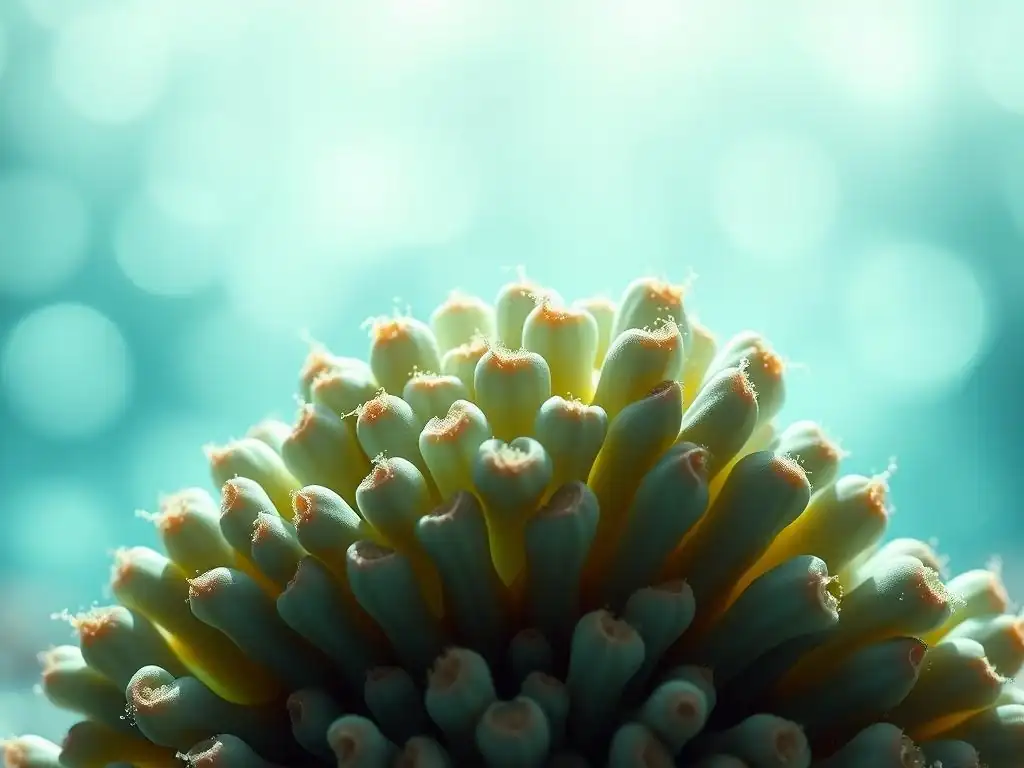
While Euphyllia divisa primarily derives its energy from the symbiotic zooxanthellae through photosynthesis, supplemental feeding is highly beneficial for optimal growth, vibrant coloration, and overall health. The zooxanthellae provide approximately 70-80% of the coral's energy needs, leaving a significant portion that can be supplemented through direct feeding.
Providing additional nutrition can significantly accelerate growth rates and enhance polyp extension, particularly in larger colonies. It helps the coral build its skeletal structure more robustly and recover faster from any minor stresses. While not strictly mandatory for survival, regular feeding transforms a surviving coral into a thriving one, making it a crucial part of an advanced Euphyllia divisa care guide.
Best Foods for Euphyllia divisa
Euphyllia divisa are carnivorous and will readily accept a variety of small, meaty foods. Excellent choices include marine snow, fine particulate foods designed for LPS corals, small zooplankton such as copepods and rotifers, and liquid coral foods. Examples of commercial foods include Reef Roids, Polyp Lab's Reef-Roids, and various liquid phytoplankton/zooplankton blends.
It is beneficial to offer a varied diet to ensure the coral receives a full spectrum of nutrients. Foods should be small enough for the polyps to capture and ingest easily. Avoid feeding large, chunky foods that can overwhelm the coral's digestive capabilities. Always ensure the food is clean and free from contaminants.
Feeding Schedule and Techniques for Frogspawn
A recommended feeding schedule for Euphyllia divisa is 1-2 times per week. The best time to feed is when the polyps are fully extended, which often occurs at night or shortly after the main aquarium lights dim. At this time, the coral's feeding tentacles are actively searching for food particles.
To effectively feed your Frogspawn coral, target feeding is the most efficient method. Use a pipette, turkey baster, or a specialized coral feeding tool to gently squirt the prepared food directly onto the polyps. It is advisable to turn off powerheads and return pumps for about 15-20 minutes during feeding to prevent the food from being immediately dispersed throughout the tank, ensuring the coral has ample time to capture and ingest the particles.
Maintaining a Healthy Frogspawn Coral
Regular Water Changes for Euphyllia divisa
Regular water changes are fundamental to maintaining a healthy Euphyllia divisa and a stable reef environment. They help replenish essential trace elements that corals consume, such as strontium, iodine, and potassium, which are vital for skeletal growth and metabolic functions. Simultaneously, water changes dilute and remove accumulated nitrates, phosphates, and other undesirable waste products that can inhibit coral growth and health.
A typical schedule involves changing 10-20% of the tank water bi-weekly or 20-30% monthly. Always use high-quality salt mix and reverse osmosis/deionized (RO/DI) water to prepare the new saltwater. Ensure the new water is temperature-matched and has similar salinity to the tank water to minimize stress on the coral. Consistency in water changes is a key element of any robust Euphyllia divisa care guide.
Monitoring and Adjusting Water Chemistry for Optimal Health
Continuous monitoring of water chemistry is paramount for the long-term health of your Euphyllia divisa. This includes regular testing of alkalinity, calcium, magnesium, pH, nitrates, and phosphates. For a thriving Euphyllia tank, nitrates should ideally be kept below 10 ppm, and phosphates below 0.05 ppm, though some hobbyists aim for near-zero levels. However, be cautious not to strip the water entirely of nutrients, as this can lead to coral starvation.
Based on testing results, adjustments can be made using various methods. Two-part dosing solutions are popular for maintaining calcium and alkalinity. Kalkwasser (limewater) can also be used for alkalinity and calcium supplementation while helping to maintain pH. For larger tanks with significant coral loads, a calcium reactor might be a more stable and automated solution. Always make adjustments slowly and incrementally to avoid shocking the coral.
Preventing and Treating Common Frogspawn Coral Diseases
Prevention is the best approach when it comes to common Euphyllia divisa diseases. This primarily involves maintaining stable water parameters, ensuring proper flow and lighting, and avoiding physical damage to the coral. Introducing new corals should always involve a quarantine period (4-6 weeks) and a coral dip to prevent the introduction of pests or pathogens.
Despite best efforts, diseases can occur. Brown Jelly Disease, characterized by a rapidly spreading brown, slimy substance, is one of the most feared. Other issues include tissue recession from stress or bleaching from inappropriate light/temperature. Early detection is crucial; observe your coral daily for any signs of distress, such as withdrawn polyps, discolored patches, or unusual growths. Prompt action, often involving fragging out affected areas or targeted dips, can save the coral.
Identifying and Addressing Common Problems in Frogspawn Corals
Brown Jelly Disease in Frogspawn Corals: Symptoms and Treatment
Brown Jelly Disease (BJD) is a highly aggressive and often fatal protozoan infection that can rapidly consume Euphyllia divisa tissue. Symptoms include the appearance of brown, slimy, mucus-like patches on the coral, which spread quickly and can engulf entire polyps or colonies within hours to days. It often starts from an injured area or a stressed part of the coral.
Immediate and decisive action is required to treat BJD. If possible, remove the affected coral from the main display tank to prevent the disease from spreading. Physically remove the brown jelly by siphoning it off with a turkey baster or carefully fragging off the infected portion of the coral, ensuring you cut well into healthy tissue.
A targeted dip in an iodine-based solution (e.g., Lugol's solution) or a brief dip in a dilute hydrogen peroxide solution (e.g., 10 ml 3% hydrogen peroxide per gallon of tank water for 1-2 minutes) can help. Address any underlying stressors like poor water quality or unstable parameters.
Bleaching in Euphyllia divisa: Causes and Solutions
Bleaching in Euphyllia divisa occurs when the coral expels its symbiotic zooxanthellae, resulting in a pale or white appearance. This can be caused by various stressors, including excessively high or low light intensity, rapid temperature fluctuations (e.g., a sudden increase of 3-5°F / 1.5-2.5°C), prolonged high temperatures (above 82°F / 28°C), or significant swings in water chemistry (e.g., drastic drops in alkalinity or pH).
To address bleaching, first identify and rectify the underlying cause. If light is too intense, gradually reduce it or move the coral to a shadier spot. Stabilize temperature using reliable heaters and chillers if necessary. Ensure all water parameters (salinity, alkalinity, calcium, magnesium, nitrates, phosphates) are within optimal ranges and stable. Recovery can be a slow process, sometimes taking weeks or even months, but with stable conditions, the zooxanthellae can return.
Pests and Predators of Frogspawn Corals: Identification and Removal
While relatively robust, Euphyllia divisa can be susceptible to certain pests and predators. Flatworms, though rare, can sometimes infest Euphyllia species, appearing as small, disc-shaped organisms on the coral tissue. Certain nudibranchs or predatory snails might also target Frogspawn, though less common than on other coral types. Look for signs of tissue recession, bite marks, or unusual growths on the coral.
Regular inspection of your Euphyllia divisa can help in early identification. If pests are spotted, manual removal with tweezers or a soft brush can be effective for larger, visible organisms. For widespread infestations of smaller pests like flatworms, a coral dip specifically formulated for pest removal can be used, ensuring the product is safe for LPS corals. Always follow product instructions carefully. Introducing natural predators, such as certain wrasse species, can sometimes help control flatworms, but this should be approached with caution as they might also nip at other desirable invertebrates.
Propagation and Fragging of Euphyllia divisa
Why Frag Frogspawn Corals?
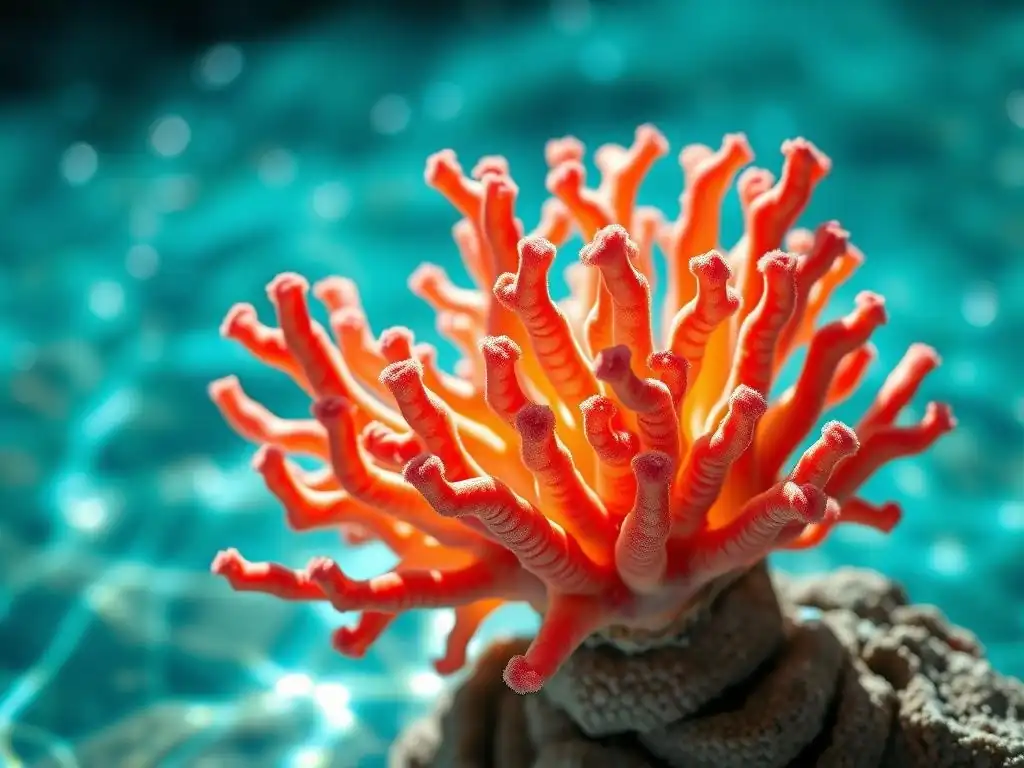
Fragging, or propagating, Euphyllia divisa is a common practice among reef aquarists for several compelling reasons. Firstly, it allows hobbyists to share their successful growth with others, fostering community and trade. Secondly, fragging provides a sustainable way to acquire new corals without relying solely on wild collection, reducing environmental impact.
Beyond sharing, fragging can be a necessary maintenance activity. Overgrown colonies can shade out other corals or themselves, leading to reduced health in parts of the colony. Pruning through fragging helps maintain an optimal size and shape. Furthermore, in cases of localized disease or necrosis, fragging can be used to remove the affected portion, potentially saving the rest of the colony. This makes fragging an important skill in any advanced Euphyllia divisa care guide.
Step-by-Step Guide to Fragging Euphyllia divisa
Fragging Euphyllia divisa requires precision and care. First, gather your tools: bone cutters or a Dremel with a diamond cutting wheel, safety glasses, gloves, a sterile container with tank water, and coral dip (e.g., iodine-based). Select a healthy branch of the coral with at least one or two polyps.
Carefully remove the chosen branch from the main colony. If using bone cutters, make a quick, clean cut through the skeleton, avoiding the polyps as much as possible. If using a Dremel, submerge the coral and Dremel bit in a separate container of tank water (to minimize bone dust in your main display) and make a clean cut.
After cutting, dip both the frag and the mother colony in a coral dip solution for the recommended time to prevent infection. Finally, secure the frag to a frag plug or rock using cyanoacrylate gel glue or epoxy, ensuring it is stable for healing.
Caring for Frogspawn Coral Frags
After fragging, caring for Euphyllia divisa frags is crucial for their survival and growth. Place the newly fragged corals in a stable environment with slightly lower light and gentler flow than the mother colony's usual spot. This reduces stress during the initial healing phase. A dedicated frag tank or a specific area in the display tank known for its stability is ideal.
Maintain pristine water parameters, paying close attention to alkalinity, calcium, and magnesium, which are vital for skeletal repair and new growth. Avoid any sudden changes in temperature or salinity. Observe the frags daily for signs of stress, such as tissue recession or lack of polyp extension. Healing can take several weeks, during which the coral will encrust onto its new plug or rock. Once stable and showing signs of new growth, the frag can be gradually moved to its permanent location in the main display.
Choosing the Right Frogspawn Coral for Your Aquarium
Different Color Variations of Euphyllia divisa
Euphyllia divisa exhibits a stunning array of color variations, making each colony a unique addition to a reef tank. Common morphs include vibrant greens, deep purples, soft pinks, and sunny yellows. Often, these colors are combined, with polyps displaying one hue and their characteristic tips another, such as green polyps with purple tips. The "wall" and "branching" forms also offer different aesthetic appeals, with wall Euphyllia growing in a solid, undulating mass and branching forms creating distinct skeletal branches.
The intensity and specific shade of these colors can vary depending on the coral's genetics, the lighting spectrum it is exposed to, and the overall water chemistry. While a vibrant color is generally indicative of a healthy coral, some less common or designer morphs may fetch higher prices. When selecting, consider how the chosen color will complement your existing reef inhabitants and overall tank aesthetic.
Selecting a Healthy Frogspawn Coral from Your Local Fish Store
When selecting a Euphyllia divisa from your local fish store, careful observation is key to ensuring you bring home a healthy specimen. Look for a coral with fully extended, plump polyps that show good turgidity. The tissue should be firmly attached to the skeleton, with no signs of recession, tears, or exposed skeleton, especially at the base. Avoid corals with any brown, slimy patches (a sign of Brown Jelly Disease) or those that appear bleached or unnaturally pale, unless the store can confirm it's a known color morph.
Inspect the coral closely for any visible pests, such as flatworms or nudibranchs, on the tissue or skeleton. Observe the tank the coral is housed in; it should be clean, well-maintained, and free of algae or diseased corals. Ask the staff about the coral's origin, how long they've had it, and its feeding regimen. A healthy Euphyllia divisa care guide begins with a healthy acquisition.
Acclimation Process for New Frogspawn Corals
Proper acclimation is crucial for minimizing stress and ensuring the successful transition of a new Euphyllia divisa to your aquarium. The drip acclimation method is highly recommended. Begin by floating the sealed bag containing the coral in your sump or display tank for 15-30 minutes to equalize the water temperature.
After temperature acclimation, carefully open the bag and slowly begin dripping water from your display tank into the coral's container using airline tubing and a knot or valve to control the flow. Aim for a drip rate of about 1-2 drips per second. Continue this process for 30-60 minutes, allowing the water in the container to slowly mix with your tank water and equalize salinity and pH.
Once acclimated, gently transfer the coral to your tank, initially placing it in a lower-light, lower-flow area. Over the next few days to weeks, gradually move it to its desired permanent location, allowing it to adapt to the light and flow intensity.
Euphyllia divisa vs. Other Euphyllia Species
Frogspawn vs. Torch Coral: Key Differences
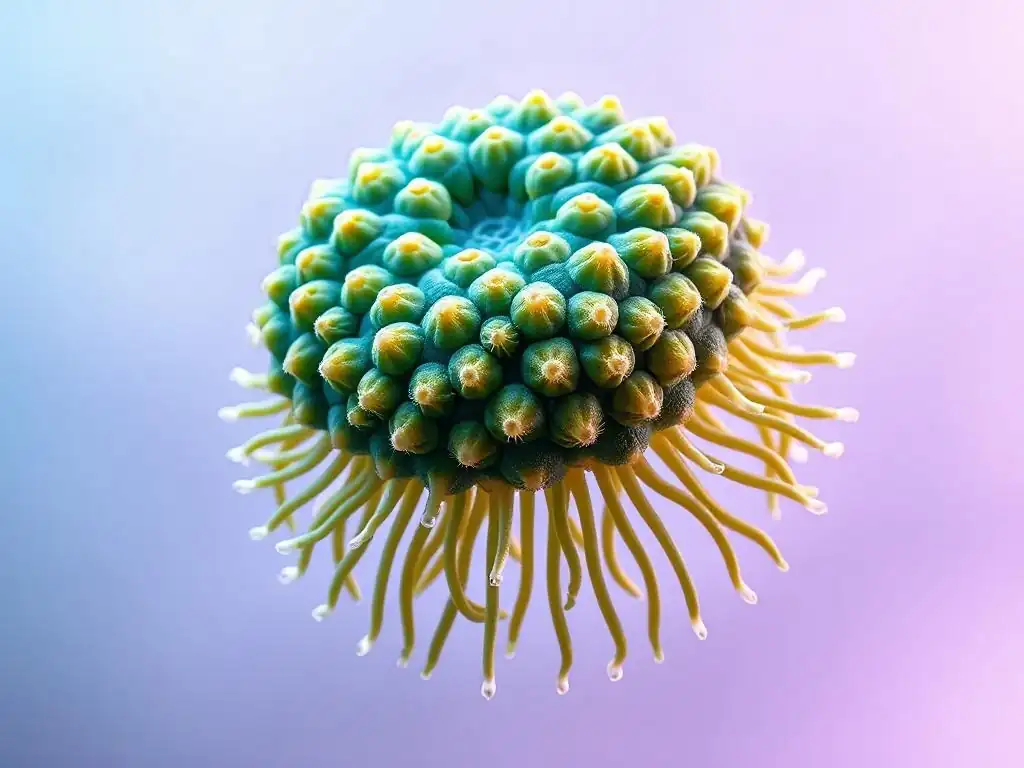
While both Frogspawn ( Euphyllia divisa) and Torch Coral ( Euphyllia glabrescens) belong to the Euphyllia genus, they possess distinct visual characteristics. The most prominent difference lies in their tentacle morphology. Frogspawn corals have multiple, rounded, bulbous tips on each polyp, resembling a cluster of frog eggs. In contrast, Torch corals feature long, flowing tentacles that typically end in a single, often contrasting-colored, hammer-shaped or rounded tip.
Beyond appearance, Torch corals are generally known for having longer and more aggressive sweeping tentacles, requiring even more generous spacing from neighboring corals (often 8-12 inches or 20-30 cm) to prevent stinging. While both are LPS corals with similar basic care requirements, the Torch coral's more pronounced stinging ability and distinct aesthetic make it a unique choice for aquarists.
Hammer Coral vs. Frogspawn: Understanding the Nuances
Hammer Coral ( Euphyllia ancora for branching forms and Euphyllia parancora for wall forms) is another popular Euphyllia species that shares some similarities with Frogspawn but has its own unique features. The key distinguishing characteristic of Hammer corals is the shape of their tentacle tips, which are distinctly hammer-shaped or T-shaped. This contrasts sharply with the multi-tipped, rounded appearance of Frogspawn coral tentacles.
In terms of care, Hammer corals generally have similar needs regarding light, flow, and water parameters as Frogspawn. However, some aquarists find Hammer corals to be slightly more sensitive to direct flow or rapid changes in water chemistry. Both corals offer beautiful movement and vibrant colors, but their distinct tentacle shapes provide different visual textures to a reef aquarium. Understanding these nuances is vital for precise Euphyllia divisa care guide application.
Distinguishing Between Different Euphyllia Species
Distinguishing between various Euphyllia species primarily relies on observing the morphology of their polyps and tentacles. As discussed, Frogspawn ( Euphyllia divisa) has multi-tipped, rounded tentacles; Torch ( Euphyllia glabrescens) has single-tipped, often elongated tentacles; and Hammer ( Euphyllia ancora/parancora) features hammer or T-shaped tips. Other less common Euphyllia species like Grape Coral ( Euphyllia cristata) have more compact, grape-like clusters of polyps.
While their care requirements are broadly similar within the genus, recognizing the exact species can help fine-tune placement, especially concerning spacing due to varying sweeper tentacle lengths. It also aids in accurate identification for trade or specific aesthetic preferences. Familiarity with these subtle differences enhances a hobbyist's ability to provide tailored care and appreciate the diversity within the Euphyllia genus.
Advanced Euphyllia divisa Care Tips
Optimizing Growth Rates in Frogspawn Corals
To optimize growth rates in Euphyllia divisa, focus on providing consistently stable and ideal water parameters. This includes maintaining alkalinity between 8-10 dKH, calcium at 420-450 ppm, and magnesium at 1300-1400 ppm, with minimal daily fluctuations. Supplemental feeding 1-2 times per week with high-quality LPS-specific foods, such as marine snow or small zooplankton, significantly contributes to faster growth by providing additional energy for calcification and tissue development.
Ensuring optimal lighting, typically in the 100-150 PAR range, along with moderate, indirect flow, allows the coral to efficiently photosynthesize and capture food. Some advanced hobbyists also report enhanced growth with targeted dosing of trace elements like strontium and iodine, though these should be used cautiously and only if water tests indicate a deficiency. A slightly elevated temperature within the ideal range, around 78-79°F (25.5-26°C), can also gently boost metabolic rates, provided stability is maintained.
Enhancing Coloration in Euphyllia divisa
Enhancing the vibrant coloration of Euphyllia divisa involves a combination of precise lighting, stable water chemistry, and controlled nutrient levels. A lighting spectrum rich in blue and actinic wavelengths, typically between 14,000K and 20,000K, helps to bring out the coral's natural fluorescence and intensify its colors. Proper PAR levels, avoiding both light starvation and bleaching, are crucial.
Maintaining low, but not undetectable, levels of nitrates (e.g., 2-5 ppm) and phosphates (e.g., 0.02-0.03 ppm) is also key. Excess nutrients can dull colors, while too little can starve the coral. Some aquarists experiment with targeted amino acid dosing, which can sometimes provide the building blocks for chromoproteins, enhancing coloration. However, any supplementation should be introduced slowly and observed carefully to avoid adverse effects.
Troubleshooting Advanced Frogspawn Care Challenges
When Euphyllia divisa exhibits persistent issues despite seemingly optimal parameters, advanced troubleshooting is required. If polyps remain retracted or tissue recession occurs without obvious cause (like Brown Jelly Disease), re-evaluate water flow; too much direct flow can stress the coral, while too little can lead to waste accumulation. Also, consider subtle nutrient deficiencies or excesses; even if nitrates and phosphates are low, other elements might be lacking or accumulating.
Check for chemical warfare from neighboring corals, especially if other Euphyllia species are too close or if an aggressive SPS coral is upstream. Even without direct stinging, allelopathy can cause stress. Micro-pests that are hard to spot, or an overlooked parameter instability (e.g., pH swings at night), could also be culprits. A detailed Euphyllia divisa care guide stresses the importance of methodical investigation, testing every parameter, and observing coral behavior closely over time.
Conclusion: Mastering Euphyllia divisa Care
Mastering Euphyllia divisa care transforms it from a mere aquarium inhabitant into a thriving, dynamic centerpiece of your reef tank. The journey involves a steadfast commitment to maintaining stable water parameters—temperature between 75-79°F, alkalinity 8-12 dKH, calcium 400-450 ppm, and magnesium 1300-1400 ppm—along with precise salinity. Providing moderate, indirect water flow and appropriate lighting (75-150 PAR, with a blue-rich spectrum) ensures the coral's energetic needs are met.
While hardy, Euphyllia divisa benefits significantly from supplemental feeding 1-2 times weekly and diligent monitoring for signs of stress or disease. With consistent attention to detail, proactive problem-solving, and patience, the Frogspawn coral will reward you with its mesmerizing movement, vibrant colors, and robust growth, making it a truly rewarding addition to any dedicated aquarist's reef aquarium.
Frequently Asked Questions
What is Euphyllia divisa, and why is it called Frogspawn Coral?
Euphyllia divisa is a large polyp stony (LPS) coral commonly known as Frogspawn Coral. It gets its name from the frogspawn-like appearance of its tentacle tips.
What are the ideal water parameters for keeping Euphyllia divisa healthy?
Maintaining stable water parameters is crucial. Aim for a temperature of 72-78°F, a salinity of 1.024-1.026 specific gravity, and a pH of 8.1-8.4.
What type of lighting and water flow does Euphyllia divisa require?
Euphyllia divisa thrives under moderate lighting and requires moderate water flow to prevent detritus buildup and deliver nutrients.
What should I feed my Euphyllia divisa? Is target feeding necessary?
While Euphyllia divisa can survive on light, supplemental feeding can boost growth. Target feeding with small meaty foods a few times a week is recommended.
What are some common issues to watch out for when keeping Euphyllia divisa, and how can I address them?
Common issues include brown jelly disease and tissue recession. Maintaining stable water parameters and addressing any infections promptly with appropriate treatments is crucial.
Final Reflection: Embracing the Delicate Dance of Reef Keeping
The journey of understanding and caring for Euphyllia divisa, the Frogspawn coral, is more than just mastering water parameters and lighting schedules; it's about recognizing the fragility and resilience of life within our planet's delicate ecosystems. As our oceans face increasing pressures, the ability to successfully cultivate these corals in our own homes becomes a powerful act of conservation, a small but significant step towards preserving biodiversity.
This exploration into Frogspawn coral care has profoundly highlighted the interconnectedness of our actions and the health of the natural world. The dedication required to maintain a thriving reef aquarium mirrors the commitment needed to protect our oceans. In the end, we will conserve only what we love; we will love only what we understand; and we will understand only what we are taught.
- Baba Dioum. This quote resonates deeply, reminding us that education and understanding are the cornerstones of environmental stewardship.
Now, as you close this guide, consider the lessons learned about patience, observation, and the delicate balance required to nurture life. Take these principles beyond the aquarium and apply them to your own life, fostering a deeper appreciation for the interconnectedness of all things. Let the vibrant beauty of the Frogspawn coral inspire you to become a champion for our oceans, a steward of our planet, and a beacon of hope for future generations.
Dive Deeper: Cultivate Your Frogspawn Paradise!
Thank you for exploring the fascinating world of Frogspawn corals with us! We hope this guide has inspired you to appreciate these captivating creatures even more. Ready to take the next step?
Here are a few ways to continue your coral journey:
- Boldly embark on your own Frogspawn propagation experiment! Carefully frag a healthy colony and watch new life bloom in your aquarium.
- Share your newfound knowledge! Spread the word about Frogspawn corals and this guide with fellow reefing enthusiasts on social media.
- Engage in your local reefing community to learn tips and gain new perspectives.
What unique challenge do you anticipate tackling when adding or propagating Frogspawn in your reef tank?