
Crowntail Bettas: The Spiky Kings of the Aquarium

Welcome to Aquarium Mastery!
Ever been captivated by the flamboyant fins of a Crowntail betta? These spiky kings of the aquarium are truly breathtaking, but providing the right care is key to their vibrant health. Curious about how to keep your Crowntail betta thriving? Dive into our comprehensive Crowntail Betta Care Guide below and unlock the secrets to a happy and healthy life for your finned friend! Let's explore everything from tank setup to diet and potential health issues together.
- Understanding the Allure of Crowntail Bettas
- Crowntail Betta Care Guide: Creating the Perfect Habitat
- Diet and Nutrition for Healthy Crowntail Bettas
- Crowntail Betta Health: Recognizing and Treating Common Illnesses
- Crowntail Betta Breeding: A Detailed Guide
- Crowntail Betta Lifespan and Longevity
- Crowntail Betta Behavior and Temperament
- Selecting the Right Crowntail Betta: What to Look For
- The Crowntail Betta: A Regal Addition to Your Aquarium
- Frequently Asked Questions
- Final Reflection: Embracing the Majesty of Crowntails
- Ignite Your Aquarium Passion: Transform Your Tank Today!
Understanding the Allure of Crowntail Bettas
What Makes Crowntail Bettas Unique?
Crowntail Bettas, a selectively bred variety of Betta splendens, stand out prominently in the aquarium hobby due to their extraordinarily distinctive finnage. Unlike other Betta types, the webbing between their fin rays is significantly reduced, creating a striking "spiky" or "shredded" appearance that resembles a regal crown. This unique characteristic, primarily developed through dedicated breeding efforts in Thailand, gives them an almost explosive aesthetic, making them instantly recognizable and highly sought after by aquarists.
Beyond their unique physical attributes, Crowntail Bettas possess a captivating personality that contributes significantly to their allure. They are known for their intelligence, curiosity, and often interactive behavior, frequently recognizing their owners and responding to their presence. Their vibrant color palettes, ranging from deep reds and blues to iridescent greens and multi-colored patterns, further enhance their majestic appeal, setting them apart from plainer freshwater fish varieties.
Crowntail Betta Appearance: Fins and Color Variations
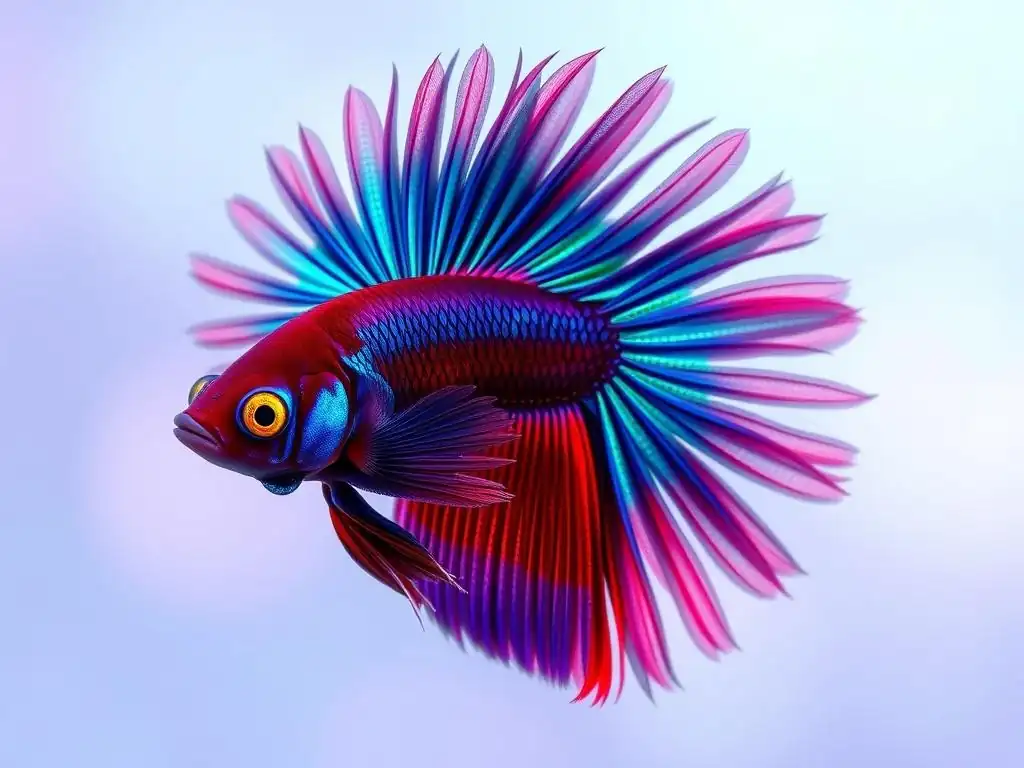
The defining feature of the Crowntail Betta is undoubtedly its spectacular fins. The caudal (tail) fin is typically the most dramatic, with rays extending far beyond the webbing, often splitting into two or more points, sometimes reaching up to a 180-degree spread. Similarly, the dorsal and anal fins also exhibit these elongated, pointed extensions, creating a harmonious, spiky silhouette. In some specimens, the fin rays can be so pronounced that they resemble delicate, feathery plumes, adding to their exotic charm.
Crowntail Bettas exhibit an astonishing array of color variations, making each individual a unique living jewel. Common solid colors include fiery red, royal blue, emerald green, and deep black, often with iridescent metallic sheens. Beyond solids, bi-color and tri-color varieties showcase stunning contrasts, while "dragon scale" Crowntails feature thick, iridescent scales that give them a armored appearance. The intensity and distribution of these colors, combined with their unique fin structure, contribute immensely to their visual impact and desirability among enthusiasts seeking a comprehensive Crowntail betta care guide.
Crowntail Betta Care Guide: Creating the Perfect Habitat
Essential Tank Setup for Crowntail Bettas
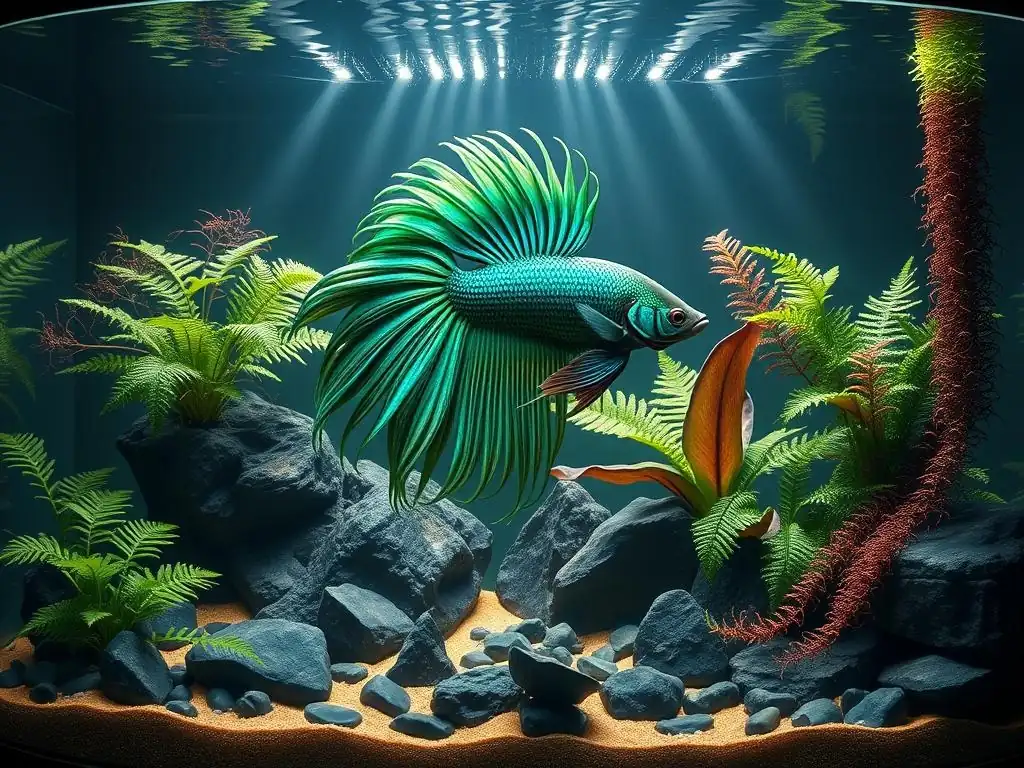
Setting up the right environment is paramount for the health and vibrancy of your Crowntail Betta. A proper tank setup includes a reliable heater to maintain stable water temperatures, ideally between 78-82°F (25.5-27.8°C), typically requiring a 25-50 watt submersible heater for smaller tanks (5-10 gallons). Filtration is also critical; a gentle filter, such as a sponge filter or a baffled hang-on-back (HOB) filter, is recommended to prevent their delicate, long fins from being damaged by strong currents. Moderate lighting for 8-10 hours a day is usually sufficient, supporting any live plants without promoting excessive algae growth.
The substrate for a Crowntail Betta tank should consist of smooth gravel or fine sand to protect their delicate fins from abrasions. Decor should be chosen with similar care: smooth rocks, ceramic ornaments without sharp edges, and especially live or silk plants. Live plants like Anubias, Java Fern, or Cryptocoryne species provide natural hiding spots and contribute to water quality. Floating plants, such as Salvinia or Frogbit, can offer shade and mimic their natural habitat. Providing ample hiding spots reduces stress and enhances their sense of security, which is a vital aspect of Crowntail betta care.
Water Parameters: Maintaining Ideal Conditions for Crowntails
Maintaining precise water parameters is a cornerstone of effective Crowntail betta care. These fish thrive in warm, slightly acidic to neutral water. The ideal temperature range is consistently between 78-82°F (25.5-27.8°C), as colder water can weaken their immune system and lead to lethargy. The pH level should be maintained between 6.5 and 7.5, with a general hardness (GH) of 3-12 dGH (50-200 ppm). These specific ranges are crucial for their metabolic processes, fin health, and overall stress reduction.
Regular water testing is non-negotiable for monitoring ammonia, nitrite, and nitrate levels, which should ideally be 0 ppm, 0 ppm, and below 20 ppm, respectively. A reliable liquid test kit, such as the API Freshwater Master Test Kit, is highly recommended over test strips for accuracy. Consistent partial water changes, typically 25-50% weekly or bi-weekly depending on tank size and stocking density, are essential to dilute waste products and replenish minerals. Always use a high-quality dechlorinator or water conditioner to neutralize chlorine and chloramines present in tap water before adding it to the tank.
Aquarium Size: How Big Should a Crowntail Betta Tank Be?
For a single Crowntail Betta, a minimum tank size of 5 gallons (approximately 19 liters) is widely recommended by experienced aquarists. While some may suggest smaller bowls, these environments are highly detrimental to a Betta's health and well-being. Bowls offer insufficient swimming space, lead to rapid accumulation of toxic ammonia and nitrite due to small water volume, and are prone to drastic temperature fluctuations, all of which cause immense stress and shorten a Betta's lifespan significantly.
Opting for a larger tank, such as a 10-gallon (approx. 38 liters) or even 20-gallon (approx. 76 liters) aquarium, provides numerous benefits. Larger volumes of water are inherently more stable in terms of temperature and water chemistry, making it easier to maintain ideal parameters. They also allow for more diverse aquascaping, additional hiding spots, and, in some carefully considered cases, the possibility of housing specific, peaceful tank mates. A spacious environment contributes significantly to a Betta's overall happiness, activity levels, and long-term health, making it a critical aspect of any comprehensive Crowntail betta care guide.
Crowntail Betta Tank Mates: Choosing Compatible Species
Crowntail Bettas, particularly males, are renowned for their territorial and aggressive nature, earning them the moniker "Siamese Fighting Fish." Therefore, the safest and often recommended approach for Crowntail betta care is to keep them as solitary pets in their own dedicated aquarium. Introducing other fish can lead to significant stress for the Betta or aggression towards tank mates, resulting in injury or death for one or both parties.
However, if tank mates are considered, it is imperative to house the Betta in a larger tank, typically 10 gallons or more, to provide ample space and reduce territorial disputes. Suitable tank mates must be peaceful, non-fin-nipping, and ideally bottom-dwelling or fast-moving to avoid direct confrontation. Examples of potentially compatible species include small, peaceful catfish like Otocinclus, which are algae eaters, or snails such as Mystery Snails or Nerite Snails.
Small, schooling fish like Ember Tetras or Chili Rasboras might be considered in tanks 15 gallons or larger, provided there are plenty of hiding spots. Never house a Crowntail Betta with other Betta males, female Bettas (unless for supervised breeding), or fish known for fin-nipping like Tiger Barbs or some Gourami species.
Diet and Nutrition for Healthy Crowntail Bettas
What to Feed Your Crowntail Betta
A balanced and nutritious diet is fundamental to the long-term health and vibrant coloration of your Crowntail Betta. The primary component of their diet should be high-quality betta-specific pellets or flakes, which are formulated to meet the carnivorous needs of these fish. When selecting a food, look for brands that list fish meal, shrimp meal, or other animal proteins as the first few ingredients, indicating a high protein content crucial for their growth and energy.
To supplement their staple diet and provide essential vitamins and minerals, offer live or frozen foods a few times a week. Excellent choices include bloodworms, brine shrimp, and daphnia. These foods not only provide rich nutrition but also mimic the Betta's natural diet, encouraging their hunting instincts. For instance, a small portion of frozen bloodworms (thawed before feeding) can be given 2-3 times a week. Occasional treats like live blackworms can also be beneficial, promoting activity and natural foraging behaviors, which are important considerations in Crowntail betta care.
Feeding Schedule: How Often Should You Feed a Crowntail?
Establishing a consistent feeding schedule is crucial for your Crowntail Betta's health and preventing digestive issues. It is generally recommended to feed your Betta once or twice a day. The key is to provide only the amount of food they can consume within a short timeframe, typically 2-3 minutes. This ensures that all food is eaten, preventing uneaten particles from decaying and polluting the tank water, which can lead to dangerous ammonia spikes.
In addition to daily feedings, it is beneficial to incorporate a fasting day once a week. For example, you might feed your Betta Monday through Saturday and then fast them on Sunday. This short period of fasting aids in digestion, helps prevent bloating, and reduces the risk of common digestive issues like swim bladder disease. Observing your Betta during feeding times will help you fine-tune the portion size, ensuring they receive adequate nutrition without being overfed.
Preventing Overfeeding in Crowntail Bettas
Overfeeding is one of the most common mistakes in Crowntail betta care and can lead to a cascade of negative health consequences. When too much food is offered, the excess decays in the water, rapidly increasing ammonia and nitrite levels, which are highly toxic to fish. This poor water quality severely stresses the Betta's immune system, making them susceptible to various diseases like fin rot and fungal infections.
Beyond water quality issues, overfeeding directly impacts the Betta's health, leading to obesity and swim bladder disease. An overweight Betta may appear bloated and struggle with buoyancy control, swimming awkwardly or resting at the top or bottom of the tank. To prevent this, use a small measuring spoon or simply pinch a tiny amount of food between your fingers. Always remove any uneaten food promptly with a net or siphon after the 2-3 minute feeding window. Observing your Betta's belly to ensure it is slightly rounded but not distended after feeding is a good practice to prevent these issues.
Crowntail Betta Health: Recognizing and Treating Common Illnesses
Common Diseases Affecting Crowntail Bettas
Despite proper Crowntail betta care, these fish can still fall victim to various common aquarium diseases. Fin Rot is a prevalent bacterial infection, often characterized by frayed, ragged, or disintegrating fins, sometimes accompanied by a white or black edge. Ich (Ichthyophthirius multifiliis), a parasitic infection, manifests as tiny white spots resembling salt grains scattered across the body and fins. Velvet (Oodinium) is another parasitic ailment, appearing as a fine, dusty, yellowish or brownish coating on the fish's skin, often causing rapid gill movement.
More serious conditions include Dropsy, a bacterial infection causing severe internal swelling and leading to a "pinecone" appearance due to scales protruding from the body. Swim Bladder Disease, often caused by poor diet, overfeeding, or internal bacterial infections, affects the Betta's buoyancy, causing them to float uncontrollably, sink, or swim on their side. Recognizing these diseases early is crucial for effective treatment, as many are linked to poor water quality, stress, or inadequate diet.
Identifying Signs of Illness in Your Crowntail Betta
Vigilant observation is key to identifying signs of illness in your Crowntail Betta promptly. Behavioral changes are often the first indicators. A healthy Betta is typically active, curious, and responsive. Signs of distress include lethargy, spending unusual amounts of time at the bottom or top of the tank, loss of appetite, hiding excessively, or rubbing their body against tank decor. Labored breathing, indicated by rapid gill movements, is also a serious warning sign.
Physical symptoms can also be highly indicative. Look for any changes in fin appearance, such as clamping (fins held close to the body), tears, or discoloration. The presence of white spots (Ich), a dusty coating (Velvet), or fuzzy growths (fungus) on the body or fins are clear signs of infection. Swelling of the body, particularly the abdomen, or protruding eyes (Popeye) also warrant immediate attention. Fading or dull coloration, compared to their usual vibrant hues, can also signal stress or illness, underscoring the importance of attentive Crowntail betta care.
Treatment Options for Sick Crowntail Bettas
When a Crowntail Betta shows signs of illness, the first step is often to transfer the affected fish to a separate "hospital tank." This prevents the spread of disease to other tank inhabitants (if any) and allows for precise medication dosages without affecting the main aquarium's beneficial bacteria. For many common ailments, improving water quality through immediate partial water changes (e.g., 50%) is the first line of defense, as pristine water can often help the fish recover from stress-induced conditions.
Specific treatments vary depending on the identified illness. For bacterial infections like Fin Rot, broad-spectrum antibiotics such as API Furan-2 or Seachem KanaPlex are often effective. Parasitic infections like Ich can be treated with medications containing malachite green or formalin (e.g., API Super Ick Cure), often requiring elevated water temperatures. For constipation or mild bloating, a short fast followed by feeding a blanched pea or an Epsom salt bath (1 teaspoon per gallon for 10-15 minutes, in a separate container) can be beneficial. Always follow product instructions carefully and consult with an experienced aquarist or veterinarian if unsure.
Preventing Diseases in Your Crowntail Betta Tank
Proactive disease prevention is far more effective than treating illnesses once they arise, forming a critical pillar of Crowntail betta care. The most crucial preventive measure is maintaining consistently excellent water quality. This involves regular water testing (weekly checks for ammonia, nitrite, nitrate, and pH), performing consistent partial water changes (e.g., 25-50% weekly or bi-weekly), and ensuring proper filtration. A stable environment minimizes stress, which is a major contributor to weakened immune systems.
Beyond water quality, providing an appropriate tank size (minimum 5 gallons, ideally larger), offering a balanced and varied diet, and avoiding overfeeding are essential. Overcrowding should always be avoided, as it increases stress and waste production. When introducing new fish or plants, always quarantine them in a separate tank for at least 2-4 weeks to ensure they are disease-free before adding them to your main Crowntail Betta setup. Maintaining stable water parameters, especially temperature, and providing ample hiding spots also contribute significantly to a resilient and healthy Betta.
Crowntail Betta Breeding: A Detailed Guide
Setting Up a Breeding Tank for Crowntails
Breeding Crowntail Bettas requires a dedicated setup to ensure the safety of the parents and the successful rearing of fry. A separate breeding tank, typically 5 to 10 gallons in size, is ideal. It should be filled with shallow water, around 4-6 inches deep, as this makes it easier for the male to retrieve eggs and for fry to reach the surface for air. No substrate is needed, as it can trap eggs and make cleaning difficult.
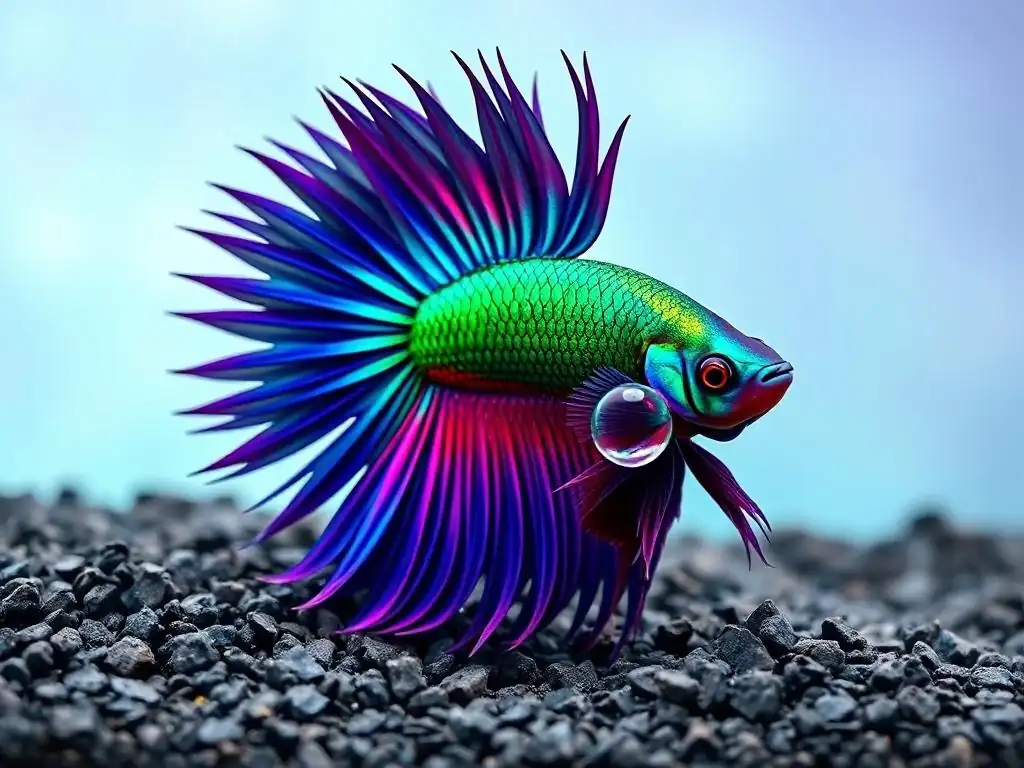
Equip the breeding tank with a gentle heater to maintain a consistent temperature of 80-82°F (26.7-27.8°C) and a small, air-driven sponge filter to provide gentle filtration without creating strong currents. Crucially, provide floating elements for the male to build his bubble nest.
This can be a large leaf from a live plant like an Indian Almond leaf, a piece of styrofoam, or even a plastic half-cup cut in half and floated upside down. A tank divider is essential to initially separate the male and female, preventing aggression while allowing them to see each other and become accustomed to their presence, a key step in this advanced Crowntail betta care guide.
Conditioning Crowntail Bettas for Breeding
Proper conditioning of both the male and female Crowntail Betta is vital to encourage successful spawning. For 1-2 weeks prior to attempting breeding, both fish should be fed a high-protein, nutrient-rich diet. This includes live or frozen foods such as bloodworms, brine shrimp, and daphnia, offered once or twice daily. This specialized diet helps the female develop a healthy clutch of eggs and ensures the male is robust enough for the demanding process of nest building and fry care.
During this conditioning period, the male and female should be kept in the breeding tank but separated by a clear divider. This allows them to see each other, stimulating their breeding instincts without allowing physical interaction that could lead to injury. Observe the female for vertical "breeding stripes" on her body and a swollen abdomen, indicating she is gravid with eggs. The male will typically begin actively building a large, robust bubble nest during this time, signaling his readiness to breed.
The Crowntail Betta Breeding Process: Step-by-Step
Once both the male and female Crowntail Bettas are conditioned and the male has built a substantial bubble nest, the divider can be carefully removed. Initially, the male may chase and nip at the female; this is a normal part of the courtship ritual, but monitor closely for excessive aggression. The female will eventually signal her readiness by displaying her vertical stripes and approaching the nest. The male will then engage in a "nuptial embrace," wrapping around the female, during which eggs and milt are released.
After each embrace, the male will carefully collect the fertilized eggs, which are slightly heavier than water, and meticulously place them into the bubble nest. This process can last several hours, with dozens to hundreds of eggs being laid. Once spawning is complete, the female should be immediately removed from the breeding tank.
The male will become fiercely protective of the nest and may harm the female. The male will then diligently guard and tend to the eggs, ensuring they remain in the nest and removing any infertile ones. The eggs typically hatch within 24-48 hours, and the fry become free-swimming in another 2-3 days, at which point the male should also be removed to prevent him from eating the fry.
Caring for Crowntail Betta Fry
Caring for Crowntail Betta fry is a delicate process that requires specific attention to their feeding and water quality. For the first few days after hatching, the fry will consume their yolk sacs. Once they become free-swimming (usually 2-3 days post-hatch), they require extremely small food sources. Infusoria (microscopic organisms) or liquid fry food are ideal for the first week or so. As they grow, typically after 7-10 days, they can be introduced to newly hatched brine shrimp or microworms, which are highly nutritious and stimulate growth.
Maintaining pristine water quality is paramount for fry survival, as they are highly sensitive to pollutants. Small, frequent water changes (e.g., 10-20% daily or every other day) are crucial. Use an air line tube to siphon water slowly, avoiding accidental removal of fry. Ensure the water added is dechlorinated and matches the tank's temperature. As the fry grow, they will need more space, and larger water changes will be necessary, gradually transitioning to a varied diet of crushed flakes and micro pellets, continuing the diligent Crowntail betta care for the next generation.
Crowntail Betta Lifespan and Longevity
Factors Affecting Crowntail Betta Lifespan
The lifespan of a Crowntail Betta is influenced by several critical factors, with genetics playing a foundational role; some bloodlines are naturally predisposed to live longer than others. However, the most significant determinants are environmental conditions and the quality of care they receive. Poor water quality, characterized by fluctuating temperatures, high ammonia/nitrite levels, and incorrect pH, is the leading cause of premature death. Chronic stress from unsuitable tank mates, inadequate tank size, or constant disturbances also significantly shortens their lives by weakening their immune system.
Diet is another crucial factor. A consistent diet of high-quality, varied foods that meet their carnivorous needs contributes to robust health and longevity. Overfeeding, on the other hand, can lead to obesity and internal organ damage, reducing lifespan. Bettas kept in small bowls or unfiltered containers, as often seen in pet stores, typically suffer from severe stress and poor health, drastically shortening their expected life. With optimal Crowntail betta care, these fish can thrive for a considerable period.
Tips for Extending Your Crowntail Betta's Life
To maximize your Crowntail Betta's lifespan, consistently providing optimal care is paramount. This begins with maintaining pristine water quality through regular testing (at least weekly) and performing consistent partial water changes (e.g., 25-50% every 1-2 weeks). Ensure stable water parameters: temperature between 78-82°F (25.5-27.8°C) and pH between 6.5-7.5. An adequately sized tank (minimum 5 gallons, preferably larger) with proper filtration and heating is non-negotiable.
Beyond water quality, feeding a high-quality, varied diet, including both pellets/flakes and live/frozen supplements, and avoiding overfeeding are crucial. Observe your Betta daily for any signs of illness or distress, allowing for early intervention. Minimize stress by providing ample hiding spots, avoiding overcrowding, and refraining from sudden changes in their environment. A healthy, low-stress environment significantly contributes to a Crowntail Betta living out its full potential, often reaching 3-5 years or even longer in exceptional cases, making diligent Crowntail betta care a rewarding endeavor.
Crowntail Betta Behavior and Temperament
Understanding Crowntail Betta Behavior Patterns
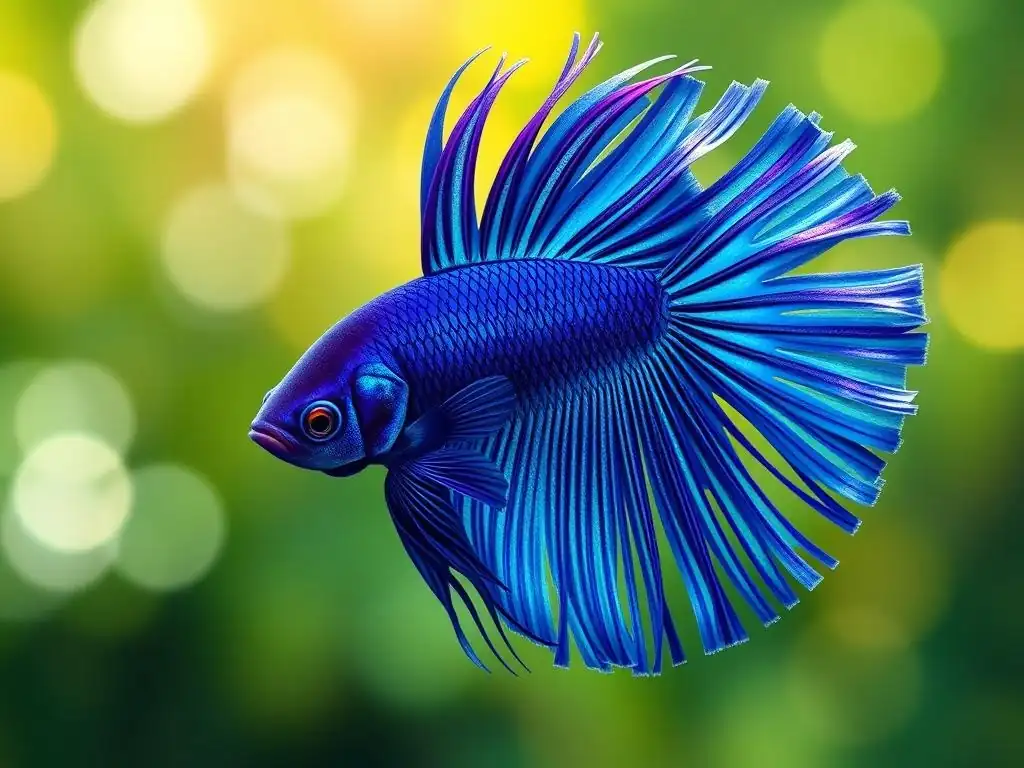
Crowntail Bettas, like all Betta splendens, are known for their distinct and often captivating behavior patterns. Males are famously territorial and aggressive, especially towards other males of their species, which can lead to fierce fights if housed together – hence their "fighting fish" moniker. This aggression is often displayed through flaring, where they spread their gill covers and extend all their fins to appear larger and more intimidating. This behavior can be directed at reflections, other fish, or even their owner's finger.
Despite their aggressive tendencies towards conspecifics, Crowntail Bettas can be surprisingly curious and intelligent. Many owners report that their Bettas recognize them, follow their movements around the tank, and even respond to simple training. They are active explorers of their environment, meticulously inspecting every plant and decor item. Providing a stimulating environment with varied decor and hiding spots will encourage natural behaviors and reduce boredom, contributing to their overall well-being and making Crowntail betta care more engaging.
Addressing Aggression in Crowntail Bettas
Aggression in Crowntail Bettas, while natural for males, needs to be managed to ensure the well-being of all tank inhabitants. The most straightforward solution for male Crowntail Bettas is to house them individually in their own dedicated aquarium. This eliminates the primary trigger for their aggression: the presence of other Bettas. If aggression is directed towards carefully selected, peaceful tank mates (in a sufficiently large tank), immediate separation is necessary to prevent injury or death.
For Bettas that exhibit aggression towards their own reflection, which can cause significant stress, consider adding a background to the tank or strategically placing plants and decor to break up reflections. Ensuring the tank is adequately sized (at least 5 gallons) and provides ample hiding spots can also reduce general stress and territorial disputes if other non-Betta species are present. Ultimately, understanding that their aggression is an inherent trait and providing an environment that caters to it is fundamental to successful Crowntail betta care.
Selecting the Right Crowntail Betta: What to Look For
Choosing a Healthy Crowntail Betta from a Reputable Source
When selecting a Crowntail Betta, the source plays a significant role in the fish's initial health and long-term well-being. Opt for reputable independent fish stores or specialized Betta breeders over large chain stores if possible. Reputable sources typically maintain higher standards of care for their fish, have knowledgeable staff who can answer questions about Crowntail betta care, and are more likely to have received their fish from ethical and healthy breeding operations.
Upon arrival at the store, observe the overall cleanliness and condition of the tanks. Avoid establishments with many sick, dead, or neglected fish, as this indicates poor husbandry practices that could affect all their livestock. Ask about the fish's origin, how long it has been at the store, and its feeding regimen. A healthy environment where the fish are well-cared for is the best indicator that you are choosing a robust specimen.
Assessing Fin Quality and Coloration in Crowntail Bettas
Careful visual inspection of the Crowntail Betta itself is crucial before purchase. Pay close attention to its signature fins: they should be fully extended, free from tears, nips, or any signs of fin rot (which appears as ragged edges or discolored, often black, tips). The characteristic "spiky" appearance should be distinct and well-defined, not clumped or ragged due to poor health. Ensure the fins are not clamped tightly against the body, which is a common sign of stress or illness.
The Betta's coloration should be vibrant, rich, and consistent across its body (unless it's a marble or multi-color variety). Dull or faded colors can indicate stress, poor health, or inadequate nutrition. The eyes should be clear and bright, not cloudy or sunken. Observe its swimming behavior: a healthy Crowntail Betta should be active, alert, and curious, swimming with purpose rather than being lethargic, listless, or resting on the bottom without provocation. These visual cues are essential for choosing a healthy addition to your aquarium and ensuring a successful Crowntail betta care journey.
The Crowntail Betta: A Regal Addition to Your Aquarium
Frequently Asked Questions
What makes Crowntail Bettas unique compared to other Betta varieties?
Crowntail Bettas are distinct due to their fin rays extending far beyond the webbing, creating a spiky, crown-like appearance. This unique fin structure requires special attention to prevent damage. They are otherwise similar to other bettas in terms of temperament and care needs.
What size tank is recommended for a Crowntail Betta?
A minimum of 5 gallons is recommended for a single Crowntail Betta. Larger tanks, such as 10 gallons or more, are even better as they provide more space for swimming and exploration, leading to a healthier and happier fish.
What are the ideal water parameters for a Crowntail Betta aquarium?
Crowntail Bettas thrive in warm, slightly acidic water. Aim for a temperature between 78-82°F (25-28°C) and a pH level between 6.5-7.5. Regular water testing and changes are crucial for maintaining these parameters.
What should I feed my Crowntail Betta?
A high-quality betta pellet should form the base of their diet. Supplement with live or frozen foods like bloodworms, daphnia, and brine shrimp for variety and essential nutrients. Avoid overfeeding, as this can lead to health problems.
What are some common health problems that affect Crowntail Bettas?
Crowntail Bettas are prone to fin rot due to their delicate fins. Maintaining pristine water quality is the best preventative measure. Other common issues include Ich (white spot disease) and dropsy, which require prompt treatment with appropriate medications.
Final Reflection: Embracing the Majesty of Crowntails
The journey into understanding the intricacies of Crowntail Betta care, as explored throughout this guide, underscores a crucial point: responsible pet ownership demands continuous learning and adaptation. These magnificent fish, with their flamboyant fins and captivating personalities, are more than just aquarium decorations; they are living beings deserving of our utmost respect and informed care. The knowledge shared here is not merely a set of instructions, but a foundation upon which to build a thriving and enriching life for your spiky king.
The allure of the Crowntail Betta extends beyond its physical beauty; it represents a commitment to nurturing life and appreciating the delicate balance of an aquatic ecosystem. My own fascination with these fish stems from witnessing their resilience and the unique bond they form with their caretakers. The greatness of a nation and its moral progress can be judged by the way its animals are treated.
- Mahatma Gandhi. This quote resonates deeply when considering the responsibility we undertake when welcoming a Crowntail Betta into our homes.
Now, armed with this comprehensive guide to Crowntail Betta care, I invite you to reflect on your role as a potential or current owner. Consider the dedication required, the commitment to providing a stimulating environment, and the joy that comes from witnessing these magnificent creatures thrive. Let this knowledge empower you to create a haven where your Crowntail Betta can truly reign as the spiky king of its aquarium, and in doing so, enrich your own life with the beauty and wonder of the natural world.
Ignite Your Aquarium Passion: Transform Your Tank Today!
Thank you for diving into the fascinating world of Crowntail Bettas with us! We hope you’ve discovered a newfound appreciation for these magnificent fish and their unique needs. Now, let’s turn that knowledge into action.
- Take the plunge and begin planning your Crowntail Betta's dream home. Consider tank size, filtration, and appropriate tank mates based on what you've learned.
- Share your newfound knowledge! Post your favorite Crowntail Betta fact on social media to spark curiosity in others.
- Explore the Aquarium Mastery forums and connect with other Betta enthusiasts to exchange tips and experiences.
What unique decoration will you choose to highlight your Crowntail Betta's majestic fins?