
Mushroom Coral vs. Anemone: Similar Looks, Different Care

Welcome to Aquarium Mastery!
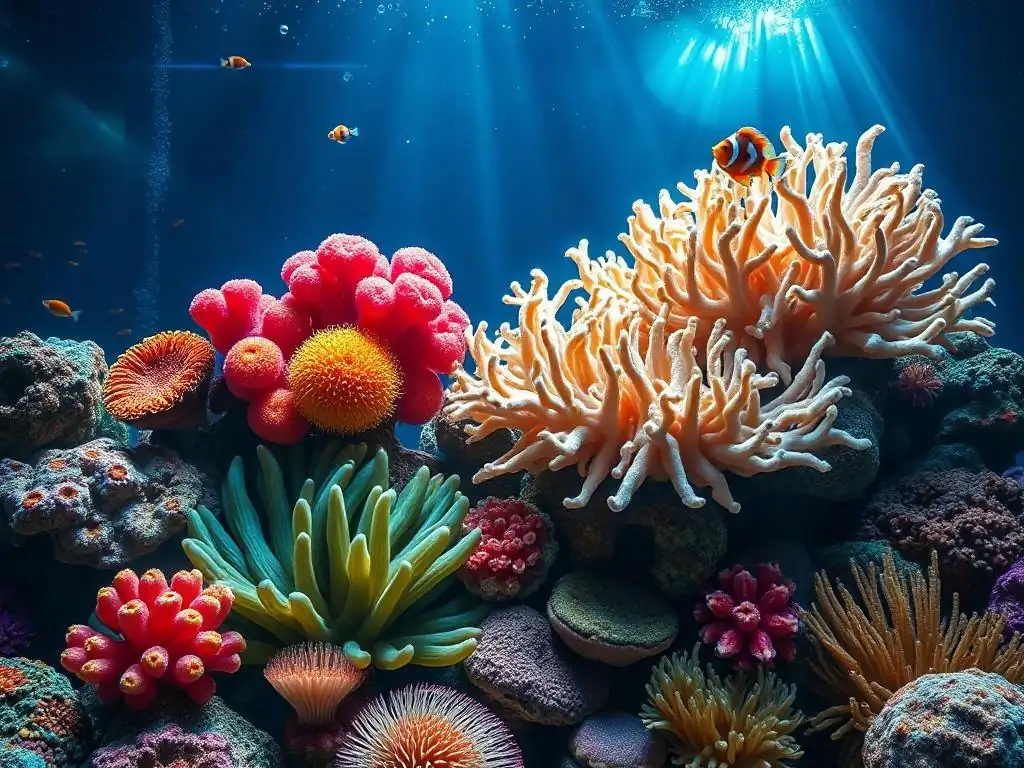
Ever been mesmerized by the swirling beauty of a mushroom coral and wondered if it needed the same pampering as a vibrant anemone? You're not alone! Dive into our exploration of Saltwater coral care differences, focusing on the fascinating world of mushroom corals and anemones. Discover the surprising distinctions that will keep your reef thriving and your corals happy. Ready to unlock the secrets?
- Understanding the Differences: Mushroom Coral and Anemone in Saltwater Aquariums
- Visual Similarities: Mushroom Corals and Anemones - Spotting the Differences
- Saltwater Coral Care Differences: Mushroom Coral vs. Anemone Needs
- Placement Considerations: Where to Locate Mushroom Corals and Anemones in Your Saltwater Tank
- Water Parameter Requirements: Maintaining Optimal Conditions for Both
- Propagation and Reproduction: Mushroom Corals vs. Anemones
- Common Problems and Solutions: Saltwater Coral and Anemone Health
- Choosing the Right Invertebrates: Matching Your Aquarium to Your Experience
- Conclusion: Mastering Saltwater Coral Care Differences for a Thriving Aquarium
-
Frequently Asked Questions
- How do mushroom corals and anemones differ in their feeding requirements?
- What are the key differences in water parameters required for mushroom corals versus anemones?
- How does lighting intensity impact the health of mushroom corals and anemones differently?
- What are the specific flow requirements for keeping mushroom corals and anemones healthy?
- How do the risks of stinging other corals compare between mushroom corals and anemones?
- Final Reflection: Appreciating the Nuances of Reef Life
- Dive Deeper: Transform Your Reef Tank Today!
Understanding the Differences: Mushroom Coral and Anemone in Saltwater Aquariums
Introduction to Saltwater Coral and Anemone Identification
In the vibrant world of saltwater aquariums, distinguishing between various invertebrates can be a fascinating yet challenging endeavor. Many aquarists, especially those new to the hobby, often confuse mushroom corals with anemones due to their superficial visual similarities. Both belong to the phylum Cnidaria, sharing characteristics like radial symmetry and stinging cells, but their biological classifications and, more importantly, their husbandry requirements diverge significantly.
Mushroom corals, scientifically known as Corallimorphs, are soft-bodied polyps that typically attach to rockwork or substrate and lack a calcified skeleton. Anemones, on the other hand, are mobile marine animals, often possessing a muscular foot that allows them to move around the aquarium, seeking optimal conditions. Understanding these fundamental distinctions is the first step in providing appropriate care.
Why Understanding Coral and Anemone Differences is Crucial for Aquarium Health
Accurate identification is not merely an academic exercise; it is absolutely crucial for the long-term health and success of a saltwater aquarium. Misidentifying a mushroom coral as an anemone, or vice versa, can lead to incorrect care strategies regarding lighting, water flow, feeding, and placement, all of which directly impact the organism's well-being. The saltwater coral care differences between these two groups are substantial and cannot be overlooked.
Improper care stemming from misidentification can result in a range of detrimental outcomes, from stunted growth and faded coloration to tissue necrosis and eventual death. For instance, an anemone placed in conditions suitable for a mushroom coral might starve or bleach, while a mushroom coral exposed to the strong lighting and flow preferred by some anemones could shrink or detach. Furthermore, the mobility and potent sting of anemones pose risks to other tank inhabitants if their placement and predatory nature are not accounted for.
Visual Similarities: Mushroom Corals and Anemones - Spotting the Differences
Mushroom Coral Appearance: Characteristics and Color Variations
Mushroom corals are characterized by their fleshy, disc-like appearance, often resembling a mushroom cap when fully expanded. They typically possess a central oral disc that may be smooth, have small vesicles, or feature short, stubby tentacles depending on the species. Unlike many stony corals, mushroom corals lack a hard skeletal structure and are generally sessile, attaching themselves firmly to rocks or the substrate.
These fascinating invertebrates come in an astonishing array of colors, including vibrant blues, greens, reds, oranges, and purples, often with iridescent qualities. Popular genera like Discosoma, Rhodactis, and Ricordea exhibit diverse textures, from bumpy and warty to smooth or hairy, making them highly sought after by aquarists. Their size can vary from less than an inch to over 6 inches in diameter when fully expanded, providing significant visual impact in a reef tank.
Anemone Appearance: Unique Features and Movement
Anemones, though similar in general form to a mushroom coral, possess distinct anatomical features. They typically have a more clearly defined cylindrical body (column), an oral disc with a central mouth, and prominent, often elongated stinging tentacles surrounding the mouth. These tentacles, armed with nematocysts, are used for defense and capturing prey. A key distinguishing feature is their muscular foot, which allows them to attach to surfaces and, critically, to move around the aquarium.
Common aquarium anemones, such as the Bubble Tip Anemone ( Entacmaea quadricolor), Sebae Anemone ( Heteractis crispa), and Magnificent Anemone ( Heteractis magnifica), exhibit a wide range of sizes and tentacle shapes. Bubble Tip Anemones, for example, are known for their bulbous tentacle tips, while Sebae Anemones have long, flowing tentacles. Their colors can range from natural browns and greens to striking blues, reds, and purples, often enhanced by symbiotic zooxanthellae.
Key Visual Cues to Differentiate Mushroom Corals from Anemones
The most reliable visual cue to differentiate mushroom corals from anemones lies in their fundamental structure and mobility. Anemones possess a distinct, often elongated column and a visible muscular foot that allows them to actively relocate within the tank. Their tentacles are typically more pronounced, capable of significant extension and retraction, and clearly surround a central mouth. Observing an anemone's movement over hours or days is a definitive indicator.
In contrast, mushroom corals are primarily sessile once attached, although they can slowly "walk" over very long periods or detach if severely stressed. Their body structure is more uniform and disc-like, lacking a distinct column or a visible "foot" for active locomotion. While some mushroom corals like Rhodactis have short tentacles, these are generally less defined and less mobile than an anemone's tentacles, and their overall appearance is more akin to a thick, fleshy disc rather than a distinct body with separate tentacles.
Saltwater Coral Care Differences: Mushroom Coral vs. Anemone Needs
Mushroom Coral Care: Lighting, Flow, and Feeding
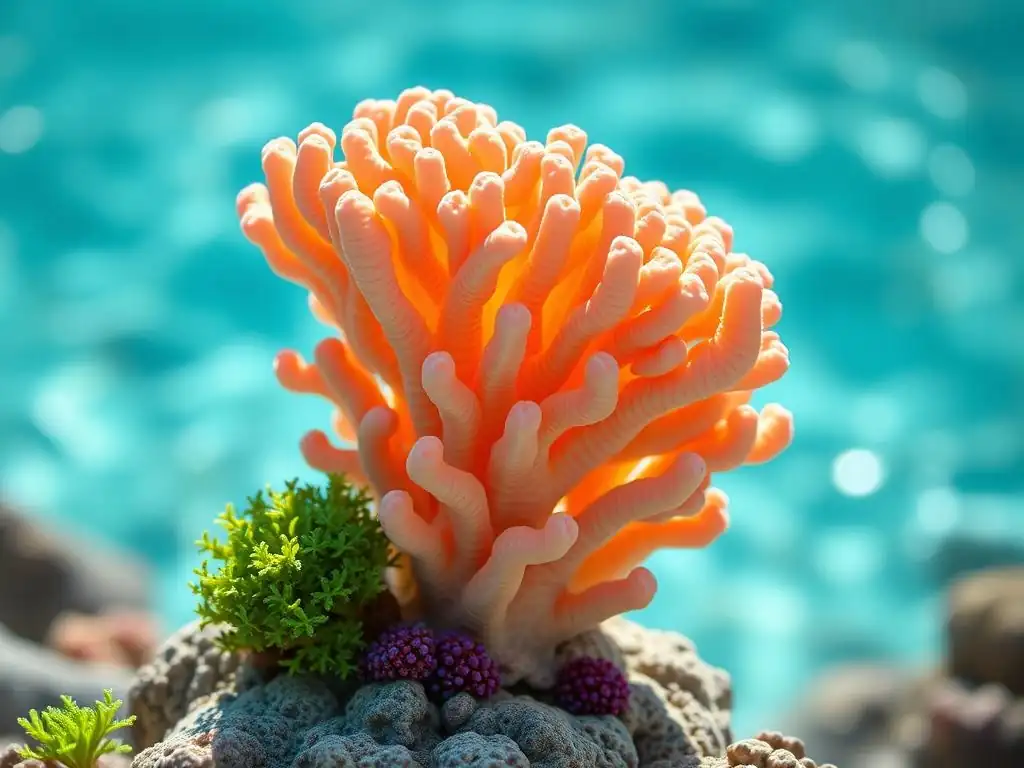
Mushroom corals are renowned for their hardiness and relatively forgiving nature, making them excellent choices for both beginner and experienced aquarists. They are generally less demanding than many other soft or stony corals, requiring moderate conditions for optimal health and vibrant coloration. Their ability to thrive in a range of environments contributes to their popularity.
Successful mushroom coral husbandry centers on providing stable, appropriate lighting, gentle water flow, and occasional supplemental feeding. These factors, alongside consistent water parameters, are key to preventing stress and encouraging their characteristic expansion and natural propagation.
Optimal Lighting for Mushroom Coral Growth and Coloration
Mushroom corals typically thrive under low to moderate lighting conditions, with PAR (Photosynthetically Active Radiation) levels generally ranging from 50 to 150 PAR. For instance, Discosoma mushrooms often prefer 50-100 PAR, while Rhodactis and Ricordea florida can comfortably handle 80-150 PAR. Excessive light can cause them to shrink, bleach, or exhibit faded coloration, indicating stress to their symbiotic zooxanthellae.
A blue-spectrum light (e.g., 10,000K to 20,000K) often enhances their natural pigmentation and fluorescence. A photoperiod of 8-10 hours per day is generally sufficient. If a mushroom coral appears shrunken or shows signs of bleaching, reducing light intensity or moving it to a shadier part of the tank should be considered as a primary troubleshooting step.
Water Flow Requirements for Healthy Mushroom Corals
Mushroom corals prefer gentle, indirect water flow. High or direct flow can cause them significant stress, leading to detachment from their substrate, constant shrinking, or even tissue damage. They are not adapted to strong currents and will often close up or appear deflated if exposed to turbulent conditions.
Aim for a diffused flow pattern that allows their polyps to gently sway without being violently buffeted. A general guideline is to ensure a water turnover rate of around 5-10 times the tank volume per hour in the area where they are placed. Observing the mushroom's expansion is a good indicator: if it's consistently shrunken, flow might be too strong or too direct.
Feeding Strategies for Mushroom Corals
While mushroom corals primarily rely on their symbiotic zooxanthellae for nutrition through photosynthesis, they are also capable of absorbing dissolved organic matter from the water column. Supplemental feeding can significantly enhance their growth rate and intensify their coloration.
Occasional target feeding with fine particulate foods is beneficial. Phytoplankton, zooplankton, or very finely chopped mysis shrimp can be offered once every 1-2 weeks. Larger species of Rhodactis may accept small pieces of meaty foods like krill or shrimp. Ensure that the food particles are small enough for the mushroom coral to engulf without difficulty.
Anemone Care: Lighting, Flow, and Feeding Requirements
Anemones are significantly more demanding than mushroom corals and are generally recommended for mature, stable aquariums with experienced aquarists. Their sensitivity to water parameters, coupled with their specific needs for lighting, flow, and feeding, highlight the considerable saltwater coral care differences between them and mushroom corals.
Providing a stable environment is paramount for anemones. They require robust filtration, consistent water quality, and careful attention to their environmental preferences to prevent stress, bleaching, and the potentially fatal "melting" syndrome.
Anemone Lighting Needs: Providing Sufficient Illumination
Anemones, particularly those that host clownfish, require strong and stable lighting to support their dense populations of zooxanthellae. PAR levels typically needed by popular species like Bubble Tip Anemones ( Entacmaea quadricolor) range from 200-400 PAR, with some species preferring even higher intensities. Inadequate lighting is a common cause of bleaching and decline in anemones.
It is crucial to provide high-quality lighting (e.g., strong LEDs or T5 fluorescent fixtures) with a broad spectrum that includes sufficient blue light. A photoperiod of 8-12 hours per day is typical. If an anemone appears bleached (losing color), it often indicates insufficient light, prompting a need to increase intensity or move the anemone to a brighter location.
Water Flow for Anemones: Creating a Suitable Environment
Anemones require moderate, turbulent water flow that brings food particles to their tentacles and removes waste products. However, the flow should not be so strong that it constantly buffets or dislodges the anemone, which can lead to stress or damage. Anemones will often move around the tank to find their preferred flow conditions.
Aim for an indirect, varied flow pattern, avoiding direct, laminar currents. Too little flow can lead to stagnant areas and waste accumulation around the anemone's base, while excessive flow can cause it to retract, detach, or even be drawn into powerheads, which is often fatal. Observing the gentle swaying of their tentacles is a good sign of appropriate flow.
Feeding Anemones: Dietary Needs and Techniques
Unlike mushroom corals, anemones are primarily carnivorous and require regular, targeted feeding to thrive. While they do host zooxanthellae, photosynthesis alone is often insufficient to meet their energy demands, especially for larger specimens or those hosting clownfish.
Feed anemones 2-3 times per week with meaty foods such as chopped raw shrimp, silversides, mysis shrimp, or krill. Ensure the food pieces are small enough for the anemone to easily engulf. Target feeding directly onto their oral disc using a turkey baster or feeding stick is the most effective method, ensuring the food is consumed and doesn't pollute the tank.
Placement Considerations: Where to Locate Mushroom Corals and Anemones in Your Saltwater Tank
Ideal Placement for Mushroom Corals: Minimizing Stress and Maximizing Growth
Mushroom corals are generally non-aggressive and possess a very mild, almost negligible sting, making them safe neighbors for most other corals and invertebrates. They prefer lower areas of the tank or shaded spots on rockwork where light and water flow are less intense. They can be placed directly on the sand bed or securely attached to rubble rock.
When placing mushroom corals, ensure they have adequate space to expand without touching other corals, as some species like Discosoma can reach 4-6 inches in diameter. Avoid placing them directly under high-output lights or in areas of strong, direct current. Their adaptable nature means they can often thrive in various spots, but observing their expansion and coloration will guide optimal placement.
Anemone Placement Strategies: Ensuring Health and Preventing Roaming
Anemones are known for their mobility; they will move around the aquarium to find their ideal spot concerning light, flow, and substrate. This mobility, combined with their potent stinging cells (nematocysts), makes careful placement critical. Provide a stable rock structure with crevices or a sandy bottom (depending on species preference) where their foot can securely anchor.
Crucially, anemones should be placed a significant distance away from other corals and powerheads. Their powerful sting can damage or kill nearby corals, and their movement can lead them into pumps or overflows, which is often fatal. A minimum separation of 6-12 inches from other corals is recommended, depending on the anemone's size and potential for expansion. Regularly check their position to prevent dangerous encounters.
Water Parameter Requirements: Maintaining Optimal Conditions for Both
Water Chemistry for Mushroom Corals: pH, Alkalinity, and Calcium
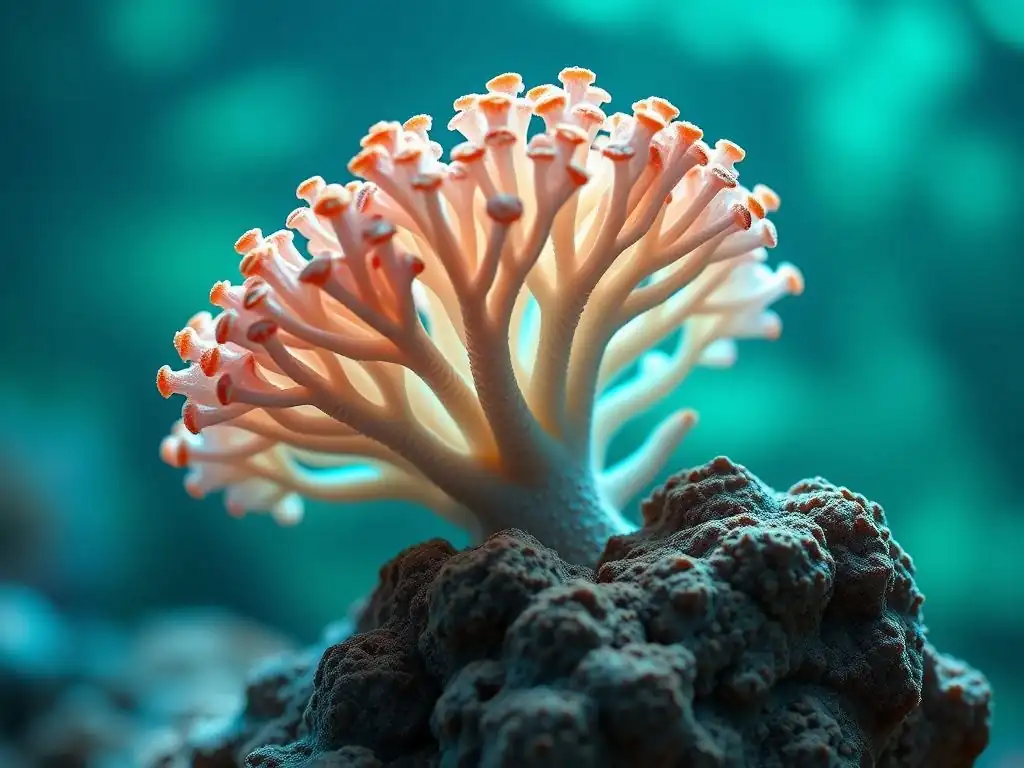
Mushroom corals are relatively forgiving when it comes to minor fluctuations in water parameters, showcasing another aspect of their ease of care compared to many other corals and anemones. However, maintaining stable and consistent water chemistry within ideal ranges is still paramount for their long-term health and vibrant appearance.
Target optimal parameters include a pH of 8.1-8.4, alkalinity (dKH) between 8-11, and calcium levels of 400-450 ppm. While they do not consume calcium and alkalinity as rapidly as stony corals, stability prevents stress. Magnesium levels should be maintained between 1250-1350 ppm for overall invertebrate health. Regular partial water changes (e.g., 10-20% monthly) with high-quality saltwater typically suffice to replenish trace elements and maintain these parameters.
Water Chemistry for Anemones: Maintaining Stability and Preventing Issues
Anemones are considerably more sensitive to fluctuating water parameters than mushroom corals, underscoring a critical saltwater coral care differences. They require highly stable conditions in a mature aquarium to thrive. Any significant swings in salinity, temperature, or nutrient levels can quickly lead to stress, bleaching, or tissue deterioration.
Maintain a stable pH of 8.1-8.4, alkalinity between 8-10 dKH, and calcium levels of 400-450 ppm. Nitrate levels should be kept very low, ideally below 10 ppm, and phosphate below 0.03 ppm, as high nutrient levels can be detrimental. A robust filtration system, including a protein skimmer and regular water changes, is essential. It is generally advised to introduce anemones only into tanks that have been established and stable for at least 6-12 months.
Propagation and Reproduction: Mushroom Corals vs. Anemones
Mushroom Coral Propagation: Fragging and Encouraging Growth
Mushroom corals are among the easiest invertebrates to propagate in a home aquarium, making them popular for fragging and sharing within the hobby. They reproduce naturally through budding (where a small mushroom polyp grows off the side of the parent), fission (the parent splits into two or more new individuals), or pedal laceration (small pieces of tissue break off the base and develop into new polyps).
For artificial propagation, or "fragging," a healthy mushroom coral can be carefully cut with a sharp, clean razor blade through its oral disc. The resulting pieces, or "frags," can then be attached to frag plugs or small pieces of live rock using super glue gel or by securing them with a rubber band until they naturally attach. Success rates for mushroom coral fragging are remarkably high, often exceeding 90% when performed in stable conditions, allowing aquarists to grow their colonies rapidly.
Anemone Reproduction: Understanding Natural Division
Anemones primarily reproduce asexually through a process called fission, where a single anemone divides into two or more genetically identical individuals. This can occur either through longitudinal fission, where the anemone splits down the middle from the oral disc to the foot, or through pedal laceration, where small pieces of the muscular foot break off and develop into new, miniature anemones.
While sexual reproduction (spawning of eggs and sperm) does occur in anemones, it is rare in the confines of a home aquarium. Fission can be a sign of a healthy, thriving anemone that is growing well, but it can also be a stress response if conditions are suboptimal. Post-division, it is crucial to maintain pristine water quality and stable parameters to support the recovery and growth of the new, smaller anemones.
Common Problems and Solutions: Saltwater Coral and Anemone Health
Common Issues Affecting Mushroom Corals: Identifying and Addressing Problems
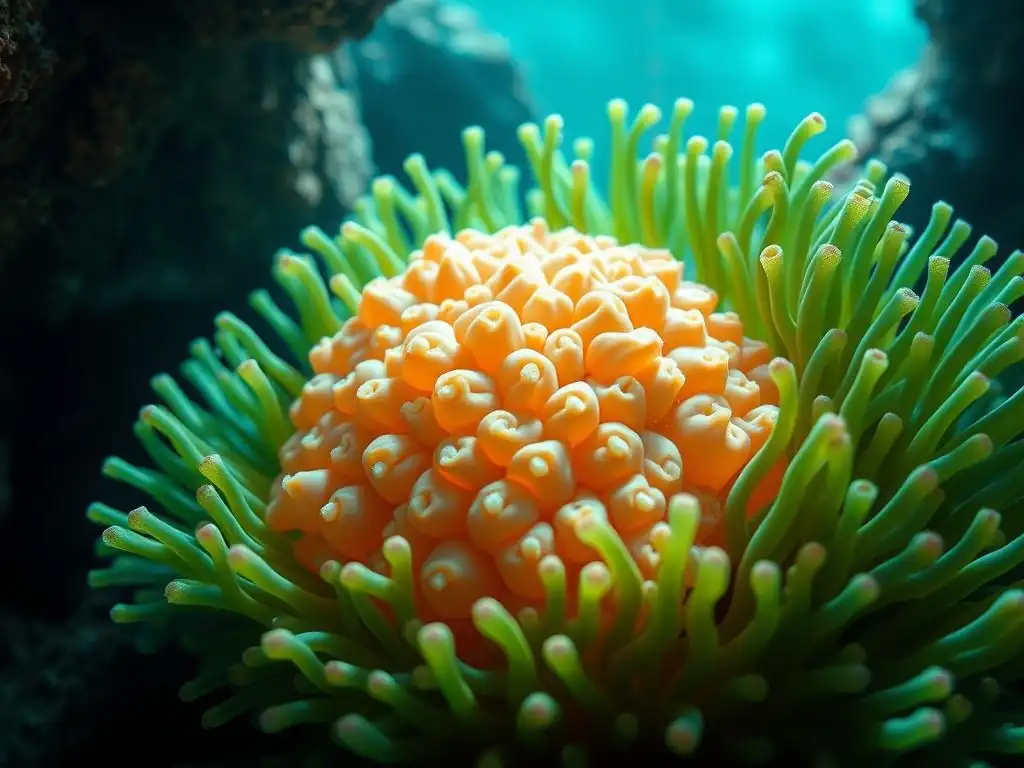
Despite their general hardiness, mushroom corals can exhibit signs of stress or health issues, often manifesting as shrinking, bleaching, or a "melting" appearance. These symptoms are typically indicative of unfavorable environmental conditions or the presence of pests. Early identification and prompt action are key to their recovery.
Understanding the specific stressors that affect mushroom corals, which differ from those impacting anemones, helps in effective troubleshooting. While robust, they are not impervious to poor husbandry, and vigilance is required to maintain their health.
Mushroom Coral Diseases and Pests
Mushroom corals are susceptible to a few specific pests. The most notable are certain species of nudibranchs, such as Phyllodesmium acanthorhinum, which are specialized predators of Discosoma mushrooms. These nudibranchs often camouflage themselves well and will consume the mushroom's tissue, leading to recession or holes. Flatworms can also sometimes infest mushrooms, though less commonly cause significant damage.
True "diseases" in mushroom corals are less common than in stony corals, but bacterial infections can occur, often appearing as a localized tissue necrosis or a general decline. These are usually secondary infections, arising when the mushroom is already stressed by poor water quality, inadequate flow, or physical damage.
Troubleshooting Mushroom Coral Health Issues
If a mushroom coral is shrinking or bleaching, the first step is to assess its lighting and water flow. Reduce light intensity or move the mushroom to a shadier, lower-flow area if conditions seem too intense. Ensure all primary water parameters—pH, alkalinity, calcium, magnesium, salinity, and temperature—are stable and within optimal ranges. High nitrates or phosphates can also contribute to stress.
For pests like nudibranchs, manual removal with tweezers or siphoning them out is often effective. Some aquarists use coral dips (e.g., iodine-based products), but these should be used cautiously as mushrooms can be sensitive. Isolating affected mushrooms in a quarantine tank can also help prevent the spread of pests and allow for targeted treatment or observation.
Common Issues Affecting Anemones: Identifying and Addressing Problems
Anemones are significantly more delicate than mushroom corals, and their health issues are often more severe and rapid in progression. Common problems include bleaching, failure to attach to substrate, persistent shrinking, or the alarming "melting" of tissue. These issues almost always point to an unstable or unsuitable aquarium environment.
The higher demands of anemones mean that troubleshooting requires a more rigorous approach to water quality and environmental factors. Recognizing the distinct saltwater coral care differences in their vulnerability helps in pinpointing the root cause of their distress.
Anemone Diseases and Pests
Anemones are generally not plagued by specific "diseases" in the same way corals might be, nor do they have many common pests in the hobby. Most issues attributed to "disease" are, in fact, severe stress responses to unfavorable environmental conditions that lead to tissue degradation or bacterial infections. A common sight of distress is an anemone that is deflated, not attaching, or releasing stringy mucus.
While rare, some fish, particularly certain angelfish or butterflyfish, may occasionally nip at anemone tentacles, causing irritation or damage. More frequently, issues arise from the anemone being sucked into powerheads or overflows due to its mobility, leading to severe physical trauma.
Troubleshooting Anemone Health Issues
If an anemone is bleaching (losing color), the primary suspect is insufficient or incorrect lighting; assess PAR levels and light spectrum. If it is shrinking, failing to attach, or exhibiting a general decline, immediately check all water parameters: salinity, temperature, pH, alkalinity, calcium, nitrates, and phosphates. Ensure the tank is mature and stable, as new tanks often lack the biological stability required for anemones.
Regular, appropriate feeding is also critical; an underfed anemone will slowly shrink and eventually die. If an anemone is "melting" (rapid tissue disintegration), the prognosis is often poor, but immediate large water changes, increased carbon filtration, and removal of any decaying tissue (if safe to do so) are the only potential remedies. Always ensure powerheads and pumps have protective screens to prevent the anemone from being drawn in.
Choosing the Right Invertebrates: Matching Your Aquarium to Your Experience
Assessing Your Aquarium's Suitability for Mushroom Corals
Mushroom corals are an excellent choice for aquarists ranging from beginners to advanced, thanks to their robust nature and adaptability. They are forgiving of minor parameter fluctuations and do not require highly specialized equipment, making them ideal for a first venture into soft corals. A tank that has been stable for at least 3-6 months, with established biological filtration, is generally suitable.
Mushroom corals are well-suited for a variety of tank sizes, from small nano tanks (e.g., 10-20 gallons) to large reef systems, provided that appropriate lighting and water flow conditions are maintained. Their non-aggressive nature and relatively small footprint (when not fully expanded) make them good tank mates for most other peaceful soft corals, LPS (Large Polyp Stony) corals, and fish species.
Determining if Your Tank is Ready for Anemones
Anemones are a significant step up in care requirements and are best suited for intermediate to advanced aquarists with highly mature and stable reef tanks. It is strongly recommended that an aquarium be established for at least 6-12 months, ideally longer, before introducing an anemone. This ensures that the biological filtration is robust, and water parameters are consistently stable, which is crucial for an anemone's survival.
Tank size is another critical consideration; Bubble Tip Anemones, for instance, typically require a minimum of 30 gallons, with larger species needing significantly more space (e.g., 50 gallons+ for Sebae Anemones), due to their potential size and mobility. Adequate lighting, consistent feeding, and careful placement away from other corals and equipment are non-negotiable. The pronounced saltwater coral care differences emphasize that anemones are not for every tank and require careful planning and commitment.
Conclusion: Mastering Saltwater Coral Care Differences for a Thriving Aquarium
Recap of Key Differences in Saltwater Coral and Anemone Care
Understanding the distinctions between mushroom corals and anemones is fundamental to successful reef keeping. The key differences in their care revolve around their mobility, stinging capabilities, and environmental requirements. Mushroom corals are largely sessile, possess a negligible sting, and are relatively hardy, thriving in low to moderate light and flow. They are forgiving of minor parameter fluctuations and are excellent for beginners.
In stark contrast, anemones are mobile, possess a potent sting, and are significantly more demanding. They require high light, moderate flow, consistent targeted feeding, and, most critically, a highly mature and stable aquarium environment. Their sensitivity to water parameters and potential to harm other tank inhabitants necessitate a higher level of commitment and experience from the aquarist. Mastering these saltwater coral care differences is paramount for a thriving, harmonious reef tank.
Resources for Further Learning about Saltwater Coral and Anemone Husbandry
The world of saltwater aquariums is vast and constantly evolving, with new insights and techniques emerging regularly. To continue mastering the nuances of saltwater coral and anemone husbandry, ongoing education and diligent observation are invaluable. Engaging with the wider aquarium community can provide practical advice and shared experiences.
Reliable resources for further learning include established online forums dedicated to reef keeping, comprehensive aquarium care websites, and reputable scientific publications focused on marine biology and invertebrate husbandry. Always cross-reference information and pay close attention to the specific needs of the species you intend to keep. Continuous learning and attentive observation of your own aquarium inhabitants will lead to a deeper understanding and greater success in maintaining a vibrant and healthy reef ecosystem.
Frequently Asked Questions
How do mushroom corals and anemones differ in their feeding requirements?
Mushroom corals are generally easier to feed, relying heavily on photosynthesis and needing only occasional supplemental feeding. Anemones, on the other hand, require more direct and frequent feeding of meaty foods.
What are the key differences in water parameters required for mushroom corals versus anemones?
Both require stable saltwater conditions, but anemones are more sensitive to fluctuations in parameters like salinity and nitrate levels. Mushroom corals are more forgiving of slight deviations.
How does lighting intensity impact the health of mushroom corals and anemones differently?
Mushroom corals typically thrive under moderate lighting, while anemones generally need stronger, more intense lighting to maintain their symbiotic relationship with zooxanthellae.
What are the specific flow requirements for keeping mushroom corals and anemones healthy?
Mushroom corals prefer low to moderate flow, which prevents detritus buildup. Anemones often require moderate to high flow to bring food particles and oxygen to their tentacles.
How do the risks of stinging other corals compare between mushroom corals and anemones?
Anemones are much more aggressive and possess a potent sting that can harm or kill nearby corals. Mushroom corals are relatively passive and pose a lower stinging threat.
Final Reflection: Appreciating the Nuances of Reef Life
The world of saltwater aquariums, and specifically the delicate balance of reef ecosystems, is a microcosm of the larger natural world. Understanding the subtle yet significant differences between seemingly similar organisms like mushroom corals and anemones is not just about successful aquarium keeping; it's about fostering a deeper appreciation for the complexity and interconnectedness of life itself.
The ongoing journey of learning about saltwater coral care differences reveals a profound truth: attention to detail and a commitment to understanding individual needs are paramount for nurturing life, both within our tanks and beyond. In the end, we will conserve only what we love; we will love only what we understand; and we will understand only what we are taught.
- Baba Dioum. This quote perfectly encapsulates the importance of education and awareness in preserving the beauty and fragility of our planet's coral reefs.
Now, as you navigate the fascinating world of saltwater aquariums, remember that each creature, whether a mushroom coral or an anemone, possesses unique needs and contributes to the overall health of the ecosystem. Take the time to observe, learn, and adapt your approach to provide the best possible environment for these incredible organisms. By embracing this mindful approach, you not only create a thriving reef tank but also cultivate a deeper connection to the natural world and inspire others to do the same.
Dive Deeper: Transform Your Reef Tank Today!
Thank you for exploring the fascinating world of mushroom corals and anemones with us! Now that you're equipped with the knowledge to differentiate and care for these captivating creatures, it's time to bring that expertise to life.
Here's how you can continue your journey:
- Take the plunge and introduce a vibrant mushroom coral species into your reef tank, carefully considering its specific lighting and flow requirements.
- Share your newfound wisdom! Educate fellow reef enthusiasts by creating a post on social media highlighting the key differences between mushroom corals and anemones.
- Design a feeding schedule that works best for these organisms.
Ready to witness the beauty of mushroom corals thriving in your own aquarium?