
Are My Barbs Playing or Fighting? Interpreting Social Interactions

Welcome to Aquarium Mastery!
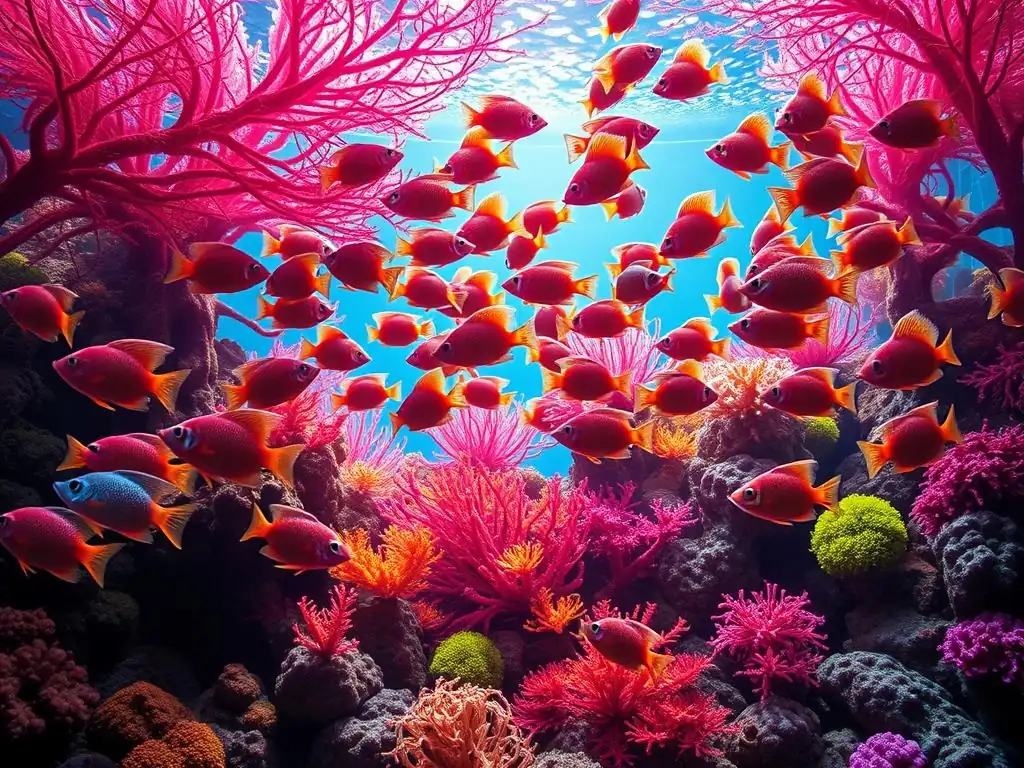
Ever wondered if those energetic chases in your barb aquarium are playful fun or signs of something more serious? Deciphering barb social behavior can be tricky, especially when distinguishing between playful interactions and actual aggression. Dive in as we unravel the complexities of barbs fighting social behavior, helping you understand the dynamics within your tank and ensure a harmonious environment for your finned friends. Ready to decode the drama? Let's explore!
- Are My Barbs Playing or Fighting? Interpreting Social Interactions in Barb Aquariums
- Understanding Barb Social Dynamics: Play vs. Aggression
- Key Indicators of Playful Barb Behavior
- Recognizing Signs of Fighting and Aggression in Barbs
- Factors Influencing Barb Social Behavior
-
Managing Aggression and Promoting Positive Social Interactions
- Optimizing Tank Space and Decor: Creating a Balanced Environment
- Maintaining Proper School Size: The Importance of Numbers
- Ensuring Excellent Water Quality: Reducing Stress and Aggression
- Strategic Feeding Practices: Minimizing Competition for Food
- Quarantine and Observation: Introducing New Barbs Safely
- Specific Barb Species and Their Social Tendencies
- When to Intervene: Separating Aggressive Barbs
- Conclusion: Promoting Harmony in Your Barb Aquarium
-
Frequently Asked Questions
- ### Why are my barbs chasing each other around the tank?
- ### How can I tell the difference between playful interaction and actual fighting in barbs?
- ### What is the ideal ratio of male to female barbs to minimize aggression?
- ### My barbs are constantly nipping at each other's fins. Is this normal?
- ### What are some ways to reduce aggression and encourage positive social behavior in my barb aquarium?
- Final Reflection: Decoding the Dance of Social Interaction
- Decode Barb Behavior: Dive Deeper into Their World!
Introduction to Barb Behavior in the Aquarium
Barbs are a diverse group of freshwater fish, widely appreciated in the aquarium hobby for their vibrant colors, energetic swimming, and active schooling behaviors. Species like the popular Tiger Barb, Cherry Barb, and Rosy Barb are known for their constant motion and engaging social interactions. However, this high level of activity often leads aquarists to question whether their barbs are simply playing or if their "Barbs fighting social behavior" indicates genuine aggression. Understanding this distinction is crucial for maintaining a healthy and harmonious aquarium.
These cyprinids naturally form hierarchies and engage in various forms of communication within their groups. What might appear as a chaotic chase could be a normal part of establishing dominance or simply a burst of playful energy. Conversely, seemingly minor nips could escalate into serious issues if left unaddressed. Recognizing the subtle cues and patterns in barb social interactions is key to ensuring the well-being of your entire aquatic community.
Differentiating Playful Behavior from Aggression in Barbs
The line between playful behavior and true aggression in barbs can sometimes be subtle, but clear indicators exist. Playful interactions typically involve quick, non-damaging chases within the school, where fish dart after one another for a few seconds before breaking off. These interactions are generally widespread among the school members, and no single fish appears consistently stressed or injured. It’s part of their natural "Barbs fighting social behavior" in a benign, social context.
In contrast, aggressive behavior is characterized by persistent, targeted harassment of one or more individuals. This often results in visible physical harm, such as torn fins, missing scales, or a stressed, pale appearance in the victim. The aggressor might relentlessly pursue a weaker fish, preventing it from feeding or resting, and often isolates it from the main school. Recognizing these signs is paramount for intervention and preventing long-term stress or injury to your barbs.
Key Indicators of Playful Barb Behavior
One of the most common and often misinterpreted behaviors in barb aquariums is active schooling combined with frequent chasing. Barbs, especially species like the Tiger Barb, are naturally boisterous and energetic. A group of 8-10 healthy Tiger Barbs in a 30-gallon or larger tank will continuously dart around, chase each other, and engage in brief, high-speed pursuits. This is a natural manifestation of their schooling instinct and a way to establish a fluid pecking order within the group without causing actual harm.
This type of chasing is typically short-lived, with no single fish being persistently targeted or cornered. All fish involved appear vibrant, active, and show no signs of fin damage or stress. It's a dynamic form of "Barbs fighting social behavior" that keeps them engaged and active, contributing to their overall health and vitality in the aquarium environment.
Fin Flicking and Body Posturing: Playful Displays in Barbs
Barbs communicate through various subtle body languages, including fin flicking and body posturing. A barb might momentarily flare its fins, twitch its body, or engage in a brief "face-off" with another fish, often followed by a quick retreat or a change in direction. These are often territorial displays or dominance assertions that are quickly resolved without physical contact or injury.
These displays are usually fleeting, lasting only a few seconds, and are not followed by prolonged pursuit or nipping. For example, a male Cherry Barb might briefly flare its fins at another male while displaying vibrant colors, indicating a contest for female attention, but this rarely escalates beyond a brief show. It's a method for barbs to communicate their position within the school without resorting to overt "Barbs fighting social behavior."
Cooperative Exploration: Barbs Interacting with Tank Environment
In a well-adjusted and playful barb school, you'll often observe cooperative exploration of the tank environment. The entire group might move together, darting in and out of live plants, around driftwood, or through rock formations. This collective movement signifies a sense of security and cohesion within the school, indicating that they feel safe enough to explore as a unit.
When barbs are playing, they might engage in mock "feeding frenzies" around a newly introduced piece of decor or a small food pellet that has settled, all moving together without one fish being singled out or harassed. This cooperative, non-aggressive interaction with their surroundings and each other is a strong indicator of a healthy and peaceful social dynamic, reflecting positive "Barbs fighting social behavior" that is more about play than aggression.
Recognizing Signs of Fighting and Aggression in Barbs
Fin Nipping and Damaged Fins: A Warning Sign
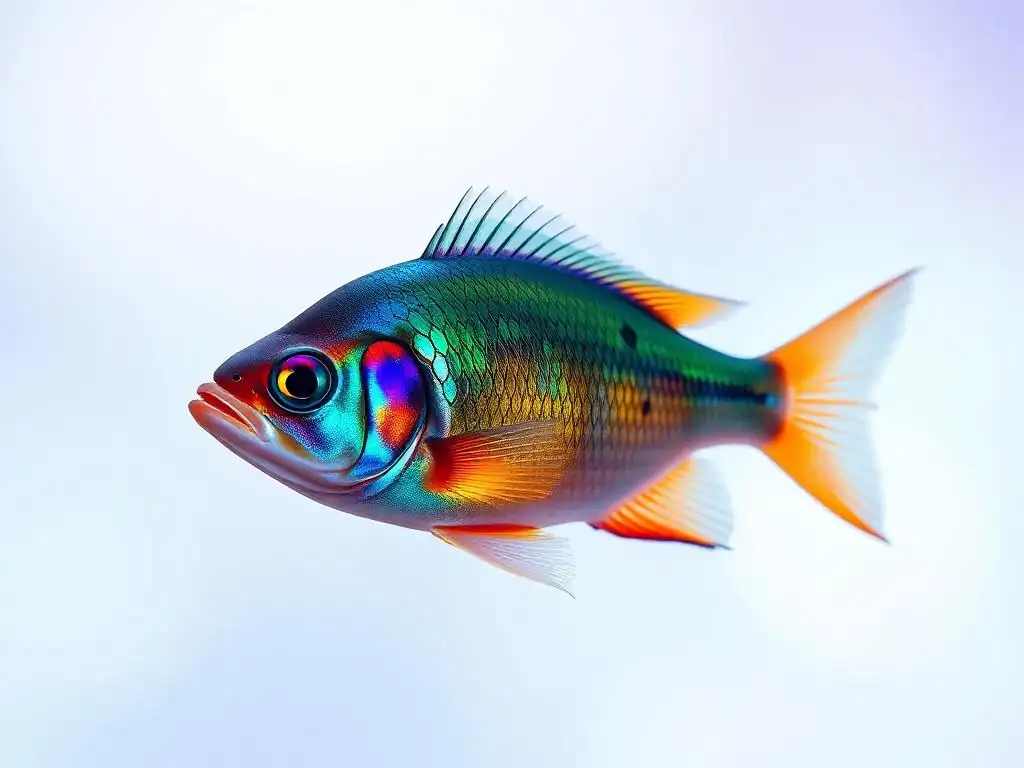
One of the most unmistakable signs of genuine aggression in barbs is the presence of damaged fins. Unlike playful nips that cause no lasting harm, aggressive attacks result in visible injury, most commonly to the caudal (tail) or dorsal fins, which may appear torn, frayed, or even completely missing sections. This damage is a direct result of one barb repeatedly biting or nipping at another.
If you consistently observe one or more barbs with ragged fins, or if other tank mates (especially slower-moving, long-finned species like Angelfish or Betta fish) show similar damage, it is a definitive indication of problematic "Barbs fighting social behavior." This warrants immediate attention and potentially intervention to prevent further injury and stress to the affected fish.
Persistent Chasing and Harassment: Beyond Playful Interaction
While occasional chasing is normal, persistent, targeted pursuit is a clear sign of aggression. This type of harassment involves one barb relentlessly hounding another, often cornering it against the glass or preventing it from accessing food or prime hiding spots. Unlike playful darts, aggressive chasing is prolonged, focused, and clearly intended to dominate or intimidate the victim.
This relentless pursuit can lead to extreme stress for the targeted fish, causing it to hide constantly, refuse food, or exhibit faded colors. For instance, a dominant Tiger Barb might repeatedly chase a smaller, submissive individual for several minutes at a time, preventing it from joining the school or feeding. Such sustained "Barbs fighting social behavior" is detrimental to the health and well-being of the targeted fish.
Cornering and Isolation: Submissive Barbs Under Stress
An aggressive barb will often physically dominate a submissive fish by cornering it, forcing it into a tight spot, or pushing it against the tank glass or decor, effectively preventing its escape. This physical coercion is a strong indicator of bullying and a breakdown in healthy social dynamics. The aggressor establishes and enforces its dominance through spatial control.
The isolated barb will frequently appear withdrawn, spending extended periods hiding behind filters, in dense plant thickets, or in obscure corners of the tank. It may even refuse to come out during feeding times, further exacerbating its stress and potentially leading to malnutrition. This forced isolation is a direct consequence of stressful "Barbs fighting social behavior" within the tank, signaling a need for intervention.
Fish coloration is often a direct indicator of their health and emotional state. Barbs under chronic stress from being bullied or constantly harassed will typically lose their vibrant colors, appearing pale, washed out, or dull. This physiological response is a clear sign that the fish is experiencing significant stress due to aggressive "Barbs fighting social behavior."
Conversely, highly aggressive or dominant barbs, particularly males, might display intensified, bolder coloration. This heightened vibrancy can be a visual declaration of their dominance and a sign of their readiness to assert control over the tank. Observing these color shifts in conjunction with social interactions can provide valuable insight into the underlying dynamics of your barb community.
Tank Size and Overcrowding: Impact on Barb Aggression
Insufficient tank space is a primary catalyst for increased aggression among barbs. When the living area is too small, barbs lack adequate territory and escape routes, which intensifies competition and stress. For example, housing a school of 6 Tiger Barbs in a 10-gallon tank will almost certainly lead to heightened aggression, whereas the same group in a 30-gallon tank provides ample room for them to establish territories and diffuse tension.
Overcrowding not only limits physical space but also increases the bioload, leading to poorer water quality and further stress. When barbs are constantly in close proximity with no means of escape, their "Barbs fighting social behavior" becomes more frequent and severe, as they cannot establish stable hierarchies or avoid dominant individuals.
School Size and Composition: Minimizing Barb Fighting
Barbs are schooling fish, and their social dynamics are heavily influenced by the size and composition of their group. A sufficiently large school (typically 6-10 individuals, depending on the species) helps to diffuse aggression, as any "Barbs fighting social behavior" is spread out among multiple fish rather than concentrated on one or two. If there are only 2-3 barbs, aggression tends to be focused intensely on a single individual, leading to severe bullying.
A larger school provides a sense of security and allows for a more stable pecking order to form naturally. For instance, 10 Cherry Barbs are significantly less likely to exhibit severe aggression than a trio in the same tank, as the aggression is distributed. This "safety in numbers" principle is crucial for minimizing fighting and promoting harmonious social interactions.
Water Quality and Stress: How Poor Conditions Affect Barb Temperament
Poor water parameters are a significant stressor for all fish, and barbs are no exception. High levels of ammonia or nitrite, fluctuating pH, or incorrect water temperatures can compromise a barb's immune system and lead to chronic stress. Stressed fish are more prone to irritability, lethargy, and aggressive outbursts, much like humans react to discomfort.
Maintaining consistent water changes (e.g., 25% weekly), robust filtration, and stable parameters (e.g., pH 6.0-7.0 for Tiger Barbs, temperature 74-79°F or 23-26°C) are crucial for minimizing stress-induced "Barbs fighting social behavior." A clean, stable environment directly contributes to the overall well-being and calmer temperament of your barbs.
Introduction of New Barbs: Establishing a Hierarchy
Introducing new barbs into an already established school can disrupt the existing social hierarchy and often leads to initial skirmishes. The established fish may view newcomers as intruders or competitors for resources, leading to temporary aggression as the new fish try to find their place within the group. This period is a common time to observe heightened "Barbs fighting social behavior."
During this acclimation phase, it's essential to observe closely and ensure that there are adequate hiding spots for the new arrivals. While some initial chasing and posturing are normal as the new hierarchy forms, prolonged or injurious aggression indicates a problem that may require intervention.
Optimizing Tank Space and Decor: Creating a Balanced Environment
To mitigate "Barbs fighting social behavior," optimizing tank space and decor is paramount. Ensure your tank is adequately sized for the species and number of barbs you keep (e.g., a minimum of 30 gallons for a school of Tiger Barbs, 20 gallons for Cherry Barbs). Incorporate plenty of live or artificial plants, driftwood, and rock formations to create visual barriers and abundant hiding spots.
Breaking up lines of sight prevents dominant fish from constantly seeing and harassing submissive ones, providing refuge and reducing overall stress. For example, a densely planted section on one side of a 40-gallon breeder tank can offer a safe zone for targeted fish, allowing them to escape persistent pursuit and recover from stress.
Maintaining Proper School Size: The Importance of Numbers
As schooling fish, barbs thrive and exhibit less aggression when kept in appropriate numbers. For most barb species, a group of at least 6-8 individuals is recommended to dilute any potential "Barbs fighting social behavior." For larger species like Denison Barbs, a school of 5-7 is a good starting point in a larger tank (e.g., 55+ gallons).
Keeping barbs in pairs or trios often concentrates aggression onto one individual, leading to intense bullying and stress. Increasing the school size is frequently the simplest and most effective step in reducing aggression, as it spreads out any nipping or chasing among many fish, lessening the impact on any single barb.
Ensuring Excellent Water Quality: Reducing Stress and Aggression
Consistent and excellent water quality is foundational to reducing stress and aggression in any aquarium, including barb tanks. Implement regular partial water changes (e.g., 25-30% weekly), utilize robust filtration appropriate for your tank size, and consistently monitor key water parameters such as ammonia (0 ppm), nitrite (0 ppm), and nitrate (<20 ppm).
Stable water parameters minimize physiological stress on your barbs, making them less prone to irritability and aggressive outbursts. A clean, well-maintained environment directly contributes to a calm and harmonious community, significantly reducing the likelihood of severe "Barbs fighting social behavior."
Strategic Feeding Practices: Minimizing Competition for Food
Feeding time can often trigger or exacerbate "Barbs fighting social behavior" due to heightened competition. To minimize this, spread food widely across the water surface or in multiple locations within the tank. This prevents a single dominant fish from monopolizing the food supply and ensures all fish have an opportunity to eat.
Consider feeding smaller amounts multiple times a day rather than one large meal. This reduces the intensity of competition during any single feeding session and ensures that even submissive fish get enough to eat, thereby reducing stress and aggression related to food scarcity.
Quarantine and Observation: Introducing New Barbs Safely
When introducing new barbs or any new fish to an existing community, a quarantine period is highly advisable. House new barbs in a separate quarantine tank (e.g., 5-10 gallons) for at least 2-3 weeks. This prevents the introduction of diseases and allows the new fish to acclimate to captivity without the immediate social pressure of an established group, minimizing initial "Barbs fighting social behavior."
When moving them to the main tank, consider rearranging some of the tank decor beforehand to disrupt existing territories. Introducing new fish at night, just before the aquarium lights turn off, can also help them settle in before the dominant fish become fully active, potentially reducing immediate aggressive interactions.
Tiger Barbs: Understanding Their Boisterous Nature
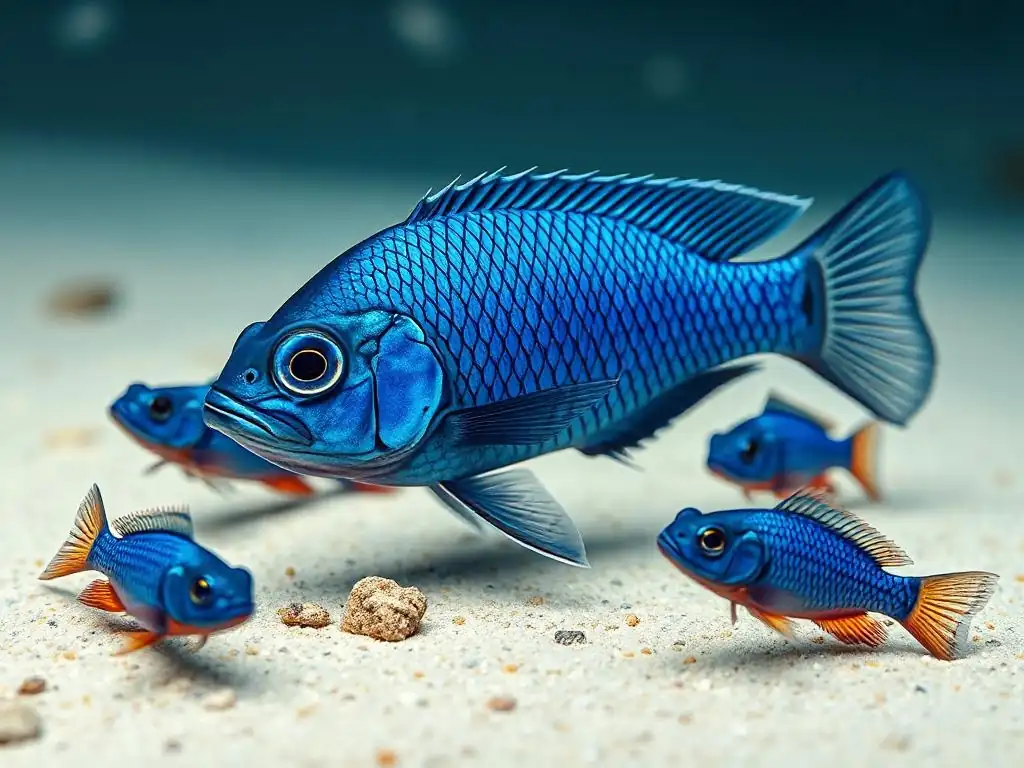
Tiger Barbs (Puntigrus tetrazona) are arguably the most well-known barb species and are notorious for their boisterous and somewhat nippy nature. Their "Barbs fighting social behavior" is often characterized by constant chasing and occasional fin nipping, especially towards slower-moving, long-finned tank mates. While they are active and engaging, they require careful consideration of tank mates.
They thrive in large schools of 10 or more individuals, ideally in a 55-gallon tank or larger, where their aggressive tendencies are diffused across the group. Keeping them with other fast-moving, robust fish like Giant Danios, certain Rainbowfish, or even other barb species (e.g., Rosy Barbs) is recommended, while delicate fish like Angelfish or Betta fish should generally be avoided.
Cherry Barbs (Puntius titteya) are generally considered one of the most peaceful and docile barb species, making them excellent community tank inhabitants. Their "Barbs fighting social behavior" is usually limited to mild chasing, particularly between males vying for female attention or establishing a gentle hierarchy, and rarely results in any harm or injury.
These beautiful red fish are best kept in schools of 6 or more, which encourages their natural schooling behavior and reduces any potential for concentrated aggression. Males will display vibrant red colors when trying to attract females, and this can involve some gentle nudging or flaring, but it rarely escalates beyond a brief display.
Denison Barbs: Schooling Behavior in a Larger Species
Denison Barbs (Sahyadria denisonii), also known as Roseline Sharks, are larger, fast-swimming, and generally peaceful schooling fish. While they are very active and require ample swimming space, their "Barbs fighting social behavior" is typically limited to mild chasing within their own school, especially when establishing dominance or during feeding frenzies.
They require very large tanks, a minimum of 55-75 gallons for a school of 5-7 individuals, due to their potential size (up to 6 inches) and high activity levels. Their social interactions are primarily focused on maintaining schooling cohesion and exhibiting their impressive synchronized swimming, rather than aggressive encounters.
Rosy Barbs (Pethia conchonius) are widely regarded as one of the most peaceful and hardy barb species, making them an excellent choice for beginner aquarists and community tanks. Their "Barbs fighting social behavior" is minimal, mostly involving gentle interaction within their school and rarely extending to other tank mates.
They do best in schools of 6 or more individuals and are comfortable in tanks of 20 gallons or larger. Rosy Barbs are compatible with a wide range of community fish and are significantly less prone to fin nipping than their Tiger Barb cousins. Their calm demeanor and vibrant coloration make them a delightful addition to most freshwater setups.
When to Intervene: Separating Aggressive Barbs
Identifying the Bully: Recognizing the Dominant Aggressor
When "Barbs fighting social behavior" escalates beyond playful interaction and results in consistent harm or stress, identifying the dominant aggressor is the first step toward intervention. The bully is typically the largest, most colorful, or most active fish that consistently initiates chases, nips fins, and monopolizes food or prime territories. It may also display heightened color intensity as a sign of its dominance.
Observe specific interactions closely: if one barb repeatedly targets the same individual, drives others away from food, or constantly patrols a specific area aggressively, that's your bully. Documenting these instances over a few days can help confirm the identity of the aggressor and distinguish it from general energetic play.
Setting Up a Separate Tank: Quarantine and Reintroduction Strategies
If an aggressor is causing significant harm or chronic stress to other tank inhabitants, immediate action is necessary. Have a small "hospital" or "quarantine" tank (e.g., 5-10 gallons) ready. Remove the bully to this separate tank for a few days to a week. This temporary separation can often reset the hierarchy in the main tank and give the bullied fish a chance to recover.
When reintroducing the bully, consider doing so after rearranging some of the main tank's decor to disrupt established territories. Sometimes, removing the bully permanently from the main tank or introducing it last after all other fish have settled can help prevent a recurrence of severe "Barbs fighting social behavior."
Re-evaluating Tank Setup: Addressing Root Causes of Aggression
Intervention is not just about removing the aggressive fish; it's also about understanding and addressing the root causes of the aggression. After identifying and isolating the bully, take time to re-evaluate your tank setup, including tank size, school size, decor, and water quality. Aggression is often a symptom of an underlying environmental issue.
For example, if the aggression stemmed from insufficient hiding spots, add more live plants or driftwood. If the school size was too small, consider adding 2-3 more barbs of the same species to diffuse the aggression. Addressing these foundational issues prevents future "Barbs fighting social behavior" problems and promotes long-term harmony.
Conclusion: Promoting Harmony in Your Barb Aquarium
Maintaining a thriving barb aquarium hinges on vigilant observation and a nuanced understanding of their social dynamics. Regular, quiet viewing of your barbs' daily "Barbs fighting social behavior" and play helps you distinguish between healthy, energetic activity and problematic, harmful aggression. Pay close attention to subtle cues like fin condition, body posture, and consistent patterns of interaction.
Understanding the nuances of their body language and how they interact within their school is key to maintaining a balanced and stress-free environment for these energetic and engaging fish. Your ability to interpret their behaviors will directly contribute to their overall health and longevity.
Creating a Thriving and Peaceful Barb Community
Creating a thriving and peaceful barb community requires a proactive approach rooted in providing optimal conditions. This includes ensuring proper tank size, maintaining adequate school numbers, upholding excellent water quality, and implementing strategic feeding practices to minimize competition. These foundational elements are crucial for fostering positive "Barbs fighting social behavior."
A well-managed barb aquarium, with its vibrant, active inhabitants, can be a truly rewarding experience. By understanding their needs and responding to their social cues, you can cultivate a lively community free from excessive aggression and full of healthy, happy fish.
Frequently Asked Questions
### Why are my barbs chasing each other around the tank?
Barb chasing can be normal social behavior, especially if the tank is overcrowded or if there are too few females. However, constant chasing could indicate actual aggression, especially if nipping or physical harm is occurring.
### How can I tell the difference between playful interaction and actual fighting in barbs?
Observe carefully. Playful interaction usually involves brief chases and displays of fins, whereas fighting involves prolonged aggression, nipping, and potential injury. Look for signs of stress in the fish being chased.
### What is the ideal ratio of male to female barbs to minimize aggression?
A ratio of at least three females for every male is recommended. This allows the male to spread his attention and reduces the pressure on any single female, thereby minimizing the potential for aggression within the group.
### My barbs are constantly nipping at each other's fins. Is this normal?
Fin nipping is not ideal and usually indicates stress or aggression. This could be due to poor water quality, overcrowding, or incompatible tank mates. Address these issues to improve the barbs' social behavior.
Ensure adequate tank size and hiding places, maintain excellent water quality through regular water changes, and provide a varied and balanced diet. Also, consider adding more barbs to the school to diffuse aggression.
The insights we've explored regarding the nuances of "Barbs fighting social behavior" are not merely academic; they are profoundly relevant in today's hyper-connected world. Understanding the subtle cues that differentiate playful banter from genuine conflict is crucial for navigating the complexities of online and offline interactions. Misinterpretations can lead to unnecessary friction, damaged relationships, and a general erosion of trust in our social environments.
This exploration has underscored the importance of empathy and careful observation in interpreting social dynamics. It's reminded me that behind every online persona, there's a real person with feelings and motivations that may not always be immediately apparent. The most important thing in communication is hearing what isn't said.
- Peter Drucker. This quote perfectly encapsulates the challenge and the necessity of looking beyond the surface to truly understand the intent behind social interactions, especially when dealing with groups like "Barbs" known for their passionate and sometimes seemingly aggressive online presence.
Now, I invite you to consider how you interpret the social interactions around you. Are you quick to judge, or do you take the time to understand the underlying dynamics? Let's all strive to be more mindful observers, more empathetic communicators, and more willing to bridge the gaps in understanding that often divide us. By doing so, we can foster more positive and productive social environments, both online and off.
Decode Barb Behavior: Dive Deeper into Their World!
Thank you for exploring the complex social dynamics of barbs with us. Now that you understand the nuances of their interactions, it's time to take your observation skills to the next level and truly connect with your finned friends.
Here’s how to put your newfound knowledge into action:
- Spend at least 15 minutes each day actively observing your barbs. Focus on identifying specific behaviors related to social interaction and dominance. Note any changes in their patterns.
- Experiment with introducing a new decoration or plant to the tank and observe how your barbs react to the change in territory and social dynamics. Do they explore collaboratively, or does it spark territorial displays?
- Share your own observations and insights about barb behavior in the comments below. Help other aquarists unravel the mysteries of their barbs!
What unexpected behaviors have you noticed in your barbs that challenge common assumptions about their social structure?