
The Dark Side of Crabs: Species to Avoid in Your Reef Tank

Welcome to Aquarium Mastery!
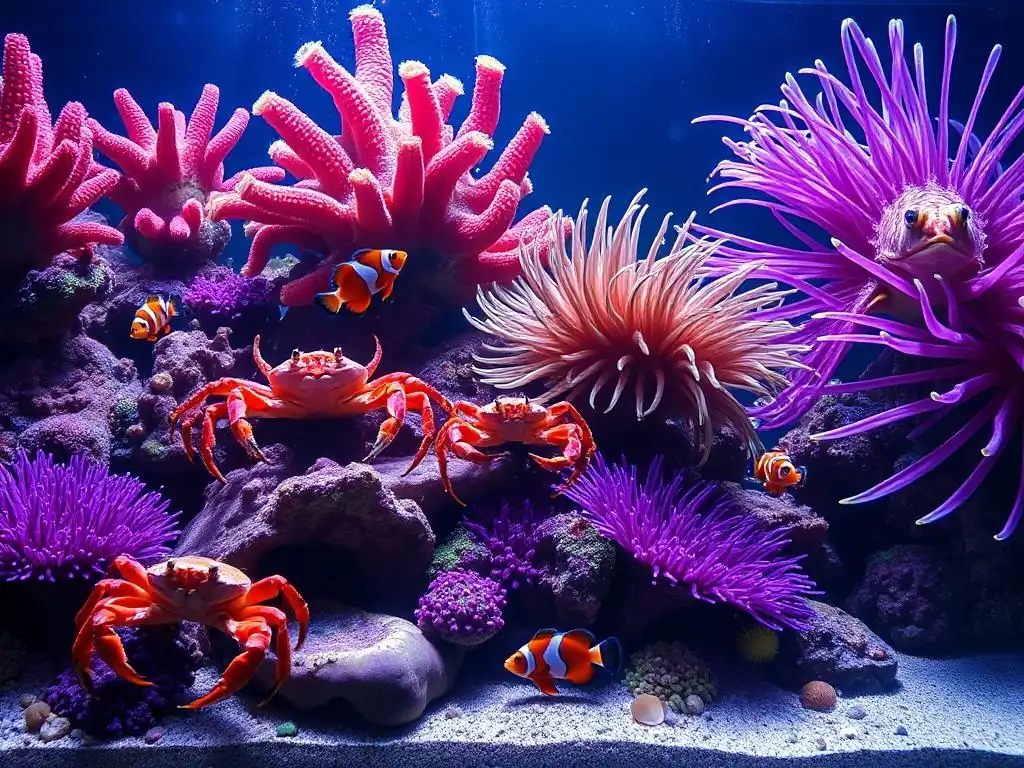
Ever wondered if that seemingly harmless crab scuttling across your reef is secretly plotting the downfall of your carefully curated ecosystem? Aggressive reef tank crabs can quickly turn a peaceful paradise into a chaotic battleground. Dive in to uncover the species you absolutely must avoid, and learn how to protect your precious corals and fish from their sneaky shenanigans! Intrigued? Let's explore the dark side of crabs together...
- Introduction: Reef Tank Crabs - Not Always a Clean-Up Crew
- Understanding Crab Behavior in Reef Aquariums
- Identifying Aggressive Reef Tank Crabs: The Usual Suspects
- Dangers of Keeping Unsuitable Crabs in a Reef Environment
- Recognizing the Signs: Is Your Crab a Threat?
- Preventing Crab-Related Problems in Your Reef Tank
- Removal and Management of Problematic Crabs
- Alternatives to Crabs for Reef Tank Clean-Up
- Conclusion: Maintaining a Balanced Reef Tank Ecosystem
-
Frequently Asked Questions
- How can I identify aggressive reef tank crabs before introducing them to my aquarium?
- What kind of damage can aggressive reef tank crabs inflict on my reef ecosystem?
- Are there any "safe" crabs that can coexist peacefully in a reef tank environment?
- What are some common signs that I have an aggressive reef tank crab causing problems in my aquarium?
- What should I do if I discover an aggressive reef tank crab in my aquarium?
- Final Reflection: Navigating the Crustacean Conundrum
- Unleash Your Reef's Potential: Take Control Now!
Introduction: Reef Tank Crabs - Not Always a Clean-Up Crew
Crabs are often touted as essential members of a reef tank's clean-up crew, celebrated for their scavenging habits and ability to tackle nuisance algae. Many hobbyists introduce them with the expectation that they will diligently consume detritus, leftover food, and undesirable algae, contributing to a pristine and balanced marine environment. Their diverse forms and intriguing behaviors also add a unique aesthetic to any aquarium.
However, the allure of these crustaceans can sometimes overshadow a darker truth: not all crabs are suitable inhabitants for a delicate reef ecosystem. While some species remain peaceful and beneficial, others possess inherent predatory instincts or opportunistic behaviors that can lead to significant destruction, preying on valuable fish, shrimp, snails, and even corals. Understanding which species fall into the category of aggressive reef tank crabs is crucial for the long-term health and stability of your aquatic paradise.
Understanding Crab Behavior in Reef Aquariums
The Allure of Reef-Safe Crabs: Myth vs. Reality
The term "reef-safe" is frequently applied to various crab species, fostering an image of a harmless scavenger perfectly suited for a mixed reef aquarium. Hobbyists are often advised to add species like the Emerald Crab (Mithrax sculptus) for bubble algae control or certain hermit crabs for detritus removal, believing these additions will only benefit their tank. This perception stems from their generalist diet in the wild, which often includes algae, detritus, and carrion, making them seem like ideal clean-up crew members. The initial introduction of these crabs often goes smoothly, reinforcing the idea of their benign nature.
However, the reality of "reef-safe" crabs is more nuanced and often a myth in its absolute sense. While many individuals of certain species may live out their lives without causing issues, their behavior can be highly variable and context-dependent. Factors such as individual temperament, availability of preferred food sources, tank size, and the presence of other inhabitants can significantly influence a crab's actions. What begins as a seemingly peaceful scavenger can, under certain conditions, transform into an aggressive reef tank crab, posing a threat to its tank mates and corals.
Why Some Crabs Become Problematic in Reef Tanks
The transition from a beneficial scavenger to a problematic inhabitant in a reef tank is often driven by a combination of natural instincts and environmental pressures. Many crabs are opportunistic by nature; if their primary food sources (algae, detritus) become scarce, or if an easier, more nutritious meal presents itself, they will readily switch their diet. This can manifest as nipping at coral polyps, preying on small, slow-moving fish, or attacking other invertebrates like snails and shrimp. Their powerful claws, designed for crushing and tearing, make them formidable predators despite their sometimes small size.
Furthermore, some crab species possess inherent predatory traits that simply make them unsuitable for a communal reef environment, regardless of feeding. For instance, certain Xanthid crabs, often introduced as live rock hitchhikers, are generalist predators whose natural diet includes other crustaceans and small fish. Confinement in a reef tank, where potential prey cannot escape, exacerbates this issue. Additionally, territoriality can play a role; a crab might aggressively defend a prime hiding spot or food source, leading to confrontations with other tank inhabitants and establishing itself as an aggressive reef tank crab.
Identifying Aggressive Reef Tank Crabs: The Usual Suspects
The Emerald Crab (Mithrax sculptus): A Potential Nuisance
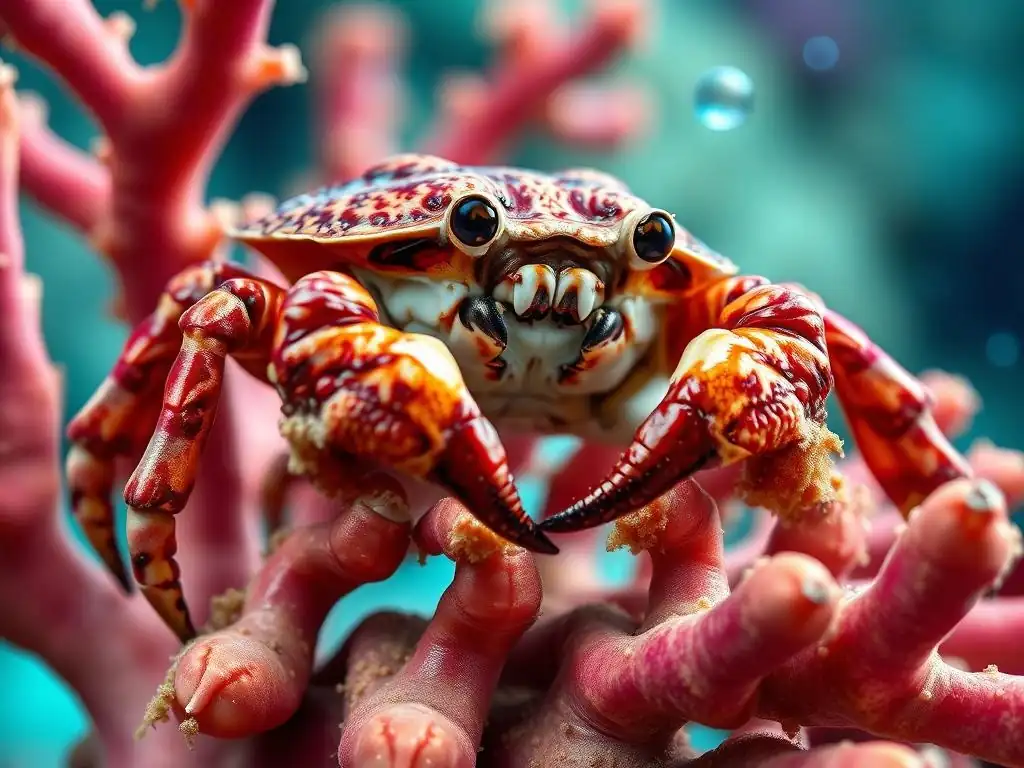
The Emerald Crab (Mithrax sculptus) is widely recommended for its appetite for bubble algae (Valonia spp. ), often being one of the first crabs a hobbyist considers for their clean-up crew. Typically, these crabs are diligent scavengers, reaching an average size of 1.5 to 2 inches (3.8 to 5 cm) in a home aquarium. While many individuals remain peaceful and dedicated algae eaters throughout their lives, anecdotal reports from the reefing community suggest that approximately 10-20% of Emerald Crabs can develop problematic behaviors, particularly as they mature or if their primary food source diminishes.
This shift in behavior often involves nipping at coral polyps, especially soft corals like zoanthids, palythoas, or even the delicate polyps of LPS (Large Polyp Stony) corals such as Euphyllia. Some hobbyists have observed them picking at the tissue of SPS (Small Polyp Stony) corals, causing localized recession. While they are not typically outright predators of fish, their opportunistic nature and powerful claws can cause significant stress and damage to valuable coral colonies, making them a potential aggressive reef tank crab.
The Arrow Crab (Stenorhynchus seticornis): A Predator in Disguise
The Arrow Crab (Stenorhynchus seticornis) is easily recognizable by its triangular body and long, spindly legs, often reaching a leg span of 6-8 inches (15-20 cm). It is sometimes introduced to control bristle worms, which it effectively preys upon. However, despite this perceived benefit, the Arrow Crab is an opportunistic and efficient predator that poses a significant threat to many desirable reef tank inhabitants. Its elongated rostrum and sharp claws are perfectly adapted for ambushing and capturing prey.
These crabs are notorious for preying on ornamental shrimp, such as Peppermint Shrimp (Lysmata wurdemanni), Skunk Cleaner Shrimp (Lysmata amboinensis), and even larger Fire Shrimp (Lysmata debelius). They have also been documented attacking and consuming small, slow-moving fish, especially those that sleep on the bottom or in rock crevices, like gobies and blennies. Their nocturnal habits mean that the damage often occurs unseen, with hobbyists waking up to missing tank inhabitants, cementing their reputation as an aggressive reef tank crab that should be avoided.
Gorilla Crabs: True Reef Tank Bullies
"Gorilla Crabs" is a common name given to various species of Xanthid crabs (e.g., Trapezia spp., Ozius spp.) that are almost universally considered highly undesirable in a reef tank. These crabs are typically hitchhikers on live rock, often going unnoticed until they grow larger, sometimes reaching 2-4 inches (5-10 cm) in body width. They are characterized by their robust, often hairy bodies and disproportionately large, powerful claws, which resemble a gorilla's strong grip. Their coloration can vary, but they are often dark brown, black, or mottled.
These crabs are highly predatory and destructive. They will actively hunt and consume fish, ornamental shrimp, snails, and even large portions of coral tissue. Their powerful claws can easily crush snail shells or tear apart soft coral polyps. Being primarily nocturnal, they inflict their damage under the cover of darkness, making them difficult to observe and remove. The presence of a Gorilla Crab is a serious threat to the entire reef ecosystem, as they are among the most aggressive reef tank crabs one can encounter.
Red Leg Hermit Crab (Clibanarius diugeti): Opportunistic Aggressor
The Red Leg Hermit Crab (Clibanarius diugeti) is one of the most popular hermit crab species in the aquarium trade, widely praised for its algae-eating and detritus-scavenging abilities. These small hermits typically grow to about 1 inch (2.5 cm) in shell length and are identifiable by their reddish-orange legs. While a cornerstone of many clean-up crews, a significant minority of individuals, particularly larger ones or those in overcrowded conditions, can exhibit opportunistic aggression.
Their primary problematic behavior revolves around "shell-jacking." When suitable empty shells are scarce, or a larger, more desirable shell is occupied, Red Leg Hermit Crabs have been observed killing snails, such as Turbo snails or Nassarius snails, to claim their shells. This not only leads to the loss of valuable clean-up crew members but also disrupts the tank's natural balance. While less common, some larger individuals have also been reported to nip at the polyps of slow-moving soft corals, making them an opportunistic aggressive reef tank crab.
Sally Lightfoot Crab (Percnon gibbesi): Known Coral Nipper
The Sally Lightfoot Crab (Percnon gibbesi) is a fascinating and often admired crab, known for its flat, disc-like body, long, spider-like legs, and incredible agility. They are excellent at consuming nuisance algae, including hair algae and film algae, and can grow quite large, sometimes exceeding 4 inches (10 cm) in leg span. Despite their efficiency as algae grazers, Sally Lightfoot Crabs have a well-documented and consistent tendency to nip at corals, making them problematic for mixed reef aquariums.
These crabs are known to pick at the polyps of a wide range of corals, including LPS (e.g., Favia, Blastomussa, Cynarina), soft corals (e.g., zoanthids, palythoas, leathers), and even the delicate tissue of SPS (e.g., Acropora, Montipora). The damage often appears as small, localized nips or torn polyps, leading to tissue recession, stress, and increased susceptibility to disease for the affected corals. Their quick movements and ability to hide make them challenging to catch, and their consistent coral-nipping behavior firmly places them in the category of aggressive reef tank crabs.
Dangers of Keeping Unsuitable Crabs in a Reef Environment
Coral Damage: A Crab's Unintentional Destruction
The presence of unsuitable or aggressive reef tank crabs can lead to devastating and often irreversible damage to delicate coral colonies. Even crabs not primarily considered predatory can cause significant harm through opportunistic feeding or simple clumsiness. This damage can manifest as direct nipping, where the crab actively consumes coral tissue or polyps, leading to visible bite marks and tissue recession. For example, an Emerald Crab might develop a taste for zoanthids, consuming dozens of polyps within a few days, potentially wiping out a colony worth hundreds of dollars.
Beyond direct consumption, crabs can inflict damage by simply walking over sensitive coral polyps, causing them to retract or even tear, especially with heavier species or those with sharp claws. They may also dislodge newly fragged corals or knock over unsecured aquascaping, leading to physical trauma. This constant stress weakens the coral, making it more vulnerable to diseases, bacterial infections, and ultimately, death. A single problematic crab can compromise the health and aesthetic appeal of an entire reef tank, turning a vibrant display into a struggling system.
Predation on Fish and Invertebrates: When Clean-Up Turns Deadly
One of the most alarming dangers of keeping aggressive reef tank crabs is their potential to prey on other valuable and often expensive tank inhabitants. Predatory crabs, such as the Arrow Crab or various Gorilla Crab species, are highly efficient hunters, especially under the cover of darkness. They will actively stalk and consume small, slow-moving, or sleeping fish like gobies, blennies, or cardinalfish, which typically retail for $20-$60 each. Hobbyists often wake to unexplained disappearances, only to later discover the culprit.
Beyond fish, these crabs pose a direct threat to other beneficial invertebrates. They commonly target ornamental shrimp (e.g., Cleaner Shrimp, Peppermint Shrimp), which can cost $15-$30 per individual, and snails (e.g., Turbo Snails, Nassarius Snails), essential for algae and detritus control. A single large predatory crab can decimate an entire clean-up crew of 10-15 snails or a pair of shrimp in a matter of days, leading to significant financial losses and an imbalance in the tank's natural cleaning processes.
Disrupting the Ecosystem: The Domino Effect of Aggressive Crabs
The introduction of an aggressive reef tank crab can trigger a cascade of negative effects that disrupt the delicate balance of a reef ecosystem. By preying on beneficial clean-up crew members like snails and shrimp, these crabs inadvertently lead to an accumulation of nuisance algae and detritus. This negates any perceived "clean-up" benefit they might offer and can lead to water quality issues, including elevated nitrates and phosphates, which further fuel algae growth and stress corals.
Moreover, the constant threat posed by a problematic crab induces significant stress on other tank inhabitants. Fish may become perpetually fearful, refusing to venture out, hiding excessively, or even failing to feed properly. This chronic stress can weaken their immune systems, making them more susceptible to diseases like Ich or Marine Velvet. The overall biodiversity and natural behaviors within the tank are suppressed, leading to a less vibrant and thriving environment. The presence of such a crab creates a perpetually imbalanced system, where peace and stability are constantly undermined.
Recognizing the Signs: Is Your Crab a Threat?
Observing Crab Behavior: Key Indicators of Aggression
Identifying an aggressive reef tank crab often requires diligent observation, particularly during the evening hours when many problematic species are most active. A key indicator of aggression is a crab that actively stalks or chases other tank inhabitants, such as fish, shrimp, or snails, rather than simply scavenging. For example, an Arrow Crab frequently positioned near a sleeping goby or a Gorilla Crab attempting to grab a passing snail with its claws is a significant red flag.
Another tell-tale sign is a crab that consistently spends time near specific coral colonies, especially if polyps are retracted or visible damage is present. While some benign crabs might rest on corals, an aggressive one might be seen picking at the tissue or attempting to tear off pieces. Furthermore, crabs that are overly territorial, aggressively defending a specific rock crevice or piece of food from other tank inhabitants, demonstrate a dominant and potentially harmful demeanor. Any crab that ignores offered supplemental food in favor of pursuing live prey should be viewed with suspicion.
Missing Invertebrates: Clues Your Crab May Be Responsible
Unexplained disappearances of tank inhabitants are often the first and most definitive sign that a predatory or aggressive reef tank crab is present. While natural mortality occurs, a consistent pattern of missing snails, shrimp, or small fish, especially overnight, points strongly towards a nocturnal predator. For instance, if you regularly add a batch of 10 Nassarius snails and find their numbers dwindling rapidly over a week without obvious cause, a crab is a prime suspect.
Look for specific evidence, such as empty snail shells that appear to have been forcibly opened or drilled, rather than naturally vacated. Shrimp exoskeletons that are torn or mangled, as opposed to the clean, intact molts left behind during natural growth, also suggest predation. The absence of a specific species that was previously thriving, like a pair of Cleaner Shrimp that suddenly vanish without a trace, often indicates the work of an aggressive crab that has turned your clean-up crew into its next meal.
Coral Stress: Linking Damage to Crab Activity
Coral stress and damage are critical indicators that an aggressive reef tank crab might be present in your system. This damage typically appears as localized tissue recession, polyps that fail to extend fully, or small, distinct bite marks on the coral's flesh. Unlike general bleaching or disease, crab damage often looks like precise nips or tears. For example, a colony of Zoanthids might show several polyps completely missing or chewed down to their base, while the surrounding polyps appear healthy.
To confirm the link, observe the affected corals closely, especially at night using a red-light flashlight (which doesn't disturb nocturnal creatures as much as white light). Catching a crab in the act of picking at a coral is definitive proof. If multiple coral colonies, perhaps a Favia and a Montipora, show similar patterns of small, targeted damage that isn't spreading like a disease, it strongly suggests a crab is the culprit. The damage is often concentrated in areas easily accessible to a crab's claws.
Research Before You Buy: Choosing Reef-Safe Species
The most crucial step in preventing crab-related problems in your reef tank is thorough research before making any purchase. Do not rely solely on a store's label or a single recommendation. Instead, consult multiple reputable sources, including scientific species profiles, experienced aquarists' forums, and comprehensive aquarium husbandry guides. Prioritize crab species with a long-standing and consistent reputation for being truly reef-safe across a wide range of tank conditions. For example, while some species of Mithrax crabs are generally considered safe, others within the genus are not.
Understand that "reef-safe" is not an absolute guarantee, but rather a probability based on typical behavior. Aim for species with a very low documented incidence of aggression or coral predation. For instance, tiny Porcelain Anemone Crabs (Neopetrolisthes spp.) are filter feeders and are considered truly reef-safe, provided they have an anemone host. By educating yourself on the specific dietary needs, adult size, and known behavioral tendencies of a crab species, you significantly reduce the risk of introducing an aggressive reef tank crab into your carefully cultivated ecosystem.
Quarantine New Crabs: Observing Behavior Before Introduction
Implementing a quarantine protocol for all new invertebrates, including crabs, is an indispensable preventative measure. A dedicated quarantine tank, even a simple 10-gallon setup with some live rock rubble, allows you to observe the crab's behavior in isolation for a period of at least 2 to 4 weeks. This crucial observation period allows you to identify any predatory or aggressive tendencies without risking your main display tank's inhabitants.
During quarantine, offer a variety of foods, including small pieces of meaty food, algae wafers, and detritus, and observe how the crab interacts with them. If it exhibits any signs of aggression towards small feeder shrimp or fish (if included in the quarantine tank for observation purposes), or if it shows an undue interest in the few pieces of live rock, it's a clear indication that it might become an aggressive reef tank crab in your main system. This also serves the vital purpose of preventing the introduction of parasites or diseases that could harm your established tank.
Proper Identification: Avoiding Misidentified Species
Misidentification is a pervasive problem in the aquarium trade and a leading cause of inadvertently introducing an aggressive reef tank crab. Many crab species look superficially similar, and it's common for less knowledgeable or unscrupulous vendors to mislabel a potentially dangerous species as a benign one. For example, various predatory Xanthid crabs (Gorilla Crabs) are often mistaken for harmless detritivores or even "reef-safe" species due to their similar general appearance, especially when small.
Always verify the scientific name of any crab you intend to purchase and cross-reference it with reliable, independent sources. Learn to identify key distinguishing features, such as the shape and size of their claws, the presence or absence of hair on their bodies, their eye placement, and their typical gait. For instance, a true Emerald Crab (Mithrax sculptus) has relatively smooth claws and a distinct body shape compared to other, more aggressive Mithrax species. Investing time in proper identification can save you significant heartache and financial loss down the line.
Providing Adequate Food: Reducing Scavenging Behavior
Even typically peaceful or beneficial crabs can become problematic if their nutritional needs are not adequately met within the reef tank environment. Hunger can drive opportunistic behavior, leading crabs to seek alternative food sources, which often include valuable corals, fish, or other invertebrates. Therefore, ensuring that your clean-up crew, including any crabs, receives sufficient supplemental feeding is a critical preventative measure.
In tanks with low natural detritus or algae, regularly offer small pieces of meaty foods (e.g., mysis shrimp, brine shrimp, chopped fish), algae wafers, or sinking pellets. Disperse the food in various locations to ensure all clean-up crew members have access. A well-fed crab is significantly less likely to view other tank inhabitants as a food source. For example, studies suggest that providing ample empty shells can reduce shell-jacking behavior in hermit crabs by up to 50%, and consistent feeding can mitigate the coral-nipping tendencies of some Emerald Crabs, reducing their likelihood of becoming an aggressive reef tank crab.
Removal and Management of Problematic Crabs
Trapping Techniques: Safely Removing Unwanted Crabs
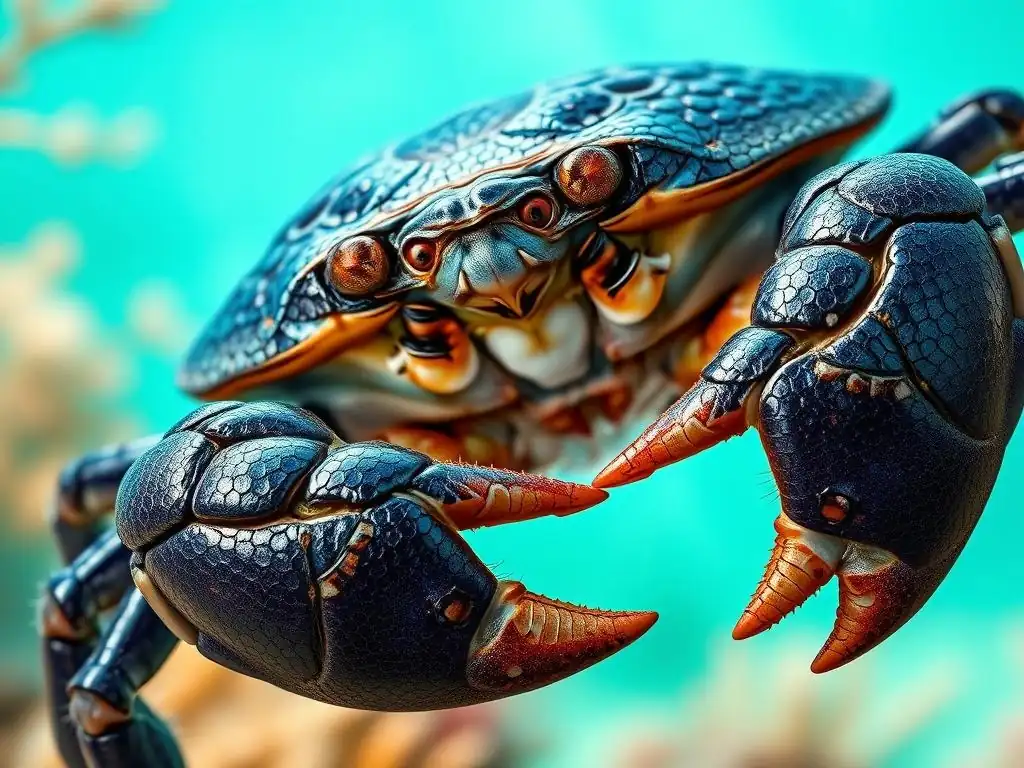
Once an aggressive reef tank crab has been identified, its safe removal is paramount to protecting your tank. One of the most effective methods is passive trapping. A common technique involves using a small, clear plastic bottle (e.g., a soda bottle) with the top cut off and inverted to create a funnel. Place a piece of enticing bait, such as a small fragment of shrimp, fish, or a clam, inside the bottle. Position the trap in the tank, preferably near where the crab has been sighted, just before the lights go out.
The crab, attracted by the bait, will crawl into the funnel but often struggles to find its way back out. Check the trap before the main lights come on in the morning. Commercial crab traps are also available and work on a similar principle, allowing crabs to enter but preventing their escape. Persistence is key, as some crabs are wary; it may take several nights to successfully capture an elusive specimen.
Rehoming Options: Finding a Suitable Environment
After successfully trapping a problematic crab, the next ethical step is to consider rehoming it rather than culling. Many local fish stores have a policy of accepting surrendered marine animals, especially if they are healthy. Another option is to sell or donate the crab to another hobbyist who has a more suitable tank environment, such as a "Fish Only With Live Rock" (FOWLR) system where the crab's predatory nature would be less of an issue, or even a species-specific tank designed for its unique needs.
Public aquariums or educational institutions might also be interested in accepting certain species for display or research purposes. It's crucial to be transparent about the crab's known aggressive tendencies when rehoming, ensuring it doesn't become another hobbyist's problem. Responsible rehoming ensures the animal's welfare while protecting your own reef tank from the dangers of an aggressive reef tank crab.
Dealing with Established Crabs: Rock Removal and Targeted Extraction
For highly elusive or deeply entrenched aggressive reef tank crabs that resist trapping, more direct and sometimes drastic measures may be necessary. If the crab is known to reside in a specific piece of live rock, carefully removing that rock from the aquarium can allow for targeted extraction. Once the rock is out, the crab can often be dislodged by gently shaking the rock in a bucket of tank water or by using a turkey baster to flush it out of crevices. This method minimizes disturbance to the main display.
In extreme cases, where a crab is particularly destructive and cannot be lured into a trap or isolated with rock removal, targeted extraction within the tank using long-handled forceps or specialized crab-catching tools might be considered. However, this approach carries a risk of damaging corals, other invertebrates, or even the crab itself. Always exercise extreme caution and precision during such procedures to minimize stress to the entire aquarium system.
Alternatives to Crabs for Reef Tank Clean-Up
Snails: The Peaceful Algae Eaters
Snails are arguably the most reliable and consistently peaceful members of a reef tank's clean-up crew, offering highly effective algae control without the risks associated with aggressive reef tank crabs. Species like Turbo Snails (e.g., Turban snails, Astraea undosa) are robust grazers, excellent at consuming film algae and diatoms from rocks and glass. Nassarius Snails (Nassarius vibex) are invaluable sand sifters, burrowing through the substrate to consume detritus and uneaten food, preventing nutrient build-up and keeping the sand bed pristine.
Trochus Snails (Trochus maculatus) are another popular choice, known for their ability to graze on both glass and rockwork, consuming a wide variety of algae types. Unlike many crabs, snails typically do not bother corals, fish, or other invertebrates, making them a safe and efficient choice for maintaining tank cleanliness. A diverse population of various snail species can handle most algae and detritus issues, contributing significantly to a stable and healthy reef environment.
Shrimp: The Scavenging Specialists
Ornamental shrimp offer a compelling and generally safe alternative to potentially aggressive reef tank crabs, providing both valuable clean-up services and captivating visual interest. Peppermint Shrimp (Lysmata wurdemanni) are highly sought after for their appetite for nuisance Aiptasia anemones, in addition to being diligent scavengers of detritus and leftover food. Skunk Cleaner Shrimp (Lysmata amboinensis) are renowned for their symbiotic relationship with fish, cleaning parasites and dead skin off them, while also consuming uneaten food particles.
Blood Red Fire Shrimp (Lysmata debelius) are not only stunningly beautiful but also efficient scavengers. While some larger shrimp species might exhibit territoriality towards their own kind, they are overwhelmingly peaceful towards corals and fish, making them an excellent choice for a mixed reef. Their active scavenging behaviors ensure that organic waste is quickly processed, contributing to a cleaner water column and a healthier ecosystem without the threat of predation.
Starfish and Sea Cucumbers: Detritus Removal Experts
For specialized detritus removal and sand bed maintenance, certain species of starfish and sea cucumbers provide highly effective and generally peaceful alternatives to aggressive reef tank crabs. Sand-sifting Starfish (e.g., Archaster typicus) are invaluable for keeping the sand bed aerated and clean by continuously sifting through it, consuming detritus, uneaten food, and micro-organisms. They typically grow to about 4-6 inches (10-15 cm) and are very efficient at their task.
Similarly, various species of Sea Cucumbers (e.g., Holothuria hilla, Tiger Tail Cucumbers) are highly effective detritivores that process vast amounts of sand and detritus as they move across the substrate. They act as living vacuum cleaners, aiding in nutrient export and preventing the build-up of organic waste. While these animals require established sand beds and stable water parameters, they pose virtually no threat to corals, fish, or other invertebrates, offering a safe and specialized solution for maintaining a pristine reef environment.
Conclusion: Maintaining a Balanced Reef Tank Ecosystem
While the allure of crabs as versatile clean-up crew members in a reef tank is undeniable, it is crucial for every aquarist to understand that not all species are created equal. The "dark side" of crabs, characterized by opportunistic predation, coral nipping, and general aggression, poses a significant threat to the delicate balance and inhabitants of a thriving reef ecosystem. From the seemingly benign Emerald Crab that might develop a taste for corals to the outright predatory Gorilla Crab, the risks associated with aggressive reef tank crabs can far outweigh any perceived benefits.
Maintaining a harmonious and healthy reef tank ultimately hinges on diligent research, proper species identification, and continuous vigilance. By carefully selecting truly reef-safe alternatives like diverse snail populations, active ornamental shrimp, or specialized detritus-feeding starfish and sea cucumbers, hobbyists can achieve superior clean-up without introducing the inherent risks. Prioritizing compatibility and peace within your aquatic environment ensures that your reef tank remains a vibrant, thriving, and stress-free habitat for all its inhabitants, safeguarding your investment and passion.
Frequently Asked Questions
How can I identify aggressive reef tank crabs before introducing them to my aquarium?
Look for crabs with large, powerful claws and a reputation for predatory behavior. Research the specific species before purchase; AquariumMastery.com offers species profiles.
What kind of damage can aggressive reef tank crabs inflict on my reef ecosystem?
They can prey on small fish, invertebrates, and corals, disrupting the delicate balance. They can also cause physical damage by uprooting corals and disturbing the substrate.
Are there any "safe" crabs that can coexist peacefully in a reef tank environment?
Yes, certain herbivorous crabs, like Emerald crabs, are generally considered reef-safe as they primarily consume algae. However, even "safe" crabs can become opportunistic predators if not properly fed.
What are some common signs that I have an aggressive reef tank crab causing problems in my aquarium?
Missing invertebrates, damaged corals, and unexplained fish deaths can be indicators. You might also observe the crab actively hunting or harassing other tank inhabitants.
What should I do if I discover an aggressive reef tank crab in my aquarium?
The best course of action is to remove the crab immediately. You can try trapping it or manually removing it during a water change. Consider rehoming it or setting up a separate tank.
The information presented throughout this article highlights the critical importance of informed decision-making when introducing any organism, especially crabs, into a delicate reef tank ecosystem. Understanding the potential for aggression and destruction is not merely a matter of aesthetics; it's about the ethical responsibility we bear as custodians of these miniature underwater worlds.
This exploration into the darker side of reef-safe crabs underscores how seemingly small choices can have profound and lasting consequences. My own experiences with unexpected crab behavior have taught me the invaluable lesson of thorough research and careful observation. The only true wisdom is in knowing you know nothing.
- Socrates. This quote resonates deeply, reminding us that continuous learning and a humble approach are essential for success in reef keeping and beyond.
Ultimately, the health and harmony of your reef tank depend on your commitment to understanding the needs and potential impacts of each inhabitant. I encourage you, the reader, to use this knowledge not just to avoid problematic crabs, but to cultivate a deeper appreciation for the intricate balance of the reef environment and to make conscious, responsible choices that contribute to its long-term well-being. Let's strive to be informed stewards, ensuring the beauty and resilience of our reef tanks for years to come.
Unleash Your Reef's Potential: Take Control Now!
Thank you for diving deep into the world of reef tank crabs! We hope you've gained valuable insights to help you curate a thriving underwater ecosystem. Now, let's translate that knowledge into action.
Here are a few things you can do right now to ensure your reef's safety:
- Identify and remove any suspicious crabs from your reef tank immediately based on the characteristics outlined in this article.
- Delve deeper into researching compatible reef inhabitants; explore forums and share your experiences.
- Spread the word! Help fellow reef keepers by sharing this article on your favorite aquarium groups and social media.
What specific crab species are you most concerned about finding in your reef tank, and what steps are you taking to prevent their introduction?