
Zebra, Tiger, Horned: A Visual Guide to Stunning Nerite Snail Varieties

Welcome to Aquarium Mastery!
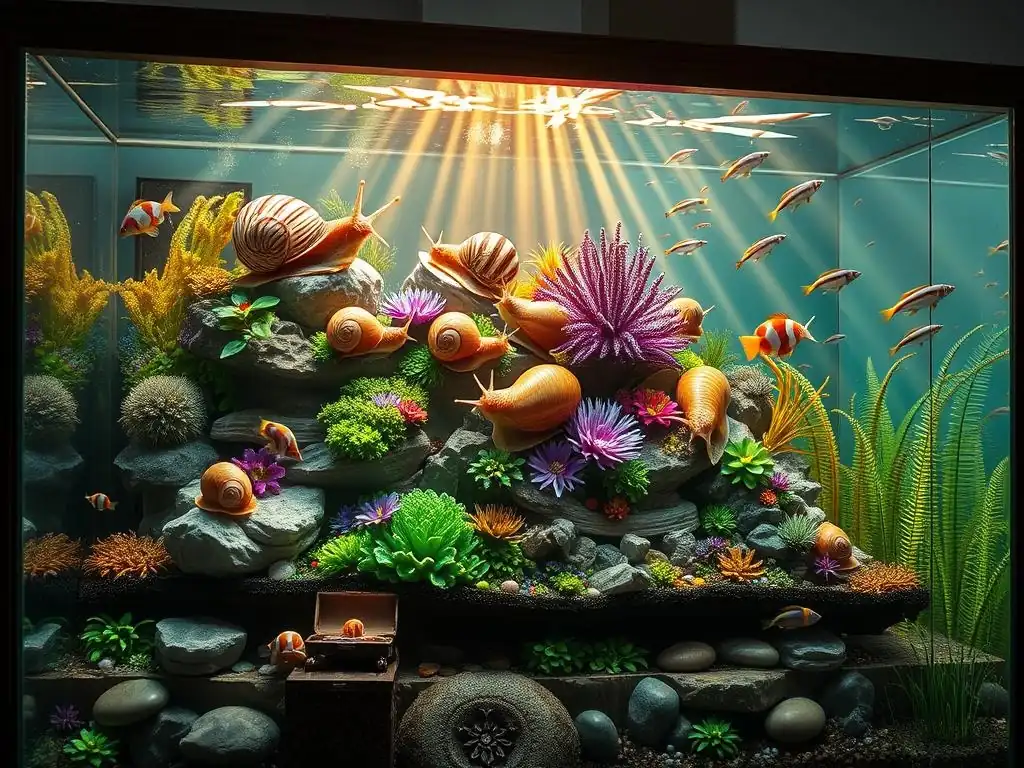
Ever wondered how to add a touch of living art and a hardworking cleanup crew to your freshwater or saltwater aquarium? You're in the right place! Dive in and discover the fascinating world of Nerite snails. Our comprehensive Nerite Snail Care Guide is just the beginning – explore stunning varieties like Zebra, Tiger, and Horned Nerites, and unlock the secrets to keeping these algae-eating gems thriving in your tank. Ready to meet your new aquatic companions?
- Nerite Snail Varieties: A Visual Guide to Aquarium Algae Eaters
- Understanding Nerite Snails: An Introduction to Freshwater Algae Control
-
Exploring Different Nerite Snail Varieties: A Visual Showcase
- Zebra Nerite Snails: Distinctive Stripes and Peaceful Nature
- Tiger Nerite Snails: Bold Patterns and Algae-Eating Prowess
- Olive Nerite Snails: Subtle Beauty and Efficient Cleaning
- Horned Nerite Snails: Unique Shell Projections and Tank Compatibility
- Batik Nerite Snails: Intricate Patterns and Algae Grazing
-
Nerite Snail Care Guide: Essential Tips for a Thriving Aquarium
- Setting Up the Ideal Nerite Snail Habitat: Tank Size and Water Parameters
- Nerite Snail Water Parameters: Achieving Optimal Freshwater Conditions
- Nerite Snail Diet and Feeding: Supplementing Algae Consumption
- Nerite Snail Tank Mates: Compatibility and Peaceful Coexistence
- Nerite Snail Breeding: Understanding Their Brackish Water Requirements
- Identifying and Addressing Common Nerite Snail Problems
- Maintaining a Healthy Nerite Snail Population: Long-Term Care Tips
- Nerite Snails vs. Other Algae Eaters: A Comparative Overview
- Selecting the Right Nerite Snail for Your Aquarium: Key Considerations
- Enhancing Your Aquarium with Nerite Snails: A Final Look
-
Frequently Asked Questions
- What are the essential water parameters for keeping Nerite snails healthy?
- What do Nerite snails eat, and how often should I feed them?
- How can I prevent Nerite snails from escaping my aquarium?
- Are Nerite snails compatible with all types of aquarium fish?
- How do I address common issues like shell erosion or inactivity in Nerite snails?
- Final Reflection: The Enduring Allure of Nerite Snails
- Dive Deeper: Unleash the Beauty of Nerite Snails in Your Aquarium!
Nerite Snail Varieties: A Visual Guide to Aquarium Algae Eaters
Understanding Nerite Snails: An Introduction to Freshwater Algae Control
What are Nerite Snails and Why Choose Them for Your Aquarium?
Nerite snails, belonging to genera such as Neritina, Vittina, and Clithon, are highly sought-after freshwater invertebrates renowned for their exceptional algae-eating capabilities. Originating from brackish or saltwater environments, these resilient snails have adapted to thrive in a freshwater aquarium setting, making them a popular and effective choice for aquarists looking for natural algae control. Their unique digestive system allows them to efficiently graze on various types of algae, playing a crucial role in maintaining a clean and balanced aquatic ecosystem.
Choosing Nerite snails for your aquarium brings several distinct advantages. Unlike some other snail species, Nerites are not known to consume live plant matter, making them completely plant-safe. They are also incredibly peaceful, posing no threat to fish or other invertebrates. Furthermore, while they will lay eggs in freshwater, these eggs require brackish conditions to hatch, preventing uncontrolled population explosions in your home aquarium—a common concern with other prolific freshwater snails. This makes them an ideal component of any comprehensive Nerite snail care guide.
The Benefits of Nerite Snails: Algae Control and Tank Aesthetics
The primary benefit of introducing Nerite snails to your aquarium is their unparalleled efficiency in algae control. These diligent grazers are particularly effective against persistent types of algae, including unsightly diatoms (brown algae), green spot algae, and even some forms of soft hair algae that can plague an aquarium. A single Nerite snail can effectively manage the algae growth in a 5-10 gallon (approximately 19-38 liter) tank, continuously patrolling glass surfaces, decorations, and plant leaves to keep them pristine. Their constant grazing significantly reduces the need for manual scrubbing, saving aquarists considerable time and effort.
Beyond their practical algae-eating prowess, Nerite snails also contribute significantly to the aesthetic appeal of an aquarium. Their shells come in an astonishing array of patterns and colors, from bold stripes and intricate zigzags to subtle olive tones and unique horned protrusions. Each snail can be a miniature work of art, adding visual interest and a touch of natural beauty to your aquatic display. Incorporating these snails, guided by a thorough Nerite snail care guide, ensures not only a cleaner tank but also one that is visually more dynamic and engaging.
Exploring Different Nerite Snail Varieties: A Visual Showcase
Zebra Nerite Snails: Distinctive Stripes and Peaceful Nature
Zebra Nerite snails ( Neritina natalensis) are arguably one of the most recognizable and popular varieties, celebrated for their striking appearance. Their shells feature prominent, bold black stripes against a vibrant yellow or golden background, creating a pattern that truly resembles a zebra's markings. These snails typically grow to about 0.5 to 1 inch (1.2 to 2.5 cm) in diameter, making them a noticeable yet appropriately sized addition to most freshwater aquariums.
Their peaceful nature makes them excellent tank inhabitants, coexisting harmoniously with a wide array of fish and other invertebrates. Zebra Nerites are incredibly efficient at consuming various forms of algae, making them a staple choice for aquarists prioritizing both aesthetics and effective cleaning. They are a common recommendation in any Nerite snail care guide due to their hardiness and consistent performance.
Tiger Nerite Snails: Bold Patterns and Algae-Eating Prowess
Tiger Nerite snails ( Neritina pulligera) are another visually captivating variety, distinguished by their rich, earthy coloration and intricate patterns. Their shells often display a mottled or swirling design of dark brown or black against a backdrop of orange, gold, or reddish-brown, reminiscent of a tiger's stripes or abstract art. Like their Zebra counterparts, they generally reach a size of 0.5 to 1 inch (1.2 to 2.5 cm), making them suitable for various tank sizes.
These snails are robust algae eaters, diligently grazing on tank surfaces and helping to keep them free from unsightly growths. Their unique and bold patterns add a dramatic flair to the aquarium, providing a focal point without overwhelming the overall aquascape. The Tiger Nerite's combination of striking beauty and dedicated cleaning makes it a prized addition, frequently highlighted in a comprehensive Nerite snail care guide.
Olive Nerite Snails: Subtle Beauty and Efficient Cleaning
Olive Nerite snails ( Neritina reclivata) offer a more understated elegance compared to their more flamboyantly patterned relatives. Their shells are typically smooth and uniform in color, ranging from a deep olive green to various shades of dark brown or black. While they may lack intricate patterns, their sleek, minimalist appearance provides a sophisticated contrast in a brightly planted tank or against light-colored substrates. They usually grow to about 0.5 to 1 inch (1.2 to 2.5 cm).
Despite their subtle coloration, Olive Nerites are just as efficient, if not more so, at consuming algae as their more colorful cousins. They are relentless grazers, making them an excellent choice for aquarists who prefer a less conspicuous but highly effective algae cleaner. Their quiet dedication to keeping the tank spotless makes them a valuable asset, and their care is identical to other varieties, as detailed in a thorough Nerite snail care guide.
Horned Nerite Snails: Unique Shell Projections and Tank Compatibility
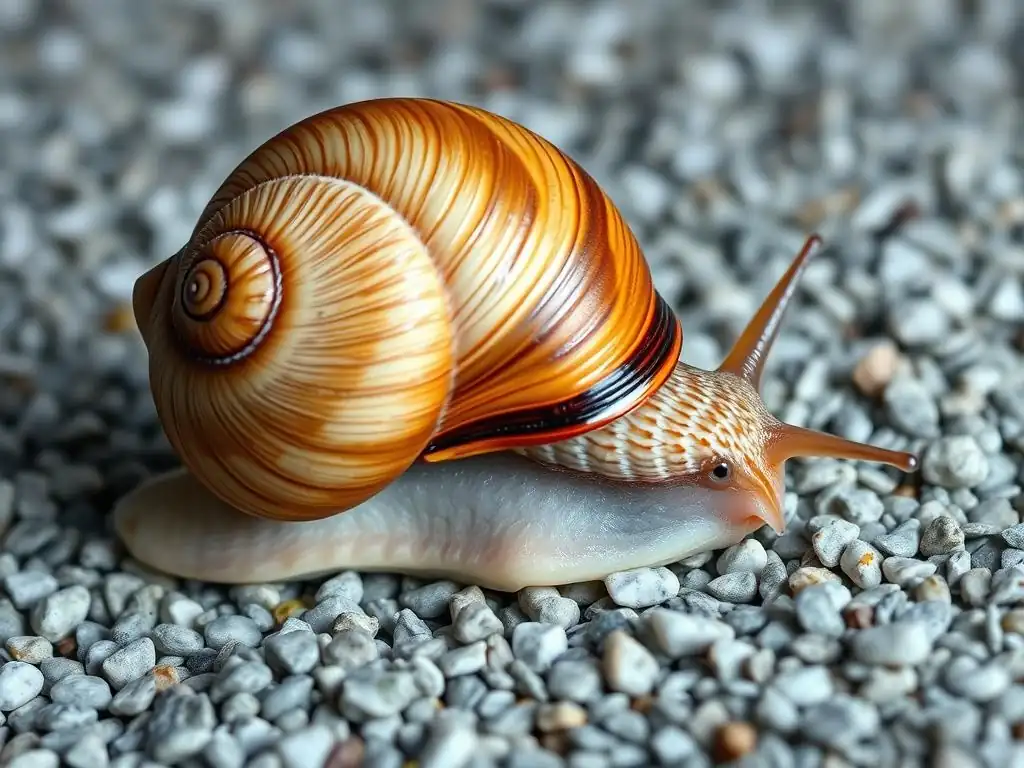
Horned Nerite snails ( Clithon sp.) are perhaps the most visually distinct variety, instantly recognizable by the small, horn-like protrusions extending from their shells. These "horns" vary in number and size, giving each snail a unique, almost spiky appearance. They are generally smaller than other Nerite varieties, often staying under 0.5 inches (1.2 cm) in diameter, which allows them to access tighter spots in the aquarium. Their shell colors can range from black and brown to yellow, often with subtle patterns.
These tiny but mighty snails are exceptional algae eaters, particularly adept at cleaning hard-to-reach areas due to their smaller size. Their unique aesthetic makes them a fascinating addition, often sparking conversation among viewers. Horned Nerites are entirely peaceful and compatible with virtually all non-aggressive freshwater fish and invertebrates, making them a safe and intriguing choice for any aquarium, and a notable mention in any Nerite snail care guide.
Batik Nerite Snails: Intricate Patterns and Algae Grazing
Batik Nerite snails ( Neritina variegata or similar species) are named for their exquisite shell patterns, which often resemble the intricate, wax-resist dyeing technique known as batik. Their shells typically feature a dark base color adorned with delicate, swirling, or branching patterns in lighter shades, creating a marbled or lace-like effect. The exact patterns are highly variable from snail to snail, making each one a unique piece of living art. They typically grow to about 0.5 to 1 inch (1.2 to 2.5 cm).
These snails are not just beautiful; they are also highly effective algae grazers, diligently working to keep tank surfaces clean. Their intricate patterns make them a standout addition in any aquascape, adding a layer of sophisticated visual texture. While perhaps less common than Zebra or Tiger varieties, their beauty and utility make them a growing favorite among enthusiasts seeking to follow a comprehensive Nerite snail care guide for a truly stunning tank.
Nerite Snail Care Guide: Essential Tips for a Thriving Aquarium
Setting Up the Ideal Nerite Snail Habitat: Tank Size and Water Parameters
Establishing the correct habitat is fundamental to the health and longevity of your Nerite snails. While a single Nerite snail can comfortably inhabit a 5-gallon (approximately 19-liter) aquarium, larger tanks of 10 gallons (38 liters) or more are generally recommended, especially if you plan to keep multiple snails or a community of fish. Larger tanks provide greater water volume, which inherently leads to more stable water parameters and a more consistent algae supply for the snails. Ensure the tank is fully cycled before introducing any livestock, as Nerite snails are sensitive to ammonia and nitrite spikes.
For optimal health, Nerite snails thrive in stable freshwater conditions. The ideal temperature range for these snails is between 72°F and 80°F (22°C to 27°C). While they can tolerate a slightly wider range, maintaining consistency within this spectrum minimizes stress. The pH level should be between 6.5 and 8.0, with a preference for slightly alkaline water, as this helps support strong shell growth. Providing a stable environment, as outlined in this Nerite snail care guide, is paramount.
Nerite Snail Water Parameters: Achieving Optimal Freshwater Conditions
Beyond temperature and pH, specific water parameters are critical for the long-term well-being of Nerite snails. General Hardness (GH) should ideally be maintained between 8 and 18 dGH, and Carbonate Hardness (KH) between 3 and 10 dKH. These parameters are vital because they directly relate to the availability of calcium and other minerals in the water, which are essential for the snails to build and maintain their shells. Water that is too soft or acidic can lead to shell erosion and other health issues.
Furthermore, pristine water quality with zero ammonia (0 ppm) and zero nitrite (0 ppm) is non-negotiable. Nitrates should be kept below 20 ppm, ideally much lower, to prevent long-term stress and illness. Regular water testing with a reliable liquid test kit is crucial to monitor these levels. Consistent water changes, proper filtration, and avoiding overfeeding are key strategies to maintain these optimal conditions, forming the backbone of any effective Nerite snail care guide.
Nerite Snail Diet and Feeding: Supplementing Algae Consumption
The primary diet of Nerite snails consists of various forms of algae naturally growing in the aquarium. They are particularly adept at consuming diatoms (brown algae) and soft green algae that accumulate on glass, rocks, driftwood, and plant leaves. Their rasping mouthparts are perfectly designed for scraping off these tenacious growths, making them highly effective biological cleaners. In a well-established aquarium with moderate lighting, they often find sufficient food from natural algae growth.
However, if your tank is too clean, or if algae growth is insufficient to support your Nerite population, supplementation becomes necessary. You can offer blanched vegetables such as zucchini slices, spinach, or kale. High-quality algae wafers or spirulina flakes designed for bottom feeders are also excellent supplementary foods. It's crucial not to overfeed, as uneaten food can foul the water, which is detrimental to snail health. A balanced diet is a key component of a successful Nerite snail care guide.
Nerite Snail Tank Mates: Compatibility and Peaceful Coexistence
Nerite snails are incredibly peaceful invertebrates, making them compatible with a wide array of non-aggressive freshwater fish and other invertebrates. Ideal tank mates include small, schooling fish like various species of tetras (e.g., Neon Tetras, Cardinal Tetras), peaceful community fish such as guppies, platies, mollies, and rasboras, and bottom dwellers like Corydoras catfish. Other excellent companions include various freshwater shrimp species, such as Cherry Shrimp, Amano Shrimp, and Ghost Shrimp, as they share similar water parameter requirements and peaceful temperaments.
It is crucial to avoid housing Nerite snails with aggressive fish that might view them as food or harass them. This includes most cichlid species (e.g., Convict Cichlids, Jack Dempseys), many types of puffers, and snail-eating loaches like the popular Clown Loach or Yoyo Loach, which are notorious for preying on snails. By selecting appropriate tank mates, you ensure a stress-free environment for your Nerites, a vital aspect of any comprehensive Nerite snail care guide.
Nerite Snail Breeding: Understanding Their Brackish Water Requirements
One of the most appealing aspects of Nerite snails for freshwater aquarists is their inability to overpopulate a home aquarium. While they are prolific egg layers, their eggs require brackish water conditions to hatch and for the larvae to develop into juvenile snails. In a typical freshwater setup, the eggs will be laid but will not hatch, preventing the uncontrolled population explosions often associated with other freshwater snail species like bladder snails or pond snails.
Nerite snail eggs appear as tiny, white, sesame-seed-like dots, often laid in clusters or individually on hard surfaces such as driftwood, rocks, heater tubes, or even the aquarium glass. These eggs are incredibly hardy and difficult to remove once attached. While they won't hatch, their presence can sometimes be considered unsightly by some aquarists. Understanding this unique breeding requirement is a key piece of information in any practical Nerite snail care guide, as it reassures hobbyists about population control.
Identifying and Addressing Common Nerite Snail Problems
Nerite Snail Shell Problems: Causes and Solutions
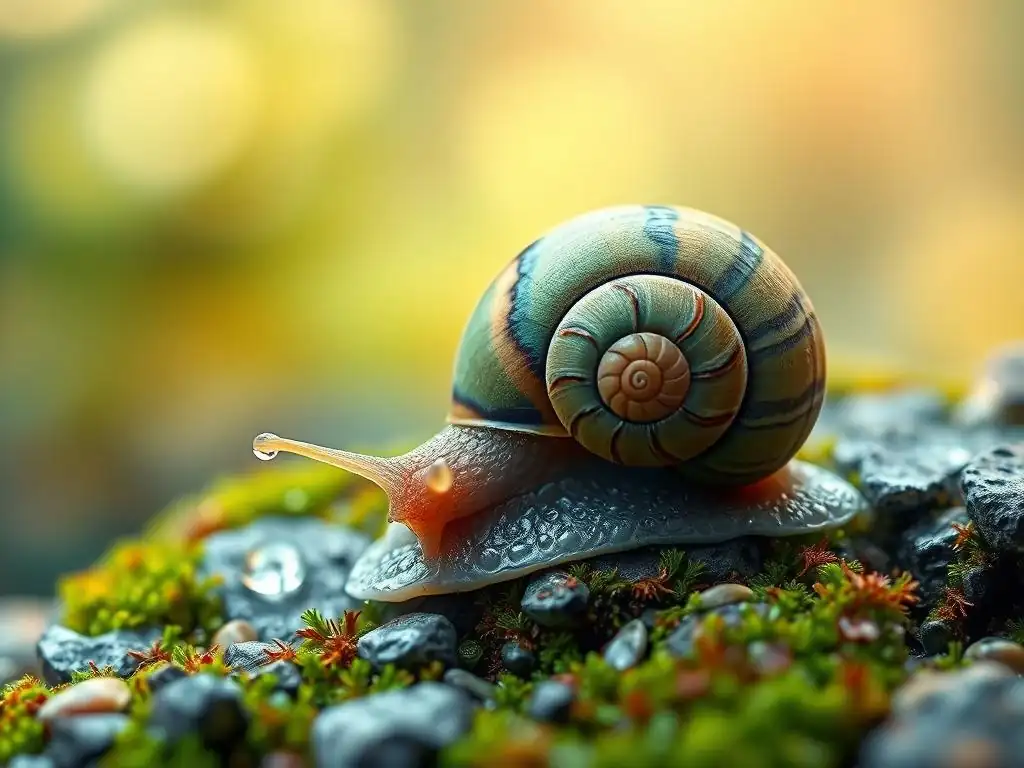
Nerite snails, like all shelled invertebrates, can suffer from shell problems if their environmental conditions are not optimal. Common issues include shell pitting, erosion, or a dull, brittle appearance. The primary causes for these problems are typically low calcium levels in the water, which is essential for shell formation, or acidic water (low pH) which can chemically dissolve the shell over time. Insufficient diet, lacking in essential minerals, can also contribute to poor shell health.
To address shell problems, it's crucial to first test your water's GH and KH levels; ideally, GH should be above 8 dGH and KH above 3 dKH. If levels are low, you can increase them by adding crushed coral to your filter media or substrate, using mineral supplements like Wonder Shells, or incorporating calcium-rich foods into their diet. Ensuring a stable pH above 7.0 is also beneficial. Consistent water parameter monitoring and supplementation are vital steps in any thorough Nerite snail care guide.
Nerite Snail Inactivity: Determining the Underlying Issue
If your Nerite snail appears inactive, staying in one spot for extended periods or not moving for days, it can be a sign of underlying issues. The most common causes for snail inactivity are poor water quality, particularly elevated levels of ammonia, nitrite, or high nitrates. Other factors include insufficient food, incorrect water temperature (either too cold or too hot), or simply illness or old age. Sometimes, a snail might also be acclimating to a new environment.
To determine the issue, immediately test your aquarium's water parameters. If ammonia or nitrite are present, perform a partial water change (25-50%) to dilute toxins. Check the temperature and adjust as needed to the optimal 72-80°F (22-27°C) range. Ensure there is sufficient algae or supplement their diet with algae wafers. If the snail remains inactive after addressing these factors, it might be ill or nearing the end of its lifespan. A robust Nerite snail care guide emphasizes proactive water quality management to prevent such issues.
Nerite Snail Egg Laying: Managing Egg Deposits in Freshwater Tanks
As previously mentioned, Nerite snails are prolific egg layers, even in freshwater tanks where the eggs will not hatch. These small, white, hard, and resilient eggs are often laid on virtually any hard surface within the aquarium, including glass, rocks, driftwood, filter intakes, and even other snails' shells. While harmless, their presence can be aesthetically displeasing for some aquarists, resembling tiny sesame seeds or white dots.
Unfortunately, due to their tough, calcified nature and strong adhesive, Nerite snail eggs are notoriously difficult to remove without considerable effort. On glass surfaces, a razor blade or a stiff credit card can be used to carefully scrape them off. For decorations or plants, gentle scrubbing with a brush might help, but often, some eggs will remain. Accepting their presence is often the easiest approach, as they will eventually disappear over time. This common occurrence is a practical detail found in any comprehensive Nerite snail care guide.
Nerite Snail Algae Control: Ensuring Effective Algae Eating Habits
While Nerite snails are excellent algae eaters, there might be instances where they don't seem to be effectively controlling algae, or certain types of algae persist. This can happen if the tank has an overwhelming amount of algae due to excess light or nutrients, if other tank inhabitants are being overfed and leaving too much food, or if the specific type of algae present is not palatable to Nerites (e.g., black beard algae is generally ignored).
To ensure your Nerites are effective algae controllers, first, assess the overall light duration and intensity in your tank; aim for 8-10 hours of moderate light. Reduce the amount of food given to fish and other tank inhabitants to ensure Nerites are hungry enough to graze on algae. If a particular type of algae is prevalent and untouched by Nerites, consider introducing other algae eaters known to consume that specific type, or implement manual removal methods. A proactive Nerite snail care guide suggests balancing nutrient input with algae consumption.
Maintaining a Healthy Nerite Snail Population: Long-Term Care Tips
Regular Water Changes: Essential for Nerite Snail Health
Regular water changes are paramount for maintaining the health and vitality of your Nerite snails. Over time, nitrates accumulate in the aquarium, and essential minerals that contribute to shell health can become depleted. Performing consistent partial water changes, typically 20-25% of the tank volume weekly or bi-weekly depending on bioload, helps to dilute harmful nitrates and replenish vital trace elements and minerals.
When performing water changes, always ensure the new water is dechlorinated and temperature-matched to the aquarium water to prevent shock. Using a gravel vacuum also allows for the removal of detritus and uneaten food from the substrate, further contributing to better water quality. This consistent maintenance routine is a cornerstone of any effective Nerite snail care guide, directly impacting the longevity and activity of your snails.
Monitoring Water Quality: Preventing Ammonia and Nitrate Buildup
Continuous monitoring of water quality is critical for preventing common issues that can harm Nerite snails. Ammonia and nitrite, products of the nitrogen cycle, are highly toxic to snails, even in small concentrations. While nitrates are less immediately harmful, high levels (above 20 ppm) can cause chronic stress and weaken snails over time, making them susceptible to disease and shell problems.
Using a reliable liquid-based test kit to regularly check ammonia, nitrite, and nitrate levels (at least weekly or bi-weekly) allows you to catch any imbalances early. If levels are elevated, immediate partial water changes and identification of the root cause (e.g., overfeeding, insufficient filtration, overstocking) are necessary. Proactive water quality management is a non-negotiable aspect of a robust Nerite snail care guide.
Providing Adequate Calcium: Supporting Shell Growth and Strength
Calcium is a fundamental mineral for Nerite snails, directly influencing the strength and integrity of their shells. Without sufficient calcium in their diet or surrounding water, snails can develop soft, pitted, or eroded shells, leaving them vulnerable to injury and disease. This is particularly important in areas with naturally soft water or in tanks where pH levels tend to drop.
To ensure adequate calcium, you can incorporate calcium-rich foods into their diet, such as algae wafers fortified with calcium or blanched leafy greens. Additionally, you can boost water hardness by adding calcium sources directly to the tank. Options include placing a small piece of cuttlebone (commonly sold for birds) in the filter or directly in the tank, using crushed coral as a substrate additive, or employing liquid calcium supplements specifically formulated for aquariums. This focus on calcium is a key element of a comprehensive Nerite snail care guide.
Nerite Snails vs. Other Algae Eaters: A Comparative Overview
Nerite Snails vs. Mystery Snails: Key Differences and Considerations
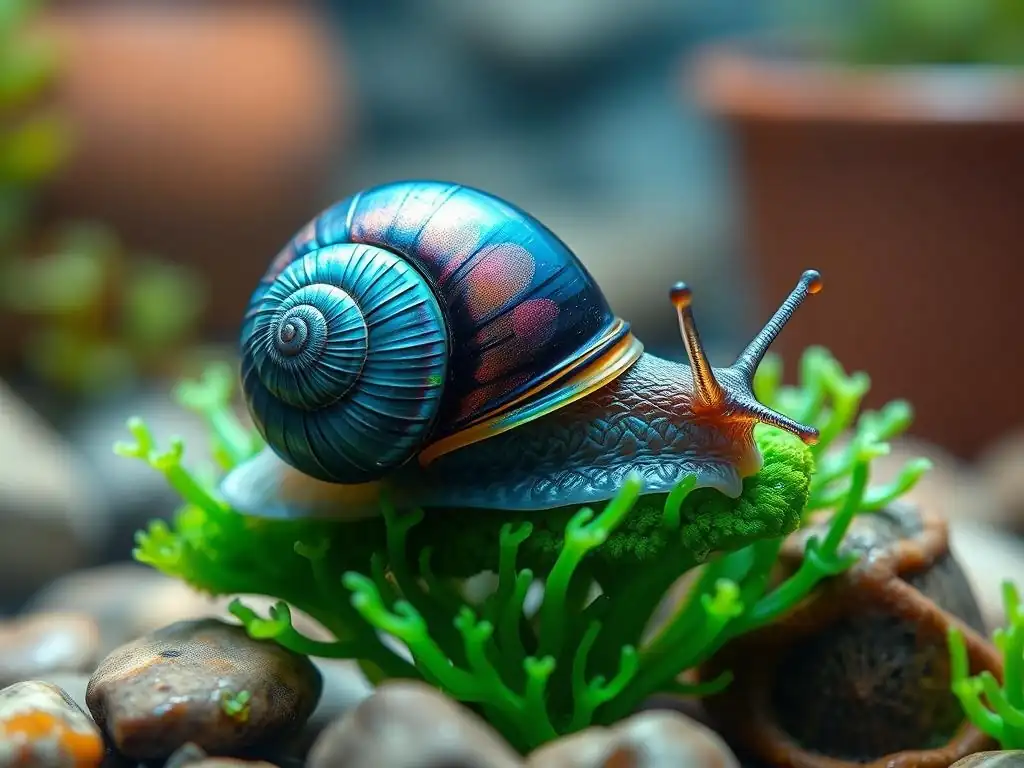
When considering freshwater snails for algae control, Mystery Snails ( Pomacea bridgesii) are another popular choice, but they differ significantly from Nerite snails. Mystery snails are considerably larger, often reaching up to 2 inches (5 cm) in diameter, and come in a wider array of colors like yellow, blue, purple, and ivory. While they do consume some algae, they are generally less efficient algae eaters than Nerites and prefer to scavenge on decaying plant matter and leftover fish food.
A crucial distinction lies in their breeding habits. Mystery snails are hermaphroditic but require a male and female to reproduce. They lay large, gelatinous clutches of eggs above the waterline in freshwater, which hatch readily, leading to potential overpopulation if not managed. Nerite snails, conversely, lay eggs that won't hatch in freshwater, eliminating the risk of uncontrolled breeding, a key advantage highlighted in any Nerite snail care guide.
Nerite Snails vs. Otocinclus Catfish: Algae Eating Capabilities Compared
Otocinclus catfish (often simply called "Otos") are small, peaceful freshwater fish renowned for their algae-eating abilities, often compared to Nerite snails. Both Otos and Nerites excel at consuming diatoms and soft green algae on tank surfaces. Otos are schooling fish, requiring groups of at least six to thrive, and they actively graze on leaves and glass. They typically grow to about 1.5 to 2 inches (3.8-5 cm).
The main differences lie in their classification and behavior. Otos are fish, requiring a well-established, mature tank with stable parameters and specific dietary needs (they can be sensitive and need constant algae or supplemental foods). Nerites are snails, slow-moving and less demanding in terms of group size, and they can access areas that Otos might not, like tight crevices. Both are excellent choices, but a Nerite snail care guide often positions snails as a more robust and self-sufficient option for continuous algae management, especially in smaller setups where schooling fish might be impractical.
Selecting the Right Nerite Snail for Your Aquarium: Key Considerations
Choosing Based on Tank Size and Algae Levels
When selecting Nerite snails for your aquarium, consider the size of your tank and the current algae levels. For smaller tanks, such as 5 to 10 gallons (19-38 liters), one or two Nerite snails are usually sufficient to manage algae without overstressing the available food supply. In larger aquariums (20 gallons or more), you can comfortably house more snails, typically one Nerite per 5-10 gallons, depending on the current algae growth. If you have a significant algae problem, starting with a slightly higher number of snails can help bring it under control more quickly.
It is important to remember that while different Nerite varieties boast unique patterns and colors, their algae-eating capabilities are generally similar. Therefore, the choice of variety based on function is less critical than ensuring you have an appropriate number of snails for the tank's size and algae load. This practical approach is central to a successful Nerite snail care guide.
Considering Aesthetic Preferences: Matching Snails to Your Aquarium Theme
Beyond their functional benefits, Nerite snails offer a fantastic opportunity to enhance the visual appeal of your aquarium. With varieties like the boldly striped Zebra, the intricately patterned Tiger or Batik, the subtly elegant Olive, and the uniquely spiky Horned snails, there is a Nerite to complement almost any aquascape theme. Consider how the snail's shell pattern and color will interact with your existing substrate, plants, and decorations.
For instance, a vibrant Zebra Nerite might stand out beautifully against dark substrate and lush green plants, while a subtle Olive Nerite could blend seamlessly into a more natural, minimalist setup. Horned Nerites offer a peculiar charm for those seeking something truly unique. Exploring images of the different varieties and visualizing them in your tank can help you select the perfect Nerite snail that not only helps maintain a clean environment but also contributes significantly to your aquarium's overall aesthetic, as encouraged by any thorough Nerite snail care guide.
Enhancing Your Aquarium with Nerite Snails: A Final Look
Nerite snails stand out as an exceptional choice for any freshwater aquarist seeking effective, natural algae control without the drawbacks of overpopulation. Their diligent grazing habits keep tank surfaces pristine, reducing the need for manual cleaning and promoting a healthier aquatic environment. Beyond their functional benefits, the diverse and often stunning patterns of their shells add significant aesthetic value, transforming them into living decorations that enhance the visual appeal of any aquarium.
From the striking stripes of the Zebra to the unique horns of the Horned Nerite, these fascinating invertebrates offer a blend of utility and beauty. By following a comprehensive Nerite snail care guide that emphasizes stable water parameters, appropriate feeding, and compatible tank mates, aquarists can ensure these resilient snails thrive, becoming invaluable, low-maintenance contributors to a vibrant and balanced freshwater ecosystem.
Frequently Asked Questions
What are the essential water parameters for keeping Nerite snails healthy?
Nerite snails require stable water parameters, including a pH between 7.0 and 8.0 and a temperature between 72°F and 78°F. Maintaining appropriate water hardness and ammonia/nitrite levels is also crucial for their well-being.
What do Nerite snails eat, and how often should I feed them?
Nerite snails primarily feed on algae found in the aquarium. If algae is scarce, supplement their diet with algae wafers or blanched vegetables. Feeding frequency depends on algae availability.
How can I prevent Nerite snails from escaping my aquarium?
While Nerite snails aren't known for escaping, ensure your aquarium has a tight-fitting lid. Also, maintaining optimal water parameters will minimize stress, reducing the likelihood of them attempting to leave the water.
Are Nerite snails compatible with all types of aquarium fish?
Generally, Nerite snails are peaceful and compatible with most community fish. Avoid keeping them with aggressive fish that might nip at them, such as certain types of puffers or large cichlids.
How do I address common issues like shell erosion or inactivity in Nerite snails?
Shell erosion can be caused by low pH or calcium deficiency. Increase water hardness and consider adding calcium supplements. Inactivity can indicate poor water quality or lack of food; test your water and ensure adequate algae growth.
Final Reflection: The Enduring Allure of Nerite Snails
The vibrant diversity showcased in the world of Nerite snails, as we've explored, isn't just a matter of aesthetic appreciation; it's a testament to the remarkable adaptability and resilience of life itself. These miniature ecosystems, thriving in our aquariums, remind us that beauty and complexity can be found even in the smallest of creatures, demanding our attention and responsible stewardship.
The impact of Nerite snails extends beyond the aquarium glass. Their role in maintaining a balanced aquatic environment underscores the importance of biodiversity and responsible pet ownership. In nature, nothing exists alone.
This quote, often attributed to Rachel Carson, resonates deeply when we consider the interconnectedness of life, even within the confines of a home aquarium. The popularity of these snails highlights a growing awareness of the delicate balance we must strive to maintain in all aspects of our lives, both within and beyond our homes.
As you embark on your journey with Nerite snails, remember that you are not just acquiring a pet, but becoming a caretaker of a miniature world. Let the vibrant stripes and intricate patterns of these creatures inspire you to reflect on the beauty and fragility of our planet, and to embrace the responsibility of preserving its wonders for generations to come. Consider how you can apply the principles of careful observation and responsible care, learned from tending to these tiny wonders, to other aspects of your life, fostering a deeper appreciation for the interconnectedness of all things.
Dive Deeper: Unleash the Beauty of Nerite Snails in Your Aquarium!
Thank you for exploring the vibrant world of Nerite snails with us. We hope you've discovered the perfect shelled companion to bring life and color to your aquarium! Now, let's take that newfound knowledge and turn it into action.
Here are a few ways you can continue your Nerite snail journey:
- Start your collection: Visit your local fish store or a reputable online retailer and select a few Nerite snails that complement your aquarium's aesthetic and ecosystem. Remember to research their specific needs before bringing them home!
- Share your passion: Create a post on social media showcasing your favorite Nerite snail variety, and tag us with #AquariumMastery! Let's spread the word about these amazing algae eaters.
- Uncover hidden gems: Explore less common Nerite snail species and share your findings with the aquarium community. You might just discover the next "must-have" snail!
Ready to transform your aquarium into a thriving Nerite snail paradise?