
Nano Tanks and Cherry Barbs: Is It a Good Idea? Setup Guide Included

Welcome to Aquarium Mastery!
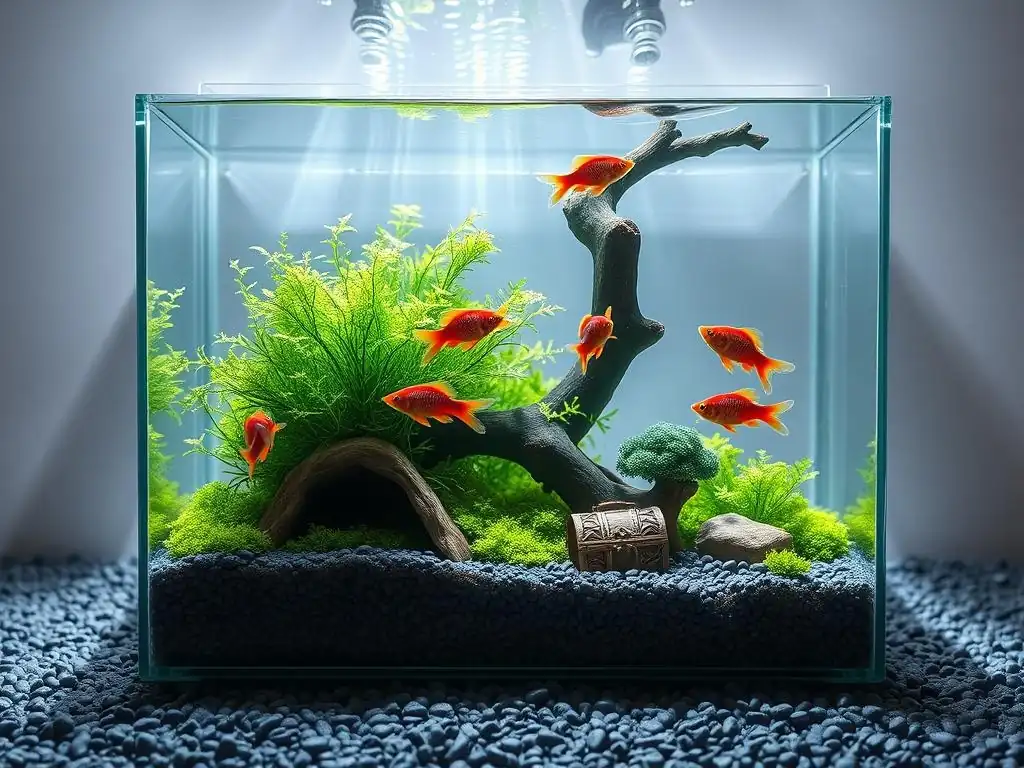
Ever wondered if a vibrant school of cherry barbs could thrive in a nano tank? Dive in! We're tackling the burning question: Is a nano tank cherry barb setup truly feasible? Prepare to unlock the secrets of creating a miniature aquatic paradise, complete with a comprehensive setup guide that will leave you feeling confident and inspired. Let's explore the possibilities!
- Keeping Ember Tetras in a 5-Gallon Tank: A Comprehensive Guide
- Understanding Ember Tetras and Their Needs for Small Aquariums
- The 5-Gallon Debate: Can Ember Tetras Thrive?
-
5-Gallon Tank Setup Guide for Ember Tetras: A Step-by-Step Approach
- Step 1: Choosing the Right 5-Gallon Tank Shape
- Step 2: Selecting a Filter for a 5-Gallon Ember Tetra Tank
- Step 3: Heating and Lighting for Ember Tetra Health
- Step 4: Substrate and Aquascaping for Ember Tetras
- Step 5: Cycling Your 5-Gallon Tank Before Adding Ember Tetras
- Step 6: Introducing Ember Tetras to Their New Home
- Water Parameters and Maintenance for Ember Tetra Tanks
- Choosing Tank Mates for Ember Tetras in a 5-Gallon Tank
- Feeding Ember Tetras in a Small Tank Environment
- Common Problems and Solutions in Ember Tetra Tanks
- The Verdict: Is a 5-Gallon Tank Right for Your Ember Tetras?
-
Frequently Asked Questions
- ### Are cherry barbs suitable for nano tanks?
- ### What is the minimum tank size recommended for a school of cherry barbs?
- ### What are the key factors to consider when setting up a nano tank for cherry barbs?
- ### What are some potential problems to watch out for when keeping cherry barbs in a nano tank?
- ### What are some good tank mates for cherry barbs in a nano tank (assuming it is adequately sized)?
- Final Reflection: The Miniature World and Our Responsibility
- Ignite Your Nano Aquarium Passion Today!
Keeping Ember Tetras in a 5-Gallon Tank: A Comprehensive Guide
Understanding Ember Tetras and Their Needs for Small Aquariums
What are Ember Tetras? A Brief Profile
Ember Tetras, scientifically known as Hyphessobrycon amandae, are diminutive freshwater fish originating from the Araguaia River basin in Brazil. These captivating fish are celebrated for their striking, vibrant orange-red coloration, which glows like embers, making them a popular choice for nano aquariums. Their small stature is a key characteristic, with adults typically reaching a maximum size of only 0.6 to 0.8 inches (approximately 1.5 to 2 centimeters) in length.
Despite their tiny size, Ember Tetras are quite robust and can live for 2 to 4 years when provided with optimal care. Their delicate appearance belies a hardy nature, making them suitable for aquarists willing to commit to precise tank conditions. These fish contribute greatly to the aesthetic appeal of a planted tank, adding a dynamic splash of color as they dart through the foliage.
Ember Tetra Temperament and Schooling Behavior in Small Tanks
Ember Tetras are renowned for their peaceful and somewhat shy temperament, making them excellent candidates for community tanks with other similarly sized, non-aggressive species. However, their schooling behavior is perhaps their most defining social trait. These fish thrive in groups, exhibiting more natural behaviors, reduced stress, and more vibrant coloration when kept in a sufficiently large school. It is generally recommended to keep a minimum of 6 to 8 Ember Tetras together; ideally, a school of 10 or more individuals allows them to display their full schooling dynamics.
In a small tank environment, such as a 5-gallon aquarium, maintaining an adequate school size becomes a balancing act. While a group of six Ember Tetras might technically fit, the limited swimming space and increased bioload can quickly become problematic if not meticulously managed. A smaller school in a 5-gallon tank might lead to increased shyness or stress, as the fish feel less secure without a larger group around them. Therefore, careful consideration of the number of Ember Tetras is paramount for their well-being in a 5-gallon tank.
Minimum Tank Size Considerations for Ember Tetras
The general consensus among aquarists for a healthy school of Ember Tetras leans towards a minimum tank size of 10 gallons. This larger volume provides more stable water parameters, greater swimming space, and a larger buffer against waste accumulation, significantly reducing stress on the fish. However, the question of keeping Ember Tetras in a 5-gallon tank often arises due to their small size and the popularity of nano aquariums.
While a 5-gallon tank is often considered the absolute minimum for a very small school (e.g., 6-8 individuals) of Ember Tetras, it is important to understand that this setup demands exceptional commitment to maintenance and water quality. The reduced water volume means that metabolic waste can quickly build up, and water parameters can fluctuate rapidly, posing a significant challenge to the fish's health. For Ember Tetras to truly thrive in a 5-gallon tank, it must be heavily planted to provide ample hiding spots and help with water quality, and overstocking must be strictly avoided.
The 5-Gallon Debate: Can Ember Tetras Thrive?
Defining a "5-Gallon Tank" for Ember Tetras
When considering a 5-gallon tank for Ember Tetras, it's crucial to understand that not all 5-gallon aquariums are created equal. The physical dimensions and shape of the tank play a significant role in how well these small schooling fish can adapt. A standard 5.5-gallon rectangular tank, typically measuring around 16 inches in length, 8 inches in width, and 10 inches in height, offers more linear swimming space compared to a cube-shaped 5-gallon tank. This horizontal length is particularly beneficial for schooling fish like Ember Tetras, as it allows them to swim in natural patterns.
A well-designed 5-gallon Ember Tetra setup should prioritize horizontal space and include dense planting. For instance, a 5.5-gallon tank provides approximately 1280 cubic inches of water volume, which, while small, can be optimized through thoughtful aquascaping to maximize usable space for the fish. The key is to create an environment that feels larger than it is by providing visual barriers and open swimming lanes, rather than just a confined box.
Potential Challenges of Keeping Ember Tetras in 5-Gallon Tanks
Keeping Ember Tetras in a 5-gallon tank presents several significant challenges primarily due to the limited water volume. The most critical issue is water quality stability. A smaller volume of water means a smaller buffer against the accumulation of harmful substances like ammonia and nitrite. Even a small amount of uneaten food or fish waste can rapidly elevate these toxic compounds, leading to immediate stress and potential fatalities for the Ember Tetras. For example, a single uneaten flake in a 5-gallon tank has a much more pronounced impact on water chemistry than in a 20-gallon tank.
Furthermore, overcrowding is an ever-present risk. While Ember Tetras are small, a recommended school of 6-8 individuals can quickly produce a substantial bioload for a 5-gallon system. This limited space can also restrict their natural schooling behavior and swimming patterns, potentially leading to increased stress, lethargy, or even aggression within the group if they feel overly confined. Temperature fluctuations are another concern; smaller tanks are more susceptible to ambient room temperature changes, which can cause rapid and stressful shifts in water temperature, particularly in homes without stable climate control.
Benefits of a Well-Maintained 5-Gallon Tank for Ember Tetras
Despite the challenges, a meticulously maintained 5-gallon tank can offer certain benefits for Ember Tetras, particularly for dedicated aquarists. One primary advantage is the ease of observation; the smaller scale allows for closer, more intimate viewing of the fish's individual behaviors, schooling patterns, and subtle changes in health or coloration that might be missed in a larger setup. This close proximity can enhance the aquarist's connection with their fish and facilitate early detection of potential issues.
Moreover, a 5-gallon tank is an excellent choice for those with limited space, such as small apartments or dorm rooms, providing an opportunity to enjoy the beauty of a planted aquarium with vibrant fish. The initial setup cost and ongoing running expenses (electricity for heating and filtration, water conditioner) are also significantly lower compared to larger tanks.
For beginners, a 5-gallon Ember Tetra tank can serve as an invaluable learning tool, forcing them to master the fundamentals of diligent water testing, frequent water changes, and precise parameter control, skills that are transferable to larger, more complex aquariums. When executed with precision, a small, heavily planted 5-gallon tank can become a stunning, miniature ecosystem where Ember Tetras can not only survive but, with proper care, genuinely thrive.
5-Gallon Tank Setup Guide for Ember Tetras: A Step-by-Step Approach
Step 1: Choosing the Right 5-Gallon Tank Shape
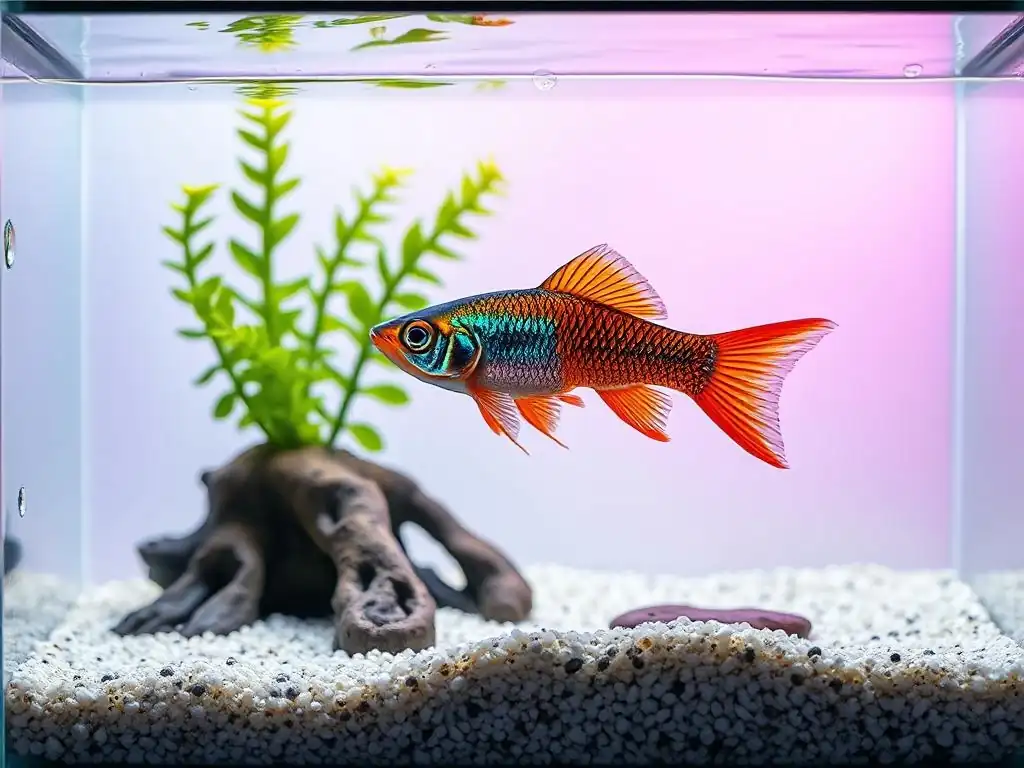
When setting up a 5-gallon Ember Tetra tank, the shape of the aquarium is a critical consideration for the well-being of these active, schooling fish. While cube-shaped nano tanks are aesthetically popular, a rectangular tank is significantly more beneficial for Ember Tetras. A standard 5.5-gallon rectangular aquarium, often measuring around 16 inches in length, provides ample linear swimming space for a small school to exhibit natural schooling behaviors. This horizontal dimension is crucial for their movement and comfort, as opposed to a tall, narrow tank that offers more vertical than horizontal space.
Opting for a tank with a lid or cover is also highly recommended. Ember Tetras, like many small tetras, can be prone to jumping, especially when stressed or startled. A secure lid prevents escape attempts and helps to maintain stable water temperature and humidity within the aquarium environment. While rimless tanks offer a sleek, modern look, they should only be considered if a transparent cover can be added without compromising the aesthetic, ensuring the safety of your Ember Tetras.
Step 2: Selecting a Filter for a 5-Gallon Ember Tetra Tank
Effective filtration is paramount in a 5-gallon Ember Tetra tank due to the small water volume and the rapid accumulation of waste. A robust filtration system helps maintain stable water parameters by removing physical debris and, more importantly, facilitating the nitrogen cycle. For a 5-gallon setup, the choice of filter type directly impacts water quality and the comfort of your Ember Tetras.
Filter Types Suitable for 5-Gallon Tanks with Ember Tetras
Several filter types are suitable for a 5-gallon Ember Tetra tank, each with its own advantages. Sponge filters are an excellent choice, providing gentle water flow that won't stress small fish, while offering superb biological filtration due to their large surface area for beneficial bacteria. They are also cost-effective and easy to maintain. Hang-on-back (HOB) filters are another popular option, offering mechanical, chemical, and biological filtration.
When selecting an HOB filter, choose one rated for 5-10 gallons, and ensure it has an adjustable flow rate or can be easily baffled to prevent overly strong currents. Small internal filters can also work, but they tend to take up valuable space within the tank. Avoid undergravel filters, especially in planted setups, as they can be less efficient and harder to maintain in such small volumes.
Maintaining Proper Water Flow in a Small Aquarium
Ember Tetras, originating from slow-moving waters, prefer a gentle current in their environment. Excessive water flow from an overpowered filter can cause significant stress, forcing the fish to constantly fight the current, which can lead to exhaustion and weakened immune systems. If using an HOB filter, consider baffling the outflow with a pre-filter sponge, a piece of plastic bottle, or even a small decorative rock placed strategically to diffuse the water's force.
For sponge filters, ensure the air pump is set to a low enough flow to create gentle bubbling rather than a turbulent rush. The goal is to create a soft, natural flow that mimics their native habitat, allowing the Ember Tetras to swim comfortably without being buffeted around the 5-gallon tank.
Step 3: Heating and Lighting for Ember Tetra Health
Maintaining stable temperature and appropriate lighting are crucial elements for the health and vitality of Ember Tetras in a 5-gallon tank. Given the small water volume, precise control over these parameters is essential to prevent stress and promote natural behavior.
Optimal Temperature Range for Ember Tetras
Ember Tetras are tropical fish and require a consistent water temperature to thrive. Their ideal temperature range is between 73-80°F (23-27°C). In a 5-gallon tank, temperature fluctuations can occur rapidly due to changes in room temperature, making a reliable heater indispensable. A submersible heater rated for 25-50 watts is typically sufficient for this tank size.
It's vital to use a high-quality, adjustable heater and pair it with an accurate thermometer to monitor the water temperature daily. For instance, if your room temperature drops from 75°F to 68°F overnight, an unheated 5-gallon tank could see a rapid temperature drop of 7°F or more, which is highly stressful for Ember Tetras. A consistent temperature, ideally around 76°F (24.5°C), will promote a healthy metabolism and strong immune system for your fish.
Lighting Considerations for Planted 5-Gallon Tanks
Lighting in a 5-gallon Ember Tetra tank serves dual purposes: enhancing the visual appeal of the fish and supporting the growth of live plants, which are highly recommended for these setups. Ember Tetras appreciate a moderately lit environment with plenty of shaded areas provided by plants. For a planted 5-gallon tank, moderate lighting is usually sufficient to grow low-to-medium light plants such as Anubias nana, Java Fern, Cryptocoryne species, and various mosses. An LED light fixture designed for nano tanks is an energy-efficient and effective choice.
It's crucial to manage the light duration, typically 8-10 hours per day, to prevent excessive algae growth, which can quickly become problematic in a small, nutrient-rich environment. For example, leaving the light on for 12-14 hours daily will almost certainly lead to a significant algae bloom within a week or two. A timer is highly recommended to ensure consistent light cycles, promoting both plant health and reducing stress for your Ember Tetras by mimicking natural day-night rhythms.
Step 4: Substrate and Aquascaping for Ember Tetras
The choice of substrate and the design of the aquascape are fundamental to creating a comfortable and natural habitat for Ember Tetras in a 5-gallon tank. These elements not only contribute to the aesthetic appeal but also play a vital role in water chemistry and fish well-being.
Choosing the Right Substrate for Planted Tanks
For a planted 5-gallon Ember Tetra tank, the substrate choice is critical. Fine gravel or sand, with a grain size of 1-2mm, is generally suitable. These finer substrates are gentle on the fish's delicate barbels (if they were bottom feeders, which Ember Tetras are not, but it's good practice) and allow plant roots to anchor securely. However, for optimal plant growth, a specialized planted tank substrate, such as ADA Aquasoil or Fluval Stratum, is highly recommended.
These substrates are rich in nutrients and help buffer pH, creating an ideal environment for aquatic plants. A substrate depth of 1 to 2 inches is typically sufficient for most foreground and midground plants. For instance, a 1.5-inch layer of Fluval Stratum in a 5-gallon tank provides ample nutrients for a thriving carpet of dwarf hairgrass or a dense bed of Cryptocoryne parva.
Creating Hiding Places and Territories
Heavily planted tanks are essential for Ember Tetras, particularly in a 5-gallon setup. These shy fish feel most secure and display their best colors when they have ample hiding places and visual barriers. Live plants like Java moss, Anubias nana, Cryptocoryne species, and various stem plants (e.g., Rotala indica) should be strategically arranged to create dense foliage areas, shaded spots, and open swimming lanes. For example, a thick clump of Java moss attached to a small piece of driftwood can provide an immediate sense of security and a place for Ember Tetras to retreat.
Incorporating small pieces of driftwood or smooth, inert rocks can further enhance the aquascape, offering additional hiding spots and contributing to the natural aesthetic. Driftwood can also release beneficial tannins, which slightly lower pH and tint the water, mimicking the blackwater environments Ember Tetras often inhabit in the wild. Ensuring a mix of open swimming space and dense plant cover allows the Ember Tetras to feel secure and reduces stress, promoting their natural schooling and exploratory behaviors within the confines of the 5-gallon tank.
Step 5: Cycling Your 5-Gallon Tank Before Adding Ember Tetras
Before introducing any fish, especially delicate ones like Ember Tetras, into a 5-gallon tank, it is absolutely imperative to complete the nitrogen cycle. This process establishes the beneficial bacteria necessary to convert toxic fish waste into less harmful compounds. Skipping or rushing this step is a leading cause of fish fatalities in new aquariums.
The Importance of the Nitrogen Cycle
The nitrogen cycle is the biological process that transforms ammonia (NH3), produced by fish waste, uneaten food, and decaying plant matter, into nitrite (NO2-), and then into nitrate (NO3-). Both ammonia and nitrite are highly toxic to fish, even in small concentrations, leading to gill damage, organ failure, and death. Beneficial bacteria colonies, specifically Nitrosomonas and Nitrobacter species, colonize the filter media, substrate, and tank surfaces, performing these crucial conversions.
In a 5-gallon tank, where water volume is limited, the impact of these toxins is magnified, making a fully cycled tank non-negotiable for Ember Tetras. A fishless cycle, using a pure ammonia source, is the most humane and safest method, typically taking 4-6 weeks to complete.
Monitoring Water Parameters During Cycling
During the cycling process, rigorous monitoring of water parameters is essential to track the progress of bacterial colonization. A reliable liquid test kit (e.g., API Freshwater Master Test Kit) should be used to test for ammonia, nitrite, and nitrate levels daily or every other day. Initially, you will observe a spike in ammonia, followed by a spike in nitrite as the first type of bacteria establishes.
Finally, both ammonia and nitrite levels will drop to zero, and nitrate levels will begin to rise, indicating that the cycle is complete. For instance, after adding 2 ppm of ammonia to start a fishless cycle, you might see ammonia at 2 ppm, nitrite at 0 ppm, and nitrate at 0 ppm for a week. Then, ammonia might drop to 1 ppm, nitrite rise to 0.5 ppm, and nitrate remain at 0 ppm.
The cycle is considered complete when both ammonia and nitrite consistently read 0 ppm, and nitrates are detectable (e.g., 5-20 ppm). Only at this point should Ember Tetras be slowly introduced.
Step 6: Introducing Ember Tetras to Their New Home
Once your 5-gallon tank is fully cycled and parameters are stable, the exciting step of introducing your Ember Tetras can begin. This process, known as acclimation, must be done carefully to minimize stress and prevent shock from changes in water chemistry and temperature.
Acclimation Process for Ember Tetras
For delicate fish like Ember Tetras, the drip acclimation method is highly recommended. Begin by floating the sealed bag containing your fish in the tank for 15-20 minutes to equalize the water temperature. After this, open the bag, roll down the edges to create an air pocket, and secure it to the side of the tank. Using airline tubing and a control valve, slowly drip tank water into the bag at a rate of about 1-2 drops per second.
This gradual mixing allows the fish to slowly adjust to the new pH, hardness, and temperature. Continue this process until the volume of water in the bag has quadrupled, which typically takes 30-60 minutes. Once acclimated, gently net the Ember Tetras from the bag and release them into the tank, ensuring none of the bag water enters your established aquarium, as it may contain undesirable pathogens or chemicals.
Monitoring Ember Tetra Behavior After Introduction
After introducing your Ember Tetras, observe their behavior closely for the first few hours and days. Healthy, comfortable Ember Tetras will typically begin to explore their new environment, school together, and display their vibrant coloration. Signs of stress include clamped fins (fins held close to the body), darting erratically, excessive hiding, paling of colors, or gasping at the surface. For example, if a newly introduced Ember Tetra is seen lingering at the bottom with clamped fins for more than an hour, it might be stressed by water parameters or current.
Avoid feeding them heavily for the first 24 hours to prevent unnecessary waste production as they adjust. Instead, offer a very small amount of food after several hours if they appear to be settling in. Continue to monitor water parameters (ammonia, nitrite, nitrate) daily for the first week after introduction, as the sudden increase in bioload can sometimes cause a mini-cycle in a small 5-gallon tank. Prompt action, such as a small water change, may be necessary if ammonia or nitrite levels begin to rise.
Water Parameters and Maintenance for Ember Tetra Tanks
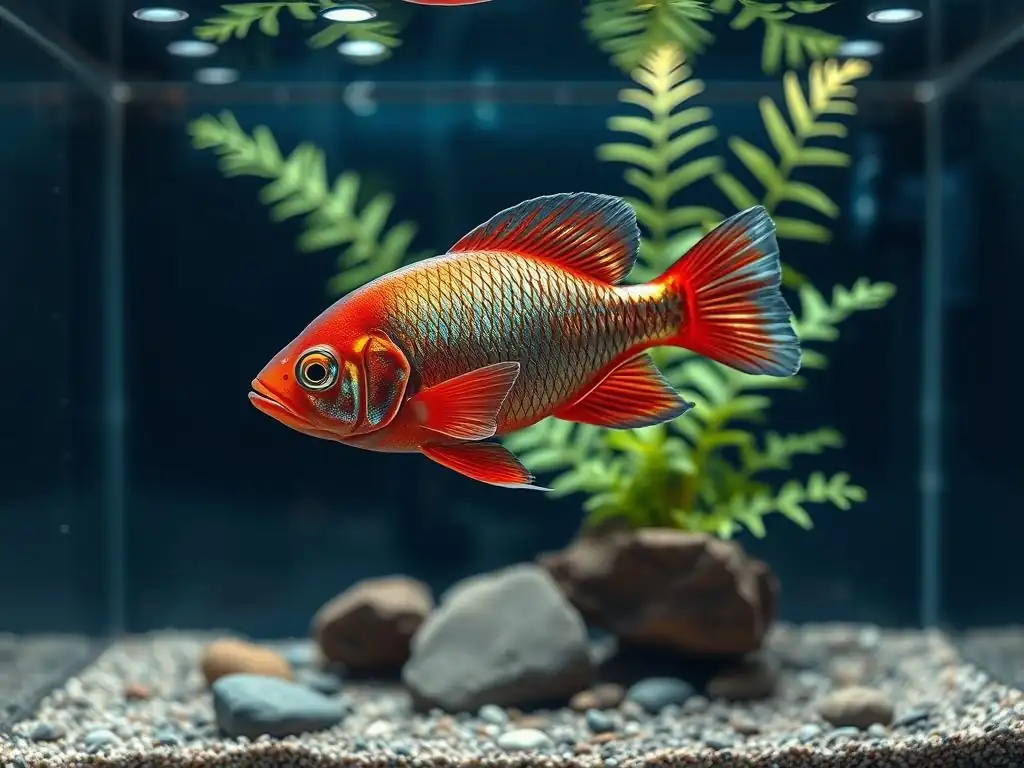
Maintaining pristine water quality is the single most critical factor for the long-term health of Ember Tetras, especially in a compact 5-gallon tank where water parameters can shift rapidly. Consistent monitoring and regular maintenance are non-negotiable for their well-being.
Ideal Water Chemistry for Ember Tetras
Ember Tetras are adaptable fish but thrive best in soft, slightly acidic to neutral water conditions, mimicking their natural Amazonian habitats. Their ideal pH range is between 6.0 and 7.5, with a target of 6.5-7.0 being optimal. Regarding hardness, a general hardness (GH) of 3-8 dGH (approximately 50-140 ppm) and a carbonate hardness (KH) of 3-6 dKH (50-100 ppm) are preferred. These parameters contribute to a stable environment and reduce stress on the fish. For instance, maintaining a pH of 6.8 and a GH of 6 dGH provides an excellent balance for their long-term health and vibrant coloration.
pH, Ammonia, Nitrite, and Nitrate Levels
Rigorous testing of water parameters is crucial.
- Ammonia (NH3/NH4+): Must always be 0 ppm. Any detectable level of ammonia is toxic and indicates a problem with the nitrogen cycle or overstocking.
- Nitrite (NO2-): Must always be 0 ppm. Like ammonia, nitrite is highly toxic.
- Nitrate (NO3-): Should be kept below 10-20 ppm. While less toxic than ammonia or nitrite, high nitrate levels can cause chronic stress and health issues. In a 5-gallon tank, nitrates can accumulate quickly, necessitating frequent water changes to keep them low. For example, a reading of 40 ppm nitrate in a 5-gallon Ember Tetra tank requires an immediate 50% water change to bring levels down.
Regular Water Changes in Small Tanks
Due to the limited water volume, 5-gallon Ember Tetra tanks require more frequent and diligent water changes compared to larger aquariums. A weekly water change of 25-30% is typically recommended to dilute nitrates, replenish essential minerals, and remove accumulated waste. For example, in a 5-gallon tank, a 25% water change involves removing 1.25 gallons of water.
If your tank is at maximum stocking capacity for Ember Tetras (e.g., 8 individuals), or if you notice nitrates consistently creeping above 20 ppm mid-week, you might consider performing two smaller water changes (e.g., 20% each) per week. Always use a reliable water conditioner to neutralize chlorine and chloramines in tap water, and ensure the new water's temperature is matched closely to the tank water to prevent temperature shock.
Cleaning and Maintenance Schedule for Ember Tetra Aquariums
A consistent cleaning and maintenance schedule is vital for the health of Ember Tetras in a 5-gallon tank.
- Daily: Observe your Ember Tetras for any signs of stress or disease, check the water temperature, and ensure all equipment (heater, filter) is functioning correctly.
- Weekly: Perform the 25-30% water change. Lightly gravel vacuum the substrate to remove detritus, being careful not to disturb plant roots too much. Wipe down the inside of the glass to remove any algae buildup. Prune any overgrown plants.
- Monthly: Clean filter media. For sponge filters, gently squeeze them in a bucket of old tank water to remove accumulated sludge, preserving beneficial bacteria. For HOB filters, rinse mechanical media (sponges/floss) in old tank water and replace chemical media (carbon) if used. Avoid cleaning all filter media at once, as this can disrupt the nitrogen cycle. Also, check all equipment for wear and tear.
This proactive approach to maintenance minimizes the risk of water quality issues and provides a stable environment for your Ember Tetras to thrive.
Choosing Tank Mates for Ember Tetras in a 5-Gallon Tank
Selecting appropriate tank mates for Ember Tetras in a 5-gallon tank is extremely challenging due to the limited space and the delicate nature of the tetras. In most cases, a 5-gallon tank with Ember Tetras should be considered a species-only setup, or at best, an Ember Tetra and invertebrate tank.
Compatible Tank Mates for a 5-Gallon Aquarium
Given the strict space constraints of a 5-gallon tank, introducing any other fish species alongside a school of Ember Tetras is generally not recommended. A proper school of Ember Tetras (6-8 individuals) already pushes the bioload limits of such a small volume. Adding more fish, regardless of their size, will almost certainly lead to overcrowding, increased waste production, and rapid declines in water quality, causing significant stress and health issues for all inhabitants. The primary focus for a 5-gallon Ember Tetra tank should be on providing the best possible environment for the tetras themselves.
If an aquarist insists on adding another creature, the only truly viable options are certain types of invertebrates.
Incompatible Tank Mates to Avoid
Virtually all other fish species are incompatible with Ember Tetras in a 5-gallon tank. This includes:
- Betta fish: While sometimes suggested for 5-gallon tanks, Bettas have different environmental needs (prefer still water, can be territorial) and can be aggressive towards small, fin-nipping fish like tetras, or vice-versa.
- Other small schooling fish: Adding more schooling fish, even tiny ones like chili rasboras, will lead to severe overcrowding and stress.
- Bottom dwellers (e.g., Corydoras, Otocinclus): These fish require more space, larger schools (Corydoras), or more stable environments (Otocinclus) than a 5-gallon can provide. They also contribute significantly to the bioload.
- Any fish larger than Ember Tetras: These will quickly outgrow the tank, produce too much waste, or potentially prey on the Ember Tetras.
Attempting to combine Ember Tetras with other fish in such a small volume almost always results in a stressed, unhealthy aquarium environment.
Shrimp Compatibility with Ember Tetras
Certain types of dwarf shrimp can be compatible tank mates for Ember Tetras in a 5-gallon tank, provided the tank is heavily planted and meticulously maintained. Cherry shrimp (Neocaridina davidi) are often considered the best choice. Ember Tetras are generally peaceful and unlikely to prey on adult cherry shrimp due to their small mouths and non-aggressive nature.
However, very young shrimplets might be seen as a snack, so a dense carpet of Java moss or other fine-leaved plants is essential to provide ample hiding places for the shrimplets to mature. A small colony of 5-10 cherry shrimp can add an interesting dynamic to the tank without significantly increasing the bioload, as their waste production is minimal.
Amano shrimp (Caridina multidentata) are another option, though they grow larger (up to 2 inches) and may be less visually striking than cherry shrimp. They are excellent algae eaters and generally ignore fish. Other dwarf shrimp species like Crystal Red Shrimp or Blue Dream Shrimp can also work, but their higher price point and often more stringent water parameter requirements might make them less ideal for a beginner's 5-gallon Ember Tetra setup. Snails like Nerite snails are also compatible, being excellent algae eaters and producing very little waste.
Feeding Ember Tetras in a Small Tank Environment
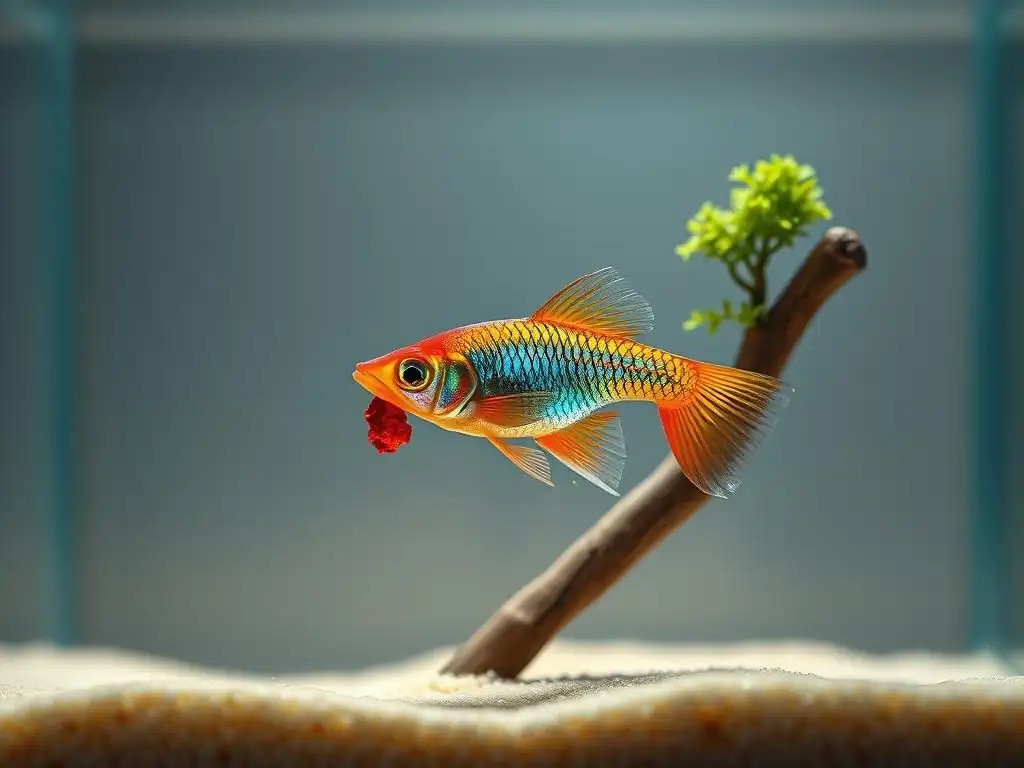
Proper feeding is crucial for the health and vibrancy of Ember Tetras, particularly in a 5-gallon tank where overfeeding can quickly lead to water quality issues. Their small size dictates the type and quantity of food they can consume.
Optimal Diet for Ember Tetras
Ember Tetras are omnivores with very small mouths, requiring finely crushed or micro-sized foods. A high-quality diet is essential for their vibrant coloration and overall health. Their staple diet should consist of premium micro-pellets or finely crushed flakes designed for small tropical fish. For example, Hikari Micro Pellets or finely ground TetraMin Flakes are excellent choices. These provide a balanced nutritional profile necessary for their growth and immune system.
To supplement their diet and provide essential proteins and variety, offer small live or frozen foods occasionally. Excellent options include:
- Brine shrimp nauplii: These tiny larval shrimp are a perfect size for Ember Tetras and are highly nutritious.
- Daphnia: Small crustaceans that provide good roughage.
- Microworms: A good source of protein for very small fish.
- Crushed bloodworms or tubifex worms: Only if finely crushed and offered sparingly.
Providing a varied diet not only ensures complete nutrition but also stimulates their natural foraging instincts, keeping them active and engaged in their 5-gallon environment.
Feeding Frequency and Quantity
Given the limited volume of a 5-gallon tank, precise control over feeding frequency and quantity is paramount to prevent overfeeding and subsequent water quality degradation. Ember Tetras typically benefit from being fed 1-2 times daily. The key is to offer very tiny amounts of food that can be consumed entirely within 2-3 minutes. For example, a pinch of micro-pellets the size of a pea might be sufficient for a school of 6-8 Ember Tetras.
It is always better to underfeed slightly than to overfeed. Uneaten food quickly decomposes, releasing ammonia and nitrite, which are highly toxic in a small aquarium. If you observe any food settling to the bottom after 3 minutes, you are feeding too much. This diligence in feeding is a cornerstone of successful Ember Tetra care in a 5-gallon tank, directly impacting the stability of the aquatic environment.
Preventing Overfeeding in Small Aquariums
Preventing overfeeding is one of the most critical aspects of maintaining a healthy 5-gallon Ember Tetra tank. Here are effective strategies:
- Feed small amounts, more frequently: Instead of one large meal, split the daily ration into two smaller feedings. This ensures all fish get enough food without excess.
- Observe consumption: Watch your fish closely during feeding. Stop feeding as soon as they lose interest or food starts to settle.
- Use a feeding dish or ring: A small feeding ring can help contain flakes or floating pellets, preventing them from scattering and sinking into inaccessible areas of the tank.
- Remove uneaten food promptly: If you do accidentally overfeed, use a small net or a turkey baster to remove any uneaten food from the substrate or water column within 5 minutes. This immediate removal prevents decomposition and the release of harmful toxins.
- Fasting day: Consider skipping one day of feeding per week. This can help clear their digestive systems and reduce the overall bioload on the 5-gallon system. For instance, if you feed Monday through Saturday, Sunday could be a fast day. Implementing these practices will significantly reduce the risk of ammonia and nitrite spikes, which are particularly dangerous in small aquarium volumes.
Common Problems and Solutions in Ember Tetra Tanks
Even with diligent care, issues can arise in any aquarium. In a 5-gallon Ember Tetra tank, problems often manifest quickly due to the limited water volume. Early detection and prompt action are key to successful resolution.
Addressing Algae Issues in Small Tanks
Algae growth is a common occurrence in planted nano tanks, including 5-gallon Ember Tetra setups. While a small amount of green algae is normal and can even be beneficial, excessive or unsightly algae blooms can indicate an imbalance in the tank. Common causes include too much light (either duration or intensity), excess nutrients (primarily nitrates and phosphates from overfeeding or infrequent water changes), or an imbalance in CO2 for planted tanks. For example, leaving the tank light on for 12-14 hours daily will almost certainly lead to a significant green hair algae outbreak within a few weeks.
Solutions involve addressing the root cause:
- Reduce light duration: Limit lighting to 8 hours per day, using a timer for consistency.
- Manual removal: Physically scrape algae off the glass with an algae magnet or blade, and gently remove it from plants during weekly maintenance.
- Increase water changes: More frequent or larger water changes (e.g., 30% twice a week) can help reduce nutrient levels.
- Optimize feeding: Ensure you are not overfeeding, as uneaten food contributes to nutrient buildup.
- Add fast-growing plants: These compete with algae for nutrients.
- Introduce algae eaters (cautiously): A single Nerite snail is generally the only safe algae eater for a 5-gallon Ember Tetra tank, as they produce minimal bioload.
Dealing with Diseases and Parasites
Ember Tetras are generally hardy, but like all fish, they can fall victim to diseases and parasites, especially when stressed by poor water quality. Common ailments include Ich (white spot disease), fin rot, and velvet. For instance, if you notice small white spots resembling salt grains on your Ember Tetras, it's likely Ich, often triggered by temperature fluctuations or poor water quality.
Prevention is the best approach:
- Maintain stable water parameters: Consistent temperature, 0 ppm ammonia/nitrite, and low nitrates are critical.
- Provide a high-quality diet: Boosts their immune system.
- Quarantine new fish: Always quarantine new Ember Tetras or any other new tank inhabitants in a separate, small tank for 2-4 weeks before introducing them to your main 5-gallon setup. This prevents the introduction of diseases.
If disease does occur, prompt diagnosis and treatment are crucial. Many aquarium medications are available, but always ensure they are safe for small, sensitive fish like Ember Tetras and follow dosing instructions precisely, as overdosing in a small 5-gallon tank can be fatal.
Troubleshooting Stress in Ember Tetras
Stress is a precursor to many health problems in fish, and Ember Tetras in a 5-gallon tank are particularly susceptible to environmental stressors. Recognizing the symptoms and identifying the cause quickly is vital.
- Symptoms of stress: Clamped fins, pale coloration, excessive hiding or darting erratically, loss of appetite, gasping at the surface, or rubbing against objects. For example, if your normally vibrant Ember Tetras suddenly appear dull and are huddled in a corner, it's a strong indicator of stress.
- Common causes:
- Poor water quality: The most frequent culprit. High ammonia, nitrite, or nitrate levels are highly stressful.
- Incorrect temperature: Too cold, too hot, or rapid fluctuations.
- Aggressive tank mates: (Unlikely in a properly stocked 5-gallon Ember Tetra tank, but possible if incompatible fish are added).
- Lack of hiding places: Insufficient plant cover makes them feel exposed.
- Insufficient schooling numbers: A lone Ember Tetra or a very small group will be stressed.
- Overly strong water flow: Can exhaust and stress them.
- Solutions:
- Test water parameters immediately: Perform a partial water change (e.g., 25-30%) if any toxic levels are detected.
- Check heater and thermometer: Ensure temperature is stable and within the optimal range.
- Add more plants/cover: If the tank lacks adequate hiding spots.
- Consider adding more Ember Tetras: If your school is too small (e.g., only 3-4 fish) and your bioload allows, gradually increase the school size to 6-8.
- Adjust filter flow: If the current is too strong.
By addressing these stressors proactively, you can help your Ember Tetras recover and thrive in their 5-gallon home.
The Verdict: Is a 5-Gallon Tank Right for Your Ember Tetras?
The question of whether a 5-gallon tank is suitable for Ember Tetras is a nuanced one. While it is technically possible to keep a small school of these diminutive fish in such a confined space, it comes with significant caveats and demands a high level of commitment from the aquarist.
Weighing the Pros and Cons
Pros of a 5-gallon Ember Tetra tank:
- Small footprint: Ideal for limited living spaces, such as apartments, dorms, or desks.
- Aesthetically pleasing nano scape: Allows for the creation of intricate, detailed aquascapes that can be a focal point.
- Lower initial and running costs: Reduced expenses for equipment, substrate, and electricity compared to larger tanks.
- Intimate observation: Provides an unparalleled opportunity to observe the subtle behaviors and vibrant colors of the Ember Tetras up close.
Cons of a 5-gallon Ember Tetra tank:
- Highly susceptible to water parameter swings: The small water volume offers minimal buffer against ammonia, nitrite, and nitrate spikes, making the tank inherently unstable.
- Requires rigorous and frequent maintenance: Daily observation and weekly (sometimes bi-weekly) water changes are non-negotiable for maintaining healthy water quality.
- Limited stocking options: Effectively limits the tank to a small school of Ember Tetras and perhaps a few invertebrates, with no room for other fish.
- Less swimming space: Even for tiny fish, a 5-gallon tank provides limited linear swimming area, which can impact their natural schooling behavior and overall well-being if not heavily planted.
Providing the Best Possible Environment for Your Ember Tetras
Ultimately, while a 5-gallon tank can house Ember Tetras, it is not the ideal environment for them. It is a challenging setup that requires an aquarist who is prepared for constant vigilance and meticulous care. For Ember Tetras to truly thrive, not just survive, in a 5-gallon tank, the following are absolutely essential:
- Heavy planting: Dense live plants are crucial for providing hiding places, reducing stress, and assisting with water quality.
- Dedicated filtration: A reliable filter (e.g., sponge filter or baffled HOB) with gentle flow is paramount.
- Precise temperature control: A quality heater and thermometer are needed to maintain a stable temperature range of 73-80°F (23-27°C).
- Frequent, diligent water changes: Weekly 25-30% water changes are critical to keep nitrates low and replenish minerals.
- Strict feeding regimen: Avoid overfeeding at all costs to prevent ammonia spikes.
For those with the space, a 10-gallon tank offers significantly more stability, swimming room, and buffering capacity, making it a far more forgiving and generally preferred choice for a healthy school of Ember Tetras. If you are committed to the challenge and prepared for the intensive maintenance, a 5-gallon Ember Tetra setup can be a beautiful and rewarding nano aquarium. However, always prioritize the well-being of the fish, aiming to provide an environment where they can truly flourish.
Frequently Asked Questions
### Are cherry barbs suitable for nano tanks?
Generally, cherry barbs are not ideally suited for very small nano tanks. While they are small fish, they are active and prefer to be in schools, needing more swimming space than a tiny tank provides. A larger nano tank, 10 gallons or more, could potentially work.
### What is the minimum tank size recommended for a school of cherry barbs?
The absolute minimum tank size for a small school of cherry barbs (around 6) is usually considered to be 20 gallons. This allows them sufficient space to swim and establish a pecking order within the school.
### What are the key factors to consider when setting up a nano tank for cherry barbs?
If attempting a nano tank with cherry barbs, water quality is crucial. You'll need a reliable filter and regular water changes to maintain stable parameters. Also, consider the tank's footprint for swim space.
### What are some potential problems to watch out for when keeping cherry barbs in a nano tank?
Potential problems include overcrowding, leading to stress and disease. Also, poor water quality due to the small water volume can quickly become an issue. Finally, aggression if the shoal is too small.
### What are some good tank mates for cherry barbs in a nano tank (assuming it is adequately sized)?
Assuming the tank is appropriately sized, peaceful nano fish like small rasboras or pygmy corydoras could be suitable. Be sure to research compatibility thoroughly and avoid aggressive or nippy species.
Final Reflection: The Miniature World and Our Responsibility
The journey into the world of nano tanks and cherry barbs, as we've explored, highlights a crucial aspect of responsible aquascaping: understanding the delicate balance between our desires and the well-being of living creatures. While the allure of a miniature ecosystem is undeniable, it's paramount that we approach such endeavors with knowledge, respect, and a commitment to providing optimal conditions for our aquatic companions.
This exploration has underscored the profound impact our choices have on the lives of these tiny inhabitants. The success of a nano tank cherry barb setup isn't just about aesthetics; it's about creating a thriving, sustainable environment where these fish can flourish. The greatness of a nation and its moral progress can be judged by the way its animals are treated.
- Mahatma Gandhi. This quote resonates deeply, reminding us that our compassion extends to all living beings, regardless of their size or perceived importance.
As you consider embarking on your own nano tank adventure, I urge you to reflect on the lessons we've learned together. Let this guide serve not only as a practical resource but also as a reminder of the responsibility we bear as caretakers. Embrace the challenge, learn from your experiences, and strive to create a miniature world where cherry barbs, and all aquatic life, can truly thrive.
Ignite Your Nano Aquarium Passion Today!
Thank you for diving into the world of nano tanks and cherry barbs! We hope you've discovered the potential and joy these miniature ecosystems can bring. Now, it's time to transform that knowledge into action.
Here's how to get started:
- Plan Your Perfect Setup: Dedicate this weekend to mapping out your nano tank design! Consider the dimensions, hardscape, and plant choices to create the ideal environment for your cherry barbs.
- Explore Local Fish Stores: Visit a few local aquarium shops to get inspiration and discuss your plans with experienced aquarists.
- Share Your Vision: Post your initial nano tank concept on social media and ask for feedback from the aquarium community. You might discover a better way to make a tank!
Ready to turn your living room into a mini underwater paradise?