
Safe Tank Mates for Freshwater Crayfish: A Comprehensive Compatibility Guide

Welcome to Aquarium Mastery!
Ever wondered if your freshwater crayfish could live peacefully with other tank inhabitants? Dive into our Freshwater Crayfish Tank Compatibility Guide and unlock the secrets to creating a harmonious underwater world. Discover which fish and invertebrates make ideal companions (and which ones to avoid)! Curious to learn more? Let's explore the possibilities together!
- Understanding Freshwater Crayfish Temperament and Tank Dynamics
- Best Tank Mates for Freshwater Crayfish: Species Profiles
- Invertebrates and Freshwater Crayfish: A Risky Combination?
- Fish to Avoid Keeping with Freshwater Crayfish
- Setting Up a Crayfish-Safe Aquarium: Essential Considerations
- Monitoring Your Crayfish Tank: Signs of Compatibility Issues
- Troubleshooting Crayfish Tank Compatibility Problems
- Conclusion: Achieving a Balanced Freshwater Crayfish Tank
-
Frequently Asked Questions
- How can I determine if a fish is compatible with my freshwater crayfish in a tank?
- What are some generally safe fish species to keep with freshwater crayfish?
- What tank conditions are crucial for successful freshwater crayfish and fish cohabitation?
- How can I prevent my crayfish from harming or eating my aquarium plants?
- What are some warning signs that my crayfish and fish are not compatible in the tank?
- Final Reflection: Navigating the Delicate Ecosystem of Crayfish Companionship
- Ignite Your Crayfish Adventure!
Understanding Freshwater Crayfish Temperament and Tank Dynamics
The Aggressive Nature of Freshwater Crayfish
Freshwater crayfish are renowned for their opportunistic and territorial nature, which is a primary consideration in any freshwater crayfish tank compatibility guide. These crustaceans are equipped with powerful claws and are generally nocturnal, making them adept at ambushing unsuspecting tank mates. While some species, like the dwarf Mexican crayfish (Cambarellus patzcuarensis), are less aggressive, even they can exhibit predatory behaviors, especially towards smaller or slower inhabitants. Their instincts drive them to seek out food sources, and anything small enough to be grasped is a potential meal.
Their aggressive tendencies are not limited to hunting; crayfish are also highly territorial, particularly during molting or when establishing their preferred hiding spots. They will defend their chosen areas vigorously from perceived threats, including fish that venture too close. Observations in home aquariums frequently show crayfish attempting to catch fish that linger near the substrate or are momentarily distracted by food. This inherent predatory drive means that careful planning is essential when selecting tank mates to ensure a harmonious environment.
Establishing a Suitable Aquarium Environment for Crayfish
Creating an appropriate aquarium environment is foundational to mitigating aggression and promoting successful freshwater crayfish tank compatibility. A spacious tank is crucial; for instance, a single dwarf crayfish can thrive in a 10-gallon tank, but larger species like the Blue Lobster (Procambarus alleni) require at least 30-40 gallons to accommodate their size and territorial needs. Providing ample space reduces stress and the likelihood of direct conflicts with tank mates.
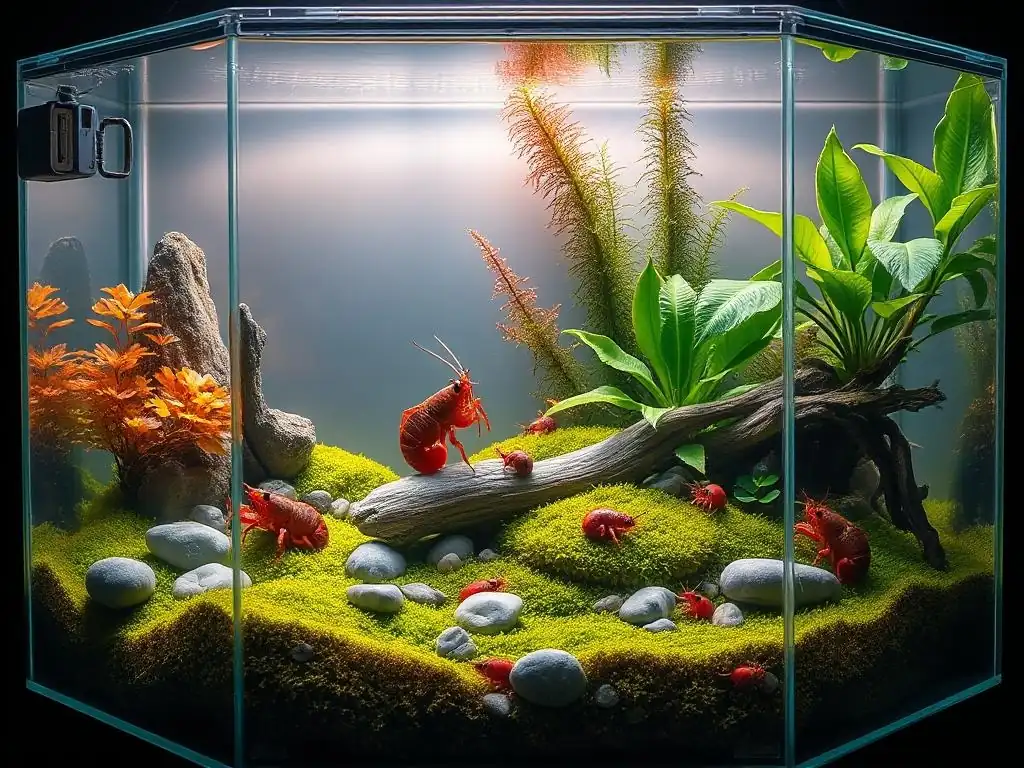
Beyond size, the physical setup must include numerous hiding places such as PVC pipes, ceramic caves, driftwood, and rock formations. These retreats offer security for the crayfish, particularly during their vulnerable molting period, and provide essential escape routes for fish. Stable water parameters, including a pH range of 7.0-8.0 and a temperature between 65-78°F (18-26°C), are vital for the health of both the crayfish and its tank mates. A well-filtered and cycled tank minimizes stress, which can otherwise exacerbate aggressive behaviors.
Factors Affecting Crayfish Tank Mate Compatibility
Several key factors influence the success of a freshwater crayfish tank compatibility guide. Firstly, the size difference between the crayfish and potential tank mates is paramount. Fish that are significantly larger than the crayfish are generally safer, as they are less likely to be viewed as prey. Conversely, any fish small enough to fit into a crayfish's claws is at high risk.
Secondly, the swimming speed and preferred water column of the fish play a crucial role. Fast-moving, mid-to-top dwelling fish are often more compatible as they can evade the slower crayfish and avoid direct encounters at the bottom of the tank. Lastly, the temperament of the fish itself matters; peaceful, non-aggressive species are preferred, as overly boisterous or nippy fish might provoke a crayfish, leading to retaliatory attacks. Substrate type and the overall tank layout also impact compatibility, as these influence hiding opportunities and territorial disputes.
Best Tank Mates for Freshwater Crayfish: Species Profiles
Fast-Moving Fish: A Key to Successful Coexistence
Fast-moving fish represent one of the safest categories of tank mates for freshwater crayfish due to their ability to quickly evade capture. Their agility and speed make them challenging targets for the slower, more deliberate movements of a crayfish. This evasion strategy is critical, as even a well-fed crayfish can be opportunistic if an easy meal presents itself.
While speed is a significant advantage, it does not guarantee complete immunity. Fish can become vulnerable during feeding times when they are distracted, or if they become stressed or ill, slowing their reactions. Therefore, even with fast-moving species, a well-structured tank with ample hiding spots and consistent monitoring is essential to ensure their long-term safety and contribute to a successful freshwater crayfish tank compatibility guide.
Dither Fish Options for Crayfish Tanks: Celestial Pearl Danios
Celestial Pearl Danios (Danio margaritatus) are an excellent choice as dither fish in a crayfish tank. These diminutive, active fish typically grow to just under 1 inch (2.5 cm) and are characterized by their darting, schooling movements. Their small size combined with their rapid, erratic swimming makes them incredibly difficult for a crayfish to catch, even if an attempt is made.
They thrive in cooler, well-oxygenated water, often aligning well with the preferred parameters for many freshwater crayfish species. To ensure their comfort and natural schooling behavior, it's recommended to keep them in groups of at least six or more. This schooling instinct further enhances their safety, as a larger group can quickly react to and evade potential threats from the bottom-dwelling crayfish.
Top-Dwelling Fish: Minimizing Crayfish Interaction: Marbled Hatchetfish
Top-dwelling fish like the Marbled Hatchetfish (Carnegiella strigata) are highly suitable tank mates because they primarily occupy the upper levels of the water column, minimizing direct interaction with bottom-dwelling crayfish. These unique fish, growing up to 1.5 inches (3.8 cm), spend almost all their time near the surface, often darting about or hovering.
Their specialized body shape and habit of staying near the water's surface effectively keep them out of reach of crayfish claws. However, a crucial consideration for Marbled Hatchetfish is their exceptional jumping ability; a tight-fitting lid is absolutely essential to prevent them from leaping out of the aquarium. This spatial separation is a key strategy for ensuring freshwater crayfish tank compatibility.
Armored Catfish: Bottom-Dwelling Allies
Armored catfish species present a unique compatibility option due to their protective bony plates, which offer a degree of defense against crayfish claws. While they share the bottom of the tank with crayfish, their built-in armor makes them less appealing or more difficult targets compared to soft-bodied fish. This natural defense mechanism can deter a crayfish from attempting an attack.
However, it's important to note that "armored" does not mean "invulnerable." A determined or larger crayfish can still potentially injure an armored catfish, especially if it manages to grab a fin or a softer part of the underside. Therefore, careful observation and ensuring adequate space and hiding spots for both species are still paramount for a successful freshwater crayfish tank compatibility guide.
Corydoras Catfish: A Popular Choice for Crayfish Tanks
Corydoras catfish (e.g., Bronze Corydoras, Peppered Corydoras) are a popular choice for freshwater crayfish tanks due to their peaceful nature and small, armored bodies. These charming scavengers typically range from 1 to 3 inches (2.5-7.5 cm) and are active bottom-dwellers, constantly sifting through the substrate for food. Their bony plates provide a considerable defense against a crayfish's claws.
For their well-being, Corydoras should be kept in schools of at least six individuals, as they are social fish. While their armor offers protection, a very large or exceptionally aggressive crayfish might still pose a risk, particularly to their barbels or fins. Ensuring a fine, smooth substrate is also beneficial, as it prevents damage to their delicate barbels as they forage.
Plecos: Considerations for Crayfish Tank Compatibility
Plecostomus species, especially the smaller varieties like the Bristlenose Pleco (Ancistrus spp. ), can be considered for freshwater crayfish tanks. Bristlenose Plecos grow to about 5 inches (12.7 cm) and are covered in bony plates, offering good protection. Their primary diet of algae and biofilm means they are less likely to compete directly for food with crayfish.
However, larger plecos, such as the Common Pleco (Hypostomus plecostomus), can grow exceptionally large (up to 2 feet or 60 cm) and become more territorial, making them less suitable. Even armored plecos can be vulnerable during rest or if a crayfish manages to latch onto their fins. Providing ample driftwood and caves for both the pleco and the crayfish is crucial to minimize competition for prime hiding spots and reduce potential conflict.
Larger, Peaceful Fish: A Cautious Approach
Introducing larger, peaceful fish into a freshwater crayfish tank can be a strategy, but it requires a cautious approach. The premise is that fish significantly larger than the crayfish will be less likely to be perceived as prey. Their sheer size can deter a crayfish from attempting an attack, as the risk of injury to the crayfish itself would be too high.
Despite their size, these fish must maintain a peaceful temperament to avoid stressing the crayfish or engaging in conflicts. This strategy carries a higher inherent risk compared to fast-moving or top-dwelling fish, as larger fish might still be slow enough or curious enough to venture into the crayfish's territory. Constant monitoring is essential to ensure this delicate balance is maintained, making it a nuanced aspect of any freshwater crayfish tank compatibility guide.
Denison Barbs: A Potentially Compatible Option
Denison Barbs (Sahyadria denisonii), also known as Roseline Sharks, are active, schooling fish that can reach lengths of 4-6 inches (10-15 cm). Their combination of speed, size, and mid-water swimming habits makes them a potentially compatible option for larger crayfish tanks. Their rapid movements and substantial body size generally deter crayfish from viewing them as prey.
These barbs require spacious tanks, typically 55 gallons or more, and prefer well-oxygenated water with stable parameters. While generally peaceful, their energetic nature might occasionally startle a crayfish. However, their size and inability to be easily ambushed make them a less risky choice than smaller, slower fish, contributing positively to a freshwater crayfish tank compatibility guide.
Swordtails: Assessing Risk and Benefit
Swordtails (Xiphophorus hellerii) are active, mid-to-top dwelling livebearers that grow to about 4-5 inches (10-12.7 cm). Their relatively large size and constant movement can offer some protection against crayfish. They are generally peaceful and add vibrant color to an aquarium, making them an attractive option for some aquarists.
However, the defining characteristic of male Swordtails – their elongated caudal fin, or "sword" – presents a significant risk. This long, flowing fin is an irresistible target for a crayfish's claws, which can easily nip or tear it. Even if the Swordtail is otherwise too large to be eaten, fin damage can lead to stress, infection, and a compromised quality of life. Therefore, while their body size is beneficial, the fin structure introduces a considerable drawback for freshwater crayfish tank compatibility.
Invertebrates and Freshwater Crayfish: A Risky Combination?
Snails: A Potential Crayfish Meal
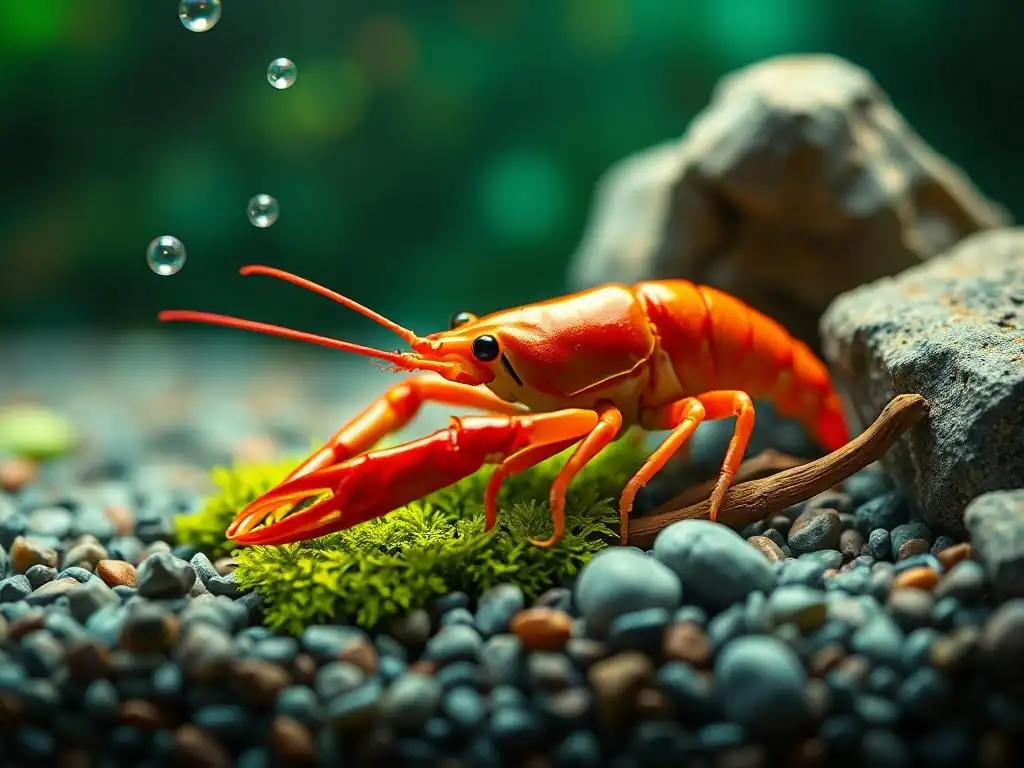
Snails are generally considered a high-risk tank mate for freshwater crayfish, as they are often perceived as a readily available food source. Their slow movement and the fact that many species are bottom-dwellers place them directly in the crayfish's hunting zone. Crayfish are opportunistic feeders and will not hesitate to attempt to capture and consume snails.
Even snails with hard shells and operculums (trapdoors) can be vulnerable. A determined crayfish can often flip a snail over to access its softer underside, or even chip away at the shell over time. The outcome often depends on the crayfish's hunger level and individual temperament, but the risk of a snail becoming a meal is consistently high, making them a challenging inclusion in any freshwater crayfish tank compatibility guide.
Mystery Snails: A Defensive Option?
Mystery Snails (Pomacea bridgesii) are relatively large, active snails that possess a hard operculum (trapdoor) which they can use to seal themselves inside their shell when threatened. This defense mechanism makes them somewhat more resilient than other snail species against crayfish attacks. They can grow to about 2 inches (5 cm) in diameter.
While their operculum offers a degree of protection, it is not foolproof. A large or particularly aggressive crayfish might still manage to pry open the operculum, or injure the snail's foot if it cannot fully retract in time. Furthermore, if the snail is flipped onto its back and struggles to right itself, it becomes an easy target. Therefore, while more defensive than other snails, they still face a significant risk.
Ramshorn Snails: Weighing the Risks
Ramshorn Snails (Planorbella spp.) are small, disc-shaped snails often kept as part of a cleanup crew in aquariums. They are prolific breeders and typically grow to less than an inch (2.5 cm). Due to their smaller size and relatively thin, unsealed shells, they are highly vulnerable to crayfish predation.
These snails lack any significant defense against a crayfish's claws and are slow-moving, making them easy targets. It is highly probable that Ramshorn Snails will be preyed upon and consumed by freshwater crayfish. Therefore, if the goal is to maintain a snail population, Ramshorn Snails are generally not a recommended tank mate for crayfish in any freshwater crayfish tank compatibility guide.
Shrimp: Generally Not Recommended
Most freshwater shrimp species are emphatically not recommended as tank mates for freshwater crayfish. The fundamental reason is their small size, soft bodies, and relatively slow escape response compared to fish. Crayfish are natural predators, and shrimp represent an ideal, easy-to-catch food source that they will readily pursue.
Even if a crayfish is well-fed, its predatory instincts will usually override any sense of "peacefulness" when confronted with a small, vulnerable shrimp. It's a common observation in the hobby that adding shrimp to a crayfish tank is often akin to offering a live snack. Therefore, for the well-being of the shrimp, it is best to avoid this combination entirely.
Amano Shrimp: A Possible Exception (with caveats)
Amano Shrimp (Caridina multidentata) are larger than most dwarf shrimp, growing up to 2 inches (5 cm), and are known for their active foraging. While more robust than other small shrimp, they are still at significant risk in a crayfish tank. Their larger size might deter some smaller or less aggressive crayfish, but it is by no means a guarantee of safety.
The primary vulnerability for Amano Shrimp, and indeed all shrimp, is during their molting process. When a shrimp sheds its exoskeleton, it is soft and defenseless for a period, making it an extremely easy target. If considering Amano Shrimp, it should only be in very large, heavily planted tanks with a well-fed and smaller, less aggressive crayfish species, and with the understanding that losses are highly probable.
Red Cherry Shrimp: Highly Vulnerable
Red Cherry Shrimp (Neocaridina davidi) are small dwarf shrimp, typically growing to less than an inch (2.5 cm). They are highly popular in planted tanks due to their vibrant coloration and prolific breeding. However, they are among the most vulnerable tank mates for freshwater crayfish.
Their diminutive size, soft bodies, and relatively slow escape speed make them prime targets for crayfish. In almost all scenarios, Red Cherry Shrimp will be systematically hunted and consumed by freshwater crayfish. They are not suitable tank mates and should be kept in separate aquariums to ensure their survival, a crucial point for any freshwater crayfish tank compatibility guide.
Fish to Avoid Keeping with Freshwater Crayfish
Slow-Moving Fish: Prime Targets for Crayfish
Slow-moving fish are among the least compatible tank mates for freshwater crayfish and should be strictly avoided. Species such as Fancy Guppies, Bettas, Angelfish, or Goldfish, characterized by their leisurely swimming and often elaborate fins, are essentially easy targets for a crayfish. Their lack of speed means they cannot effectively evade a crayfish's opportunistic lunge or ambush.
Once a crayfish manages to get a hold of these fish, escape is often impossible, leading to serious injury or death. Even if they are not immediately consumed, repeated attacks can cause immense stress, fin damage, and susceptibility to disease. Prioritizing the avoidance of slow-moving species is a fundamental principle for successful freshwater crayfish tank compatibility.
Bottom-Dwellers: Competition and Conflict
Fish that primarily inhabit the bottom of the tank pose a significant compatibility challenge because they directly compete with the crayfish for territory, hiding places, and food. Species such as Kuhli Loaches, certain types of Gouramis (which might spend time near the substrate), or even some types of bottom-feeding cichlids will frequently cross paths with the crayfish.
This constant proximity and competition inevitably lead to increased interaction, which can escalate into conflict. The crayfish, being territorial, will likely view other bottom-dwellers as intruders, resulting in nips, chases, and potential injury to the fish. Minimizing direct competition for space is crucial for a harmonious freshwater crayfish tank.
Fish with Long, Flowing Fins: An Irresistible Temptation
Fish species characterized by long, flowing fins are an almost irresistible temptation for freshwater crayfish and should be avoided. This includes popular aquarium fish like male Bettas (Siamese Fighting Fish), Angelfish, Fancy Guppies, and some Gourami varieties. The crayfish's natural instinct is to grab onto anything it can, and these delicate, trailing fins present an easy and appealing target.
Even if the crayfish does not intend to eat the entire fish, it will often nip at the fins, causing significant damage. Such fin nipping not only disfigures the fish but also leads to severe stress, increased susceptibility to bacterial infections, and a diminished quality of life. The risk of irreversible harm to these fish is exceptionally high, making them highly unsuitable for any freshwater crayfish tank compatibility guide.
Setting Up a Crayfish-Safe Aquarium: Essential Considerations
Tank Size: Providing Ample Space
Providing ample tank space is a critical foundational element for ensuring freshwater crayfish tank compatibility. For a single dwarf crayfish, a minimum of 10-20 gallons is recommended, while larger species like the Marbled Crayfish (Procambarus fallax f. virginalis) or Electric Blue Crayfish (Procambarus alleni) require at least 30-40 gallons per individual. This generous space reduces territorial disputes among tank inhabitants and allows fish to escape a crayfish's reach more easily.
In community setups, particularly with larger crayfish, a tank of 55 gallons or more is ideal. This increased volume provides more horizontal and vertical swimming space for fish, minimizing direct encounters with the bottom-dwelling crayfish. Ample space is not just about volume; it's about creating enough distinct zones where each inhabitant can feel secure and avoid constant interaction, thereby reducing overall stress and aggression.
Hiding Places: Reducing Aggression
The provision of numerous and diverse hiding places is paramount for a crayfish-safe aquarium. Each tank inhabitant, including the crayfish itself, should have multiple options for retreat. This includes ceramic caves, PVC pipes (cut to appropriate sizes), driftwood with crevices, and tightly packed rock formations. Dense live plant cover, such as Java Fern or Anubias, also provides excellent visual barriers and hiding spots for fish.
These retreats serve several vital purposes. For the crayfish, they offer security, especially during the vulnerable molting process, reducing their stress and, consequently, their defensive or aggressive behaviors. For fish, hiding places provide immediate refuge from a chasing crayfish, allowing them to escape potential attacks. A tank rich in safe havens significantly contributes to a peaceful freshwater crayfish tank compatibility.
Substrate and Decor: Minimizing Competition
The choice of substrate and the arrangement of decor play a significant role in minimizing competition and potential harm in a crayfish tank. A fine, smooth substrate like sand or small, smooth gravel (e.g., 2-3 mm) is preferred. This prevents injury to the crayfish's delicate legs and antennae as it digs, and it is also safer for bottom-dwelling fish like Corydoras, protecting their barbels. Avoid sharp or abrasive substrates.
When arranging decor, aim to create visual barriers and distinct territories. Use larger pieces of driftwood or rock to break up sight lines, preventing the crayfish from having a clear view across the entire tank. This can reduce the perception of intrusion and competition. Ensure that any decor is stable and cannot be toppled by the crayfish, which are known for their redecorating habits.
Water Parameters: Maintaining a Healthy Environment
Maintaining stable and appropriate water parameters is fundamental for the health and well-being of all inhabitants in a freshwater crayfish tank, directly impacting compatibility. Most freshwater crayfish thrive in a pH range of 7.0-8.0, a temperature between 65-78°F (18-26°C), and moderate hardness (GH 8-15 dGH). These parameters also suit many compatible fish species, ensuring a shared comfortable environment.
Consistent water quality, achieved through regular water changes (e.g., 25% weekly) and robust filtration, is crucial. High levels of ammonia, nitrite, or nitrate can stress both crayfish and fish, weakening their immune systems and making them more susceptible to disease or aggression. A healthy, stress-free environment reduces the likelihood of defensive behaviors from the crayfish and allows fish to react more effectively to potential threats, enhancing overall freshwater crayfish tank compatibility.
Monitoring Your Crayfish Tank: Signs of Compatibility Issues
Aggression and Fin Nipping
Close and consistent monitoring of your crayfish tank is essential to identify early signs of compatibility issues. Observable aggression includes the crayfish actively chasing fish, making sudden lunges, or attempting to grab fish with its claws. You might also notice the crayfish frequently guarding a specific territory, preventing fish from entering.
A clear indicator of successful attacks is physical damage to your fish. Look for torn or frayed fins, missing scales, or visible body injuries. Even seemingly minor fin nipping can lead to chronic stress, secondary bacterial or fungal infections, and eventually, the death of the fish. Regular, quiet observation, especially during feeding times when competition is higher, is crucial for assessing freshwater crayfish tank compatibility.
Missing Tank Mates
The unexplained disappearance of tank mates is a strong and often definitive sign that your freshwater crayfish is preying on them. If fish or invertebrates vanish without a trace, and you've ruled out other common causes like jumping out of the tank or succumbing to disease, it is highly probable that the crayfish has hunted and consumed them.
This is particularly true for smaller, slower, or bottom-dwelling species. While crayfish are scavengers and will consume deceased tank mates, a healthy fish disappearing overnight usually indicates active predation. Documenting your tank inhabitants and regularly accounting for them is a key part of effective monitoring for any freshwater crayfish tank compatibility guide.
Crayfish Molting: A Time of Vulnerability
Crayfish molting is a critical period that significantly impacts tank compatibility and requires heightened vigilance. During molting, the crayfish sheds its old, rigid exoskeleton, emerging soft and defenceless for a period ranging from a few hours to several days, depending on its size. In this state, the crayfish is extremely vulnerable to attack from any tank mate, including fish that would normally be ignored.
Even typically peaceful fish might nip at the soft crayfish, causing injury or death. Conversely, the crayfish itself is unable to defend itself effectively, leading to increased stress if it feels exposed. Providing ample, secure hiding spots that the crayfish can retreat to during this time is absolutely paramount. Observing a crayfish struggling to molt or remaining exposed after molting can indicate insufficient hiding places or overly aggressive tank mates.
Troubleshooting Crayfish Tank Compatibility Problems
Re-homing Aggressive Crayfish
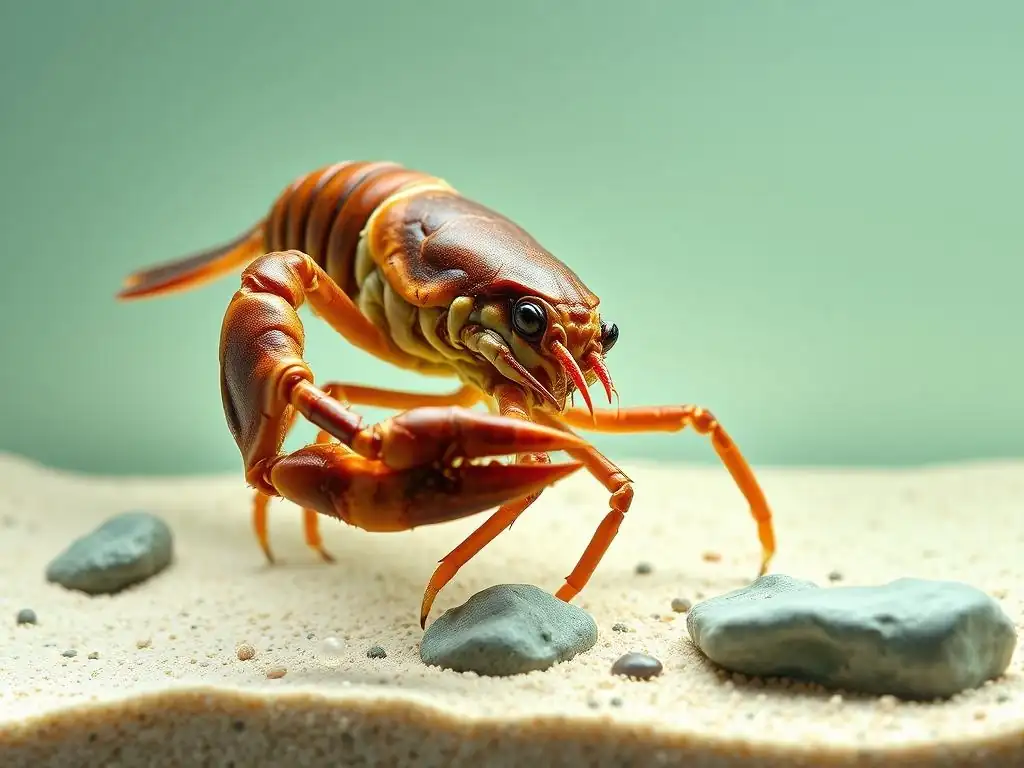
If persistent aggression is observed despite implementing all recommended mitigation strategies, the most effective and humane solution is often to re-home the problematic crayfish. Some individual crayfish exhibit higher levels of aggression regardless of tank setup or feeding, making them unsuitable for a community aquarium.
Re-homing involves moving the aggressive crayfish to a species-only tank where it cannot harm other inhabitants, or finding it a new home with an experienced aquarist who can provide a suitable environment. This action ensures the safety and well-being of the fish in the community tank and significantly reduces stress for all remaining inhabitants, making it a definitive step in troubleshooting freshwater crayfish tank compatibility issues.
Adding More Hiding Places
If initial observations suggest that tank mates are being stressed or preyed upon due to insufficient cover, adding more hiding places is a primary troubleshooting step. This involves introducing additional caves, PVC pipes, dense plant clusters, or rock formations to the aquarium. The goal is to provide multiple escape routes and secure retreats for all inhabitants, especially the fish.
More hiding places can reduce direct confrontations by allowing fish to quickly disappear from a crayfish's line of sight. It also provides the crayfish itself with more secure spots, potentially reducing its perceived need to defend a single territory aggressively. This simple adjustment can often significantly improve the dynamics and overall freshwater crayfish tank compatibility within the aquarium.
Separating Problematic Individuals
As a temporary or even permanent solution, physically separating problematic individuals can effectively resolve compatibility issues. If a specific fish is consistently targeted, or if the crayfish is relentlessly aggressive, isolating one of them in a separate tank (a "hospital" or "quarantine" tank) can prevent further harm.
This allows injured fish to recover in a stress-free environment and provides time to re-evaluate the main tank's setup. For the crayfish, a period of isolation might reduce its overall stress or allow for a re-assessment of its temperament. This troubleshooting step provides immediate relief and allows for more strategic long-term planning for your freshwater crayfish tank compatibility guide.
Conclusion: Achieving a Balanced Freshwater Crayfish Tank
Key Takeaways for Successful Tank Mate Selection
Achieving a balanced and harmonious freshwater crayfish tank fundamentally relies on strategic tank mate selection. The primary takeaway is to prioritize fish that are either fast-moving, occupy the upper water columns, or possess natural defenses like armor. Species such as Celestial Pearl Danios, Marbled Hatchetfish, and armored Corydoras catfish often prove to be the most compatible choices, offering a blend of evasion and protection.
Conversely, it is crucial to avoid slow-moving fish, species with long and flowing fins, and most invertebrates, particularly shrimp and soft-bodied snails, as they are almost always perceived as prey. The size and individual temperament of both the crayfish and potential tank mates are paramount. Understanding these core principles is the cornerstone of any successful freshwater crayfish tank compatibility guide.
The Importance of Observation and Adjustment
Even with meticulous planning and adherence to freshwater crayfish tank compatibility guidelines, the dynamic nature of an aquarium necessitates continuous observation and a willingness to adjust. Every crayfish possesses a unique personality, and tank dynamics can shift over time due to growth, molting, or the introduction of new elements. Regular, quiet observation of interactions between your crayfish and its tank mates is crucial.
Be prepared to make changes if signs of stress or aggression emerge. This might involve adding more hiding places, altering feeding routines, or, as a last resort, re-homing an incompatible inhabitant. Patience, vigilance, and adaptability are key virtues for any aquarist aiming to cultivate a thriving and peaceful community alongside their fascinating freshwater crayfish.
Frequently Asked Questions
How can I determine if a fish is compatible with my freshwater crayfish in a tank?
Compatibility depends on the fish's size, temperament, and nocturnal behavior. Avoid small, slow-moving fish or those that sleep on the substrate.
What are some generally safe fish species to keep with freshwater crayfish?
Generally, fast-moving, mid-to-top dwelling fish like Danios or fast-swimming Tetras are considered safer tank mates. However, individual crayfish temperament can vary.
What tank conditions are crucial for successful freshwater crayfish and fish cohabitation?
A large tank with plenty of hiding places is essential. This allows fish to escape the crayfish and reduces aggression, providing safe zones for all inhabitants.
How can I prevent my crayfish from harming or eating my aquarium plants?
Provide the crayfish with plenty of alternative food sources and consider hardy plant species that are less palatable. Regular feeding reduces the likelihood of plant consumption.
What are some warning signs that my crayfish and fish are not compatible in the tank?
Observe for chased fish, nipped fins, or fish hiding constantly. These are indicators of stress and potential aggression, requiring immediate intervention.
The exploration of freshwater crayfish tank compatibility, as detailed in this guide, is more than just a list of dos and don'ts; it's a testament to the importance of responsible aquarium keeping and understanding the intricate balance of aquatic ecosystems. In a world increasingly focused on instant gratification, taking the time to research and carefully consider the needs of each species is crucial for creating a thriving and ethical aquarium environment.
This journey into the world of crayfish tank mates has underscored the profound impact our choices have on the lives of the creatures we bring into our homes. It's a constant reminder that we are not merely curators of a collection, but stewards of a miniature world, responsible for the well-being of its inhabitants. The greatness of a nation and its moral progress can be judged by the way its animals are treated.
- Mahatma Gandhi. This quote, though often applied to larger animals, resonates deeply within the context of aquarium keeping, urging us to consider the ethical implications of our decisions.
Now, as you embark on your own journey to create a harmonious freshwater aquarium, remember that knowledge is your most powerful tool. Let this guide serve as a foundation, but never cease to learn, observe, and adapt. Consider the long-term implications of your choices, and strive to create an environment where all creatures can thrive. The beauty and wonder of a well-balanced aquarium are a testament to the power of thoughtful planning and compassionate care. Embrace the challenge, and let your aquarium be a reflection of your commitment to responsible and ethical aquarium keeping.
Ignite Your Crayfish Adventure!
Thank you for diving into the world of freshwater crayfish! We hope this guide has equipped you with the knowledge to create a harmonious and thriving aquarium environment. Now, let's put that knowledge into action!
Here are a few ways to continue your crayfish journey:
- Carefully observe your current tank setup and identify any potential tank mates that could be at risk from your crayfish. Remember, safety first!
- Share this guide with fellow aquarium enthusiasts who are curious about crayfish compatibility. Let's spread the knowledge!
- Consider starting a crayfish-dedicated journal, documenting your observations, feeding schedules, and any unique behaviors you notice.
What surprising behavior have you observed in your crayfish, and how has it shaped your approach to tank mate selection?